The same thing happens with the Caribbean as happens with other regions and countries of Latin America when they are mentioned: stereotypes flourish, spread by the media in virtue of a certain unfamiliarity with, and a certain slighting of, our material and spiritual achievements. We have been victims of sketches, conventions, and formulas that are ideal for hiding pronounced underdevelopment, poverty, migrations, and unemployment, through a cultural operation that only projects the attractive side of our kind nature and our psychological and sociological features. Whenever someone says Caribbean, many people imagine fabulous beaches, coconut trees, rum, sugar, and especially music, dance, songs, carnival, and mulatto men and women desirous of pleasure. It is true that these things exist in the Caribbean. However, that alone is not the Caribbean, but rather something that is intelligible and attainable, superficial and easy to consume for those who do not wish to complicate their lives by attempting to understand others and guessing what the rest of the world is like. It is true that our strongest traditions have always revolved around dance and music, beginning with the African presence in existence since the early sixteenth century. Plantations shaped a way of existing and being based on an economic system that depended on slave labor imported from Africa for centuries. To a large extent, this began to forge our social and cultural behavior. According to Rex Nettleford's affirmation "the Caribbean experience is grounded in the African presence" and is not far from the truth, although there are also other influences, other values, and other sources that we must keep in mind.
Many distinct peoples have intermixed in the new geography of the Caribbean (Galicians, Catalonians, Andalusians, Bretons, Gauls, Mayans, Tainans, Congos, Araras, Yolofes, East Indians, Chinese). This has launched the rise of a new culture based on diversified cultures and, in particular, different historical times at which each culture brought its own characteristics according to its degree of economic evolution and social awareness.
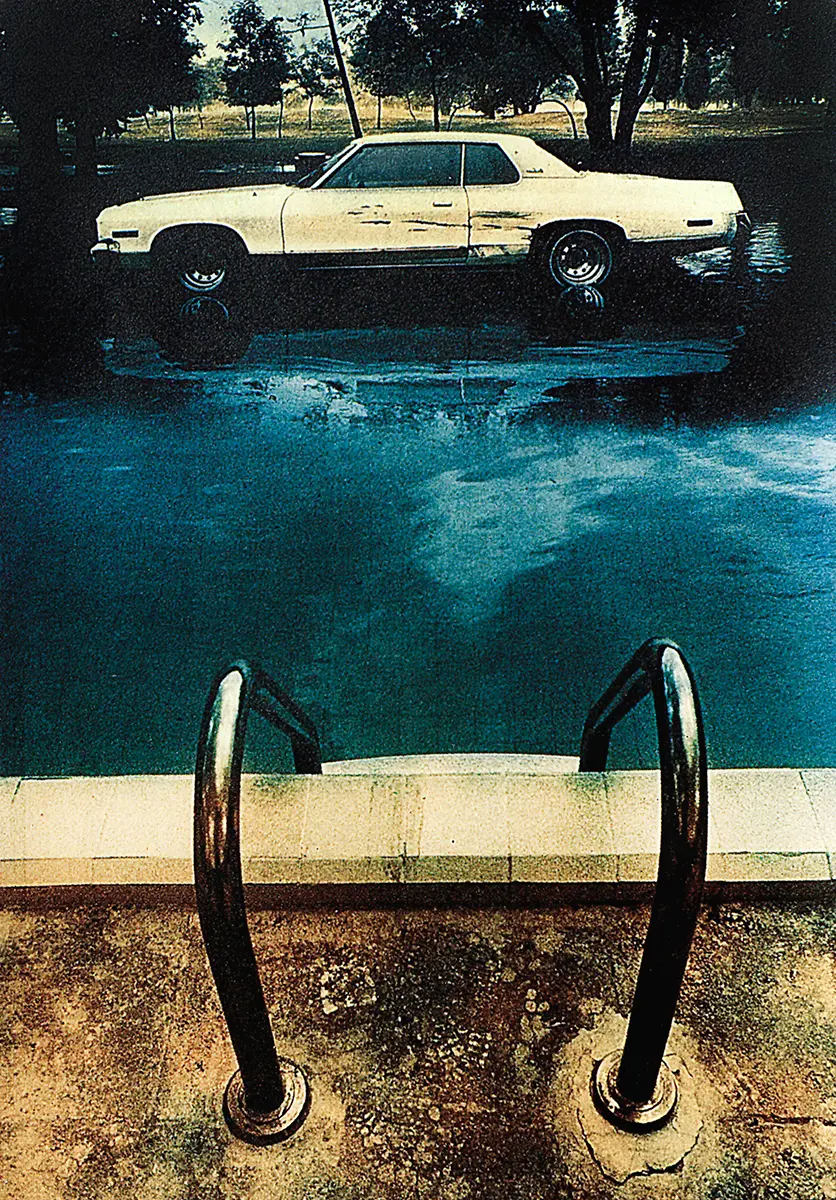
Today's art and photography in the Caribbean present characteristics very different from those introduced decades ago. Current Caribbean artists have evaded that hegemonic esthetic that used to privilege exuberant imagery through many-colored landscapes and figures of men and women (mostly of African origin) who, in spite of their poverty and marginality in their own countries, were grateful for the life that was granted to them. Such imagery did not touch upon essences or vital aspects of Caribbean reality, and it excluded any reflection upon our past or present circumstances. At the same time, that esthetic patented a mystifying aspect of the "marvel" of our lands, of the "fantastic" as a conciliatory identity that was sometimes confused with tendentiously local or regional surrealism in order to flow, in some way, into an ideal cultural exoticism, especially for consumption by the centers of power. Nevertheless, in the middle of this mystifying process, Caribbean painting with popular roots (the case of Haiti, for example) produced weighty and significant works that, unfortunately, were taken as models or symbols of nearly all our artistic production, even coming to be seen as archetypes of things Caribbean on account of their unquestionable beauty and naivete in representing and imagining their world.
Today, artists are shaking off that great bulk of formal symbols and conventions (which were so abused), they are shaking off that stereotyped Africanicity and they are jumping into the reformulation of their own modernity, based on the principles governing the end of the twentieth century. It could even be said that today's artists are redesigning their identity out of a deep knowledge of their past, of their surroundings, and of that innate ability in our region to assimilate everything, to devour everything, to transform everything. And this brings us closer to the concept of cultural cannibalism, which the Brazilian artists revealed in the second decade of this century. Here, the western and the non-western live together, and everything must contribute to the great ajiaco (potpourri) of our cultures (to borrow the Cuban term that the sage Fernando Ortiz coined with such precision). Inside that gigantic "melting pot" there is a new stew cooking, a new substance, and it is possible to identify each of the new ingredients.
Today we may also observe a greater reflexive attitude, apropos of a liberating will that allows the artist to operate with great formal and linguistic heterodoxy. Thus we find the use of memory as a referent for disassembling mechanisms of the present and for undertaking immediacy with its full stamp of marginality within the marginal space of underdevelopment. Aware of their existence on the very border of the periphery (still understanding the world according to certain currents of thought that divide it into central and peripheral places), artists have taken advantage of that condition in order to explore their intimate being, their personality, in a sort of valid and gratifying creative introspection which leads to the discovery of themselves. Free of all those old academic attributes and of those false clichés from the middle of the century, artists are rearticulating their discourse and delving into self-reflection, into the reclamation of the defeated. They are collating the official history with real histories, like the tendencies that characterize the region's ideological and esthetic searches.
In fact, today's Caribbean art displays maturity and vitality beyond all doubt, wherefore it becomes an issue of extreme ignorance to be unfamiliar with its realizations.
Our artists are aware of this boom that, since the middle of the '80s has monopolized the attention of gallery owners, museum directors, art critics, and curators in the United States, Europe, and Latin America.
The principles of postmodernity have turned out to be the indisputable source of new strategies for the artists of the region. As has never happened before, we are coming closer to an encounter with ourselves, without giving much importance to which of the linguistic zones we belong, what our political regimes may be, or whether we were colonized by the English, the Dutch, the French, or the Spanish. We have dismantled the imperial mechanisms in order to rediscover identities common to the majority of men and women who inhabit the region, identities that allow us to insert ourselves in the universal current of civilizations projected today on a global scale. We are discovering our differences, our otherness, from our perspective, from our vantage point.
Today we witness the flourishing of a new avant-garde, 60 years later, with the advantages befitting a greater awareness of our destinies, a boom to which writers, essayists, poets, playwrights, filmmakers, composers, academics, intellectuals, and politicians have contributed. As this new vanguard flourishes in our time, it does so, logically, under the syndrome of postmodernity. This concept has served us in sharpening our instruments to penetrate reality, without worrying us about tendencies or trends and without us having to adjust ourselves to certain historic norms.
Photography, in spite of this development of the visual arts, did not have the same luck. With very few exceptions, especially in Cuba—through the work of Joaquín Blez, José Manuel Acosta, Pedro Tabío, Osvaldo Salas, and Constantino Arias, between the '20s and the '60s— photography was circumscribed to so-called "photographic studies" (a commercial activity whose aim was to register the social life of the inhabitants of any town or city of the country) and photojournalism (characteristic of the written press). Photography was considered a minor art when not merely a simple technique, whose entrance into the domains of galleries and museums was practically forbidden. To exhibit photography was very difficult in our lands, while Europe and the United States had already acquired an awareness of its value through the work of a Cartier Bresson or a Walker Evans; or in Latin America, through the work of Manuel Álvarez Bravo, Tina Modotti, Alfredo Boulton, Horacio Coppola, Martin Chambi, Grete Stern, and José Medeiros. These artists covered an ample spectrum of topics and expressions characteristic of their period, from
female nudes to workers' marches, from trick photography and the superposition of negatives to the direct register of our geography. They established their formats in two dimensions, black and white photography, and they took special care in achieving the excellent photo, capable of competing with a canvas, an etching, a drawing, or a sculpture. Latin American photography thus accepted the challenge of searching for a visual awareness that would contribute to the formulation of an imaginary collective in conjunction with other important artistic expressions. Collaborators in this were: Sebastião Salgado, Paolo Gasparini, Pedro Meyer, Miguel Rio Branco, Raúl Corrales Alberto Korda, Mario Cravo Neto, Luis González Palma, Lourdes Grobet, Lourdes Almeida, Graciela Iturbide, Gerardo Suter, Sara Facio, and Humberto Rivas, among others.
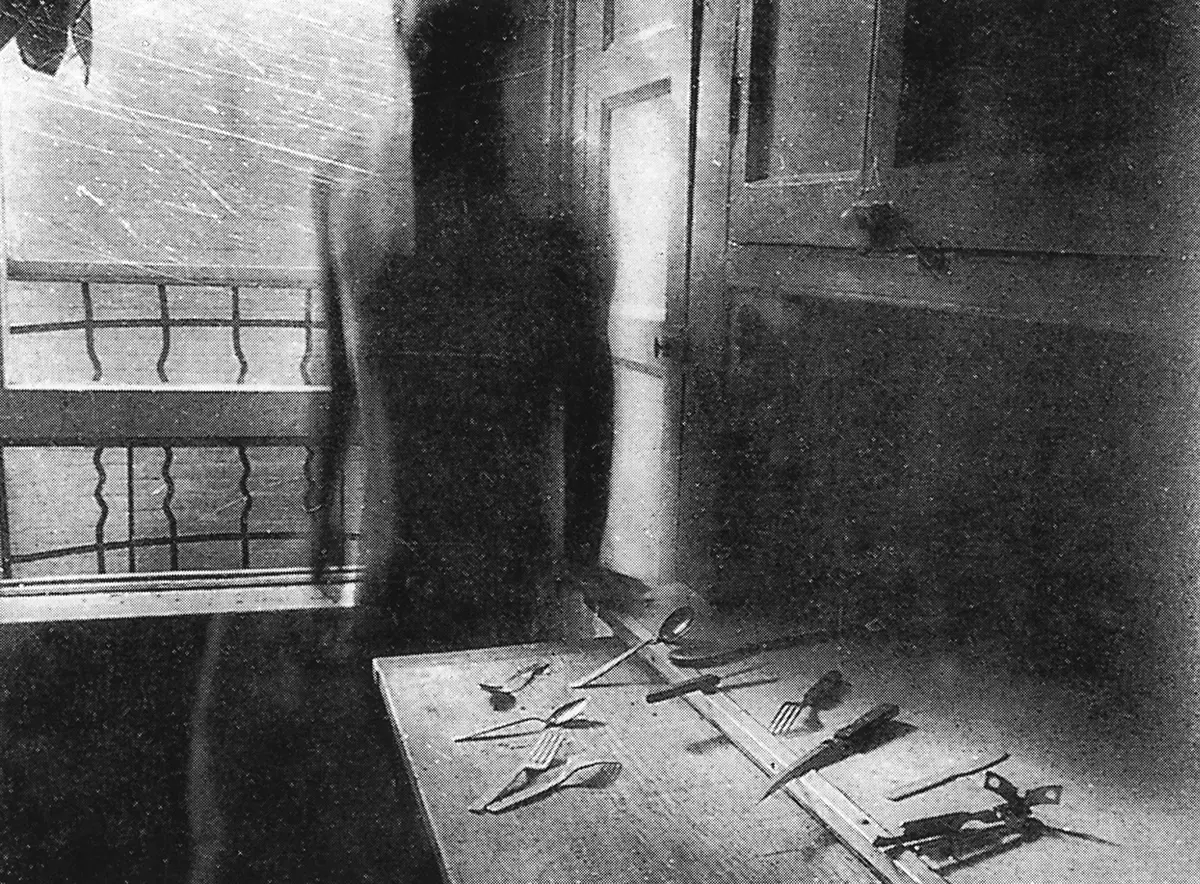
It is in the '60s when photography makes its appearance as an artistic expression in the Caribbean. It takes place in Cuba, the largest of the Antilles, amid the heated interest in documenting the disturbing events and radical transformations produced by the triumph of the revolution in 1959. It is realized through epic, affirmative photography that participates in the project of national reaffirmation, a project that transgresses the traditional limits of reporting and pictorial testimony in order to create images of great plasticity and beauty. Although no specific place existed in Cuba for the study of photographic art, those who wished to learn approached the more experienced artists and acted as apprentices to their masters. Others began to work in the written press (magazines and newspapers) in order to participate in a contemporary dynamic that, although full of routine, turned out to be an irreplaceable means of practical training. From both sources rose artists like Chinolope, Ramón M. Grandal, Tito Álvarez, Roberto Salas, Mario García Joya, María Eugenia Haya, Rigoberto Romero, Iván Cañas, José A. Figueroa, Enrique de la Uz, Pirole, and Gilda Pérez. These are some of the artists who shaped the new generation in the '70s, inspired by the concept of photo essays or series on a specific topic. They produced admirable examples of the interior settings of our homes, cemeteries (death), pop music, the image of the heroes of the imaginary collective, daily life in the streets of Havana, on country people, on work in our factories, on rural schools, on crowds and religious gatherings, all photographed in black and white in the customary formats that did not imply ruptures or transgressions, and which respected the codes sanctioned by documentary photography.
This phenomenon later generated its own rhetoric, and in the following years, well-trodden roads were traveled which led to nothing new, until finally serious exhaustion of this documentary modality was observed. Then in the '80s, a new generation rises, which gives photographic work a new dimension under the influence of conceptual art and the postulates of postmodernity. This generation no longer shows interest in documenting the present, but rather in exploring the individual and collective memory, the different contexts in which life is lived, and the countless hiding places of daily life; and they do so with all the components of pop and religious culture, living traditions, rituals, and myths. Photography assumes the risks of other visual expressions; it unfolds within them, it takes on colors and texts, incorporates objects, and forms part of installations. In this way, a true qualitative leap is produced.
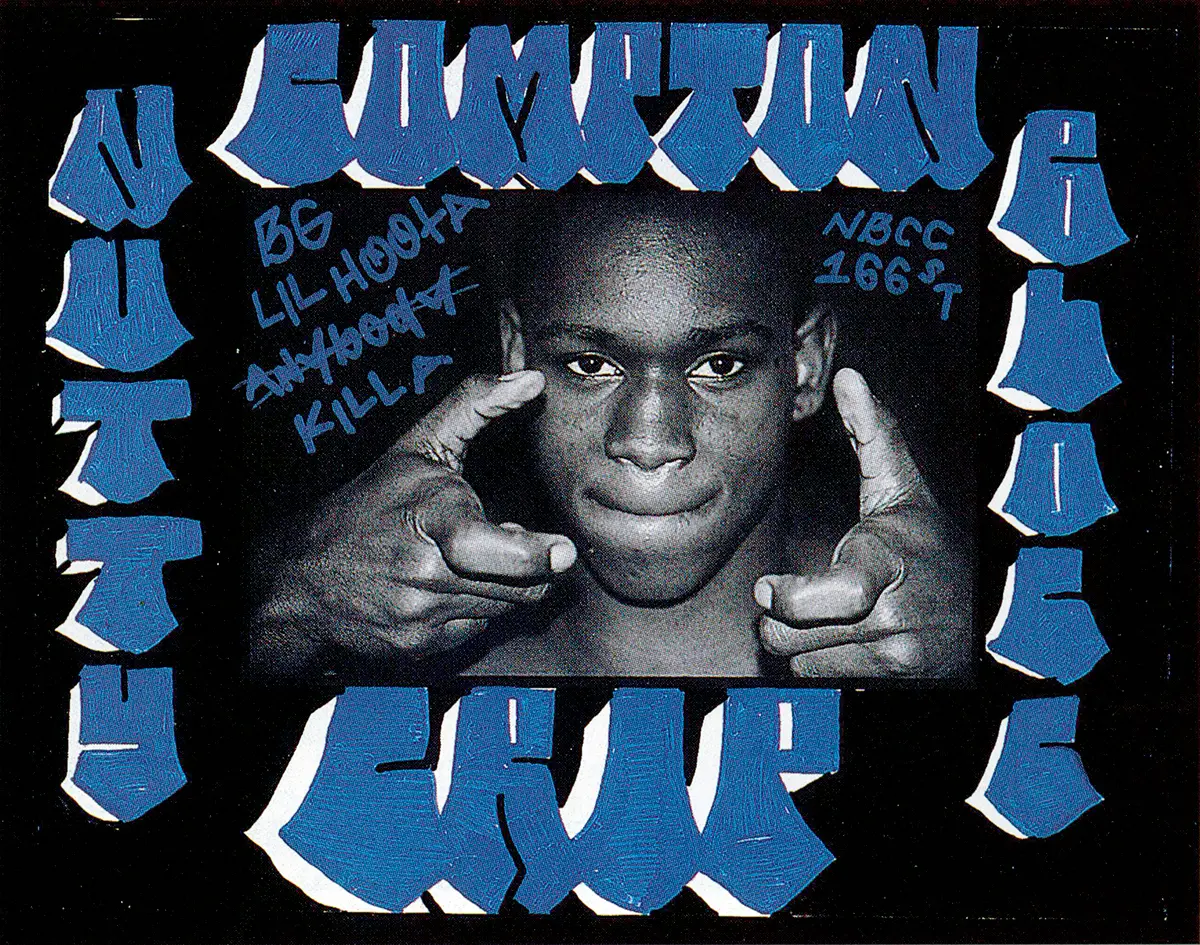
The first works of Rogelio López Marín (Gory) mark the turning point toward a new era. His participation in the "changing of the guard" and his later treatment of printing modified the eye's perception, which until that point was trained in the subject-object relationship, far removed from any ambiguity or doubt. Gory's images, plethoric in the surreal and absurd, denote the hybridization of painting/photography and film/photography, which would characterize his later work, as well as that of several emerging photographers who would follow in his wake.
Working with him we find Arturo Cuenca and José Manuel Fors, whose formal languages question the perception of things (or real and imagined time), in search of the viewer's complicity. We later encounter artists like Carlos Garaico, Manuel Piña, René Peña, Marta María Pérez, and Juan Carlos Alom, each one with his or her own distinctive and experimental language. All of these artists comprise the vanguard of new Cuban photography, which includes José Ney, Pedro Abascal, Alfredo Sarabia, Humberto Mayol, Ramón Pacheco, Abigaíl González, Katia García, and Eduardo Muñoz.
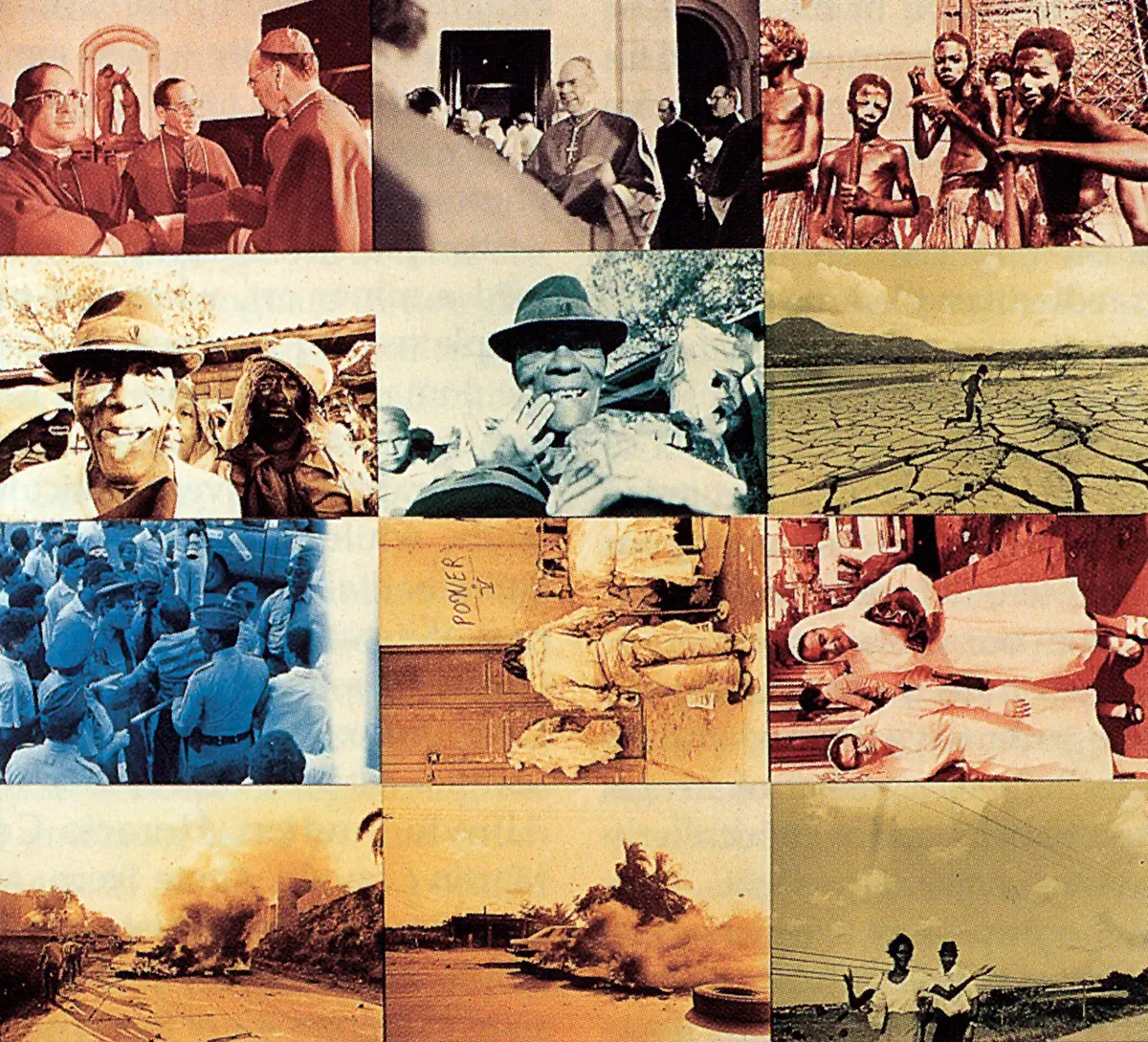
In the Dominican Republic, we discover celebrated artists like Mariano Hernández, Polibio Díaz, and Domingo Batista, whose works point toward a sociological concept of registering the cultural ambiance lived by that country—images in which we see popular carnivalesque traditions and urban and rural architecture parade by. Alongside these artists, we find Martín López Reyes, who will modify in a substantial way the panorama of that Caribbean island shared with Haiti. Lopez Reyes prints the photographic film without cuts, in a postcard-like format, in order to register everything that happens around him in the streets of his country, or in any city in the world. He thus gives rise to an urban, sociological photography that does not discriminate large events from small ones, the important public character from the simple man, and myth from the real, ephemeral circumstance. This screen may be placed on any wall without creating montage or space problems. Such photography adapts readily to the precariousness and difficulties of those Caribbean exhibition spaces that do not demand high moving costs, registering like no other the enormity of our lives, the plurality of our present, and the wealth of our living past.
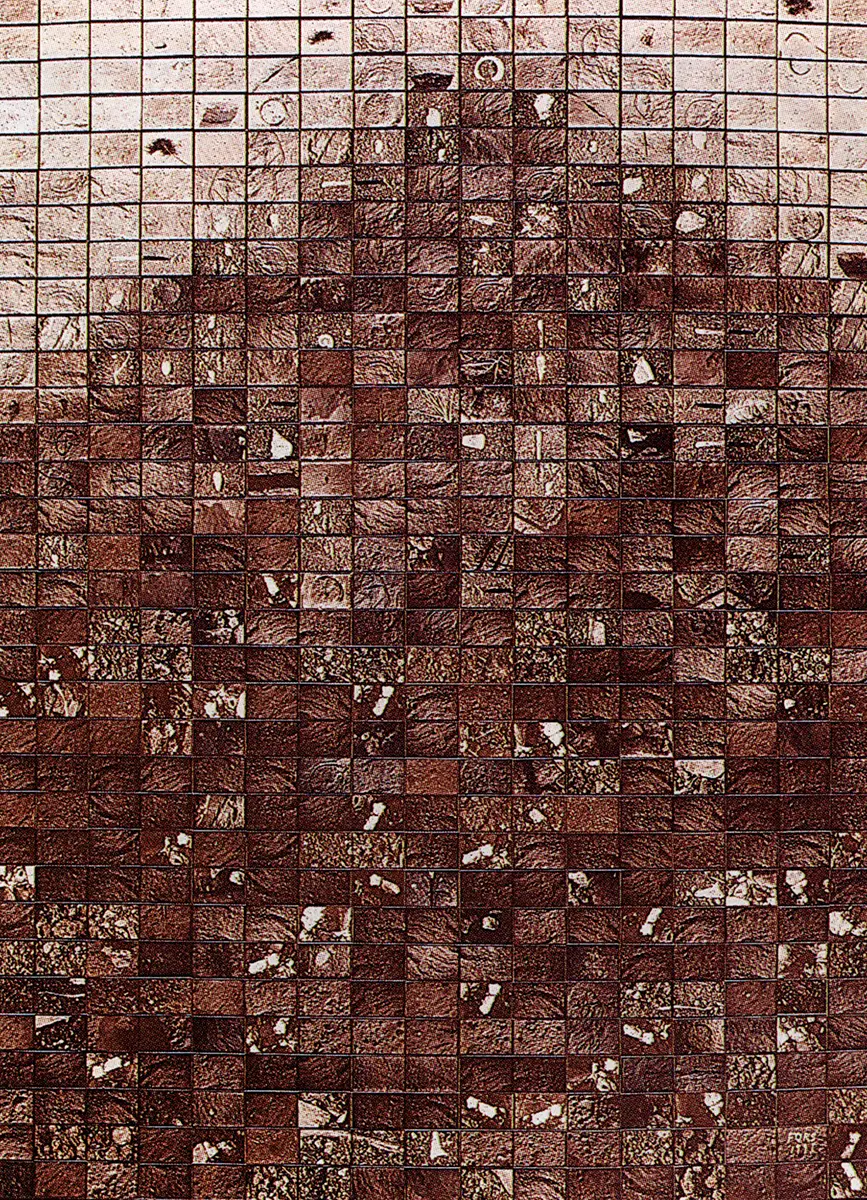
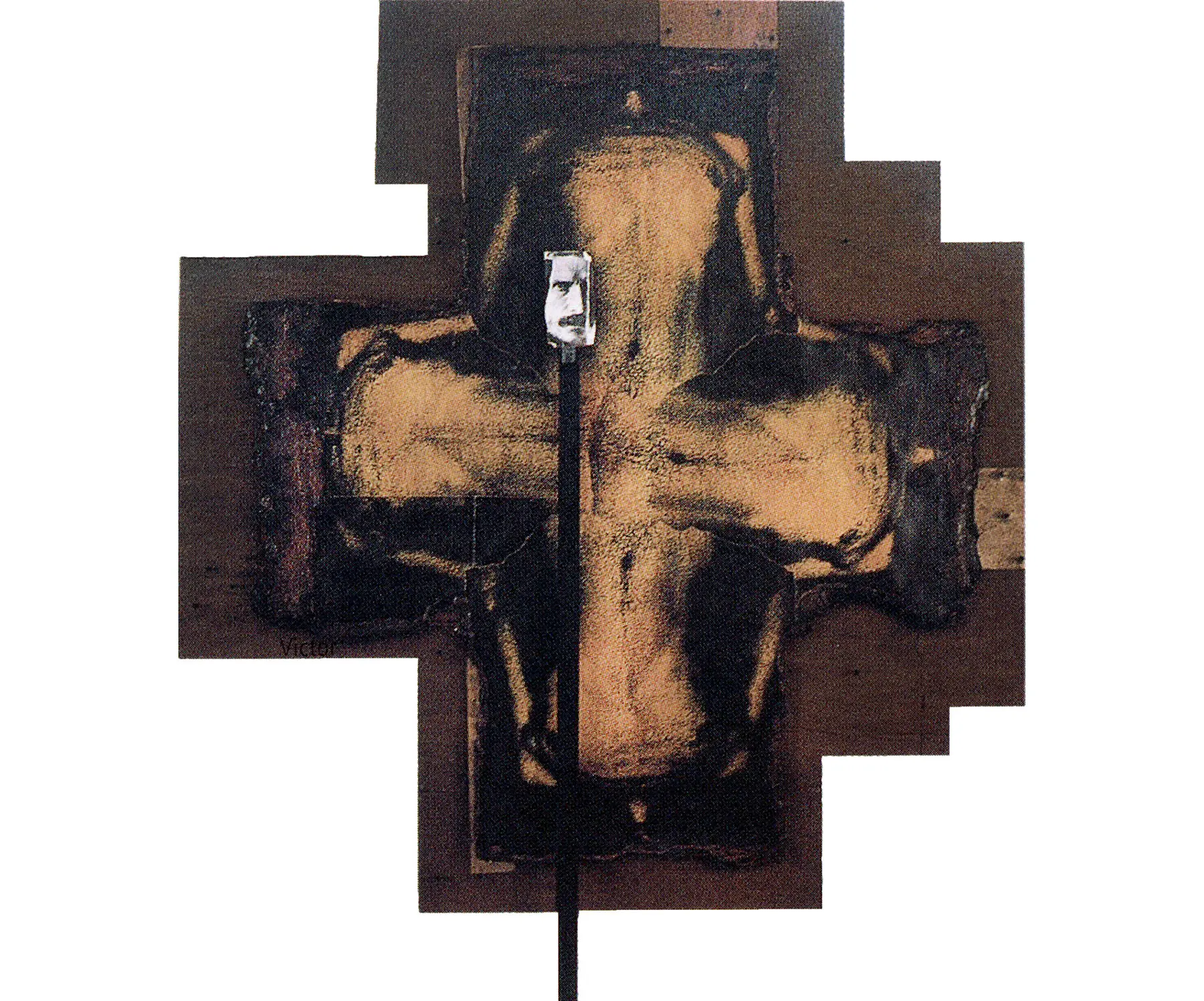
In Puerto Rico, Juan Sánchez, an artist known for his graphic work and his painting, uses photography to accentuate a critical discourse on the island's political situation. His photos thus constitute one more element of his graphic compositions alongside texts, colors, and graffiti, becoming a sort of plastic collage of doubtless power which at times recalls those posters plastered over city walls. Sánchez gives one more proof of the flexibility of the photographic image, of its versatility and integration with other visual expressions. Of an entirely different nature is the work of Víctor Vázquez. For him, photography is the core of a work that raises the questions of death, solitude, and the crises of existence. Vázquez adds diverse elements to his large-format montages (painting, drawing, objects, wood, glass), thus creating complex structures with a certain dramatic effect. His work is a continuous reflection upon the precariousness of life in an era characterized by individualism, the loss of historically consecrated moral values, the disquiet before mortal plagues and natural disasters, and the end of totalizing discourses. Néstor Millán is the photographer of the day, the photographer of the intimate speculation on things, and the author of ambiguous and confusing atmospheres. His recent pieces aim at discourse on masculine sexuality and erotic ritual. Of equal importance in that country are the works of Jack Delano, Sophie Rivera, Héctor Menéndez Caratini, Sandra Reus, and Frank Méndez.
In Jamaica, Albert Chong represents a unique case within Caribbean photography. His insertions, juxtapositions, and overprinting go beyond traditional collage, in search of an illusion that at times becomes mystical, and supernatural. Of Chinese-African-Jamaican origin, his photos deal with the process of restoring memory, with an air of familiar nostalgia within his current context.
Bom in St. Lucia, Dennis Calwood has realized work in the Caribbean, the United States, and Mexico in which his very personal sense of self-expression is present with no political or social analyses, just the freedom of someone who is trying to answer his own questions about man and his circumstances. Naturally, his themes have as their central characters men and women of our latitude, and for this reason, his work has been considered part of a new photographic realism that has its origins in photojournalism.
The case of Cuba is, by its historic nature, different because in our country there has been a photographic tradition that has to date preserved the dichotomy that every artistic expression carries within that of continuity and rupture.
The most recent shows of Cuban photography allow us to speak of a movement's rupture, for it has pierced various creators and promises to be even greater with the incorporation of painters, installations, and other artists who currently feel the need to "use" photography as part of their creative discourse.
The irruption of new esthetic strategies has been assumed by photographers who have been exhibiting for a little over ten years (both inside and outside this medium), photographers who have left behind many of the themes treated in the '60s and '70s in order to establish photography as an instrument of knowledge of and reflection upon the human and social condition, with inclinations toward the affective zones of memory. Such themes are supported by visual references which stem from other manifestations like sculpture, painting, video, and film.
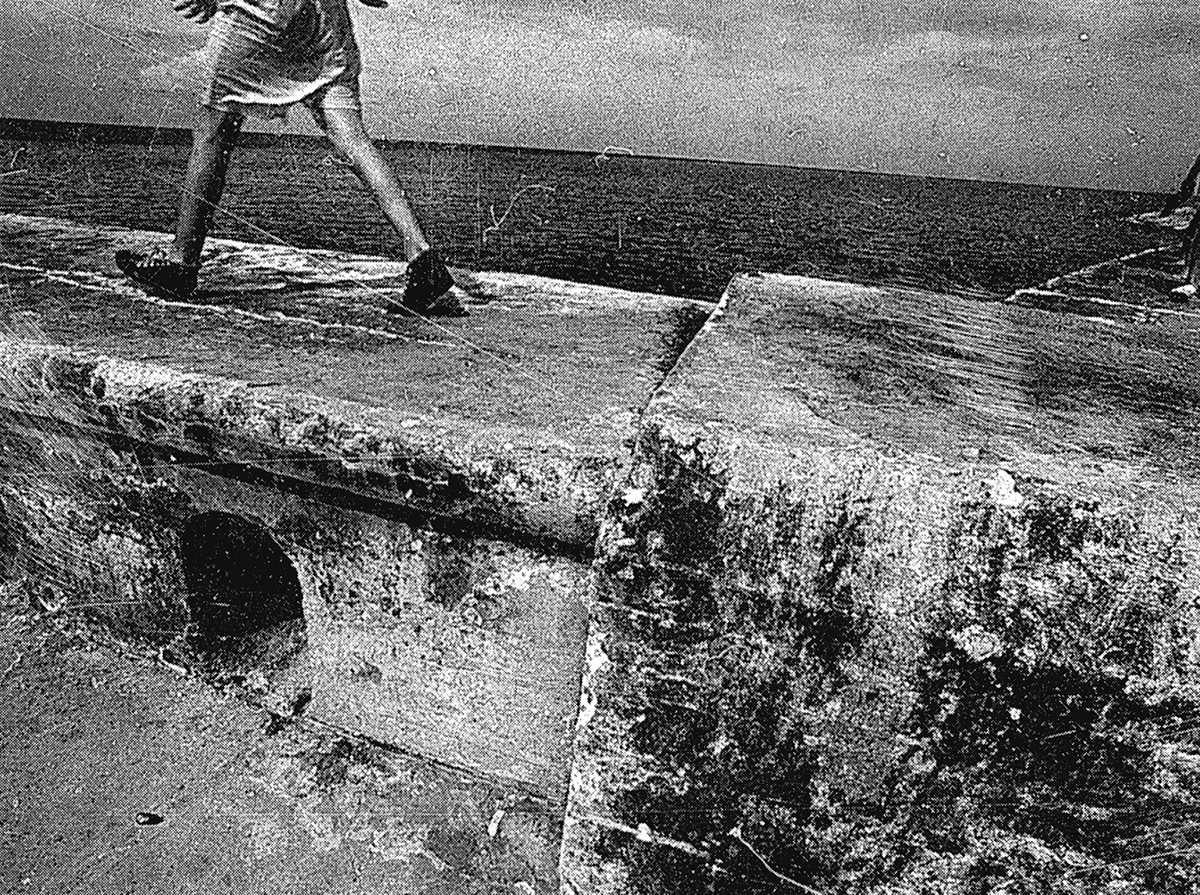
Manuel Piña has traveled the long road of an investigation into the ethics of photography from the very moment in which he presses the shutter in the middle of the street in order to capture the image which, for him, is already under suspicion. Is that image a document? How will the public look at it? What will an institution do with it? Piña inquires about freedom and enclosure, taking Havana's sea wall as his center. He creates a heteronym in order to discourse on social morality in crisis. Finally, he articulates his discourse around the image as a spectacle (whether or not it stems from photography) and the damned manipulation that the information media make of it. This photographer, obsessed with and alarmed by today's acceleration in the development of special effects that manipulate the visual field, asks himself: Are there limits to the use of an "objective" image of reality? We thus discover his incredulity in the face of the support of photography as a somehow historical document. The handling of the Gulf War images, without a doubt, legitimized his initial suspicions even more, and under that powerful impact, he is now trying to establish his new registers.
Carlos Garaicoa has opted to assume the metaphor of the city when it comes time to elaborate his discourse on the social crisis transmitted by the environment. The city contains multiple stories, phrases, and survival strategies, and from them, Garaicoa extracts the essence that allows him to say what he thinks about the here and now. He begins with photographs that he himself realizes of the deterioration of the city in a sort of archeological work on his own life (he lives in a precarious building in an equally precarious neighborhood). And he remembers places, objects, and ambiances in order to confirm the existence of something that he watches disappear with astonishing slowness before his eyes. Architecture that meets its end, and experiences that are interrupted or exhausted by repeated abandonment, become this photographer's installations in urban metaphors of dead or obsolete utopias. With a clear vocation as a sculptor and installations, Garaicoa discovers the soul of an era, of a significant moment for the citizen who searches for his identity in the simplest or grandest things of his daily routine. In few of the photographic creations in today's Cuba is there such diversity and use of visual codes, even such references to other cultures, as in Garaicoa's montages.
José Manuel Fors evokes the past, as well as his past, through photographs of infancy and family, juxtaposed with images of places, objects, or materials charged with time. He thus completes the memory process that gives a testimonial air to an existence that requires affection. The photos confirm the passage of life through different moments. But Fors has not remained trapped in the two-dimensionality of the image, and he fully employs an entire range of elements which he poetically endows with new meaning in their intimate relationship with photography. He does this based on a careful work of pictorial participation that singularizes it within the current panorama of the visual arts in Cuba.
Marta María Pérez has been recognized in recent years as an exceptional artist, not only in Cuba and the Caribbean but also in Latin America. Her experience with maternity and the superstitions that surround her, the "evil thoughts" that can be cast upon an individual, and other taboos of religious origin, make up the group of problems treated by Marta María as a sort of visual anthropological investigation. Her own body has been the space of that investigation, which becomes a unique personal experience, akin to other artists who, in these turn-of-the-century years, use the body as a field for reflecting upon self and individual identity. In her most recent pieces, she raids the world of dreams, using text and images as equal makers of meaning.
Photography in the Caribbean has been inscribed with eloquence on the un- differentiated terrain of postmodern plastic arts, based on the ability it has to transmit its "truth" and, at the same time, construct characters and atmospheres ambiguous enough to doubt the real, the legitimacy of what we are observing. It is in this game, in this conceptual and formal counterpoint, in these masks that modify the identity of the subject and the readings of the social text, that the photography and art of the Caribbean find their expression before the hegemonic discourses constructed from the centers that still control images and their distribution throughout the world.
In addition to the stories that emancipate collective identities in some way, and propose a redimensioning of national histories, Caribbean art, and photography defend the individual, the private histories, nature, and the body as containers of the energy that underlies our cultures.
To speak of the Caribbean is to speak of many Caribbeans. Its plurality is its immanent condition, its essence, which cannot be circumscribed to an exact definition, despite all the efforts of the great simplifiers who reduce everything to a concept that, with time, becomes dogma, a myth.
Each island has found its expression, its circumstance. The economic interests that today tend to unite nations in spite of language differences, behaviors, and cultures should not confuse us. Economics has no fatherland, no territory, and no flag. It cannot speak, sing, or write. It is a supernational entity that encroaches on the geography in which it was born or operates, without stopping to ponder the world's particularities. It is the basis of our lives, but we must not allow it to become our superstructure as well.
Fortunately, man is superior to his own creations, be they intelligent machines, digitalized buildings, or information superhighways. Nothing is superior to man. And man is memory, emotions, feelings, heart, passions, and imagination.
And man is also the circumstance, the circumstance that surrounds him, in which he lives and expresses himself.
Dominican art and photography construct their esthetic paradigms differently from the esthetic paradigms of Martinique's art and photography. In Cuba, artists deal with very different issues than those in Guyana or Jamaica.
If we admire the sound of the steel bands of Trinidad and Tobago, and if we know how to appreciate the rhythm of Jamaican reggae or the sweet Cuban sones or Martinique's zouk music, all of which make us dance to different rhythms with distinct movements, we will also know how to appreciate the differences in our visual expressions. These expressions contain the seed of our wealth, blessed by nature and despoiled by history, which is beginning to restore its multiple faces, its multiple masks, in light of a new century. And in this new century, we must definitively achieve our utopia, all too often deferred.
NELSON HERRERA YSLA
Curator and art critic. Assistant Director of the Centro Wifredo Lam; in charge of research and curatorship for the Havana Biennial.