Without a doubt, exhibitions that present only the work of women are no longer in vogue. Given the current importance of "politically correct" views, activities intended for only one of the two sexes are called into question or pre-judged as something that will run counter to orthodox principles or only encourage gender-based conflict. However, the Mujeres en las Artes (Women in the Arts) organization, based in Tegucigalpa, Honduras, decided to take the risk and in March held its first gathering of women artists, MUA Instala 99.
The importance of everything being decided only by women? The reply is obvious. While Central American art continues to be largely invisible in the rest of the world, it is even more alarming to note that there is little recognition of women's contribution to culture. Something that happened to the Guatemalan artist Isabel Ruiz recently offers a good example of this situation. When she was invited to participate in an exhibition of Guatemalan art in Spain, it turned out that she had been asked to attend only to help give the show a politically correct appearance-and not because of any recognition of the artistic quality of her work.
However, situations like this, which are devoid of any fairness, are beginning to disappear. In recent years, proposals by women artists, curators, historians, and cultural promoters have increased in both number and quality. The activities organized at this event provided overwhelming evidence of this. MUA Instala 99 was a further contribution to those initiatives which are indispensable to opening up a vital space for women, where needs can be discussed and strategies can be devised for guaranteeing visibility for women in the arts. The exhibit also facilitated research and dialogue and documentation on what is being done in the field of contemporary art. All these aspects have been among the principal goals of "Mujeres en las Artes" since its foundation.
On the basis of the principle that a work of art is one of the fundamental ways in which women can reflect on the importance of their role in the construction of memory in society, the event proposed a series of exhibitions by artists from Guatemala, Honduras, El Salvador, Nicaragua, Costa Rica, Panama, Cuba, and Puerto Rico. It included theater, dance, video, and film presentations, as well as the presentation of a series of papers reflecting different intellectual interests. However, these lacked the necessary depth and coherence to stimulate discussion on the central topics proposed by MUA Instala 99.
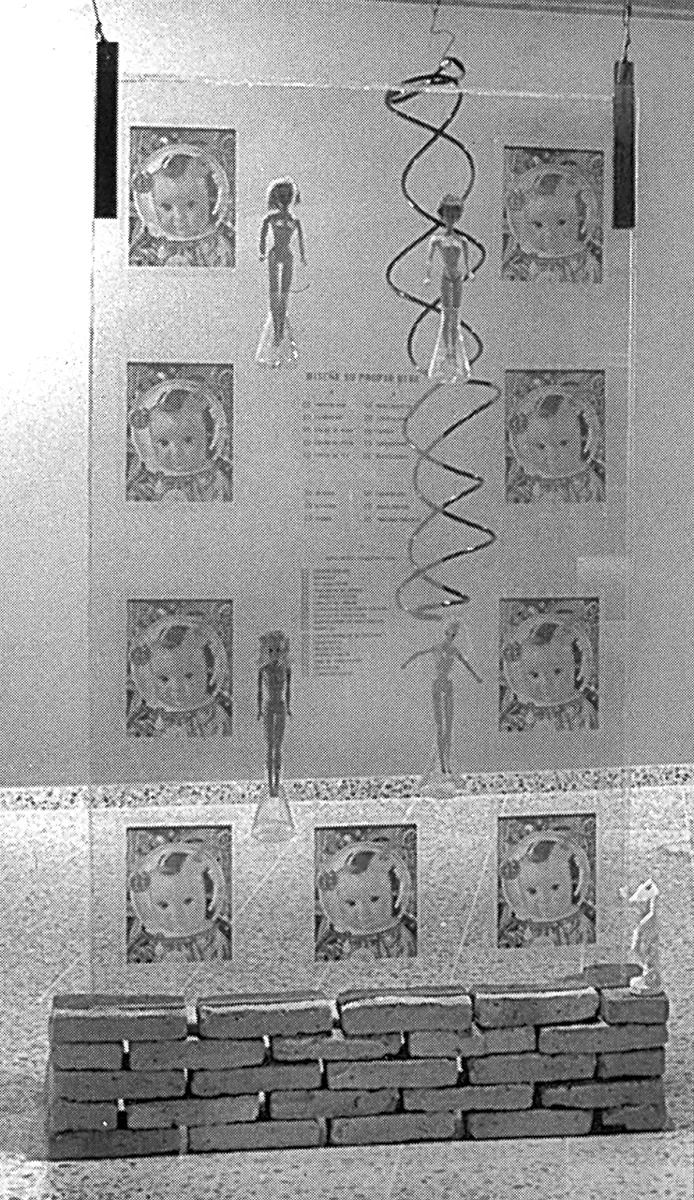
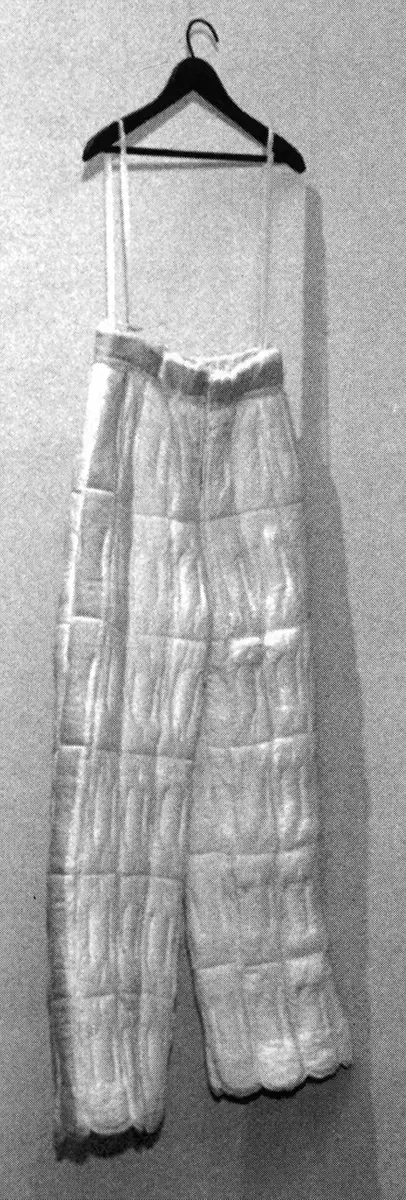
The truly memorable aspect of the event was the way in which the city of Tegucigalpa opened its doors to the work of women artists from Central America and the Caribbean. The exhibitions consisted of an individual presentation as well as a group of three artists per country. The Costa Rican group, selected by Virginia Pérez-Ratton, consisted of a magnificent retrospective sampling of works by Priscilla Monge including key works from her career, such as the trousers with sanitary towels, the boomerangs of insults, and all the feminine paraphernalia which Monge uses as a strategy of transgressing the rules of a self-satisfied society. But it also included the video Make-up Lesson, whose images constitute in an inevitably elegiac way a reflection on the domestic violence against women.
The group show from Costa Rica, presented in the Portales Gallery, reflected a central interest in the body, despite the differences in treatment-painting in the case of Emilia Villegas, xylography in the work of Sila Chanto and the use of transparency and the projection of images in the work of Karla Solano. The choice of these three artists was meant to focus attention on a group that marks a break within their respective contexts. As Pérez- Ratton pointed out, they belong to a generation of women artists who have adopted a reflective attitude to the artistic object and the creative process itself. They are immersed in their surrounding realities, but ready to question the relevance of their artistic activity within a global framework.
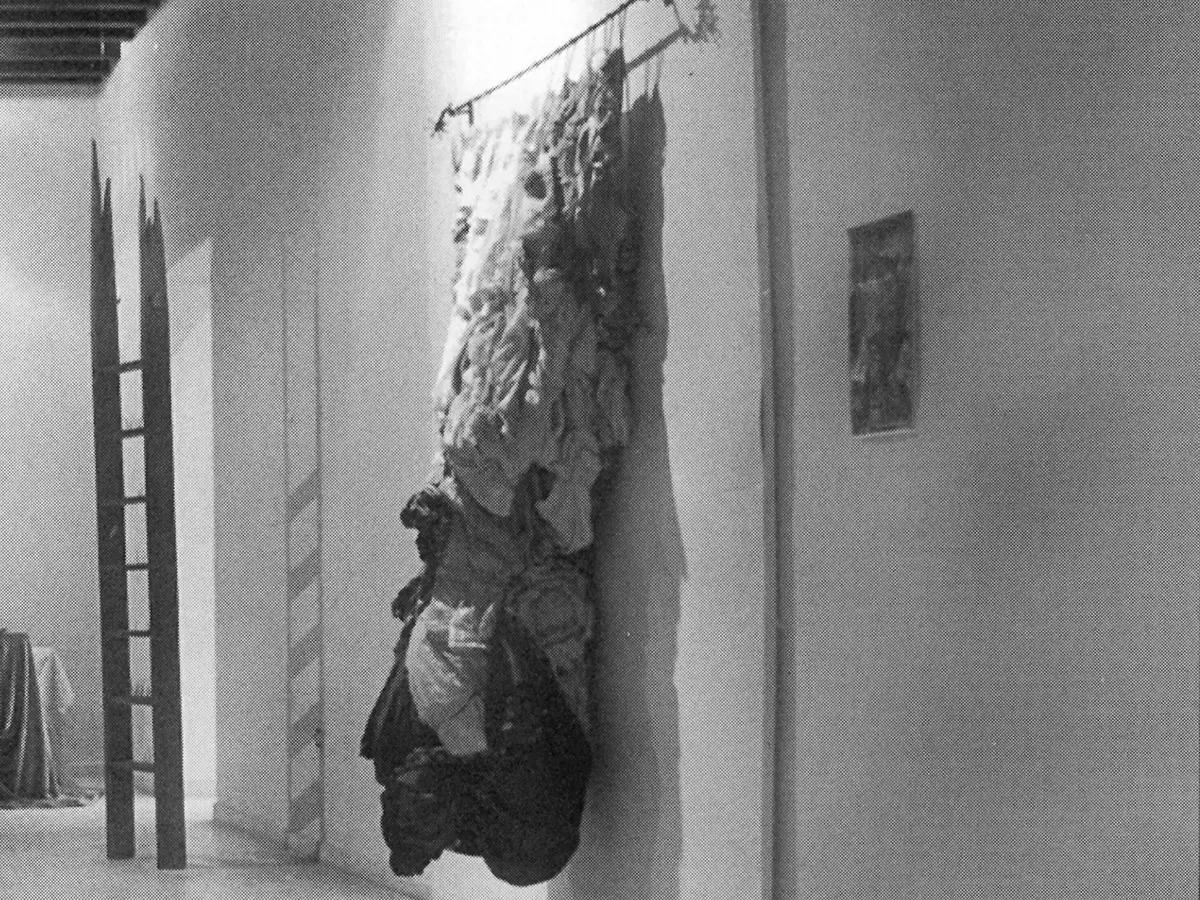
Nicaragua was represented by Patricia Belli, whose work until recently was characterized by soft materials, in particular textiles and rags that provided an immediate reference to the second-hand cast-off clothes arriving in our countries as "gifts" from the First World. But now there is a greater depth to her work as she places her objects and sculptures in the labyrinths of everyday poetics, thereby creating the necessary dimension of conflict which generates tension as well as ideas and inevitable connections in the lives of all women.
Radically different in technique from the work of Patricia Belli, the other Nicaraguan artists Patricia Villalobos, María José Álvarez, Claudia Gordillo, and Celeste González used photography to document or suggest the reaffirmation process and the struggle against social, racial, and sexual discrimination currently being suffered by women in Nicaragua. The work of Gordiilo and Álvarez clearly reflects the tradition of Manuel Álvarez Bravo, through the documentation of facts, the anthropological spirit of the photographer, and the "head-hunter" camera approach par excellence. But without sacrificing the intimate dimension of their work, which reveals great technical and conceptual maturity, these artists, who prefer to take pictures of other women, emphasize the role of complicity and mutual knowledge established between the artist and her models. Thus rather than capturing a series of impersonal faces, these works help to enrich and dignify the women of Nicaragua.
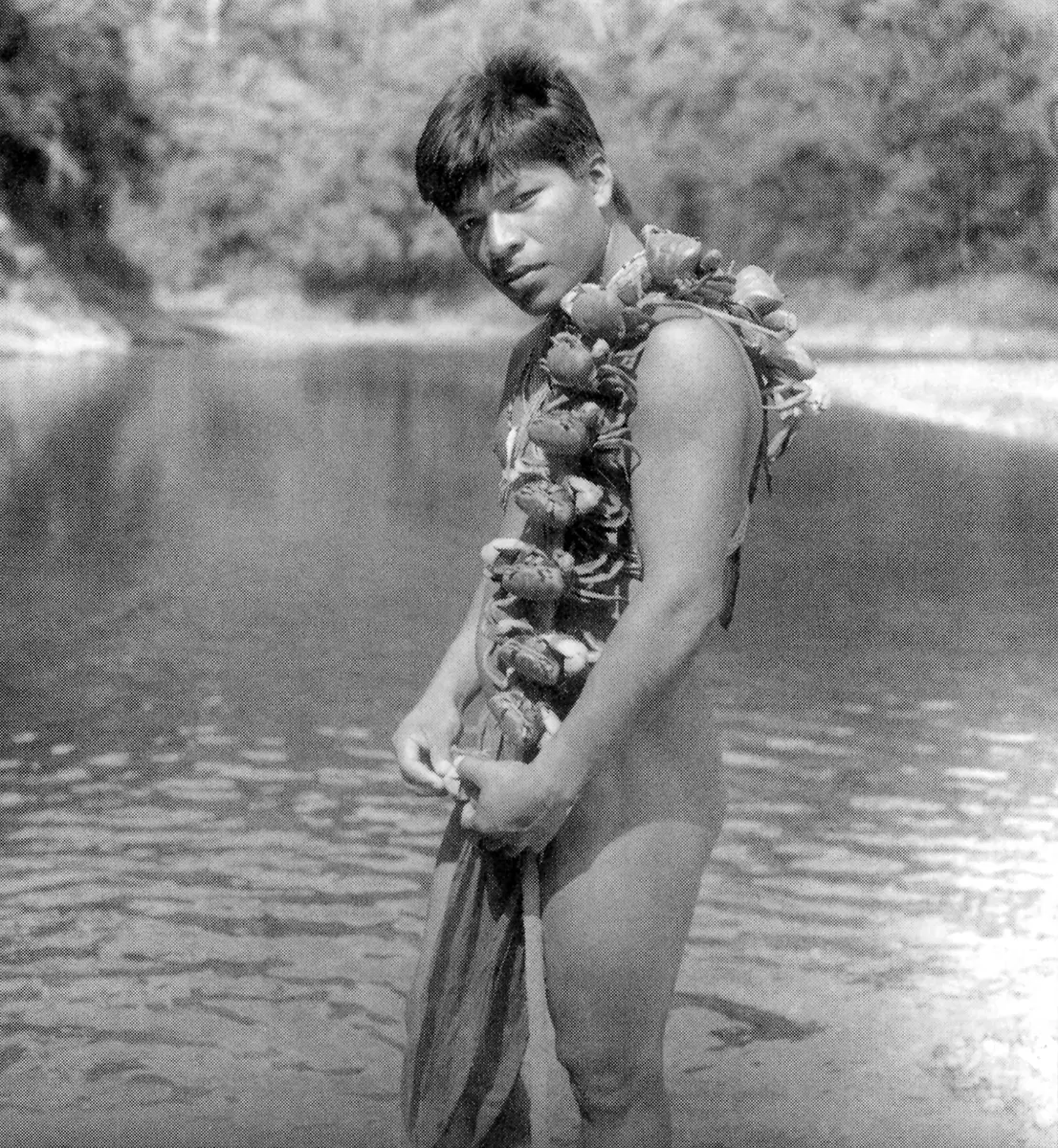
The selection of artists from Panama chosen by the curator Mónica E. Kupfer offered a fresh and interesting look at contemporary art in Panama through Victoria Suescum's work that made reference to popular imagery; the glass sculptures of Isabel De Obaldia; and the photography of Iraida Icaza. The excellent photographs by Icaza, which reflect the author's personal poetics, are a rare example of the meticulousness of a scientist who collects precious objects combined with great technical purity. In this sense, her work can be compared with that of Sandra Eleta, who uses the classical techniques of photographic reproduction to capture the extraordinary beauty of people and the forest along the river Chagres, a major waterway in the life of Panamanians and an essential part of their history. At the risk of appearing traditional, Eleta's work is in fact a very profound lesson about her country, especially the video titled Along the paths of Chagres Emberás, sons of the river.
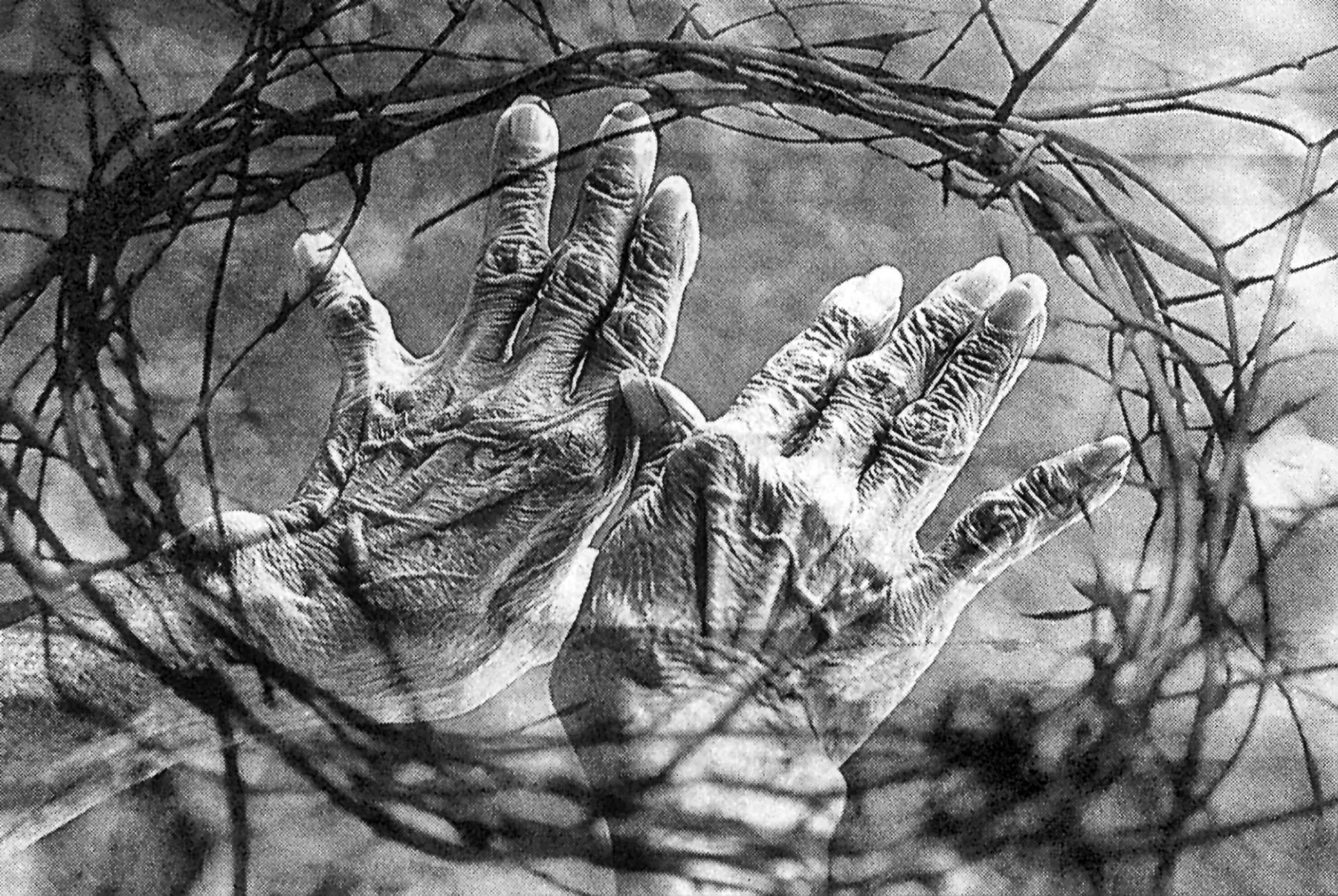
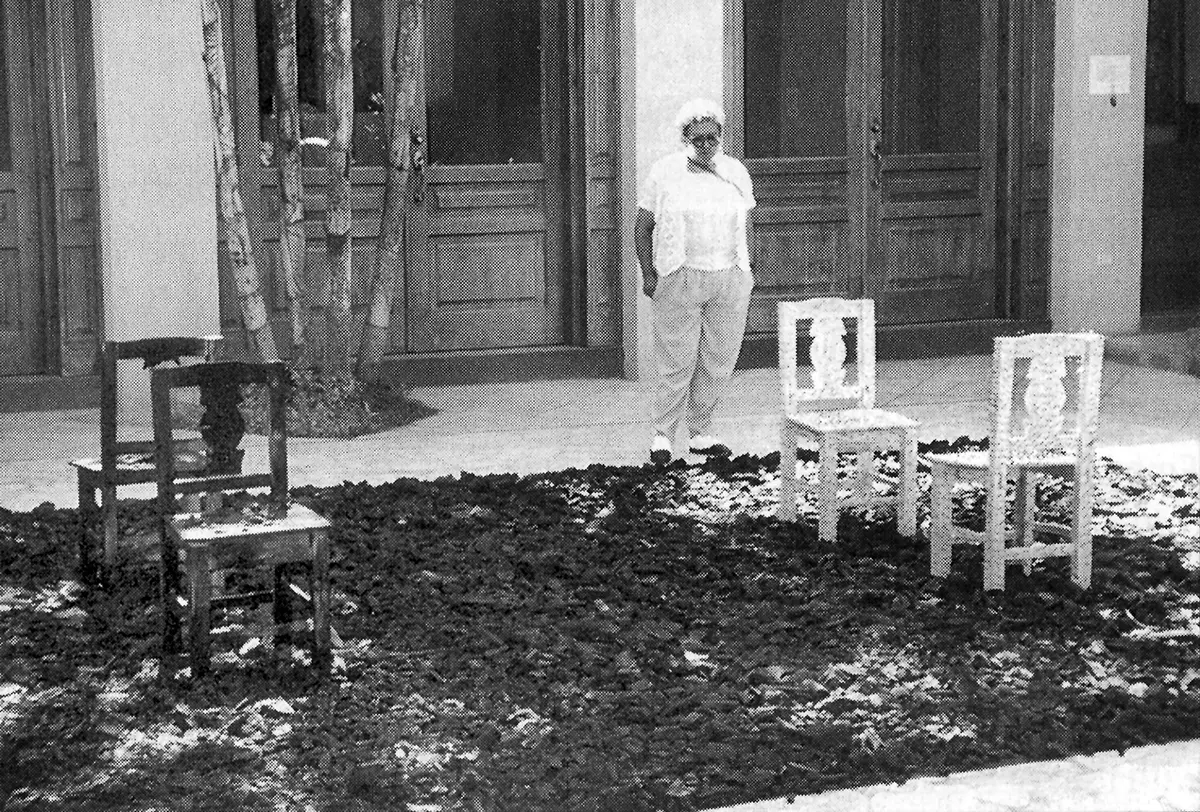
The installation works by the Guatemalan artists Diana de Solares, María Dolores Castellanos, and Irene Torrebiarte contrasted with that of Isabel Ruiz, where the recurrent argument implied a tribute to those killed in the war in Guatemala, constructed with rustic materials such as coal, nails, and burnt wood. In the case of de Solares, Castellanos, and Torreoiarte, the concerns were focused on the home, the deconstruction of its meanings, and the metaphors elaborated on the basis of the intimate relationship between its inhabitants and the physical and mental space. The work of Castellanos explores the preconceptions of subtlety and fragility associated with women, by means of four sugar containers exposed to the effects of time and the elements. The installation by Torrebiarte imbued with the Lao Tse principle that the non-existence of any middle in a pot is what makes it effectively a pot, consisting of the distribution of small sets of pillows in the most unexpected places, thus obliging us to look at space in a different light and suggesting ways in which it functions in our lives, de Solares begins with Bachelard's view of the values of house and home: the positive element of protection and the oniric element, which implies boredom, solitude and dreaming. A series of photographic images of everyday objects or of little girls arranged in cardboard boxes which the visitor could open and close at will, recalled our first and primitive universe of childhood, mingling the past, present, and future which we have all experienced.
The presentation of the works by four artists in the Museo del Hombre Hondureño (Museum of the Honduran Man) —a curious and ironic coincidence— produced an interesting dialogue between visions that were only apparently irreconcilable, since in the final analysis, they were the product of the same context. One of the most interesting aspects here was the fact that analogies and correspondences were as crucial as the contrasts.
The National Art Gallery housed the work by Marta Eugenia Valle, the only participating artist from El Salvador, who presented a series of large format drawings and objects made of unconventional materials. One piece used a metallic fabric support containing a fragment of natural moss. The contrast between the coldness of the industrial materials and the freshness of an element taken from nature offered interesting readings and suggested immediate and very rich connotations. However, some of the other pieces, falling within the shadow of the rather hackneyed memory of Frida Kahlo, seemed rather too obvious.
The panorama of art from Central America and the Caribbean was complemented by the work of Lidzie Alviza, from Cuba, and María Perales, from Puerto Rico. Honduras was represented by Johanna Montero, Alejandra Paredes, and Regina Aguilar, who deserves special mention. Although Aguilar's work suffered some technical defects and the pieces on show were not her best, her value lies in the risk she takes in exploring new artistic practices and her willingness to discuss complex subjects such as the new culture of cloning, genetics and the penetrating influence of technology on the lives of individuals; even in countries such as ours where every day we live with the unpredictable and where high technology is digested in a very sui generis manner.
The other activities accompanying the MUA Instala 99 event included the presentation of short films and video works which highlighted the minimal use of such media to date, but also the richness evident in a small number of experiments, such as the production of Luna Films from Nicaragua, titled Not all Dreams Have Been Dreamt, directed by María José Álvarez and Martha Clarissa Hernández. In the same way, Pituka Ortega-Heilbron, one of the very few women working in film in Panama, presented a short film titled The Order, a fictional account of the problems of child abuse and social values. Isabel Juárez and Beate Neuhaus, from the Luciernaga collective in Guatemala, presented a video titled Let Us Raise our Voices; other works included The Box of Little Kisses by Alejandra Pérez from Costa Rica, and a short film by Marisela Bustillo and Lourdes Ochoa, titled High Risk, of astonishing dynamism and coherence.
The impressive contrast between a city recently hit by Hurricane Mitch and the enthusiasm and smooth organization of this event generated a clearly positive sense of energy. This is undoubtedly one of the key elements in the self-assertion process of women in a society governed by male authority. But leaving aside the feminist discourses for a moment, the main contribution of this event lay in its gathering together of so many ways of seeing what women are, the light it shed on the common denominators of our passions, feelings, doubts, and dreams and the way we create works of art as if performing a ritual.
ROSINA CAZALI