
Art Chicago, now in its 7th year, has gained a reputation for being a lucrative commercial venue on the international art fair circuit—a known quantity where curators, collectors and the general public alike come prepared to buy. It is therefore not surprising that much of the artwork presented this year seemed less confrontational and more readily digestible. The scaled-down size of the works, the appearance of many well-established contemporary artists, and a noticeable lack of installation art were visible trends that seem to confirm this observation. While the exhibition of fewer challenging and experimental works altered the overall tone of the art fair, it did not, however, diminish the quality of the artwork on view. Art Chicago remains a valuable setting for showcasing contemporary emerging artists and for presenting recent work by rising art world stars. The exhibition of newly completed sculptures by Stephan Balkenhol at the Stephen Friedman Gallery and Juan Muñoz at Galleria Continúa, videos by Pipilotti Rist at Galerie Hauser & Wirth, and new conceptual works by Carmen Calvo at Galería Luis Adelantado, Wenda Gu at Art Beatus Gallery, and Tunga at Christopher Grimes Gallery reflect the cosmopolitan character of the Chicago fair and the high-quality artwork that visitors to the exposition have come to expect.
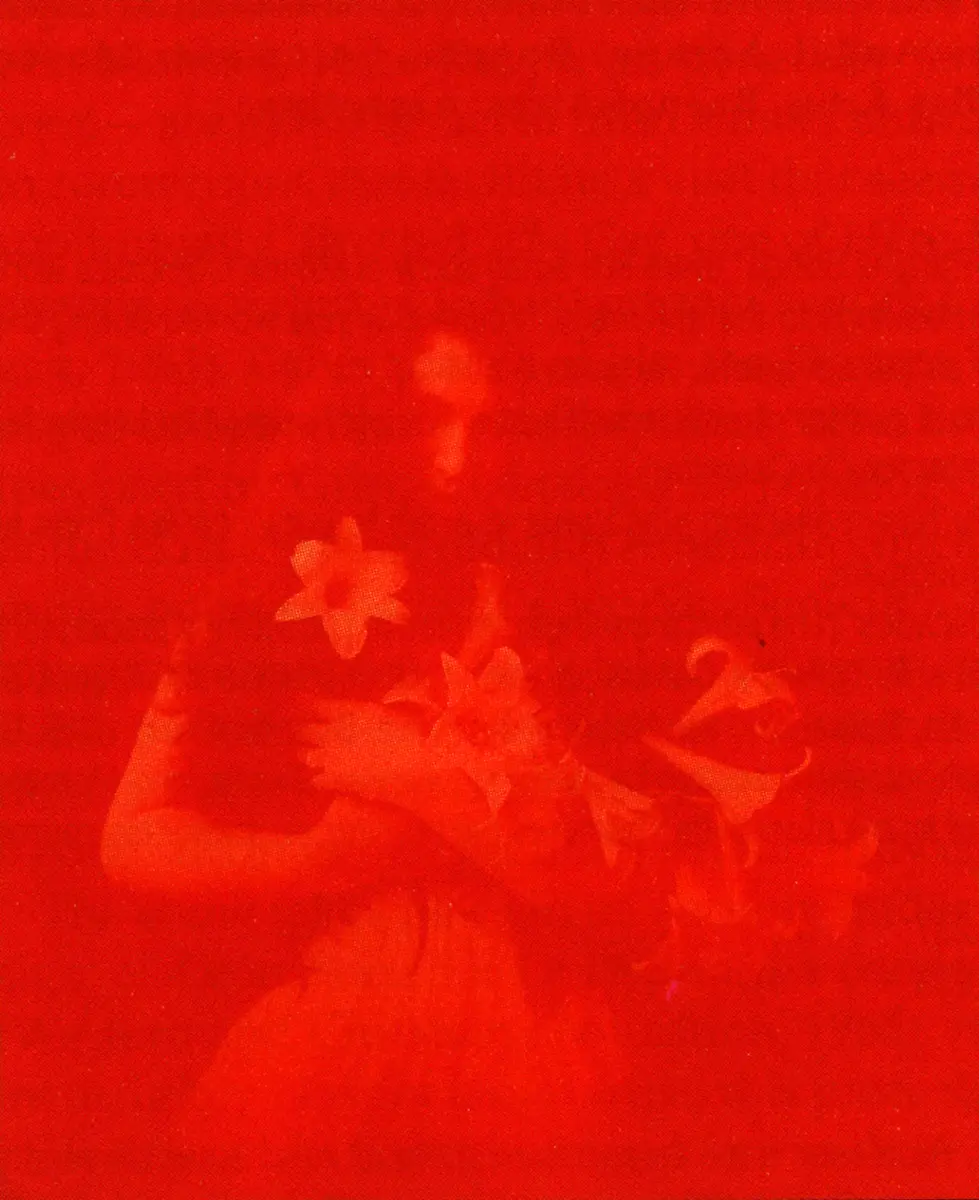
This year's fair was again marked by the widespread presence of photography, a medium that continues to make inroads into the contemporary art world and has become an indispensable feature of most successful art galleries. Digitally manipulated photographs by Ernesto Pujol at Galería Ramis Barquet, and Rosângela Rennó at Galería Camargo Vilaça were noticeable stand-outs and warrant special mention. Rennó's latest work, Untitled (lilies) study in vermilion 1999, presents a hauntingly beautiful and ghost-like portrait of a young woman possibly taken on her wedding day. Renndó’s use of found photographs and her computer manipulation of the work—in this case the immersion of the image in an intensely sensual, vermilion hue—transforms the intimate origins of the family photograph inviting the viewer to question divisions between the private and the public, between memory and loss.
Works created by artists Shirin Neshat, Teresa Serrano, and Paula Santiago were particularly powerful, exploring female gender issues and domestic roles in individual and distinctive ways. Shirin Neshat's photography, represented by no less than five galleries, introduces a complex image of women in the Islamic Republic of Iran. Her closely cropped black and white portraits of females in claustrophobic spaces often combined with Farsi calligraphy depict Iranian women as both self-possessed and independent, muted and contained. Her photographs metaphorically represent the changing position of women in post-Khomeini Iran, and the cultural pressure to conform to traditional female roles while maintaining a sense of identity and self-determination.

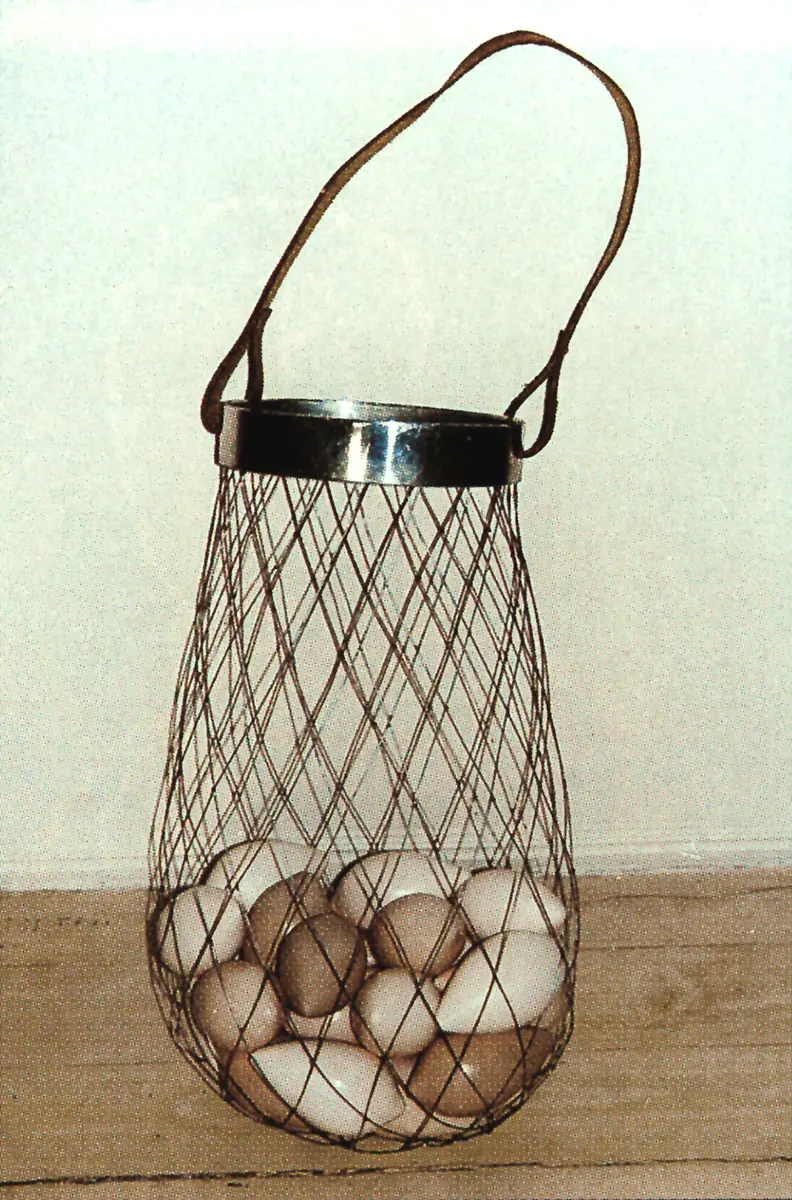
Works by artist Teresa Serrano at the Galería Nina Menocal focused on the latest issues and decisions related to female fertility and human reproduction. Serrano's series entitled, Goddess of Fertility (1999), critically looks at current reproductive technologies that have come to replace—as the satirical title of the work would suggest—a more traditional and iconic image of Woman as the source of life and as a symbol of regeneration. Serrano's latest sculptures are constructed of hard, cold, and synthetic materials such as stainless steel, latex, and transparent acrylic which she associates with sterile hospital and clinical laboratory environments. In her work, Untitled (1999), the artist presented a row of three identical fiberglass eggs hanging from leather belts attached to the wall by steel plates. The piece suggests a future where Henry Ford assembly-line production will make childbearing more efficient, and when custom-ordered fetuses can be manufactured and purchased at market rates. In a related untitled composition from 1999, the artist presented a large metal basket of female eggs presumably for customer perusal and ultimate selection. Serrano's post-minimalist sculptures satirically examine the scientific advances in human reproduction, such as in vitro fertilization and cloning, that will forever alter the role of women in the reproductive process, transforming female fertility icons into images of test tubes, petri dishes, antiseptic freezers, and white laboratory coats.
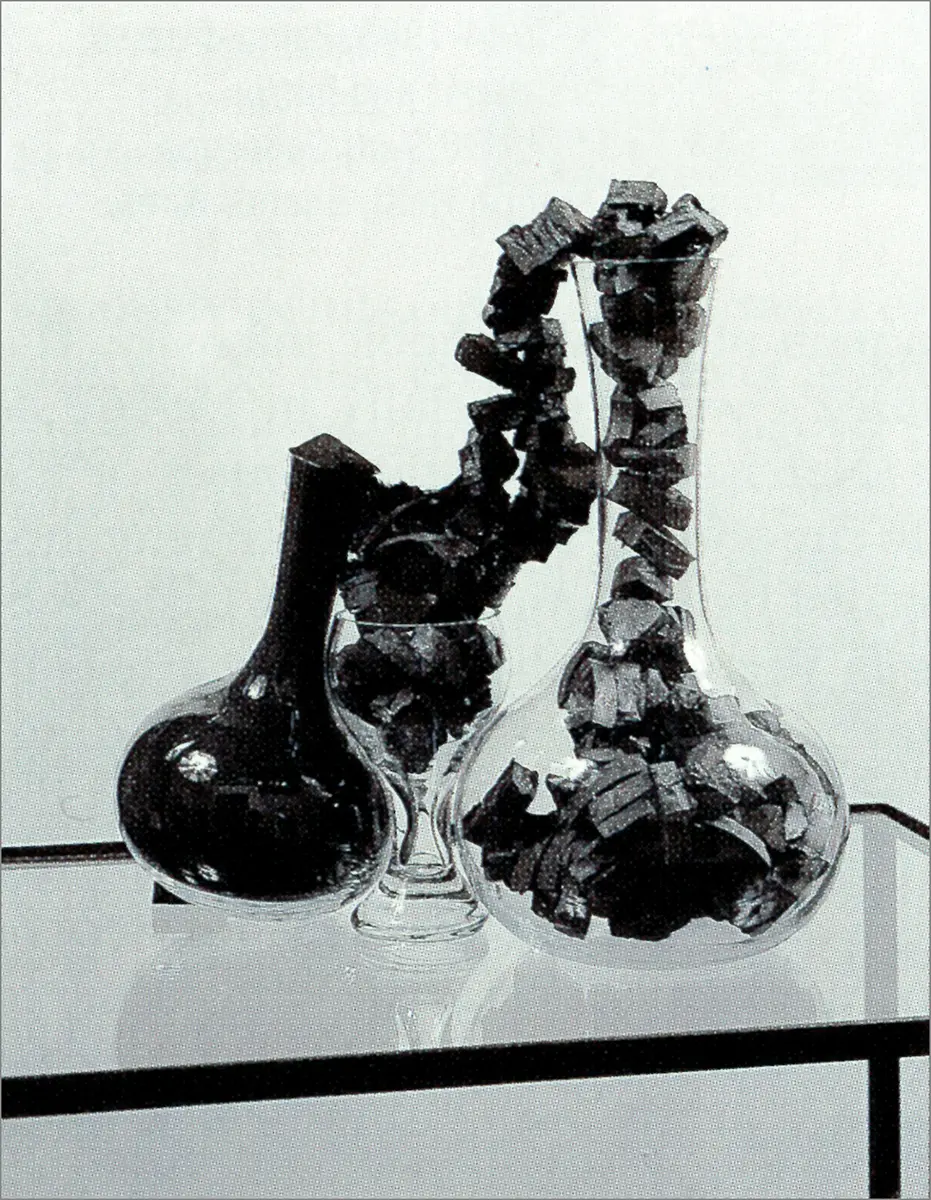
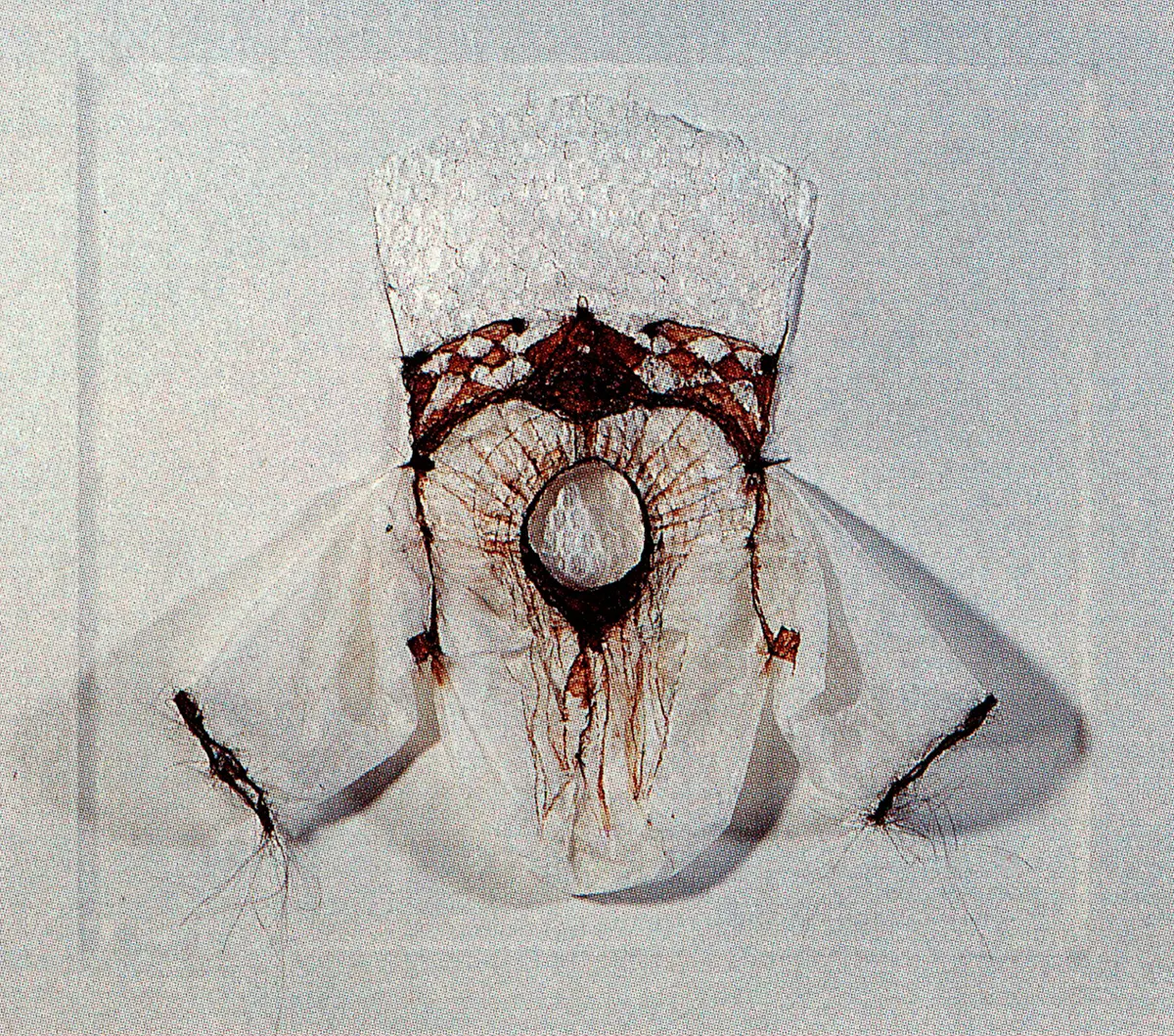
In Paula Santiago latest work, Cefal, 1999, at Arte Actual Mexicana Galería the artist employs the traditionally gendered and domestic activities of sewing and dressmaking in her intimate creations of child-size apparel. The title of the work is an allusion both to the opening of the dress where the head must pass, as well as visually suggesting the female birth canal. Where Serrano's work emphasizes the artificial and synthetic, both in terms of materials and subject matter, Santiago's use of human hair, rice paper, and drops of her own blood reference the organic, corporal, and experiential aspects of female identity and subjectivity.
Galería Camargo Vilaça was again one of the bright spots of the fair, exhibiting impressive sculptural works by Ernesto Neto, Valeska Soares, and Iran do Espírito Santo. In Soares' piece, Sinners from 1995, the artist presents a prayer bench cast in soft sensual wax with a depression formed from the bent knees of praying supplicants. The work is both a poetic and critical allusion to the cyclical nature of human sinning and the ritual performative act of requesting forgiveness. Also on view was Restless 5, 1998, by Iran do Espirito Santo. This piece will form part of a larger installation in the Brazilian Pavilion at the Venice Biennale later this year.
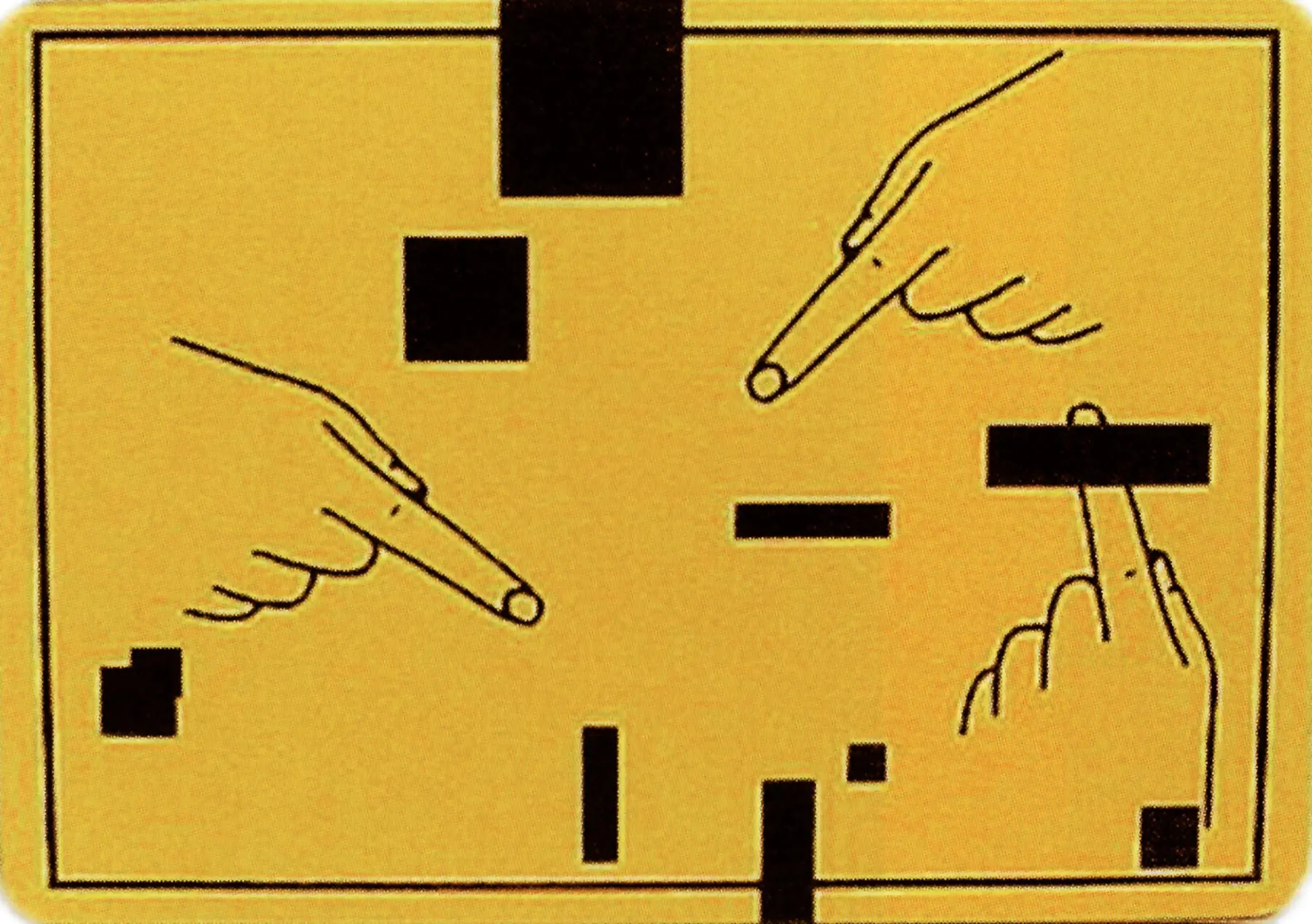
On display at Galería OMR were recent works by artists Diego Toledo, Mónica Castillo, and Thomas Glassford. In Toledo's, Señalización 1999, the artist reproduces the color and shape of public street signs creating cryptic and graphic symbols that are nearly unintelligible. Fingers simultaneously point in a variety of directions, intentionally frustrating communication and leaving the viewer with inefficient tools for interpretation. Toledo's signs underscore the artificial nature of language and its inadequacy to communicate universal forms of knowledge. Also showing at Galería OMR this year were works by Gabriel Acevedo, a former member of La Panaderla. Using computer chips to construct a futuristic urbanscape in, Micro Death Machine from 1999, Acevedo references science fiction video games and violent adolescent fantasies that are channeled into competitions set within alternative and fictional worlds.
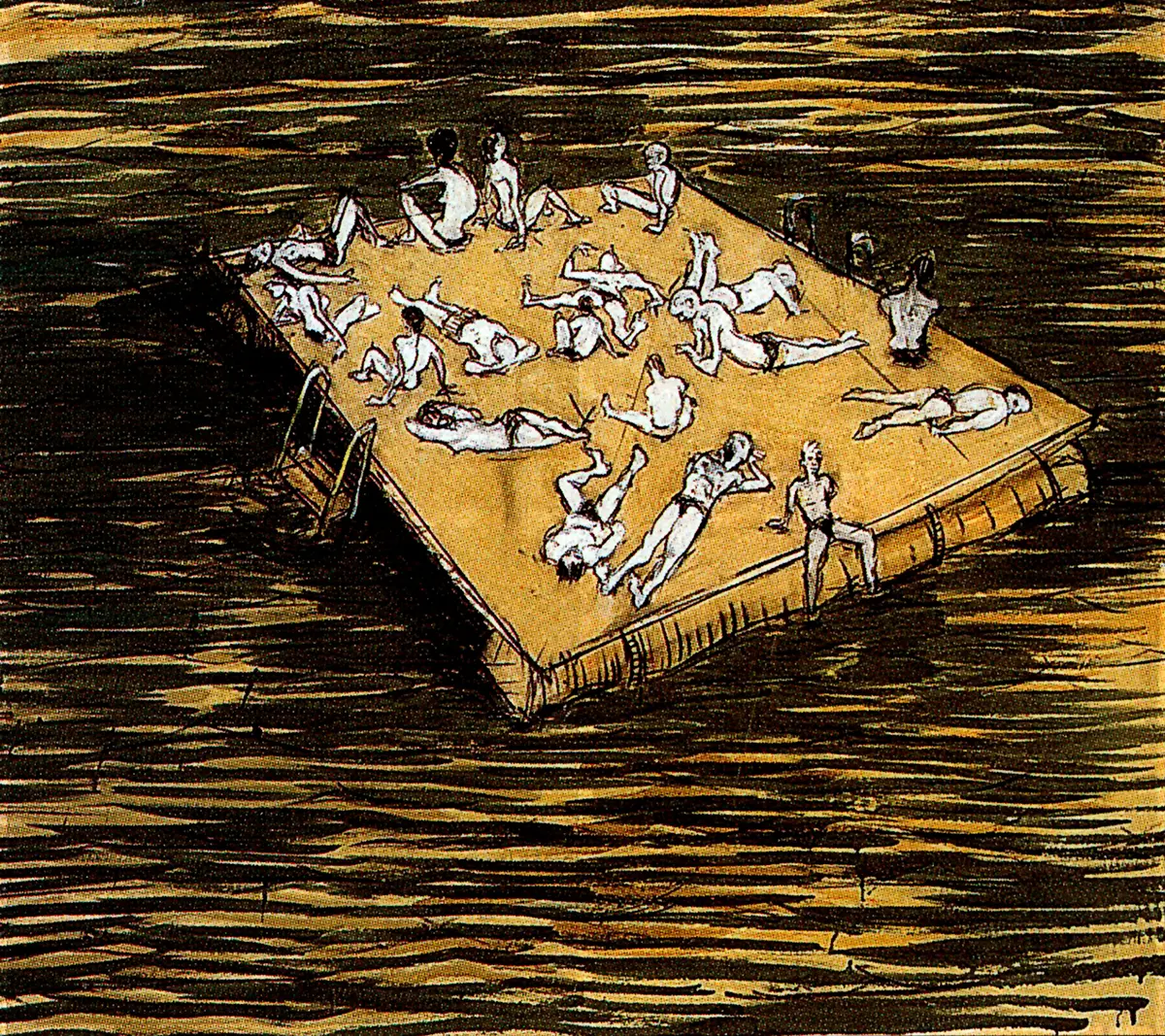
New paintings by artists Juan Torcoletti and Satch at Galería Minotauro drew favorable attention at the fair and merit special mention. Torcoletti's series of paintings exploring animal imagery, particularly canines, suggests an interest in the instinctual responses of animals in contrast to the learned conventions imposed on human behavior. This aspect of the artist's work becomes most apparent when he paints human interaction in ways that are often awkward and unnatural. In his composition, Le Radeau, 1998, Torcoletti represents a scene on a quiet Zurich lake where sunbathers studiously avoid human contact, averting their eyes and turning their backs as a means of maintaining a sense of personal space.
Also of interest were figurative abstract paintings by artist Franco Aceves Humana at the Jacob Karpio Gallery. In his Tres gracias sobre un nopal devorando una serpiente en un tunel del tiempo and Preservativos from 1999, Aceves Humana conflates two distinct mythologies—that of the founding of Tenochtitlán by the Aztecs, and the classical western mythology of the Three Graces. The mixing of cultural iconography and the merging of distinct historical epochs and geographical spaces is a theme that runs through the core of Aceves Humana's paintings.
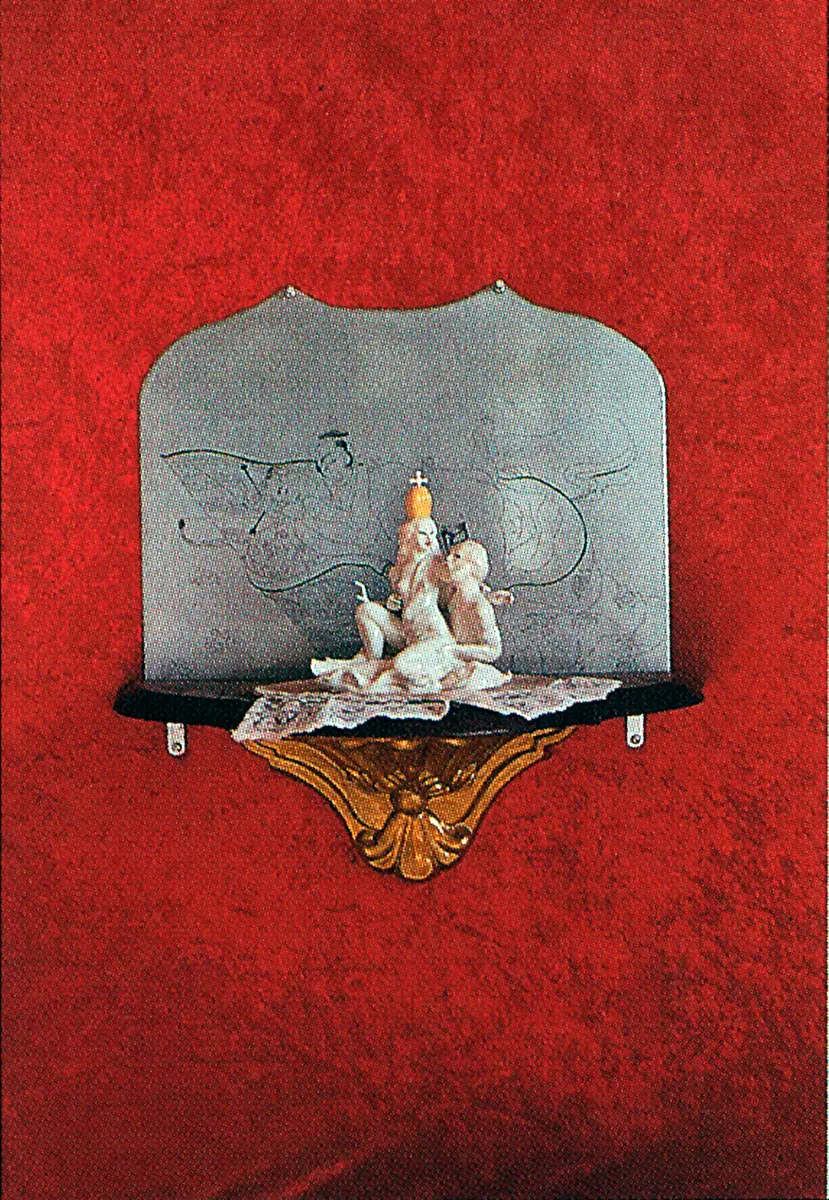
Cultural hybridity also plays a central role in kitsch productions by Cuban artist Esterio Segura at Diana Lowenstein Fine Art. In his piece, Mulata mirandose al espejo (1994), the artist combines a porcelain figurine of two lovers depicted in the act of coitus set upon a gold shelf, together with a two-dimensional representation of a couple performing a sex act, all of which is set before a red velvet background. Segura's work playfully addresses the issue of Cuban mestizaje —the blending of diverse ethnicities, cultural traditions, and artistic styles— as a metaphor for the complex origins and influences of modern Cuban identity. His piece speaks of the freedom to choose from these varied sources and makes use of porno/graphic representations as an allusion to the historical exchanges —sexual, cultural, and art historical— that continue to inform Cuban cultural production.
Making a strong showing this year were galleries from Spain totaling eleven in all. The conspicuous presence of Spanish artists such as conceptualists Jaume Plensa at Galería Antoni Tàpies-Ediciones T, Pep Guerrero, and José Cobo at Galería Ferran Cano, and Paloma Navares at Galería El Museo left a positive impression regarding the state of contemporary Spanish art.
Painters José María Sicilia at Tamada Projects and Antonio Murado at Galería Trinta exhibited sophisticated and elegant compositions that were veritable gems at the fair.
An important complement to Art 1999 Chicago was Inevitable 1.5: Cinema at the Crossroads—a screening of experimental and historical videos presented in two programs. Viewers were invited to sit in individual lounge chairs equipped with headsets and program selection controls. While the viewing space worked well in its conception and in its overall execution, the selection of videos was generally uneven. Efforts toward the inclusion of experimental video and cinema, however, are welcome gestures that have the potential to reintroduce a challenging and experimental element back into the fair in future years.
CHARMAINE PICARD
Art critic and Ph. D Candidate in Art History at The University of Chicago.