
It is true that the imminence of the century's end has become a cliché when it comes time to reflect upon anything. But it is inevitable that the reference seems functional when it comes time to judge ArteBa, the fair of galleries that took place in Buenos Aires from May 21st through May 30th of this year. Born in 1991 as a modest undertaking that gathered—or rather, scattered—the principal galleries of Buenos Aires in the popular Recoleta Cultural Center, it has in the final years of this century become an unavoidable reference for the Argentine public and collectors. For nearly a decade it has been consolidating itself by augmenting its exhibition spaces and formulating precise and timely adjustments in each of its eight editions. The progressive changes that were fixed, after a long period of hesitation, finally set the fair before the future, with an ever more tidy space and an esthetic on the road to purification that reports the changes in the art of recent decades, and its echoes in the market.
Until now, ArteBa has been an almost exclusively Argentine fair, with some international participants who were not able to substantially modify their predominantly local profile. However, everything seems to indicate that the conditions are ripe for the leap that is expected of this fair: to become a regional point of reference. ArteBa is the only fair with a strong presence in Mercosur, and we could say that the cultural and economic projection into that sphere is its natural perspective.
It is not lacking merit. Some 120 people visited it during the week in which its latest edition lasted, and its total sales neared 5 million dollars. Perhaps these figures are not relevant for similar, internationally recognized encounters, but they definitely hold their weight in the geography of the Southern Cone. They certainly serve as a calling card when the time comes to devise the necessary articulation with the principal galleries of Brazil, Chile, and Uruguay.
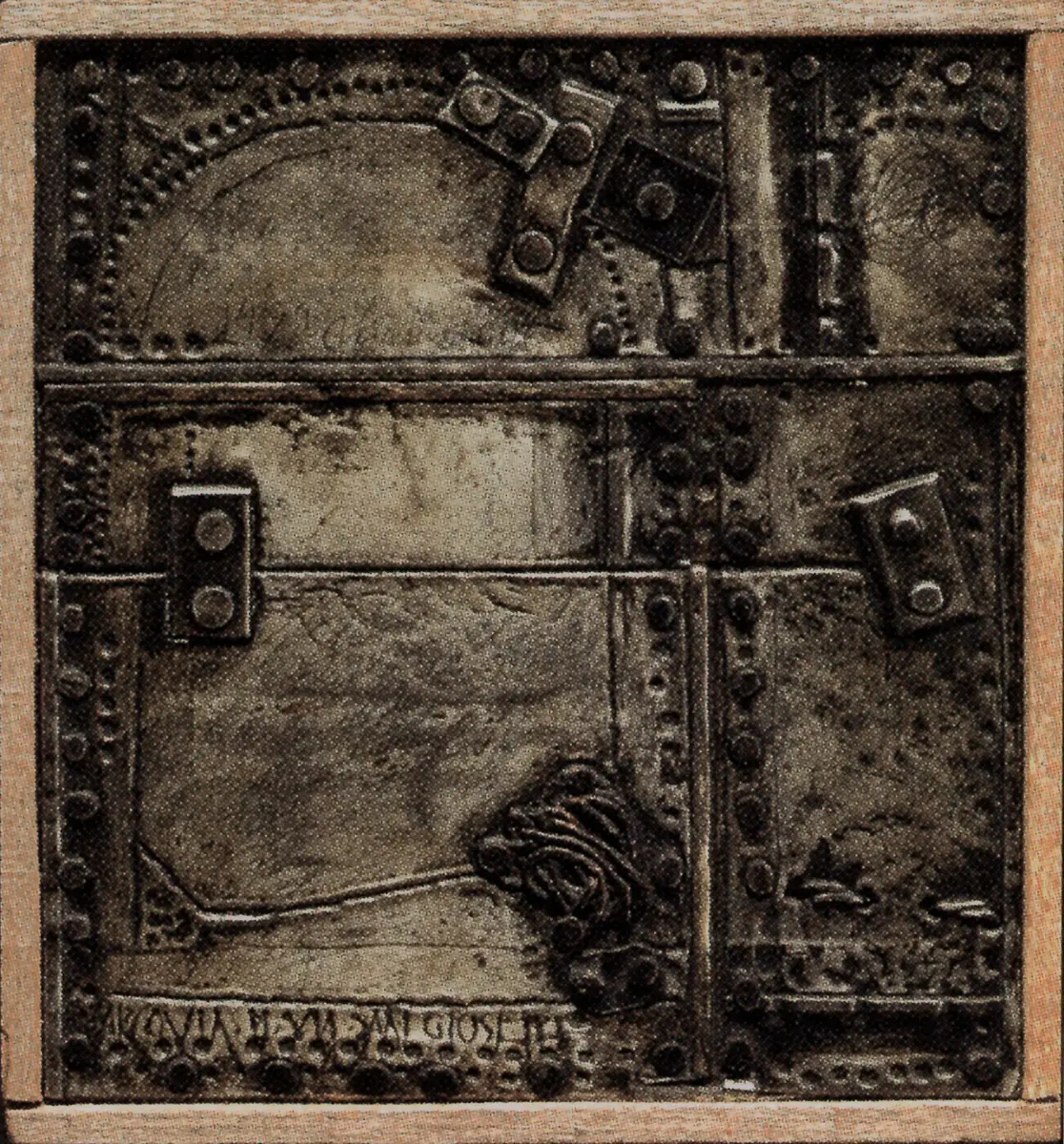
For the time being, only Uruguayan art has had a solid and sustained presence through Jorge Castillo's Galería Sur and Cecilia Torres in New York, both promoters of River Plate constructivism represented by Torres-García, the Escuela del Sur, and their followers. Brazil and Chile still remain like a large black hole in the regional project of ArteBa.
If the fair's organizing stage seems to have been fulfilled by its latest move to the new Rural exhibition site, strategically located in an easily accessible place in the city, what remains for the future is to define the profile with respect to the expository program that will characterize the fair.
In this sense, the visit to the latest edition serves to illustrate the changes in the face of what it was, and what it will become. Although many galleries maintained the conservative tone that has so far afforded them good economic results, it is clear that the winds of change affected some of them which, shortly thereafter, began to incorporate into their spaces works of artists who participated in the avant-garde movements from the '60s to the present.
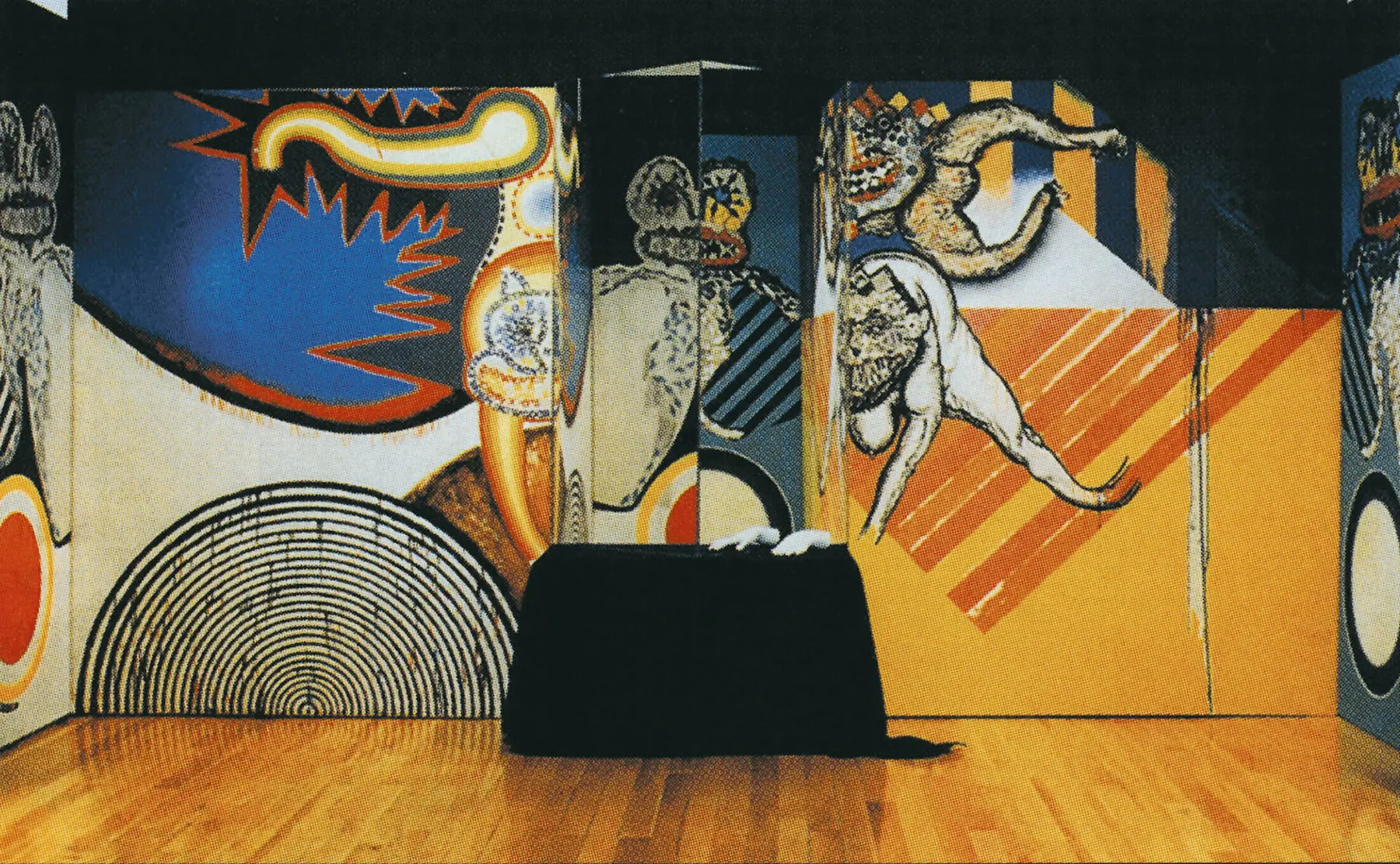
Ruth Benzacar has been a pioneer in this policy and on this occasion she showed, in conjunction with a series of Monumentos inútiles (Useless monuments) by the sculptor Aldo Paparella, two installations: La difunta Correa (The deceased Correa), a piece by Berni from the 70s, and La Nigromante (The necromancer), a work by Jorge de la Vega from 1965. With greater fortune than in the past, when she showed Clorindo Testa's installations of La fiebre amarilla (Yellow fever) all alone, the gallery owner was able to sell these two risky pieces for a total of around one million dollars. La difunta Correa, which alludes to a popular devotion and which was included in the great retrospective of the master at the National Museum of Fine Arts in 1997, will now come to make up the future museum that the Argentine collector Amalia Lacroze de Fortabat will open soon in the Puerto Madero area. This was one of the first red dots in the sales register of ArteBa 1999. As in the last two years, the pre-inauguration organized by the Merchant Bankers Associates served as the sales kickoff. The policy of giving priority to the clients of this institution has given very good results. Thus, before the opening-night crowd could flood the halls of the fair, many gallery owners had already closed several deals that justified their presence there.
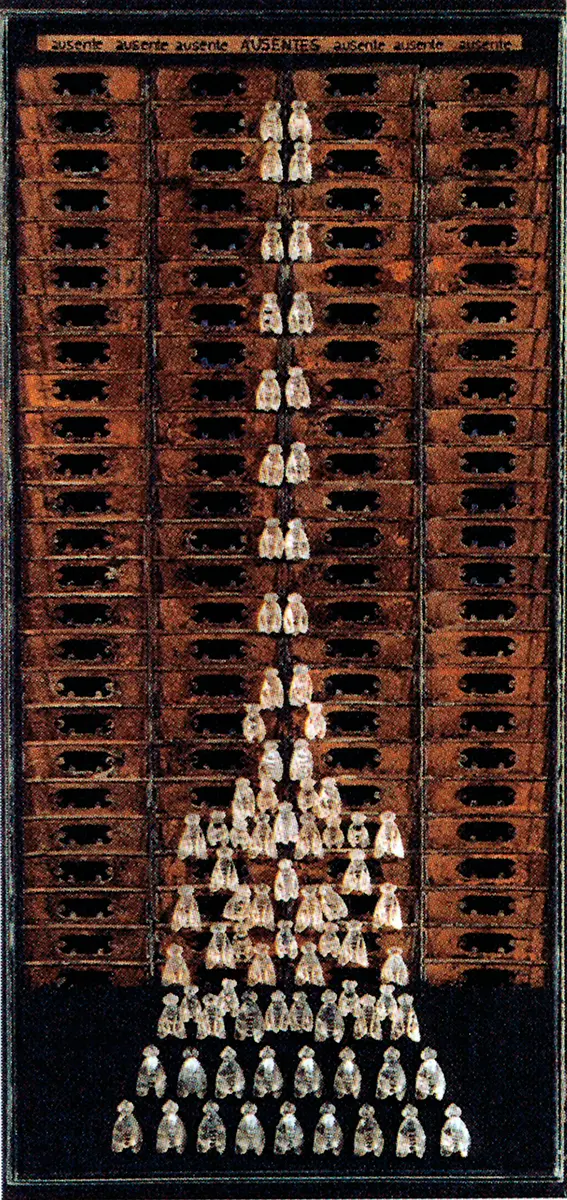
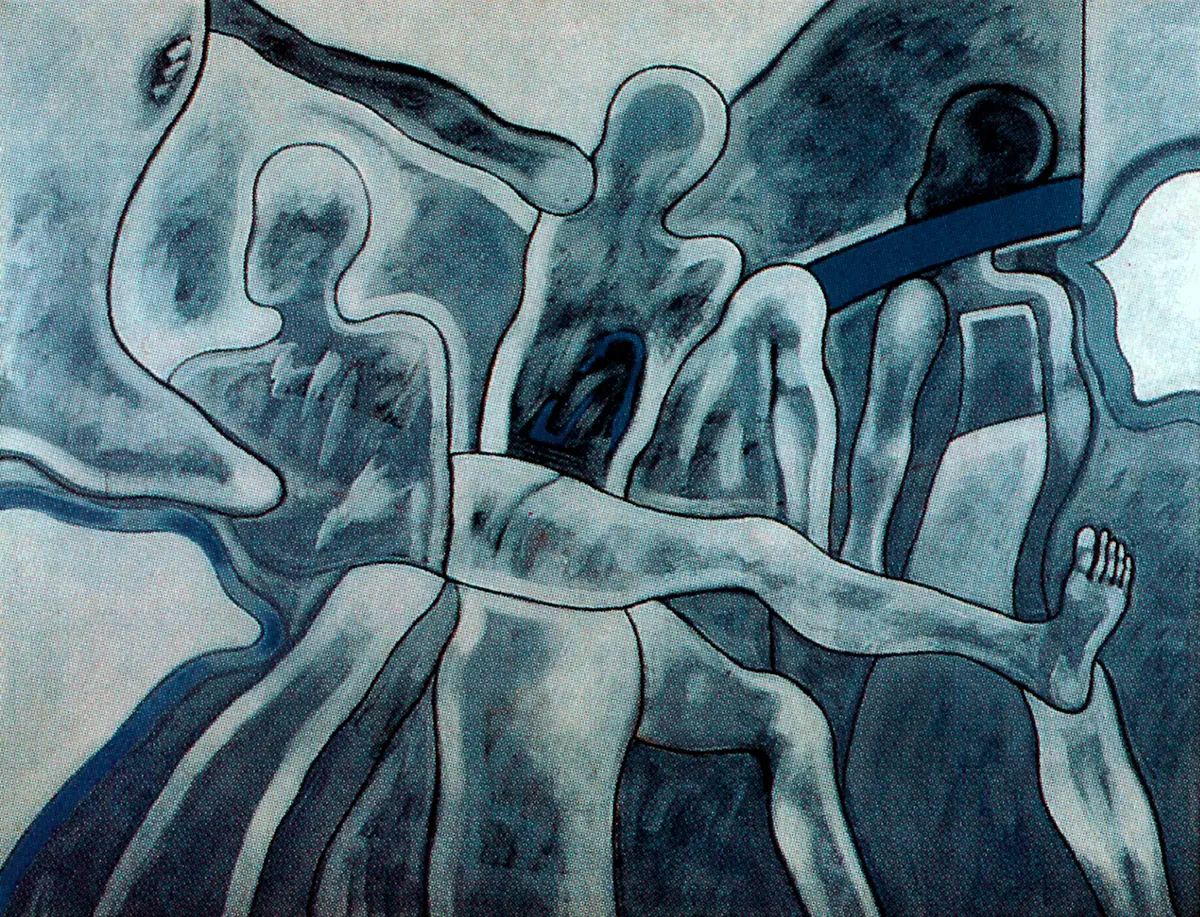
Among the most notable spaces, on account of both assembly and pieces shown, we should mention Álvaro Castagnino, who brought works from León Ferrari, Pájaro Gómez, and Nora Correas; Diana Lowenstein, who brought works of Silvia Rivas, Eduardo Médici, Sergio Bazán, Tulio Romano, Óscar Páez, and the Cuban Pepe Franco; and the Klemm Foundation, which showed pieces by Remos Bianchedi and Juan José Cambre, two artists of the generation of the '80s, together with the young artists Marcelo Torreta and Wendel, who are quite successful with the collectors of the new generation.
Another achievement of this latest edition of ArteBa was the incorporation of several new galleries directed by very young people. Del Infinito, who opened his doors last year to an elegant space in Recoleta, is one of them. His stand displayed a very good selection of objects and paintings by Juan Andrés Videla. The other is Altera, who works in the spa region of Pinamar, in a space designed by the eminent architect Clorindo Testa, and who brought works by Gustavo López Armentia to the Rural exhibition center. The third is Gara, an irreverent gallery from the Palermo Viejo neighborhood, dedicated for the last two years to staging emerging artists. On this occasion, he showed paintings by Florencia Bothligk, Nushi Muntaabski, and Daniel Herce, together with some extremely interesting photos by Raúl Flores. The collection won him an invitation to participate in next year's edition of ARCO in Madrid.
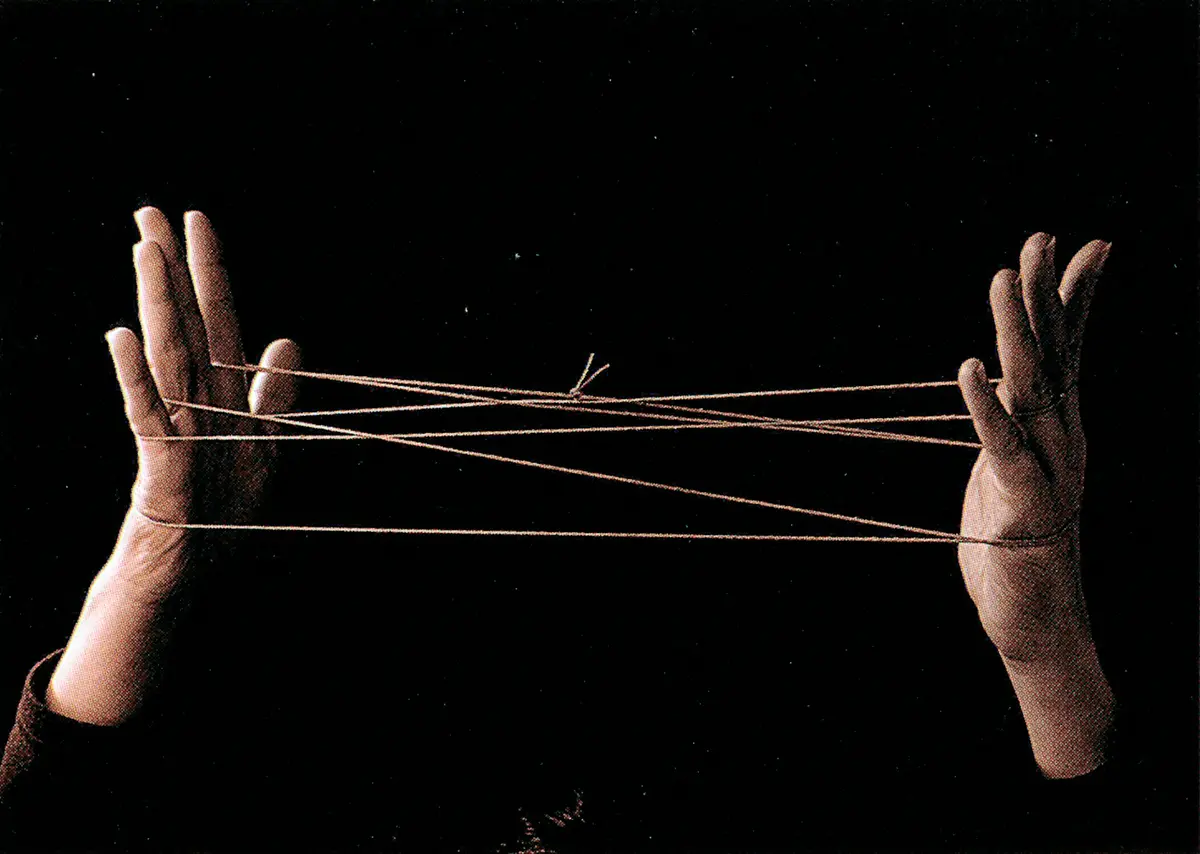
Photography continues to be a great absence from ArteBa. Although last year the stand Arte x Arte dedicated an important space to the works of the Guatemalan Luis González Palma until now very few galleries have reported the leading role of this medium in contemporary artistic production. Perhaps this is one of the clearest symptoms of the conservatism that continues to hover over a good deal of the options offered by the fair. What is certain is that there is no work done on the collection of art, and in this sense— I have to admit it—the market does not reflect what has been happening in Argentine art in recent years.
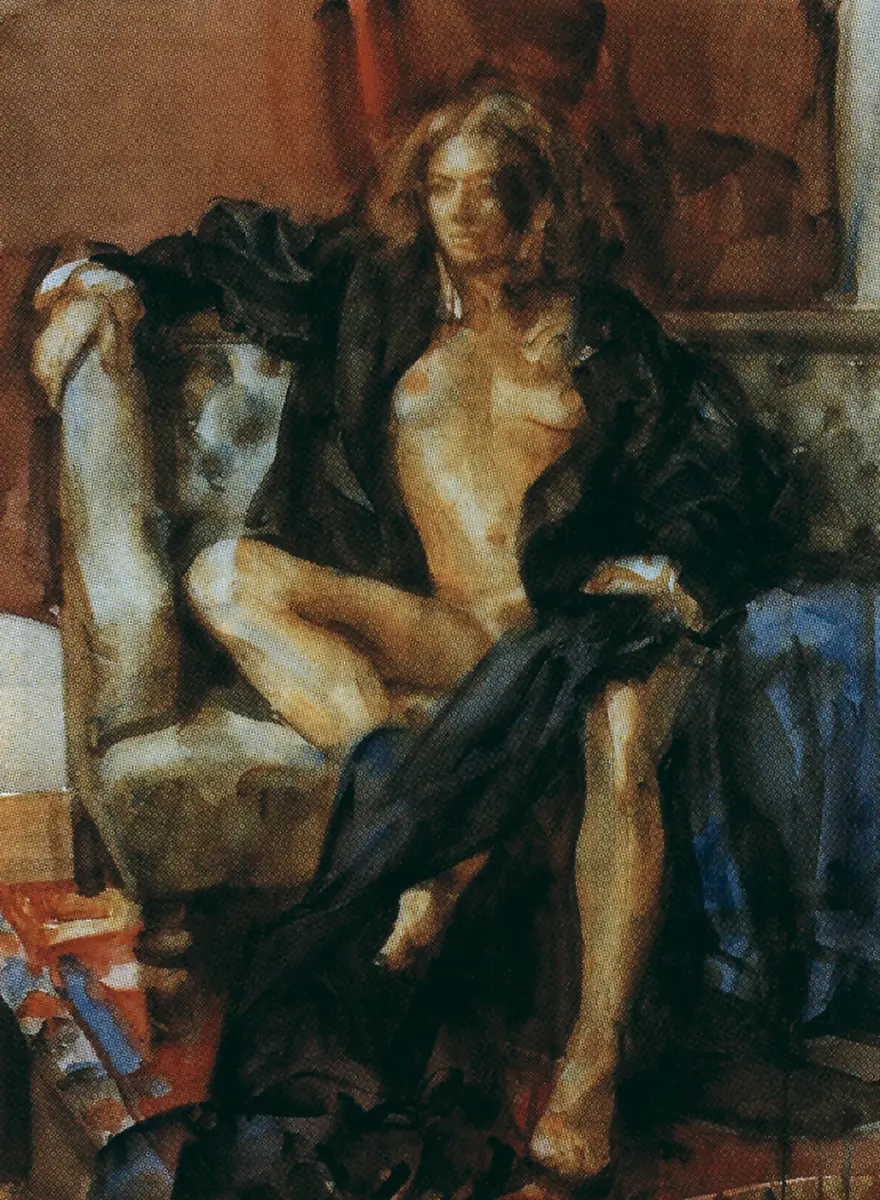
Unlike what is going on in similar international spheres, the majority of current Argentine artists have no relevant place in biennials and large group shows, nor do they have the presence they deserve in the stands at the fair. On the other hand, the classical Argentines are very well represented indeed. Guillermo Roux at the Marlborough; Alfredo Hlito at Jorge Mara; Antonio Seguí, Alicia Penalba, Ernesto Deira, and Josefina Robirosa at Rubbers; and Bias Castagna at Van Riel.
On this occasion, the National Arts Fund of Argentina and the Generalitat of Valencia contributed to the institutional spaces of greatest importance. For the last two years, the Valencians have been developing an active cultural exchange policy in Buenos Aires which shines brightest during the month of May. While they brought two shows of Juan Genovés and José María Yturralde to Buenos Aires's National Museum of Fine Arts, they displayed at the ample pavilion of the Generalitat—installed in one of the busiest areas of ArteBa—a series of "sensible" objects by José Antonio Orts and a collection of minute abstract landscapes by José San León. Armed with a base of complex electronic devices that registered the passing of visitors through the variations of light and color, Orts's work was one of the curiosities of the fair.
The National Arts Fund, for its part, opted for an interesting group of young artists made up of Karina El Azem, who also participated in the work dispatched to ARCO, and Marcela Mouján, Laura Rojas, Numa Mangiante, Silvina Mirasole, and Hernan Marina. The most interesting work of all is that of Marina, who works ironically with codes of representation taken from graphic art.
Articulated by Matilde Marín, the restless artist, and promoter of artists, the joint venture of Bogotá's Ediciones Arte Dos Gráfico and Buenos Aires's Gráfica Contemporánea deserve a chapter of their own. In that space of graphic art and Latin American books, Emma Calvino, Ángela Herrero, Juan Carlos Romero, Mabel Rubli, Lihie Talmor, and Marín herself took their places with an important echo between the collectors and the public.
Although the move to the new Rural exhibition site served to tightly organize the income, of all the auction houses that operate in Buenos Aires with magazine and publication stands—among them, ArtNexus—this time the sculpture space, traditionally curated by Nelly Perazzo, did not receive its deserved display. Better suited to the dimensions of the market, sculpture had a profuse presence in several galleries that offered small-scale pieces by Enio Iommi, Roberto Aizemberg (Laura Haber), Pablo Curatella Manes (Vermeer), Alicia Penalba (Rubbers), and Pájaro Gómez (Álvaro Castagnino).
The fact that Marta Minujin, an instigator in the '60s, was the official guest at the fair this year suggests that there have been many changes in the preferences of both the public and the collectors this year. And, although a lot of work remains to be done, everything seems to indicate that the organizers of ArteBa have taken due note of the obligations that await them in order to meet the demands of the coming century.
ANA MARÍA BATTISTOZZI
Art critic and historian. Writes for El Clarín journal in Buenos Aire.