
More than fifty works by Eduardo Médici (1949) from the last twenty years of his production made up this recent retrospective exhibition at the National Museum of Fine Arts. The selection reflected the major changes that have occurred between the series titled Jacket and Tie (1979) and the most recent Little Painted Mouths. Despite the variety of motifs and techniques-ranging from painting and drawing to collage and photography, Médici's work includes themes that are repeated obsessively, such as death, aggression to the body, eroticism, and the gaze.
Without a doubt, the sustaining gaze of the mother —a gaze that is lost, looked for, and found again— is one of the main threads in his work. Médici knows about such things. A graduate in psychology, he reveals the anxious longing for the discovery of the self which must necessarily be constructed through the gaze of the other. The function of the other, he seems to be saying, is crucial in this respect. It allows us to recognize ourselves, but it can also leave us unprotected since it unclothes us and takes away our image. Both need and fear go hand in hand. It is impossible to dissimulate the anguish with masks and excessive and sometimes grotesque makeup.
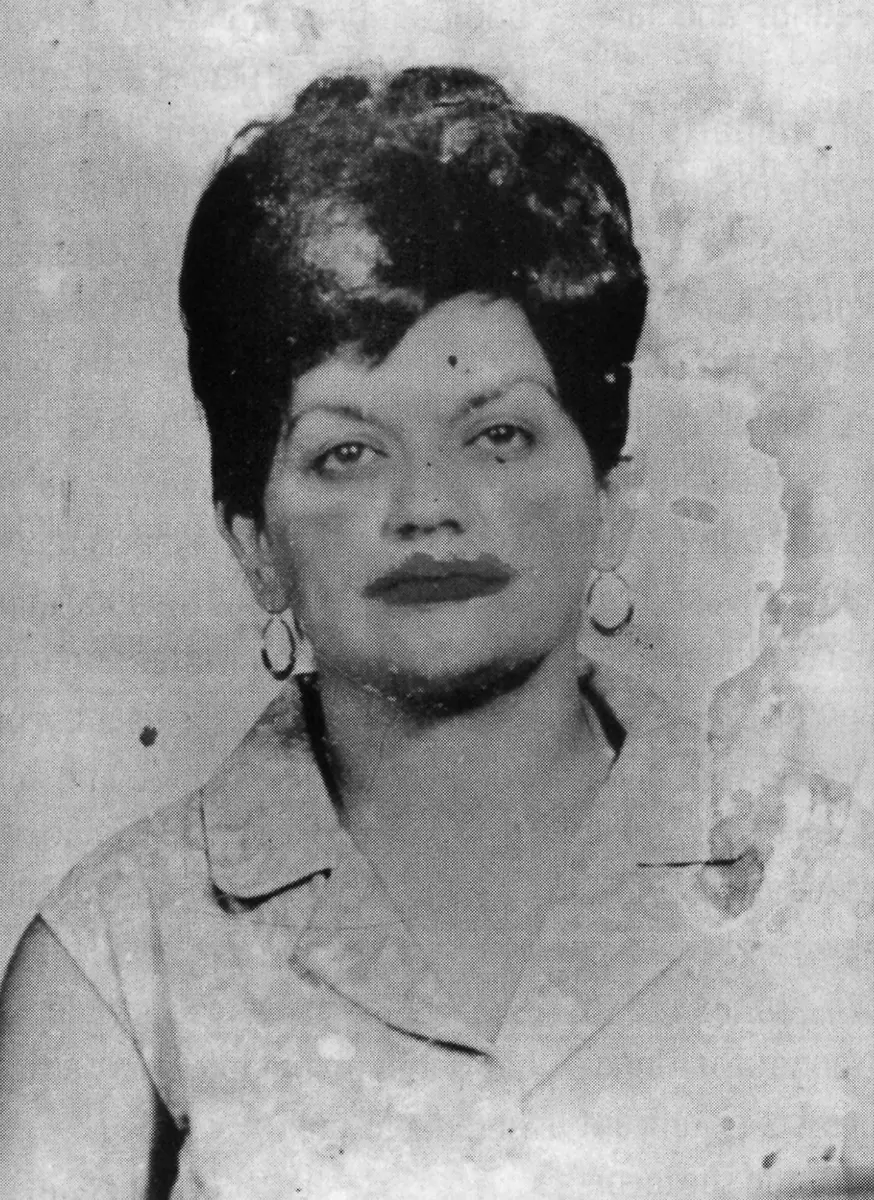
From 1993, the autobiographical elements at the heart of all of Médici's work became explicit, when his own face appeared in his work. This speaking in the first person was to coincide with an important change in the technique used, with the inclusion of photography.
Although Médici "the painter" was one of the major art figures of the 1980s, he has participated in the linguistic problems of the current decade, and thus can also be considered an "artist of the 1990s." This involvement with the present becomes effective through his use of photography, which provides an efficient response to the conceptual turn produced in the most recent stages of his work that have not always been understood by some critics who have tried to restrict his production to a certain technique (painting) and style for which he had gained wide recognition.
For Médici, photography is both a melancholic or corrosive place of memory, irony and reflective distance. This new technique was to bring about important changes in the presentation of the figures and in the construction of space in his work. Unlike the protagonists of his paintings, the figures presented photographically are not fictitious. They are real, and they have been posing a lot in the eternal moment. For this reason, they do not float and they do not move around in imaginary ways. They are set in space and, with their frank frontal gaze, they look out at us as if searching for witnesses to guarantee their identity through time. They speak once again of the suffering of being made flesh, as expressed in such paintings as Something is happening in your face, I divided, or Cross and Fiction. But this time the pain takes particular forms: the fear of oblivion, anonymity, and the dissolution of the self.
Although the theme of anguish at death is omnipresent in Médici's work, it is now presented much more directly, dramatized in the presentation of X-rays or photographic negatives and in the marks that time has left on old photographic papers which have deteriorated, showing those who evidently no longer exists.
It must be admitted that Médici has in recent times revealed himself to be an unusual portrait artist. As such, he has successfully used a variety of simultaneous registers, from the stained or blurred photograph to the marks of the spontaneous brush-stroke or a rapid touch-up with lipstick. In this interplay of superimposed elements, the identity of the figure becomes diluted and extends, like a rhizome, in various directions. In many cases, the living face is transformed into an abstract entity. Perhaps this is part of the author's strategy for stimulating a search for a new and more human meaning of existence. A search which, as we know, finds one of the best paths in the world of art.
Médici is not a complacent artist. His works disturb and shake the spectator. They remind us that beauty —and in particular art— is, as Rilke said, "nothing more than the beginning of the terrible which we can even now only barely endure and which we admire so much because it calmly disdains to destroy us”.
ELENA OLIVERAS