The exhibition titled From Brazil: Alchemies and Processes, recently presented at the Luis Angel Arango Library, provided a suggestive view of Brazilian art. The four artists selected by the curator Aracy Amaral, have in common their interest in working on a design basis. Despite their generational differences, Carmela Gross (1946), Marcos Coelho Benjamin (1952), Vik Muniz (1961), and Artur Lescher (1962) propose various approaches to their materials, exploring and handling different possibilities in subjective ways. Another common feature in their work is the impeccable finish of their art, which is the result of a careful process of elaboration.
The quartet's interest in design does not however mean that they are the direct descendants of the concretism that was such an important element in Brazilian art of the 1950s; their proposals are closer to the conceptualism of the following decade. Artists including Amilcar de Castro, Lygia Clark, and Hélio Oiticica, among others, encouraged the exploration of senses and materials that led to experimentation with new techniques and means of expression.
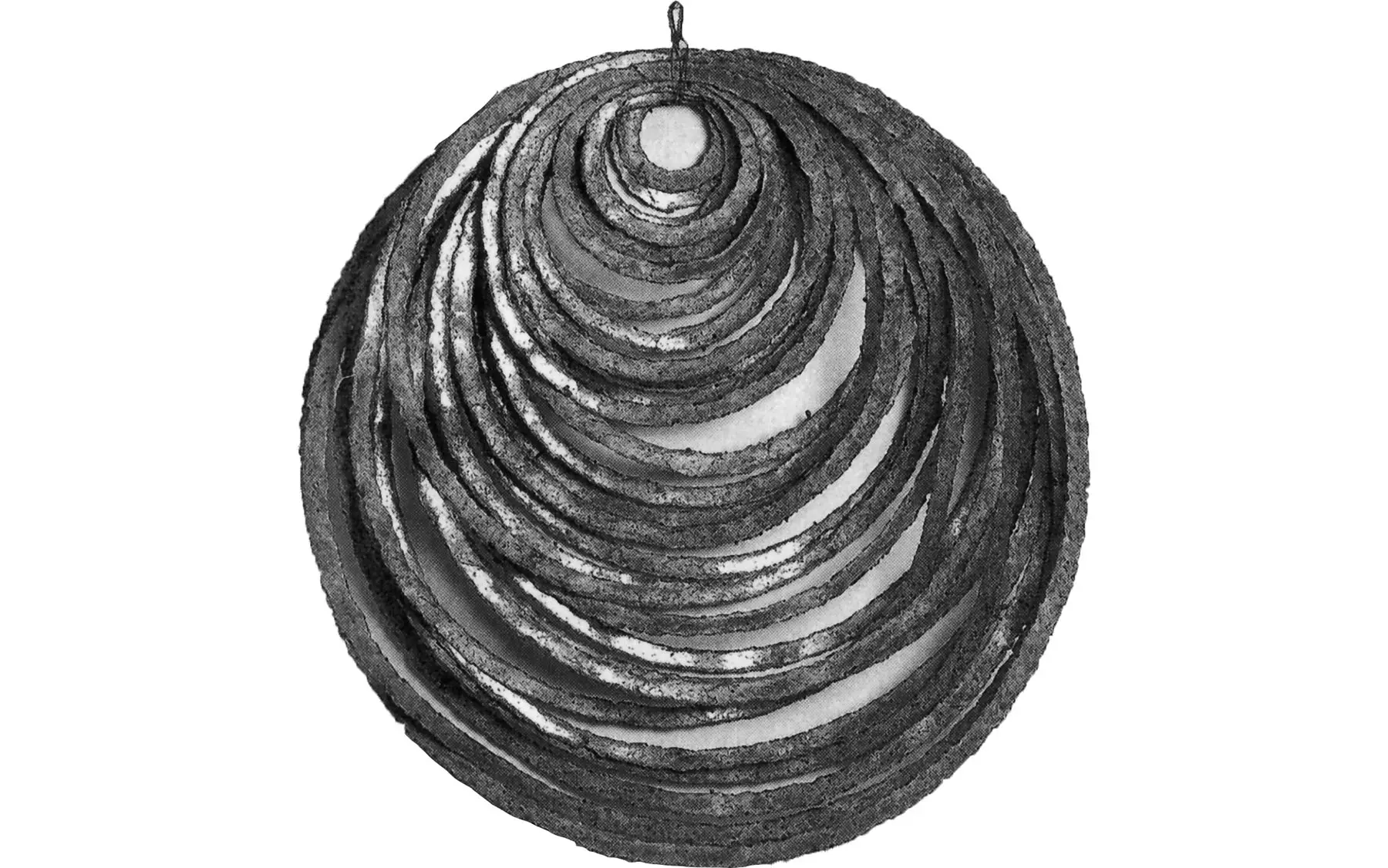
Carmela Gross uses a variety of materials, including bronze, iron, elastic, and fabric, to carry out her investigations on forms that establish a dialogue with space. Her designs emphasize the possibility of polarities like rigidity/elasticity and softness/hardness, as in the piece titled Islands (1998).
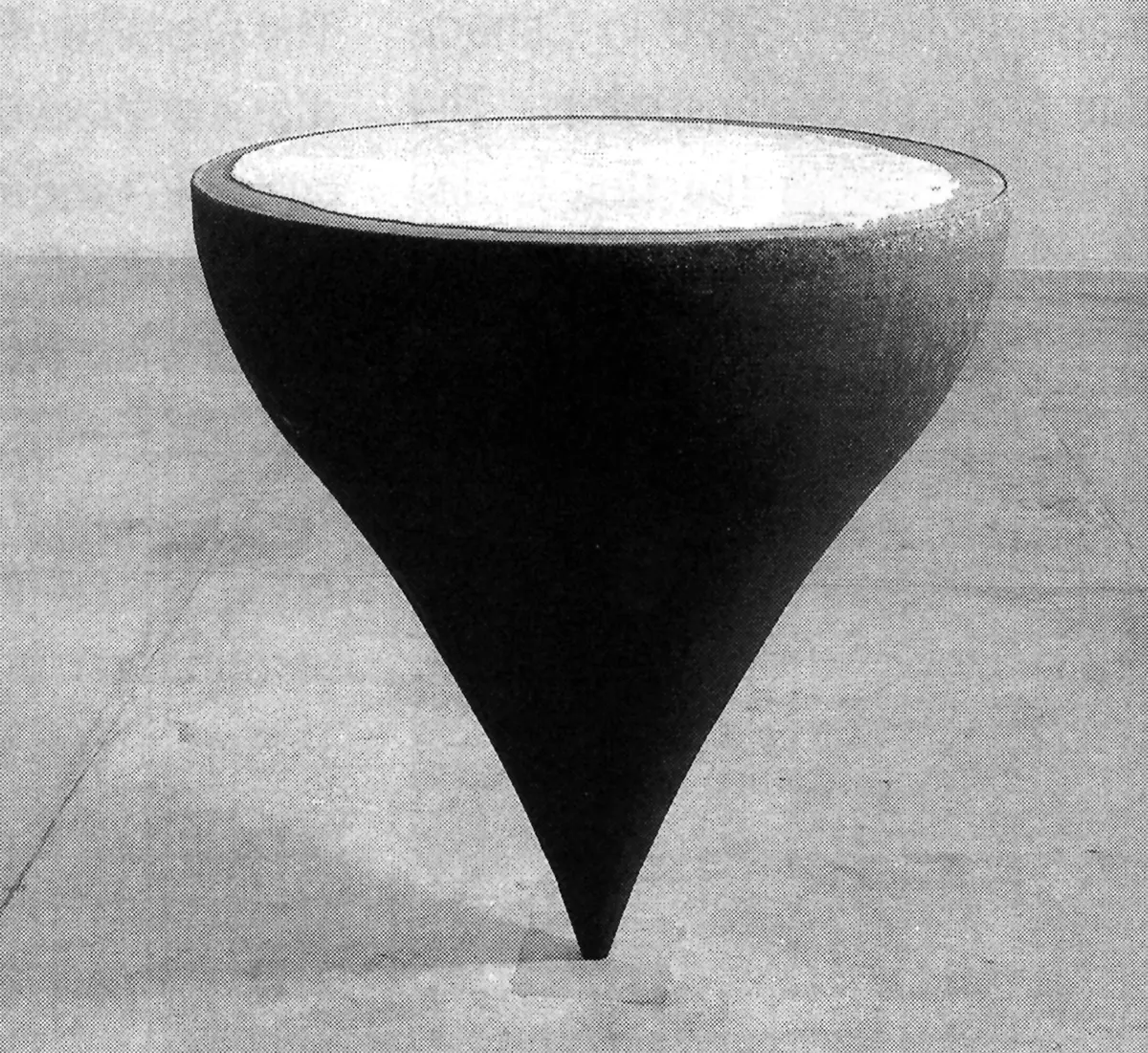
Artur Lescher presented two kinds of work in the show. One line of research reflects his training as an architect, as in House II (1998), consisting of a long exploration in stainless steel of the forms traditionally used to refer to our living space. The other works focused on formal proposals that emphasized the concept of lines and the meaning of certain physical phenomena, such as tension and gravity. The piece titled Top (1993), in iron and mercury was the work that most clearly cast doubt on the law of gravity. In the subtle iron structure, the flat surface is covered with mercury, which floats like a mirror and seems on the point of overflowing the space that contains it.
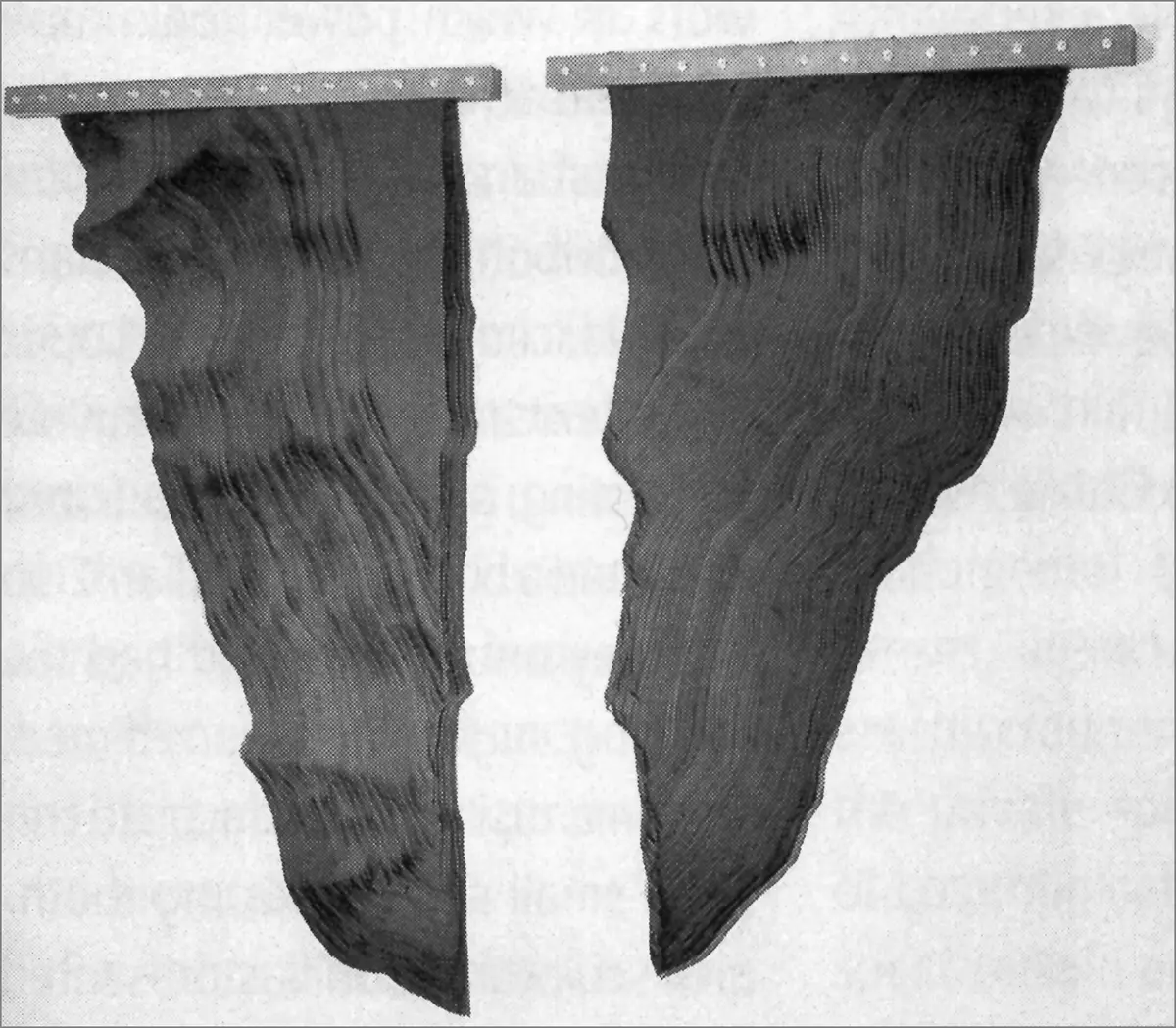
Marcos Coelho Benjamin was, according to the curator, the artist in the show who most clearly reflects the hybrid nature of Brazilian culture. The artisanal tradition of textiles and wood carving of Minas Gerais, and his native region, predominate in his work. The artist combines popular and erudite elements without any conflict to create structures that make formal use of a strict geometry full of moving lines of zinc, wood, or luminous, colored stones. The dialogue established between the schematic geometry and the elaborate artisanal work forms the basis of the artist's proposals.
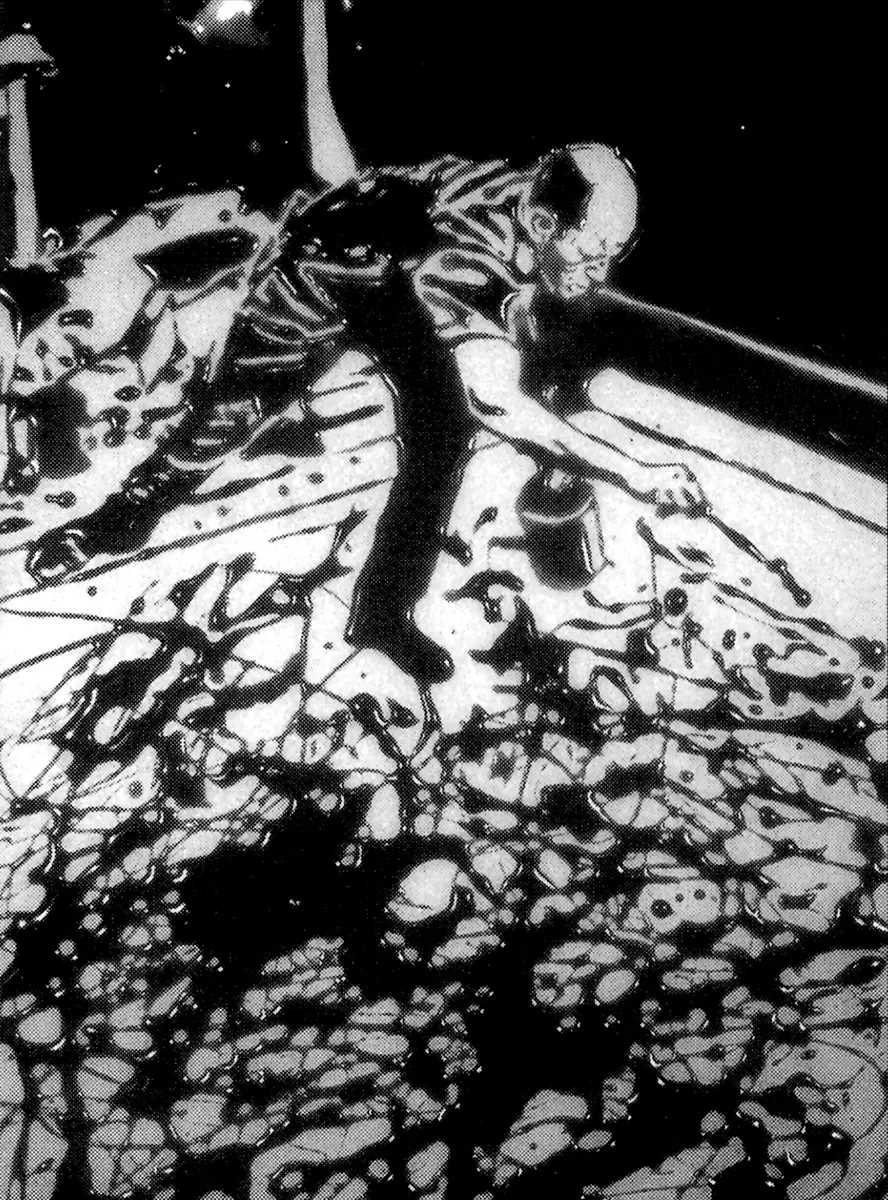
The photographs of Vik Muniz are the result of a complex process of preparation leading up to the final image. The elaborate scenes, made initially with liquid chocolate placed drop by drop on a surface, are then recorded in Cibachrome photographs. The images are taken from the history of art, illustrations from newspapers, or well-known earlier photographs. Examples from the show include the anonymous record of Freud, Sigmund (1997), and the Action photo after Hans Namuth (1997).
Without any stridency, these four artists proposed work based on a constant process of investigation which demonstrates the seriousness of their subjective processes of intervention and modification of both space and their materials.
IVONNE PINI