Grappling with the senses was an exhibition at the Casa de América in Madrid that examined one of the characteristic themes of contemporary art. Of course, all of our five senses are not indispensable to an appreciation of the plastic arts throughout history, since such arts have been directed almost exclusively to the visual. Logically, therefore, they are now called the visual arts, though, in the case of video art, the sense of hearing is also usually brought into play.
Sight is the privileged sense in our culture. It is also the most hygienic. Above all, it is the sense that provides the largest amount of information in the quickest way and it is safer as it operates from a distance-and distance that translates into "protection" from the other, from the world, and from ourselves. Hence, the distinction (in both Catholic and Protestant traditions) between dean emotions, i.e. those of the intellect, and dirty emotions, those of the body. However, each period and each culture has its own changing standards and hierarchies.
Painting and sculpture have used the senses as subjects as well as addressing them directly, like certain morbid and fleshy pieces of sculpture that invite us to touch them since they are only representations of something.
A few months ago, the Miró Foundation in Barcelona presented an excellent exhibition titled Voices that focused on artistic production in which voice was a key element. But this kind of show is the exception. In our Western, rationalist culture, we are accustomed to making a strict distinction between physical impulses and reason, but art, one of whose missions is to subvert all kinds of barriers, also undermines this dividing line, and continuously endeavors to involve us, through all the components of our make up, in the aesthetic experience.
We are, above all a collection of senses, but we are too accustomed to hiding them. Although we perceive those things that are fundamental to us through the senses, in social terms the latter are discredited and confined to the private sphere. As elements of communication, they must respect certain accepted forms and operate within a very limited range. We might say that a person smells very nice, but only if we are referring to a perfume they are wearing. We can exercise our sense of taste in society when we are eating but within very strict limits. We can touch, but only in a superficial, manner. Only sight and hearing can be fully exercised in public and even here there are certain rules to be observed. We may not look at certain parts of the body, or cast "brazen" looks at someone nor can we listen to inappropriate things. So our senses from very early on in life undergo a destructive and constant process of restriction.
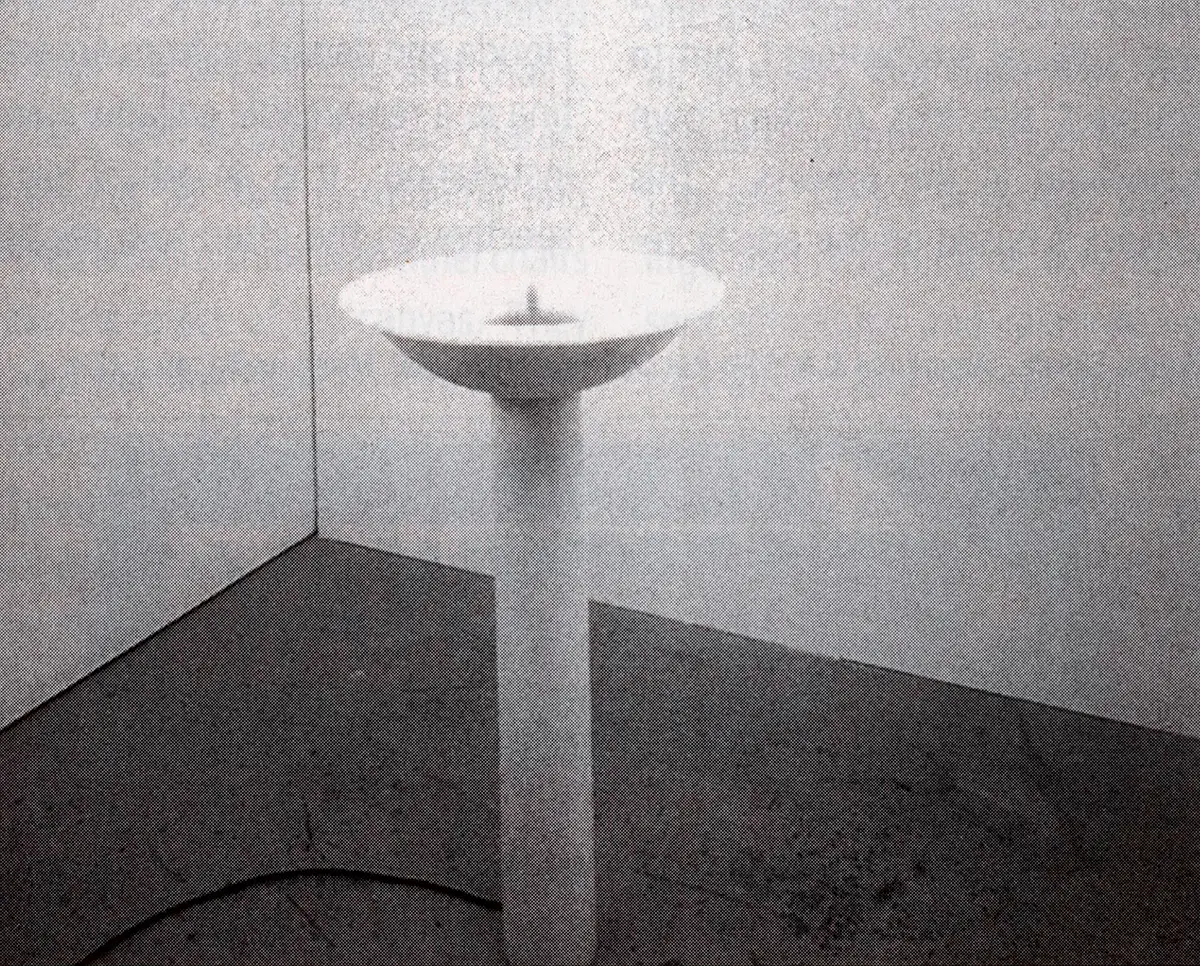
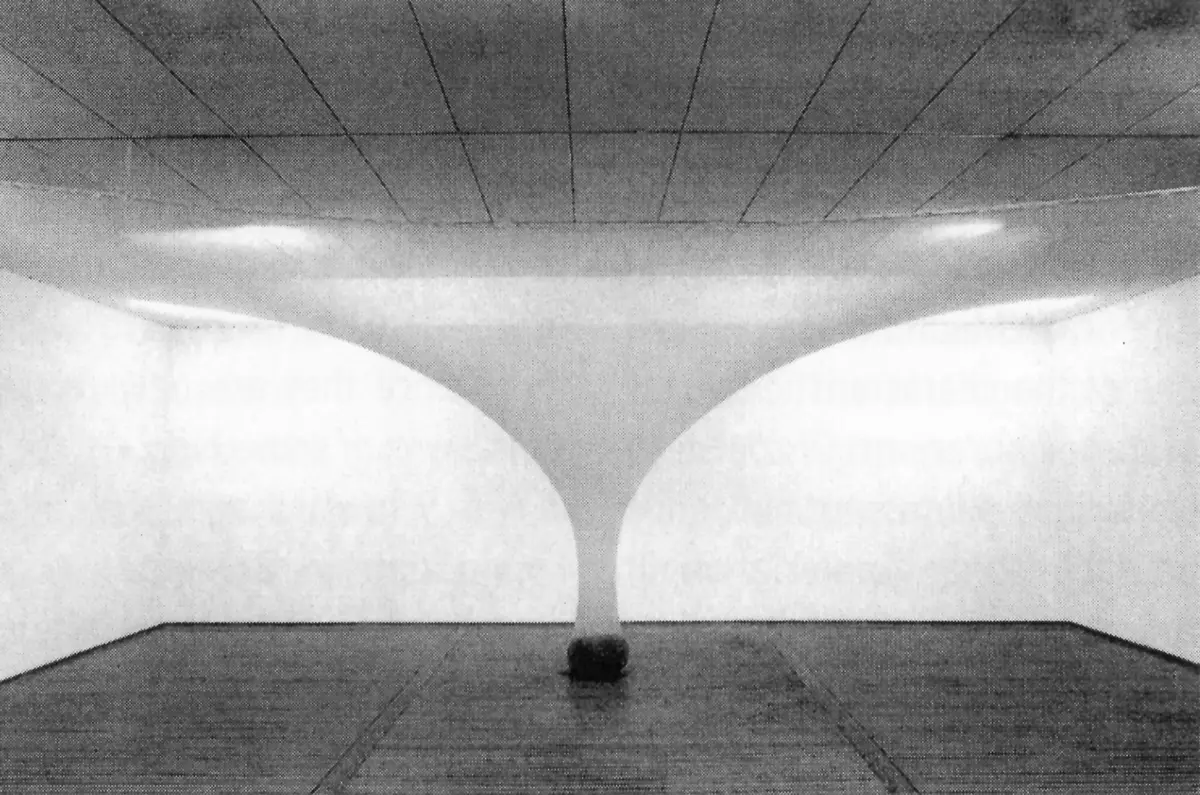
Curated by Estrella de Diego, Grappling with the senses brought together a series of works intended to go beyond the normal dimension of visuality. However, the results were very uneven. Along with outstanding pieces, there were irrelevant works, including one at the inaugural event, where the public engaged in the act of eating a Jell-O sculpture depicting a human figure. This performative event made the theme of anthropophagy into something trite and unsubstantial. The combination of extremely interesting artists with works like the performance presented by César Martínez did not prove very stimulating. This was not the case, however, with the large pieces by Ernesto Neto made of elastic fabrics and filled with different products, the smell of which filled the exhibition room. Neto's impressive forms modified our perception of space. There was a subtle and refined piece by Valeska Soares, titled Strange Love, consisting of a fountain of wax and perfume (the third time this work was exhibited in Madrid). Nicola Constantino presented her costumes titled Furs and pelts with human skin, which fortunately is not to be taken literally. The singularity of the garments lies in the fact that they are made of silicone and human hair, with the paintwork depicting nipples and anuses. This was work that caught one’s attention (other examples have been seen in various editions of ARCO, and have been widely photographed) but little more.
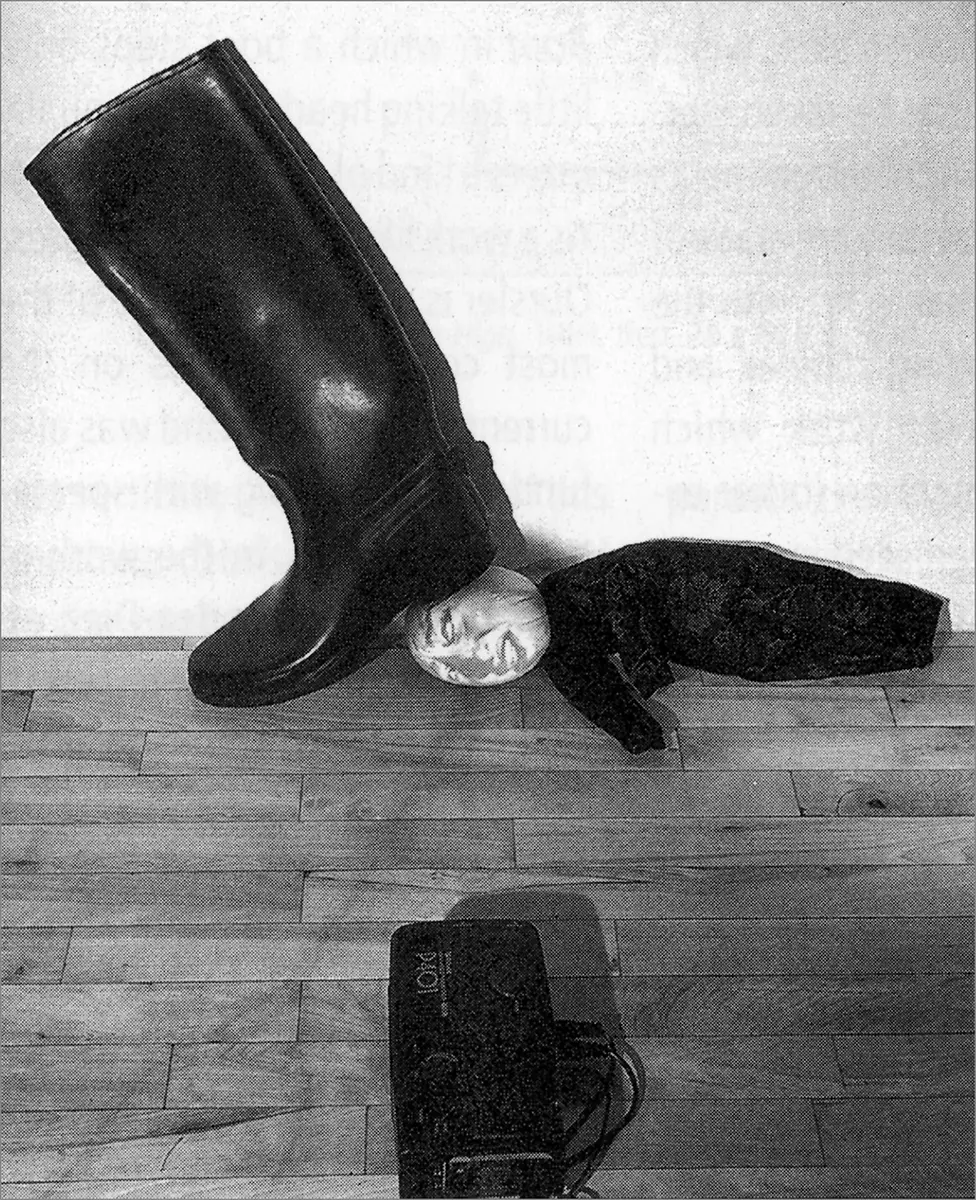
The piece by Nazareth Pacheco, a dress made of razor blades reworked the old idea about the virtues of suffering that has been repeated over and over again to women (along with the cliché that love always brings pain and suffering). It was an interesting variation on the tradition of using domestic materials and processes, such as sewing and knitting, that has characterized a lot of the art produced by women over the last decade, almost to the point of banality. Sound and voice were also well represented in the work of Tony Oursler, represented by his well-known and magnificent Boot in which a boot steps on a little talking head that continually utters a kind of sentimental litany. As a work like Boot demonstrates, Oursler is undoubtedly one of the most consistent figures on the current art scene. Sound was also fundamental, along with spectator participation, in the work of José Antonio Hernández-Díez, an intelligent and enigmatic artist. Lisa Ludwig, in a piece titled Earth and Paradise, carefully prepared black sugar tarts, cast an ironic look at the domestic education of women, using a fragment of an old book of recipes and good manners.
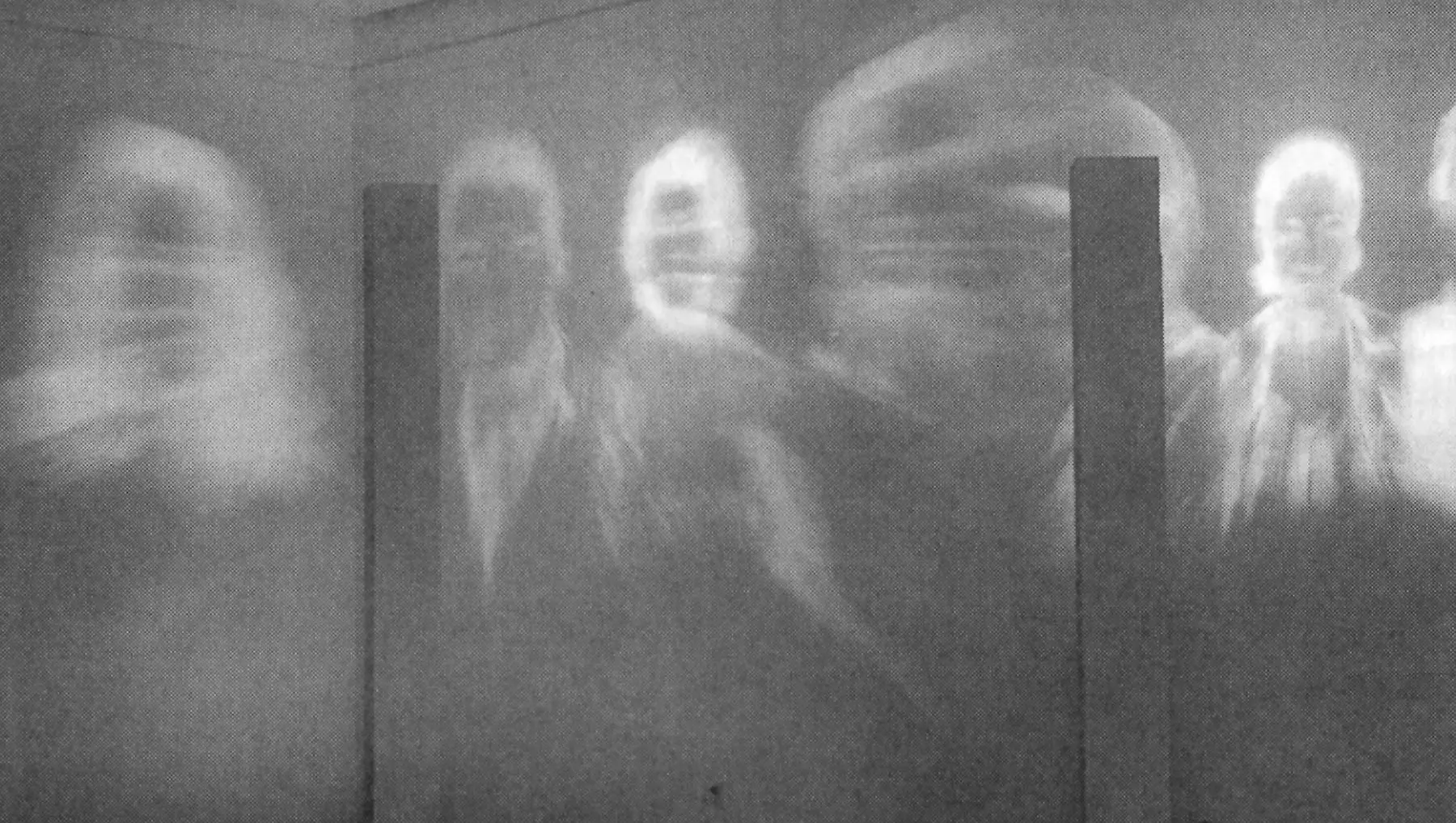
Yishai Jusidman presented an installation based on spheres that distorted faces, with disturbing results; the distorting effects achieved through the paint seemed to be directly inspired by computers. Another interesting work was that of Rosângela Rennó, consisting of a large installation with luminous projections in which the moving figures, appearing in negative, suggested characters from a dream or nightmare, projected in a way reminiscent of the old magic lantern technique.
This was an exhibition with a very suggestive theme but one which, I believe, included many works which were merely superficial or effect-seeking. However, it must be admitted that the selection process was not an easy one.
ALICIA MURRIA