Celia Sredni de Birbragher: Could you tell us something about your art project, the collection, and the foundation?
Jorge Helft: I would like to say from the outset that the collection is the product of a collaboration between myself and my former wife Marion. We started collecting about 30 or 35 years ago, and it seemed a very natural thing to do.
I was born in a home in which art was very important. My father was an antique dealer and art historian, and Marion's mother was a painter. So we were always surrounded by art and artists. When we had the economic means, we started to buy art and gradually this became an increasingly important and systematic activity in our lives.
We were lucky that my own career developed and we had the resources to buy things. The collection gradually grew and the time came when we had no space left. A collector always goes on buying much more than he has space for...In our house today we have around 250 works —Latin American art alongside art from the rest of the world - and it is open to the public. We began this project ten years ago and it has worked very well.
The large majority of the works in the collection are Argentinean—a total of around 720—and focus on a relatively small number of artists. Eighty percent of the works are by only fifteen artists, although we continue to buy works by young contemporary figures. The collection also has much art from the post-1960 period. Why? Because we believe that although occasional artistic movements have been important in Argentina since the beginning of the century, it was really only from the 1970s that Argentina gained a place in the global context - and this has been our incentive in buying works from this period.
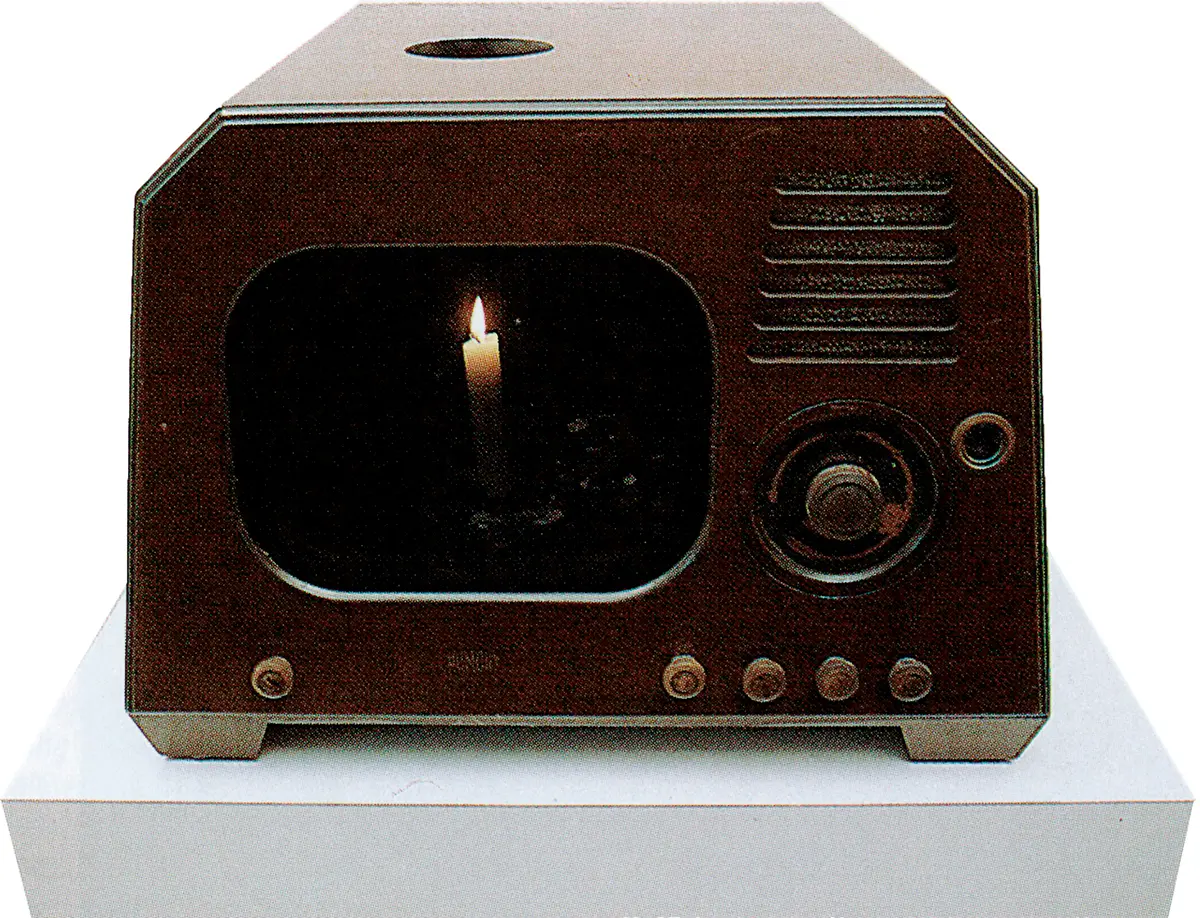
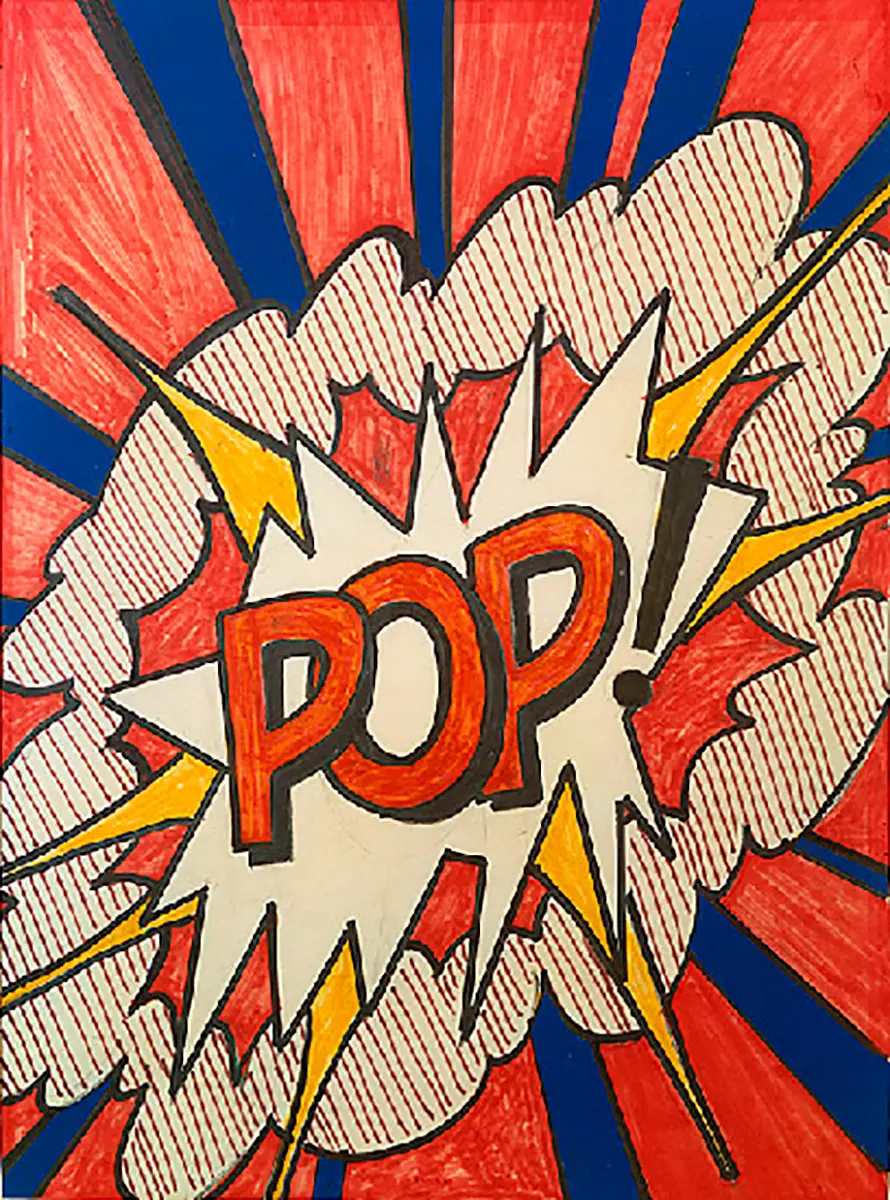
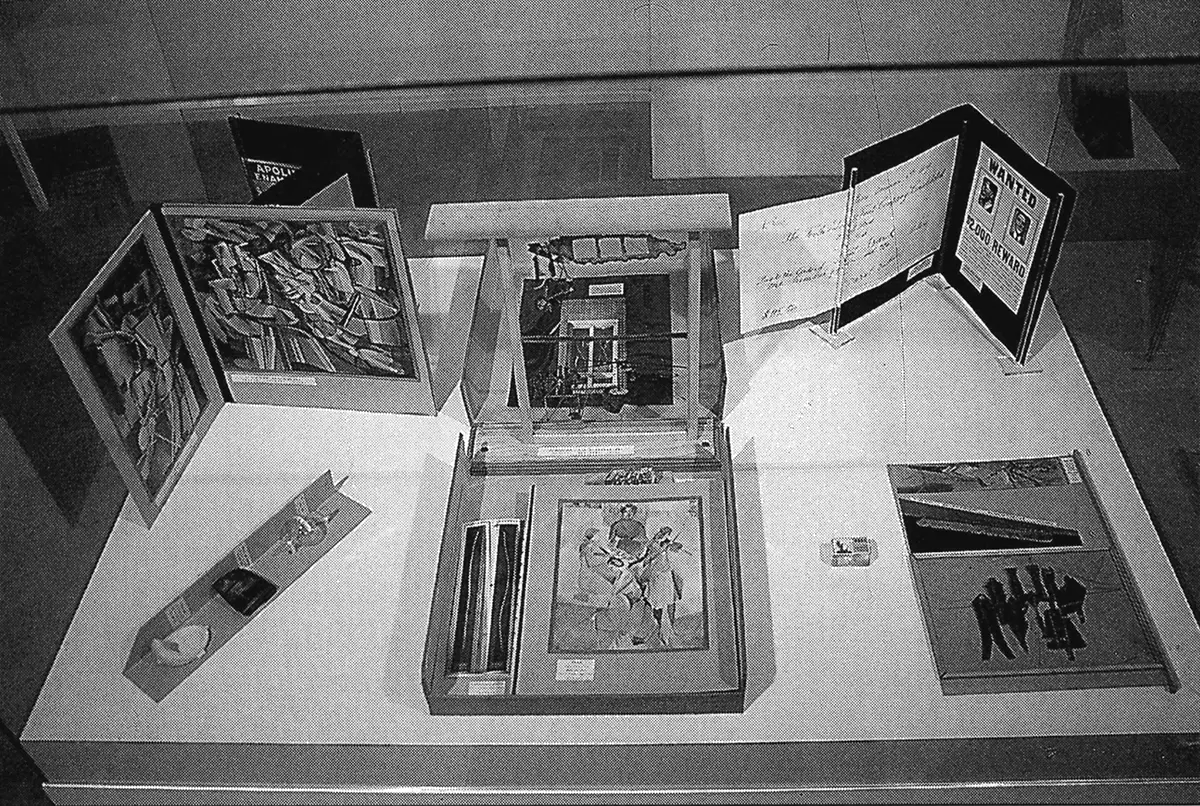
The international collection is much more classical, although there are some strong works from the contemporary period. It begins at the turn of the century, with paintings by Paul Klee, Kandinsky, and Feininger; then the cubists, Severini, Metzinger, and Gleizes. We have boxes by Cornell and a modest but important collection of works by Duchamp. Then there is the French nouveau réalisme, pop art, and contemporary works. We continue to buy contemporary pieces—for example, we have a major work by Tony Cragg, and Jaume Plensa and we continue to look. Two years ago, at the Chicago Art Fair, I bought a piece by Anette Messager, from the 1980s, which I like very much.
C. S. De B.: Let us talk for a moment about Argentinean art and in particular, the focus of your collection. You say that fifteen artists account for a large part of your collection...
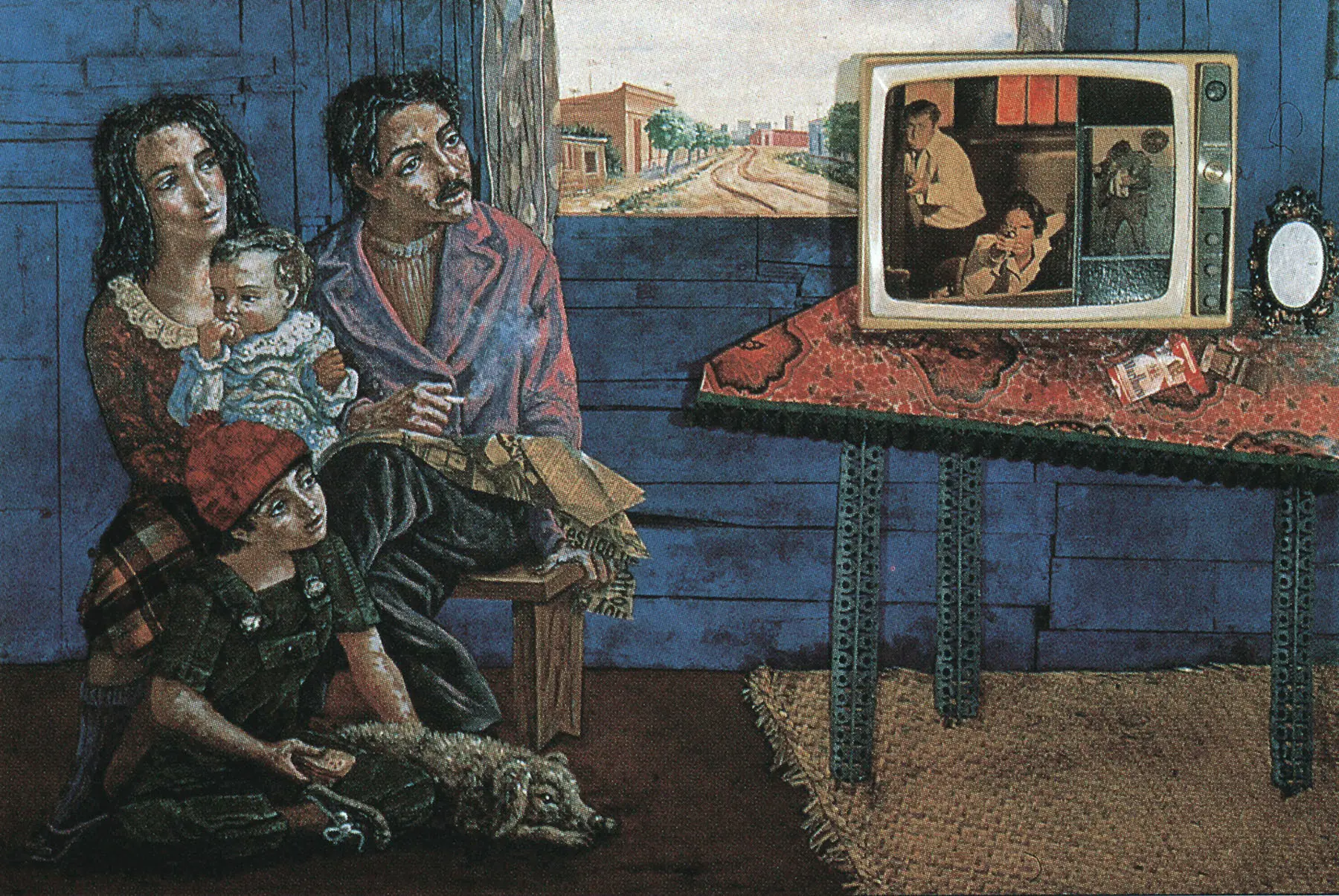
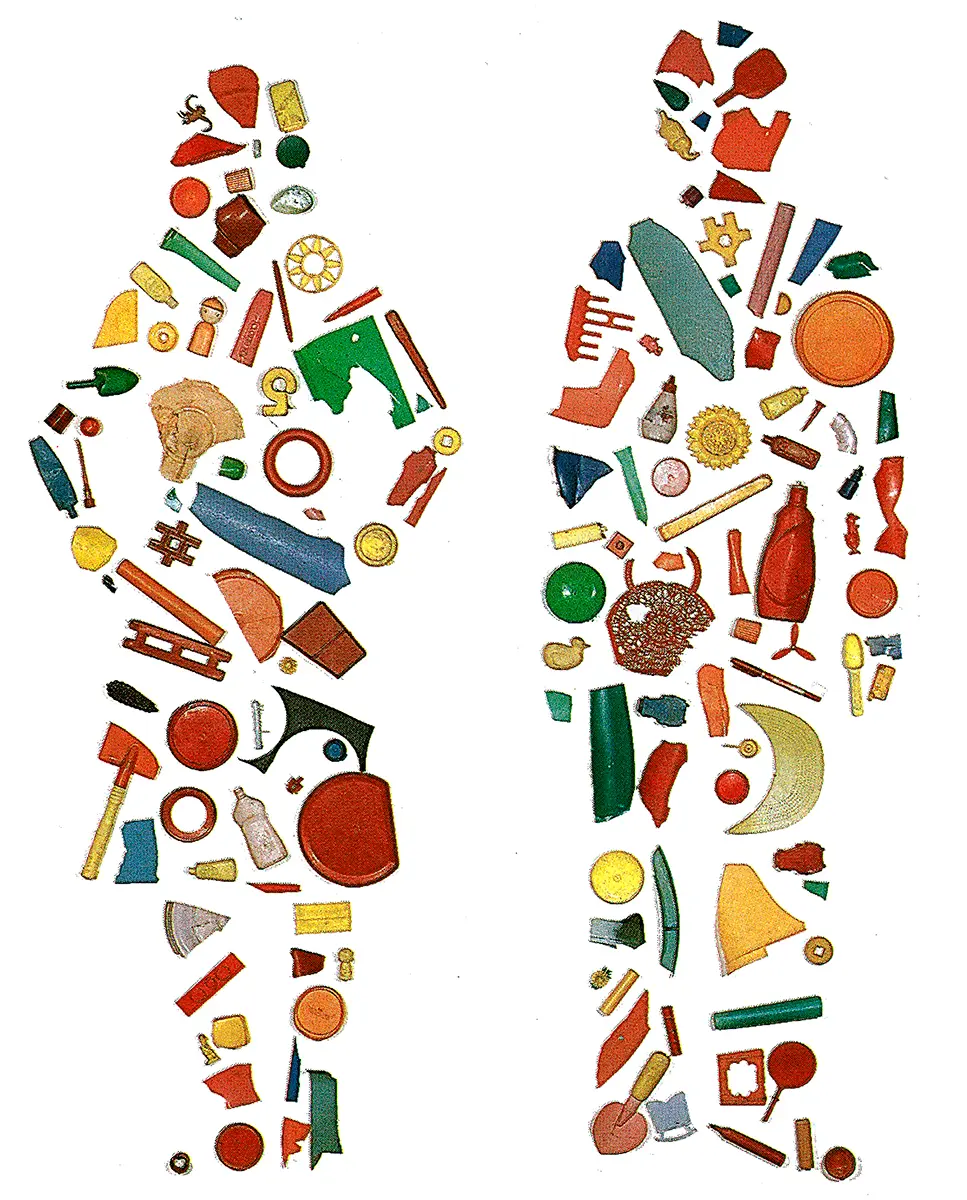
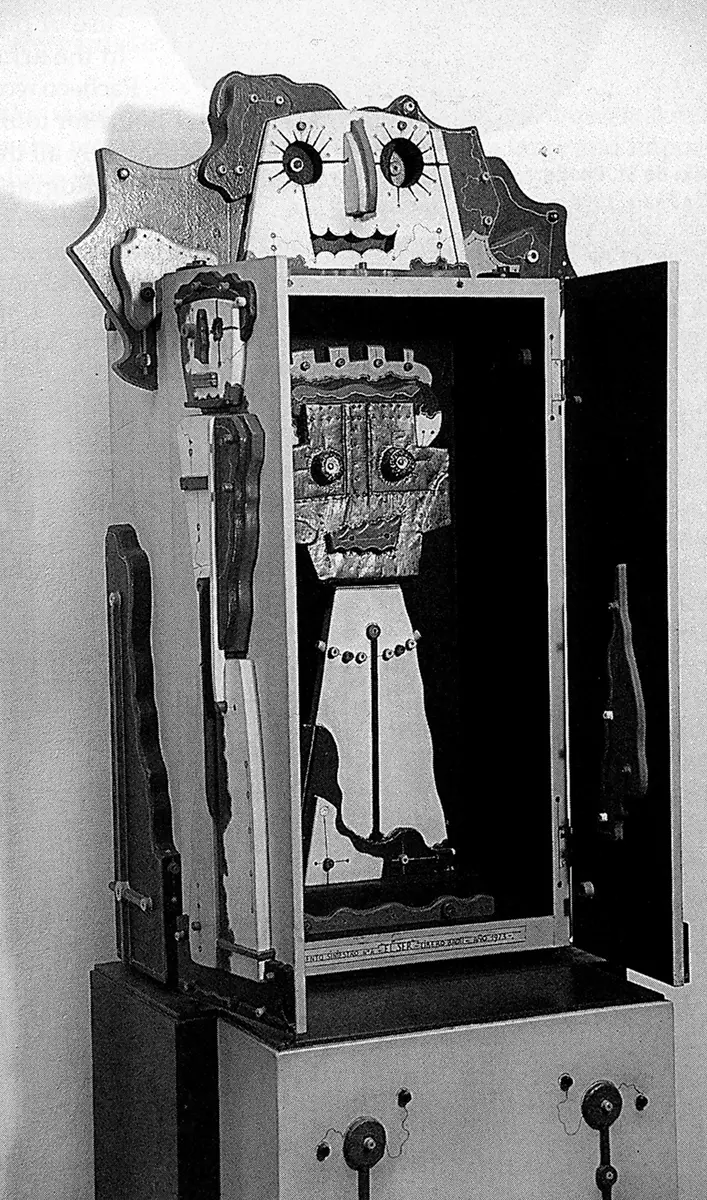
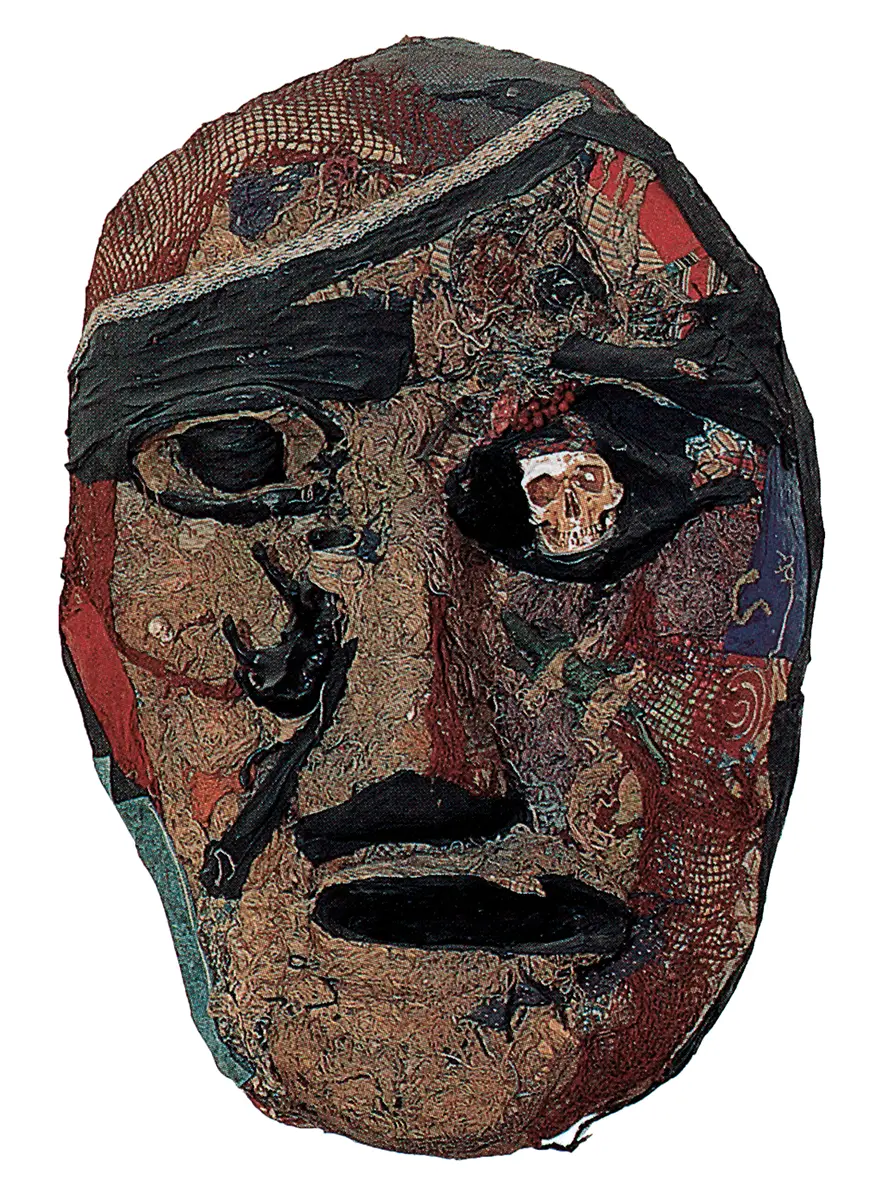
J.H.: Chronologically, the artists who have interested us and whose work we have really collected begin with the late work and collages of Antonio Berni. Afterward, we have a lot of pieces by Libero Badii; later still, we could mention Alberto Heredia, Jorge De la Vega, Juan Carlos Distefano, Víctor Grippo, and the photographer Grette Stern.
We also have works by more recent artists, such as Edgardo Vigo, a conceptual artist avant la lettre, who unfortunately died recently. More recent artists include Liliana Porter, Guillermo Kuitca, Roberto Elía, and a few others. They form the nucleus of our collection. Of course, there are many other artists included, but in some cases, with only one, two, three, four, or five works; they, therefore, have much less weight in the collection. This is not intended in any way to indicate a scale of values, but a purely personal choice, purely literal. There are artists whose work we have liked more than others, as is always the case in such matters.
I believe that our motivation has always been hedonistic, in the sense that the most important thing is for the work to please us, to give us pleasure and satisfaction. This was the number one criterion in the art which we were able to acquire because of the economic conditions at the time. There are many great Argentinean and world artists whom we admire very much, but whose work we have not bought because when we wanted to include them in our collection, their prices were already too high for us.
C. S. de B.: You told me that you constructed a place to house this collection and that you have since continued buying. The initial project for housing the collection has also gradually expanded. What is the collection like now? Is everything on the show? How does it function?
J. H. : The space we opened to the public ten years ago never included all the collection. Our collection is basically located in the house which we built, but since the number of persons wishing to visit the collection constantly increased, we constructed a new place that would be open to the public. This space was the work of the architect Samuel Oliver—who was for twenty years the director of the National Museum of Fine Arts. We had little to do with the selection of the works. He did as he saw fit and mounted the works accordingly. What we did specify was that the works shown should not be only Argentinean—we did not want to give the impression that we were establishing a kind of ghetto to which we were consigning surplus works. Thus our collection of pieces by Marcel Duchamp, Fluxus, and large format conceptual works are housed in this space, alongside Argentinean works which we believe can be hung next to some of the great names in universal art.
The public can see a very good selection of works without actually entering what was my home, and is now the home of Marion. I no longer live there, I moved to another apartment, but I have access to the house, and we continue to collect together. Friends and important visitors can see both parts —the public part and the house itself.
C. S. de B.: How is this project financed, now that you have constructed this new space?
J. H.: We have never looked for external resources, and for this reason, I do not call it a museum; it is an extension of the living room of the house, an extension for placing more works, but it is totally private, and there is no interference or support from outside.
C. S. de B.: Now that you are no longer married to Marion, what is the situation of the collection? Will it remain together? What will happen if one of you is no longer here?
J. H.: The collection is the collection of Jorge and Marion Helft, and it will continue as such. We are partners, we share not only what we buy, but what we lend. We both decide on the loans, and how to install them, and the collection continues as before. I do not know what will happen to the collection later, I have nothing specifically planned; we have three grown-up children who like art, and we will see what they and the future say. I can predict nothing in this respect.
C. S. de B.: Let us talk a little more about Argentinean art. In a sense, for many collectors, and even for some gallery owners, you have in many cases indicated the names of young artists. I remember in particular the case of Kuitca. Do you feel that in a sense you have generated motivation for buying and for taking an interest in the work of young artists?
J. H.: Personally 1 don't feel that. I believe that the Kuitca example was a choice we made, amongst many others, almost twenty years ago, and it was the right choice. But Kuitca's success was not followed up in Argentina. It happened outside the country and was thus foreign to our choice or decision. The same is true of young artists, where the situation is compounded by the fact that as you get older, you feel more distant from the new generations, and sometimes, and this is my case, you find it difficult to understand and appreciate the work of a young artist; this is easier at 40 than at 60. However, one's eye is already trained, it has spent a lifetime looking at art, and as I try and explain to people, there is a lot of art that I like and a great deal that I don't like, but my eye is sufficiently reliable, I believe, to tell me if something is of value even if I don't like it, or if it has no value. It is a question of training and tradition, not a matter of taste, taste comes later; there are artists who I think are very important and worthy of respect, but who literally say nothing to me and so I have not bought their work. However, I respect them enormously.
C. S. de B.: When you began the collection, was it an international collection from the beginning or did you begin with Argentinean art?
J. H.: I began with Argentinean art because this seemed to be the logical approach. It was logical to buy Argentinean art at the time since there were many young Argentinean artists to choose from. Moreover, at that time I traveled much less, my budget was smaller and thus I bought local art, which furthermore I liked and was interested in.
Regarding collecting itself, I have always said that it is a virus. I am a collector to my very soul, at the age of five I was a collector of comic magazines and stamps; a collector of all the opera and music programs I have attended in my life, which are hundreds; I keep them and collect them. I have collected records for forty years and continue to do so. Today I have 2,500 records and continue to buy more. Art, of course, is my most important collection, I devote considerable resources to it, a lot of effort, and much more time than to anything else.
Afterward, we formed other collections: Marion and I have a collection of pre-Columbian textiles from Peru, and then there is the Borges collection, which we decided to start one day, in the mid-1980s, when Borges died. It is the largest collection of its kind in the world, with almost 11,000 items, including 155 manuscripts. We tackled the job with our collector's virus, doing it professionally, establishing contact with Madrid, Paris, London, and New York, accumulating things that nobody bought, things which interested no- one because we believed it our duty to compile a very good Borges collection so that students and researchers would have a proper database and be able to see original Borges material. Our collection has not been focused on any one site. In other words, we combined our urge to collect, which is very real, with an objective that we believed to be useful.
Collecting has been my life, since I was a child I wanted to collect things. It is a passion, which continues today. If 1 find a work of art or just a record I need to complete my collection or a Borges item, then I buy it.
C. S. de B.: Speaking of your Borges collection, where is it situated, and is it open to the public?
J. H.: It is not open to the general public because it was not designed for that purpose. It may be consulted free of charge by any advanced researcher, who is welcome to visit my former home where there is a computer and the original materials. Scholars have come from Edinburgh, London, Paris, the United States, and Germany, for work and research on Borges. One of our sons, the oldest, has prepared a CD- ROM on Borges which is extremely sophisticated and has been selling very well in Buenos Aires. He recently published a book that is the best bibliography on Borges that has appeared to date. We are organizing exhibitions of this material which has so far been presented in Amsterdam, at the Centre Pompidou in Paris in 1992, as well as in Rio de Janeiro and in São Paulo. We are having a large exhibition in New York in the year 2000. In this way, we are helping to promote the work and thought of Borges. There is no other objective. A literary collection like this has a great advantage: it takes up very little space—you can store 3,000, 4,000, or 5,000 books on shelves which take up little space - it is not like paintings or sculptures. All the manuscripts which are unique and valuable fit into a single folder, 150 of them, totaling a mere 300 sheets.
C. S. de B.: Who works in the collection? How is it structured?
J. H.: Marion and myself devote a lot of time to the Borges collection, as well as our son Nicolás. We have always believed in the use of professional support. In the art collection, Marcelo Pacheco worked with me in my home for four years, cataloging absolutely all the works of art with their bibliographies, background data, etc. The data existed, but in a very unorganized state, and he carried out a thorough and professional curatorial analysis.
In the case of Borges, we have a librarian who comes every day. Here there is an enormous amount of cataloging and scanning to do, to place the original documents on screen. We are copying many of the texts so that references can be easily located and indexed by researchers. If you enter the word Shakespeare on our computer, in two seconds you will see that Borges used this word 147 times, and you can see exactly in what text and in which year. So this is a very meticulous and long task, but we believe it is useful and that is why we are doing it. The investment, let me add, has not been large, since a young librarian has been working with us in the house for four or five years now, and the work has progressed enormously.
C. S. de B.: How many staff work in the plastic arts section?
J. H.: Nobody. We do not have other assistants, but we do need help, for example, for restoring works or carrying out analyses. We always recruit professional staff for this, and we will continue to do so. We will not do it ourselves. If we need a text, we ask a professional, a curator, or a commissioner to write the text or prepare the catalog, or whatever...
C. S. de B.: In the case of loans to exhibitions, museums, etc., do you deal with this directly yourselves?
J. H.: Yes, and our policy has always been very liberal. We believe that although a work of art might belong to us as a piece of property, its importance goes beyond the question of physical ownership and concerns the public and the artist, even if the work has been sold by the artist. For the artist to live and the progress he has to show his work. So when we receive a request for a loan, we always say yes, provided that a minimum number of conditions are met concerning security and administrative details, for example, the transport, handling, and insurance. If this is the case, then we always say yes. We have loaned works to very large and very small exhibitions; we have had works on show at cultural centers in the provinces of Argentina and in exhibitions in New York, London, and Paris. There is no prejudice in this respect, we always say yes in principle.
However, we have had a few accidents, which are part of the collector's life. Last year a work was savagely vandalized at the National Museum of Fine Arts in Buenos Aires. Earlier, another was vandalized at MoMA in New York when someone deliberately and seriously damaged a painting. The place where one is least afraid to loan work is the MoMA, but even so, it happened there. I believe that part of a collector's life is to loan works, and if the work suffers, well.
We too can have an accident with a taxi, yet we still take taxis. We take precautions so that the work can return safely, but I believe that we have to take this kind of risk since it is part of a collector's life.
C. S. de B.: If you had to make a recommendation to a young person just starting to collect, what would you advise him?
J. H.: First of all —and this is not an answer to your question— I must say that I am delighted that for the first time in thirty years, a generation of serious collectors is emerging in Buenos Aires. When we began, there were absolutely no collectors. You asked about our interest and why our collection was seen rather like a lighthouse... it is easy to see a lighthouse in the total dark because nobody was collecting at the time. Today, fortunately, people are beginning to collect. In many cases, it is young people who are buying art by young artists . . . God bless them. There are also some collectors with a lot of funds who buy works by more classic artists, and this too is very important if Buenos Aires is one day to have a large and important art market.
As to my recommendations, I believe first of all that you should buy what you like, and not be guided by the profit factor. The profit comes later if the collection is good, but you should not buy art in order to speculate. At least, real collector buys because they feel in their heart and soul that they can live with this art and that this art will bring satisfaction. Of course, if you buy high-priced pieces, it is important to get professional guidance, so as not to buy something which has suddenly become very expensive and which one day will be worth less than ten percent of what you pay. I do not say that a collector should be a benefactor, but if he gets proper advice, he will buy well and will not have problems with the value of the work. Money should not be the reason for buying. You buy because you appreciate art, and you seek it out because you love it.
CELIA S. DE BIRBRAGHER
Editor and Publisher of ArtNexus/Arte en Colombia.