
Two worlds coexist (and compete) at the end of the twentieth century: the real and the virtual. After the second world war, with the disconcerting presence of nuclear arms, and then the ubiquitous rise of television, humanity as a whole entered a totally new era. The technological developments that were to follow —in particular, computers, video cameras, and the Internet— have made it necessary for the visual arts to redefine themselves once again, just as they did following the invention of the photographic camera and cinema in the nineteenth century, and then again with the proposals of Marcel Duchamp in the second half of the twentieth century.
The last two exhibitions at the Museum of Contemporary Art of Puerto Rico Game, Tension and Art of the New Media: Twelve Electronic Proposals, offered examples of the visual discourses that are defining the current state of the arts. These two exhibitions have allowed a relatively conservative public to begin to understand that we are at a turning point in the visual arts, that the rules are not written, and that the possibilities before us are inconceivable.
Art of the New Media: Twelve Electronic Proposals, curated with conviction and generosity by Sylvia Cubiñá, and effectively mounted in the MAC by Carlos Rivera, was a provocative show in which artists from Puerto Rico and other countries presented twelve works where technology and art combined to produce uneven but interesting games based on electricity, communication, and the postmodern condition.
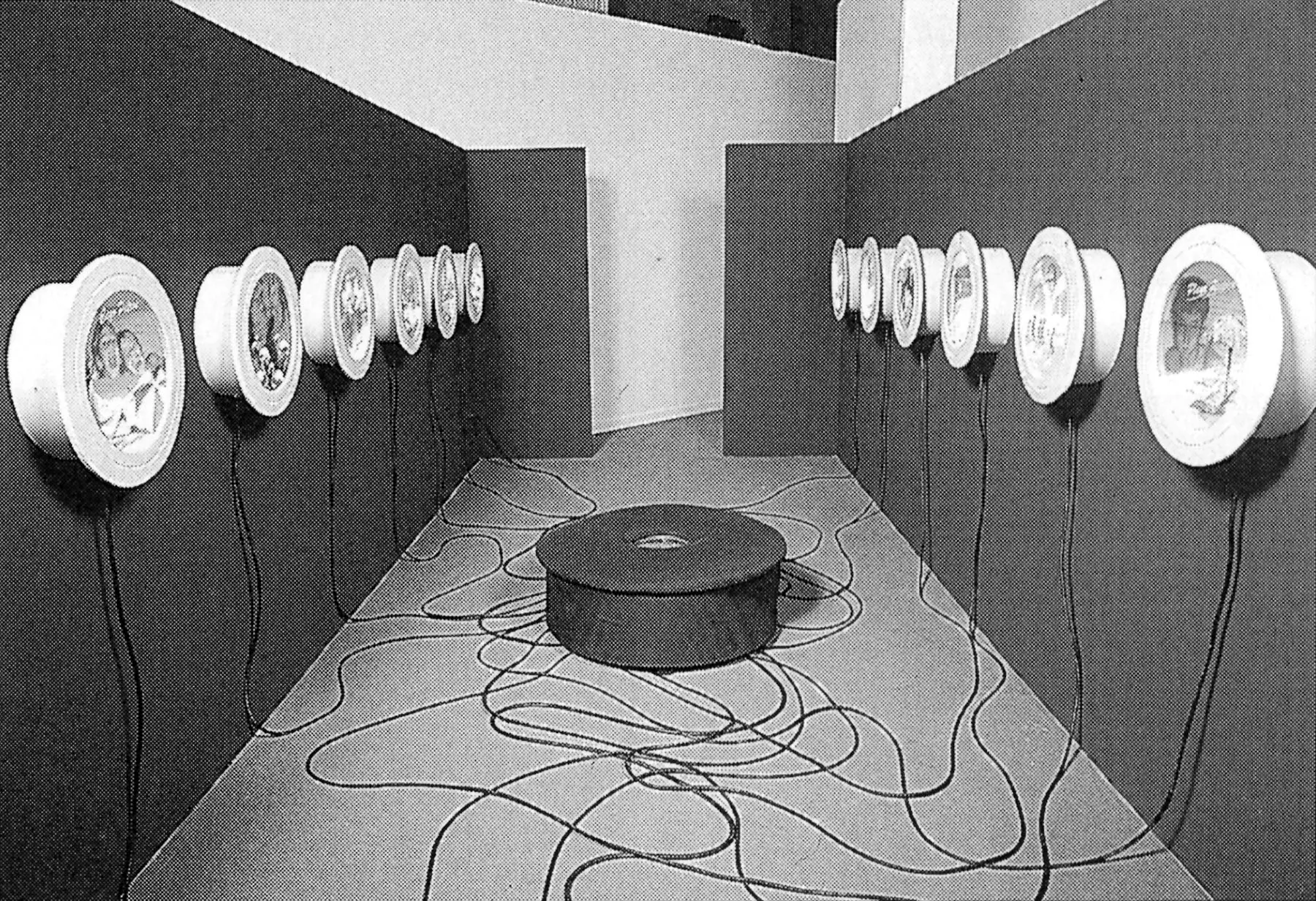
The participating artists were Pepón Osorio (Puerto Rico and the United States), Graciela Sacco (Argentina), Ho Siu Kee (Hong Kong) and Néstor Otero (Puerto Rico), Tony Labat (Cuba and the United States), Elías Adasme (Chile and Puerto Rico), Rosa Irigoyen (Cuba and Puerto Rico), Mayda Collazo (Puerto Rico), Arnaldo Morales (Puerto Rico), Tatiana Parcero (Mexico), Maritza Pérez-Becerra (Cuba and the United States), Héctor Méndez Cratini (Puerto Rico) and Janet Zweig (United States). The works invited the public to act as the co-author of these twelve approaches to the relationship between communications and art: twelve works in which technology and aesthetics freely exchanged their functions as resources and final products. By means of video, video installations, digital photography, interactive installations, digital sculpture, collaborative virtual projects, and Internet rotator a combination of these media, the artists presented some of the alliances being forged between electronic means and aesthetic and/or ethical experience.
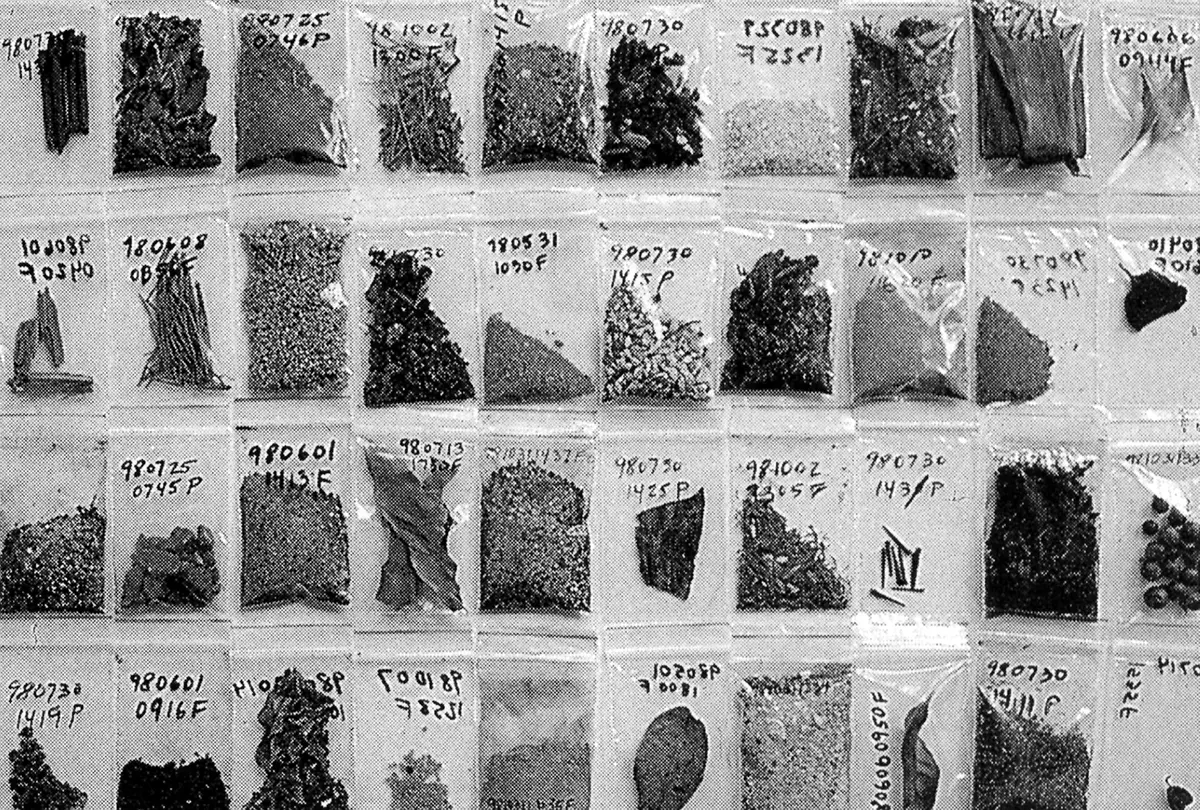
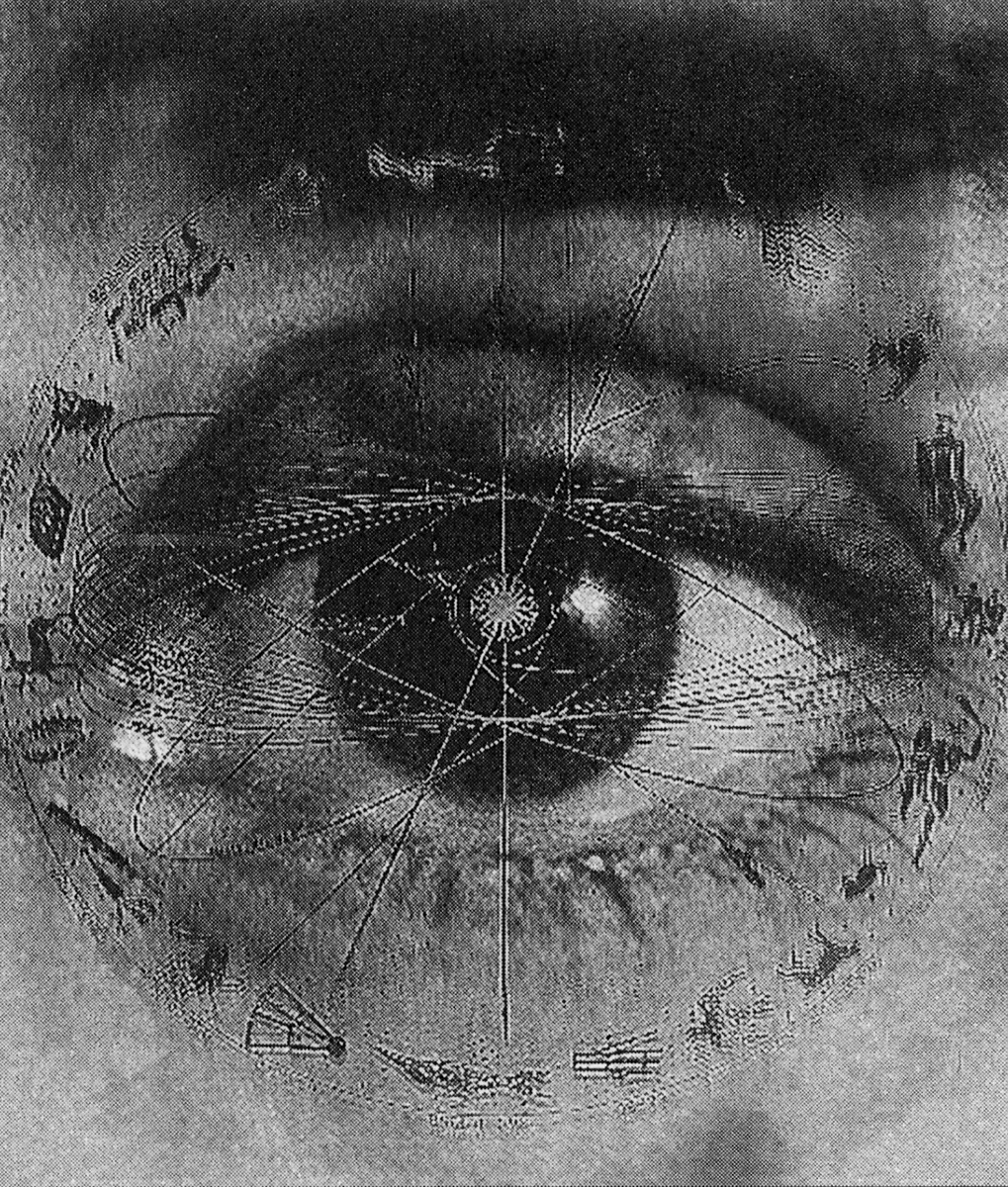
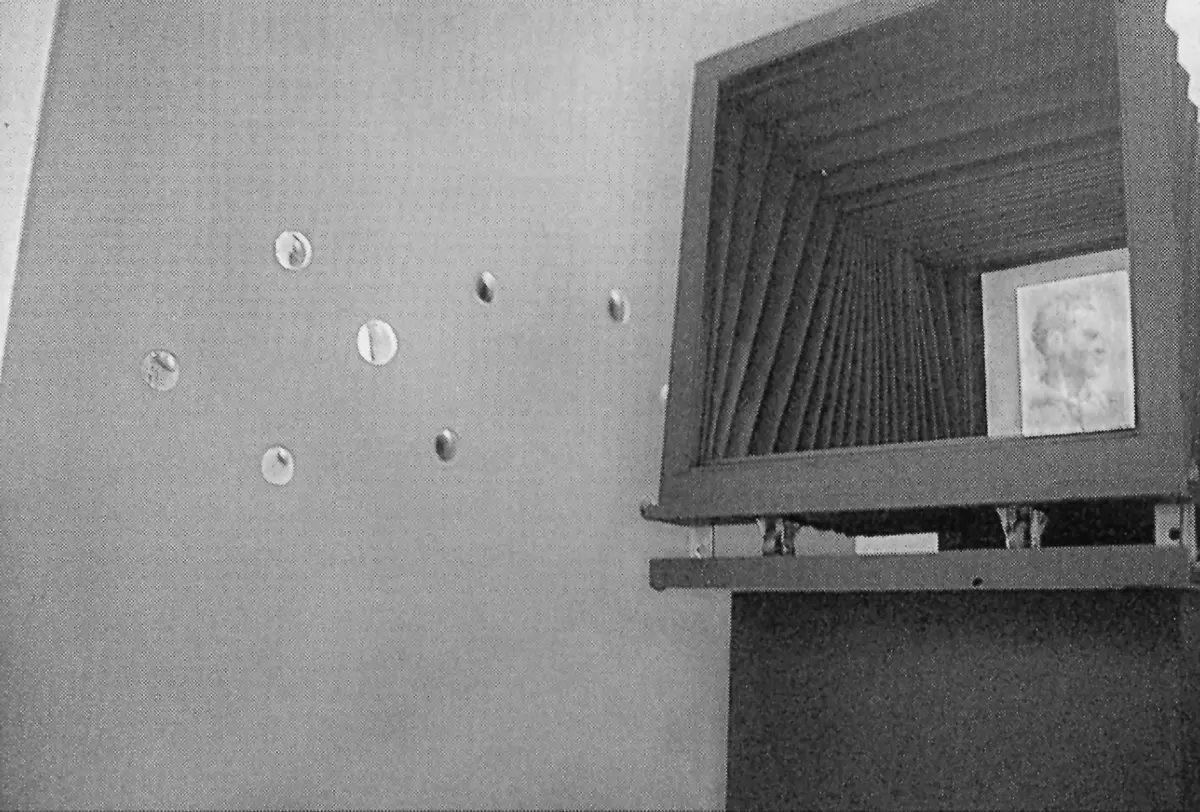
The most outstanding works in the show, in terms of originality and power of expression, included the dramatic existential video of Pepón Osorio (part of his important installation, Las Twines); the handsome and complex poem, telluric/digital/interactive, Evidence by Nayda Collazo; the sculptural computer work by Janet Zweig, Thinking Contest the room of lamps and violence titled A Place in the Sun by Graciela Sacco; The Lucid Camera Maritza Pérez Becerra (where voyeurism and feminism force us to view Tina Modotti in a new light); the boat/journey/memories of Rosa Irigoyen presented in her Intimate Interference, the maps/bodies/tattoos of Tatiana Parcero; and the five experimental videos by Héctor Méndez Caratini.
This exhibition, which was well received by a public ready and willing to educate itself, but which still has doubts about the new directions of the visual arts, was fully documented in an excellent catalog produced in CD ROM format (produced by Néstor Otero and Juan Carlos Torres) that contains photographs, videos, essays and original music by Alejandro José.
MANUEL ÁLVAREZ LEZAMA