
The 23rd edition of the International Graphic Arts of Slovenia has become a splendid reality. If it is true, as is commonly said, that making art is an act of faith, then printmaking is an act of faith twice over, since although it is the immediate predecessor of printing, graphic art was always considered a more modest version of Art with a capital "A". Thus the organization of a biennial of this kind with these ingredients is a small miracle: alongside the persistence of the old prejudices about printmaking, new fears are emerging with the development of computerization.
The 23rd edition of the International Graphic Arts Biennial of Slovenia was organized by the International Center of Graphic Arts and was presented in the beautiful city of Ljubljana through the 30th of September. The event included the work of more than fifty selected artists and pieces by artists from the thirty invited countries "amongst the most active of those... making up the graphic arts map of the world." The presence of Latin America was ensured by the participation of Argentina, Brazil, and Puerto Rico.
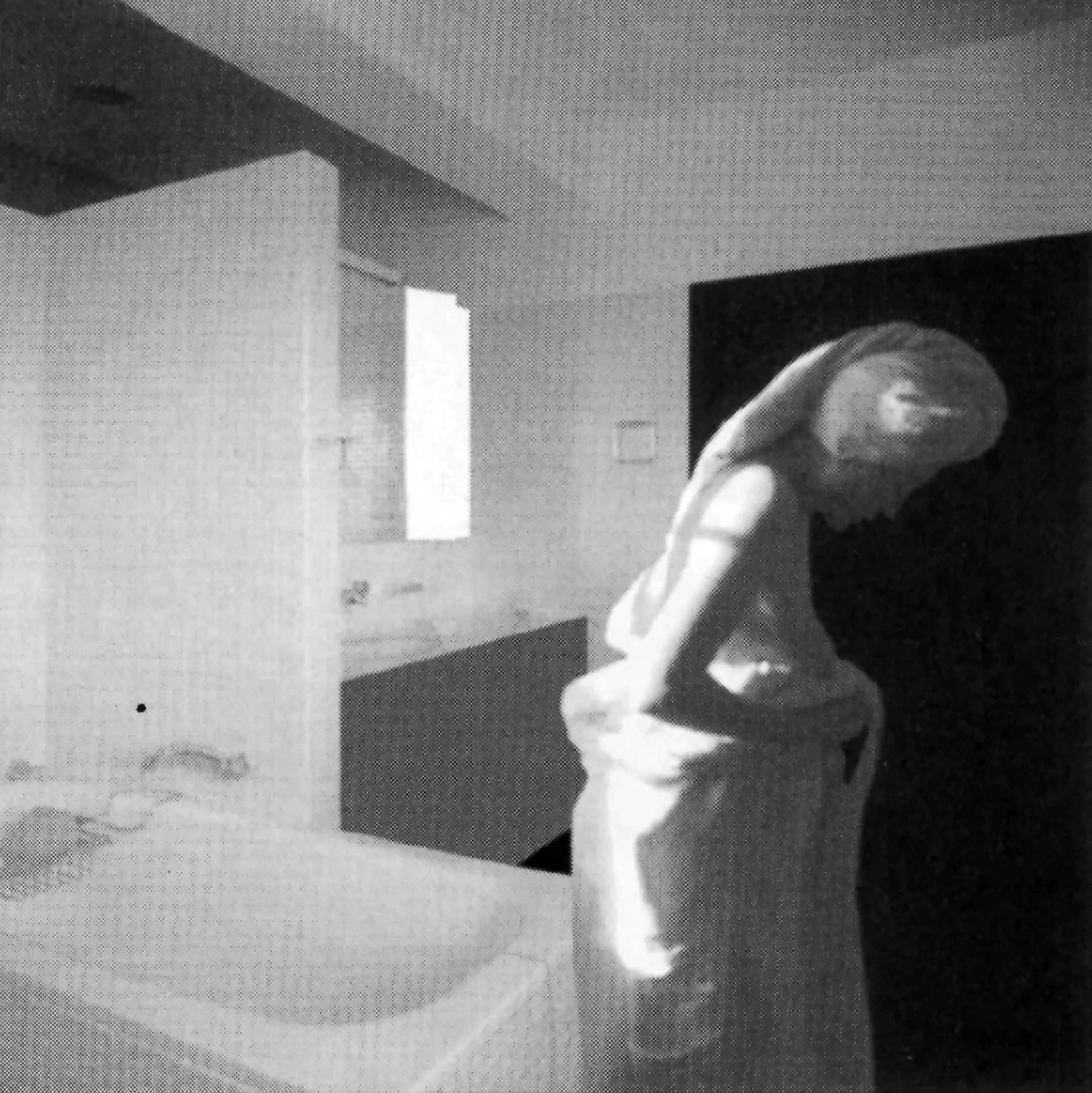
The jury was headed by the French critic Pierre Restany. The grand prix d'honneur was awarded to the British artist Richard Hamilton, with Brazil winning the prize for the best national exhibit. Hamilton was one of the champions of the pop movement in the United Kingdom in the 1950s. He is also well known as a painter, although during his early years, he did montages with photographic material in which he combined scenes of contemporary life with the language of advertising. The works that won him the prize were also based on enlarged photographs, and printed using the iris print technique, a process that insures maximum fidelity. The scenes depicted included a bathroom, an office, and a waiting room but each captures a sense of mysterious presence and undeniable melancholy.
During the multilingual inauguration, which included an address by the director of the Biennial, Zoran Krzisnik, and a recital of contemporary Slovenian music by the local philharmonic orchestra, guests were able to experience the importance which the host country attaches to this art form and its practitioners.
The Biennial, which was held in four major sites in this essentially baroque city, with its art nouveau echoes and its almost 300,000 inhabitants, was an overwhelming confirmation of the vigor of the graphic arts at the end of the century, and of the many possibilities of the medium.
The main exhibition venue, in terms of structure and number of rooms, was the Modern Gallery, the museum of contemporary art that was for the duration of the event virtually emptied and given over to the graphic arts.
In addition to this space, there were also ten exhibition rooms in the Biennial headquarters in the elegant Tivoli Castle, which houses the center for the promotion and printing of the graphic arts and the workshops organized for local artists. The third main venue this time was the Jakopiceva Gallery, a cultural center where vestiges of the Roman conquests are still visible.
The opening events took place in the so-called Cankarjev Residence, a modern building that functions as a convention and cultural center, which presented the work of the prize-winners from the previous edition, including the British artist David Hockney, the Japanese artist Kohei Wakatsuki and the Argentinean Leonardo Gottlieb.
Although they have not enjoyed the benefits of a very enabling environment, the Argentinean creators, including Juan Lecuona, Matilde Marín, Teresa Pereda, and Tiny Weil, who represented their country at this event are patiently constructing national poetics. Their works on the themes of national identity, memory, feelings, and the body, share common features that enable a dialogue to be established between them and which recreate the light and texture of the southern cone of the American continent.
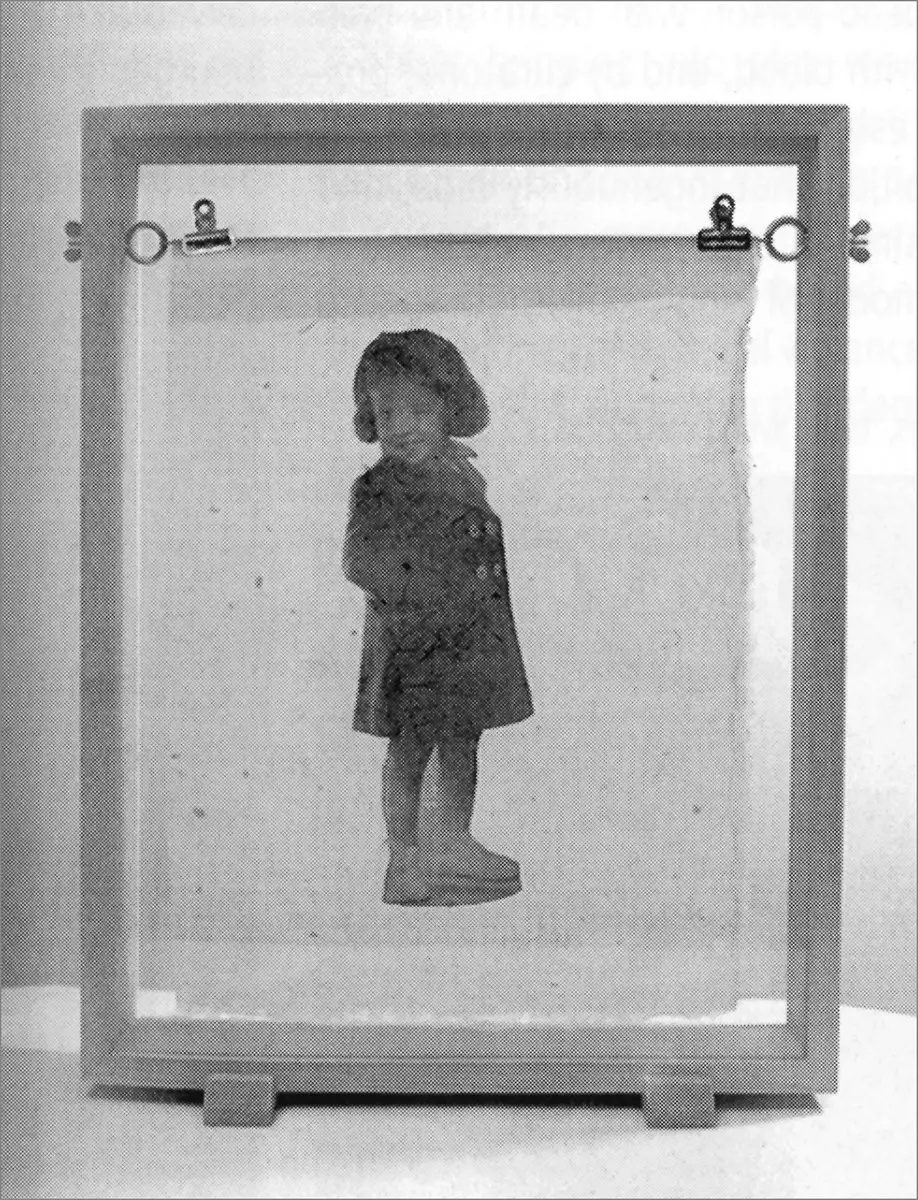
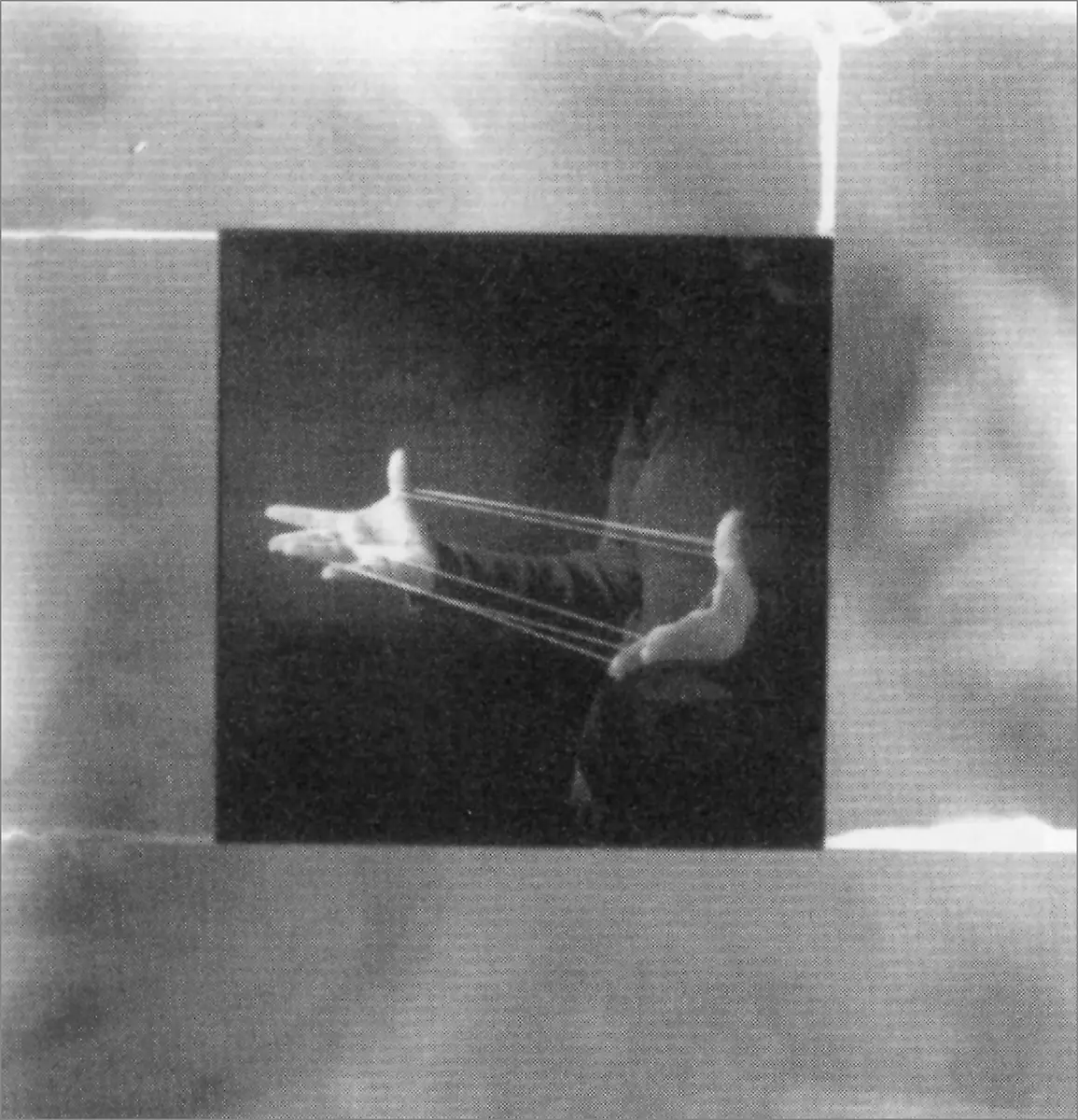
Marín creates her own syntaxes that focus on the familiar yet unfathomable moments of life. She captures the gestures of the hands, rehabilitating an ancient indigenous game that cautions us against the immutable. Pereda brings together images and voices that take us back to the tangible land and the ungraspable spirit of cultures that live together here and now. Lecuona's work seems to refer to the situation of those who were arrested or who disappeared under the last military dictatorship: he uses dressmaking patterns to create a kind of map in which he marks out and multiplies the absences, while an old childhood portrait of Weil, through multiple repetitions, seems to disappear and become an archetype for the exploration of some collective identity.
In terms of language and cultural heritage, Puerto Rico can be considered as one of the Latifi American representatives, although it has been a colony of the United States since 1898. According to curator Myrna E. Rodríguez, the individual participation of Puerto Rico in international artistic events is a matter of great importance, since it allows its people to exhibit their traditions and cultural activities. In this case, it was also a political event, with the selection polarizing different age groups and artistic experiences. While the youngest, the island-based Martín García Rivera uses Afro-Caribbean mystical and musical elements in his works that are rich in gesture, the pieces by the New York artist Susana Herrero Kunhardt identify "urban tensions" that are exquisitely executed.
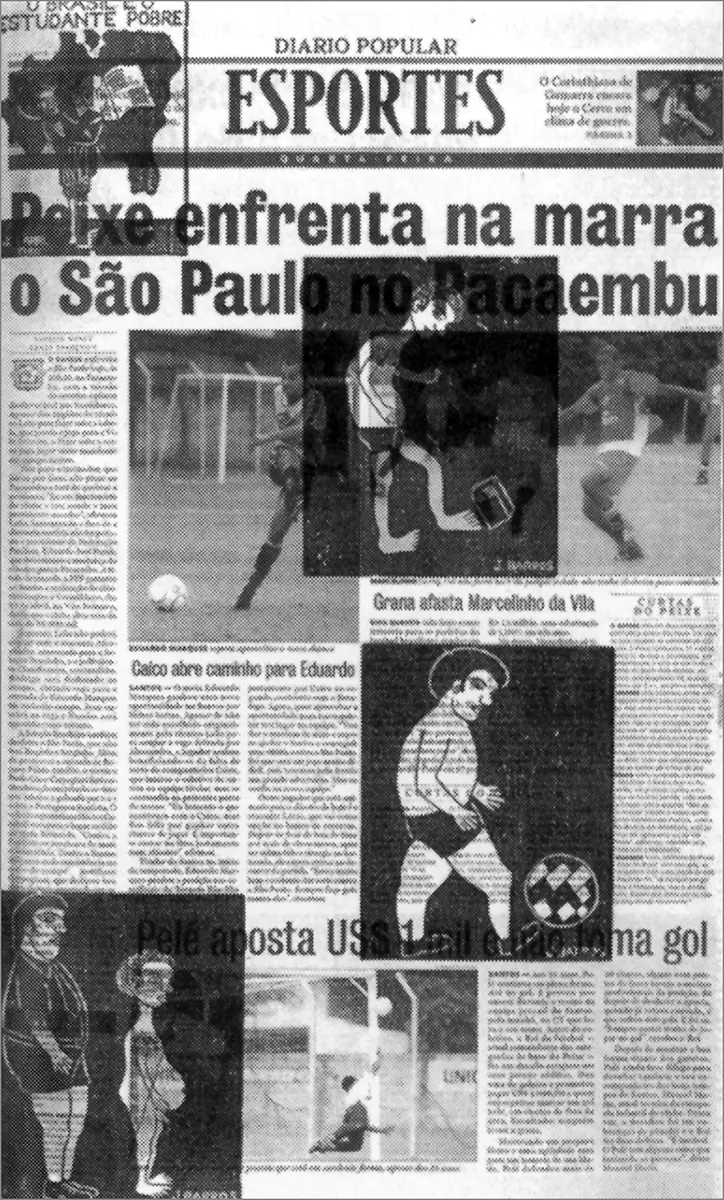
Finally, the prizes awarded to Brazil reflect a wide range of expressions based on newsprint supports, which include the marvelous popular literature of J. Barros, the lithographs of Feres Khoury, and the prints of Claudio Mubarac, as well as the digital reproductions of Luiz Monforte. The twofold installation by Uiara Bartira completed the selection made by the curator María Bonomi who, recalling the comparison made by Van Gogh between wheat and printmaking, showed that the latter has many different varieties and that from a single seed can grow many different plants.
VICTORIA VERLICHAK