
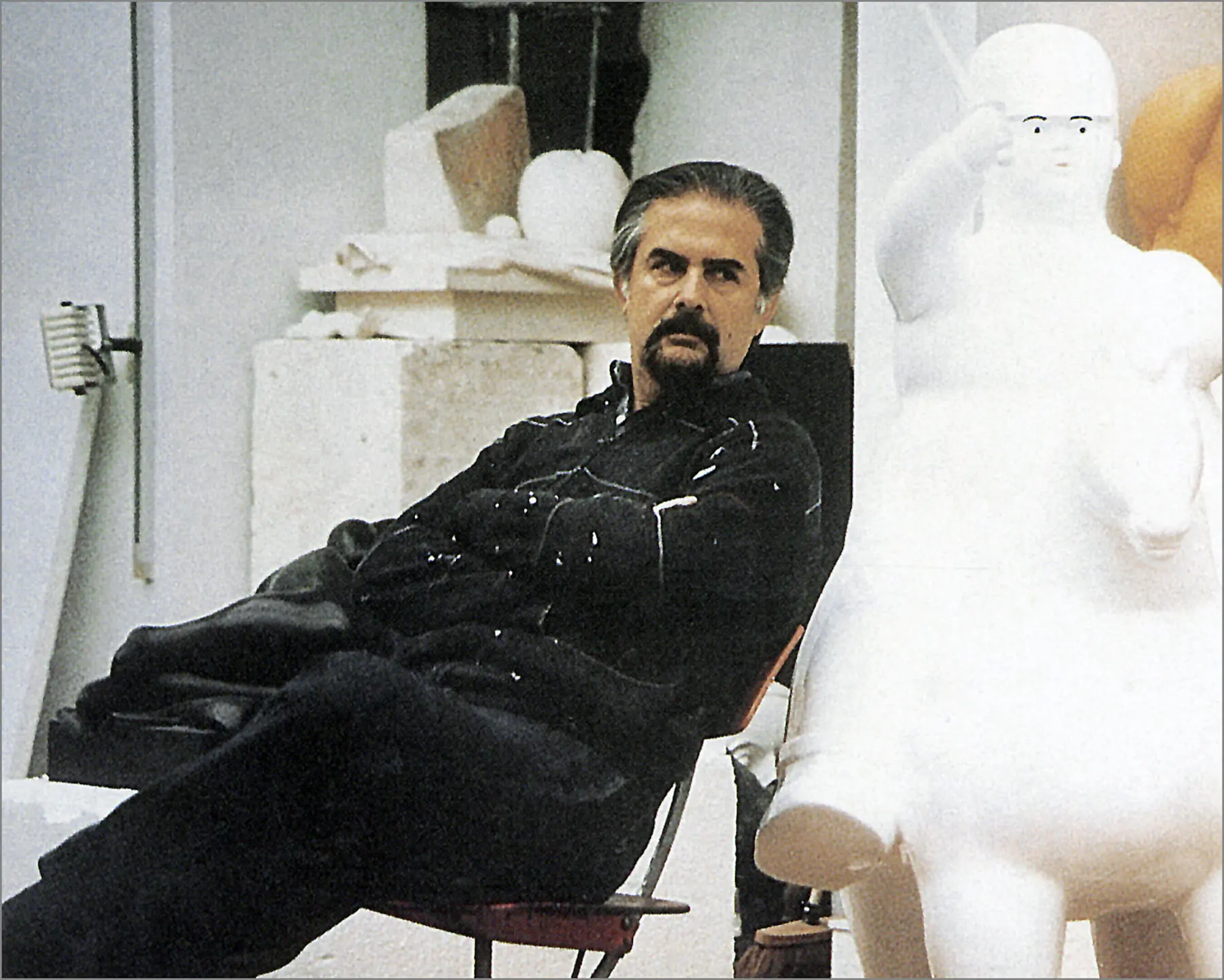
Fernando Botero: I began collecting art about twenty-five years ago. I've been slowly acquiring different pieces, some of which you can see here in New York. However, the majority of the collection is kept in a deposit in Switzerland. For the last couple of years, I've begun to think about the possibility of sharing it with the public and even creating a museum. The mayor of Bogota, Enrique Peñalosa, recently proposed the idea of establishing a museum in Bogota where some of my works could be shown. In light of such an honorable offer, I gave some serious thought to the possibility of making it happen. But you know how administrations are: one mayor may be very interested in a project, and the next may not be. I decided to seek out an adequate institution in Colombia, and I got in touch with the Banco de la Republica. When I told them of the existence of an important collection, not only part of my works but also of twentieth-century art, they were quite enthusiastic and they offered me the space next to the Mint in Bogota. They agreed to take charge of the maintenance of these pieces and to pay for the insurance and the salaries of all the personnel; that is, all the expenses associated with a project like this. I then agreed to make the donation. I'd like to clarify the fact that the Banco de la Republica will receive the donation on behalf of Colombia and that the collection will remain open indefinitely.
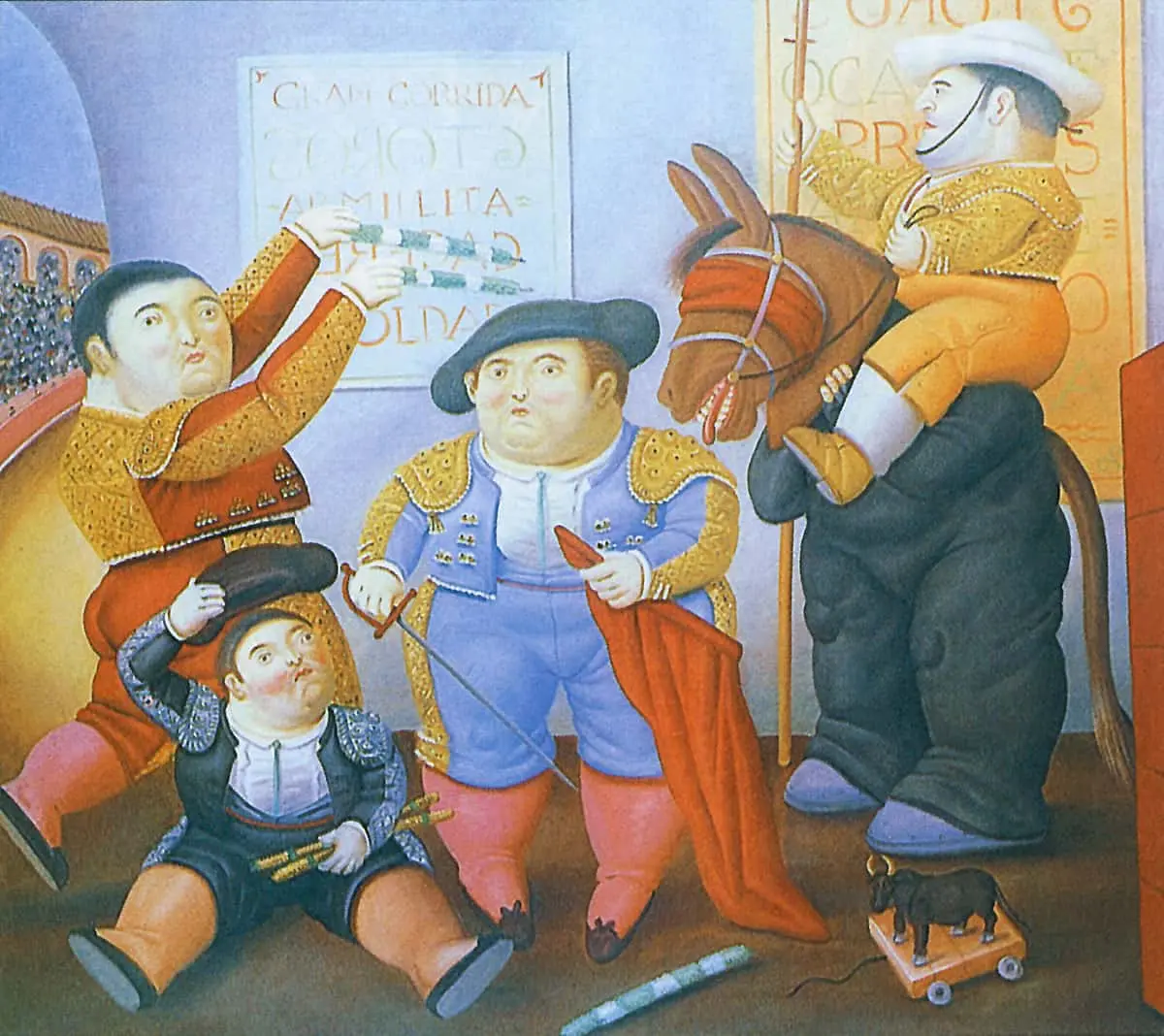
When they found out about the Bogota project, the authorities in Medellin contacted me and asked me to consider the possibility of making a donation to that city as well. I told them that unfortunately the Antioquia Museum was very limited and couldn't provide the sort of space needed to exhibit or store more works. They then decided to seek out an alternative and they offered to staff the old Municipal Palace, a very beautiful art deco building from the '30s, and place it at my disposal. The new space will have 14,000 square meters (the Antioquia Museum has only 2,000 square meters) and a park for which I offered to donate twelve large-scale sculptures. As a gift to the museum, I have in mind the series La corrida (The Bullfight) which I have kept almost in its entirety. This series has been shown in important spaces such as the Grand Palais (Paris), the Sofía Ímber Museum (Caracas), the Rufino Tamayo Museum (Mexico City), and the Banco Central Hispano (Madrid). The bullfight series is quite numerous, consisting of forty paintings and thirty drawings. It's worth mentioning that this donation would complement two other exhibition rooms that I have previously given to the Antioquia Museum. There is the possibility of incorporating works by Débora Arango, Pedro Nel Gómez, and other artists of the region into the new museum in such a way as to offer a survey of Antioquian paintings.
C. S. de B: Do you own an important collection of your works?
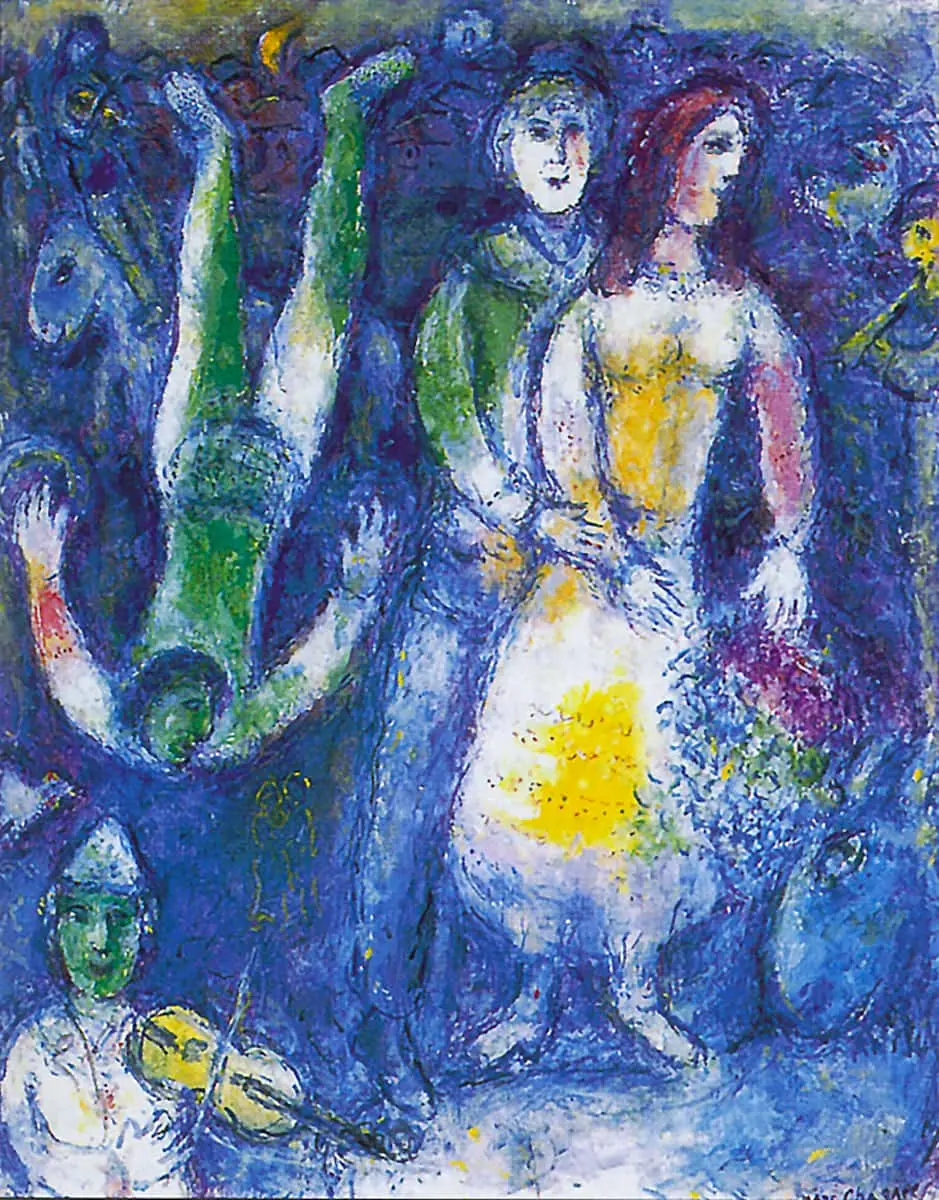
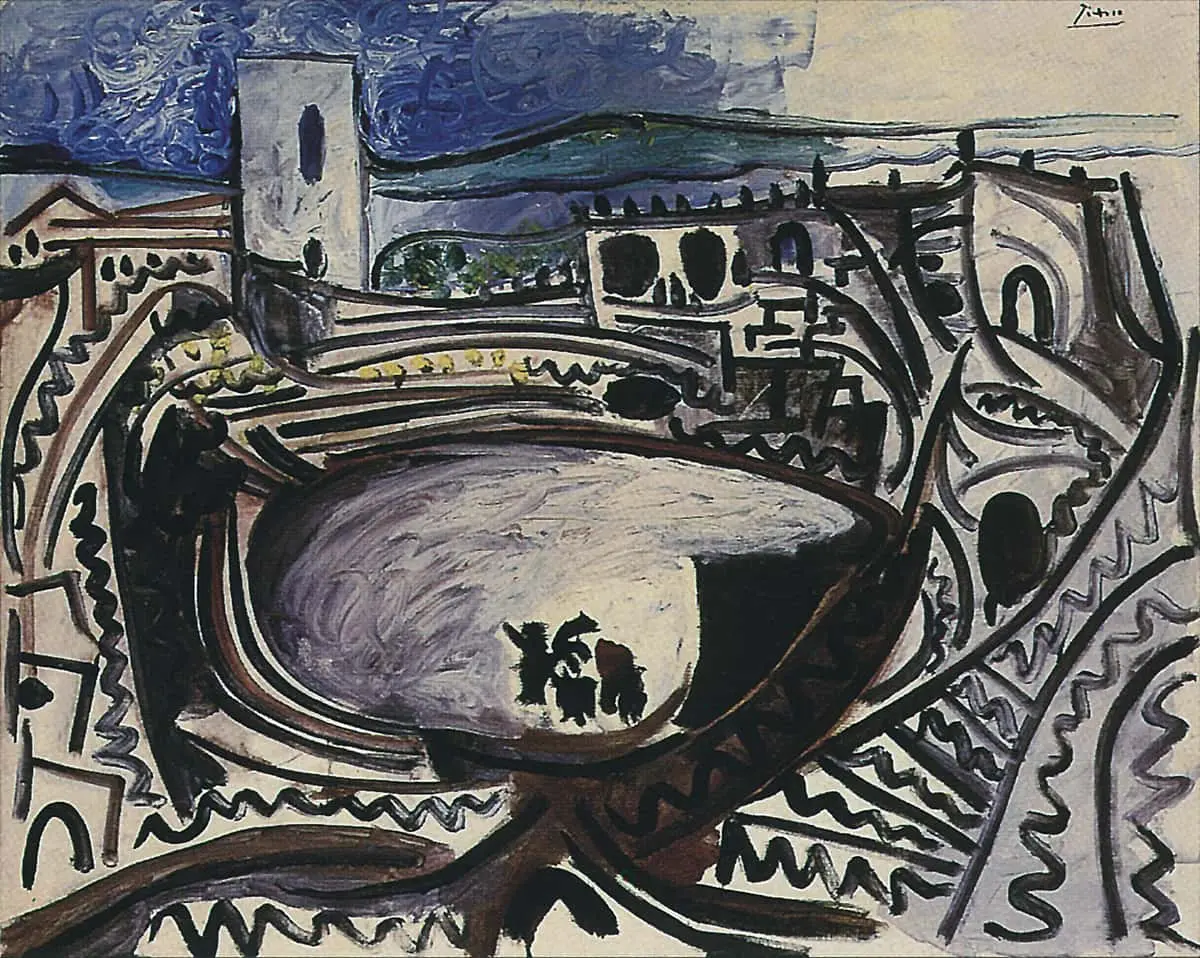
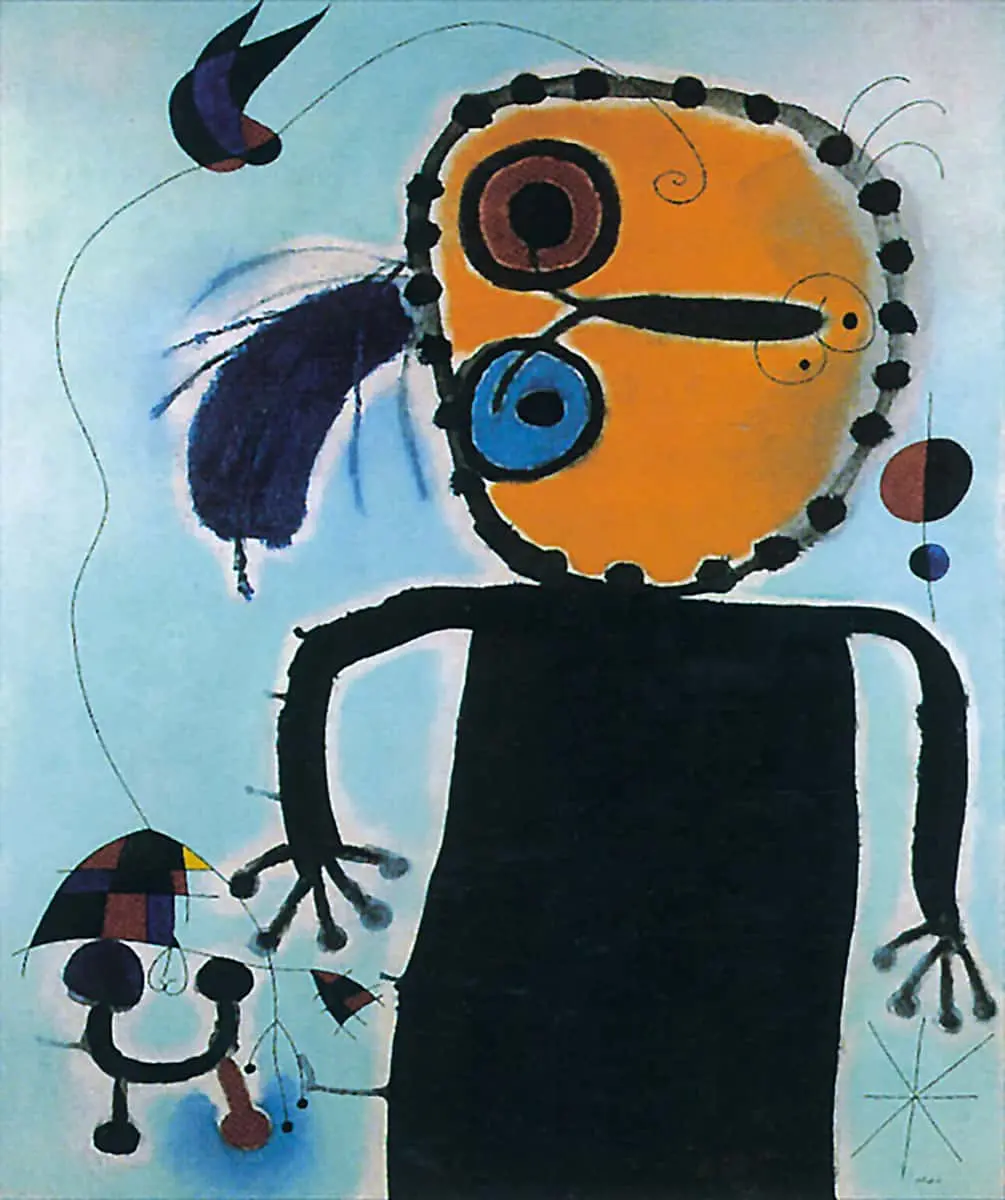
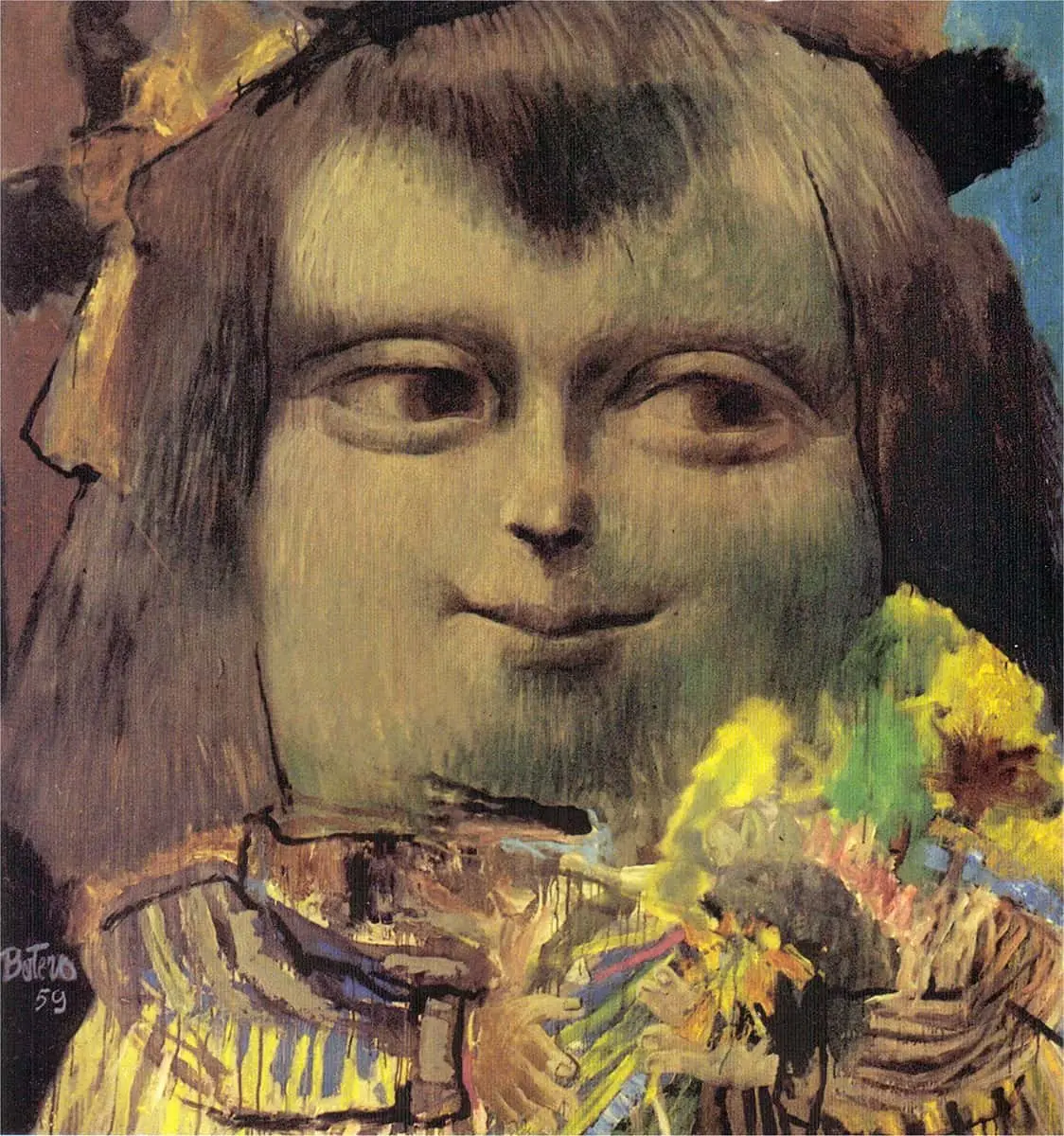
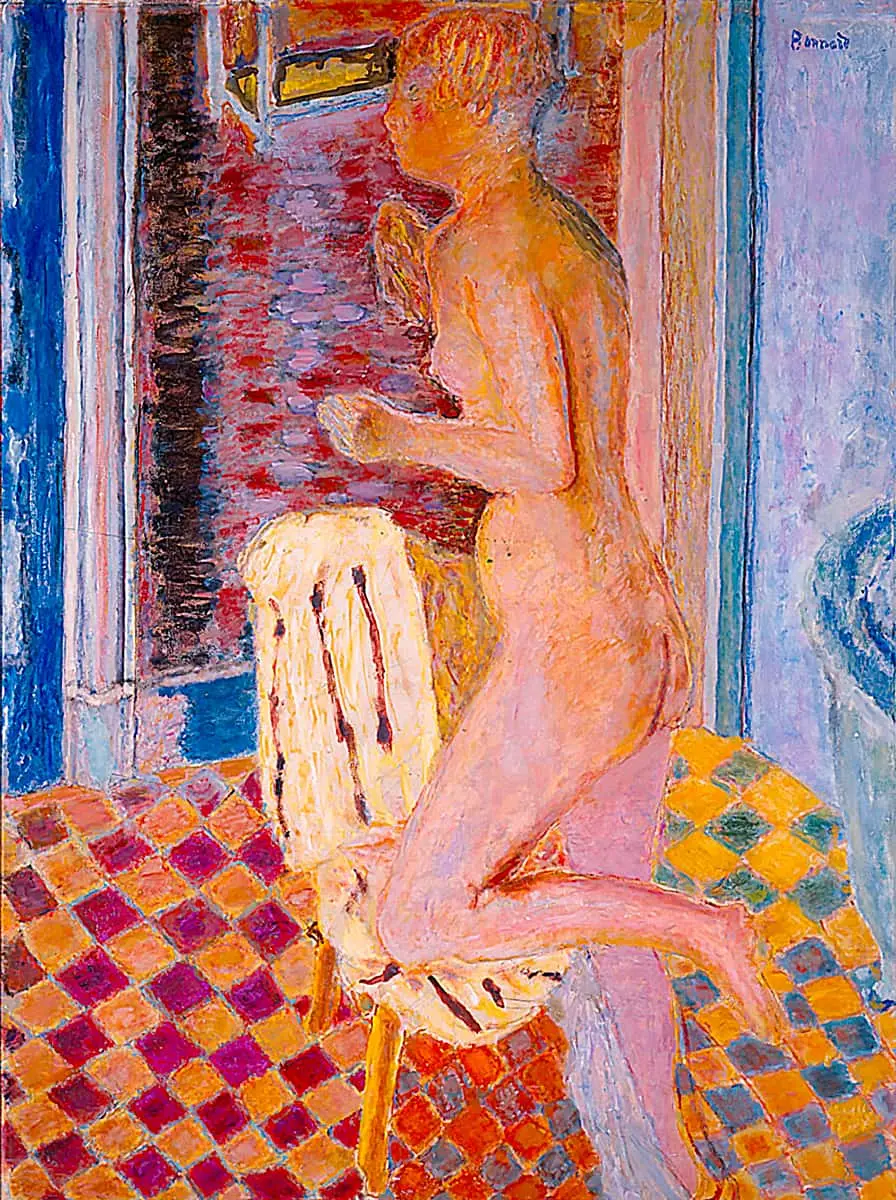
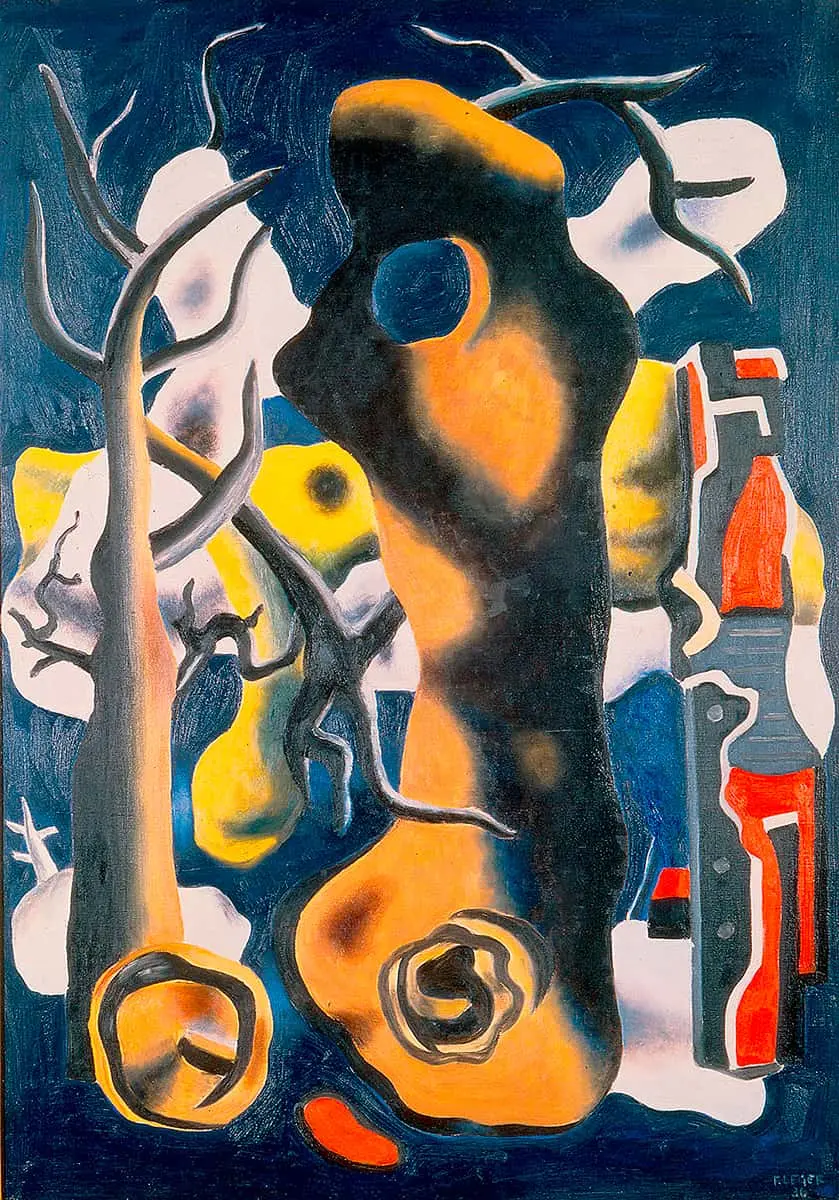
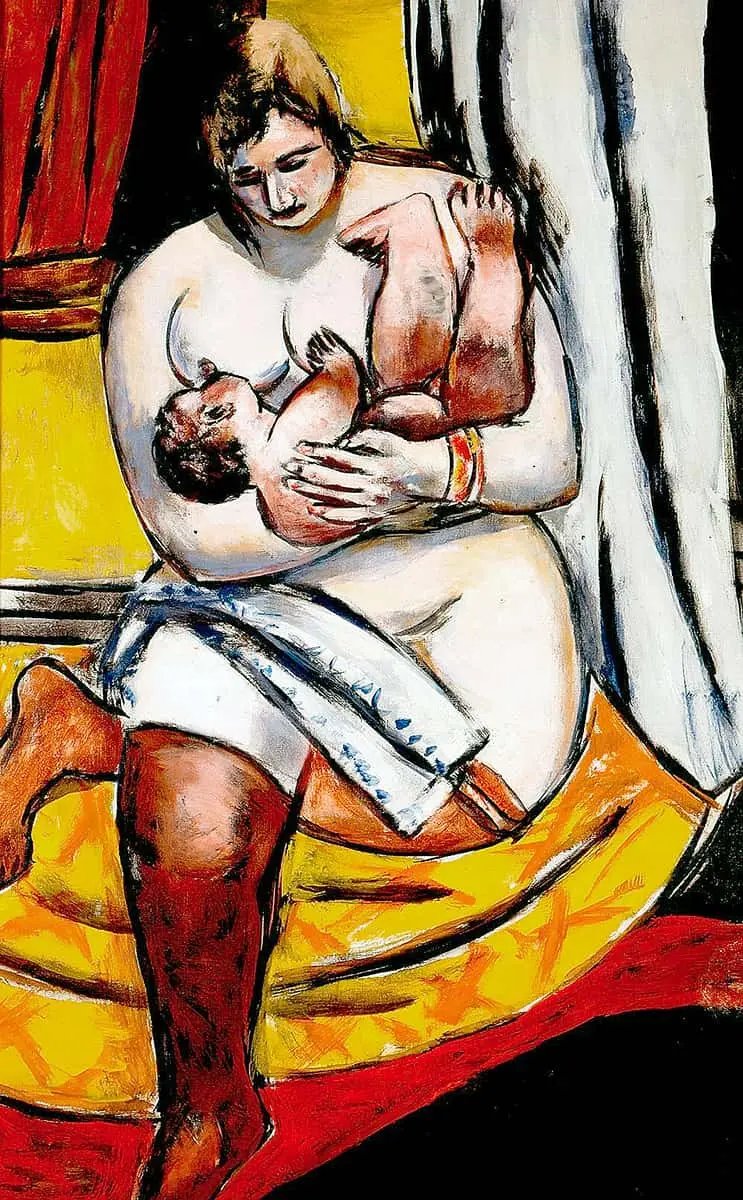
F. B.: Yes, I do. The space to be administered by the Banco de la Republica will have twelve exhibition halls, five of which will show some seventy-five pieces of international art, and seven rooms will show my own work, including large oil paintings, sculptures, and drawings. The international art collection will include works by all the great masters of painting, including Degas, Matisse, Picasso, Bacon, Miró, Chagall, Léger, Braque, Giacometti, Tàpies, Calder, and others.
C. S. de B: In addition to being a generous donation, it will be very important for Colombia.
F.B.: No Colombian museum owns a collection of this kind. There are collections of Colombian historical paintings, like the one at the National Museum, but until now there hasn't been a collection in which all the great names of twentieth-century art are represented. In Latin America, the only museums that own similar collections are the Sofía Ímber Museum of Contemporary Art in Caracas, the Museum of São Paulo, the Rufino Tamayo Museum in Mexico City, and the Museum of Fine Arts in Buenos Aires. I'm glad that Bogota finally will have one as well.
C. S. de B: What do your children think about your donation to Colombia?
F.B.: My children are very pleased. You should know that the donation does not include my entire collection. As one of my children said: "This museum is the best present you could have given us." And I honestly believe that's true.
C.S. de B: Fernando, to begin as an artist is very difficult. Why don't you tell us a little about your beginning?
F. B.: The beginning was difficult because I didn't come from a well-to-do family and because in Colombia to be an artist was a very exotic profession. When I began to paint in the '40s, the people involved in that world led a difficult life. In general, the artists were doing rather poorly. A few earned minimum salaries teaching drawing at some schools. No one bought a picture. In general, you couldn't make a living from painting. People didn't think of showing outside of Colombia or even of having a dealer. I was the first Colombian artist to somehow give a status to the profession, that is, once I began to show regularly on an international level. I was popular in Colombia in '57 and '58. But it wasn't until '63 or '64, having settled in New York, that I was finally able to live off my painting with no anxiety, so to speak. At that point, I had dealers who represented my work in Paris, London, New York, and Rome. There was interest in my art and I could work calmly. However, I recall that my arrival in New York was very tough. I came with only two hundred dollars in my pocket and I had to eat hot dogs for six months. What I did was truly heroic.
C.S. de B: Along this difficult road, what was the spark that made the transformation?
F. B.: Many artists quickly become well-established upon their arrival in New York. In my case, things happened more gradually. In 1962, New York's Museum of Modern Art bought one of my paintings and hung it at the entrance along with an interview. Both the acquisition and the context in which the piece was exhibited were very important. The work was later published in the book 100 Masterpieces of the Museum of Modem Art, on the recommendation of the then-director Alfred Barr, and also in the Sunday edition of The New York Times. That piece had previously been sent to the OEA's Museum of Latin American Art in Washington to be included in a group show. The director, Mr. Gómez Sicre, who was in charge of marketing Latin American art, wrote me a letter saying that he had decided not to include my painting in the show because it was good and my participation "would adversely affect" my career. He obviously became quite suspicious when he found the piece hanging in New York's Museum of Modern Art. I'm telling you this anecdote to show you how difficult it was at the beginning.
Two or three years later, I had a show at the Milwaukee Museum, which was reviewed in an article in Time magazine with three color photographs. In 1968 I had a traveling show in five German museums. As a result of that show, important dealers began to represent my work. Among them were Erika Braussi, the great dealer from London, who at that time represented Bacon, Magritte, Marino Marini, and others; Claude Bernard in Paris; and the Marlborough Gallery in New York. So I began to have solid representation on an international level.
C.S. de B: Let's talk about commercial success.
F.B.: Honestly, I think money serves to stop thinking about it. As an artist, you allow yourself to stop worrying about how you're going to pay the rent and you dedicate yourself to your work.
C. S. de B: In Colombia, there are no museums where students can see the works of important artists. Art is learned in magazines and books.
F. B.: When I was a student it was even more difficult. I recall the first time I saw an important painting was in Barcelona. It was a Zurbarán.
C. S. de B: How did you get to Barcelona?
F. B.: My dream was to see Europe, and I had the opportunity after winning a prize at a National Exhibition. The total award was around $7,000. I traveled in third class on an Italian ship that was taking immigrants who were unsuccessful in America. I remember that they didn't even take suitcases, just bundles...
C. S. de B: How do you recall that period?
F. B.: I was very poor like all the other students. However, it was a very happy time. Winters were rough because we didn't have heating and the war had just recently ended.
C. S. de B: Did you go to other cities? When did you return to Colombia?
F.B.: After Barcelona, I was in Madrid, Paris, and Italy. The trip lasted three years, then I returned to Colombia. A little later I had the opportunity to travel to Mexico City, and then I finally arrived in New York.
C. S. de B: Let's talk about your insistence on making figurative paintings and inflating the figures.
F. B.: Actually, my intention is not to inflate the figures. I am interested in working with volume as an aesthetic element. Giotto reinvented volume and perspective in art. The Greeks also used it, but it was eventually lost and painting became flat. Volume always interested me, and in this century everything is done in an exaggerated and radical fashion. That's how my style came about. The sculptures that I created later were a very natural step.
C.S. de B: The clergy appears in your painting on a thematic level.
F. B.: Among other reasons. I'm interested in the wealth of clothes from the Renaissance period, and clerical vestments have their origin precisely in that age. The clothes of today, especially in male fashion, lack the imagination they had back then. Today, only bullfighters and bishops wear pink stockings.
C.S. de B: Is there a parallel between the work of Garcia Marquez and that of Botero?
F.B.: I believe so, there is a parallel in exaggeration. I had been painting for ten years when García Márquez published One Hundred Years of Solitude. We sort of coincided in the way we represented Colombian reality. When someone asks me if they can see what I paint in Colombia, I tell them: "If you go you won't find it, but when you leave you'll remember it because it's there."
C. S. de B: The University of Miami recently granted you a doctorate Honoris Causa. This is the first time that the University has granted this recognition to a professional in the visual arts. How do you feel?
F.B.: I feel very flattered. Considering that I never had the chance to finish my studies, I regard this as a great honor. This is actually my first degree.
C. S. de B: Let's talk about the pleasure of collecting.
F.B.: For many years I've had the pleasure of collecting, but the pleasure that I feel today as I bestow my collection upon Colombia is even greater. Besides, I plan to continue to acquire pieces. In fact, I've already got my eye on a Renoir that I'd like to buy at an auction.
C. S. de B: If you acquire that piece will you also donate it?
F. B.: In principle, I plan to give away all the works I acquire until the moment I present the donation. Afterward, I'll surely continue to acquire work.
C. S. de B: I know you are very disciplined in your work. How do you do it traveling so much?
F. B.: I have studios in New York, Paris, Bogota, and Monaco. In Monaco, Prince Rainier has given me a studio for the rest of my life. In Pietrasanta, I have a rather large studio where I work on the sculptures. When I go to Mexico, where I don't have a studio, I make sketches. What is certain is that my travels are no inconvenience. Moreover, I possess a great deal of concentration. I can quite easily have an appointment now and another two hours from now, and work between the two.
C. S. de B: Edward Sullivan says that there is a change in your painting.
F.B.: I agree. First, there is a variation in format. For a time, I had a problem with my arm and the doctors recommended that I not do large-scale paintings. Second, there's a change in color, it's no longer so pastel. Fortunately, my arm's fine now and I'm painting large formats again. I recently inaugurated a show at the Marlborough Gallery of some large drawings on canvas, and a show of large paintings in Florence.
NOTE
The collection to be donated to Bogota is going to be shown in Madrid’s Banco Central Hispano. The inauguration in Colombia is scheduled to take place in September of the year 2000.
CELIA SREDNI DE BIRBRAGHER
Founder and Director of Art Nexus / Arte en Colombia magazine.