
In the midst of severe economic difficulties and a radicalized political climate abandoned by the electoral campaign of the constituent, Caracas paused for the celebration and enthusiasm surrounding the eighth edition of the Ibero-American Art Fair in Caracas (FIA 1999). The festive tone of this event, as well as the importance throughout the city's cultural activity, was the venture for Zapata (the country's most renowned and brilliant humorist) to publish in the editorial page of the daily El Nacional a caricature that portrayed the most revealing expression of the meaning of this event. The image consisted of a newspaper page accompanied by a text that read: "Thanks to FIA, Art has robbed Politics of the front page." It is only fair to recognize the persistence of an organizing committee that was able to demonstrate that managerial ability is revealed when the maximum is achieved with minimum resources.
The number of galleries participating in this year's edition was actually lower and foreign galleries took on fewer risks with respect to the formats and repertoire of artists. However, the affluence of the people, as well as the dynamic of the contacts and joy that seized the atmosphere, were turned into expansive waves that dissipated the bad omens and, at the same time, served to ratify the fact that, in the face of limited politico-economic resources, we must refine the spirit in order to capitalize on the best opportunities. Also, there was the added fact that sales were positive. This concurrence of situations allows for the legitimization of Nietzsche's old aphorism: "Fortunately, we have art in order that we may not die from the truth."
I must briefly describe the fact that, as in previous years, Caracas's FIA served to organize associated shows and programs of talks and forums made up of contributions from artists, researchers, critics, curators, museum directors, gallery owners, collectors, and others linked to the artistic realm.
On this occasion, the associated show was the 2nd Exhibition of Young Artists with FIA, which was sponsored by CANTV and was intelligently curated by María Luz Cárdenas. This event took place in Caracas's Athenaeum.
As our customary, numerous parallel activities also took place that extended the repercussions of the efforts undertaken. Carmen Calvo, Robert Capa, Manuel Espinoza, and Georg Baselitz in the MACCSI. Cristian Boltanski's show at the Museum of Fine Arts was well received. Moreover, the Alejandro Otero Museum set up a show of the Spaniards Antoni Abad, Daniel Canogar, Josep-María Martín, and Eulalia Valldosera.
The quality of the catalog maintained its level and increased the colorfulness of the design. This edition contained 210 color pages with an institutional section dedicated to Caracas's Museum of Fine Arts which, fortunately, is still under the professional and dignified directorship of María Elena Ramos. The catalog also contains homage to Peppino Acquavella, a pioneer in this country's gallery activities and an example of optimism that grew in direct proportion to the demands of an environment that was not always friendly.
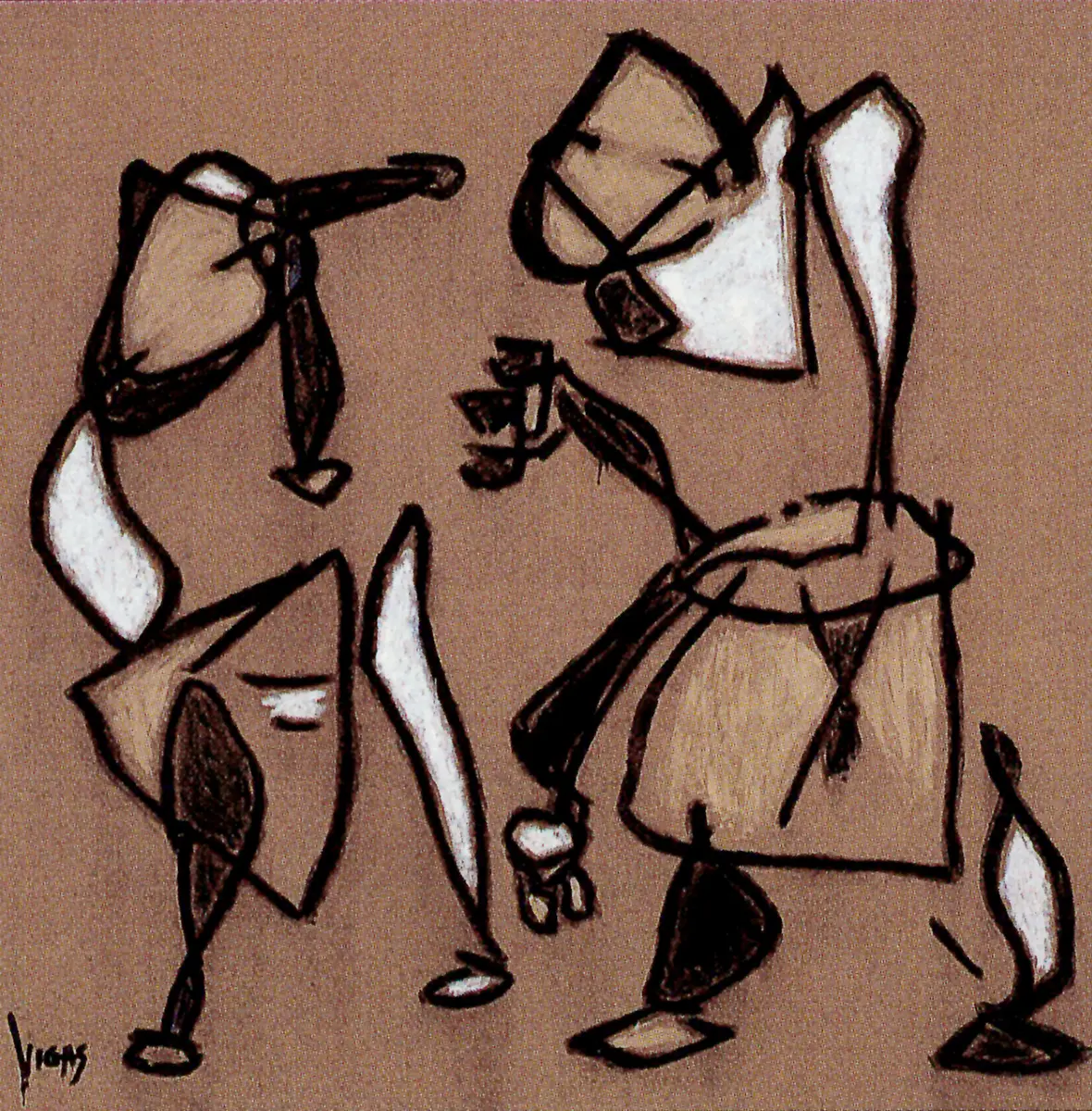
The artist to whom homage was paid in the last edition of this century was Oswaldo Vigas, who for over 50 years has maintained a creative commitment that has not given him time to age. Actually, Vigas's work could be the object of apologies or criticism, but in both cases, we would have to admit that the line of his aesthetic development has revealed that his convictions have been unaltered and that his works preserve a sense of unity that marginalizes any risk of repeating or betraying himself. The show of paintings, sculptures, and ceramics concentrated on the Li Group Art Center and the Aldo Castillo Gallery of Chicago. This was the only gallery from the USA. One curious fact is that 90% of Vigas's paintings corresponded to his recent production, which is characterized by a sustained obligation to synthesis, in which the images are sketched without losing the power of an intense psychological temperament and an expressiveness deeply rooted in Latin America.
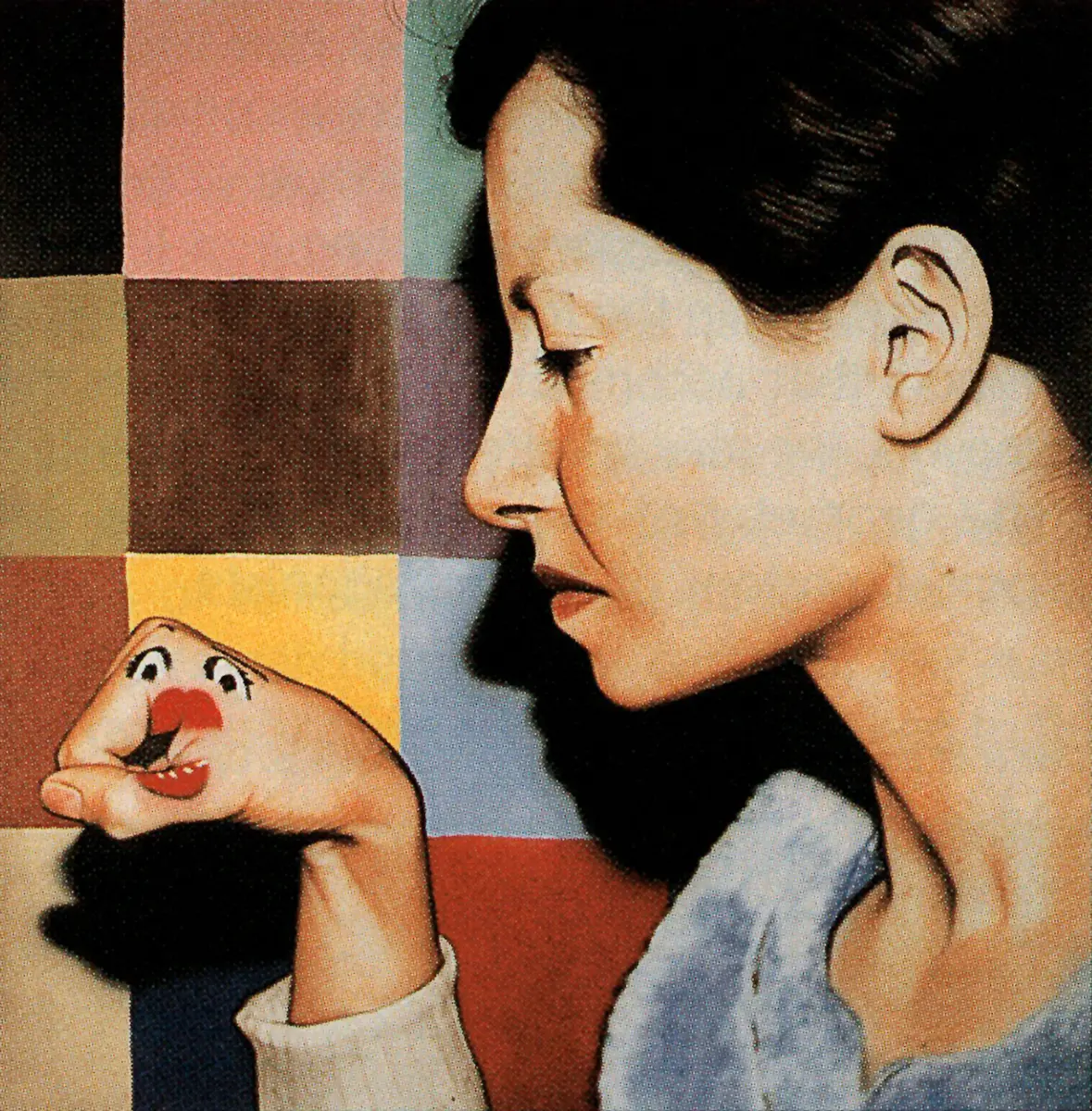
The special guests were Paloma Navares and Manolo Valdés from Spain, and Antonio Seguí from Argentina. Paloma Navares's works could be seen at the Metropolitana Gallery in Barcelona (Spain), the El Museo Gallery (Colombia), and the Adriana Schmidt Gallery (Germany). This artist is very well known in Venezuela due to the well-received and well-attended solo show set up in the Alejandro Otero Museum in 1977. Her formal universe is established on a broad register that ranges from photography to glass showcases that respond like micro installations that seize the surrounding space. The artist resorts to objects and containers that at times become modules or mobiles with a high illusory charge, in which the fragmented figures of a culinary, medical, or toiletry nature wind up achieving a strange mix of surprise and suspicion. It is not redundant to recall the fact that the very limitations of her vision are regularly filtered in her works in order to acquire disquieting and enigmatic connotations. Proof of this may be found in her Fin de semana (Weekend, 1977), made up of a toiletry kit that contains a photo of hands and of two domestic bottles that show open and anxious eyes. Here, these references assume the condition of symbols in which the hands allow us to see the lifelines enclosed in a female utensil. To this are added the eyes that make up a combination of uncertainty and hope.
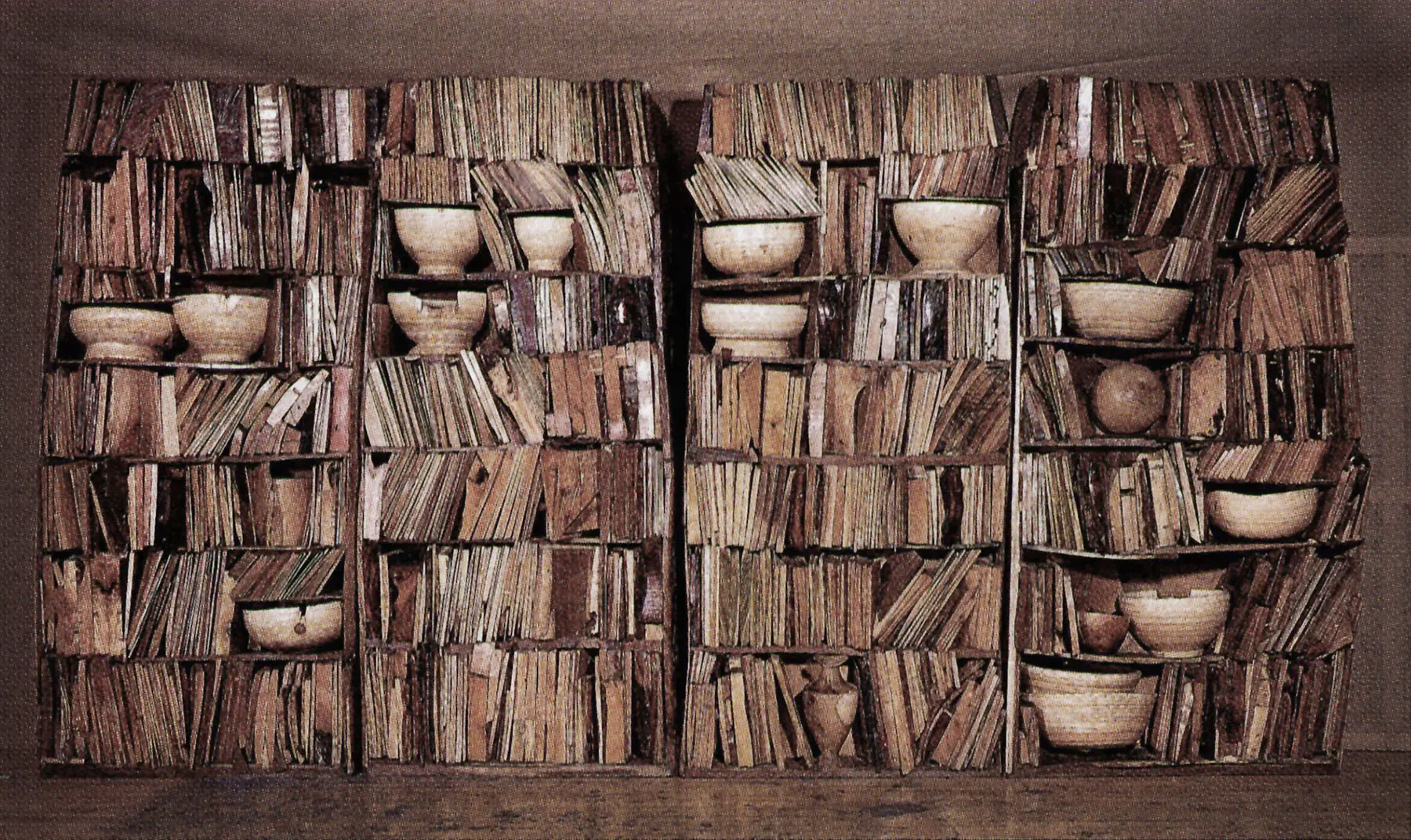
Manolo Valdés's paintings and sculptures are also located in different spaces, particularly in the Freites Gallery. Special mention must be made to La gran libreria III (The Great Bookcase III, 1999) which is a large-scale wood assembly, with a resonating impact. Its resolution alludes to an overstocked library pressured by the disproportionate printing of books and objects that activate a vigorous perceptive rhythm and multiplies the formal registers to their most expressive possibilities. The fine material and the artist's versatility are here combined in proper proportion in order to evade the ambivalence between the reproduction and the alteration of the object in question.
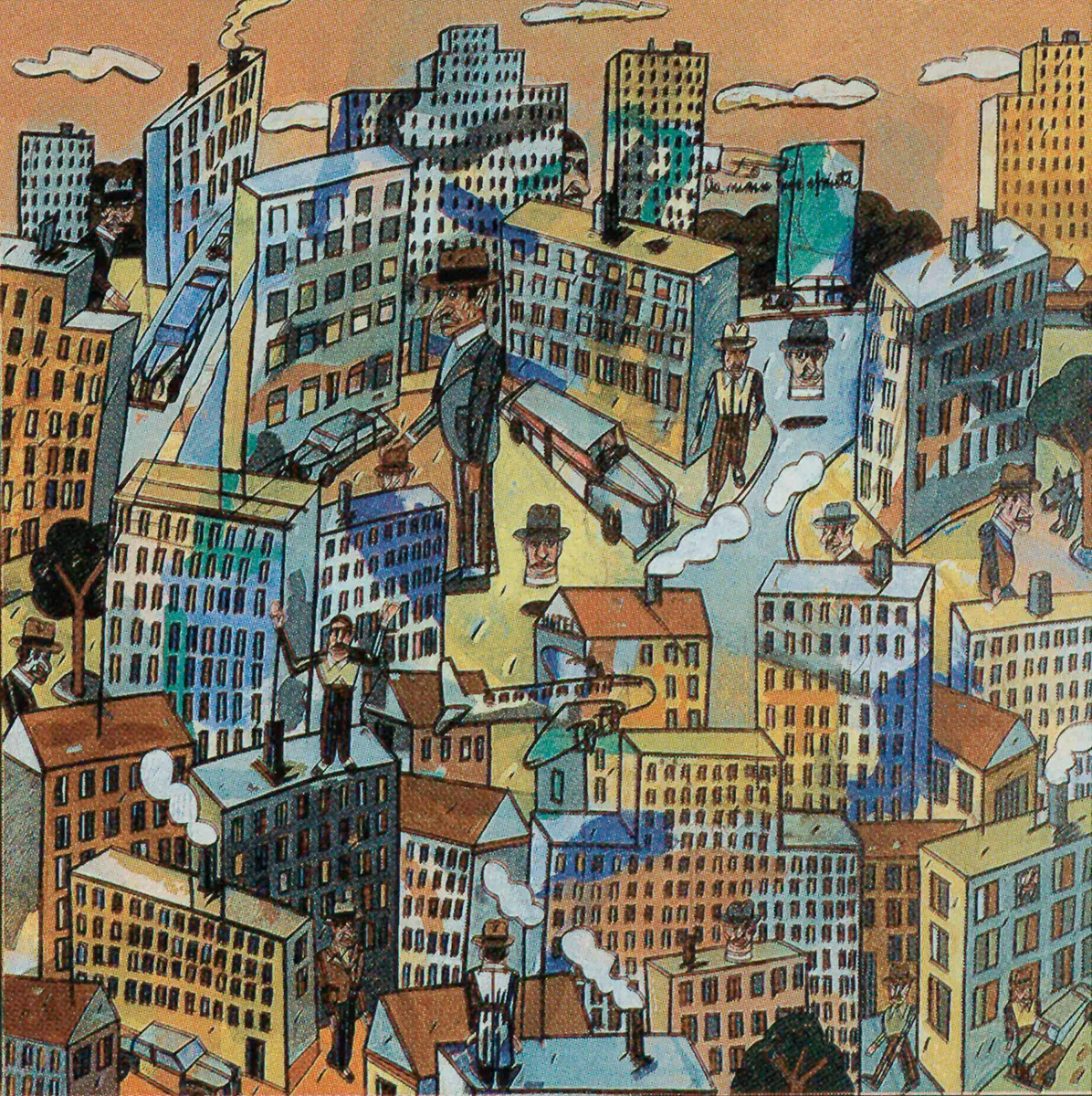
The spaces occupied by the Durban Gallery bring together the creations of Antonio Seguí in which routine and dailiness are combined with anonymity and the anxiety to relate caustic and ironic narrations of urban life. This undertaking stems from an extraordinary ability to observe, as well as from a fine critical perception that allows him to rethink the densest records of contemporary life.
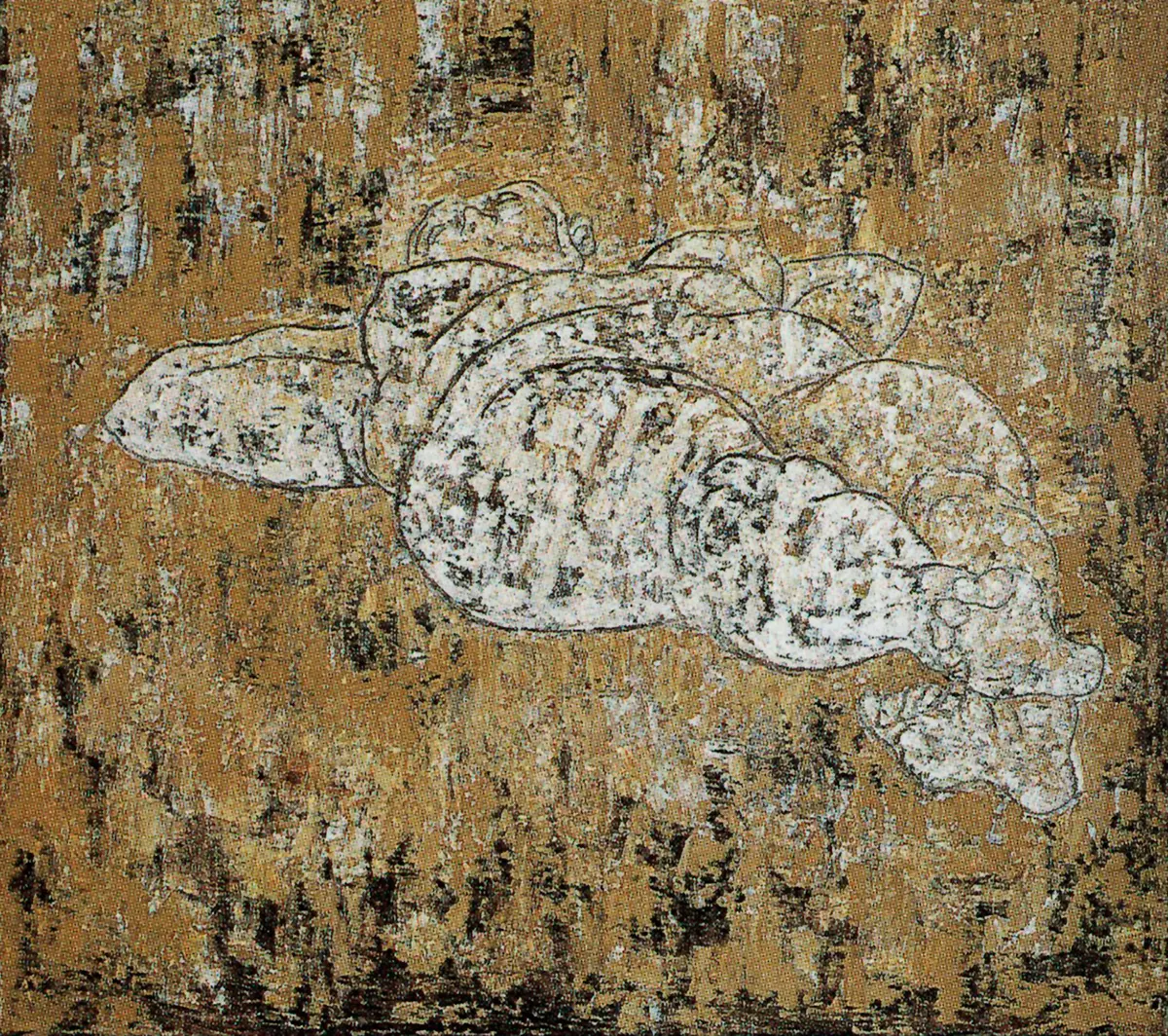
A walk through the spaces of the 34 galleries —aside from those that house invited artists— highlights the fact that only two solo shows may be seen. One is of the Venezuelan Pedro Sandoval in the spaces of the Ars Forum Gallery, and the other is of the Dominican Alberto Ulloa in the Víctor Nuñez Gallery, The idea consists of some large surfaces made of pastose textures and homogeneous evaluations. From this dense and weighty image arise female nudes that appropriate the central focus of the paintings. These figures assume postures of repose and appear suspended above the space like emblems, symbols, and evocations that levitate in order to favor their diverse formal perspectives. Here the nude is a theme and the painting is a disciplined attempt to renovate the reasons for his contemporary legitimacies. For his part, Alberto Ulloa's work assumes a baroque figuration that seems to find inspiration in a sort of neo-cubism.
If we follow the sequence suggested by the fair's map, we come upon the Sextante Gallery. Aside from the quality of works by Ricardo Benaim, Hugo Zapata, Luis Fernando Peláez, José Antonio Suárez, and Teresa Sánchez, it becomes unavoidable to highlight the accurate criteria with which the demands of the montage are resolved. In spite of the number of pieces, they can all be seen from their most varied angles, and the space winds up becoming a sort of installation in which languages harmonize in order to summons an attentive journey through the show.
Costa Rica's Jacob Karpio Gallery showed a wide array of works, which include Lluís Barba's recent paintings in which the concepts of manipulation and alienation are revealed through the resolution of themes associated with drugs and violence. The warm reception with which the Caracas public welcomes Barba's pieces is always accompanied by solidarity toward his personality. His shows in Caracas as well as his consistent presence have allowed for his quick incorporation into the country's cultural environments. I should also mention Priscila Monge, who underscores the theme of lineups assumed by sports teams within the frame of the lines on the court and the symbols that accompany the players. In the midst of such endeavors, we may admire an underlying interaction between the geometry of the sports fields and the dramatic psychological tensions of the protagonists.
The spaces of the Adriana Schmidt Gallery of Stuttgart (Germany) harbor an interesting selection of pieces. Pedro Castrortega's large-scale works should be highlighted, as should the sensual power collected in Olga Adelantado's creations. Also convincing were the works of Joan Fontcuberta, Mikel Lertxundi, and Tucho Molina.
Not far off, I enjoyed the group shown by Mexico's Enrique Guerrero Gallery. Olga Adelantado's piece confirms the power of her edict, as is the case with Guillermo Kuitka's extraordinary piece that attains superlative levels of drama. Equally convincing are the works of Julio Galán and Saint Clair Cemin. But of the entire group, I wish to emphasize the persuasive pieces of Víctor Rodríguez, who has learned how to combine hyperrealist focuses with the sensibilities of pop art in order to renovate the cohabitation between craft, creativity, and contemporaneity. In his painting Dos sueños (Two Dreams, 1998), he leaves evidence of a creation teeming with sensuality and symbolism.
A clear faithfulness to the classical goals of art is revealed in the spaces of the Muci Gallery. Curious and dignified collection pieces are associated with Venezuelan masters like Reverón, Tito Salas, Monasteries, Cabré, Narváez, and Maury. But these spaces also offer a remarkable place for contemporary artists like Carlos Hernández Guerra, Carlos Prada, and Manuel Quintana Castillo. We should dedicate a line to the paintings of this last artist who, with a pensive and incorruptible dedication, continues the task of deepening his focus and captivating the demands of Venezuelan collectors.
For its part, the D'Museo Gallery gathered a significant group of Venezuelan and foreign artists. The presence of several mixed-media pieces by Antoni Tàpies always increases the importance of the spaces. Added to this were various monotypes from the Spaniard José María Sicilia, who was recently shown in this gallery. Also on display are Venezuelan pieces, among which Pedro Morales's contemporary version of St. Sebastian stands out; it is based on a combination of computer and pictorial effects. The presence of two conclusive pieces by Sigfredo Chacón that allow us to feel the weight and magic of the material is also impressive. Another piece that grabs our attention is a marble sculpture with which María Teresa Torras solves on a small scale what she showed weeks earlier with rotund success in the MACCSL
The Joan Guatia Gallery from Palma de Mallorca (Spain) put together an equally interesting group of seven artists. Florencio Gelabert, Kcho, Rafael Mahdavi, Manuel Mendive, Peter Phillips, Wolf Vostell, and Bernardi Roig occupy the space of this gallery. I wish to make special mention of Bernardi Roig's pieces since their magic captivated a large part of the public. The sculpture titled Betty Rose was one of the most admired since it mixed poetry and symbolism in order to transgress the pristine meaning of shoes and flowers. Here the insurrection of referents is able to underscore the paradox that exists between surprise and lyricism.
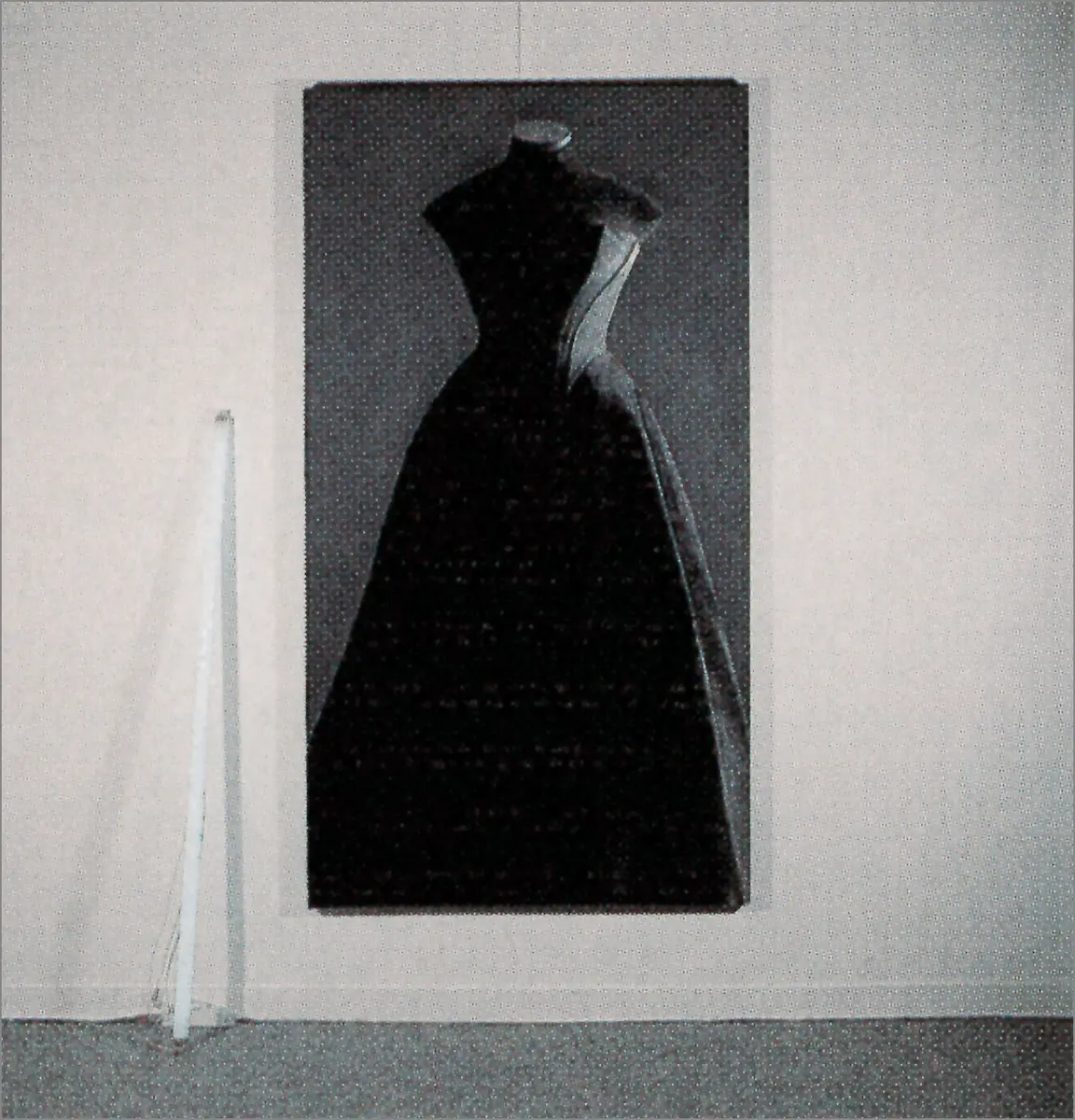
The tone of quality is stretched toward the space occupied by the Metropolitana Gallery of Barcelona (Spain). We find suggestive creations by Xavier Den, Óscar Muñoz, Paloma Navares, Vanessa Pey, Elmar Thome, and Dayra Von Berner. Her two pieces contain a powerful persuasive force. The two-meter height and one-meter width and the fluorescent light rod that make up each piece, cause a sensation from which it is impossible to escape. Beyond the images and the dresses, the background theme referred to is time, both in its chronological version as well as in its anthropocentric interpretation. The numeric sequence printed on the dresses promotes the curiosity of finding some clue for reading the work, which is added a magical atmosphere that refers us to indeterminate places and times.
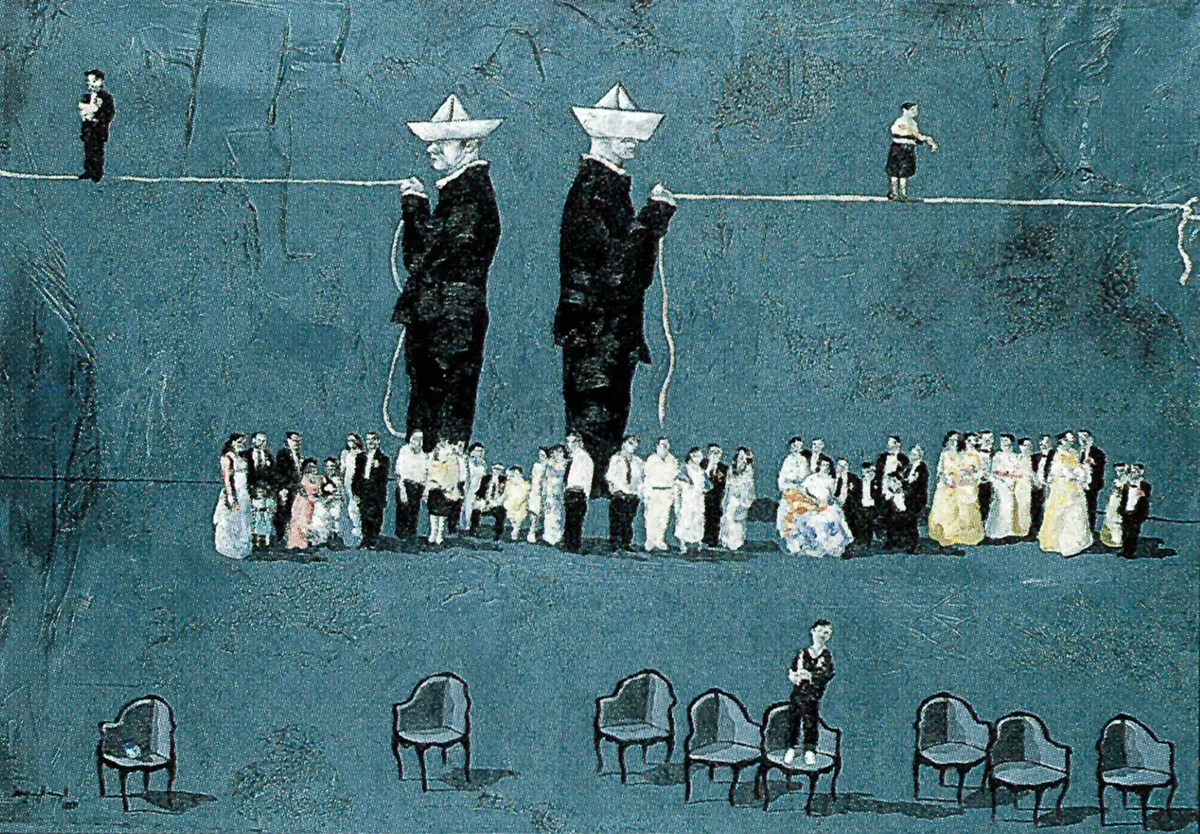
Also from Madrid is the Heller Gallery, which displays highly realistic paintings by Roberto González Fernández as well as an ample series of sculptures by Elena Laverdn. In the Juan Ruiz de Maracaibo Gallery of Venezuela, we find the pleasant surprise of two young artists from Maracaibo who have freed themselves from the very codes of regional painting in order to outline proposals as unique as they are interesting. I am referring to the works of Miguel Meza and Elvis Rosendo. Meza creates an enigmatic ambiance in which the tone and ceremonial garments of the characters strongly contrast with the oneiric nature of their effects. In the middle of this crossroads, references are made to the theme of weddings and circuses. The tightrope walkers in this case are something more than referential data since they take on challenging content through the tension that awakes the viewers. With a more dramatic tone, Elvis Rosendo gathers picture postcards that allude to a socio-political chronicle of the country.
Four different focuses share the spaces of Praxis Int. Art Mexico: Santiago Carbonel, with his hyperrealism of a strong, sensual tone; Roberto Cortázar, with his hazy, thick atmospheres from which transparent figures appear; Bruno Widmann, with his figurative prototypes charged with humor and mockery; and, finally, Roger Mantegani, with a mix of histrionic and phantasmagoric realism in which different times and origins generate a strange and ambivalent temperature.
For its part, Praxis Arte Internacional from Buenos Aires (Argentina) gathered Enrique Burone Risso, Ana Fabry, Mario Pérez, and the celebrated Iturria who, with his imaginary and fantastic world, creates associations that cannot go unnoticed and showed some particularly funny and suggestive pictures by Ana Fabry. In her paintings, the figures become curious symbols that refer to the freest metaphors.
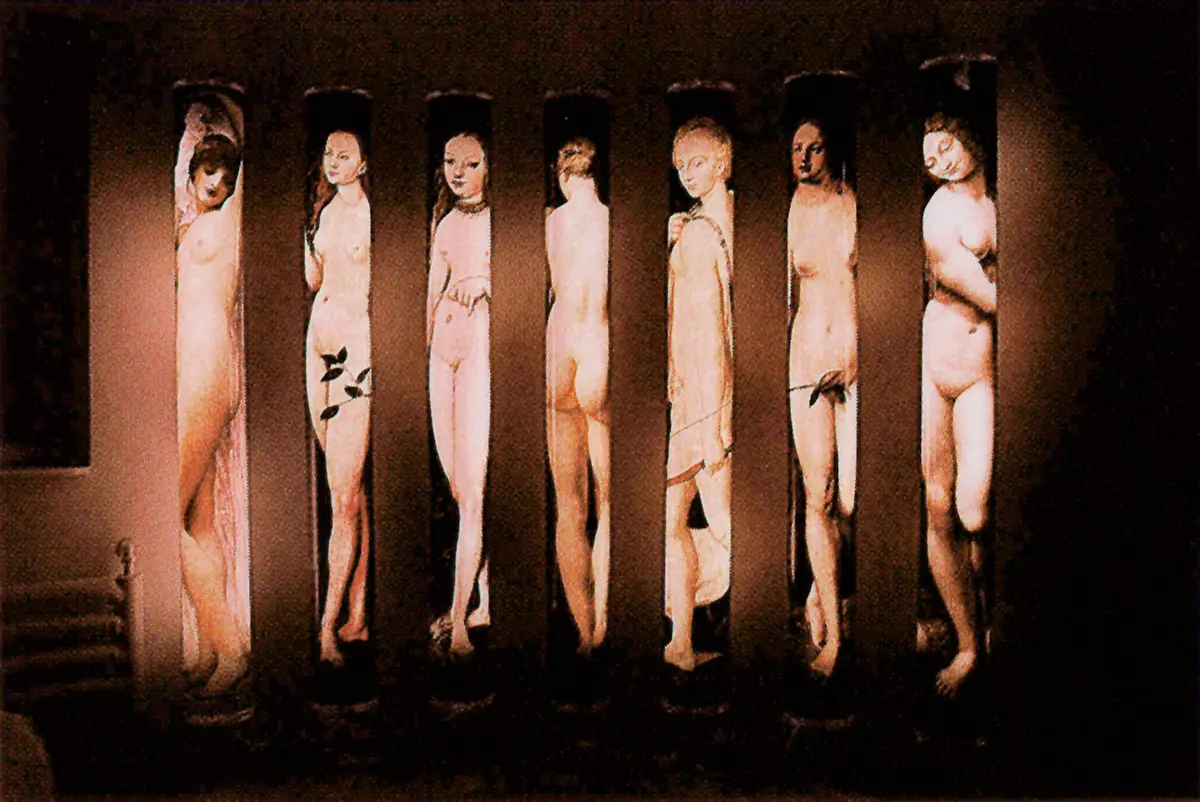
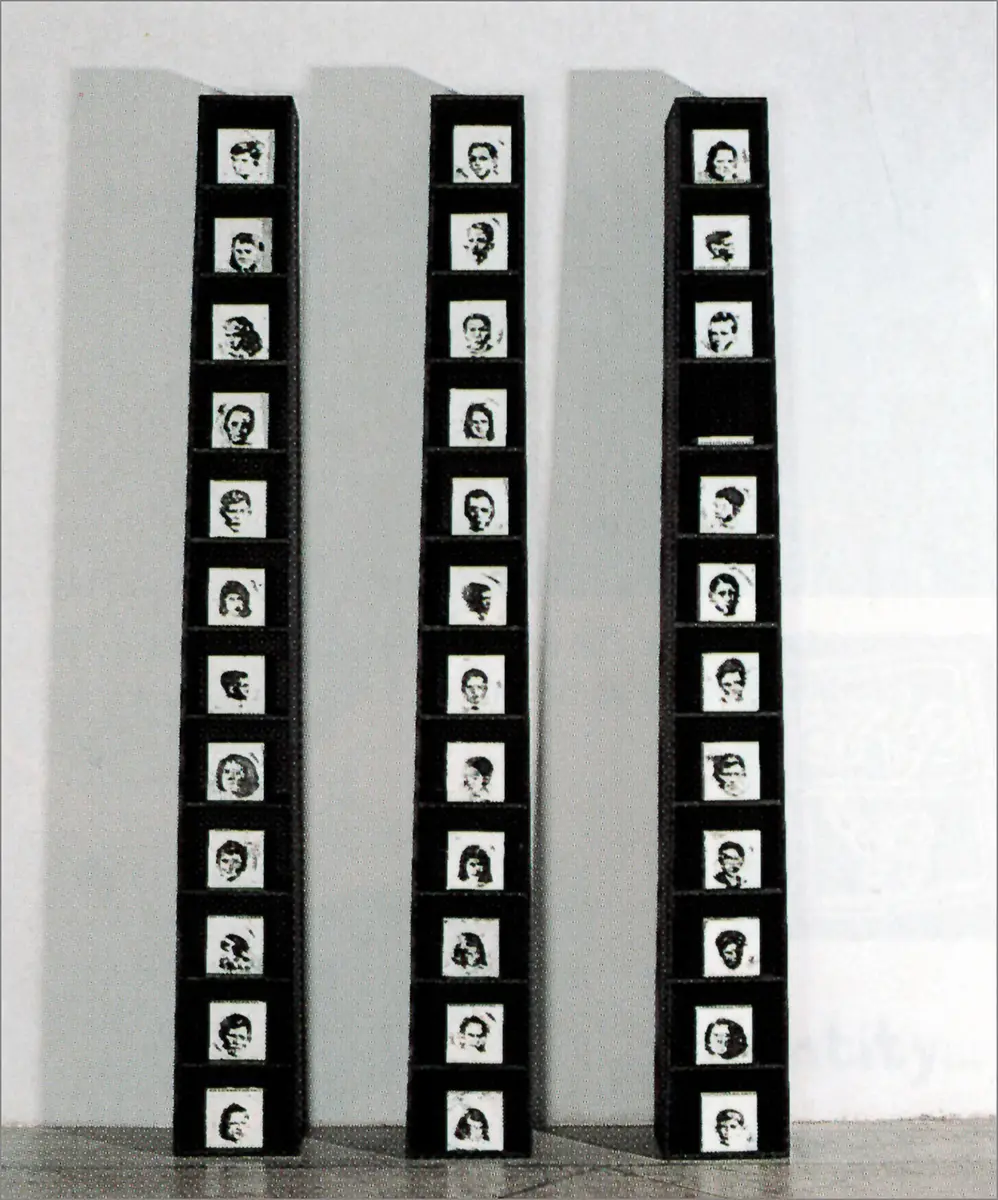
As in all the previous editions of this fair, we come across the space reserved for the El Museo Gallery of Bogota. The presence of Jim Amaral, Aurora Cañero, Juan Carlos Delgado, Rodrigo Facundo, Ana Mercedes Hoyos, Edgar Negret, Paloma Navares, Vicky Neumann, Bernardo Salcedo, and Hugo Zapata contribute a festive set design to this show. At this point, it would be worth mentioning the work of the youngest artist shown, Juan Carlos Delgado. Delgado's piece attracted a great deal of curiosity due to the fact that he was the artist invited to the Exhibition of Young Artists with FIA. His work consists of three columns with niches that house faces impacted by the handling of the lights and the impacts of the shadows. The diffused data of the images are achieved by the use of a support of lime that is given a smoke effect.
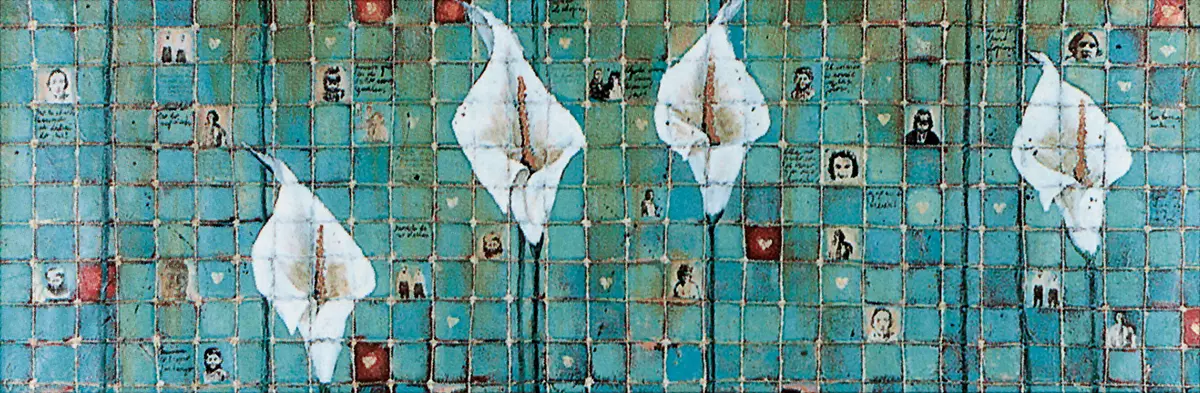
The surface of the Arte Ascaso Gallery is absorbed by an inventory of pieces that range from Soto to Carmelo Niño, including Carlos Cruz-Diez, Wifredo Lam, Francisco Narváez, Héctor Poleo, Jorge Seguí, Ramón Vásquez Brito, and Cornelis Zitman. In addition, an extra stand is dedicated to showing several of Alirio Palacios's large-scale creations. Here the artist endorses plastic resources as well as an ability to promote curious blends of memory, fantasy, and magic.
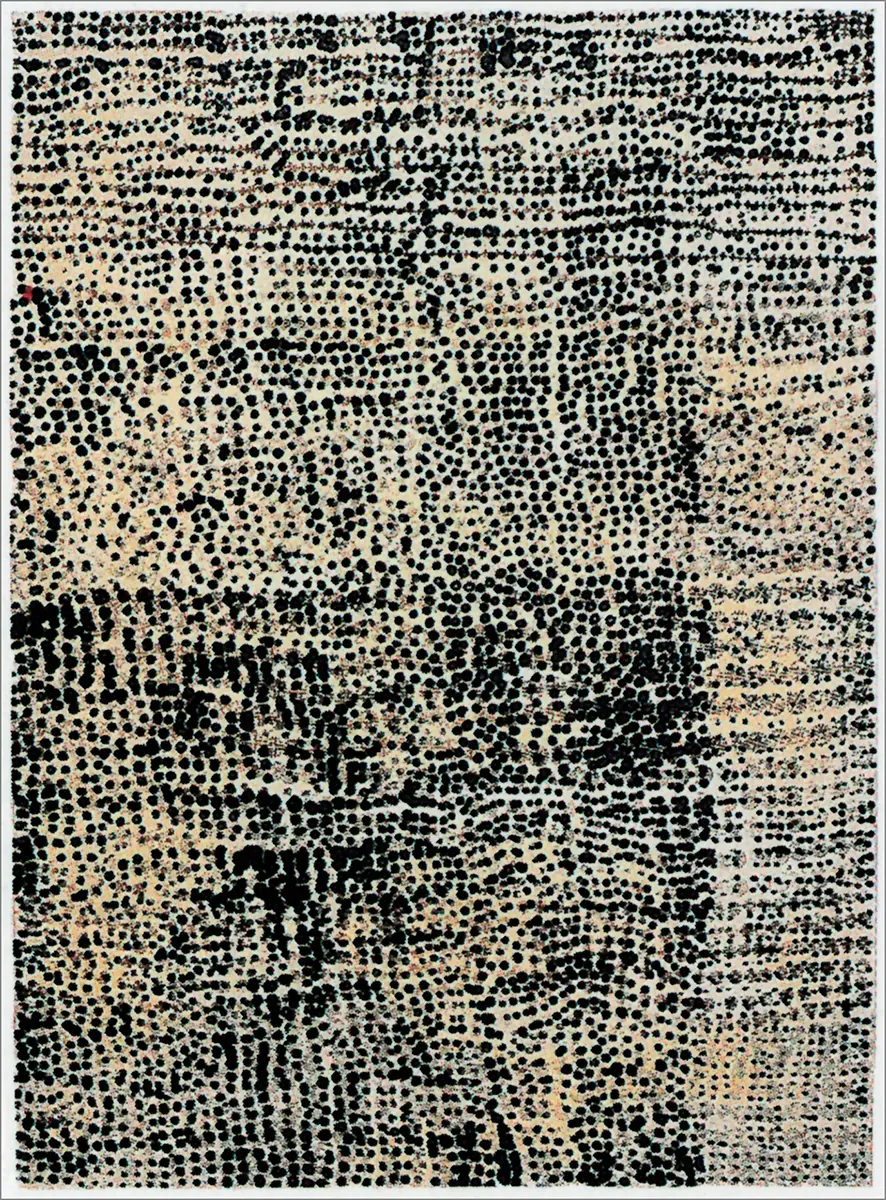
The group of artists shown by the Luis Adelantado Gallery of Valencia (Spain) adds value to the quality of FIA and grounds the tone of contemporary art. To this group of Europeans was added the presence of the Venezuelan Emilia Azcárate, who exhibited one of her canvases associated with the theme of skins. As appears in the illustration of this text, the work incorporates a list of sensitive codes that simultaneously suggest fingerprints that become confused with the marks generated by our indigenous ethnicities, and also epidermal pores that alternate with indeterminate flourishes. The allusion to fingers and to the rupestrian promotes a cohabitation of times and concepts. These effects are enriched through perspiration and the atmospheres that guide the behavior of superimposed planes.
The Camargo Vilaga Gallery of São Paulo (Brazil) also upholds the significance of contemporary art. Here we may look upon the subtle silks of Lia Menna Barreto, the persuasive photographs of Miguel Rio Branco, the suggestive atmospheres of Rosângela Rennó, the strange topographic cuts of Angelo Venosa, and the dichotomous materials of Leda Catunda. Naturally, I should also mention the exhibition of pieces by Efraín Almeida, Fabián Marcaccio, Vick Muniz, Julie Roberto, Hiroshi Sugito, and Luiz Zerbini.
In the parallel corridor we can appreciate the warm spaces of the Minotaura Gallery, always cared for by Cecilia Ayala who is showing, on this occasion, distinct formats of Pajaro's work, as well as several pieces by Pancho Quilici, José Gamarra, Nelson Varela, and Felipe Márquez. We also saw a beautiful drawing by Manuel Caballero.
The Estampa Gallery of Madrid (Spain) contributed a different touch with its interesting combination of the classic and archaic which, like a neo-naïf, was cultivated by Fernando Álamo, Enric Balanza, Luis Mayo, and Ramiro Fernández Sans. The paintings of this last artist caused a great deal of curiosity due to their theme and quality. This young and talented artist stirringly tackled the life of Simón Bolivar, revealed in some of its most significant episodes.
Unlike the abundant group shows of previous editions, on this occasion, the Graphic/CB2 Gallery concentrated on two artists: the Spaniard Carlos Evangelista and the Venezuelan J.J. Moros, who presented a coherent group of medium-scale sculptures, the most outstanding of which was a piece titled Arbotante (Flying buttress) which is associated to the architectonic resource that sustains and resists the weight of a wall. The cleanness of execution and the formal schematism of this sculpture translate into a persuasive impact.
It is impossible to overlook the interesting group of landscapes that the Chilean master Ernesto Barreda showed in the spaces of the Acquarela Gallery. Luis Montoya's bronze sculptures were also noteworthy. Equally striking was the series of pieces that Manuel de la Fuente showed on the theme of crowds.
The Dominican García Cordero gave proof of the mastery of his pictorial resources through a wide variety of themes. In his pictures, the touch of satire and the critical ingredient take on serial forms and intriguing allegories. Evidence of these effects could be seen in his Potes con troncos (Cooking pots with logs), whose image is reproduced on these pages. García Cordero was shown by the Lyle O. Reitzel Contemporary Art Gallery of the Dominican Republic, which also exhibited three pieces by Édouard Duval-Carrié, Eleomar Puente, and Gustavo Acosta.
Young Venezuelan artists like Diana López, Raúl Martinetto, and Sylvia Riquezes asked to be removed from the stand of Veneuzuela's Arte Florida Gallery.
The visit is not complete without highlighting the fact that, with its consecutive presence every year, Madrid's Cuatro Diecisiete Gallery was also present this year. Here the enigmatic sculptures of Josep Bofill were accompanied by the creations of Amparo Garzón, Cristóbal Toral, and Manuel de la Fuente.
This long and detailed excursion leads us to speed up the pace in order to finally review Pablo Atchugarry's sculptures in Argentina's Gradiva Gallery, the three-dimensional works of Urban and Campoy in Spain's Kreisler Gallery, Ali Cordero Casal's photographic piece in Argentina's Roberto Martín Gallery, as well as José Bedia's painting in Spain's Angel Romero Gallery.
Added to the artists shown by the galleries were others who were shown by a small stand that occupied the Workshop of Associated Graphic Artists (TAGA), where we could see important and curious editions of Alejandro Otero, Gego, Pedro Ángel González, Mercedes Pardo, Luisa Palacios, as well as pieces by the new generations that have won national prizes in visual and graphic art.
The objects and emanations of a significant group of artists were also displayed in the spaces of the Alejandro Otero Museum. This fact calls upon me to point out that in this edition of FIA the so-called "Plaza de los Museos" (Museum Square) was conceived, a space in which the Sofia Imber Museum of Contemporary Art of Caracas, the Museum of Fine Arts, the Reverón Museum, the Maracay Museum, the Carlos Cruz Diez Museum, the Children's Museum, and the aforementioned Alejandro Otero Museum could reveal and sell their products, catalogs, and editions. In a very special way, I should also point out that in the spaces just outside the entrance to the FIA there were some very impressive sculptures by Oswaldo Vigas, Arnoldo Pomodoro, María Teresa Torras, Gaudí, Carlos Cruz-Diez, Sydia Reyes, Yuye de Lima, Agustín Cárdenas, as well as a large-scale painting by Pedro León Zapata. Naturally, this year, as in previous editions, a place of privilege was dedicated to the art magazines to promote their publications.
A quick account of this review obliges me to recognize the fact that this last edition of the century of Caracas's FIA confirms the importance of this event and allows us to generate the reasons necessary to accept the fact that it continues to be a reference in the Ibero-American and Caribbean scope.
VÍCTOR GUÉDEZ
Art critic and member of the board of directors of the Galería de Arte Moderno, Caracas.