
Currently in its fifth year of operations, SITE Santa Fe recently inaugurated its third biennial exhibition, titled Looking for a Place. While SITE Santa Fe and its activities have now become a familiar component of the cultural scene in this small high desert community, it certainly cannot be said of the organization that it has allowed its programming to relax into self-satisfaction or complacency. Looking for a Place, without a doubt, the most ambitious and provocative exhibition yet staged by SITE, and opinions regarding its triumphs and failures have been debated energetically since the show opened in July.
Rosa Martínez, the Barcelona- based curator of the exhibition, has taken the promise of SITE Santa Fe's name literally and extended the scope of the biennial well beyond the walls of the 18,000-square-foot space that is home to the organization. Site-specific projects range from Cai Guo-Qiang's Calling, a 20-foot-tall lighthouse on the roof of the facility, to installations by the Swedish artist Carl Michael von Hausswolff in the village of Galisteo (20 miles south of Santa Fe), and Simone Aaberg Kern of Denmark at the Los Álamos airport (25 miles to the northwest). It has, in fact, been the off-site work that has generated the majority of controversy.
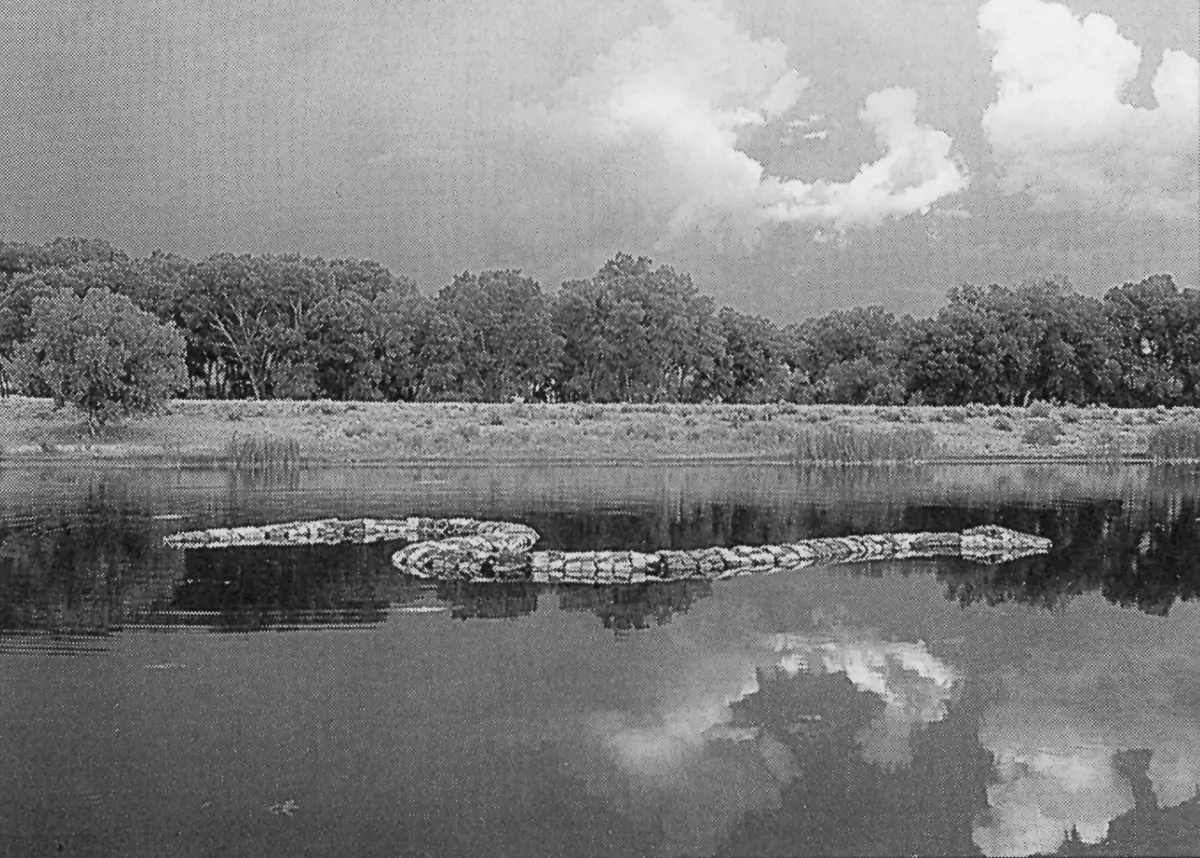
A floating snake sculpture by the Mexican artist Yolanda Gutiérrez installed in a lake at San Ildefonso Pueblo, north of Santa Fe, was an early casualty of hostile action. Intended, ironically, as a symbol of fellowship between Central and North American native peoples, it lasted only one day before irate Pueblo residents dragged the sculpture from the lake, destroying it in the process. A sound and light installation by von Flausswolff was quickly removed from its location in a historic Santa Fe graveyard when neighborhood residents objected. Both incidents received prominent coverage in the local press, and neither the Gutiérrez nor von Hausswolff piece has been reconstructed or relocated. A video by Swiss artist Pipilotti Rist also made the news when a Santa Fe woman objected to its sexual content (the piece is being shown on local community-access cable television), but ultimately no actions were taken to prohibit its broadcast.
While Looking for a Place may have actually reaped some benefit from the publicity surrounding its initial problems (attendance at SITE Santa Fe has been high this summer), the controversy should not obscure the fact that Martínez has assembled a stimulating and thematically cohesive exhibition. Thirty artists from 22 countries, including four Latin American nations (Cuba, Mexico, Argentina, and Brazil) and one international environmental organization (Greenpeace) are represented here, and collectively they investigate compelling questions of identity and place in a world poised on the brink of a new millennium.
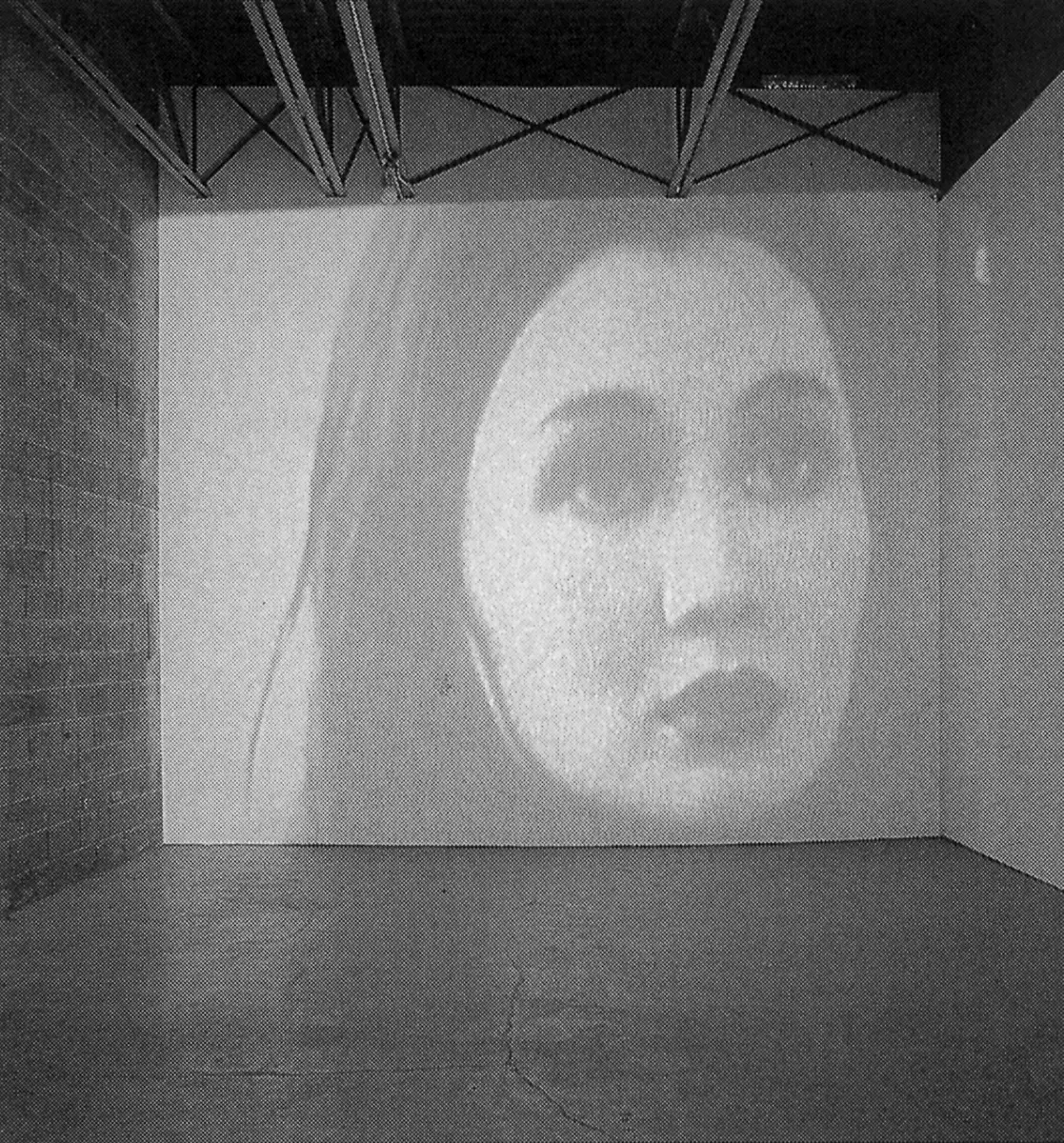
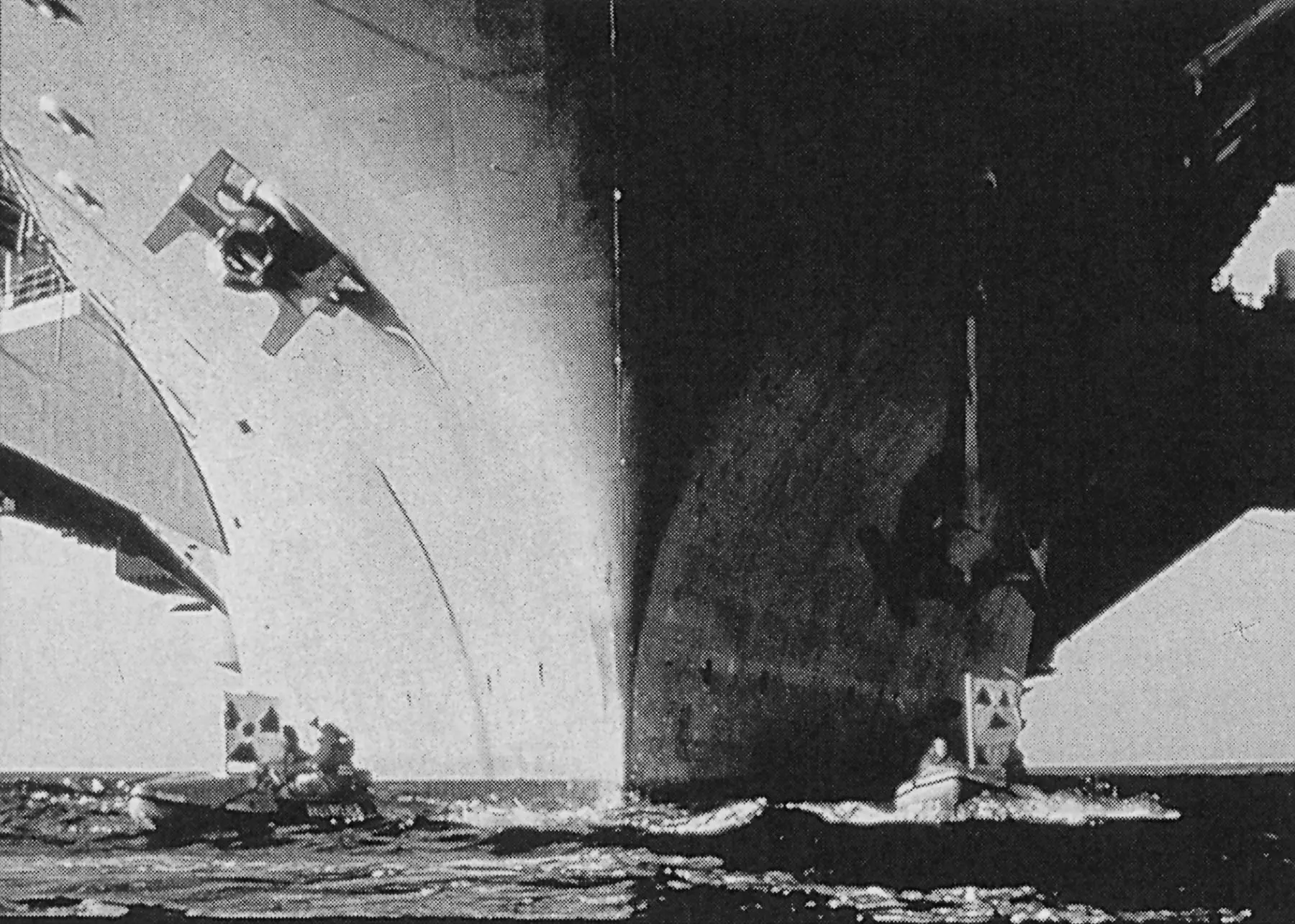
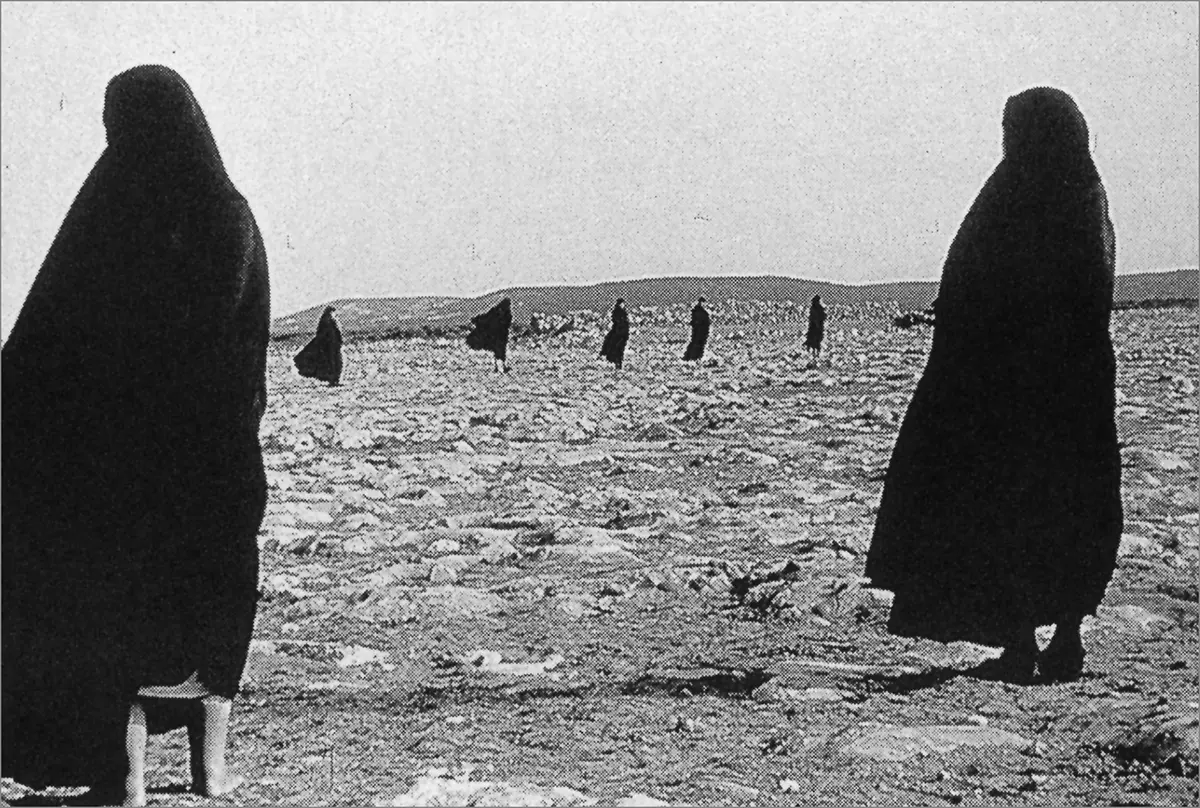
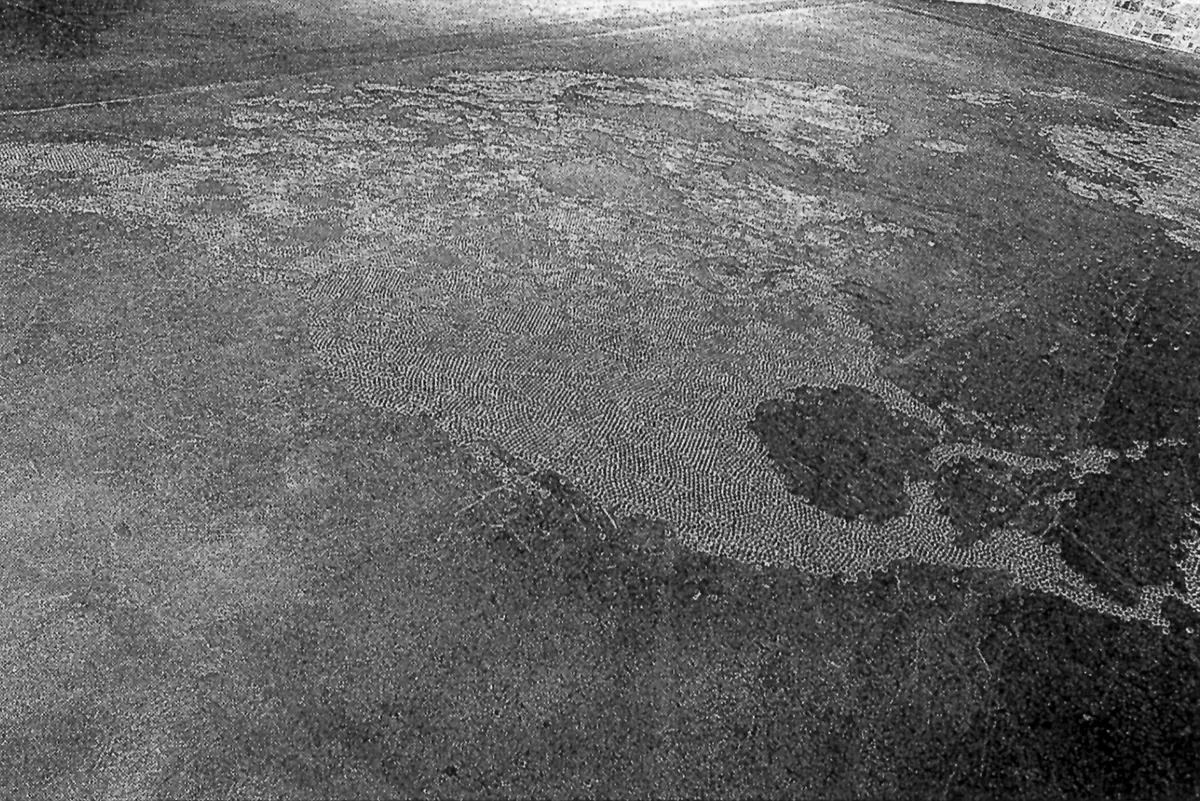
Upon entering SITE Santa Fe, visitors encounter a wall-sized photograph of Greenpeace anti-nuclear protesters in tiny rubber rafts staging an action against the gigantic American aircraft carrier USS Eisenhower. A quote from Shakespeare's Henry IV accompanies the dramatic image: "...the time of life is short! ...and if we live, we live to tread on kings.” Martínez's message is indicative of the activist sensibility that is at the heart of the exhibition, and the participating artists provide seeds of thought for addressing big issues. With no painting and little in the way of conventional sculpture, Looking for a Place is oriented largely toward video works and installation pieces. Standout works include Shirin Neshat's stunning film Rapture, Gabriel Orozco's video From Dog Shit to Irma Vep, Mona Hatoum's shimmering floor map of the world constructed from thousands of clear glass marbles, and two powerful pieces by the Native American artist (and Santa Fe resident) Charlene Teters. Gutiérrez's snake sculpture, however, may well be remembered as the most significant image of the biennial: even though almost no one had the opportunity to see it, its poignant failure lingers as an illustration of exactly the kind of problem that Looking for a Place strives to address.
DAVID CLEMMER