
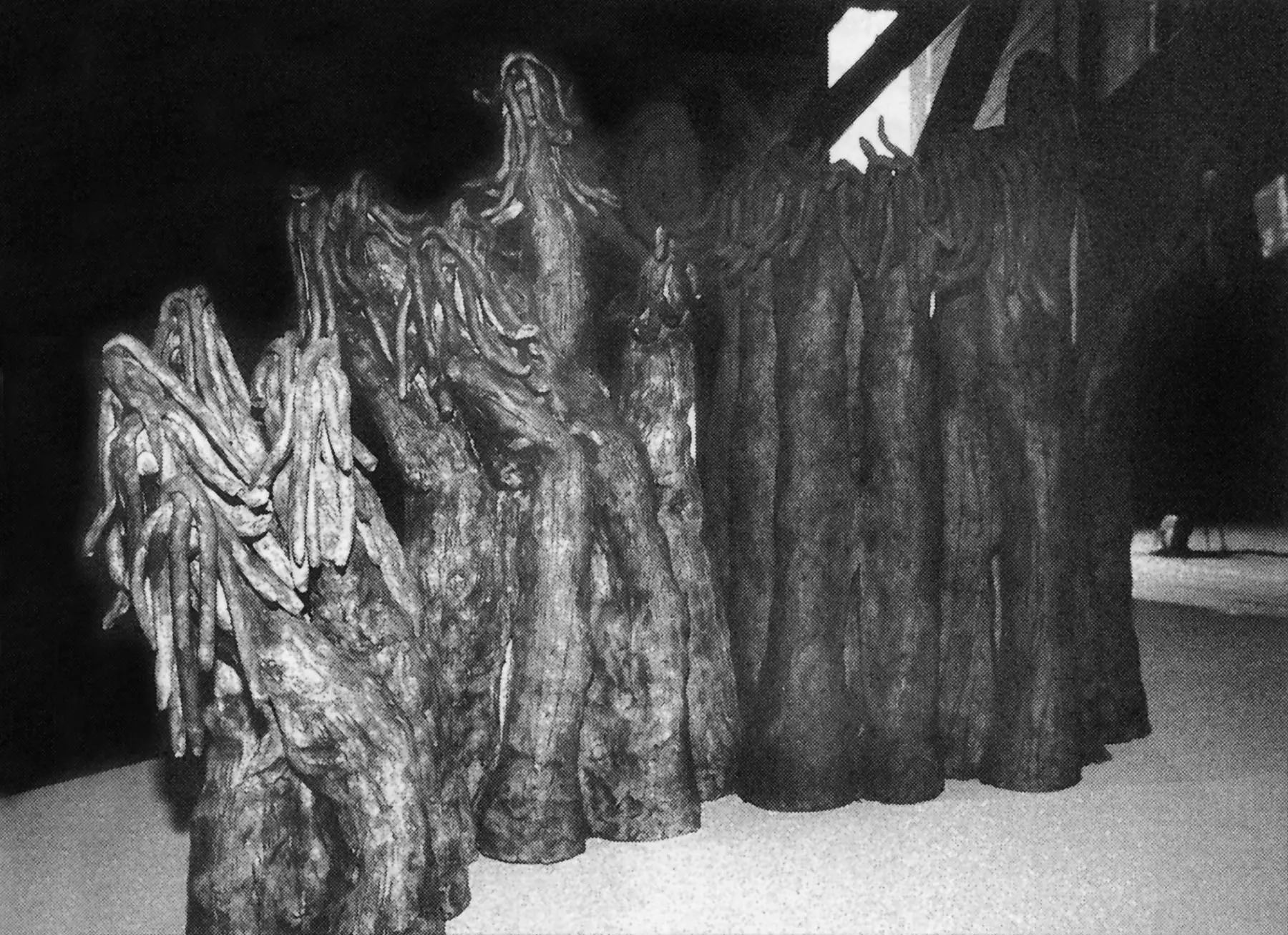
The first edition of Gaia di Arte, in 1991, presented at the Willemstad Convention Center under the auspices of the World Bank and Curiel surprised all the foreign visitors as well as those who came from the Dutch Antilles. However improbable it seemed, many people from Curacao were not fully aware of the artistic potential of their neighbors in Aruba, Bonaire, Saba, or St. Marteen, and vice versa. Visitors from the most distant islands as well as from outside the Caribbean were able to discover a new source of contemporary creators.
In 1992, with the fifth centenary of the Discovery of the Americas, the internal situation in the Caribbean region changed. It is true that the Biennial of the Caribbean and Central America, an initiative of the Dominican Republic, helped to give an impetus to the process of artistic exchange. A year later, in Curacao itself, the enormous inter-Caribbean show titled Caribart brought together artists from the English, French, Spanish, and Dutch-speaking islands. All these inter-linguistic dialogues are still continuing.
Now, eight years later, the second edition of Gala di Arte, under the auspices of the same sponsors, has just been inaugurated, under the banner of Art 99: Identity, Yesterday, Today, and Tomorrow. A total of 300 works were entered in the event, with no limitations regarding categories or ages.91 were selected by 65 artists. It is interesting to note their origin: 28 artists were from Curacao, seven from Aruba, and 17 were from Holland. The artists chosen had more than five years' presence in the Dutch Antilles: two from Saba, two from St. Marteen, as well as nine masters hors concours. The selection was made by a local committee, and the prizes were awarded by an international jury, made up of the art critics Maria Luïsa Borràs (Barcelona), Edward Sullivan (New York), and Marianne de Tolentino (Santo Domingo)—all of whom have been involved in major projects concerning Caribbean art in the Caribbean, Europe, and the United States.
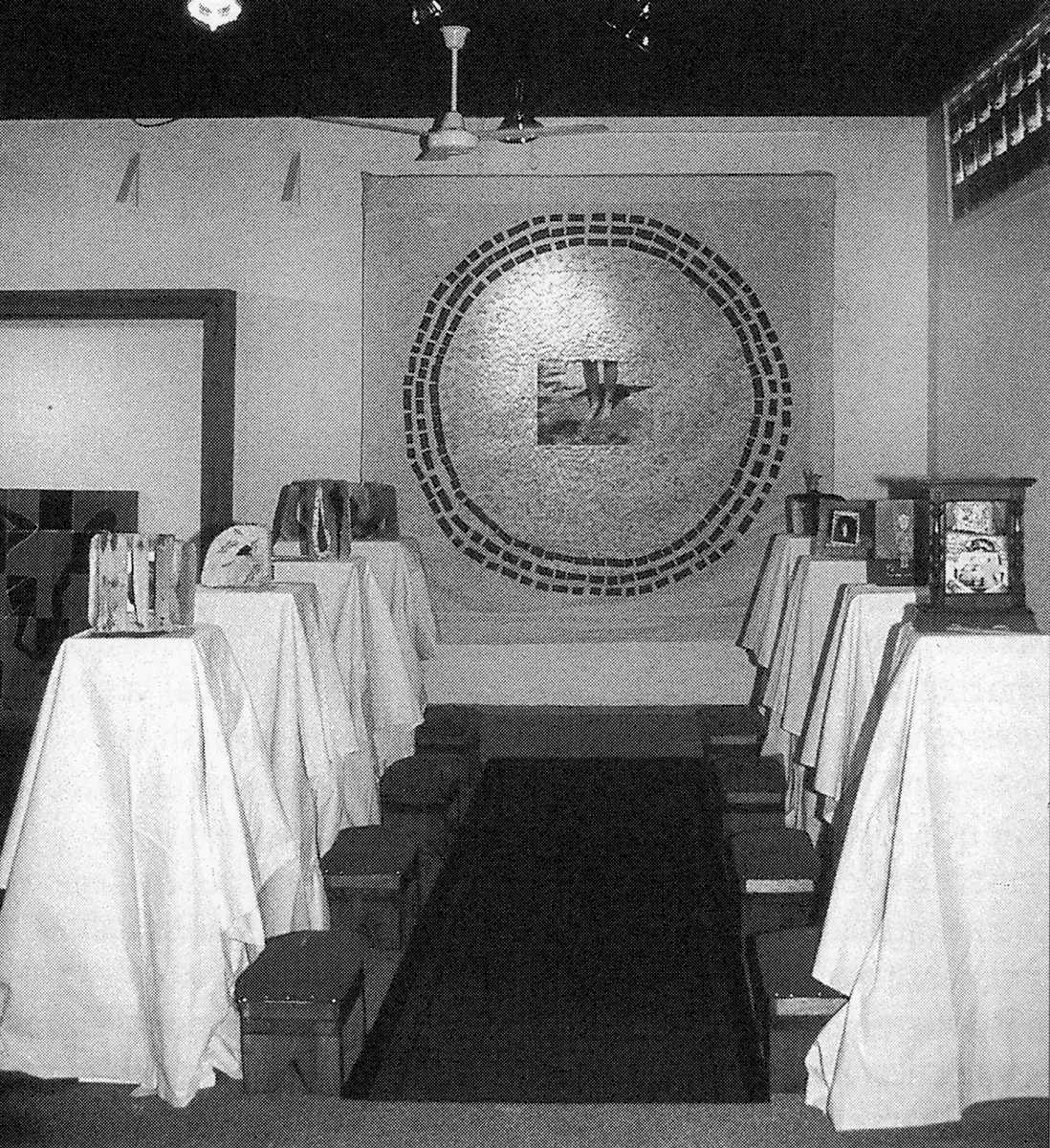
An exemplary organizational team under the direction of the general commissioner Jennifer Smit and the exhibition curator Nicole Henríquez was subdivided into a number of specialized committees (selection, catalog, education, public relations, logistics, museography), involving dozens of people, including several young volunteers. The professionalism, order, and information could not have been better, and the installation of the works over the two floors of an old store, owned by the Maduro Bank, the "Mangansina di Arte", was perfectly appropriate.
Although Curacao has only 160,000 inhabitants, 1,500 turned up for the opening. This is less surprising if we note that the best restoration architect provides tours around the old part of the town for tourists once a week and that the only Museum of Africa in the Caribbean is located in Willemstad: it is owned by a businessman and museologist with a passion for collection and research. He too provides personal tours. All this highlights the special sense of service that characterizes the island.
In all the art of the islands of the Caribbean, there are three cultural legacies: the pre-Columbian element, the African, and the European. In the Dutch Antilles, according to this show, the last two are particularly important: the African element as an ethnic heritage and ancestral presence, and the European/Dutch tradition, with many local artists receiving their education or spending periods of time in the Low Countries. Further, there was a clear desire to indicate the island of origin in terms of nature, climate, people, and traditions as well as a marked affirmation of cultural idiosyncrasy in the show.
This does not mean, however, that there was a large number of paintings or works of a regional or realistic sort. There were very few (perhaps due to the pre-selection process). Sculpture and ceramic art— despite the strong local tradition of both—were also in the minority. Photography was limited to just one work, and there was little in the way of drawing or printmaking.
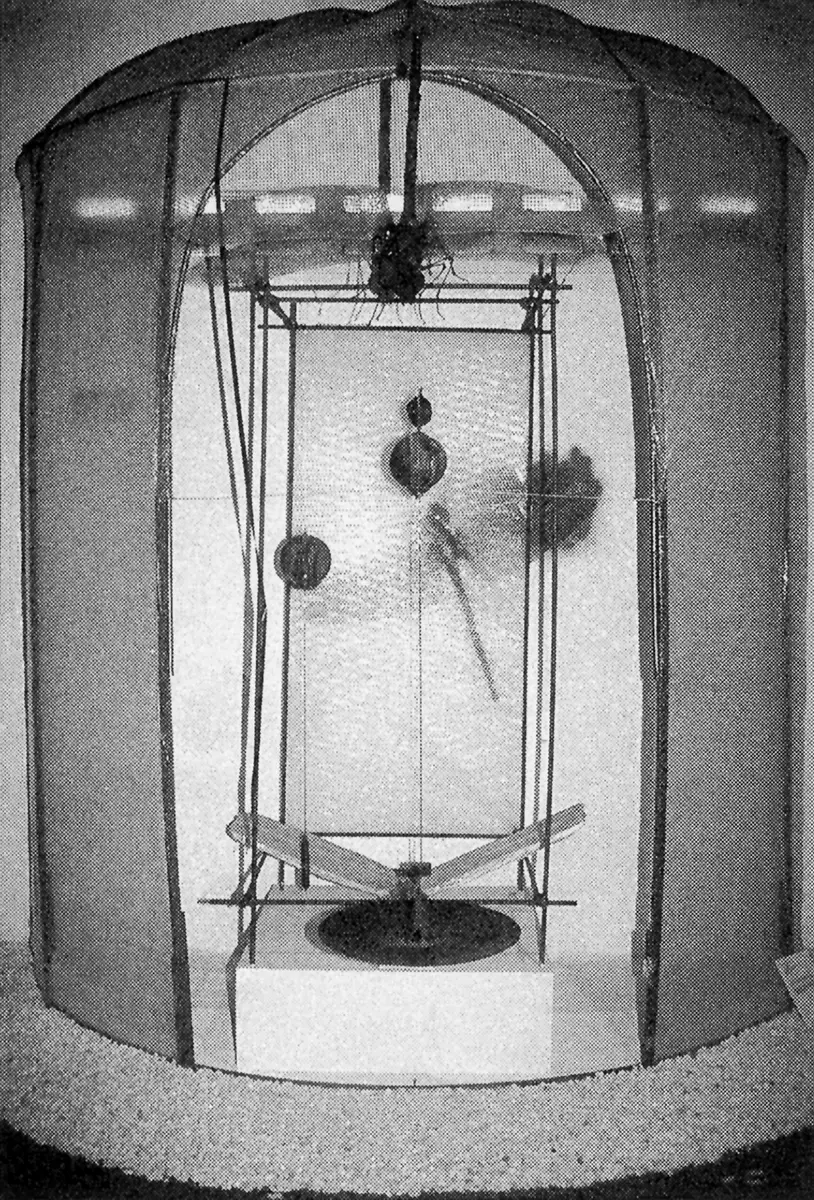
What was impressive, powerful, and very contemporary was the presence of installations. This was undoubtedly the best-represented genre, in terms of both quantity and quality in all the islands (and the only category presented by Aruba). This feature proved a surprise to many visitors, particularly foreigners. It confirmed that installation art is becoming an obsession throughout the region, and not just in the Dominican Republic, Cuba, Puerto Rico, or Trinidad.
But though these artists, both young and old, opted for installation art, the results were uneven.
It was disappointing, for example, that excellent painters and sculptors included various objects within their particular specialty without conveying any particular message or achieving spatial coherence. There was a process of "auto-elimination" at work here. One missed the presence of the exquisite watercolors of José Flores, the pictorial abstraction and "found" woods of Ludwig de Lisle, and the portraits of Tony Monsanto (a habitual participant in Caribbean events) in works that were fused and confused with installations. Even master Yuri Kiridongo, a pioneer in the recycling of artifacts, who has had such an influence on young artists, succumbed to the temptation of composing an "environment" with his skillful and expressive metal assemblages, a choice that almost neutralized the work.
Other artists, however, fully dominated the language of installation art, giving it an air of singularity. The Arubans are a case in point, something which is perhaps to be explained by the influence of the pioneering work of Elvis López (he chose not to participate in this exhibit), a daring installation artist with an international reputation. Each element was made interdependent with some others at the plastic and aesthetic levels. Tie clear sense of introspection gave a sense of depth to these works, without prejudice to the social and collective concerns. The poor materials used—ideal instruments for young artists—became splendid and metaphorical as in the oxidized iron brassiere fitted with cockroaches by Glenda Heiliger (who placed an advertisement to search for the insects), and the gigantic iguana on a rope, by Chirino that ran along the entire roof of the store.
The painting remained in the background and generally lacked originality, merely repeating styles of the past, or squeezed into installations. A positive exception was the work of Helen Cornet from Saba, who constructed a setting with rainforest panels. Among the best works of painting was a triptych in the style of a "sensitive geometry" encaustic work on paper by Klapwijk, and an organic oil work, ambiguously abstract and figurative, by Wilson García. Similarly, among the sculptural works, a multicolored shoe in papier maché by Shi Jago, and the hyperrealistic details in the drawings of necks and mouths by Ana Mezas were noteworthy.
It had been the plan to award three prizes, but in the end, there were four. The jury also awarded a certificate of recognition and four honorable mentions. Even so, the jury members had the impression that the level was so high that many other works could have also won prizes. Four of the eight awards went to Aruban artists, without the jury knowing anything about the origins or names of the artists in question.
The Grand Prix went to the magnificent and moving installation by Ozaira Muyale (Aruba), a gigantic bride's gown in which the visitor entered onto a carpet of the artist's wedding photographs, with a video film showing a slow parachute descent by the artist. The freshness and poetry of this work and the rediscovery of freedom provided both values and messages communicated with an impeccable technique.
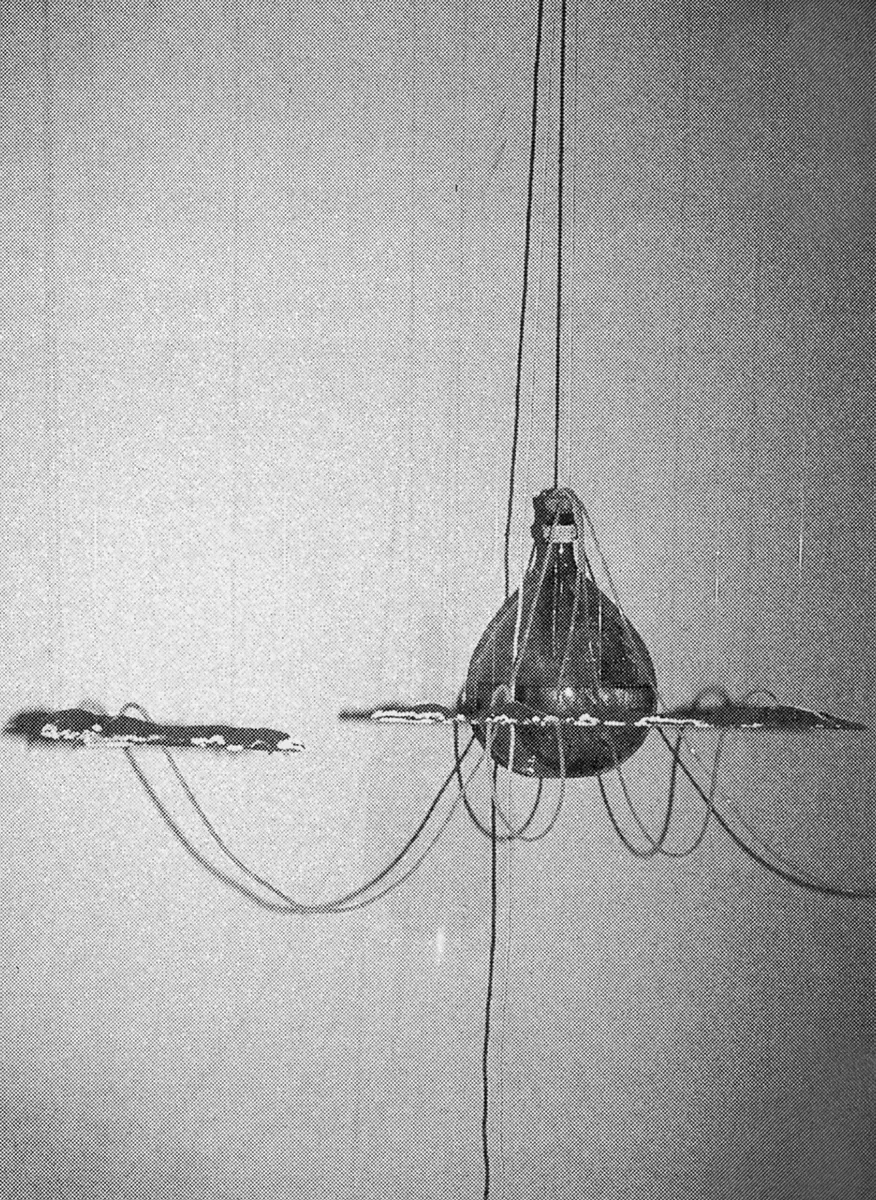
Two prizes awarded ex-aequo for creativity went to two brothers, Vincent and Theo van Delft, citizens of Curacao who live in Holland. Both installations expressed nostalgia and love of the island and made maximum use of very different materials and almost contrasting structures: cardboard boxes, binoculars, and photographs of Curacao (Vincent) vs. transparent elements in glass, resin, and salts (Theo).
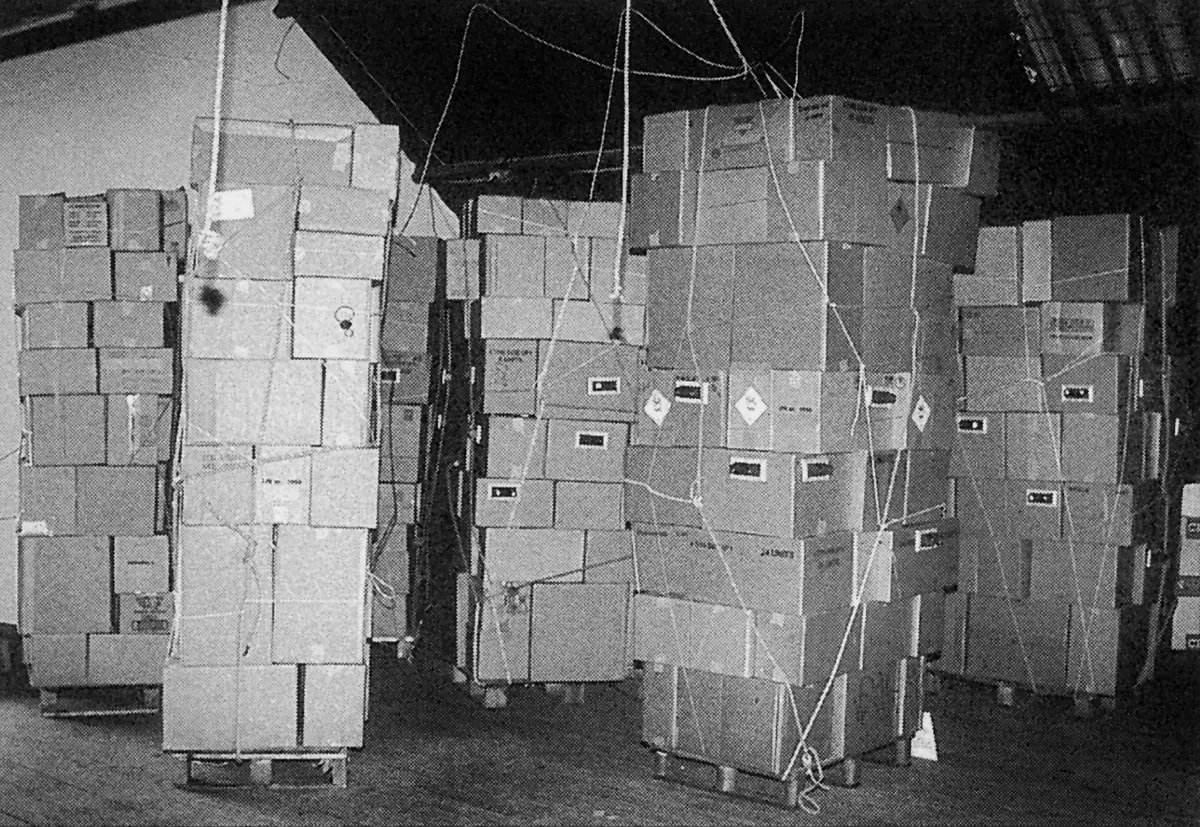
The Young Artist Prize went to Ryan Oduber (Aruba), an idealistic and creative artist, for an installation that combined concerns of a social and ecological kind (with Calypso stereotypes). In the work, the artist asks the leaders of the world to buy a part of the Amazon to save the forest.
A special mention was awarded to Ciro Abath (Aruba) for a finely crafted installation that referred to the fauna and flora of Caribbean nature. Another mention also went to Aruba, for an installation by Alida Martínez that was an investigation into iconography, votive altars, and altarpieces.
The painting of Philippe Zanolino, which also received a mention, highlighted the exceptional change which has occurred in the work of this very good artist of Franco-Curacao descent who is now producing radiant, limpid canvases full of impressive color. Another mention went to the single photographic work in the show by the Dutch artist Ellen Spijkstra, who lives in Curacao. A group of ceramic figures, signed by Yvonne van Gogh, another Dutch artist who lives in Curacao, was also given an honorable mention for its formal and expressive qualities and texture. All the prizes were awarded unanimously by the three members of the jury.
Finally, placed on the same panel, there were the work's hors concours, most of which were two-dimensional, small format pieces. The artists included master painter José Capricorne and May Henríquez, a fine artist and the main promoter of the event, who sadly died a few days before.
Art 99: Identity, Yesterday, Today and Tomorrow, which included daily workshops and educational activities, remained open until the end of November.
MARIANNE DE TOLENTINO