
This exhibition titled From the Century that is Ending: Twelve Artists of the Twentieth Century at the Espacios Union was based on an unusual kind of curatorship. Anita Tapias was responsible for selecting twelve Venezuelan artists who, in her view, have produced works that have signaled changes, conflicts, or ruptures at specific periods during the century.
Figure twelve does not necessarily mean that these are the only representative artists of our contemporary plastic history. Several important protagonists from various periods in the country's art history were not included. But any selection implies the taking up of a position, and this was one of the strengths of this exhibition.
The artists included have played a fundamental role in the development of our national art. The show, which tried to offer a particular and retrospective view of our history on the threshold of the new millennium, proposed twelve different views of creation. At the same time, the selected works embody virtues or innovative plastic elements from their respective periods and circumstances.
The twentieth century in Venezuela began with a series of ruptures with the conservative and academic art inherited from the previous century. The Circle of Fine Arts appeared, followed by the School of Caracas. The obsession with landscape art and subsequently creolist, social realism, and surrealism led to new plastic images during the first half of the twentieth century which, in one way or another, pointed the way toward an increasingly urgent desire for modernization. However, a spirit of rebellion against convention, especially one that is deliberately isolated, can result in work that lacks any parameters or standards. It was Armando Reverón who, after his return from Spain and his experience in the Circle, decided to search for his own path by endowing landscape art with a dimension and a transcendence that have now been fully recognized. Francisco Narváez, on the other hand, focusing on the plastic elements in nature, felt a profound admiration for various human types, with their "expressions of life", as he put it. With Narváez, the sculpture moves towards modernity, using new materials (for example, the carving of wood and lacquering, characteristic features of his Creole period) and working the human figure with voluptuousness and "the pride of nationality", as the curator rightly pointed out. Later, he was to move away from the human figure towards new materials and exploration of increasingly abstract forms.
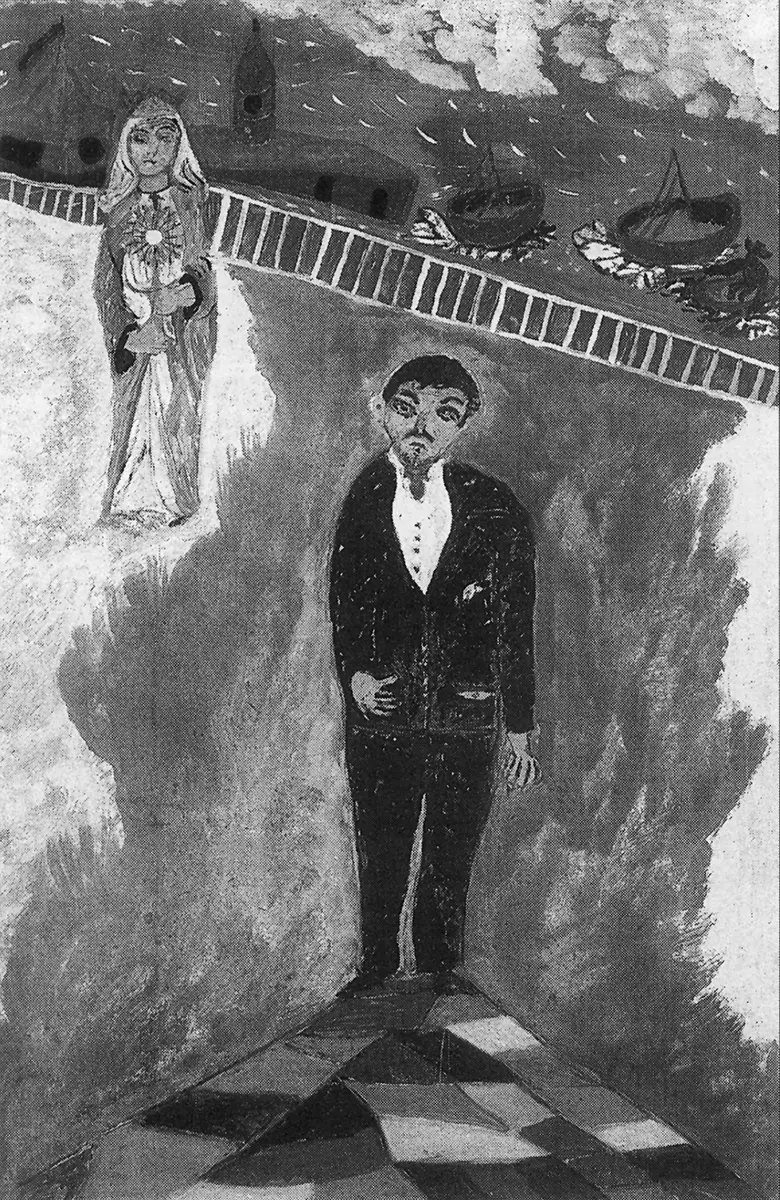
Bárbaro Rivas is one of the exceptional figures of Venezuelan art. Solitary and restless and living in abandonment and poverty, he produced an extraordinary body of work that defies any kind of classification. His painting is free, devoid of any academic canons or links, his spaces seem to be dislocated, with divine and worldly elements co-existing on the same plane. In the opposite direction, Alejandro Otero emerged in 1945, taking a stand against the dogmatism imparted by the School of Plastic and Applied Arts of Caracas. From Paris, he played a significant role in the dissemination of new artistic currents and is now recognized as the main proponent of abstract art in Venezuela. His Coffee Pots (from the end of the 1940s) and Coloritmos (from the 1950s) are fundamental milestones of an artist whose work was crucial to the development of modernity in the country. Jesús Soto was also in Paris in the 1950s. It was there that he began his first kinetic works which in the following decade attracted international attention to Venezuelan art. With kinetic art, the spectator participates playfully in the work and has the pleasure of experiencing its transformations through optical effects, or through movement itself. Soto is also the master of transparency and of the "immaterial work'' par excellence. In a different way, Carlos Cruz-Diez emphasizes kinetic alternatives, making use of the virtues of color, not as the coloring of form, but as a continuous process of transformation in time and space. His Fisicromias, initiated in an artisanal manner, has resulted in a close relationship between art and technology, gradually acquiring an urban dimension and an industrial character.
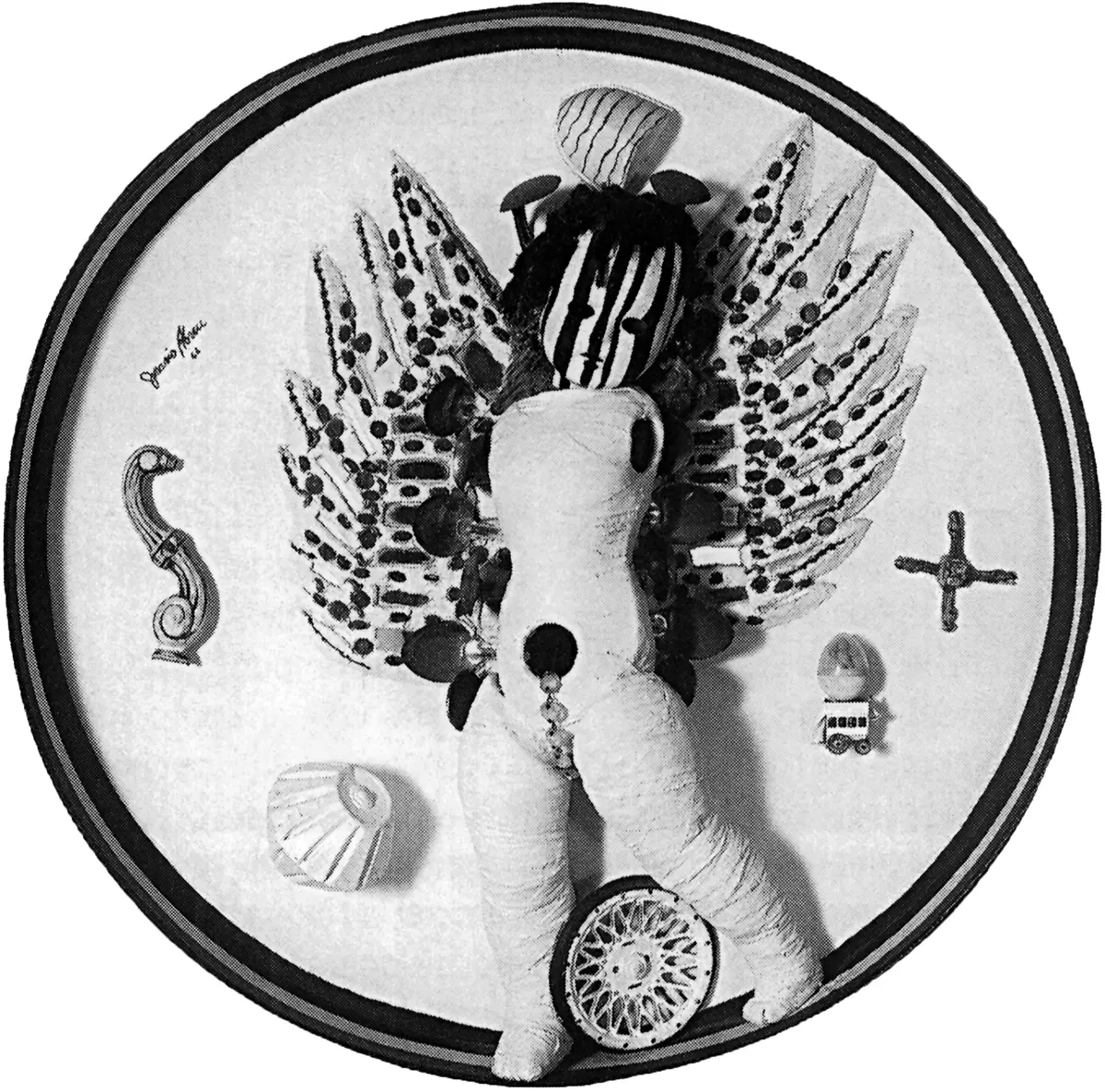
In the midst of this strong abstract panorama, a young artist, Jacobo Borges, was to produce a critical and aggressive figuration. In the 1960s, years full of violence and a desire for political and social change, the new figuration took as its main focus the human figure— not the idealized image of the 1940s, but rather the human figure expressed in total distortion, a member of a society which was convulsed and corrupted. For his part, Mario Abreu ignored the dispute between figuration and abstraction: his paintings belong to a fantastic category, while his Magical Objects are ceremonial in character. His works had an important impact on later artists who recognized the extent of his influence.
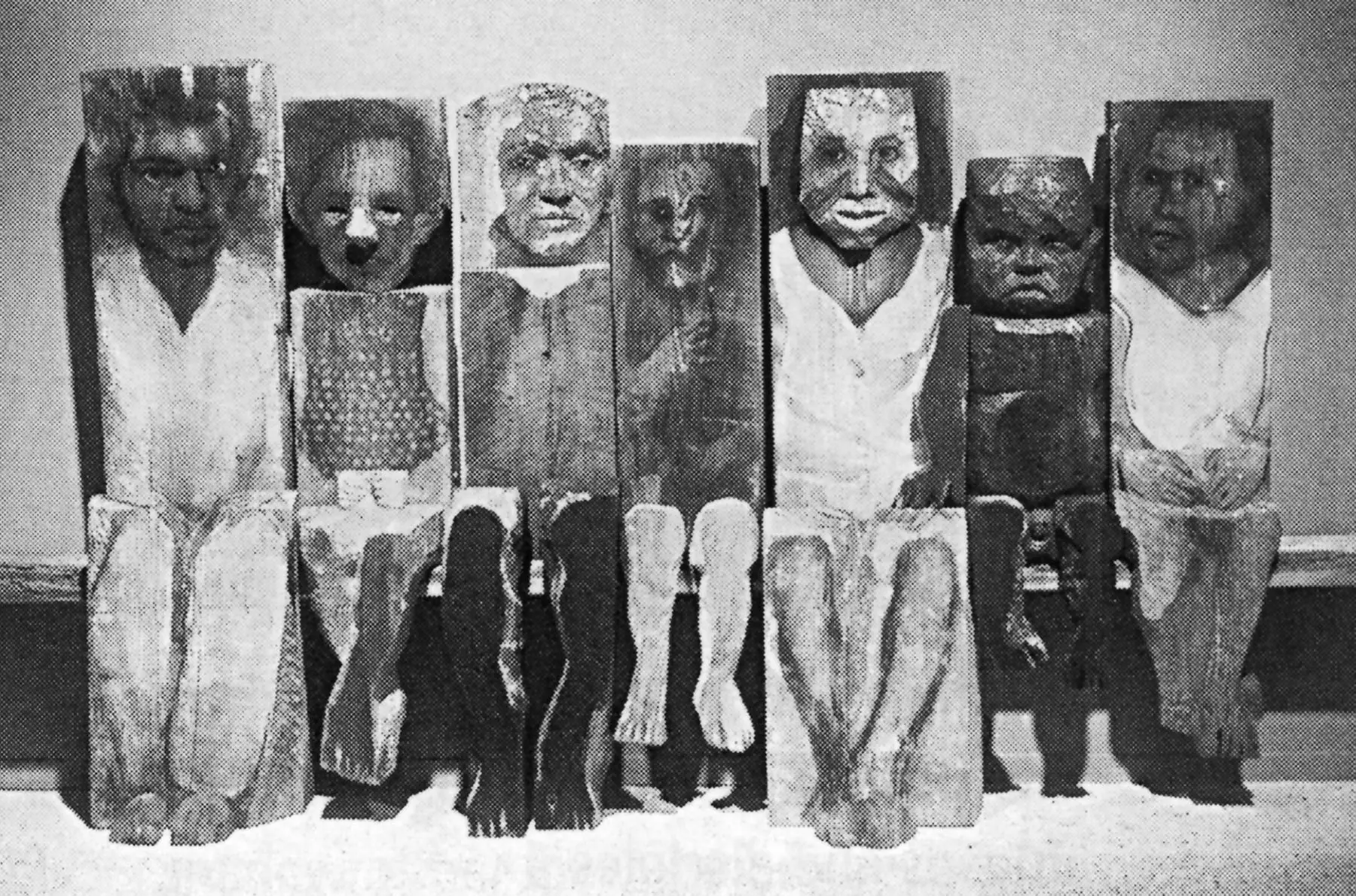
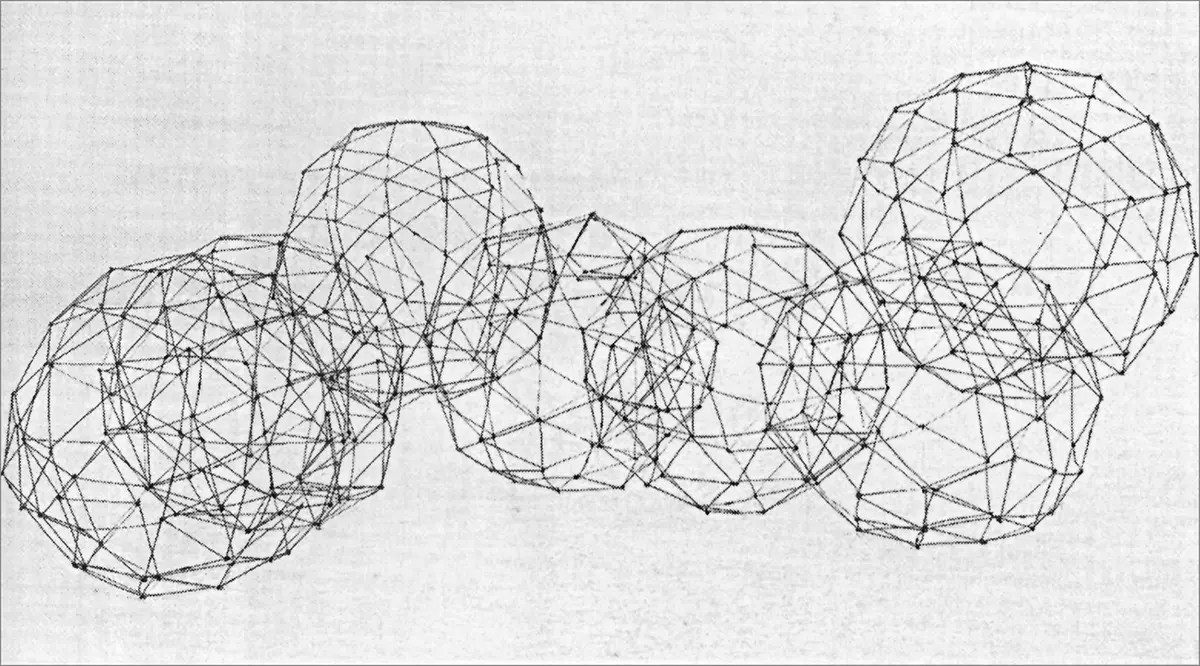
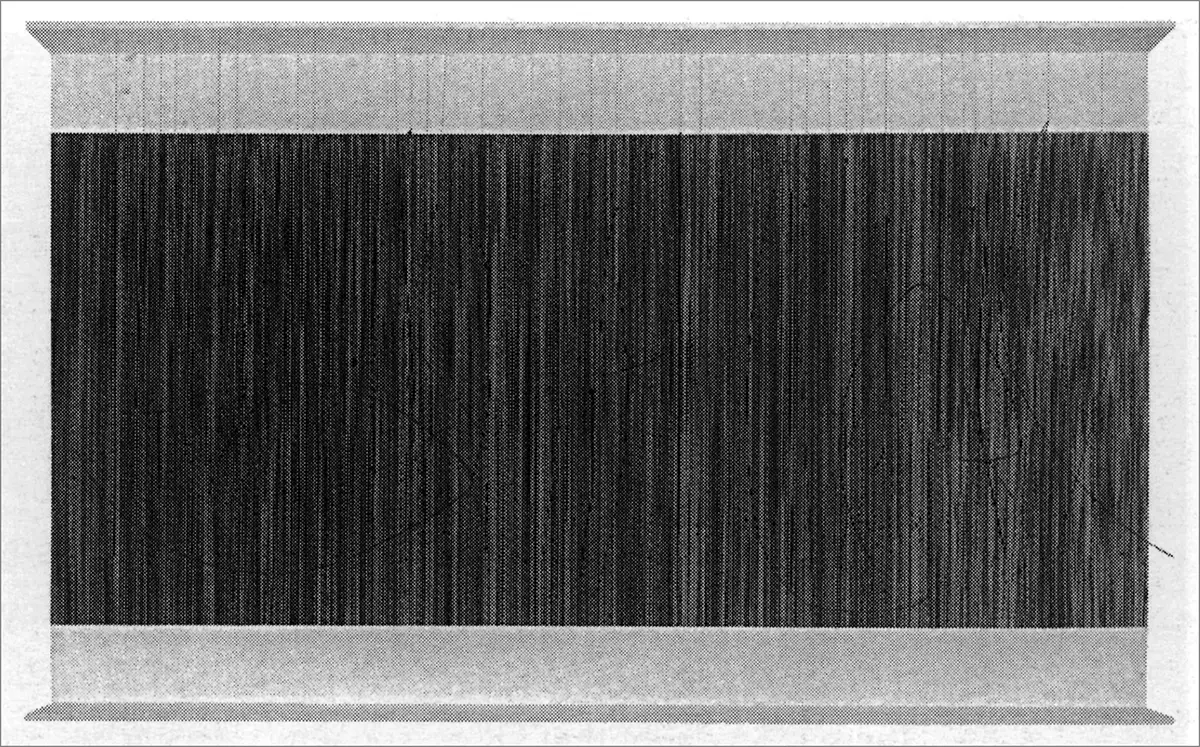
Marisol Escobar's work is a good example of the new figuration and pop art in sculpture. Using wood carvings, she creates a universe filled with every day and anonymous beings, generally taken from the urban context. Most of these figures are distinguished from one another by a combination of flat surfaces with volumes, and the assemblage of incorporated elements, as well as the interplay of textures, voids, and graphic resources (A. Tapias). In contrast, Gego takes sculpture, from the point of view of the materials to the limits of austerity. She works with three elements: space, the void, and the line, creating work in which the frontier between drawing and sculpture is very difficult to determine. Space is the principal protagonist of her work.
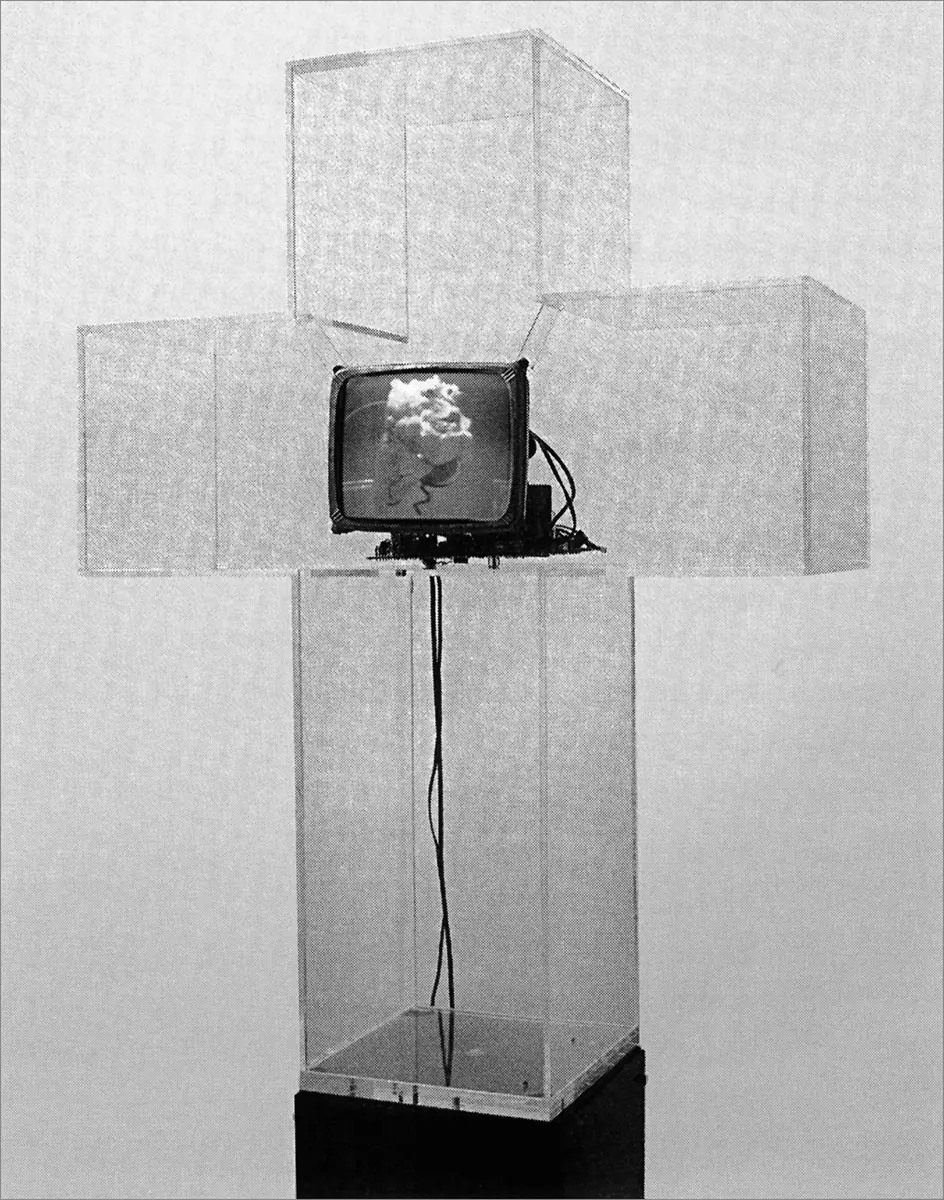
The 1970s were also marked by the presence of Eugenio Espinoza. During those years he focused his attention on conceptual works, an outstanding example of which is his Impenetrable, an installation that takes the form of an ironic and humorous parody of Soto's Penetrables. In the 1980s, he also produced his Karakana, a series in which the grid is subjected to saturating transformations through the medium of the painting itself, becoming in the process an emblematic work of the decade. Subsequently, during the 1990s, his versatility and capacity for change became emblematic features of his work in Self-Abstraction. The new generation was represented in this show by José Antonio Hernández-Díez, who has distinguished himself in the creation of works that make use of new technologies in a surprising and very personal kind of discourse. Ludic and humorous elements predominate in his assemblages, which simultaneously refer to social reality —with its precariousness and poverty— and to our most elemental sensations, including the experience of death itself. These are themes that give transcendence to his works. From the Century that is Ending: Twelve Artists of the Twentieth Century proposed a revision of our artistic history, as well as an open-ended dialogue on our past and present, our traditions and new tendencies. It was an exhibition full of fine judgment and absolute pleasure.
SUSANA BENKO