
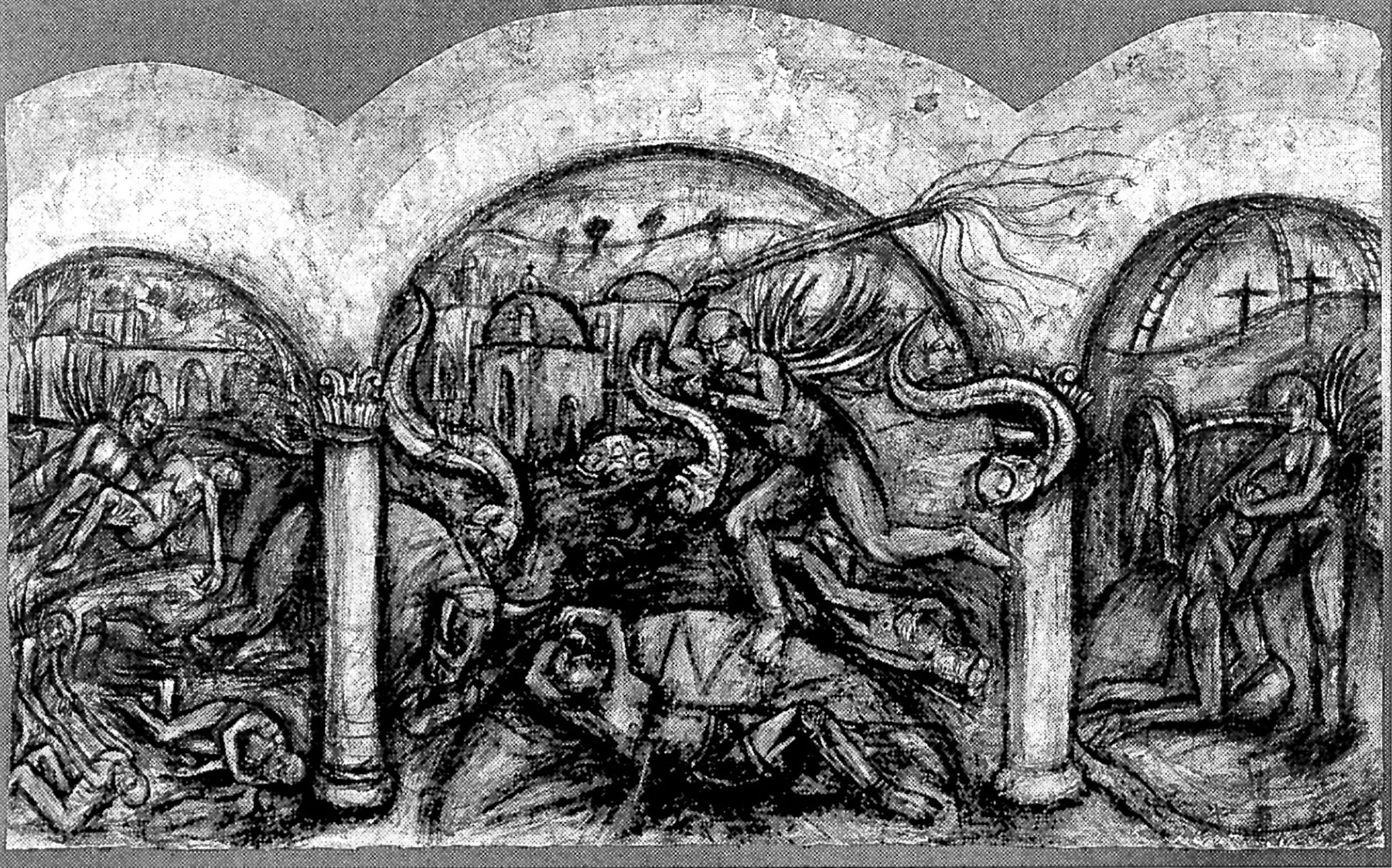
On October 5th, the first International Art Salon (SIART 99) was inaugurated on the premises of the National Museum of Art, the Museum of Ethnography and Folklore, the School of Fine Arts, the Gallery of the Vice-Ministry of Culture and the Simor I. Patino Foundation. SIART marks the return in Bolivia to the practice of holding biennial art exhibitions of a national and international kind such as the INBO biennials of contemporary art in the years 1975, 1977, and 1979, and the biennials of the Pacura Group in the years 1981,1983 and 1985.
The SIART 99 convocation attracted around 150 national and foreign artists who presented paintings, drawings, prints, sculptures, installations, and other works using non-traditional mediums. Entries came in from Argentina, Cuba, Chile, Egypt, Netherlands, England, Israel, Japan, Mexico, Panama, Peru, and Uruguay.
The local jury selected 34 paintings, 25 drawings and prints, 16 in non-traditional techniques, and ten works of sculpture. A national and international jury awarded the prizes.
In addition to an exhibition of the works participating in the prizes offered by Entel, Soboce, the Embassy of the Netherlands, and the Bolivian National Beer Company, there was a retrospective and tribute to María Luisa Pacheco, an artist who died in the United States at the beginning of the 1980s, and an international
exhibition of honor, with the participation of national artists from the 1952 generation, such as Hugo Almaraz, Emiliano Lujan, Marina Núñez del Prado, Gil Imaná, Solón Romero and Alfredo La Placa, among others, as well as foreign artists, including Francisco Toledo (Mexico), Nemesio Antúnez (Chile), Fernando Carballo (Costa Rica), Moisés Barrios (Guatemala), Carlos Colombino (Paraguay), Oswaldo Guayasamín (Ecuador) and Siron Franco (Brazil), amongst others. A seminar was also held between 12 and 16 October, in which a panel of participants reflected on contemporary Bolivian art.
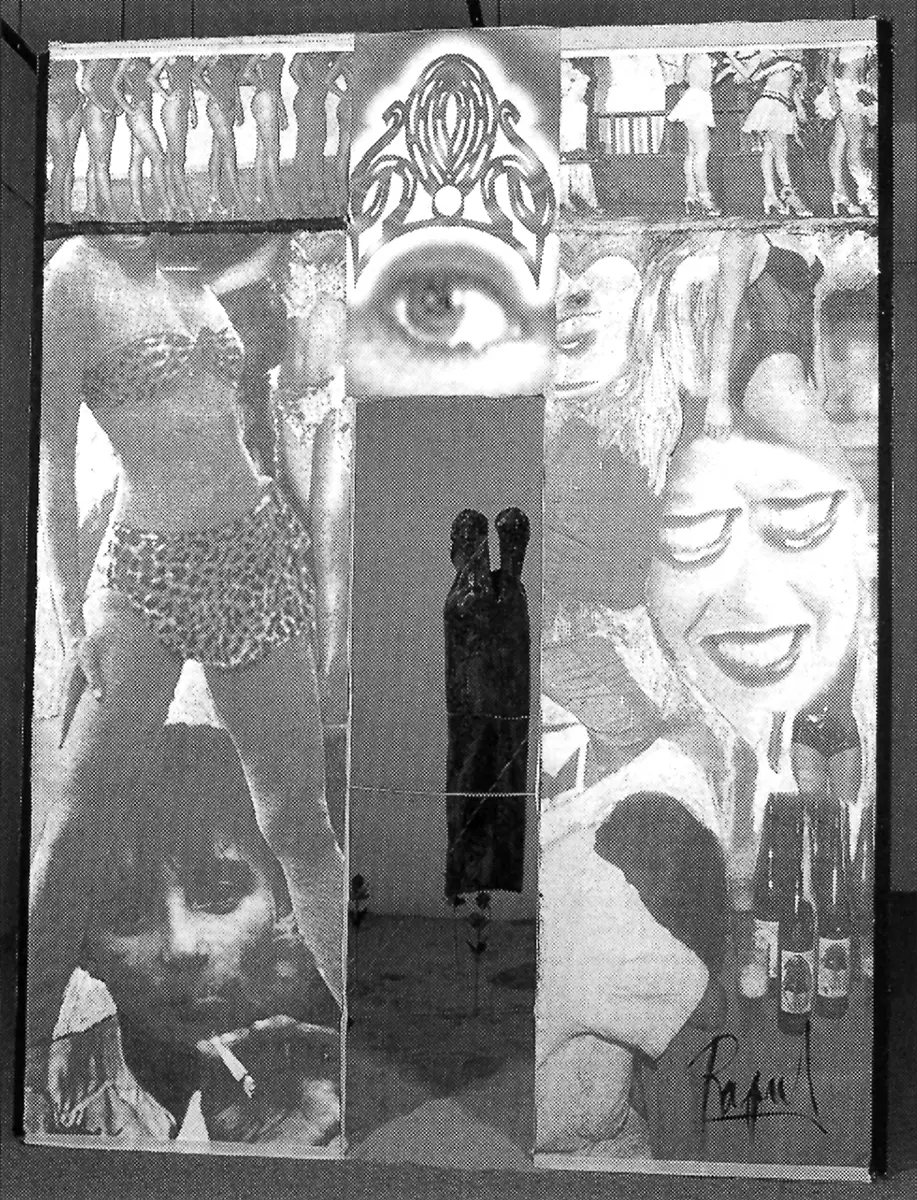
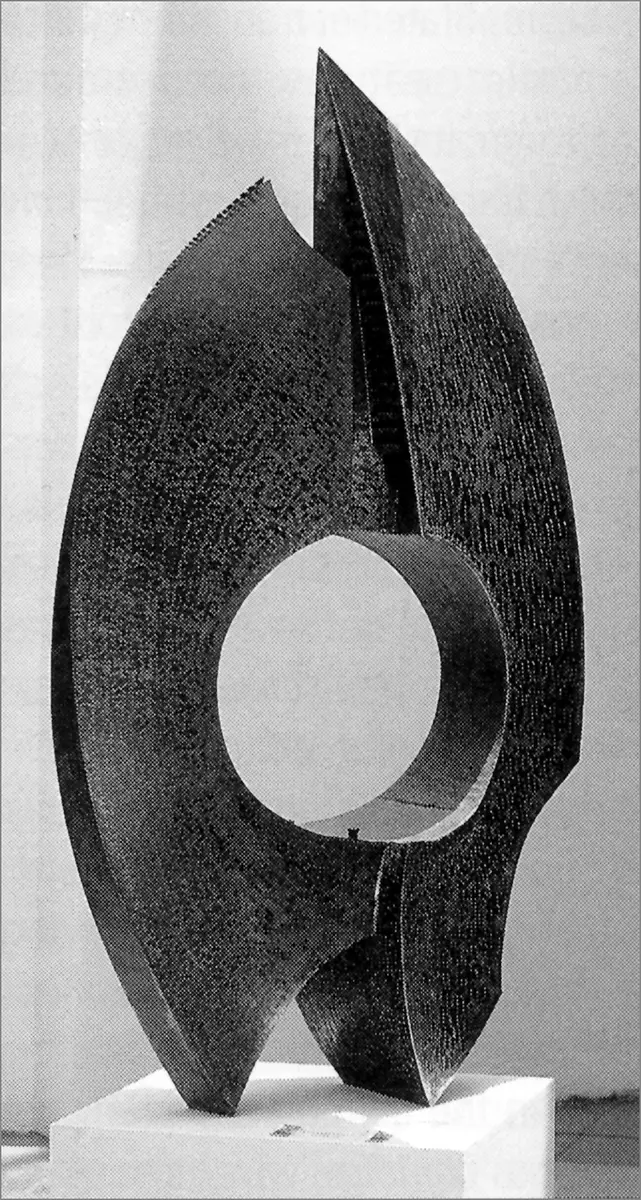
The painting prize was awarded to Keiko González (Bolivia), for a work titled Its very vagueness of it all. The sculpture prize went to León Saavedra Geuer (Bolivia), for an untitled work. The prize for drawing/printmaking was awarded to Danield Rosel Burgos, from Mexico. After lengthy discussions, the jury decided to divide the prize for non-traditional techniques between the two artists. A prize for installation art went to Raquel Schwartz (Bolivia), for her work titled Misses, and an award for" non-traditional techniques" went to Valia Caravalho (Bolivia), for a work titled Waiting for the enchanted prince.
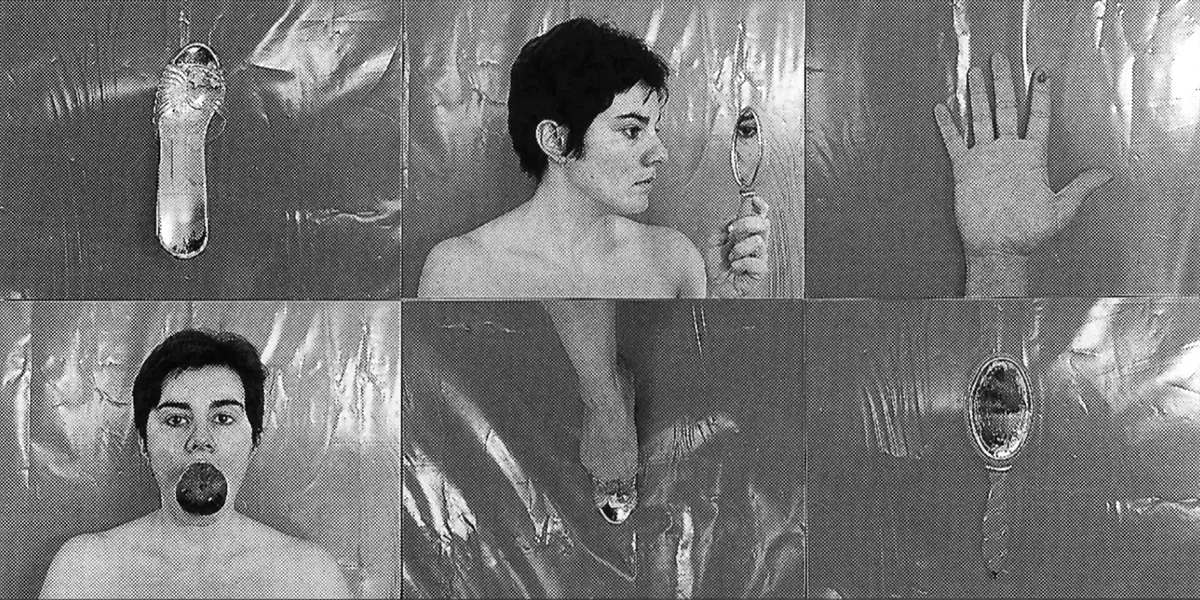
Honorable mentions were also awarded in the various sections to Marcelo Suaznabar (Bolivia), Mónica Packer (Uruguay), and Daniel Burgos (Mexico), for painting, Francine Secretan (Switzer and, resident of Bolivia), Manuel Miguel Salazar and Johnny Quevedo (both from Bolivia) in sculpture, Max Aruquipia, Alex Pelayo Ramos and Adriana Brava, in drawing/printmaking, and Tatiana Fernández and Diego Morales (both from Bolivia) for non-traditional techniques. SIART 99 offered the public, alongside more conventional works, an interesting series of proposals from the field of contemporary research. Special mention should be made here of the work of Valia Cavalho, who uses re-semanticized images (her portrait in a photograph, with symbols such as an apple and a shoe) to question the female idea of Prince Charming. Her work highlights the feminine stereotypes present in the collective unconscious.
The exhibition in tribute to María Luisa Pacheco acknowledged her role as a pioneer and promoter of change, and her contribution to the development of contemporary Bolivian art. Living in New York since 1956, this artist enriched the development of Bolivian art and participated in the organization of the INBO biennials. She was a member of the then-emerging Latin American vanguard, along with Omar Rayo (Colombia), Mario Toral (Chile), Julio Alpuy (Uruguay), and Rodolfo Abularach (Guatemala), amongst others. She belonged to a generation of artists who introduced abstract language into Latin American art. In the 1950s, her work was characterized by gestural features, in which she worked spaces with textural resources. In the following decade, she used little color and preferred to emphasize the role of texture in the construction of her works. This characteristic diminished at the end of the decade when she returned to color. Although her work was abstract, it contained formal references—memories of the mountainous landscape of Bolivia, and in the last years of her life, there was the presence of the light of the Andes, with a predominant use of white.
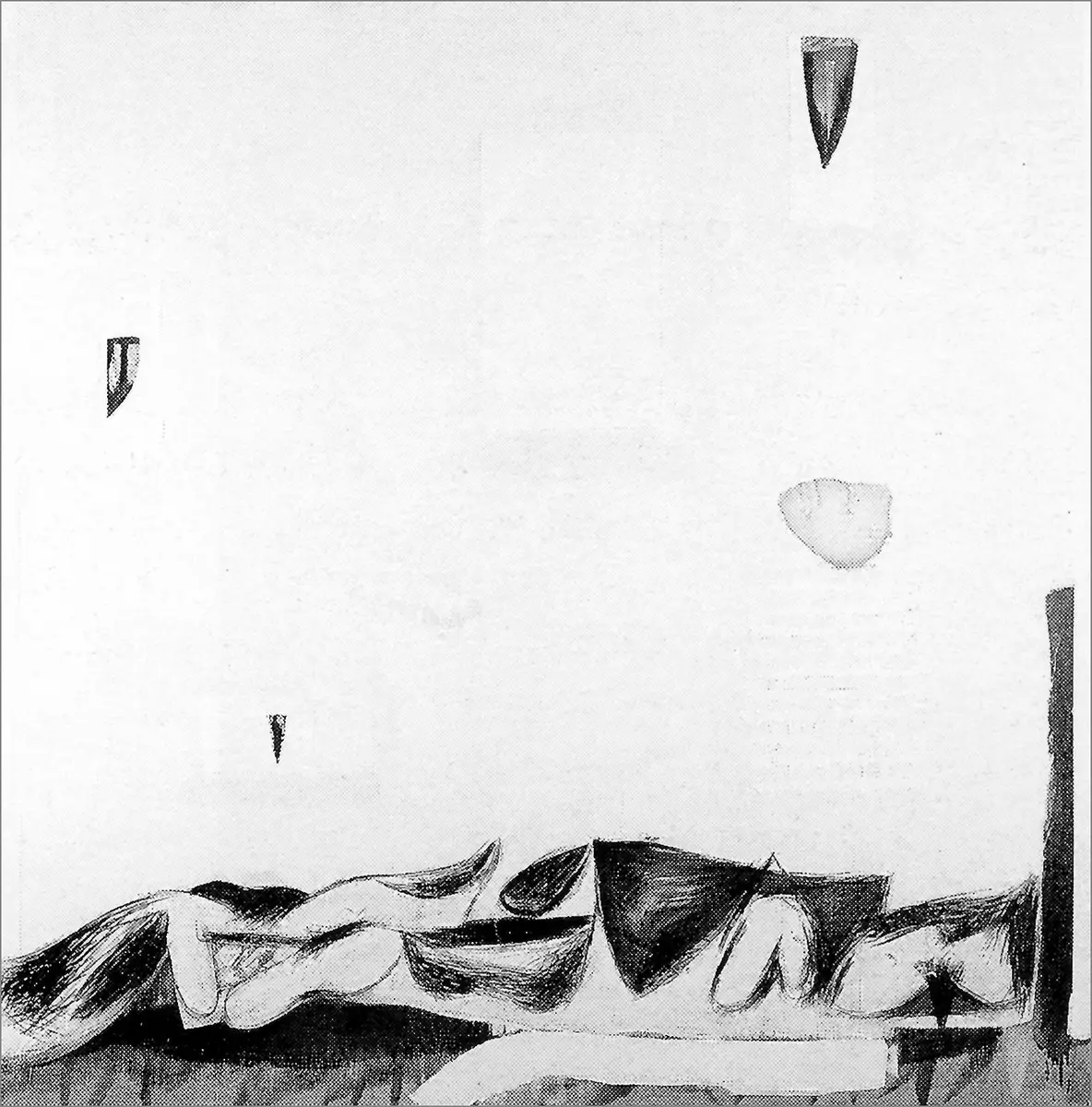
The 1952 generation in Bolivia was another highlight of the exhibition of honor. This generation was responsible for opening up Bolivian art to new languages, marking a series of ruptures motivated by the desire to renew art. It should be recalled that 1952 was the date of the political and economic revolution in Bolivia, which brought about agrarian reform and put an end to the political boss structure of power in the countryside, and nationalized the mines and petroleum. One of the innovations of these artists was the introduction of abstract tendencies, which many users in a very special way explore, as in the case of María Luisa Pacheco, formal references to the unusual landscape of Bolivia. Others eluded the emergence of militant positions, a socially committed art, including the practice of muralism, and the adoption of formal techniques taken from the early avant-garde movements of the century.
SIART 99 offered the opportunity to look at contemporary Bolivian production in the context of the history of art in the country, as well as a chance to make comparisons with the art of other countries.
LISBETH REBOLLO GONÇALVES