
The ninth edition of the Cali Art Festival, held in September, included a series of exhibitions in various institutions. Exquisite Corpses was a show based on the surrealist game of inviting a number of artists to work together and produce collective drawings. Forty-eight professional artists from five generations and various disciplines, including architects, photographers, video artists, draughtsman, print-makers, painters, film-makers and sculptors, participated. Pluridimensional was an exhibition of sculpture and objects by 20 Colombian artists from five generations, which illustrated the diversity of opinions and of various materials and solutions (Museum of Modern Art La Tertulia). The Sea: The Eternal Return was an archaeological exhibition that examined the relationship to the sea during the pre-Columbian period of a number of cultures that inhabited Colombia (Calima Gold Museum, Bank of the Republic). The Festival also included individual exhibitions of sculpture by Edgar Negret (La Tertulia), paintings by Lucy Tejada (Casa Proartes), sculptures by Hernando Tejada (La Tertulia), photography by Mercedes Sebastián (La Merced Archeological Museum), drawings by Vivían Monsalve (Sociedad de Mejoras Publicas), paintings by Diego Pombo (Casa Proartes), and drawings and paintings by Enrique Buenaventura (Centro Colombo Americano).
The Centro Cultural presented in its two large rooms a show of new photography and video, titled Whims, that included twenty artists, many of whom work in both disciplines.
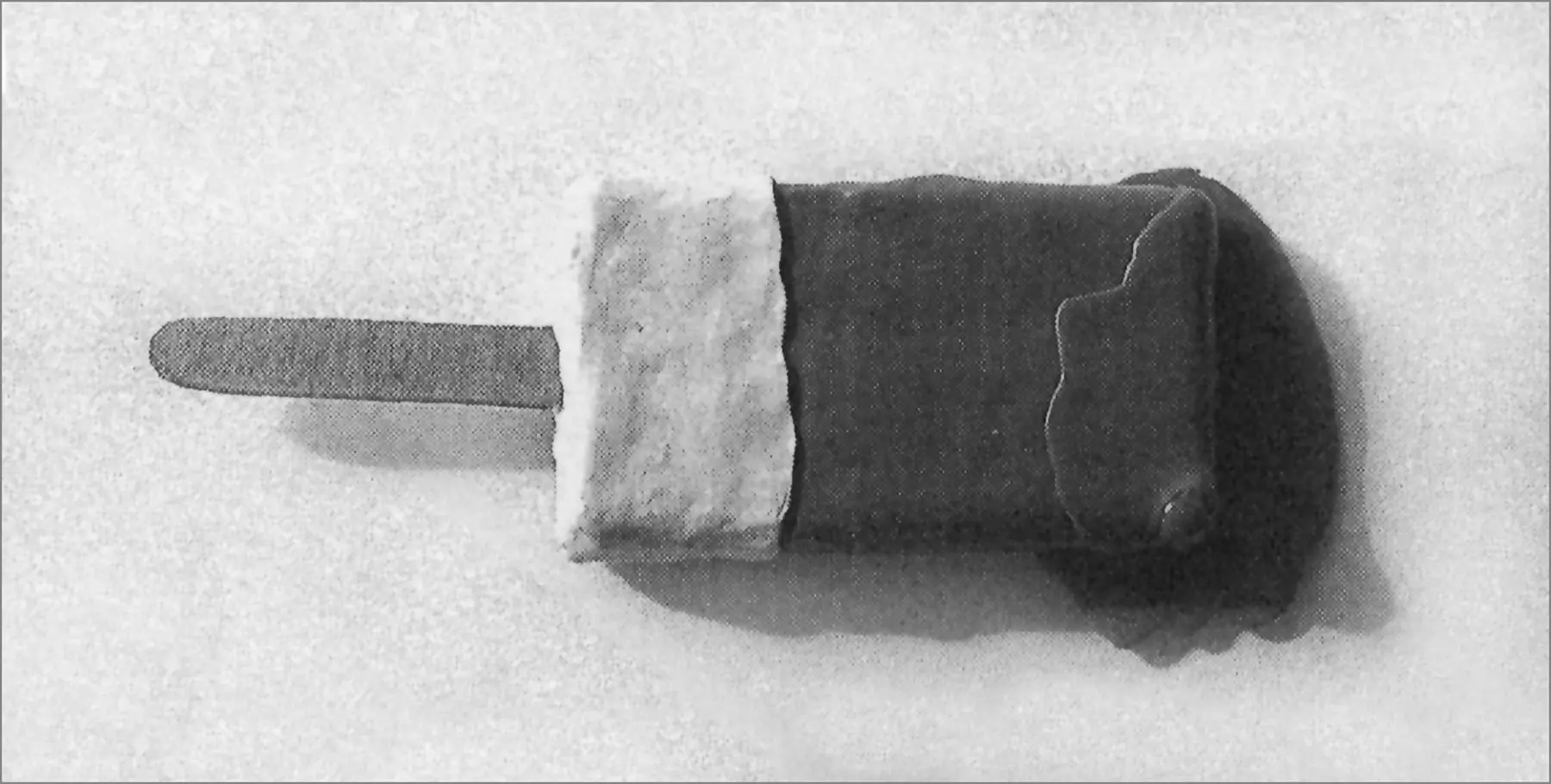
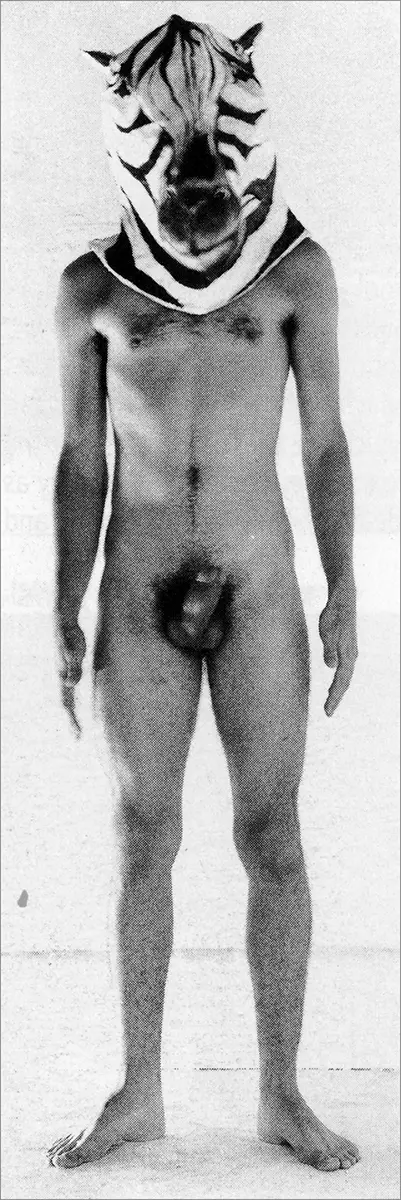
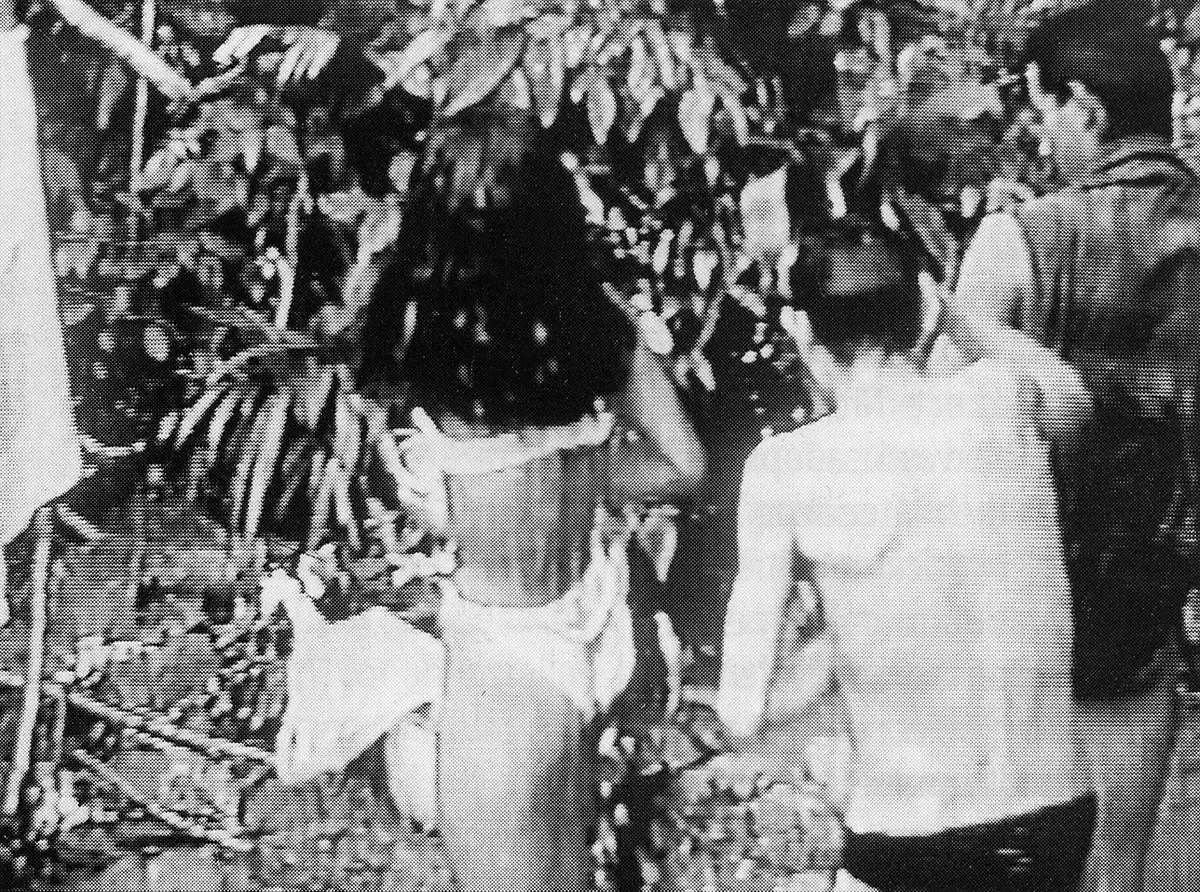
Whims offered examples of ways of approaching the photographic phenomenon and electromagnetic recordings according to the different options and potential they offer. The selection included works of appropriation, such as the stills from a video showing guerrillas bathing themselves in a moment of relaxation (Tomás Reyes); the documenting of abandoned gardens in a neighborhood whose inhabitants have left and moved to other cities in Colombia or emigrated (Leonardo Herrera); the manipulation by computer of images of insects and their surroundings (Carolina del Llano); male nudes of adolescents with erect penises and animal masks in an allusion to childhood perversions (Wilmer García); fictitious stories concerning notable figures in sequences with the development and narration of anecdotes (Giovanni Vargas); plasticine dummies used as models for publicity photo shots; the imitation and enhancing of truth as a means of stimulating desire (Ernesto Ordóñez); video as a vehicle of personal fiction in a false narrative biography (Beatriz Stouvenel); or the appropriation of cinematographic or television images as a means of generating new stories (Ana María Millán).
Whims offered an opportunity to examine various kinds of interplay, including the use of banality, irreverence, transgression, and the voluntary forgetting of suppressed responsibilities. It successfully incorporated a sense of animation and irony, posing a challenge to academic discourse, processes of supplanting and documentation, beyond the realms of rhetoric, facile compliancency, and production as a market instrument.
MIGUEL GONZÁLEZ