
To Honor Latin America
The International Modern and Contemporary Art Fair (FIAC), recently held in Paris (September 14-21), this time invited an entire continent. Nine countries from Latin America were represented by several galleries (Argentina, Brazil, Chile, Colombia, Mexico, Peru, and Venezuela) or by one gallery, as in the case of Puerto Rico and Cuba. For most of these galleries, it was their first FIAC and for most of the artists, their first contact with France.
Several nations with different political and cultural histories were therefore brought together under a generic heading which is sometimes rather vague and often accompanied by a reductionist view that can be traced back to Europe. Thirty galleries, three solo exhibitions, and almost 200 artists is a level of participation that seems initially to be impressive. But this edition of the FIAC also revealed a weakness; the result of an initial totalizing schema (to the detriment of the strength and vitality of the art of this continent) based on the disappearance of individualities in favor of some abstract concept. Further, this concept of "Latin America" can actually repress idiosyncrasies and make them subject, in a very negative way, to some pre-conceived vision in which they lose their respective individuality or identity, a process that only perpetuates the myths and clichés which critics find it so hard to get rid of.
As regards the national press, the newspapers failed to cover the subject in a satisfactory manner or to offer any analysis of the presence of Latin American artists brought together for the first time at the FIAC. They preferred to focus on hackneyed and morbid accounts of social and cultural conditions (the way violence conditions both artists and their work, for example in Le Monde, September 18th) or simply ignored the presence of the artists gathered together in the section titled "L' Amérique Latine á l'honneur" (Libération, September 15)—a disdain or ignorance that contrasted with the extremely warm reception given to these artists by the public and collectors (according to the galleries and the number of entries). This an interesting contradiction on which it is perhaps worth reflecting.
The invitation and selection of the Latin American galleries were the results of an attempt by the FIAC to fashion a new image for its 26th edition; one that was more international and contemporary. A timid opening up at the cultural level, with the organization of meetings and debates within the fair itself (the "Cafe des Arts") and a stronger emphasis on the new information and communication technologies ("Cyber Space" in association with the Ministry of Culture, the America Online, and Apple), were also intended to help achieve this goal. But the FIAC invitation to Latin America was essentially an honorary gesture and involved from the beginning a number of limitations affecting the actual scope of that participation (mainly related to foreign currency needs in the dollar zone). By contrast, the Spanish fair ARCO helps finance the galleries that it selects for participation by providing them with 40 square meters of exhibition space free of charge. Furthermore, in Madrid, the government is an active participant in the fair (which has a genuine cultural dimension), whereas in Paris, space is rented out and the FIAC receives no support from the government. Only the "Perspectives" section received some sponsorship enabling it to invite 24 pre-selected international galleries, including five from Latin America (discussed below). As was the case last year, financial assistance was provided by a private sponsor, the Cartier Foundation for Contemporary Art.
Established in 1974 at the Bastille, the FIAC subsequently transferred to the Grand Palais before moving on to the Quai Branly (for security reasons) and then to the International Commercial and Agricultural Exhibition Park at the Porte de Versailles, just south of Paris. In a site created for the fair, the event has been gaining in scope, exhibition surface space, and ease of circulation. This led to greater visibility and thus a better appreciation of the works on display. With its public and commercial success (according to the press and the organizers), the new FIAC thus scored a hit in presenting its new image, which was also helped by the excellent catalog (with a supplement on Latin America) published on this occasion.
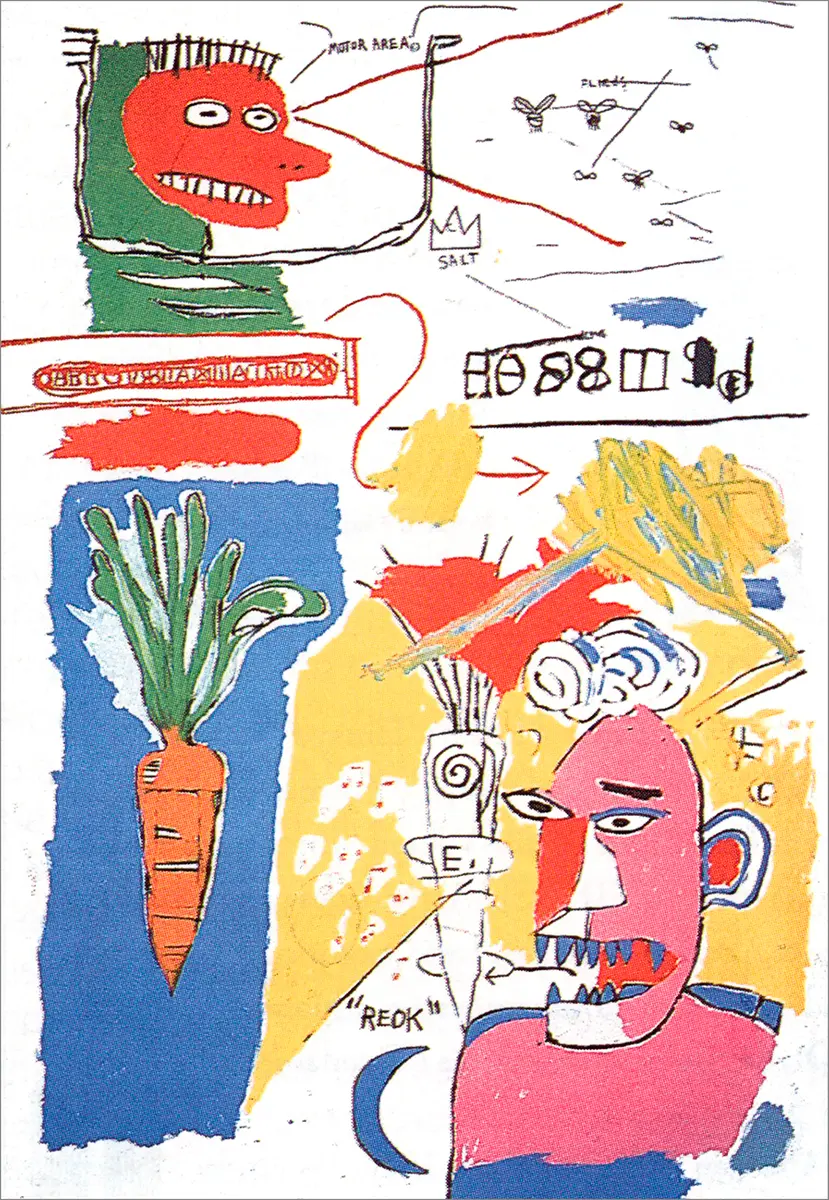
This new spatial arrangement in the elongated rectangular form in fact comprised several different FIACs, with 182 galleries and a new section entitled "Sculptures-installations" (with 16 projects including those of Pablo Reinoso [Argentina], Dhara Rivera [Puerto Rico] and Agustín Cárdenas [Cuba]). Approximately one-quarter of the galleries focused on the history of the art of the twentieth century, including the big names of cubism, abstraction, and surrealism, as well as the presence of a few young artists who have become legends, such as Jean-Michel Basquiat (with three handsome canvases presented by the Enrico Navarra Gallery in Spain). As one continued on through the space, one came across Durand-Dessert which displayed two large monochrome portraits by Yan Pei-Ming (a Chinese painter living in Paris), while Visita (Florence) offered a very interesting series of portraits by Francis Picabia (from 1927 and 1938). Mention should also be made of a remarkable one-man show at the Jeanne-Bücher Gallery of eleven canvases by the French painter Paul Rebeyrolle, 1926, who at 73 has lost none of his pictorial passion and freedom of expression.
The Latin American galleries occupied the second quarter of the fair, before access to the other half of the exhibition space devoted to French and foreign contemporary art. As regards the Latin American presence, we might initially say that the representation of many artists known in Latin America but not in Europe was underestimated; there were few major works on display despite an excellent choice of artists by the galleries and a significant number of medium format works. I had the impression—which is perhaps mistaken— that the Latin American galleries, or at least several of them, keep the major pieces for the local market and show only the less important works (in terms of format and quality) outside their respective countries. The Latin American presence would have gained visibility and understanding if a few spectacular (though perhaps not marketable?) works had been included, even though this might have "disrupted" the fairly "classical" (sales-oriented) choices that were made. A large concentration of works, which sometimes gave the impression of being excessively eclectic, proved to be detrimental to the attention paid to the artists and the discovery and appreciation of their works. In the sphere of international contemporary art, the Latin Americans have nothing to prove, but their representation would have benefited if it had been more daring and risqué.
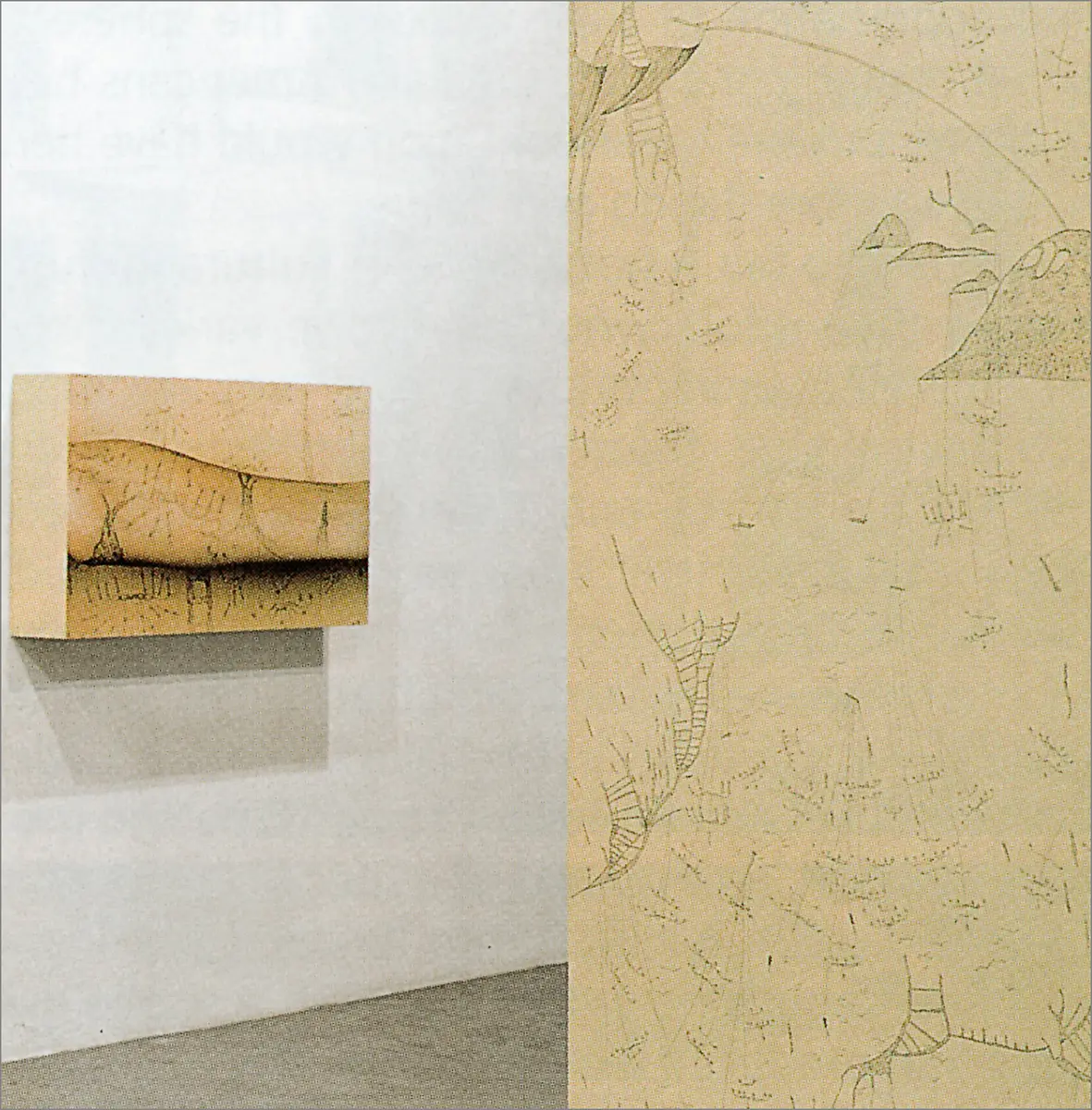
Although a fair is not a place of cultural diffusion, nevertheless the visitors who come have various expectations, which are not unimportant, even if they are not strictly of a commercial kind. Brazil and Mexico, with the largest number of galleries (ten and seven, respectively), led the pack. The Brazilians (Brito Cimino and Casa Triângulo Galleries) had been selected, along with the Mexican Gallery BF 15 of Monterrey, as well as the Colombian Carlos Alberto González Gallery, the Puerto Rican Michelle Marxuach Gallery, and the Chilean Isabel Aninat Gallery, to participate in the "Perspectives" section, on the basis of a specific project dealing with present-day art. Sandra Cinto (Brazil, Casa Triângulo) presented a handsome installation with a subtle graphism on glass that produced a delicate interplay of shadows, alongside photographs by Marcelo Krasilcic and the most recent (less tactile, and more organic) canvases of Paulo Whitaker. The Michelle Marxuach Gallery, which was participating in the FIAC for the first time, had two stands with two individual shows. It was above all the immaculate and delicately perverse installation by Ernesto Pujol (Whiteness invisible) which attracted attention.
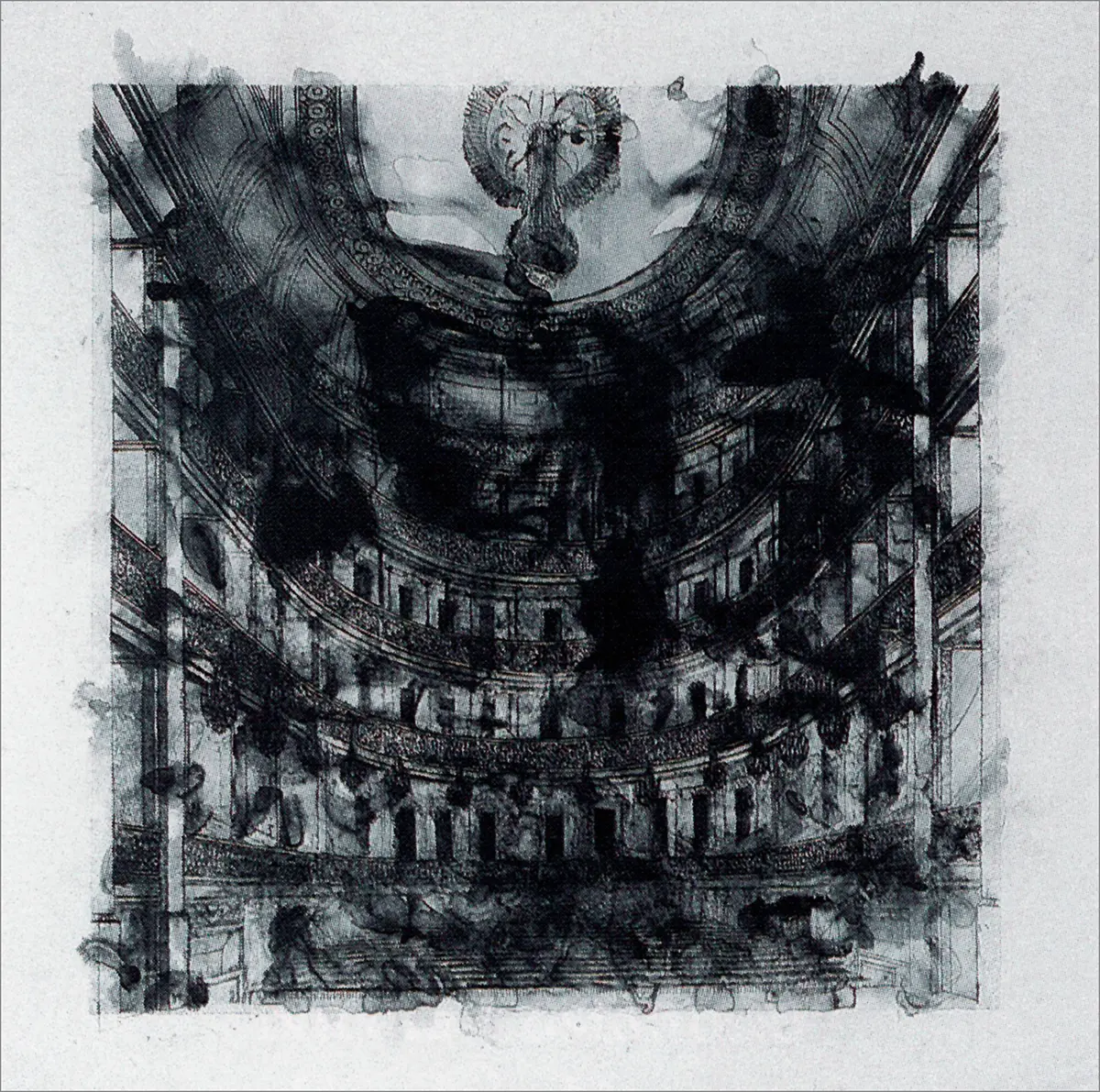
Considerable coherence in the selection of artists, a balance in the formats and the quality of the works: the Brazilian representation (exclusively made up of national artists, unlike the Mexicans, who presented Cuban, Argentinean, and Brazilian artists) was excellent, and the galleries, by showing a restricted number of artists, were able to give a relatively good idea of the line they were defending. This was the case with the Marilia Razuk Gallery from São Paulo, which paid great attention to the museography of its space, which included works on paper by Esther Grinspum and a superb piece (in cotton rag paste) by Hilal Sami Hilal (1999), an artist who had never exhibited in France before. Nara Roesler presented two artists (one would have liked to see more of their works): Jeannette Musatti (Recortes na paisagem, objeto, 1994) and Nina Moraes. Raquel Arnaud offered a selection of gallery artists, with regrets for the absence of Iole de Freitas. The Camargo Vilaga Gallery also presented very good work, including objects by Jac Leirner, and photographs by Miguel Rio Branco and by Vik Muniz. At Tomas Cohn, there were some large format pieces of high quality by Kuitca and Julián Trigo, as well as a very handsome work by Daniel Senise (Miner, 1999). The Jean Boghici Gallery (one of the oldest and last galleries of Rio) offered a very beautiful mini-retrospective of work (in bronze) by Maria Martins, a Brazilian sculptor who has lived in Paris and rubbed shoulders with the surrealists.
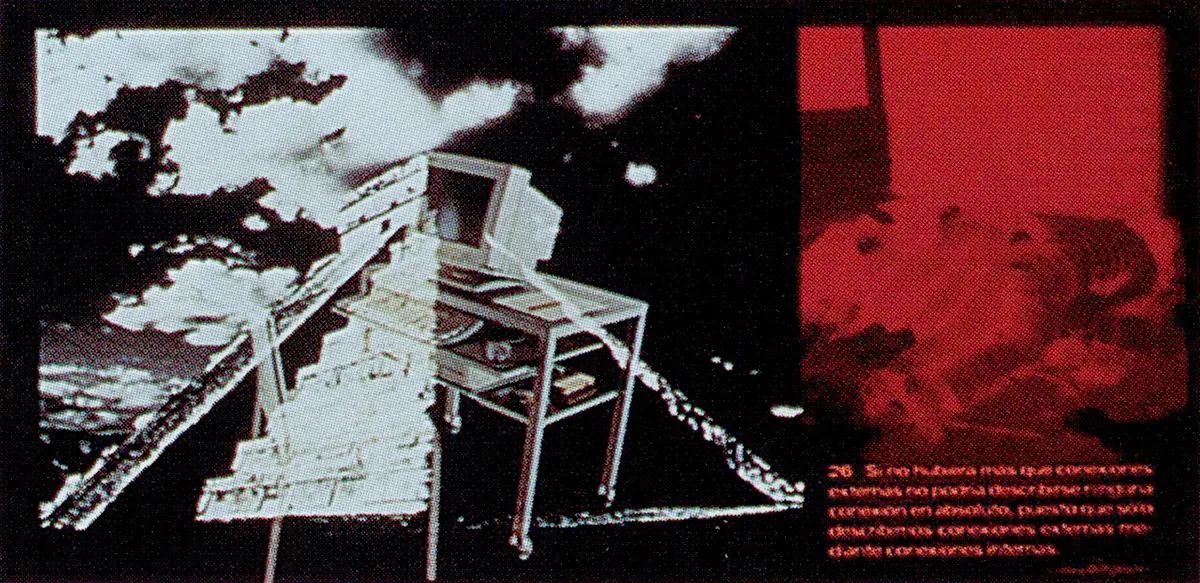
While the Brazilian representation confirmed that post-constructivism and post-neo-concretism are still alive and well, most of the Mexicans offered a fairly faithful image of the neo-figuration of the 1980s and the following, more conceptual generation, with Latin American artists keenly sought after in the North American market. These galleries as a whole occupied an important space and represented a large number of artists. The Ramis Barquet Gallery selected Mexican and Latin American artists, including a very fine work by José Bedia, Le Bateau Ivre (1999), a superb piece by Daniel Senise (1998), two large format works by Luis Cruz Azaceta (Crossing, 1999) as well as recent, less convincing pieces by Julio Galán. It also devoted several walls to a quality exhibition of photography (Flor Garduño, Manuel Álvarez Bravo, and Marta María Pérez Bravo, among others).
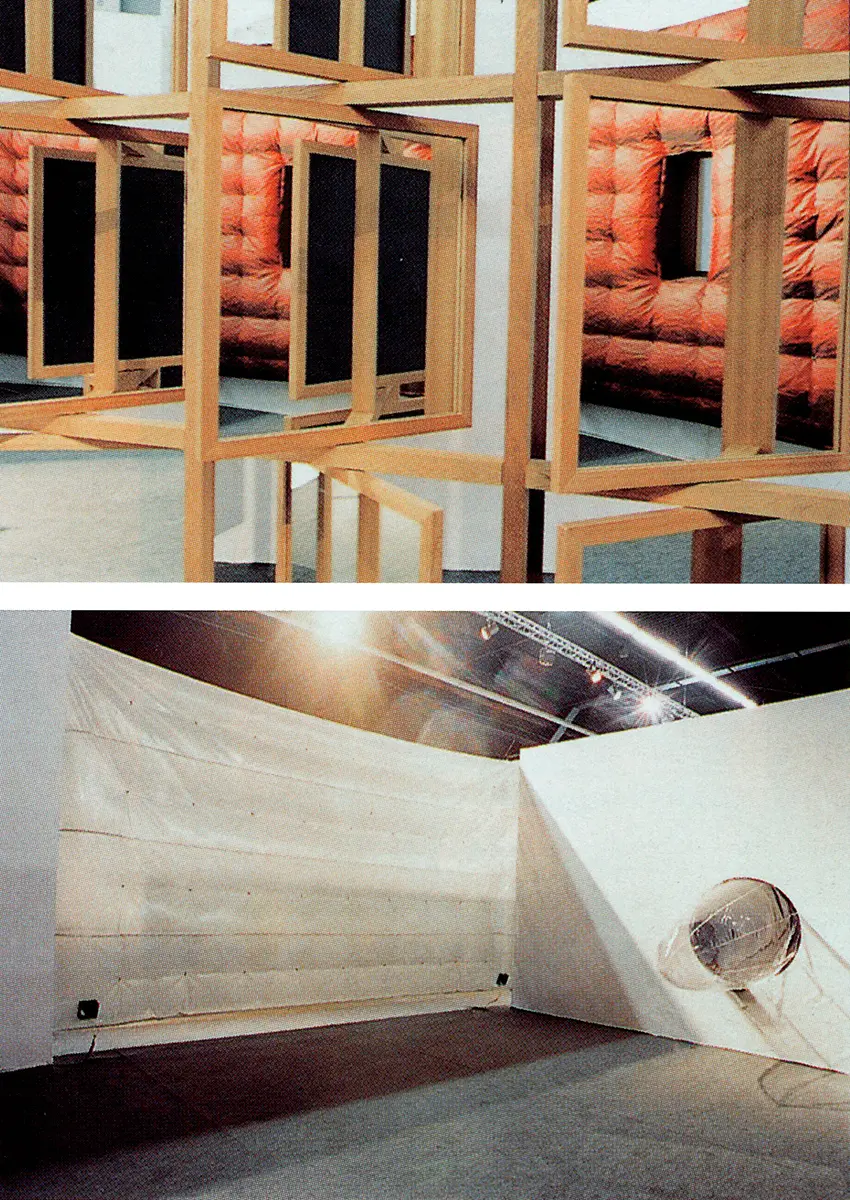
Arte Actual Mexicano, from Monterrey, presented four beautiful self-portraits by Julio Galán, a work by Arturo Marty, and less impressive pieces by Ismael Vargas and Ximena Subercasseaux. It was a pity that there was not a more representative work by Paula Santiago. The Enrique Guerrero Gallery exhibited works by Kuitca and Galán from the 1980s, and for the first time at the FIAC, pieces by the young Víctor Rodríguez, who has had considerable commercial success in recent years. Nina Menocal (Mexico) had a fine show that included works by the Cuban Sandra Ramos, Boris Viskin, and Raymundo Sesma; the same can be said of the OMR Gallery, whose show included works by Xawery Wokski and Mauricio Alejo. The Yvonamor Palix Gallery is as dynamic in Paris as in Mexico, and presented artists from the gallery, including the Mexican artists Yolanda Gutiérrez, Alicia Paz, Víctor Rodríguez, and Ambra Polidori are very well received. The Argentinean Pablo Reinoso, also present at Ruth Benzacar, surprised visitors with an ambitious installation (presented by the two previously mentioned galleries) in the "Sculptures+ Installations" section. Titled the Meninas horizontally, the installation made the spectator into a kind of voyeur and a violator. It consisted of a psychoanalytic interpretation of Velázquez's painting in which Reinoso integrated his "breathers" into a presentation of space and volume that explored contrasts between the interior/exterior and in use of materials.
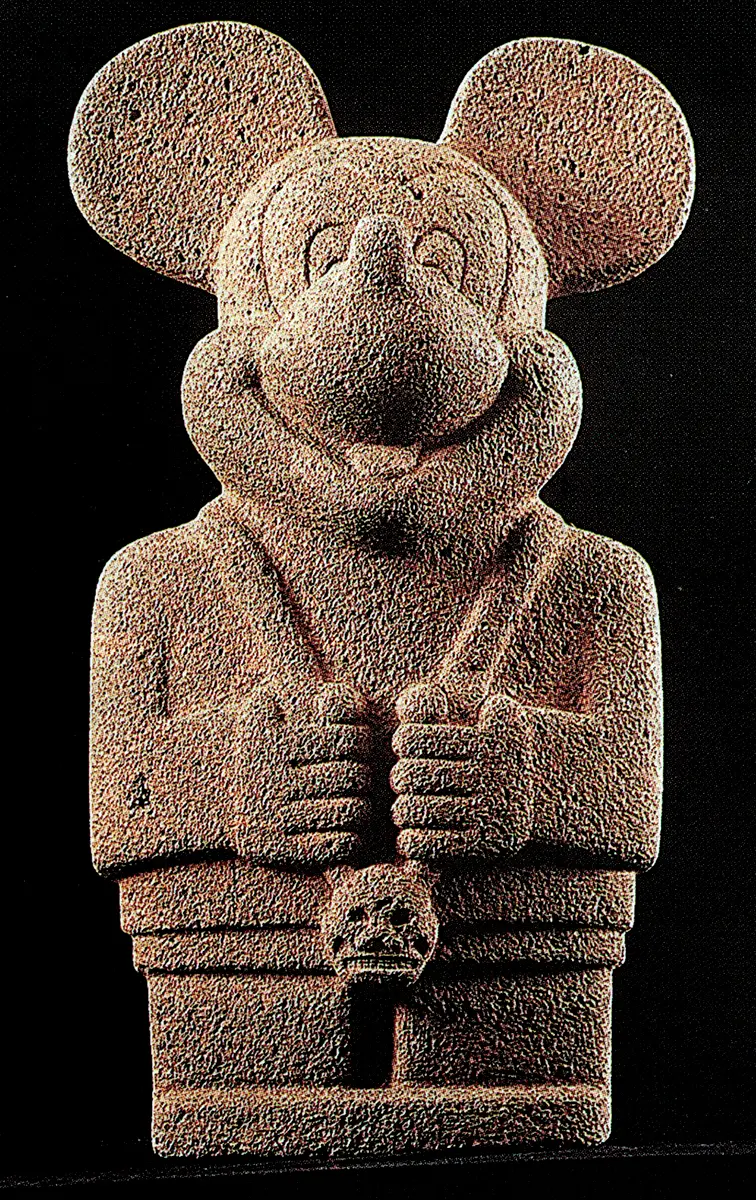
Argentina was represented by the Diana Lowenstein Gallery (with an interesting solo exhibition of nostalgic objects and collages by Carlos Gallardo); and the Ruth Benzacar Gallery which Liliana Porter (one would have liked to see her larger format pieces), Luis Benedit, Pablo Reinoso, Jorge Macchi, and Marie Orensanz. The El Museo Gallery represented Colombia, with works by Fernando González, Ana Patricia Palacios, Vicky Neuman (Niño Sirena, 1999), and the Spanish artist Paloma Navares (Hairdresser Objects), and by the Carlos Alberto González Gallery, selected for the "Perspectives" section, with works by Nadín Ospina and Fernando Arias. Two Peruvian galleries also courageously played the one-man show card, with two mature artists, Alberto Guzmán at Forum and Ramiro Llona at the Lucia de la Puente Gallery.
There were three galleries from Chile: Isabel Aninat, Malborough (which exhibited works by Alex Katz (also present at Thaddeus Ropack), Ignacio Iturria, and Botero, among others; and Tomás Andreu, with a one-man show of work by Gonzalo Cienfuegos whose academic tendencies proved rather disappointing and did not really present the image we expected of Chile today. Cuba was represented by the La Acacia Gallery which presented a performance by Manuel Mendive on opening day. Several other Cuban artists were well represented by various galleries, including José Bedia and Luis Cruz Azaceta at Ramis Barquet (Monterrey); Nathalie Obadia (Paris), Kcho at Daniel Templon (Paris), Sandra Ramos and Ulises González at Nina Menocal (Mexico); Jorge Camacho at 1900-2000; Thessa Herald (Paris); Cárdenas at Patrice Trigano (Paris); and René González Peña and Manuel Piña at JGM (Paris).
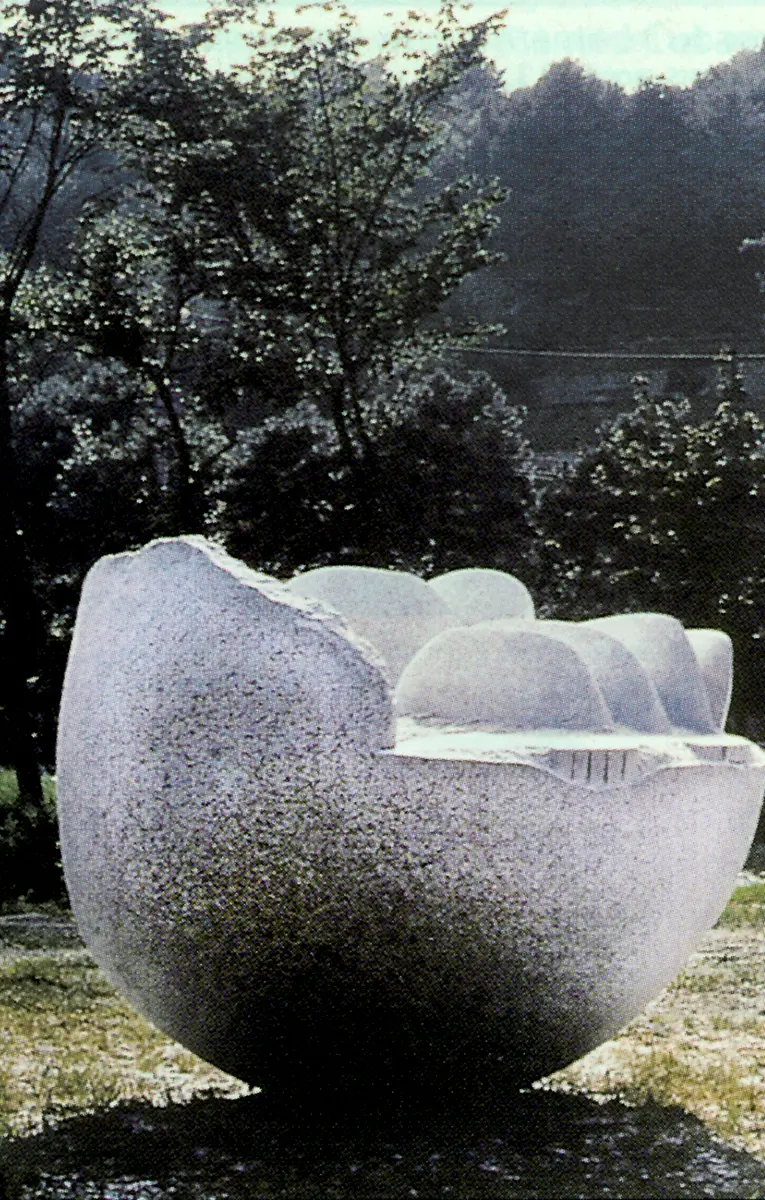
Two Venezuelans from Paris showed their recent work at FIAC. Gabriela Morawetz exhibited her "human landscapes" at the Felix Gallery and Pancho Quilici displayed his metaphysical and constructed landscapes at Minautoro (Caracas) and Thessa Herald.
The French galleries which have been interested in Latin American art for several years did not respond as one might have expected. This was the case with Albert Loeb (absent from the fair), Claude Bernard (a one-man show by Leonardo Cremonini), and Marwan Hoss (an individual show by Geneviève Asse). Some galleries did play the game, including Thessa Herald (Cárdenas, Camacho, Cuevas, Lam, Matta, Kaminer, and Quilici), 1900-2000 (Camacho, Cárdenas, Camargo, Antonio Díaz, Krajcberg, Lam, Torres-García, and Vanarsky), JGM (with Cárdenas, Vik Muniz, René González Peña, and Manuel Piña), Nathalie Obadia (with José Bedia, Beatriz Milhazes, and Manuel Ocampo) and La Serre Art Contemporain (St. Clair Cemin, Julio Galán, Guillermo Kuitca, Ray Smith and Adriana Varejão).
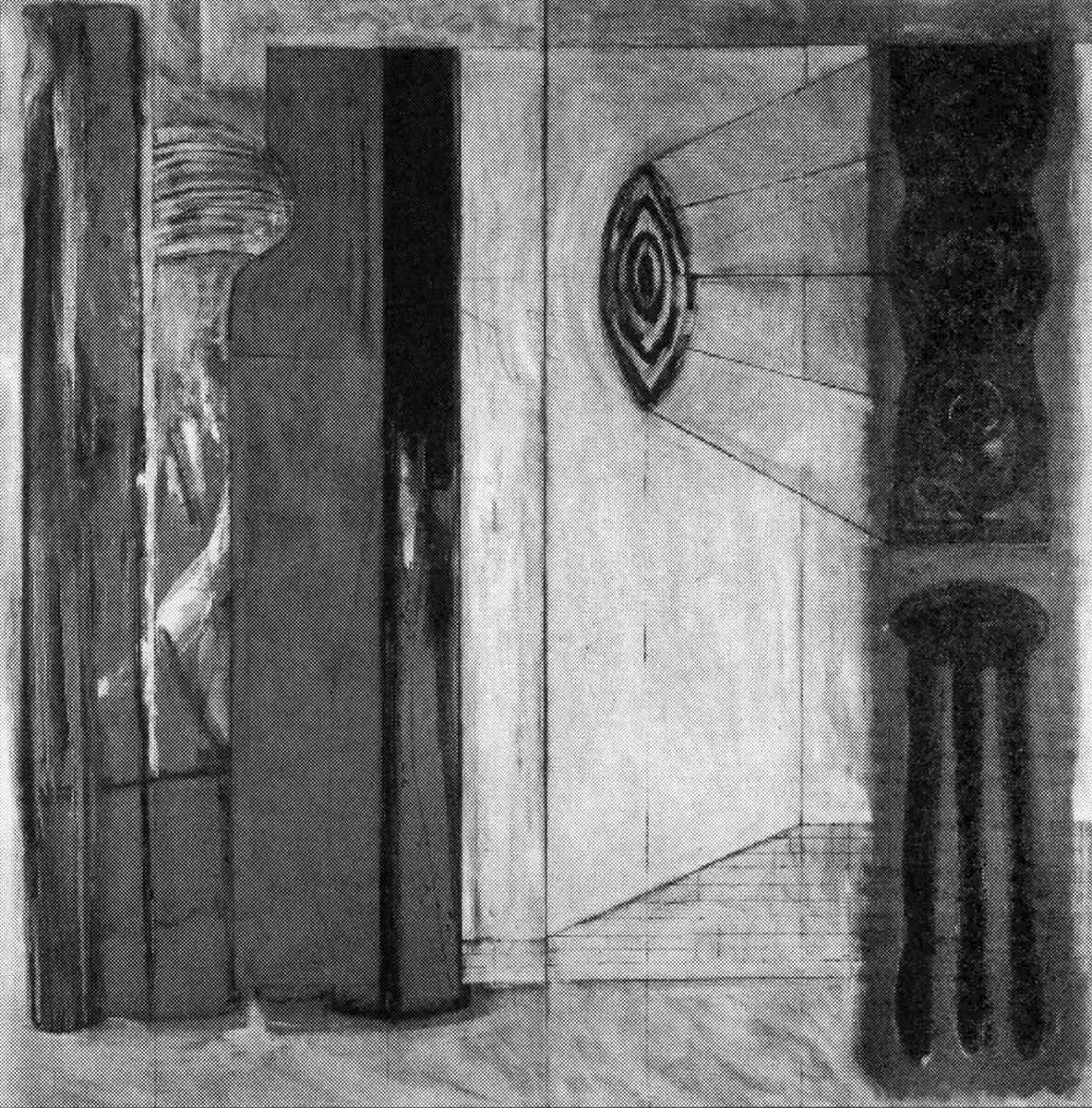
In the "Prints" section. Editions Atelier Clot-Bramsen et Georges presented a solo show of prints by Francisco Toledo. But it was the Denise René Gallery, with a magnificently installed retrospective of kinetic art that presented one of the best shows, reminding us that the movement of the 1960s continues in fine shape. Other foreign galleries, especially from North America, also responded to the challenge, such as Sperone Westwater (Kuitca and Lucio Fontana) and Mary-Anne Martin (with the Mexicans Alfredo Castañeda, Elena Climent, Diego Rivera, and Gunther Gerzso, amongst others).
One of the new and better features at this edition of the FIAC was without a doubt the presence of nine galleries specializing in photography, including some which have resolutely placed their bets on Latin America. This was the case with Photo and Co., from Turin, which presented two individual shows (Vik Muniz and Luis González Palma), and Throckmorton Fine Art, from New York, with an important group show with a strong Mexican presence, from Tina Modotti and Manuel Álvarez-Bravo to Graciela Iturbide and Gerardo Suter, to mention just a few.
CHRISTINE FRÉROT
Art historian, critic, and curator, member of the AICA. Research scholar at the EHSS and uncharged at the University of Paris. Specialized in Latin American Art.