Rosario, the birthplace of many figures from the world of culture in Argentina, including Antonio Berni and Lucio Fontana, is a city, which has historically challenged the powerful centralism of Buenos Aires. From its apparently marginal position —as in all provincial cities, its budgetary problems are multiplying—it has managed to transform itself into an inevitable reference for the country’s artistic and cultural activities. However, although the quantity and quality of its artists are a proven and recognized fact, at the institutional level Rosamio was until now in need of some kind of impetus. This has just been provided by the reopening, last November of the Juan B. Castagnino Municipal Museum of Fine Arts, after a thorough process of restoration (of both its buildings and collection), in a combined effort by technicians, sponsors, curators, officials, and artists. The exhibition entitled 34 ARC (34 Contemporary Artists from Rosario) was the corollary of more than a year of intensive work: the refurbishing of the rooms in accordance with international museistic standards led to the organization of a major exhibition which included representatives of Rosamian artists from various disciplines.
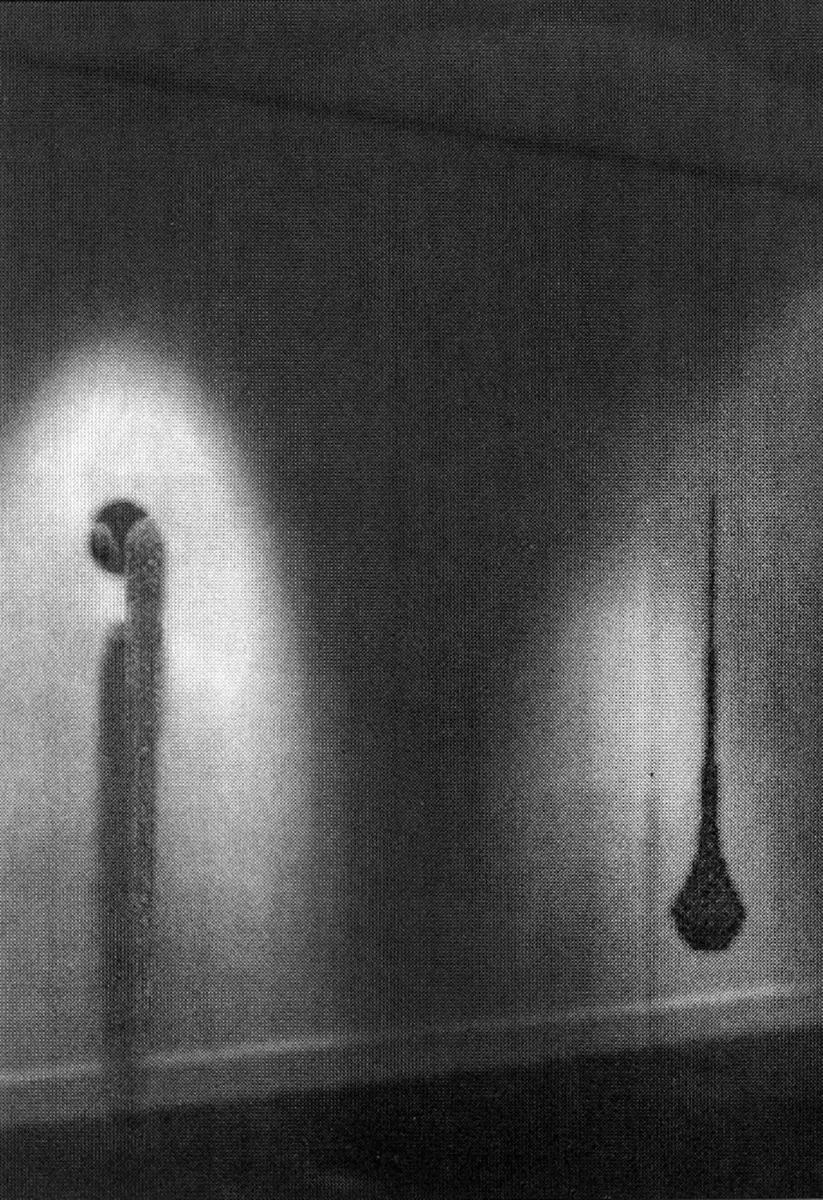
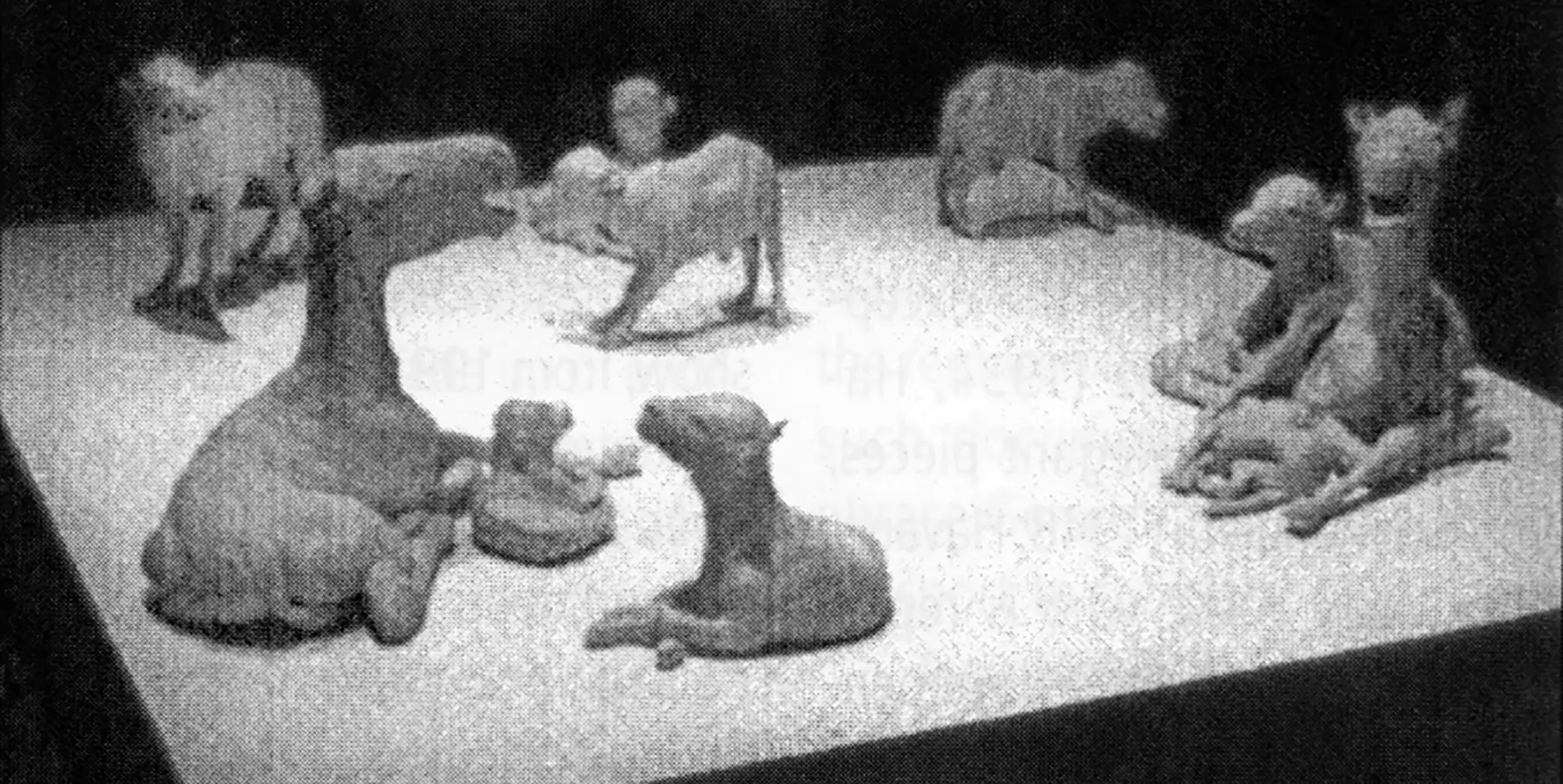
34 ARC was curated by Andrés Duprat, director of the Museum of Contemporary Art of Bahia Blanca, and Sonia Becce, an independent curator. Both curators were given total freedom in selecting established names and emerging artists. Graciela Sacco (1957) was invited to exhibit The Fire and the Vespers, a heliograph on wood which was part of the 1996 exhibit from Argentina at the São Paulo Biennial. Daniel García (1958) and Maumo Machado (1954) make up, along with Sacco, a subgroup of artists who have achieved a solid reputation at the local level and were included in the selection.
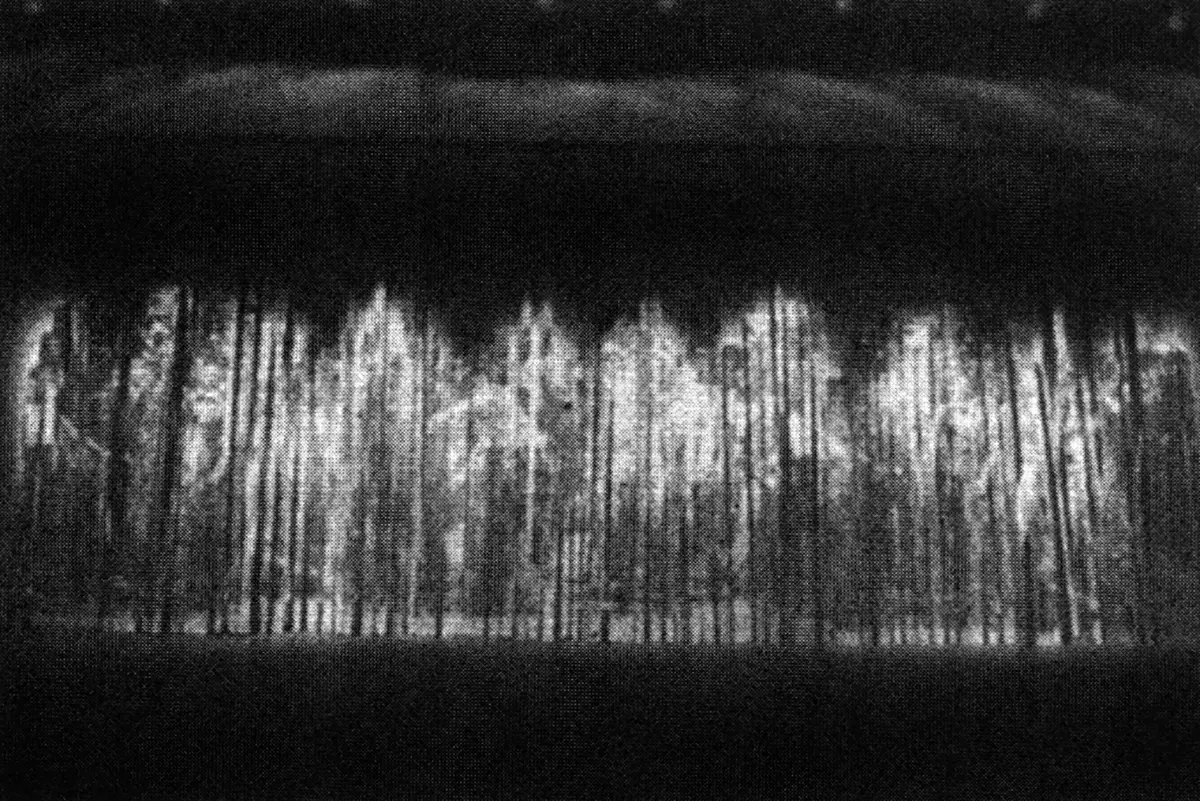
There was a second generational grouping with Roman Vitali (1969), Andrea Ostema (1967), and Nicola Costantino (1964), three artists who are going through a decisive stage in their careers. With his objects and figures created by threaded colored acrylic beads, Vita Ii’s work has been included in the exhibit by the Ruth Benzacar Gallery at the ARCO fair in Spain; Costantino also participated in ARCO and in the last edition of the São Paulo Biennial with her disturbing pieces of silicon and imitation skin, while Ostera has won a scholarship for advanced photographic studies at the International Center of Photography (ICP) in New York. The presentation of these three artists on the ground floor of the Castagnino Museum confirmed all the expectations about their enormous potential. The other photographers, video artists, sculptors, and painters in the show included the promising work of such figures as Leandro Comba, Claudia del Río, Leonardo Battistelli, Damián Scheffer, Eladia Acevedo, and Aurelio García.
Despite the show’s enormous success, it was however embroiled in a dispute involving a threat of censorship after the inauguration. The fuse was the photographic installation by Mónica Castagnotto (1968) in which the montage of two parallel strips combined images of the Virgin with photographs of female sexual organs. A Church-led sector tried to take legal action, which was dismissed by the authorities. Despite the resulting disturbance, the public was able to view the whole show, thanks to the timely firmness of those involved directly or indirectly in its organization. With 34 ARC, Rosario not only distinguished itself with its artists and its renovated museum but showed the uncommon spirit of tolerance and desire for the progress of its citizens.
EVA GRINSTEIN