
With the growing number of grand international survey exhibitions appearing in cities around the world—Venice, São Paulo, Kassel, and Johannesburg to name just a few—it is increasingly difficult for any one of these exhibitions to differentiate themselves. Despite the fact that the 53rd installment of the Carnegie International includes many of the same artists who have been making the recent biennial circuit, this exhibition nonetheless manages to stand apart, both through the vision of its curator and the history of its site.
Curated by Madeleine Grynsztejn this International asks us to consider its works in terms of an examination of the real—what constitutes reality, or in some cases the slippage between the real and the fictive. While a rather broad theme, this framework provides a useful lens with which to consider/reconsider the wide range of works Grynsztejn has brought together.
Although at times considered a liability, the fact that the International has been housed within a museum since it first appeared in 1896 has always differentiated the International from its global counterparts. This condition sets up the possibility for works to significantly engage the institution’s history, building, and collections. This International has made particularly successful use of this circumstance. More than just site-specific works, installations like Diana Thater’s Delphine—featuring video footage of swimming dolphins projected on the ceiling of the Botany Hall of the adjoining Museum of Natural History—infiltrate and thoroughly engage the museum in such ways that they breathe new life into a chosen site while at the same time enhance a work’s expressive potential.
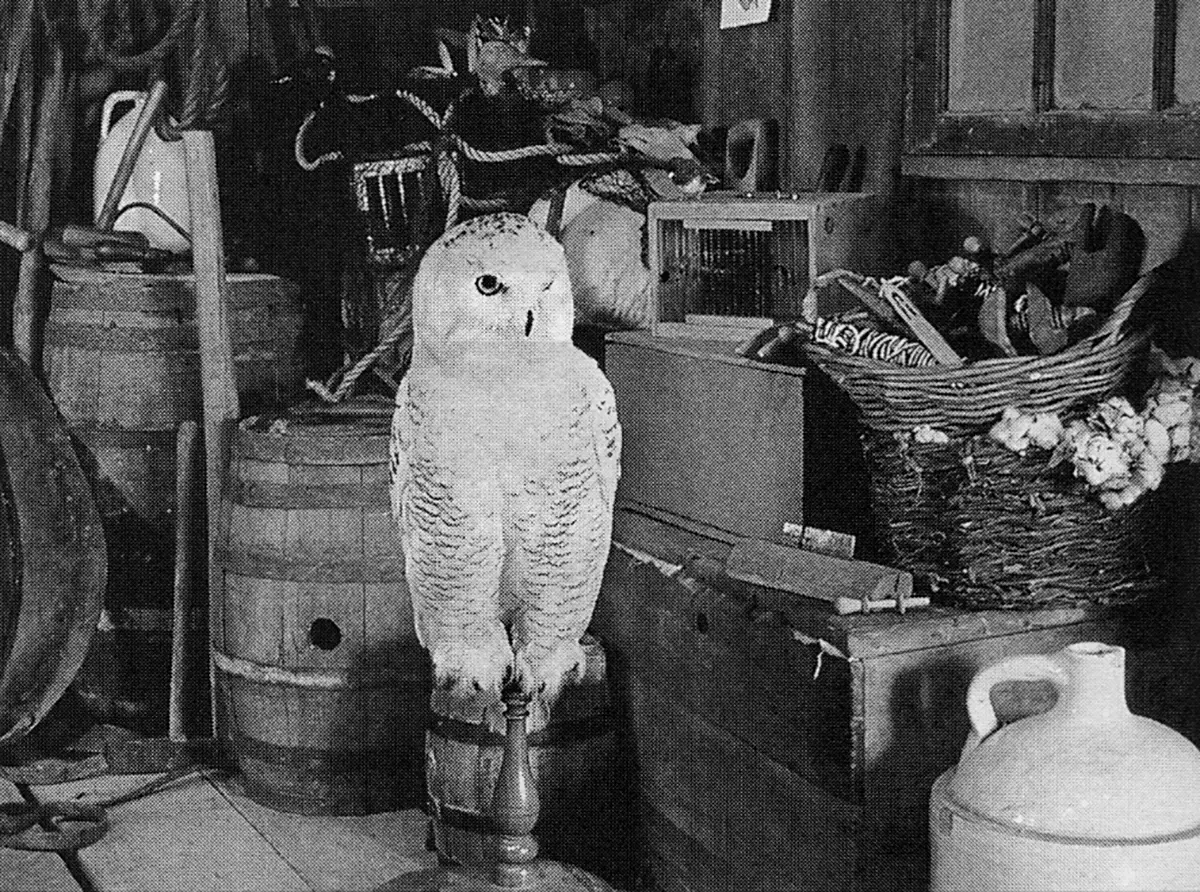
An expansive procession of Kara Walker’s paper silhouettes, for example, has a particularly powerful home on the walls of the balcony of Carnegie’s grand Hall of Sculpture, where classic stoic marble figures bear witness to Walker’s confrontational imagery of race relations and slave narratives. Engaging the museum’s decorative arts galleries, is Mark Dion’s installation that celebrates the largely unknown wildlife artist Alexander Wilson. With an imaginary reconstruction of Wilson’s wilderness studio complete with bird specimens from the Museum of Natural History, art supplies, and scattered sketches, Dion presents a fictive view of a figure who history has overlooked. Constructed within a gallery that Dion has filled with the museum’s own collection of decorative art objects that feature birds as a motif, this installation presents a compelling mix of the real and the imaginary.
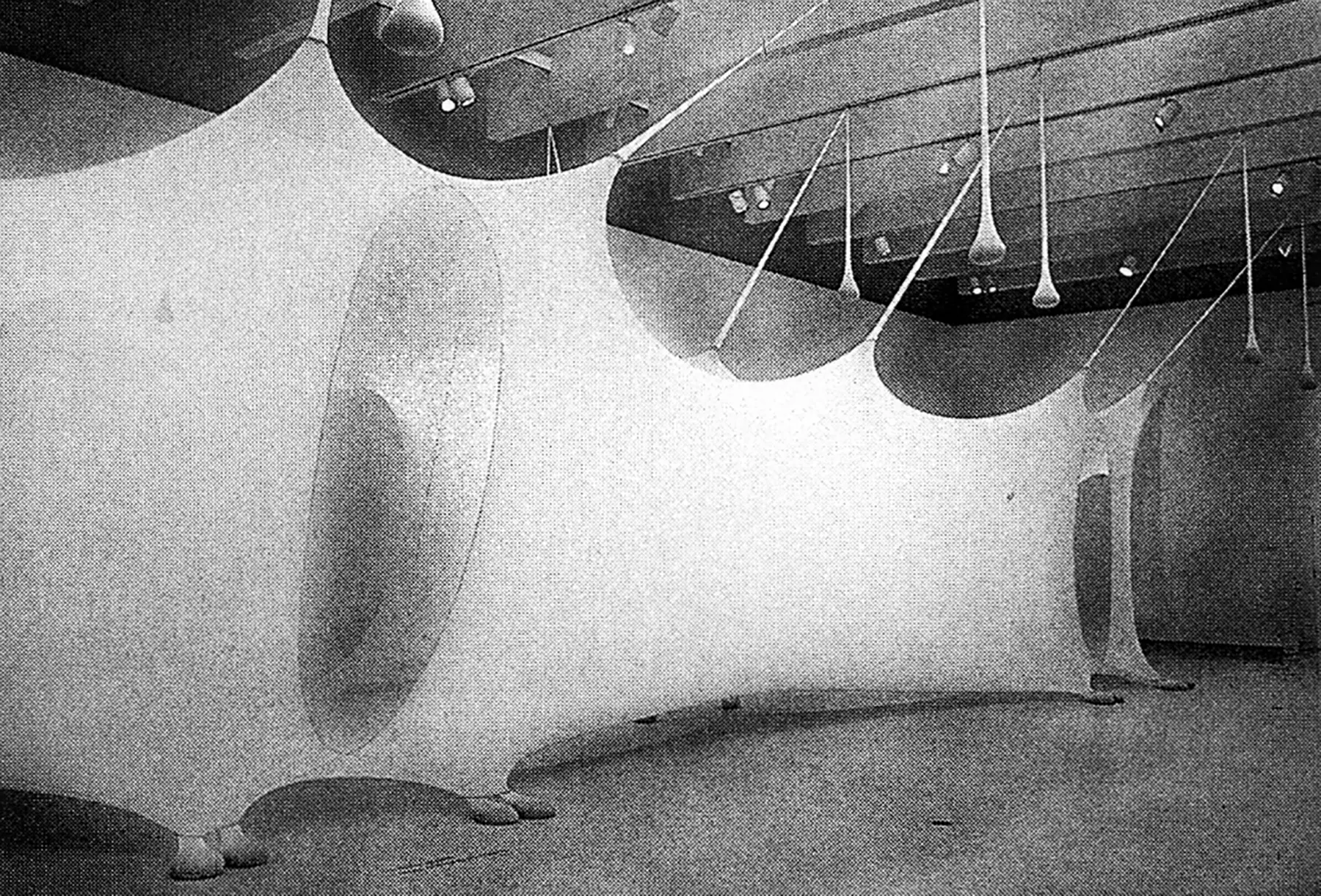
Extending the notion of the real to an engagement of the body and the senses, are several works that invite viewer interactivity. Of particular note is Ernesto Neto’s Nude Plastic, an enormous room-sized environment of translucent nylon fabric that features two orifices where visitors could enter to explore its passages, and Gabriel Orozco’s whimsical Ping Pong Table that invites viewers to devise and play their own game.
For this visitor to the International, no work in the exhibition embodies the theme of reality more than Janet Cardiff’s participatory work in the Carnegie Library. In Real Time is a 15-minute audio/visual walk through the library guided by a hand-held camera and headphones. Participants are guided among the stacks, upstairs, and through reading rooms by images of the library on the screen and Cardiff’s voice on the audio. The sights and sounds of Cardiff’s narrative through the library are layered on top of our own actual experiences blurring the boundaries between the real and the fictional with extraordinary effect. My own sense of reality became particularly distorted when I reached the microfilm room, where the artist made an appearance on the screen. Seemingly agitated that someone had entered the room, she looks to the camera and asks that it be shut off mine actually does and I am treated to an unnerving moment as actual patrons in the room look up at me with the same look of agitation as my host had just previously on the screen. Although this final “reality’ of my tour was caused by a dead battery (a common occurrence that week I was told), I suspect that this uncanny intervention of chance into my library walk would delight Cardiff for it certainly did me.
IRENE HOFMANN