
I
After the last edition of ARCO one feels like venturing the hypothesis that, in all its complexity, the fair’s general character tends to be defined by the guest country. This year it was Italy’s turn to play the host, and in accord with the great tradition of Western art that this country bears on its back, the fair was marked by a classicism—very few blue screens and an abundant presence of two-dimensional supports—and a restraint worthy of an event about to turn twenty years old, yet which is already a paradigm within the commercial and cultural circuit of international contemporary art.
Apart from the presence of the twenty-four Italian galleries selected by Achille Bonito Oliva in collaboration with the gallery owner Giorgio Persano, the conceptual discourse proposed by the Italian curator is what really was felt throughout the entire event. He finds the basis of his proposal in the cultural value of art, an aggregate value whose definition has been sought over the last thirty years while the codependence between the various elements of the artistic system has become stronger and stronger. This inner link was forced to readjust its expectations after the crisis of the system that began in the ‘90s following the great party of art speculation during the previous decade. Throughout these adjustments, in which national and transnational institutions were the ones in charge of saving the situation, one aspect was outlined that Bonito Oliva finds fundamentally negative: monopolization in the formation of taste. Thus, museums and centers of contemporary art, in conjunction with the stellar figure of the new nomadic artist, would have interpreted the discourse of multiculturalism as a way to globalize and define the undertaking of contemporary art from a position of privileged authority.
From this perspective, the contemporary art museum, against its best intentions, would tend to act as a structure that provides information, souvenirs, and entertainment-pure simulacra—to viewers who are ever more passive, isolated, and incapable of recovering the silence necessary for contemplation. Or worse yet, they may even confront the fact that there is really nothing to contemplate. According to Bonito Oliva, this is where the gallery’s structure can and should be reclaimed, inasmuch as it guarantees direct contact with the work without the distractions that a museum or cultural center entails. The domestic, private, and interpersonal aspects of the gallery itself would also enrich this contact. Consequently, apart from the artists themselves and the grandiloquent discourses, the gallery space, understood in this way, recovers the basic relationship between the work and the viewer (in the opening press conference, Bonito Oliva came to declare verbatim: “The work remains, and fortunately the artist dies"). ARCO, then, from Bonito Oliva’s perspective, was planned out as the possibility to bring that intimate aspect of the gallery to the public at large and, with any luck, to interest them in venturing behind the scenes once the function is over.
II
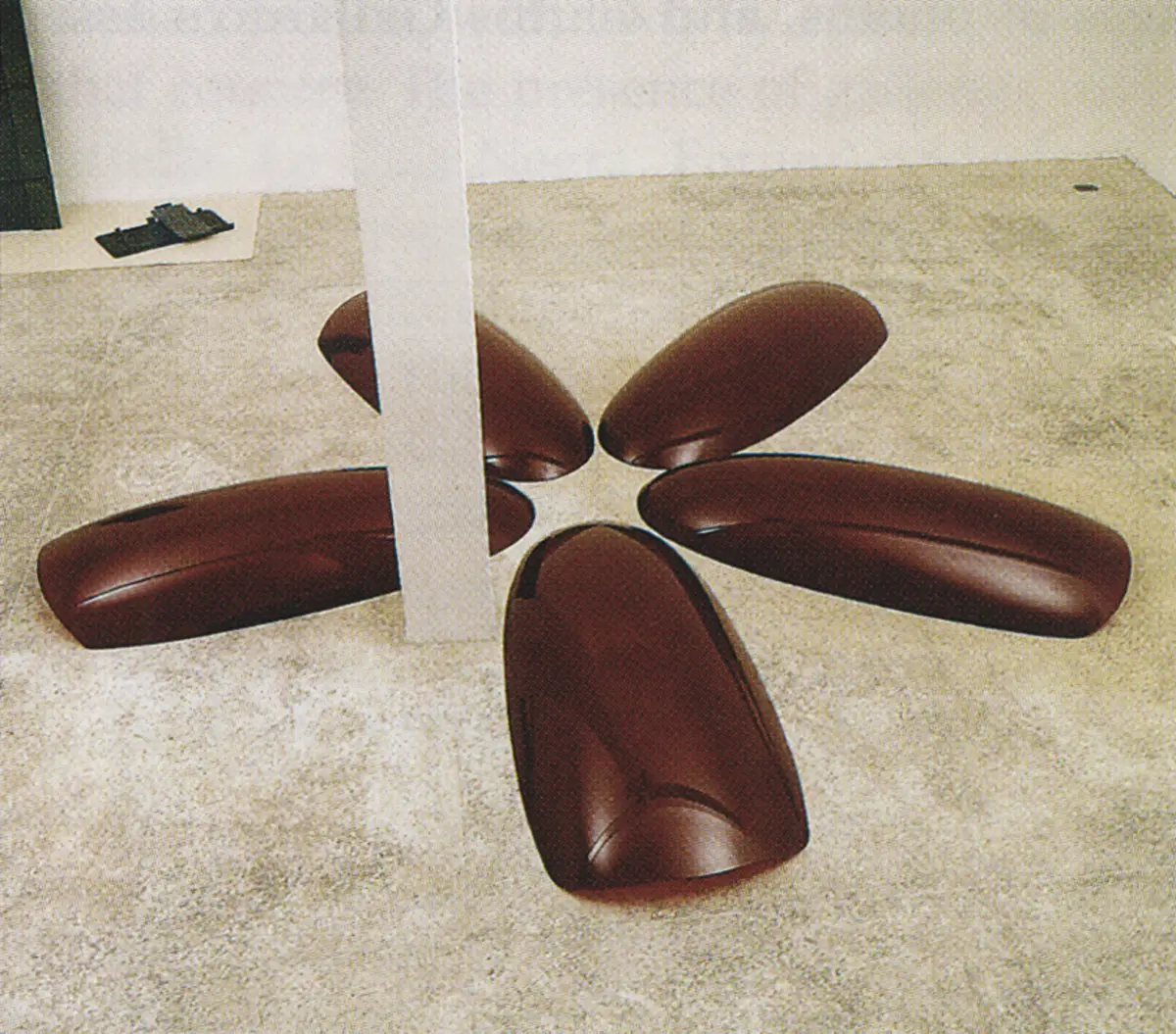
In addition to the part that makes up the commercial galleries, institutions, cultural programs, and art and philosophy magazines, there are three commissioned programs that are outlined more and more as the fair’s ruling axes. The first of these has to do with Italy’s presence at ARCO. Although this year the rather historical aspect of Pavilion 5 was defined with greater clarity before the presence of more contemporary galleries and works in Pavilion 7, Italy showed good judgment in presenting its twenty-four galleries—twelve historical and twelve contemporary—face to face. In effect, this allowed the attentive viewer to give a continuous reading to the process of twentieth-century art in that country, with all the international influences and everything that has affected it. Noteworthy in this section were the following: Galería Continua presented Loris Cecchini with her rubber computers, Stage evidence (1998), and her piece Liquid (1999); Arturo Casanova, presented by Scognamiglio & Teano, whose paintings were, unfortunately, the only thing that could be appreciated, since speeches in the gallery made up a fundamental part of the project; and the large photographs/collages by Giulio Paolini, presented by the Galleria Christian Stein.
The second commissioned program is the one that presents the Project Rooms. For the first time, five international curators (Carlos Basualdo, Hou Hanru, Rosa Martínez, Octavio Zaya, and Francesco Bonami) were in charge of selecting some thirty projects for a specific site from all the corners of the world, from Germany to Argentina, passing through Greece and Turkey. These two countries presented some very interesting proposals. From Greece, Eleni Koroneou exhibited a poetic and suggestive video installation by Lina Bertucci (Ellipsis, 1999), while Turkey’s Galeri Neü presented Búlent Sangar’s photographic installations. Other interesting Project Rooms were those of the Spanish galleries Juana de Aizpuru and Joan Prats/Helga de Alvear, which presented works by Dora García (Sueño muy cerca [Dream very close], 1999) and Eulàlia Valldosera (Still Life, 2000), respectively.
Finally, on this occasion, the Cutting Edge Invitationals sector was divided into five sections commissioned by specialists in each area. The face-to-face that Udo Kittelmann provoked among the more established galleries of Cologne and Berlin stood out (a topic that was also debated at a round table). So too did the presence of New York’s 123 Watts Gallery and Venice’s Griffin Contemporary, included in the section “New Art From The States," commissioned by Kevin Consey. Other Cutting Edge sections dedicated themselves to Eastern Europe (East Wind/West Wind commissioned by Víctor Misiano and Lóránd Hegyi), to the new art of the Netherlands (commissioned by Bartomeu Mari and Leontine Coelewij), and to the Southern Cone, selected by Sandra Antelo-Suárez, Gustavo Buntix, Justo Pastor Mellado, Marcelo Pacheco, and Adriano Pedrosa, who also participated in a debate on the subject of curating in Latin America.
III
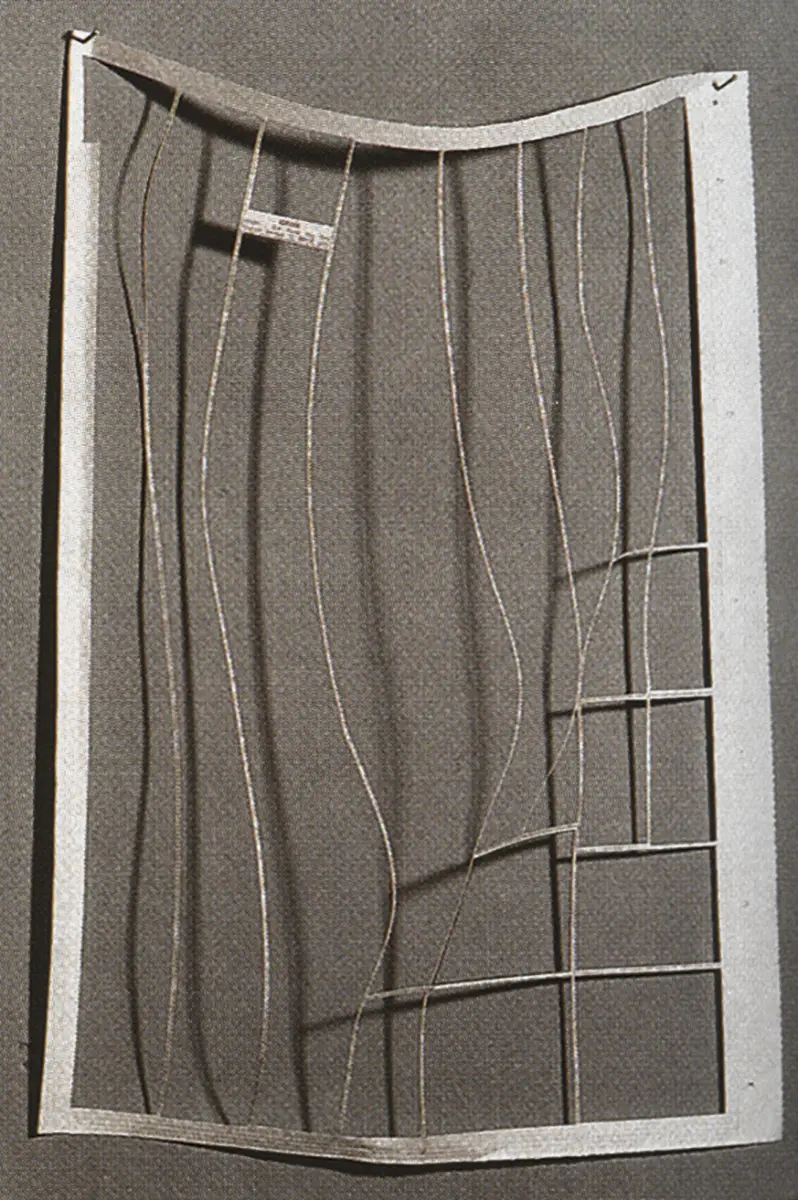
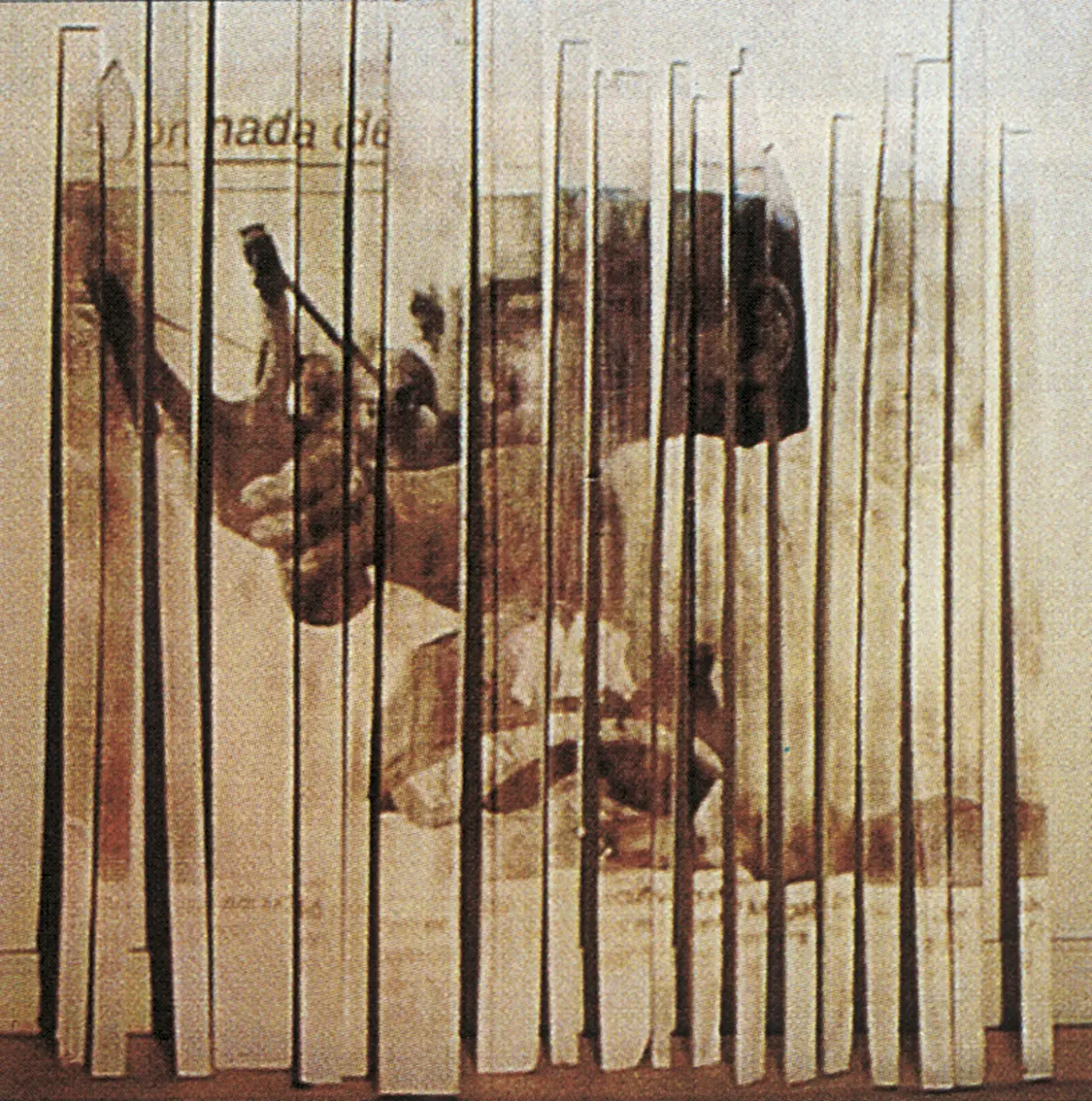
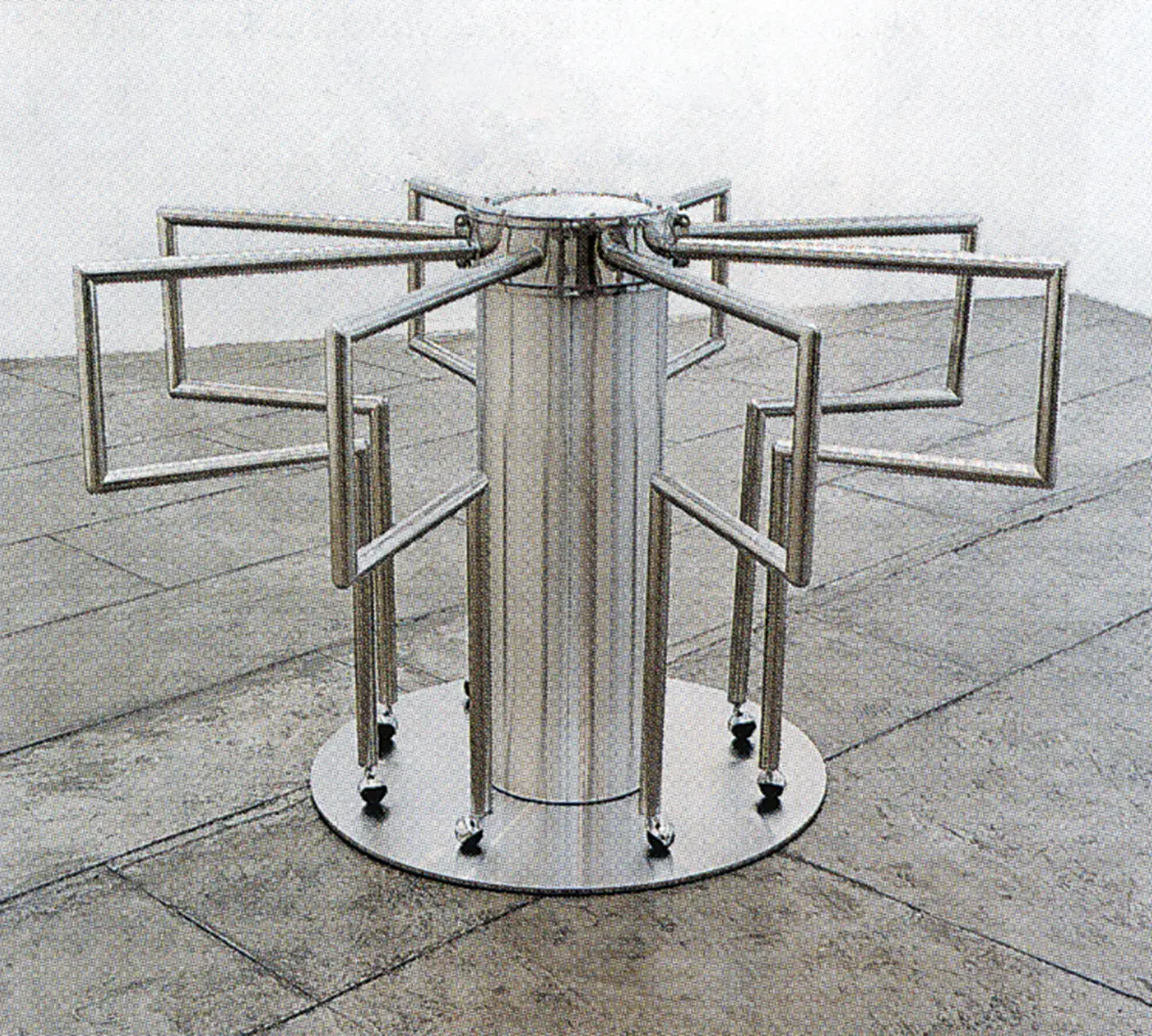
The Latin American presence at ARCO, though uneven in terms of quality of the work, was considerable in the fair’s three main sections. Within the gallery section, we found the now obligatory presence of Ramis Barquet, Ruth Benzacar, Camargo Vilaça, OMR, Diana Lowenstein, and Casa Triângulo. Within the plan of the fair, rightly defined by Rosina Gómez-Baeza as a “gallery of galleries,” the effort of the gallery owners who comprehend the cultural achievements, and not merely the non-opposing economic ones, that such an event can foster are most welcome. It is thus possible to find commercial work that also enjoys an inner congruence that allows a gallery to clarify its specific program. Such proposals justify the hopes that Bonito Oliva puts in the gallery structure, as mentioned previously. In this sense, the proposals by Camargo Vilaça and Diana Lowenstein were outstanding. The first with overwhelming pieces by Valeska Soares, Ernesto Neto, and José Antonio Hernández-Diez, to which were added the more discreet but equally powerful works by Hiroshi Sugimoto, Mauro Pilova, and Rivane Neuenschwander. The Argentine gallery decided exclusively to show works based on photographic supports manipulated in various ways, like Graciela Sacco’s heliographs on wood, Eduardo Médici’s retouched portraits, José Manuel Fors’s collages and packages of photos, and Carlos Gallardo’s assembly boxes. Ramis Barquet presented a flawless but foreseeable montage of works by Julio Galán, José Bedia, Laura Anderson, Ray Smith, Guillermo Kuitca, Betsabée Romero, and others. The OMR repeated its display of artists: Alonso Mateo, Arturo Elizondo, Vik Muniz, Maruch Santiz-Gómez, and Cisco Jiménez. Manuel Ocampo, etc. Given the quality of the works that the Mexican gallery possesses, it would do better to sacrifice quantity for quality and put its confidence in three or four artists represented more heavily. They work with more than one artist who deserves it. The greatest number of Latin American galleries could be found within the Cutting Edge program. There were uneven proposals in this section, but the works of Brito Cimino, shown by Rochelle Costi’s last productions, and Mónica Nador Paredes’s project titled Pinturas (Paintings, 1999) were outstanding. However, Ana Maria Tavares’s piece titled Catraca (Pheasant, 1997), acquired by the ARCO Foundation, may well be the one that demanded the most attention. In addition to her presence in the gallery section, Ruth Benzacar presented Jorge Macchi’s felicitous piece titled Música Incidental (Incidental Music, 1998). This work presented three folds of paper that from a distance looked like giant, empty pentagrams. Only upon closer inspection did the viewer realize that each line was formed by texts taken from the daily newspapers that described manifold situations of violence. In front of the installation hung some headsets in which a rather simple musical piece could be heard. The piece’s composition corresponded to the notes drawn on the pentagram by the blank spaces that separated one news story from another.
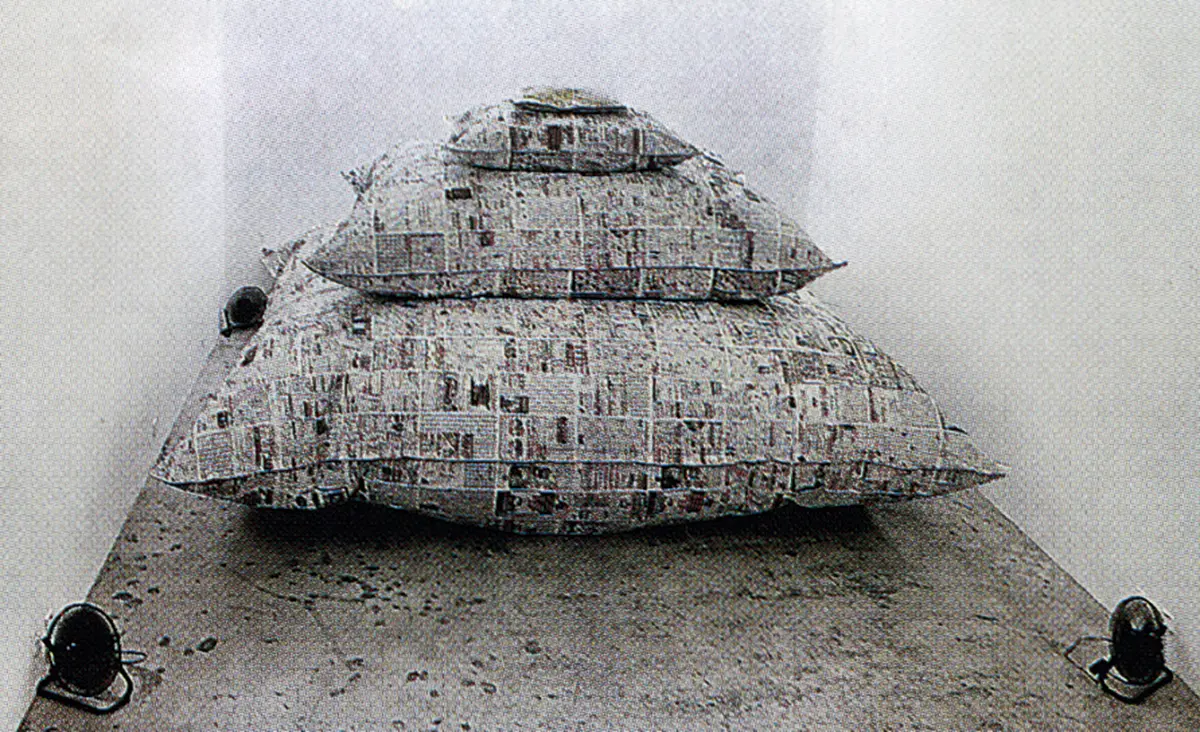
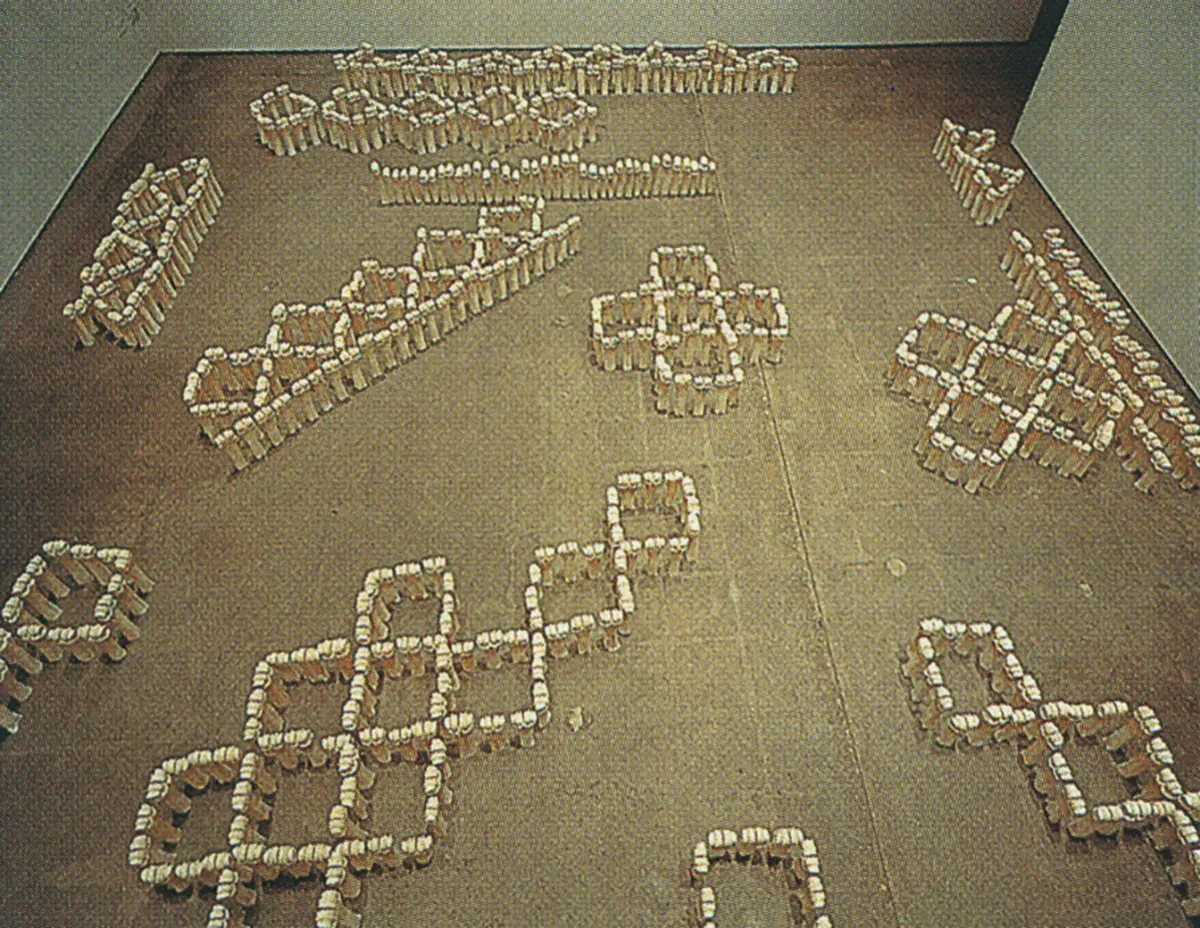
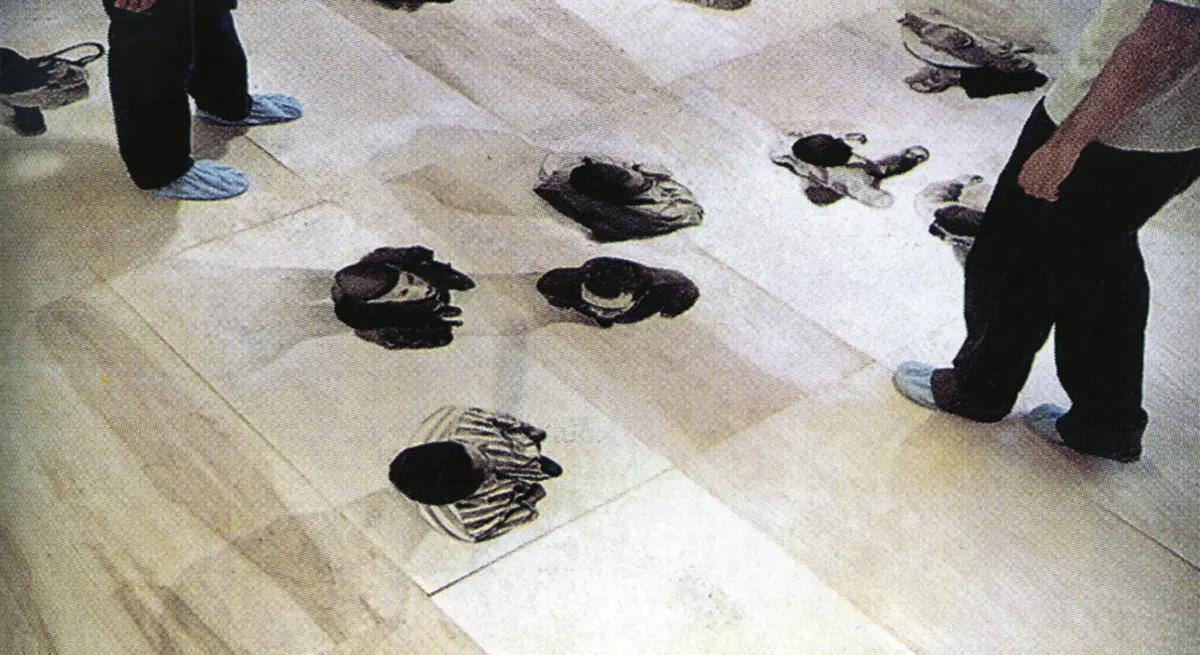
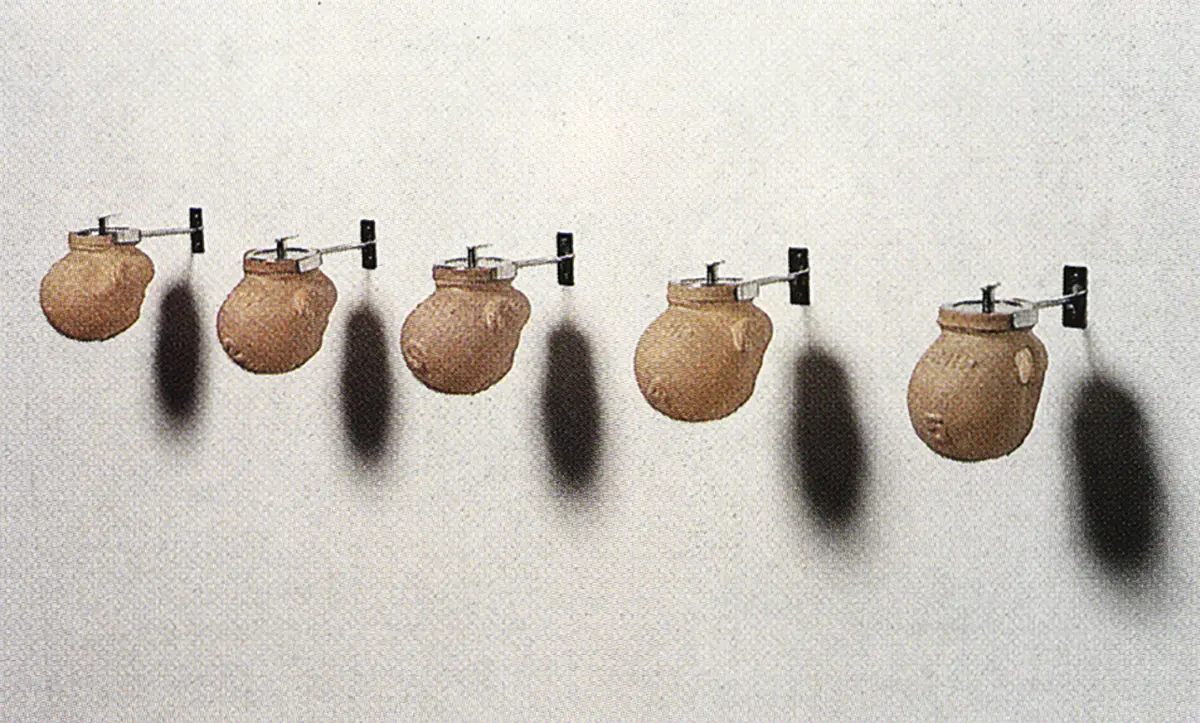
Also participating in this section was the Sala Alternativa Elvira Neri which displayed Milton Becerra’s pieces with tickets and textiles, and Magdalena Feruández’s diaphanous steel and aluminum sculptures; the Galería Forum which presented more local pieces by Fernando Bryce and Flavia Gandolfo; the Uruguayan gallery 5ur which exhibited ink micro-drawings by Ricardo Lanzarini; and the Brazilian Valu Oria which showed Cristina Rogozinski’s remarkable wooden wall sculptures. As for site-specific proposals represented by the Project Rooms, we found installations by known artists like María Fernanda Cardoso (El mármol americano [American marble], 1992) and Ernesto Pujol (Hagiografía [Hagiography], 1999). But we should also point out the presence of more poetic projects like Yolanda Gutiérrez’s trousseau, created for the exhibit La mariée in Espace d’Art Yvonamor Palix, and Franklin Cassaro‘s confessional made of inflated newspaper in the Galería Baró Senna, as well as other more experimental projects like those proposed by Michelle Marxuach (drawings to be erased by the public at Allora + Calzadilla) and, of course, Kurimanzutto, camouflaged in the Art & Idea stand (Gabriel Kuri’s installation Momento de importancia [Moment of importance]). It should also be noted that the Latin American presence was not limited to what the galleries imported from America. On the contrary, there are already a considerable number of artists from all corners of the continent represented by Spanish galleries. In addition to the more traditional artists like Torres-García and Botero, or even others as well known as Bedia and Liliana Porter younger artists are also being introduced into the Spanish market. Luis Adelantado showed photographs by Milagros de la Torre and Marta María Pérez Bravo, together with paintings by Emilia Azcárate. The Madrid gallery María Martín offered an excellent installation of Xawery Wolski’s clay pieces. Elba Benítez and Estrany de la Mota took pieces by José Antonio Hernández-Díez. Joan Guaita, in addition to drawings and sculptures, displayed an edition typical of Kcho.
IV
Together with the “gallery of galleries,” ARCO once again showed its genuine interest in turning the fair into an event that links all aspects of the artistic system and that does not limit itself to the commercial aspect, which is, of course, vital for the existence of the system. Therefore we found books and specialized magazines, as well as the program for debate panels, that could still be refined and integrated into the rest of the events that happen at ARCO. This year the introduction of the Collectors’ Forum was aimed not only at fomenting purchases, but also at encouraging a dialog among collectors, galleries, and institutions. It saw the presence of paradigmatic figures in the world of contemporary art, from Harald Szeeman to Germano Celant, Jean-Jacques Allaigon, Hans Ulrich Orbist, and Uta Metta Bauer. The photographic tours were carried out once again, in which a group of Spanish photographers selected by Rafael Doctor—Ana Laura Aláez, Carmela García, and Txomín Badiola—will present their own vision of the fair. As it does every year ARCO 2000 also presented numerous awards, noteworthy among which were the Renault-Avantime acquisition awards, selected by Dan Cameron and Maria del Corral and given to Pedro Mora‘s installation Simultaneous Room, and to one of María Záirraga’s photographs. For their part, the AECA (Spanish Association of Art Critics) awards, which are not exactly known for their risky nature, were given this year to Vanesa Beecroft, Manolo Valdés, and the Galería Gmurzynska.
V
For the controversies and tension that closed the last edition of ARCO, the statements of principles expressed by Achille Bonito Oliva as guest curator seemed to rechannel some of the fair’s expectations that tended toward pacification, and which were to a large extent fulfilled. The emphasis on the cultural aspect was stronger than ever to the degree that a complementary catalog was edited exclusively for the Italian section, with texts by critics and academics from that country. The presence of galleries from Spain (Max Estrella, La Caja Negra, Forum) and abroad (Papillon-Fiat, Sollertis, Presença, Sarah Cottier) that are participating for the first time at the fair exceeded the numbers from previous years. The number of participants in the Project Rooms and in the Cutting Edge section also rose. And the participatory quotas seemed to enjoy an indisputable logic: of 258 galleries from 28 countries, 60% were international and 40% were Spanish; of the entire number 20% are essentially devoted to historical vanguards and 20% debuted at ARCO.
ISSA MARÍA BENÍTEZ DUEÑAS