There were major improvements and remarkable differences in the tenth edition of Art Miami. Responding to criticism from artists, the audience, and galleries that the show was too conservative and lacking in focus and quality, Art Miami’s new organizers, Advanstar, sought to build upon the participation of the fair’s international selection of “regulars” (already chosen by its previous owners, Lee Ann and David Lester of International Fine Art Expositions). They inaugurated "Currents," an invitation-only selection of ten galleries chosen by the new Director, Ilana Vardy, that showcases emerging young artists and cutting-edge art. The galleries, from New York, Chicago, Lisbon, Miami, California, Mexico City, and San Juan, represented the international flavor of the fair and introduced new concepts in installations, photography, painting, and sculpture for a stimulating change from the status quo.
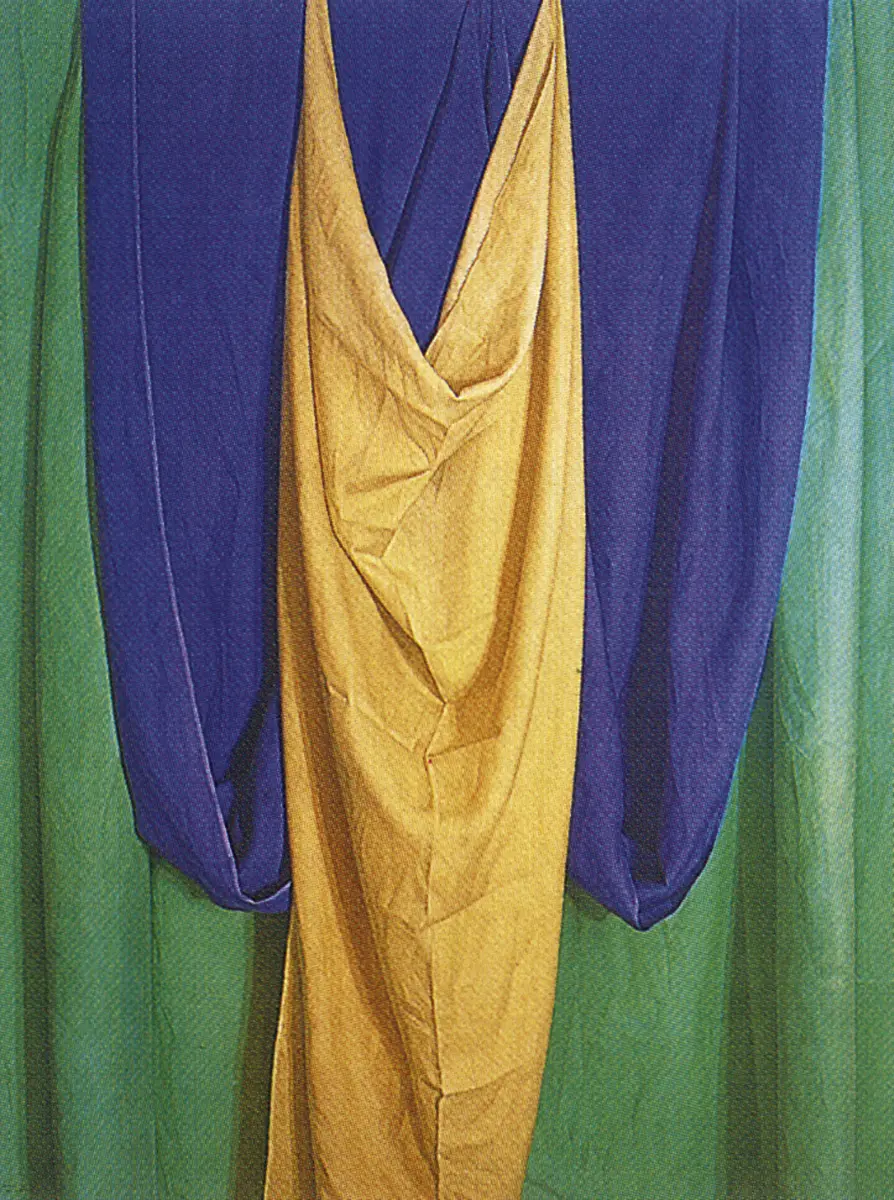
Another exciting addition was a supplemental exhibition called Déjà vu, curated by Amada Cruz, from the Center for Curatorial Studies, New York. Eleven young contemporary artists, including Teresita Fernández, Mark Handforth, Dara Frieman, and Nikki Lee, produced new work for the space. All of the artists work with mundane, anti-monumental materials to create videos, installations, large wall pieces, and even a “house.” Numerous events and discussions accompanied their exhibition to provoke an artist-audience dialogue. The success of the supplemental exhibitions should encourage the fair’s new organizers to pursue more of the same put Miami in sync with other international art fairs and promote the participation of more adventurous artists and galleries.

Art Miami has long been recognized as a Latin American venue, with good reason. Miami is recognized as the “Capital of Latin America Art” and visitors expect to see the best of Latin American art from Latin American and North American galleries, and they are not disappointed. Marlborough Gallery set the tone with a major exhibition of recent works by Claudio Bravo (who was honored with the Art Miami’s Vision 2000 Award), and a spacious exhibition of striking works by Fernando Botero, Tomás Sánchez, and Julio Larraz among American and European paintings and sculpture by Alex Katz, Anthony Caro, Richard Estes, Larry Rivers, and others. Mexican masters Diego Rivera, Rufino Tamayo, Gunther Gerzso, and Alfredo Casteñada highlighted Mary-Anne Martin’s exhibition, which also included a stunning Claudio Bravo painting, Red Paper, 1970. The younger generation of Latin American artists could be found in numerous galleries: Liliana Porter and Arturo Duclos atAnnina Nosei; Priscilla Monge and Federico Uribe at Jacob Karpio; Alirio Palacios at Galeria de Arte Ascaso; Muss Hernández and Rosalía Maguid at Roberto Martin. Praxis, Mexico, featured Santiago Carbonell, Roberto Cortázar, and the dark provocative paintings of Robert Mantegani, and Praxis, Buenos Aires and New York, returned with Ignacio Iturria, Ana Fabry, and Mario Pérez. Joan Guaita Art brought Cuban art from Kcho and Manuel Mendive and striking objects by Florencio Gelebert. Diana Lowenstein Fine Arts included wonderful works made of silk, charcoal, and sugar by Silvia Gai, and Felipe Grimberg’s impressive selection showcased Ana Mercedes Hoyos, Daniel Borda, Antonio Seguí, and José Gamarra. The works of Sergio Payares appeared in numerous locations, including Nina Menocal’s space in the "Currents" section, which also featured an extraordinary installation of Arturo Cuenca’s Sutton Place Series.
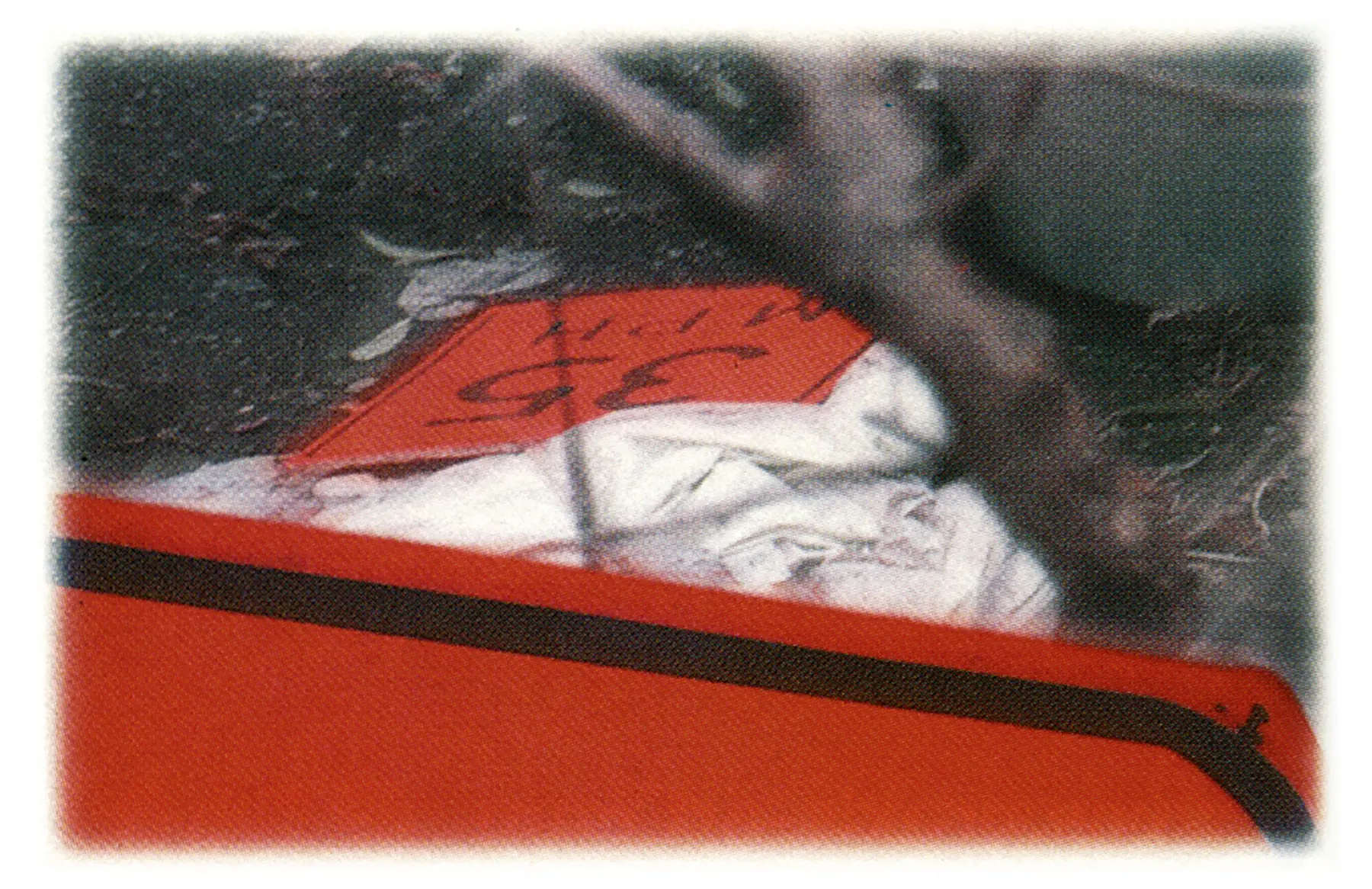
There were few installations at Art Miami, even in the "Currents" area where one would expect to see more cutting-edge approaches to art making. The Cesar Galleria of Lisbon featured two Portuguese artists who presented a dramatic installation, and the beautiful candle-lit environment by Kumari Nahappan at the Wetterling Gallery was especially successful.
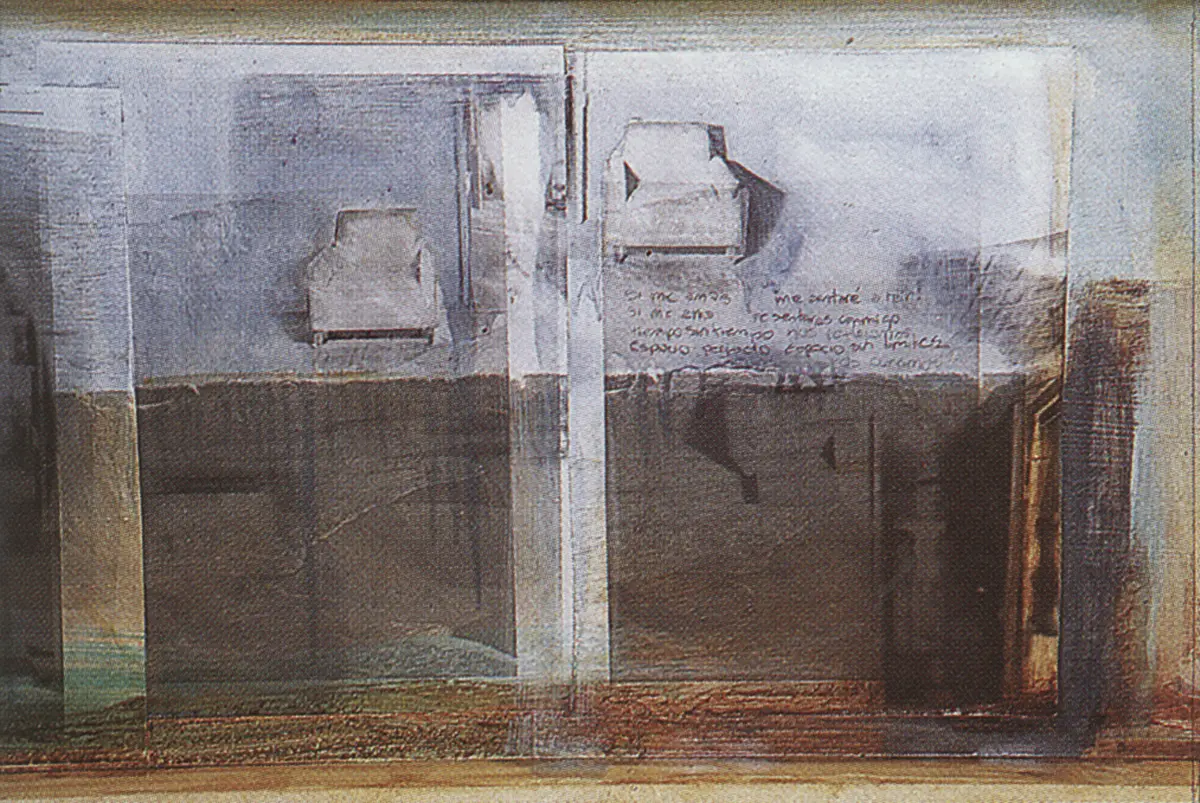
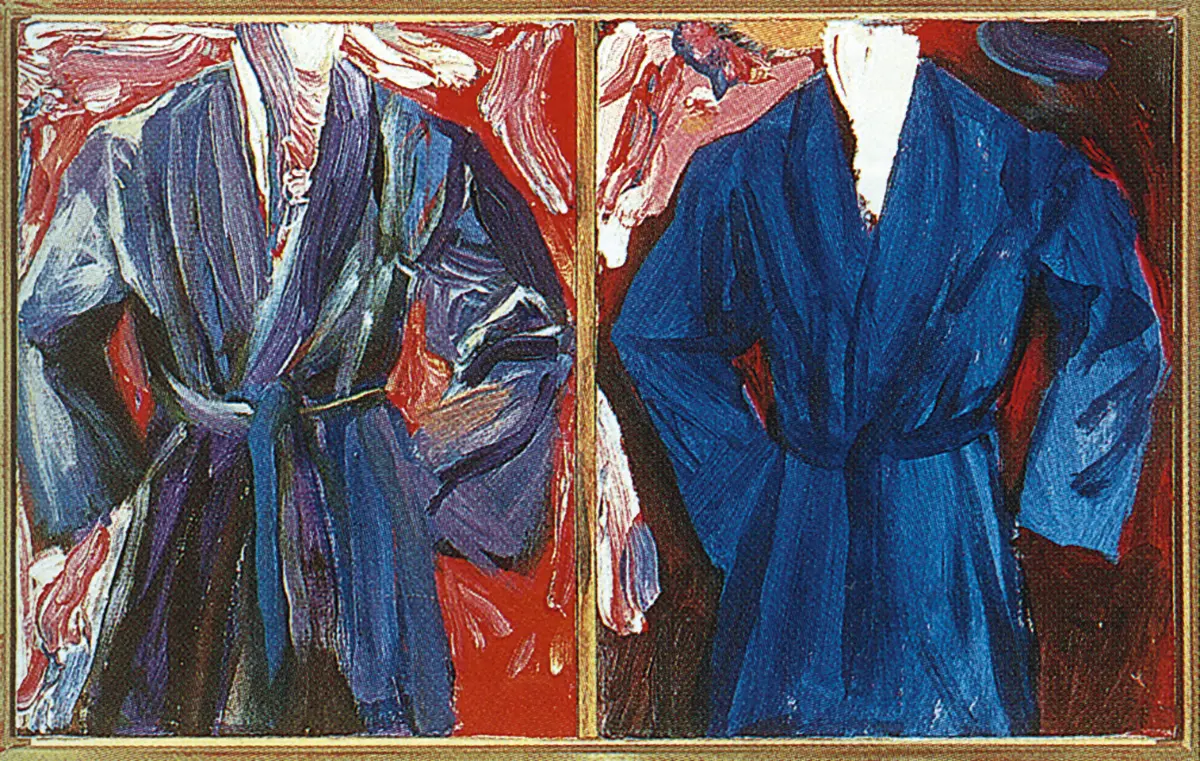
There were many visitors asking about prices and looking for the chance to see and purchase works by artists of such international renown as Chagall, Matta, Cárdenas, Léger, and Yves Klein at Dominique Haim Chanin; and Man Ray, Max Ernst, and Wifredo Lam at Marion Meyer. Forum Gallery’s exhibition of the strange realism of Odd Nerdrum attracted a large audience, as did the interesting selection of works at Walker Collection, where African masks were hung amidst masterpieces by Matta, Miró, and Trova. The works by Julian Schnabel and Jim Dime at Waddington Galleries were conversation pieces, as were Ilona Malka Rich’s crazy motorized fiberglass characters at Gracie Mansion Gallery’s space.
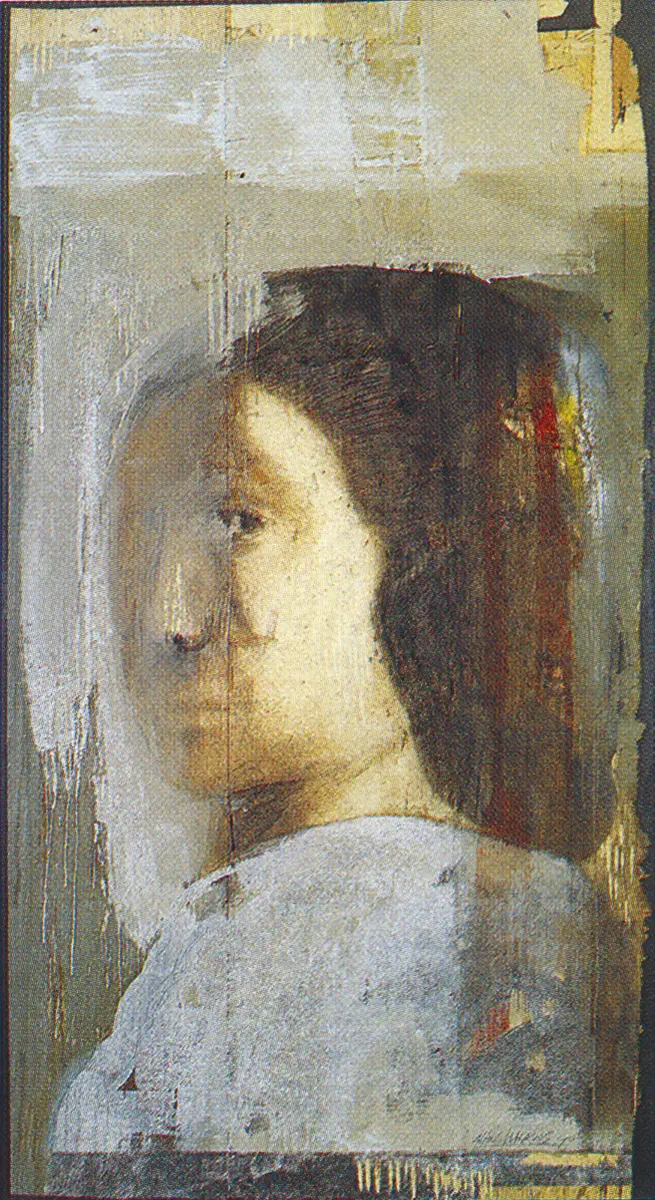
Art Miami never seems to attract photographers, and this year there were very few. Outside of the "Currents" galleries, only the Jane Corkin Gallery, known for its historical and contemporary photography, had much of a showing. It included seductive works by Sarah Moon and Sheila Metzner. Perhaps such new additions as "Currents" and Déjà vu will have to be the location for photographic technology as it is incorporated into the multi-dimensional art of today. Certainly, the new look of Art Miami 2000 and its attempt to move toward the experimental and adventurous in an effort to offer something for everyone are positive directions. We look forward to Art Miami 2001.
CAROL DAMIAN
Associate Professor and Chairperson, Visual Arts Department, Florida International University, Miami.