
To insert an art fair into the national and international agenda is not a simple undertaking in any place, and less so in the Argentina of today. No one can deny that the geographical location of Buenos Aires, ten hours away from the United States and Europe by plane, does not exactly offer the best support beyond the solutions contributed by globalization. Nevertheless, the organizers of Arte BA have managed to smooth over this difficulty to the point of turning it into a virtue. After having developed a series of successive goals that allowed them to offer improvements with each new edition, they were able to maintain the installation of Arte BA as Mercosur’s first art fair.
Thus transformed into a regional pole, its situation acquires a distinct perspective. It is now only a question of consolidating that position inward and outward. Thus the latest edition, which took place from May 12th-18th was considered by many the best of all in its brief history and is the best indicator that things are progressing in a positive direction. The ordered distribution of spaces on the new fairgrounds of La Rural in Palermo, in conjunction with a notable improvement in the montages of each stand, and an offer ever more inclined toward contemporary art, all contributed to the sort of profile that the fair would have to project both inward and outward. In this sense, it is evident that the Argentine organizers have learned a lot from their colleagues at ARCO, and it would seem that they are headed down that same path.
In any case, it could be said that the most relevant part of this latest edition is the important participation of the most prominent galleries in Brazil, Uruguay, and Chile, in a space where not only Argentine collectors were able to coincide, but also those from Brazil. The Brazilian group of gallery owners was the most heavily represented, especially those from São Paulo. Luisa Strina, Thomas Cohn, DAN, Marilia Razuk, Nara Roesler, and Paulo Kuczynski were all present.

Thomas Cohn offered a small-scale work by Waltercio Caldas, a work by Cildo Meireles from 1982, and some drawings on paper by Tunga, along with a series of paintings by Daniel Senise and Julian Trigo, one of the young Argentines who came out of Kuitca’s first studio. Tunga and Meireles were also at Luisa Strina’s stand, complementing very well the work of Adriano Pedrosa and Antonio Dias. This latter artist was the star in the gallery space from Rio, Jean Boghici. One of his pieces, El héroe desnudo (The Nude Hero, 1966), was acquired by Eduardo Costantini for the Latin American Museum of Buenos Aires, which the collector plans to open at the end of this year. Boghici also exhibited in Buenos Aires a Bólido by Hélio Oiticica and a Bicho Máquina by Lygia Clark, in addition to a small white construction by Sergio Camargo from 1960, all of which are small-scale pieces that are most interesting for any collection of Latin American art. The canvases of Marcos Coelho Benjamin and the small constructions of Marco Tulio Resende were displayed beautifully in Marilia Razuk’s space. Meanwhile, Espacio de Arte, the only gallery of Curitiba present at the fair, contributed works in wood by Jose Bento and paintings by Fernando Velloso in a line not at all undeserving of the panorama offered by his colleagues bent on showing a selection, in small scale, of the best that Brazil has produced in the last three decades. In that sense, the São Paulo gallery DAN was in charge of contributing the most traditional segment, going back a little further in time. That space offered the possibility of seeing an interesting motherhood by Lasar Segall from 1931 along with other paintings by Emiliano Di Cavalcanti, Cándido Portinari, and Antonio Henrique Amaral. The absence of artists from the Generation of ‘90 was surprising, especially the group that took on international relevance beginning with the latest editions of the São Paulo Biennial. Perhaps it was because the majority of them—Ernesto Neto, Adriana Varejao, and Vik Muniz, among others—work with the São Paulo gallery Camargo Vilaca which was not present. It is a shame because the chance to have a firm footing in Argentina was ideal. At the same time, the city’s Museum of Modern Art put on the show Brazil: Singular/Plural, made up of works by some artists who belong to Argentine collections. One of the conferences scheduled during the fair under the supervision of Aracy Amaral joined this show, and it made reference precisely to that generation and included some of those artists.
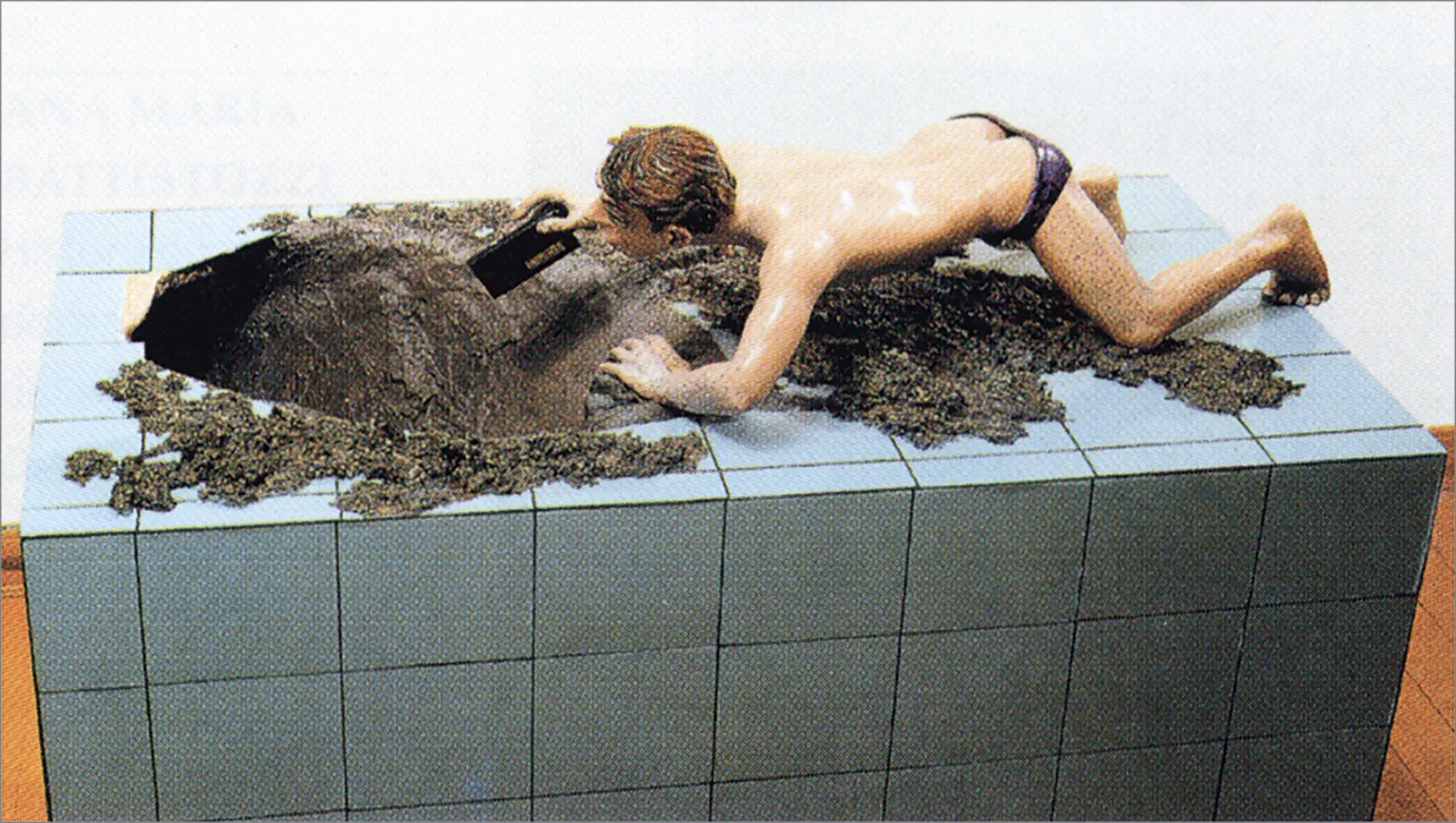
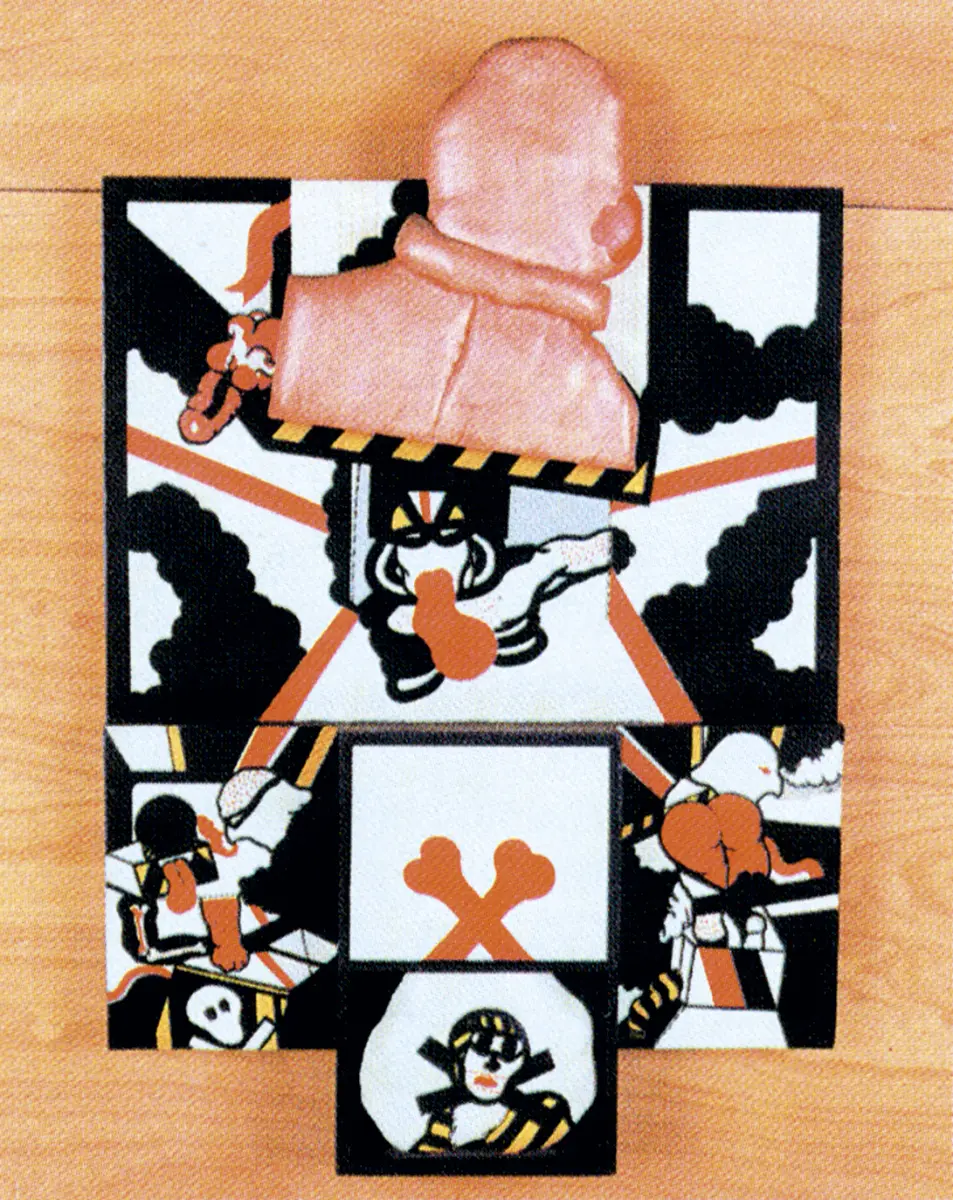
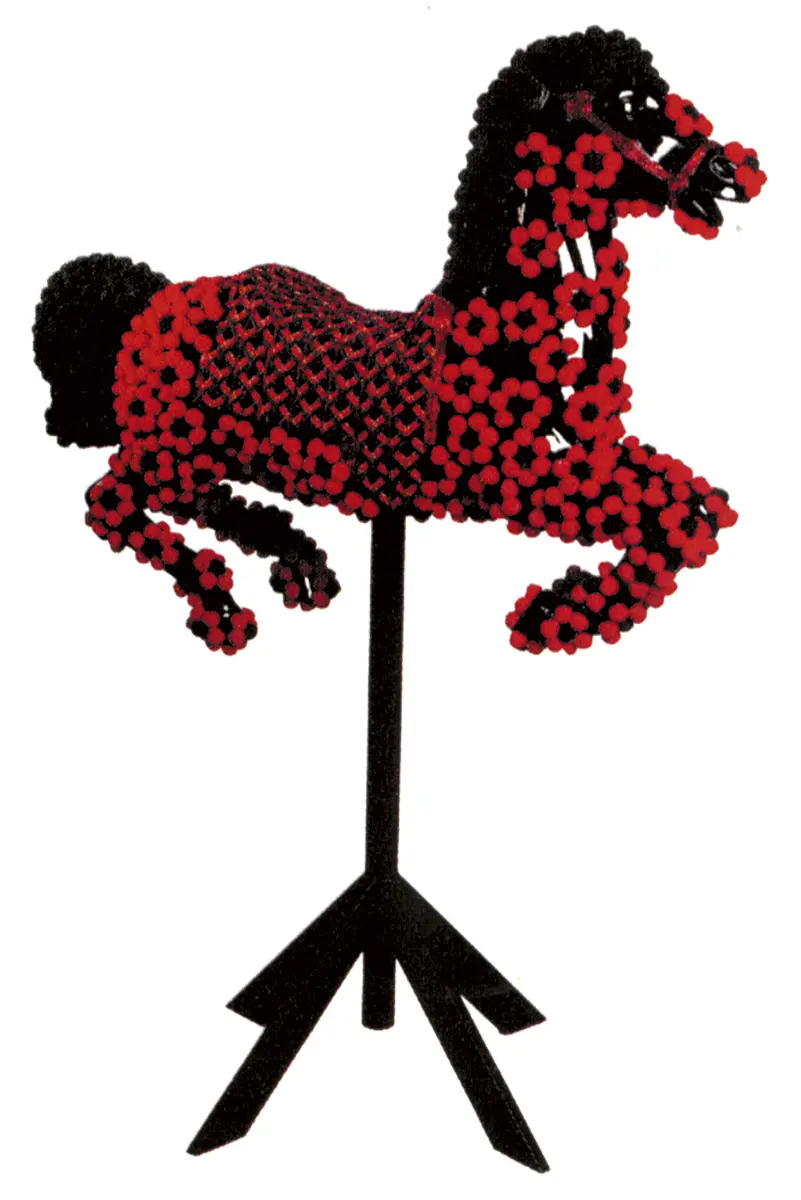
In the Argentine galleries, on the other hand, the representatives of the ‘90s enjoyed generous spaces like never before. Not only did Ruth Benzacar, who has been working with them for a long time, reserve a special place for the youngest artists—Nicola Costantino, Marcelo Pombo, Pablo Siquier, Sebastián Gordín, Miguel Harte, and Jorge Macchi, among others—Pelusa Borthwick, director of Arcimboldo, also did something similar. She offered a “junior” section with works by Amalia Amoedo, who presented a horse covered with candies and mostacillas that was very ‘90s, between decoration and self-reference, along with paintings by Victor Florido and Magdalena Jitrik, and objects by Benito Laren. For its part, Gara, another gallery that fights for young artists, presented a bland sculpture and several woven objects by Marina De Caro, along with photos by Raúl Flores that revolve around a curious “thematic park” of the city called Tierra Santa (Holy city). Flores‘s camera portrays papier mâché animals that ridicule the substitution of the natural by the artificial. Irony is also the weapon of Pablo Suárez and Luis F. Benedit, two older artists from the Ruth Benzacar space who use irony to allude to the past and to the present. The work selected by Suárez, a sort of large sculptural object with a tiled pedestal and a polyester resin figure, forms part of the narrative that articulates the work of this artist and aims to reflect the reversals of fortune of the ill-starred average Argentine. Benedit’s works correspond to the same series of designs with bones collected in the fields of the province of Buenos Aires that were at the last Venice Biennale and the last edition of ARCO.
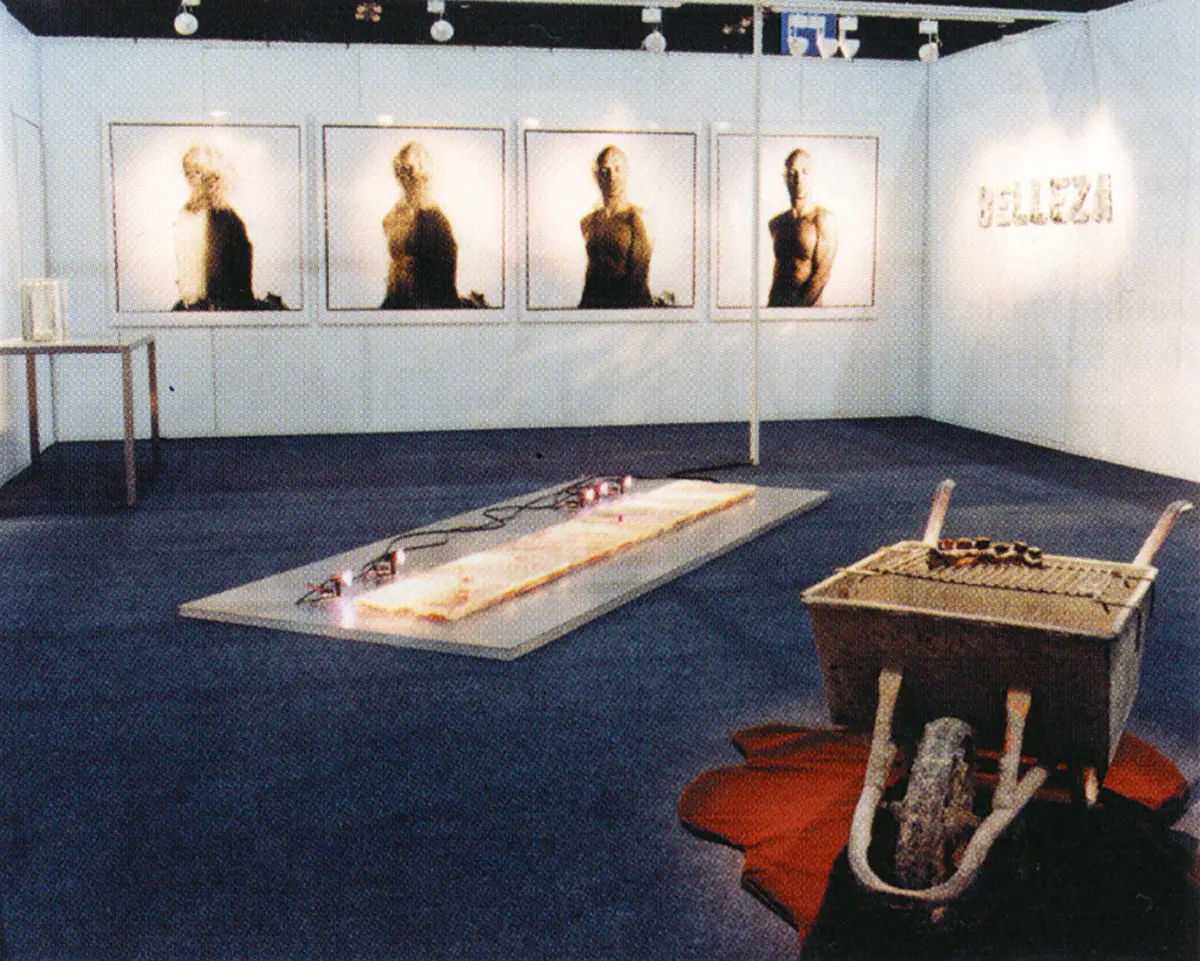
The allusions to the parallels between the affirmation of a national being, the tradition of violence in Argentine history, the slaughterhouses, and the meat industry, were present in the works exhibited by Luisa Pedrouzo, a gallery owner in the Palermo Viejo neighborhood, who showed risky pieces with an impeccable montage designed by Gustavo Vázquez Ocampo, one of the most talented specialists in Argentina. That curatorial vision allowed her to cover works with a political reading addressed both to the present and to the remote and recent past. Her stand exhibited paintings and installations by Daniel Ontiveros and Marcela Astorga along with the disquieting work of Cristina Piffer, an artist who works entrails “braided Creole style” and pieces of meat carved out of polyester resin. The process, highly metaphorical in itself, yields results of very high formal refinement that say a lot about the Argentina of today.
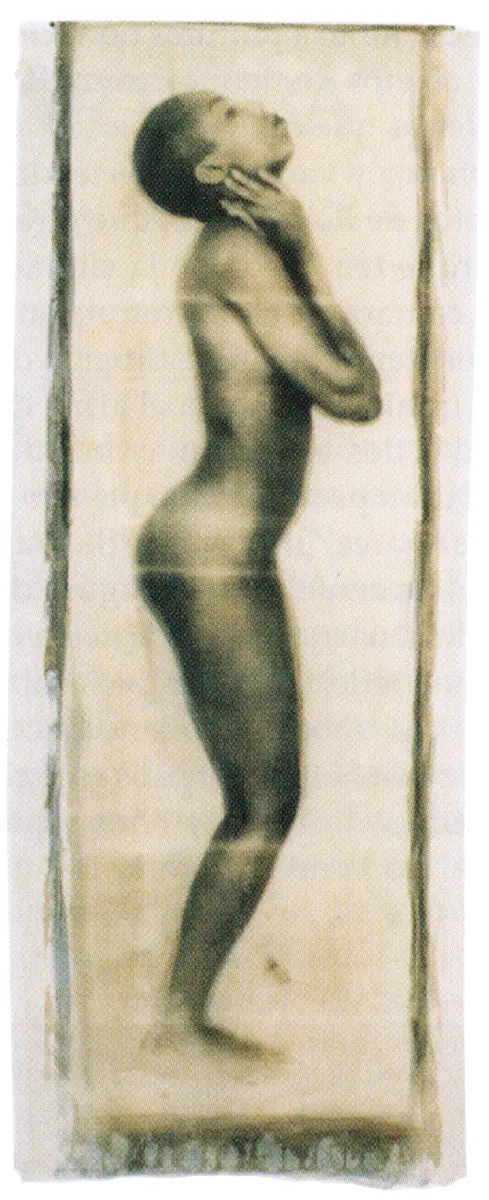
Nicola Costantino, the Argentine representative at the São Paulo Biennial devoted to cannibalism, and artist of the Ruth Benzacar Gallery, works in a neighboring realm, manipulating the corpses of foals and suckling pigs. She later packs them into silicone molds as “export material.” Further away from the question of meat, but not from the fortuitous death that lies in an ambush on any street corner today, the same booth presented the drawings of Jorge Macchi, realized with very fine newspaper clippings. These pieces by Macchi are linked to the installation Música Incidental (Incidental music) which was acquired last year by the ARCO Foundation. Alvaro Castagnino took pride in balancing the irreverent series of objects Infiernos e idolatrías (Hells and idolatries) by León Ferrari with the abstract sculptures of Pájaro Gómez and the refined boxes of Nora Correas, that correspond to a series similar to the one exhibited last year at the National Museum of Fine Arts.
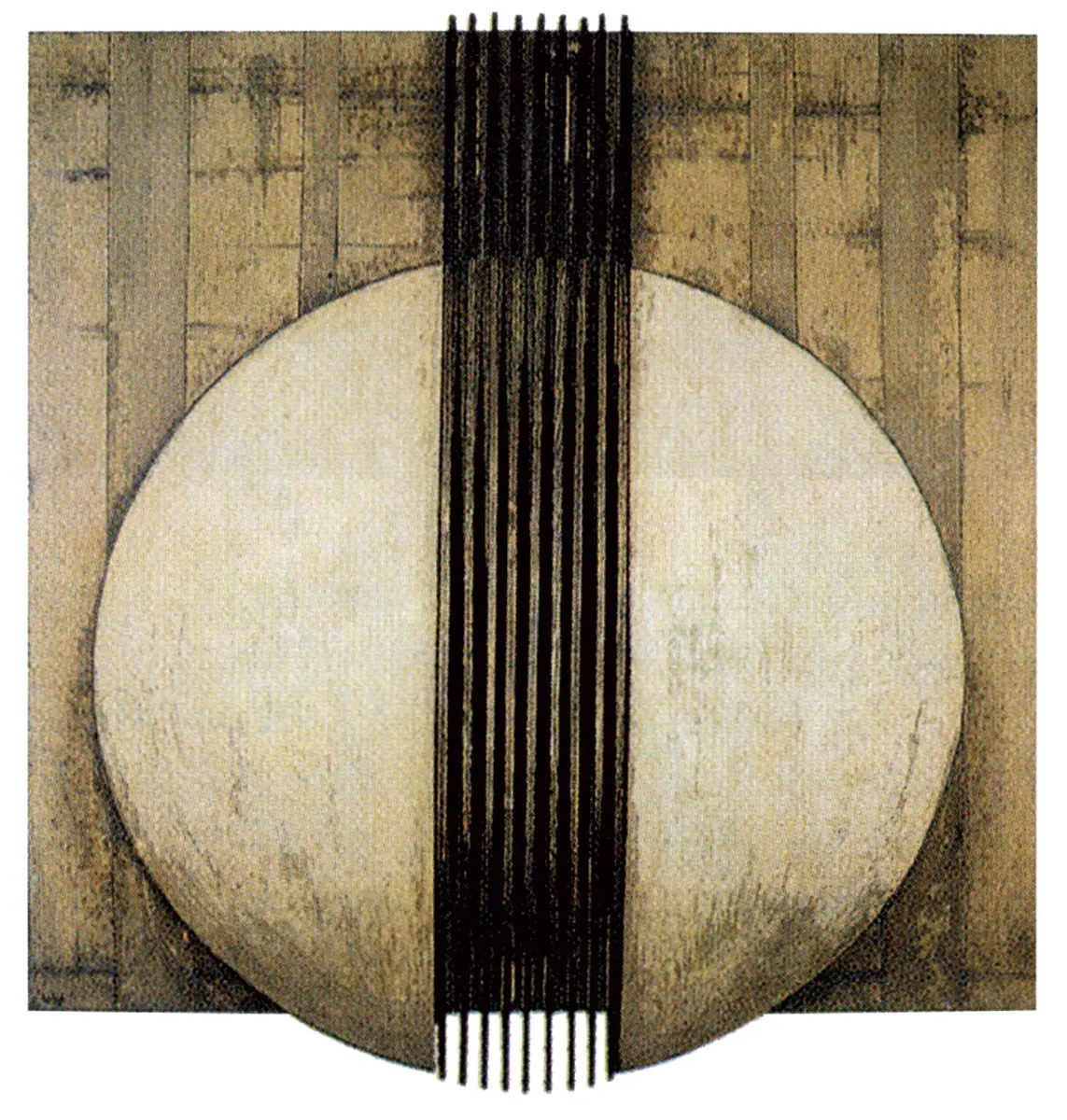
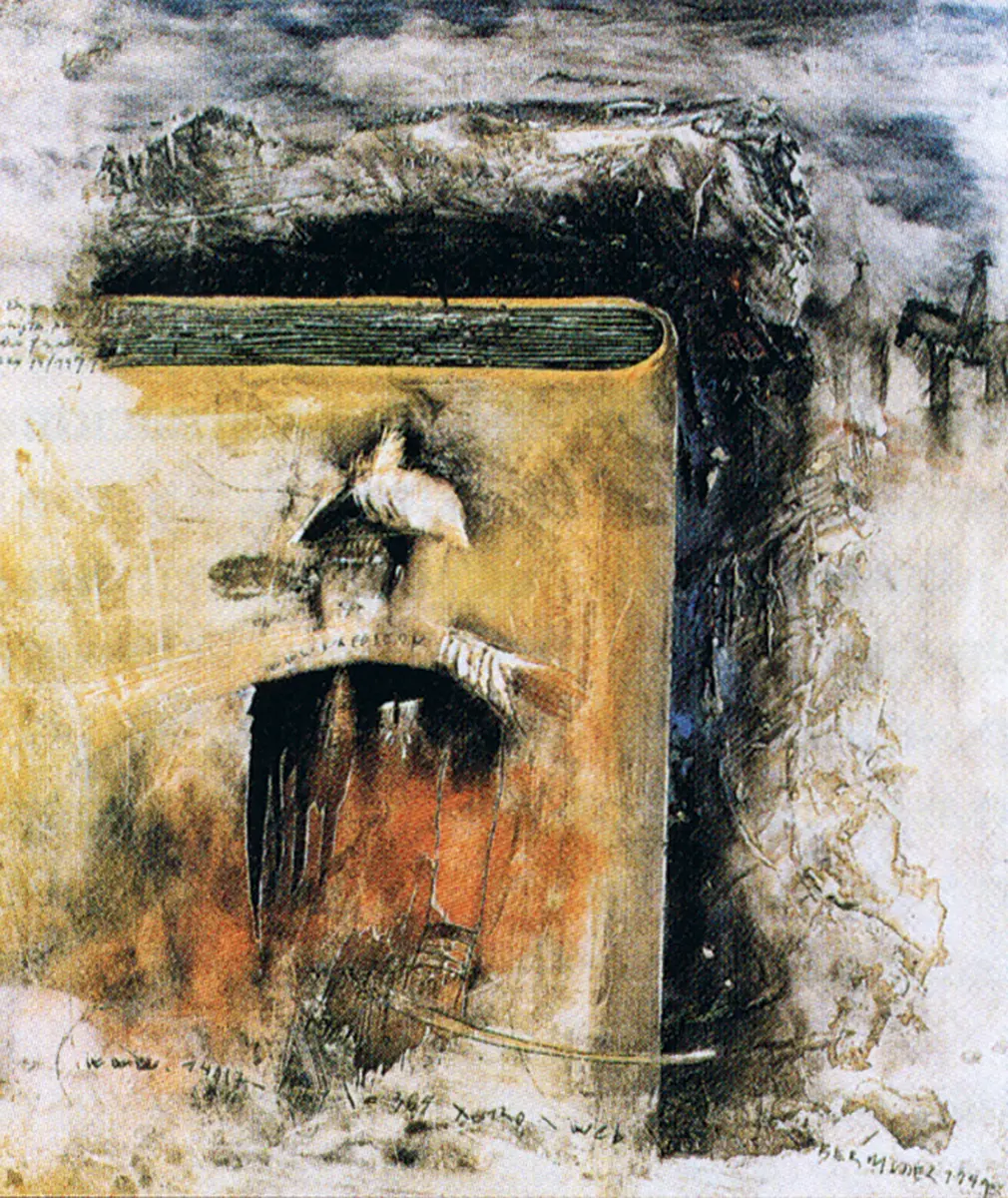
In any case, the great majority of gallery owners who come to the fair largely remain faithful to the Argentine masters of the ‘60s through the present. Berni, Juan Carlos Castagnino, Seguí, Rómulo Macció, Noé, Bonevardi, Carlos Alonso, Batlle Planas, Roberto Aizemberg, and Guillermo Roux are the ones who stand out on that list, as does Adolfo Nigro. Carlos Gorriarena, another artist of that generation received homage at this year’s fair. Luis Wells, another representative of that generation, shone in the excellent montage that the Andreani Foundation lavished upon him.
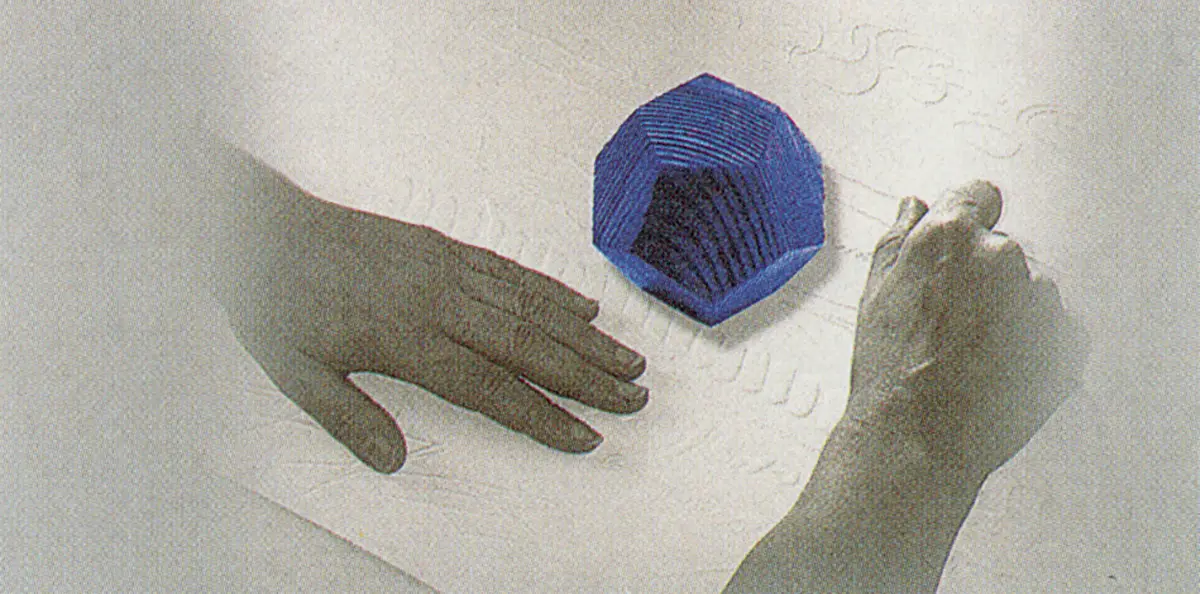
It could be said that this time it was the Eighties Generation that lost ground. However, the Cecilia Caballero Gallery exhibited and sold one of Guillermo Kuitca’s paintings from 1984, and the Klemm Foundation exhibited recent works by Remo Bianchedi, while Altera, a gallery in the beach resort of Pinamar, devoted its entire space to Gustavo López Armentía.
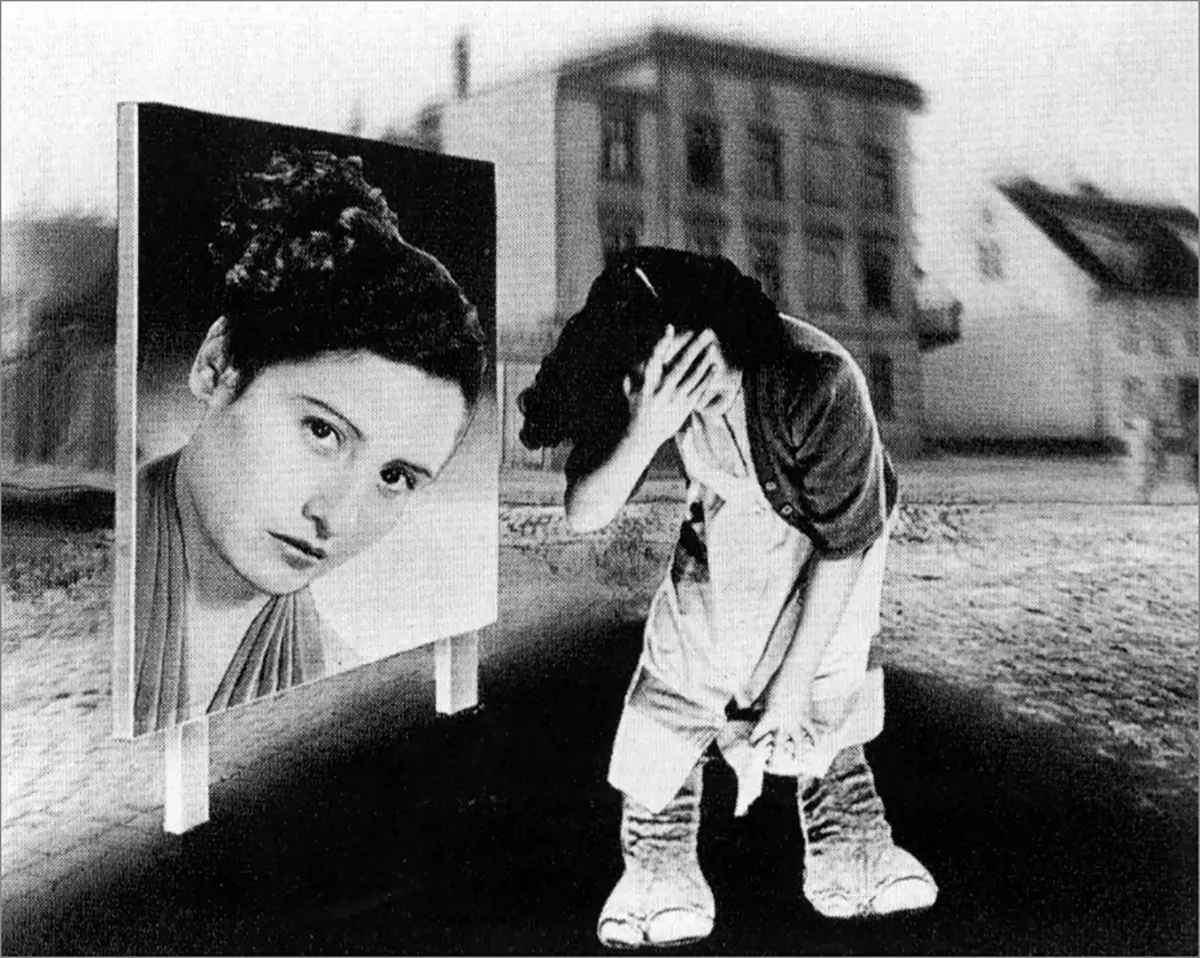
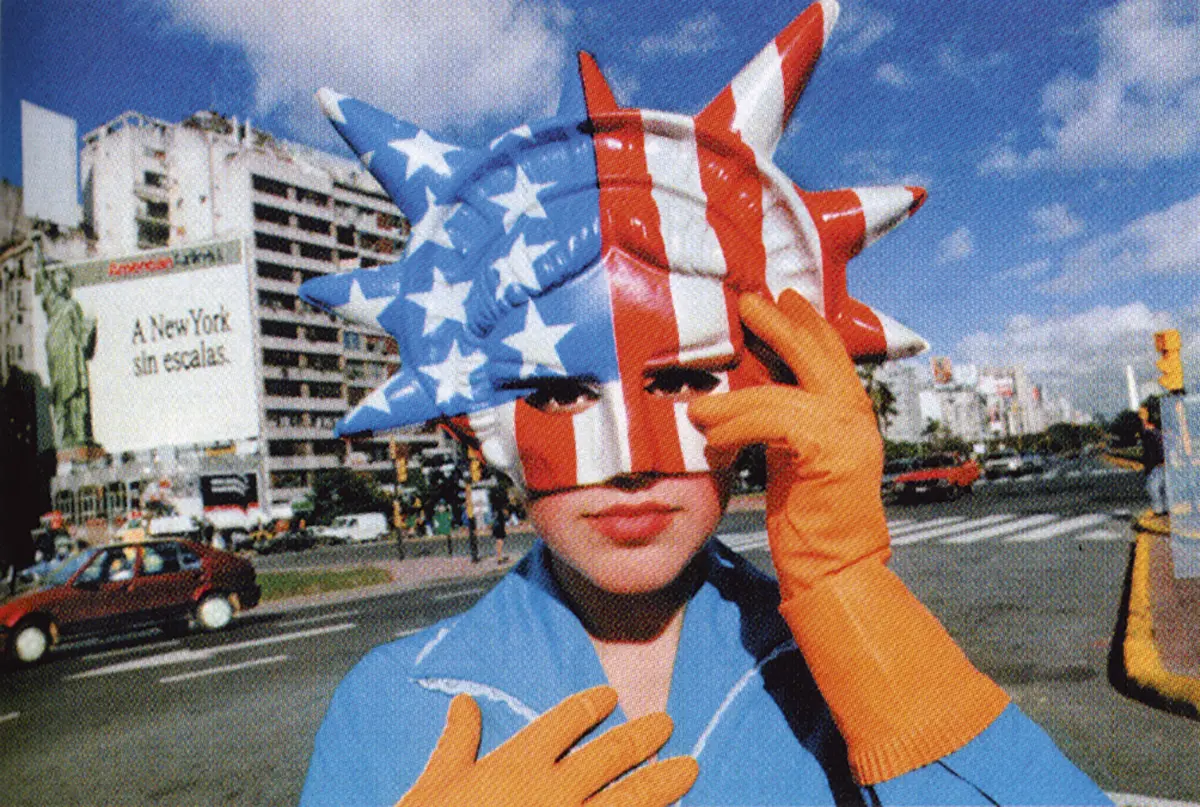
Meanwhile, Grafica Contemporanea, Matilde Marín’s project that accompanies important Argentine engravers like Juan Carlos Romero, Tiny Weil, and Teresa Pereda, this time teamed up with Raiña Lupa Editions of Paris and offered in small scale a panorama infinitely superior to the selection of the Mercosur Etching Biennial that the Arte BA Foundation convoked and exhibited with great unfurling. Surprisingly, photography remains conspicuously absent from the fair space. With the exception of the Arte x Arte gallery which devoted its entire space to parodical works by Marcos López, and the German gallery HengevossJensen which showed Cibachromes by Luiz Alegretti and some photographic prints on silk by Kimberly Austin, precious few galleries included photography in their offerings. Among them were Principium, which exhibited work by Grete Stern; Luisa Pedrouzo, which showed the series Yo Cacto by RES, exhibited in the last Havana Biennial; and Ruth Benzacar, which brought a work by Liliana Porter.
Books and specialized journals also benefited from the new distribution of space. In line with this, there can be no doubt that both ArtNexus and the Spanish Lápiz, two magazines edited outside of Argentina, will continue to remain essential for Argentine readers interested in issues of contemporary art. Among other things, because a better local product has still not appeared.
Moreover, the European galleries continue to be indebted to the organizers of Arte BA. Although this year two German galleries of a very high caliber came to the fair—Adriana Schmidt and Hengevoss-Jensen—Madrid’s Kreisler is still one of the few European galleries that has guaranteed its presence for years. This time the Spanish gallery brought the suggestive constructions of Urban, an artist whom the gallery has successfully shown throughout America and Europe in recent years.
The fair also had its notable absences: Jorge Castillo, the Uruguayan gallery that was practically at every edition from the beginning, and Diana Lowenstein which, inexplicably for many, opted to participate in Art Chicago and did not have any representative whatsoever in Buenos Aires. In any case, the organizers rightfully celebrate a success that has its correlation in numbers: sales nearing three million dollars. On this occasion, the total sales in general were much more widely distributed: many more works were sold at lower prices on average. A reasonable equation that left everyone happy.
ANA MARÍA BATTISTOZZI
Historian, teacher, and art critic. Entitled to Art of the 20th Century and Galleries, Museums, and Art Spaces professorship at the Universidad de Palermo in Buenos Aires. Writer for the journal Clarín and the Buenos Aires Bellas Artes magazine in Buenos Aires.