

The work of eight young artists representing a new generation in Miami was the subject of considerable interest at the Broman Fine Art Gallery. These artists want to change the traditional view of Latin American art, previously associated with paintings deriving from Diego Rivera, Frida Kahlo, and Rufino Tamayo. Manola Payares, the curator of this show entitled Current Art, selected Paul Fugue, Sergio García, Vivian C. Marthell, Sergio Payares, Manuel Ángel Prieres, José Reyes, Leyden Rodríguez, and Carlos Suárez de Jesús.
Almost all of the work on display can be seen as an attempt to transgress the traditional forms of art, and to consolidate what is unpredictable and conflictive. In this sense, the Broman Gallery has embarked on a solitary and rewarding path, which the Ambrosino Gallery in Miami has been following for a number of years in its promotion of the most unusual trends in art in Miami.
Sergio Payares, Carlos Suárez de Jesús, Paul Fuguet, and Sergio García use painting to express ideas of fragmented humanism, or rather, in an attempt to fragment the passive supports of painting.
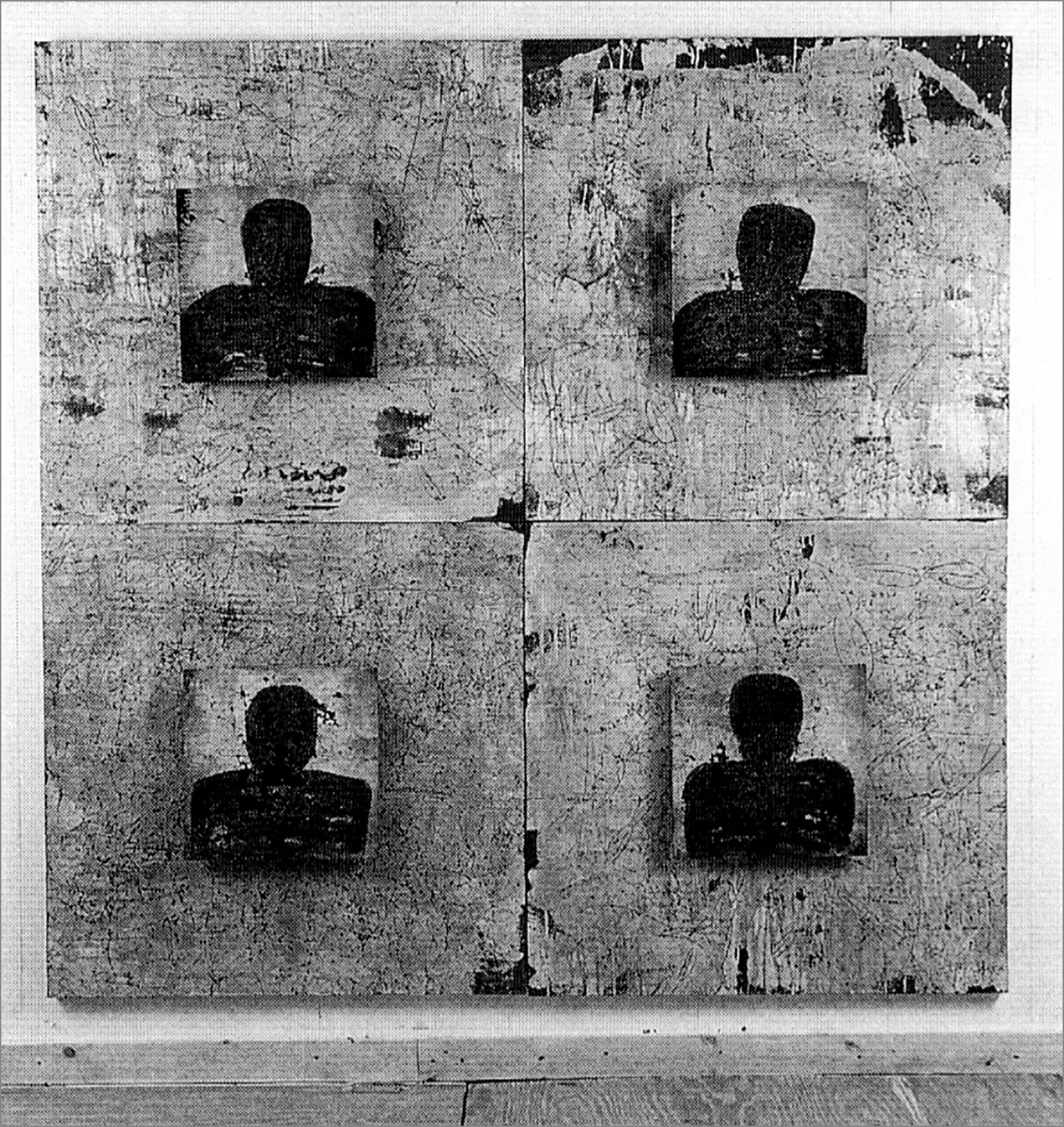
Payares proposes a varied atmosphere of colorless tonalities. Space is the place where his figures emerge like rapid silhouettes and play an emblematic role in the urban landscape of controlled humanism. These silhouettes seem to be floating with a kind of subtle energy toward the mysterious field of the narrative.
José Reyes accumulates little objects and felt and plush dolls which, covered in wax, take on a new and surprising appearance. The dark colors of each piece appear like a mass of indefinite and dull tones. The installation is full of curious resonance resulting from the deformation of the objects trapped by the heat of the wax. The work reminds us of the connotations of abstract painting from the 1960s with its messy colors dripping voraciously.
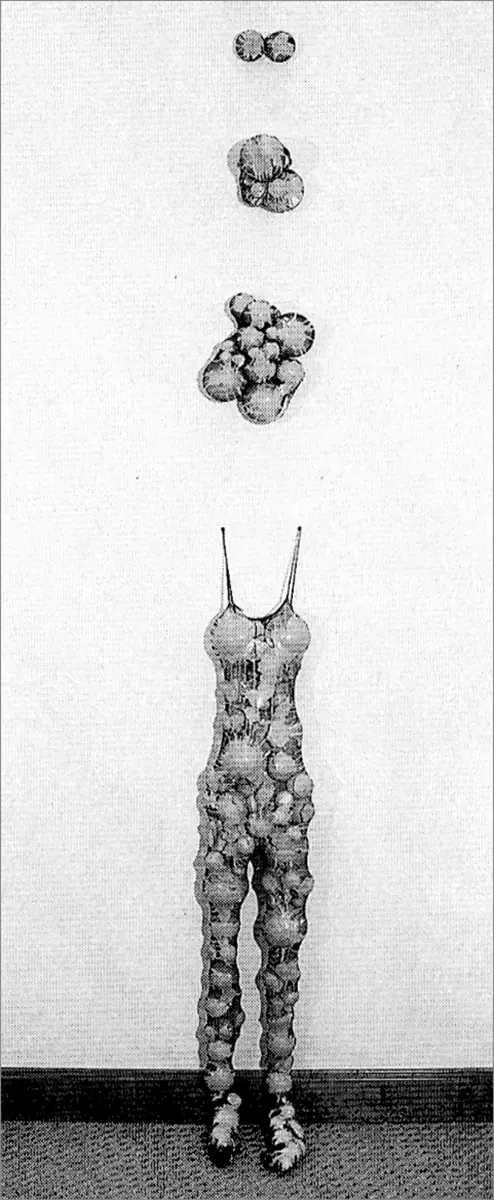
Vivian C. Marthell is an artist who has worked with performance. Her manipulation of objects, paintings, and videos reflects her previous activities, where the freedom provided by “actions” determined her new aesthetic parameters. Undoubtedly, performance-based works often seem to focus on the obscure needs of the body, with many artists using performance work to convey an individual message about social behavior. At a time of sexual paranoia, latex has become material with direct links to organic and sexual matters. How would Eva Hesse feel about this if she were still alive today? This is the material used by Vivian Marthell. Latex is slippery with imprecision, a shadow that might become pictorial or remain merely sculptural. The consistency and abnormal formality of these small format works confirm that Marthell is an artist with full control over a cracked sensibility, ready to confront situations involving unknown risks.
Paul Fuguet is an artist who prefers not to reject his training as a painter. He uses this training to devise, astutely and quickly, a temporary solution to a dilemma of painting which, although figurative, prefers to be conveniently abstract. His work is characterized by its unstable kind of growth, with marked descents into pictorial depths.
Sergio García takes the existential conflict to the delicious limits of violence. The knife rips the canvas and remains stuck there as evidence of the passionate struggle between the artist and the body of the work. The knife determines the life of his work and in the end, anxiously tries to discover or experience it's forgotten or lost innocence. García highlights the expressiveness of this paradoxical situation.
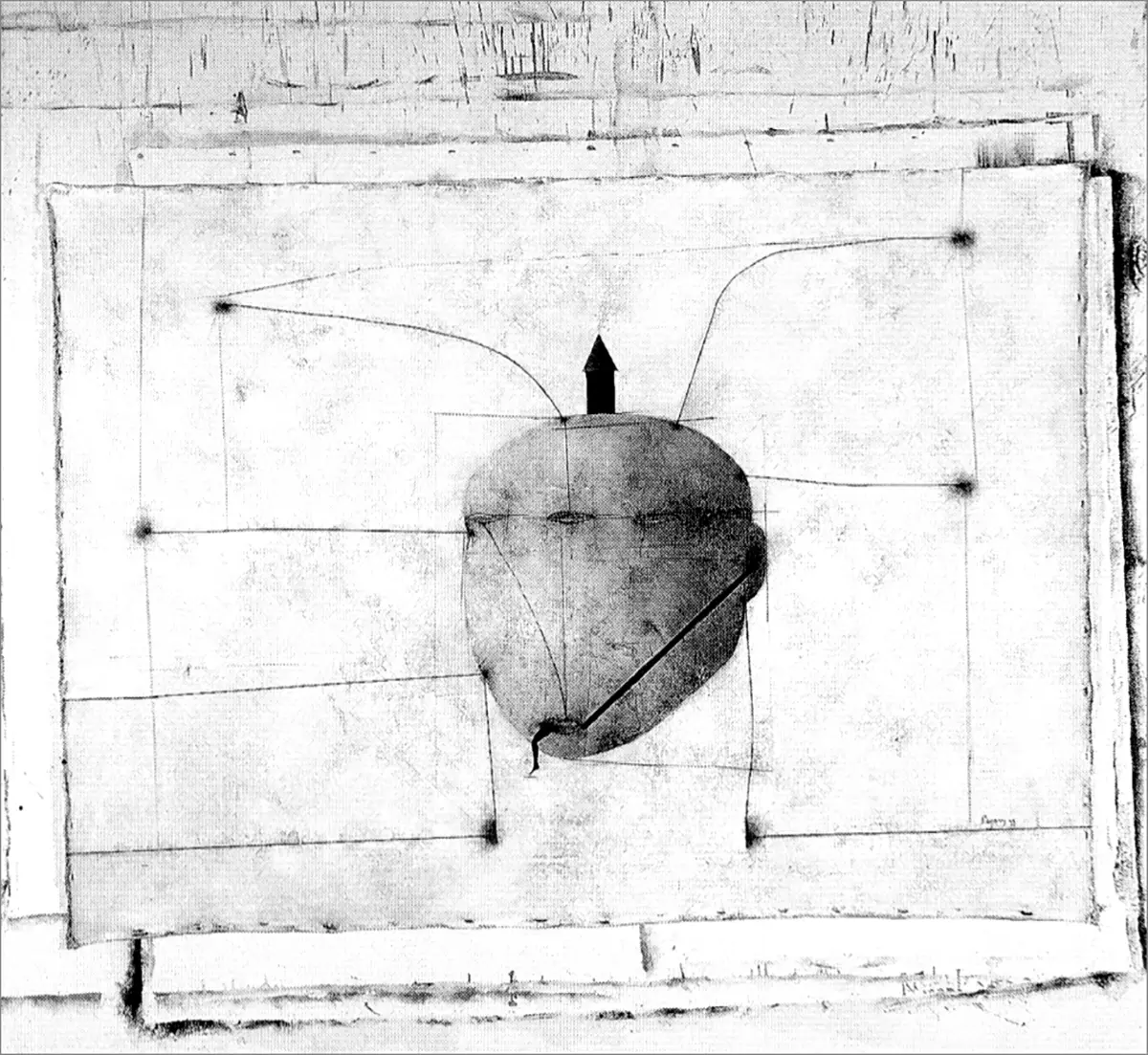
With its solitary and anxious figures, Carlos Suárez de Jesús’ painting is equally dramatic in its redefinition of human degradation. The figures appear to be cornered in a world, that is both complex and primitive, with the paintings showing unbalanced men hiding in the industry of civilization.
Manuel Angel Prieres raises doubts about the patterns determining mass consumption fantasies of Italian practitioners of arte povera that seem to intrude into his projects. The shelves and stands for selling and promoting goods or foodstuffs in stores and markets are here filled with earth as a means of boycotting the impulsive and automatic need to consume.
Using a mold and flour for making bread, Layden Rodríguez presents an installation made-up of hundreds of human figures that innocently remind us of the ambitious culture of cloning. These tiny innocent human beings seem to be both new creatures and yet already lifeless, beings piled up in some common grave. The topicality of this show seems to be more a matter of addressing the tradition of human conflict than the battle between aesthetic principles. Perhaps the balance achieved between the two might once again guarantee the appearance of that mysterious phenomenon we call art.
EUGENIO ESPINOZA