Celia Sredni de Birbragher: How did you enter into the world of collecting?
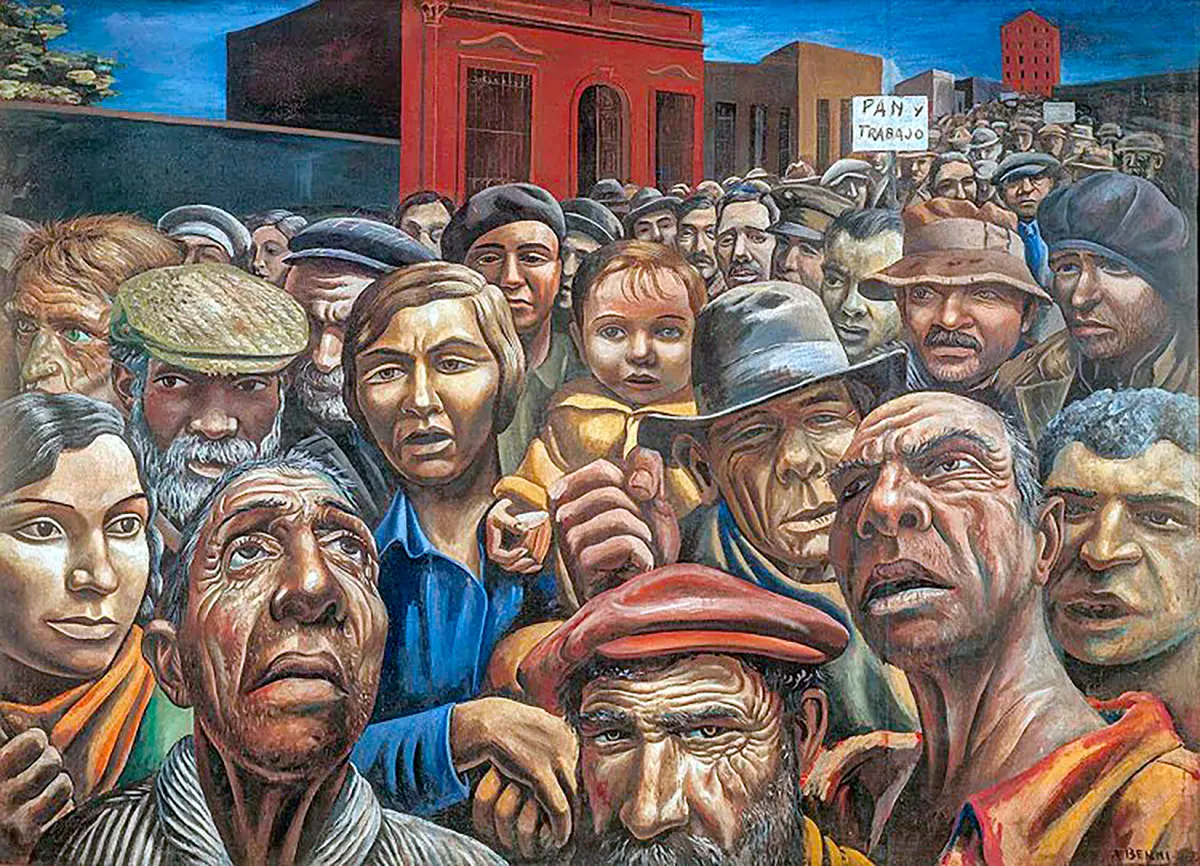
Eduardo Costantini: It was totally spontaneous. I was around 23—that was three decades ago—and I went to an art gallery two blocks from my house. There I saw a picture by Antonio Berni in the show window and I wanted to buy it. I tried, but I didn't have enough money, so I bought two lower-priced paintings that I had to pay for in installments. In time, I began to buy others and I realized that I was going to be tied to paintings all of my life.
C. S. de B.: When did you feel that you were really collecting?
E. C.: It was in the late '70s and early '80s. I devoted myself first to the painting around the Río de la Plata—Argentina and Uruguay, basically—and then I opened up to the rest of Latin America. At the same time I began to look for works of museum quality. I was usually very selective, but it was at that time when I realized that the pictures that I was incorporating were pictures that could perfectly be hung on the walls of a museum.
C. S. de B.: Over the years, you have acquired pieces that have made history, that have had record sales, especially in auctions. Tell us a little about those works.
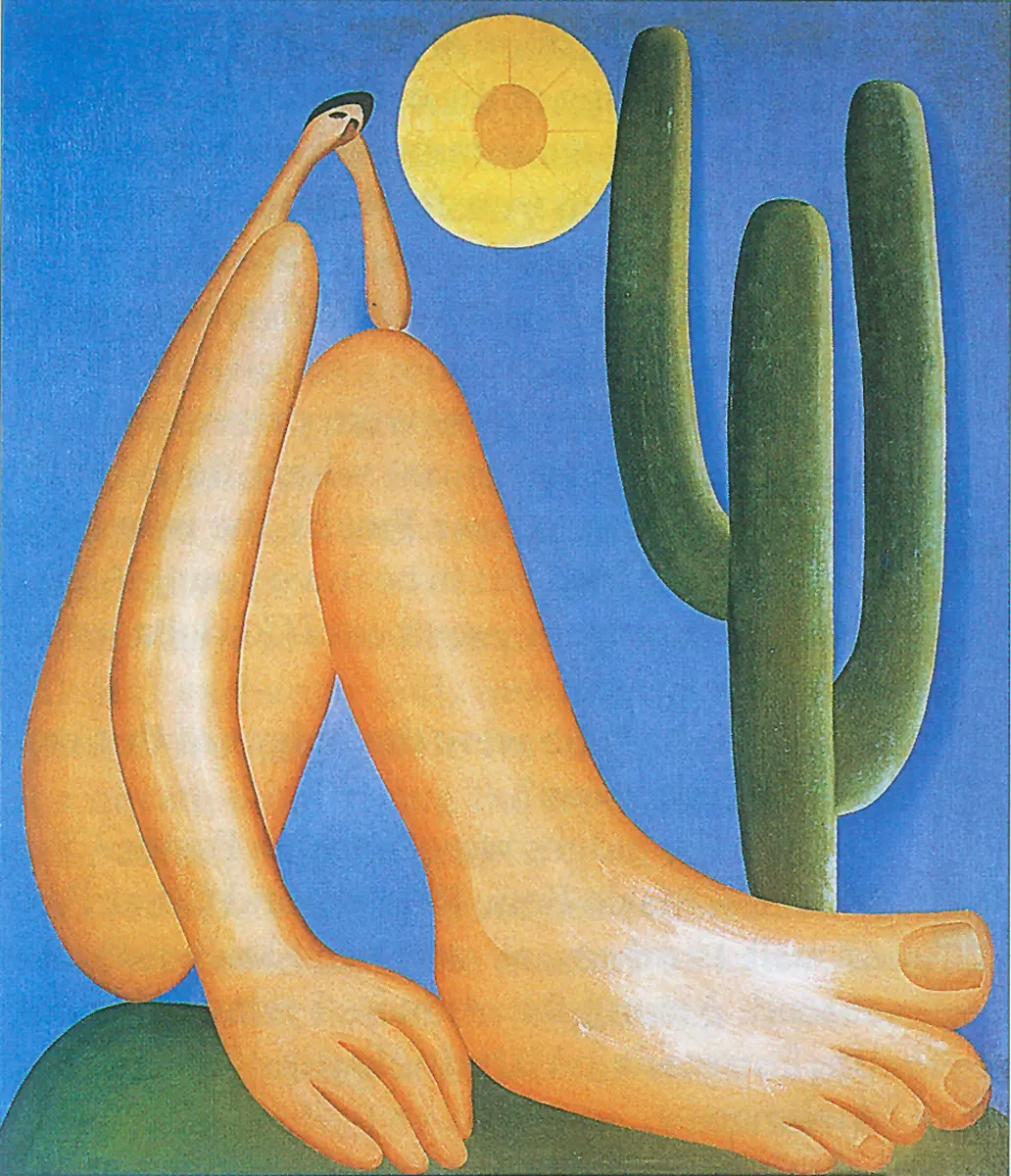
E. C.: I think those records are the result of my attempt to buy the best of each painter. Sometimes works appear by certain painters that break new records only because they are anthological, but the feeling remains that too high a price was paid. What has been overlooked is what the work in itself is. For example, approximately two years ago I bought a picture by the Brazilian painter Tarsila do Amaral (Abaporu), for which I paid $1.5 million because it was an anthological work. However, there are other pictures of hers that may not be considered anthological but which, if sent to auction, I believe would surpass or come close to 3 million dollars. This is the case of Antropofagia (Cannibalism), which for me is Tarsila's best painting.
Such record sales depend, the way I see it, on the opportunity and the quality of the work. The best paintings that I have acquired were bought with this criterion, and I consider it to be one of the reasons that I have set many records.
C. S. de B.: When did the idea of building a museum emerge?
E. C.: It emerged approximately four years ago. Ten years ago I already knew that the collection was going to be donated and that, therefore, it would stay together. However, I didn't know who the recipient was going to be.
Naturally, I always wanted the collection to remain in Argentina, but I know that museum conditions are still not on an international level. Besides, they are spaces that lack a budget. In any case, I saw myself making a donation after twenty or thirty years, depending on the length of my life, and that's when a piece of land appeared in a strategic point. Perhaps the last piece of land that remains in the museum area of Buenos Aires, is something that completely moved my project forward.
C. S. de B.: How does your family feel about such a generous donation?
E. C.: Ever since the '80s when I saw that a collection was forming that could be of international importance, my six children have been infused with the idea that the collection was going to be donated. Even in 1994 when I was divorced, I was able to convince my ex-wife that I would be the owner of the collection. I kept all the paintings— which were my passion—including those of museum quality. The collection continued to grow and my family grew with the idea that this is a public collection.
C. S. de B.: What were the politics behind creating the Museum of Latin American Art that will house the collection?
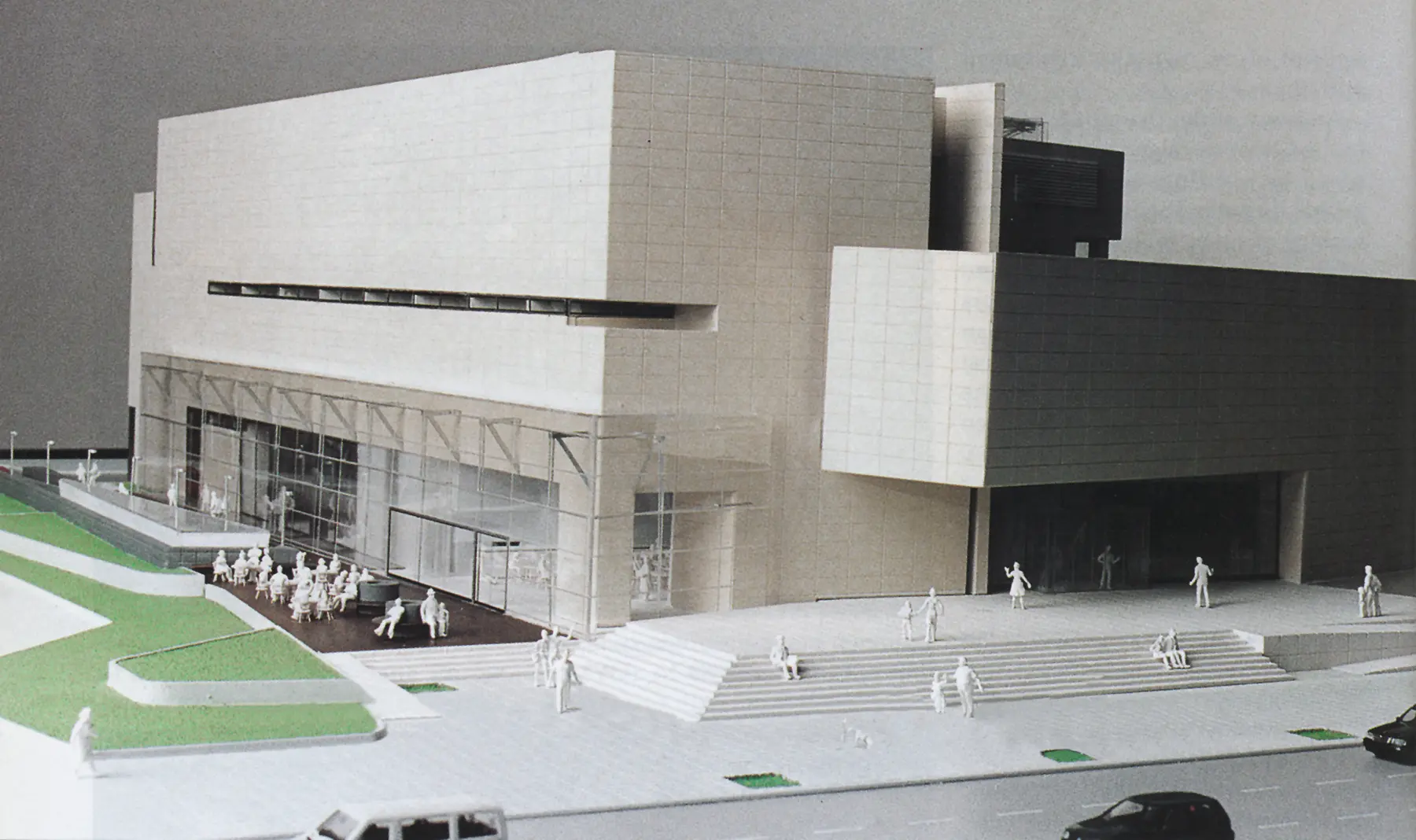
E. C.: A museum is a public project. Starting from that basic conception, we thought about who could carry out the project. I contacted an architect friend who suggested that I hold a competition. With the current director of the Museum of Fine Arts of Buenos Aires, Jorge Glusberg, we organized an international public competition that coincided exactly with the Buenos Aires Architecture Biennial where architects of international renown gather.
The National Union of Architects took charge of the monitoring of the contest. It was through the Union that we summoned the judges—the majority of which were foreigners—and we distributed the invitations with the help of the headquarters of the Union in different countries around the world.
Over 400 pre-projects were presented, in an anonymous competition, which delayed the project for almost a year. Finally, the winners of the contest turned out to be three young Argentines who live in the province of Cordoba, which was a great surprise.
C. S. de B.: Who were the judges of this contest and who won?
E. C.: The judges were Norman Foster, Cildo Meireles, Mario Bota, Raleigh, and César Pelli, as well as others, all very well-known figures abroad. Among the winners, I remember Martín Fourcade, Alfredo Tapia, and Gastón Atellman.
C. S. de B.: I suppose that it also must have been a great surprise for them.
E. C.: When Jorge Glusberg called the winners in Cordoba, the boys answered him with one word, not believing what was happening and thinking that it was a joke. The next day they called my secretary who informed them that they had won. One of the boys began to cry on the phone, another was on his honeymoon because that week he had been married and in addition, he had won the first competition of his life. It was something really extraordinary.
We are now building the museum with the help of foreign technicians with whom we're defining the metalwork, carpentry, etc. Through a study made by two specialized workshops in London, the technical mechanism that will be carried out in stone has also been defined. The lighting was planned with a technician in Milan. As you can see, we have an important support group and a very integrated team for the construction of this complex of 6,000 square meters.
C. S. de B.: When is the inauguration scheduled to take place?
E. C.: We are planning on finishing the Museum at the end of October or the beginning of November. It is a strictly fixed deadline, keeping in mind the beginning of summer in Argentina, because after December 15th it's not worth having an inauguration. So, it will officially open at the beginning of November or it will have to be in March of 2001.
C. S. de B.: You have already named a director of the Museum. How did that choice come about?
E. C.: The director of the Museum was chosen through a firm specialized in recruiting personnel for non-profit entities, the same one that hired Glenn Lowry as director of the MoMA. Nancy Nichols took charge of the international search for a director, and after some months of selection, we arrived at an agreement with Agustin Arteaga, ex-director of the Museo de el Palacio de Bellas Artes of Mexico, who will move to Buenos Aires in mid-June.
C. S. de B.: Outside of housing the collection, I imagine that the Museum will carry out other projects.
E. C.: Exactly. The Museum has a permanent exhibition hall that at first will house the collection that bears my name. In addition, it has a temporary exhibition hall, a sculpture balcony, and a space for photography exhibitions. It also has an auditorium for three hundred people, a library, a bookstore, a cafe, and a restaurant, in addition to the entire technical stock.
The idea is for the Museum to be a center of activity and cultural exchange and, in turn, for it to represent Latin American painting both for Latin America and abroad. It is a question of driving the repositioning of Latin American painting in the world.
C. S. de B.: I believe your collection has a focus on what we could call "the masters of Latin American art" and the production at the beginning of the century. You are now beginning to collect the work of younger artists.
E. C.: Precisely. The collection comprises all of the last century, which means that, for now, it is basically a collection of modern art, not of contemporary art, although there are some contemporary artists included in the collection.
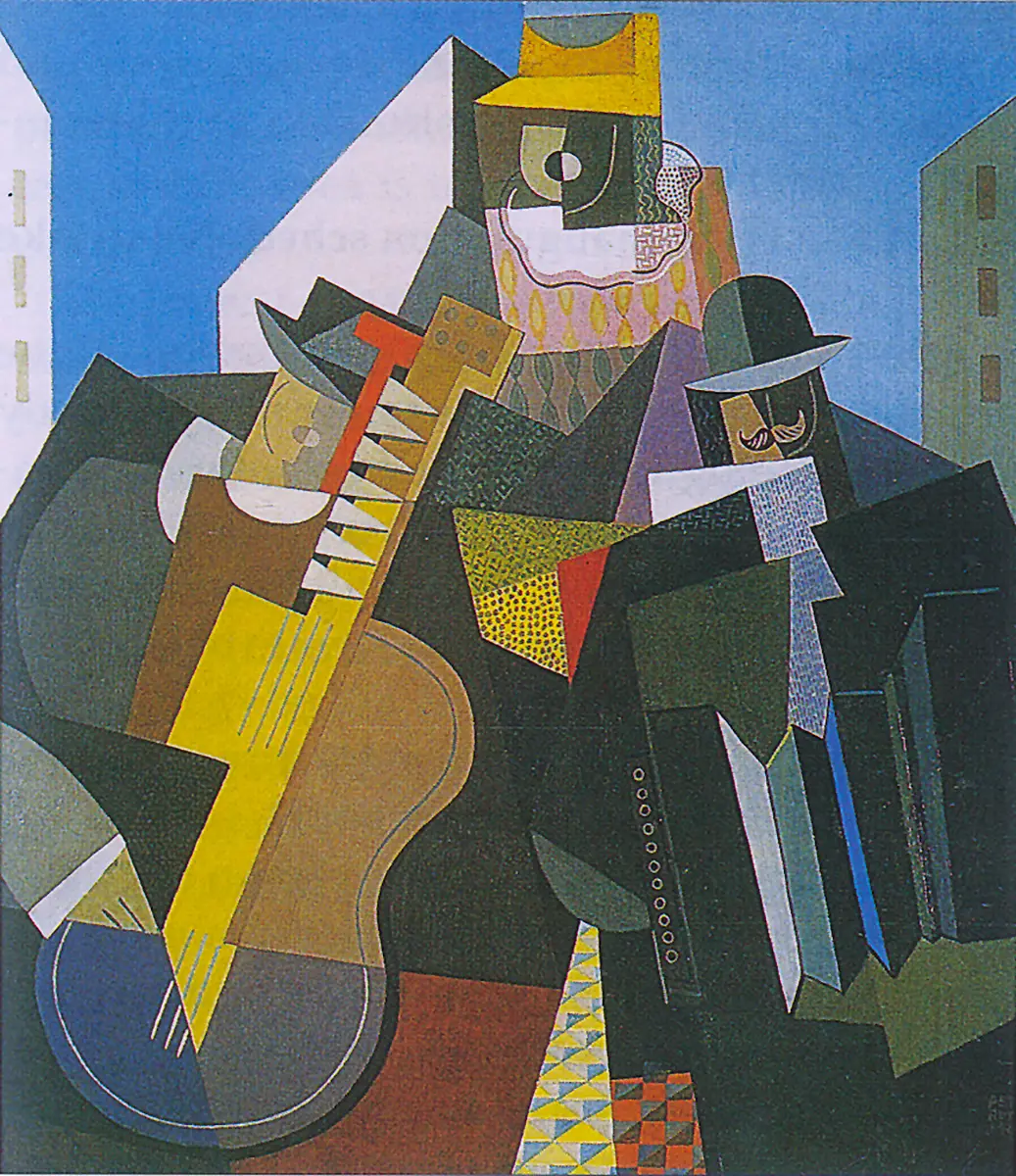
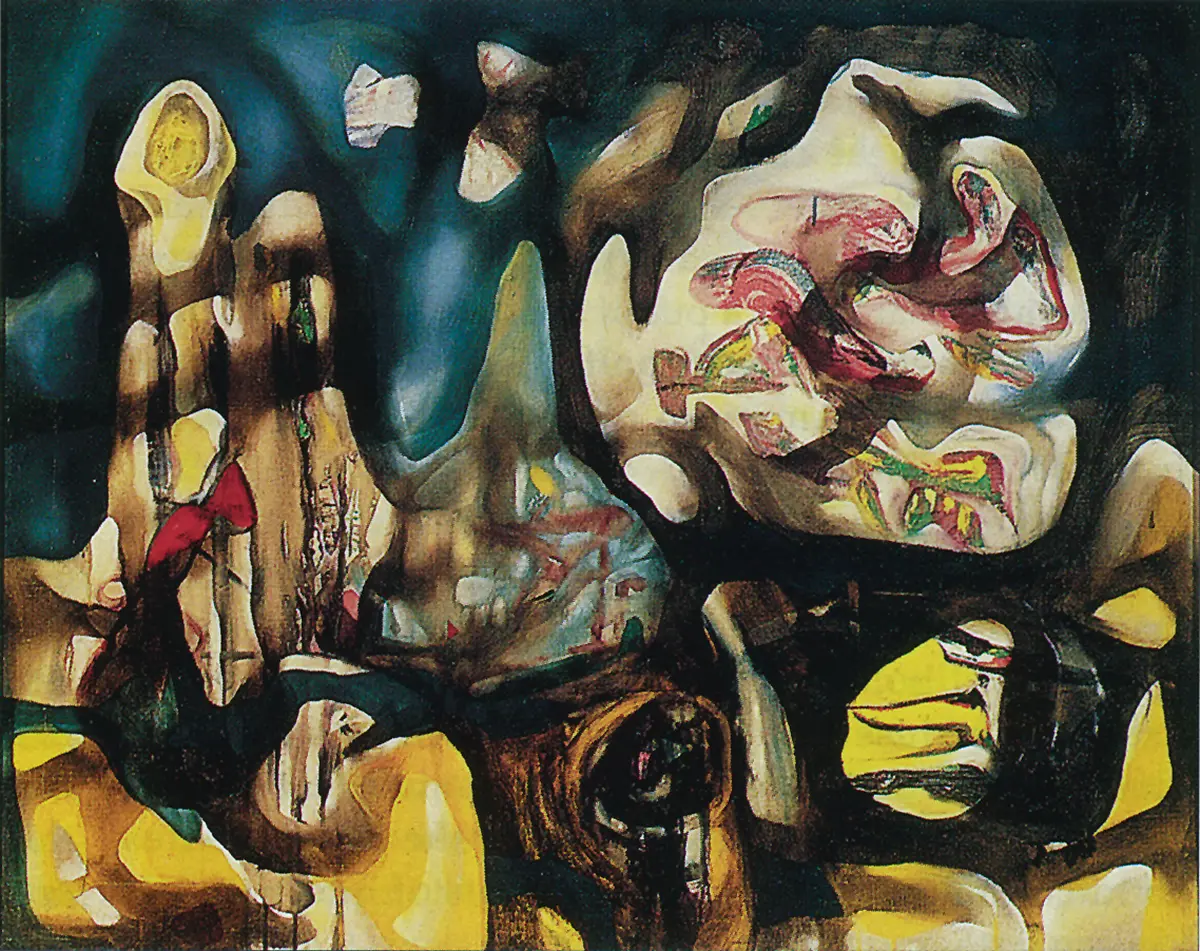
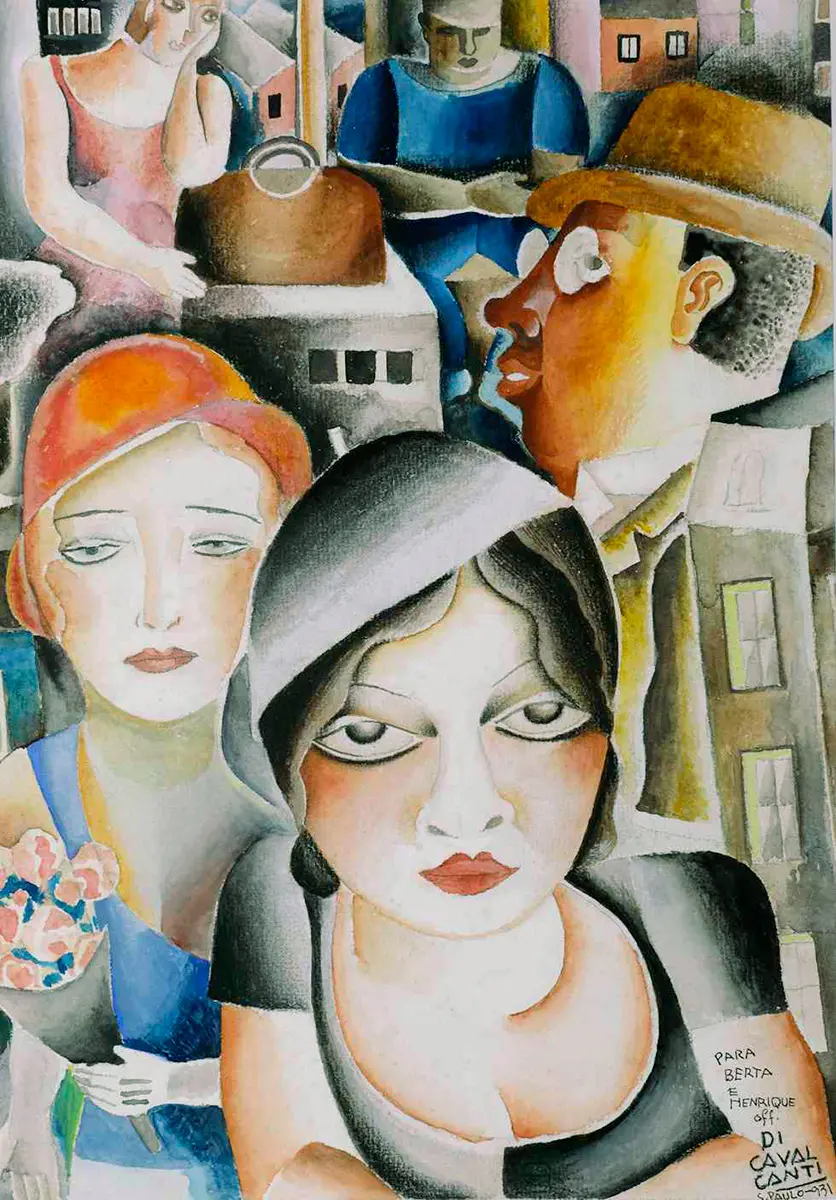
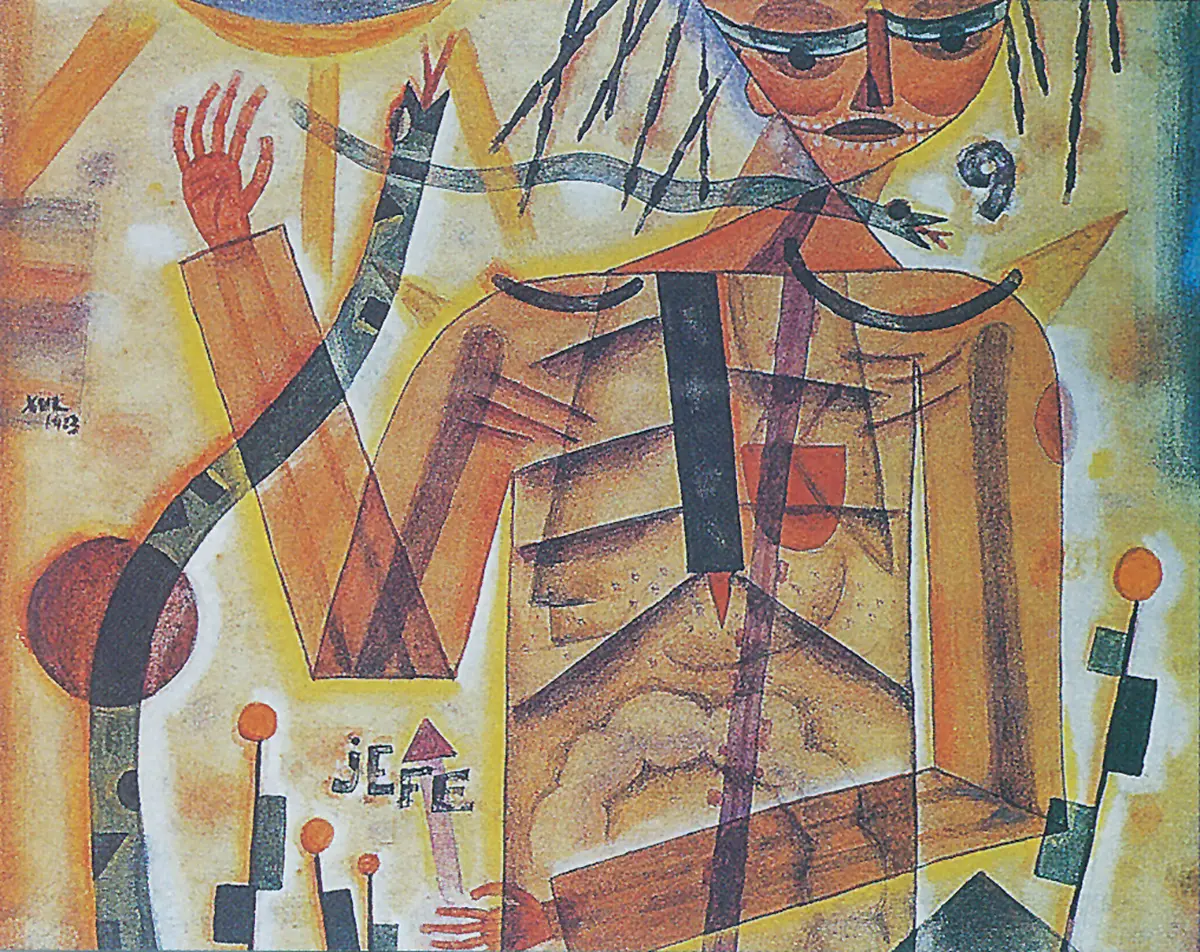
The cornerstone of this collection is precisely that focus on the great masters of Latin American painting, all of those painters who carried the currents of the European vanguards to their respective countries. We are talking, in broad outlines, about Diego Rivera, Frida Kahlo, Wifredo Lam, Roberto Matta, Berni, Xul Solar, Pettoruti, Tarsila do Amaral, Portinari, Di Cavalcanti, Monteiro, Torres-García, Barradas, Maria Martins, etc.
C. S. de B.: In addition to your collection you've created an award.
E. C.: Yes, the Costantini Award. Actually, the great importance of Latin American art is in the works of the great masters, leaving out the production of younger artists. In order to counter this situation, we organized an annual painting award that, for now, is a national Argentine contest, but the idea is to transform it into a Latin American competition.
The contest already has four versions. In the most recent one, over 700 works were presented. We made a pre-selection of about ten percent; that is, around 76 works were exhibited during a month in the Museum of Fine Arts of Buenos Aires. This is how we help painters to spread their work more widely.
We also print a catalog and we have seven awards: five prizes of $1,000; a second prize of $15,000; and the grand prize of $30,000. The two top prizes are also acquisition awards, meaning that two works are incorporated into the Costantini Collection. This is basically the mechanism that we have implemented to include for young artists.
C. S. de B.: When do you consider turning the contest into a Latin American competition, do you plan on continuing to hold it at the Museum of Fine Arts?
E. C.: It has been held there because we still don't have the building, but next year the Awards are going to be at the Museum of Latin American Art, and precisely for this reason the idea of extending them to all of Latin America emerged. There are other questions yet to be defined, such as the frequency of the competition and the selection of international judges. I personally believe that they should be held every two years instead of annually.
C. S. de B.: Were you already planning on creating a museum when you began to buy works by artists like Frida Kahlo and Tarsila do Amaral, pieces that were record sales and which had great distribution in the press?
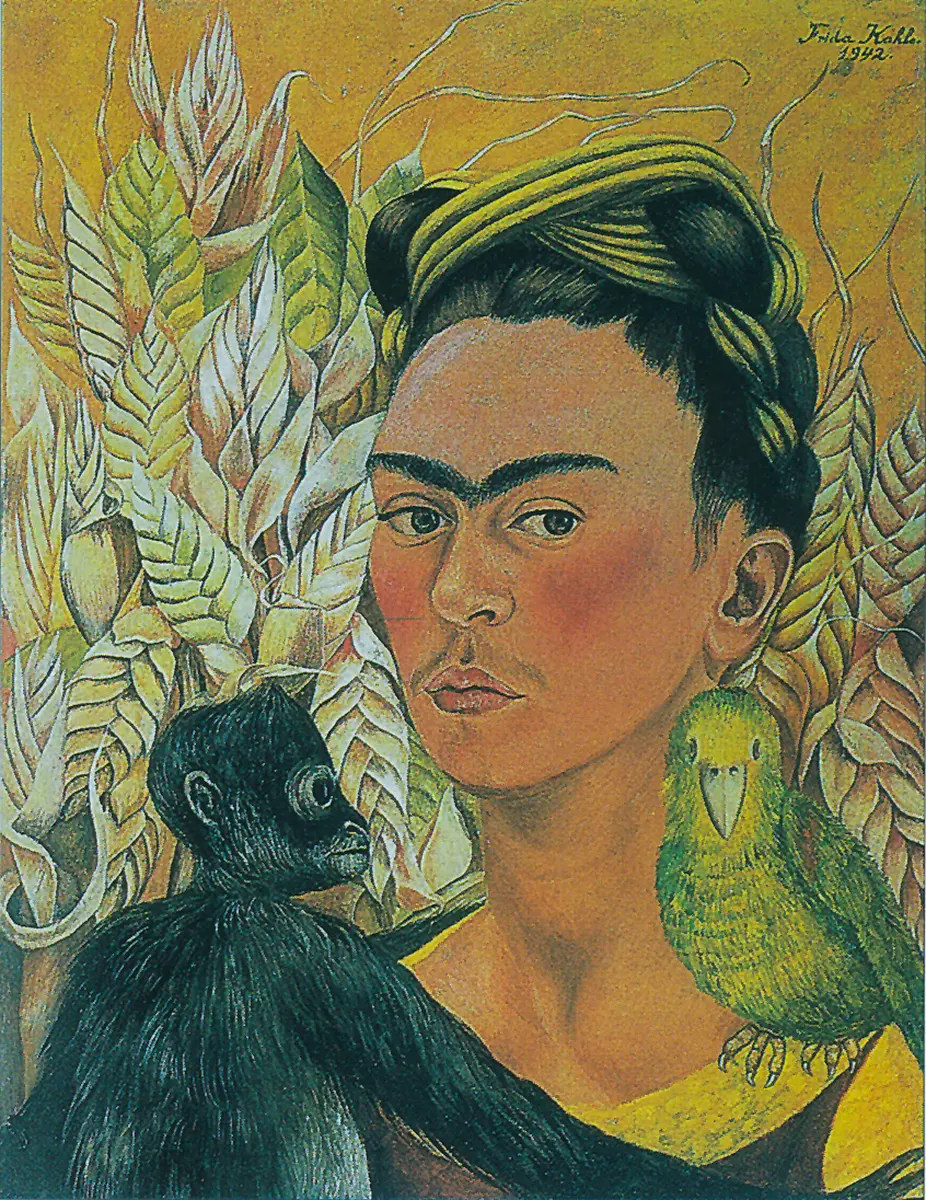
E. C.: When I bought the Frida, no. However, during the last four years, all of my purchases have been made in the name of the Foundation, planning on them becoming part of the Museum as a project.
C. S. de B.: When making these purchases, do you seek advice?
E. C.: My friend Ricardo Aceves helped me in the early '80s—a period in which, as I mentioned to you, I had recentered the search for works in the collection. During the last 10 to 20 years, there are works that I have wanted to buy for myself since I have a good idea of what my interests are. But, in any case, we can say that I discuss about 80% of the buying opportunities that I see with Ricardo.
I also have other people with whom I maintain a constant exchange of ideas. And I think that with the arrival of Agustin Arteaga as director of the Museum—and probably with the Museum itself—there's going to be a much greater participation of people tied to art. I'm trying to democratize the project, to depersonalize it. I imagine that one day there will either be a buying commission or very probably the Museum will begin to receive donations, whether in the form of money, in works, or in loans. After this happens, the Museum will have to take off on its own.
C. S. de B.: Does it hurt you to give up those works that are leaving your house for a museum? How do you feel about that?
E. C.: The truth is that I still haven't faced that. It's difficult because I really have a lot of pieces that live with me— both at home and in my office—from the building's lobby to the interior of my workspace, and they are all pieces that belong to the collection. When the Museum is inaugurated, all of the paintings are going to disappear, I mean, the walls are going to be left completely blank. That's the unpalatable part. I'm sure I'll have to mourn.
On the other hand, it's going to give me great joy to see the pictures together after having been scattered. There are many works abroad and the fact that they are going to be reunited in one single space is something very symbolic for me. There are many pictures that are "homeless," like the Frida and the Diego Rivera—works that sold for over three million dollars—that are now in New York. These are some of the pieces that will return and will remain in their home forever, together with others by artists like Xul Solar, Pettoruti, and Tarsila. They are going to be hung in the space that they need, which means that they're going to really shine and they're going to be well exhibited. That is a great satisfaction.
C. S. de B.: Explain to us a tax that existed in Argentina on works of art. I understand that the Frida Kahlo was the Achilles's heel.
E. C.: Yes, it was an event that mobilized the change in legislation. In Argentina, the importation of a painting was considered a luxury item by the government, as if it were a car, a watch, or whatever. One had to pay all the import taxes plus an additional tax, which totaled around 45% in taxes. I bought works that were in foreign countries and for this reason—even though they were Argentine works— I have still not been able to import them.
Now one must pay around 11% or 13%. In the case of the collection, paying this tax continues to be allocated. I have spent a great sum of money on pictures and, moreover, I have bought land for the construction of a museum, something that is not considered when filing taxes. The tactic that I'm going to follow is to import all the works temporarily, and then I'm going to focus on impelling Congress to lower taxes on these kinds of institutions.
C. S. de B.: You're not only making a great contribution to the country with the work that you're bringing, but you're also trying to change the concepts that drive the culture. Argentina is not the only country that has problems circulating works of art. What would the process be like in the Argentine context when an exhibition is brought in?
E. C.: There is no problem with exhibitions because the works enter as temporary imports. But in any case, I find it absurd that they hinder works of art, especially if we keep in mind that Latin America in general has lost part of its artistic heritage. That loss is due to the fact that the families that have bought works from the beginning of the century or from the 1930s in Europe have begun to divest themselves of the pieces. It's a consequence of Latin American decadence at the end of the twentieth century. But I think that we must motivate importation in some way, whether by private means or through governmental institutions. It's something that must be done because it is truly a valuable contribution that remains inside the country.
C. S. de B.: Has the fact that you began as a collector and that you took that role so seriously motivated others close to you to collect as well?
E. C.: Not family members, but definitely friends and acquaintances. My case was like a "testimony" in Argentina because, at the time I began to collect, other people devoted to this task also emerged. Perhaps it was a movement that coincided, and I believe that there are many causes for the spread of collecting.
One mustn't be too arrogant and think that a movement emerged thanks to one person. Maybe the Argentine context is improving and therefore we are beginning to value art more. For me, art goes hand in hand with the country. When there is greater stability and one has greater self-esteem for all things national, that sentiment begins to affect art.
In my personal case, I always put myself on display. Everything I did was made public precisely because of my interest to spur on collecting. I always saw myself motivated to stimulate art and to drive its greater merit in the field of everything Latin American. This is why I think that showing what you're doing is a good tool for achieving it.
CELIA SREDNI DE BIRBRAGHER
Founder, director, and editor of Arte en Colombia / ArtNexus.