
Only a couple of months after the world had been troubled by the possible cyber effects of Y2K, FotoFest 2000 ran the business of showing photography “as usual.” As usual, there was no general theme, cause, or concern addressed in this important international biennial of photography. Not that FotoFest has ever overtly addressed specific concerns as themes for its mise-en-scène. The closest it ever came to doing that was in 1992 when the 500th anniversary after Colombo’s arrival in these lands (a wording that avoids disputes about their proper name) was being commemorated and at times even celebrated in Spain and the rest of this continent. Without alluding to said historical arrival, FotoFest showed exhibitions from Europe vis á vis exhibitions from Latin America. One must conclude, therefore, that hitherto it has not been within the guiding philosophy of FotoFest’s organizers to dedicate the entire event to a particular theme, cause, or concern.
There were, however, some unusual occurrences; some planned and some unexpected. FotoFest was to be part of a worldwide “Festival of Light” that unites 22 photography festivals from three continents. As the year 2000 progresses these festivals are to be like candle offerings that illuminate the world of photography. What was not planned was the arrest of guest Danish photographer Kari Holopainen at Bush International Airport. As he was going through U.S. Customs, Holopainen jokingly answered the question Are you bringing any weapons with you? by saying: "Sure, I have a bomb." After a few days of incarceration and thousands of dollars in bail and lawyer’s fees, his case was dismissed and the lesson hopefully learned is that humor is not appreciated in all contexts.
Another unplanned incident was the censoring of photographer Bill Thomas’s installation Today’s Special which addressed the days of racial segregation in Houston. The work was being displayed at the window case of Foley’s, a local department store. First, it was covered with a black cloth at the request of the very people whose cause the work championed and who had actually taken offense at the work. Later the Foley’s administration decided to remove Today’s Special and it was relocated to Vine Street Studios. It was divine justice that its controversial image, Racial Tensions, found its way into critic Vicky Goldberg’s review of FotoFest in the New York Times. One hates to conclude that the lesson learned here was that art is not appreciated in all contexts. The background of the two incidents, however, shows something more important about the state of the world in Y2K which merits some comments in my conclusion.
What has endured in every FotoFest since 1986 is the vocation of its main organizers, Fred Baldwin and Wendy Watriss, to include photographic communities and individuals who have previously been at the margins of the world of photography. Carrying this will to fruition is not as simple as just opening doors and offering walls or even lightning visits to the community of interest. This philosophy of inclusion involves some risks and above all, it requires a determination to understand others’ points of view and to unmask the meanings which photographic images often camouflage. As quixotic as the undertaking may seem, it is curatorship at its best. Through the years Baldwin and Watriss have added to these often forgotten though simple insights the post-colonial principle that—whenever possible—it is better when the curatorial thought comes from a mind akin to those of the artists. In 1994, during a time of exacerbated xenophobia in this country, FotoFest featured American Voices, an exhibition of the works of artists from three of the most important so-called “Hispanic” minorities in the United States, i.e., Cubans, Puerto Ricans, and Mexican-Americans. American Voices was curated by members of those “Hispanic” minorities.
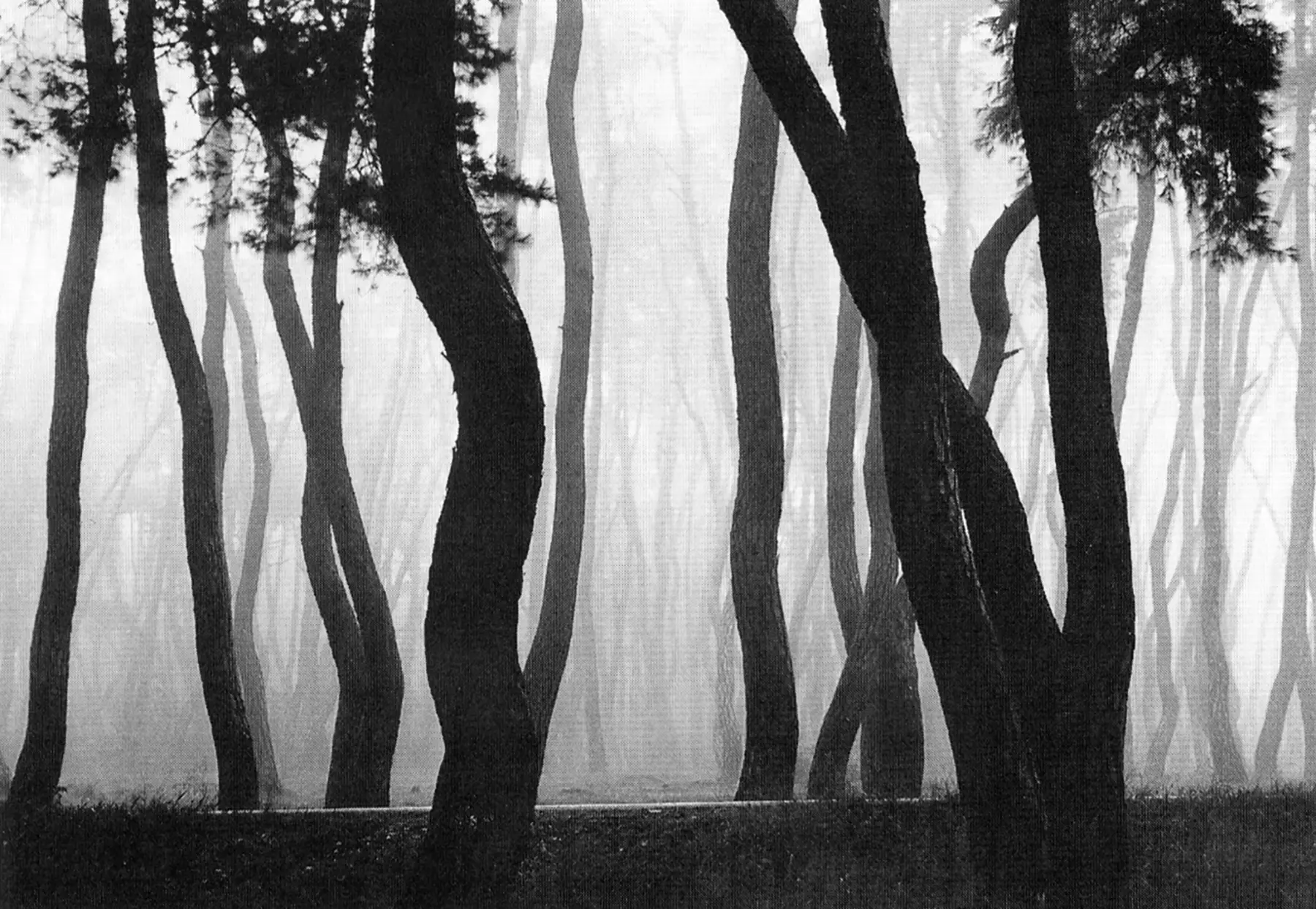
Koreans and Scandinavians as well as Neal Maurer and Chema Madoz, two photographers who have excelled in the photography of staged objects, received preferential treatment at FotoFest 2000. The exhibit Contemporary Korean Photographers: the New Generation was co-curated by Wendy Watriss and Bohnchang Koo; and Highlights in Nordic Photogravure was curated by Finn Thrane, director of the Museet For Fotokunst, Denmark. Bohnchang, who is a photographer himself, illustrates my point when he states that “a group show of Korean photographers organized outside of Korea is unprecedented.” Although Bohnchang does not elaborate on what the “organized outside” proviso really means, it is to be expected that this exhibit will be a seminal event for the Korean contemporary photographic community. As this review focuses on the elusiveness of the photographic image and the role of the curator, it is important to say a few words about the work of the oldest photographer in the exhibit: Bienu Bae. The curator states that for many years Bae only photographed pine trees and black-and-white pine trees are the only thing one sees in his exhibit. At first glance, it is not a very convincing project and the viewer may be inclined to believe that he/she just walked into a New Age bookstore in California. But apparently, for Koreans, the pine tree is a symbol representing "unchanging humanity, as reflected in their evergreen foliage, and the Korean character, as symbolized by their robust but twisted and tortured trunks." Whether interpreting the symbol lends more credibility to the project is a different issue.
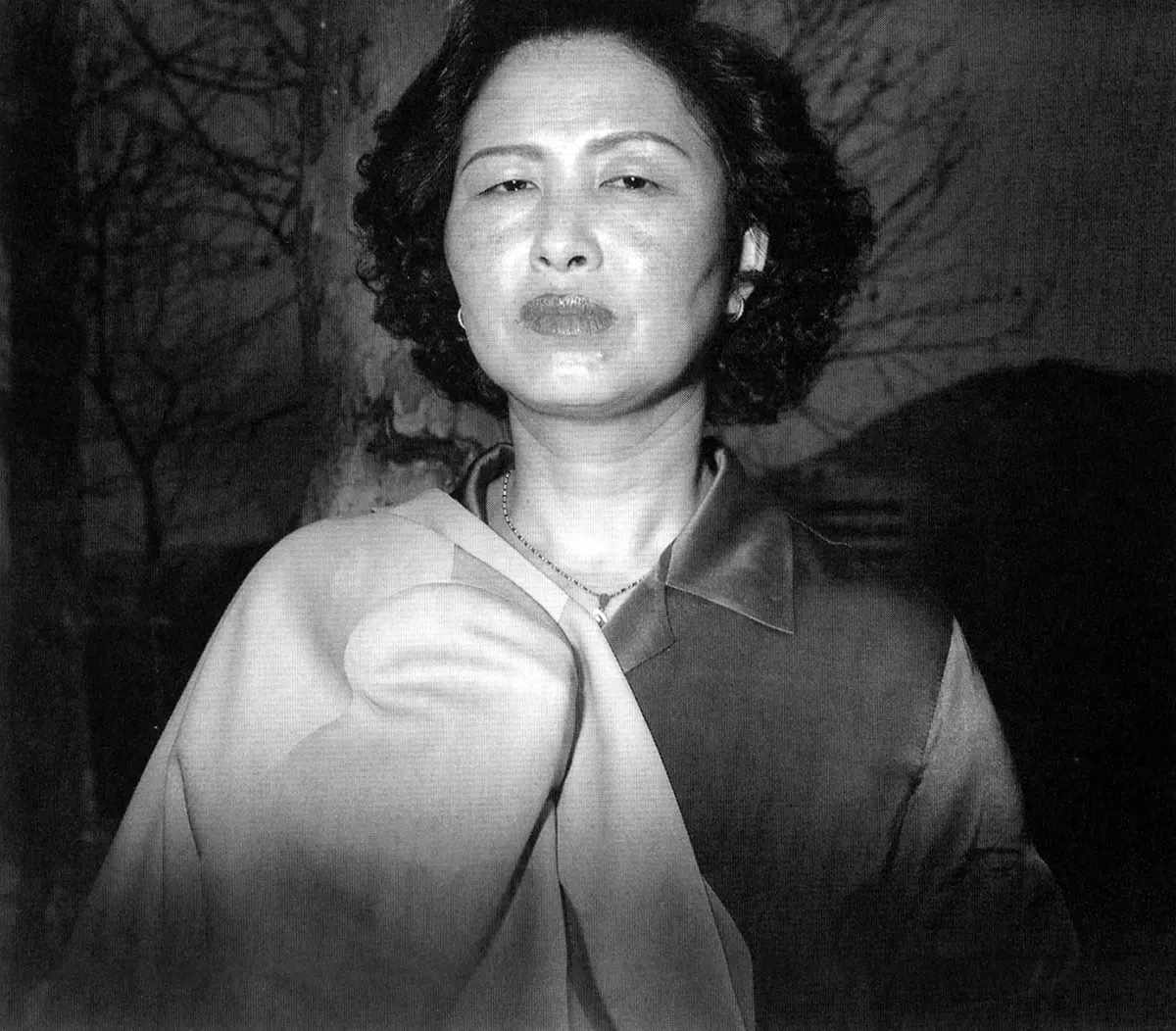
A different approach to recurring traits in the Korean worldview is that of Hyoung-kuhn Oh. Oh depicts women in stark flash-lit, unbecoming portraits. These women are ajumma (Korean for “married women of a certain age,” says the catalog) and the photography shows them to be middle age and mid-to-upper class. Oh’s portraits are psychological because they invite the viewer to project a life and a motivation on these women who may or may not be just mothers, may or may not be professional women, may or may not be domineering or submissive. It is up to the viewer to imagine their lives and only for the subject to ultimately know if her image bears any semblance of reality.
The Scandinavian exhibit was the result of a curious innovation by the graphic artist Eli Ponsaing that resurrected the printing technique of photogravure. According to the curator, Finn Thrane, "Scandinavian artists have taken up Ponsaing’s method, which has gained great popularity in just a few years, ostensibly because it so easily combines technology with a classical craft." Eli Ponsaing’s own tactile and delicate photogravures of birds qua rara avis are perhaps the works that make the best use of the technique.
This exhibit is evidence for the myth of the eternal return. The struggle to rid the photographic medium of pictorialism is one of the defining traits of modern photography. One of the premises of pictorialism, the late 19th century photographic movement, was that photographic images should be rendered in such a way that the viewer could discern the hand of the artist in it; namely, by using techniques like photogravure which made photographic images resemble media accepted as artistically valid, like drawings or photographs. At the end of the twentieth century, in an age optimistically called postmodern, the intentions to make modern photography’s images look like nothing more than a photograph appeared to be of little interest. In fact, one wonders, in the wake of recent exhibitions of artists like Brassai and De Barros, just how capricious it was to have eradicated image manipulation from modern photography. At any rate, the tools of pictorialism are as widespread today as one hundred years ago albeit generally without the sentimentalist aesthetics of nineteenth-century romanticism.
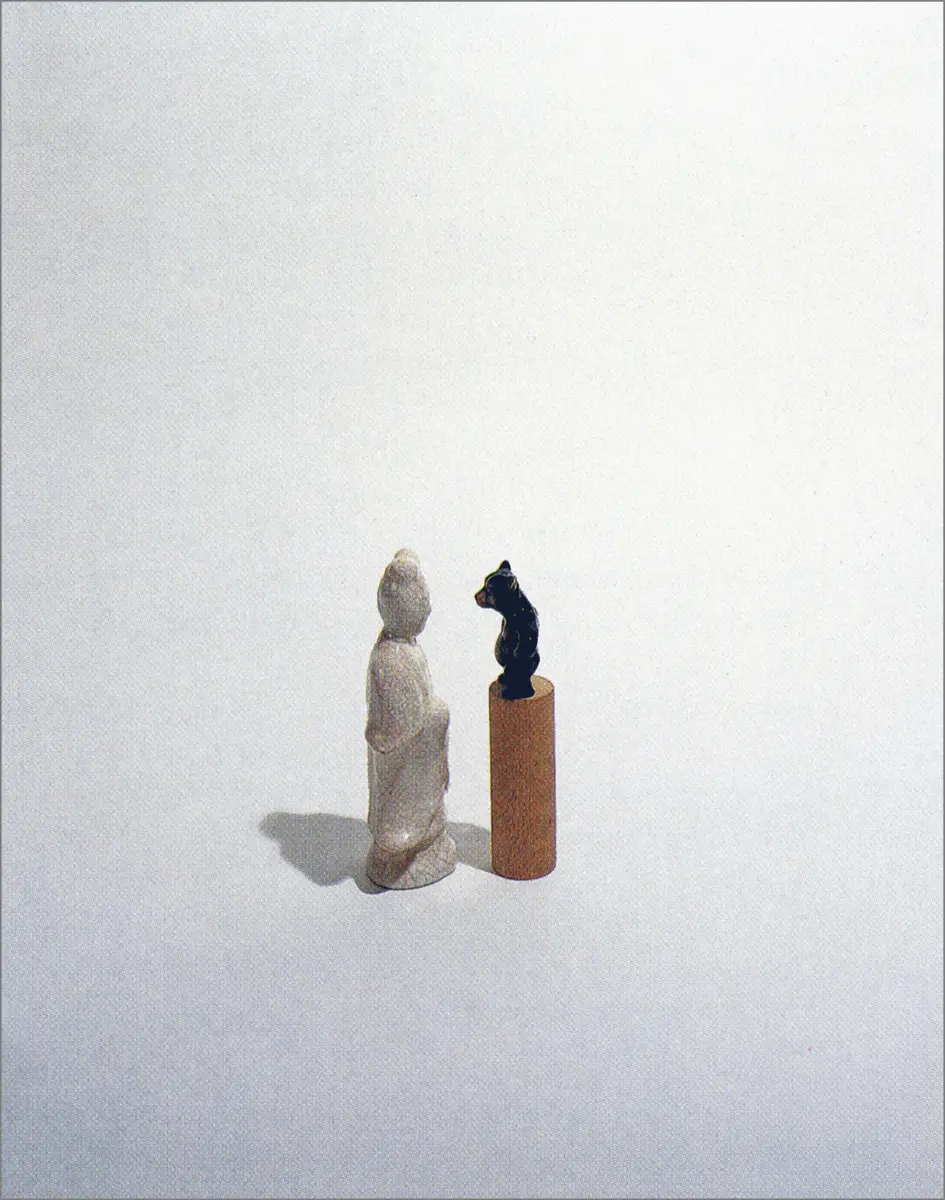
Minimalism and Modernism, the title of the exhibit featuring the works of Spanish photographer Chema Madoz and North American photographer Neil Maurer, is somewhat misleading. In an exhibit with such a name, one might expect to find the photographic equivalents of Kenneth Noland or Ellsworth Kelly. “Minimalism” is one of those elusive terms that should not be nominalized into an ism but simply remain a modest descriptive adjective. Yet if one were to distil from some of minimalism’s unquestioned representatives some commonality, the term could be taken to stand for either of two notions. The first encompasses works with scant visual elements or forms; the other, works where the artist did almost nothing to transfigure the natural or mass-produced object into an artwork. An example of the first notion is Malevich’s Black Square on a White Background (1913); of the latter, Duchamp’s famous readymade, Fountain (1917).
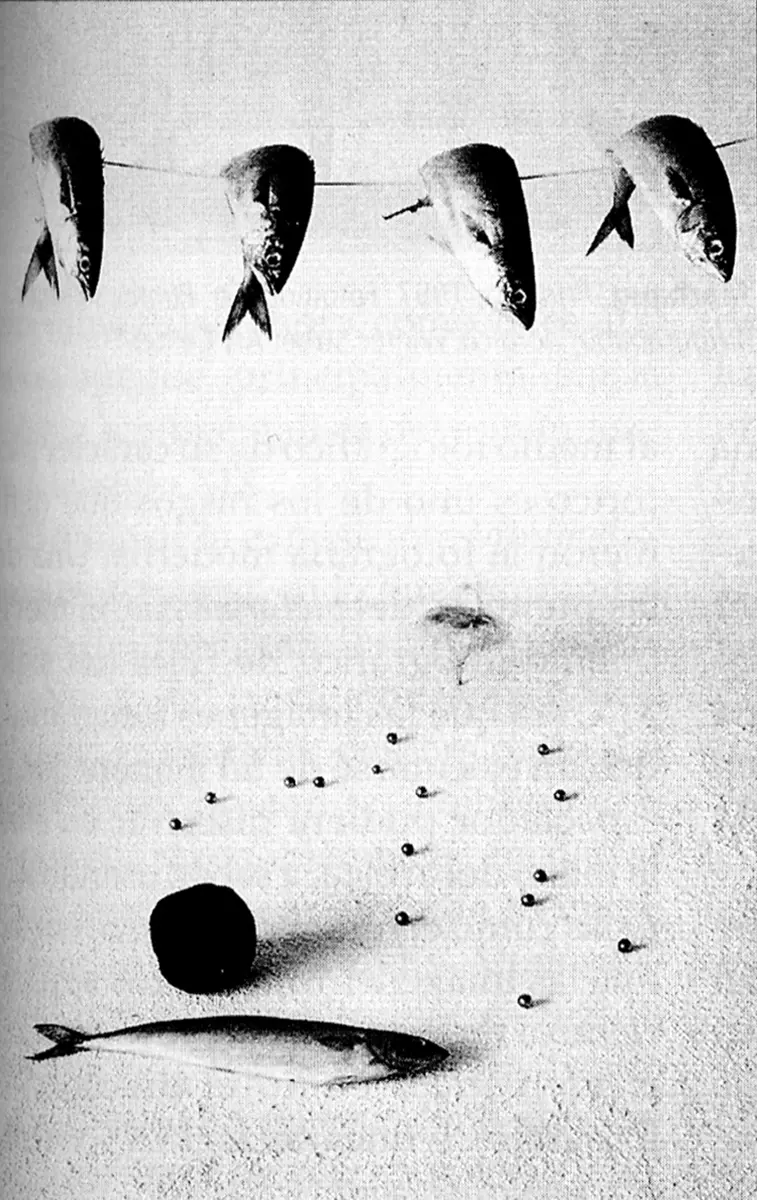
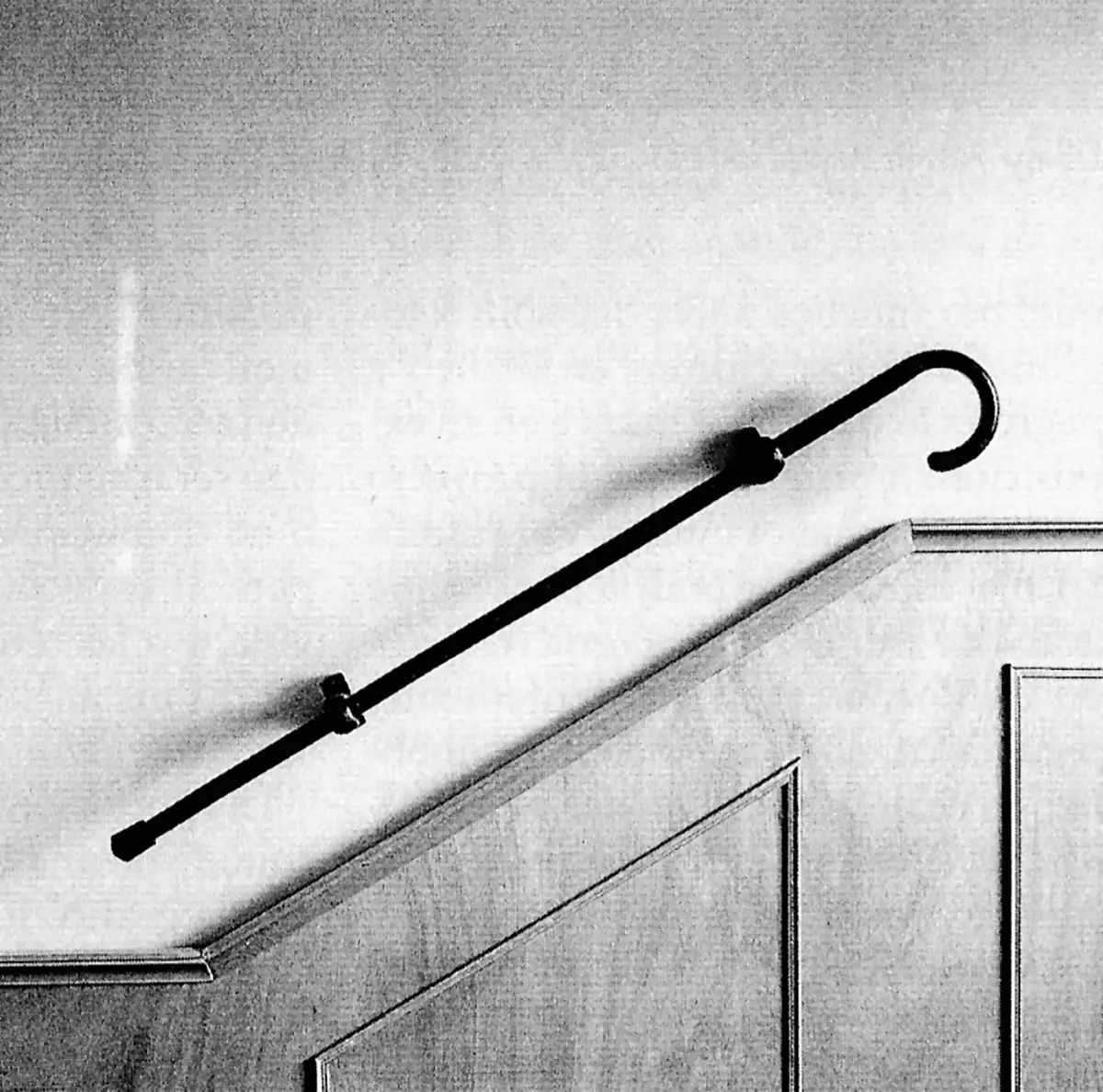
One assumes that Ms. Watriss, the curator of the exhibit, takes Maurer‘s work to be in the Malevich tradition; and Madoz’s work in the Duchampian vein of readymades. However, Maurer seems to be doing more than just simplifying and Madoz does something else than proposing readymades for aesthetic approval. What both artists are constructing is without question and that alone should place them together. But whereas Maurer seems to be constructing abstract objects whose mass and shadows seem indistinguishable; Madoz is establishing whimsical relationships between familiar objects that surprise and provoke the viewer. Madoz’s works resemble Magritte’s more than Duchamp’s. In a sense, Madoz takes off from a point that Picasso only touched when he built a bull from a bicycle seat and handlebars. To call Madoz’s work minimalist is not only to miss the reductionist penchant of minimalism but also to ignore the multiplicity of expectations and intuitions summoned by a work like the one where an overturned glass spills the illusion of liquid drawn by a string. Maybe their work should be designated with a term used by our Mexican colleagues some years ago: fotografía construida.
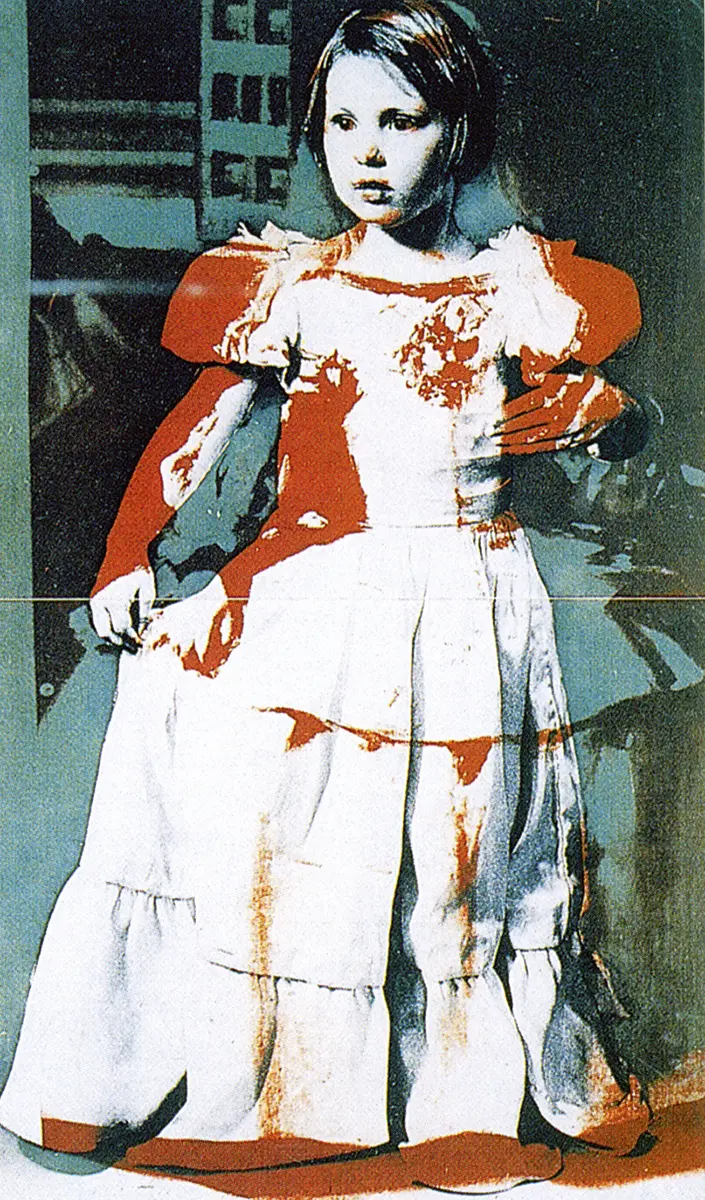
Many Latin American exhibits in FotoFest also showed the mark of neo pictorialism or postmodern pictorialism. Perhaps the latter is a better term in that its concept involves, not just the way of producing the work, but the framework of its interpretation as well. Such is the case of The Slaughterhouse, an exhibit by Argentine photographer Paula Luttringer at the Houston Community College. Her delicate sepia Fresson prints connect the subtlety of memory and oneiric life with the brutality of daily life. The slaughterhouse metaphor has a long tradition in the artistic political discourse of Latin America, It was used by Fernando Solanas in the epic propaganda film The Hour of the Furnaces as a metaphor for the power that a tyrannical state has over life and death. More germaine to Luttringer ‘s work is the poem Guitarra Negra by Uruguayan cantautor Alfredo Zitarrosa. The poem constructs a conscience for the brute cow that is suddenly confronted with the pain of the slaughterhouse. As it goes through the torture of its death, the brute fails to grasp the pain in parts of its body “which had never hurt before.” For Luttringer the brutality of the slaughterhouse has become a catharsis that brings forth the memories of her abduction and incarceration during the misnamed “Dirty War”—misnamed because one of the warring parties was a fiction created by the tyrannical state in order to "justify ideological cleansing. "
Staging, another tool of pictorialism, is substantial to the photographic work of Argentine artist Liliana Porter shown at Sicardi Gallery.1 Porter’s color cibachromes of small figurines, some of which are toys, disturb with their deceptive innocence. However, they deal with death, politics, and introspection. At the University of Texas in Galveston the exhibit On the Line: Digital Art from Ecuador took the issue of pictorialism one notch higher. Manipulation of the image, that recurring trait of pictorialism, takes an interesting turn when it is done through digital means, for then manipulation does not make literal sense, only intervention does.
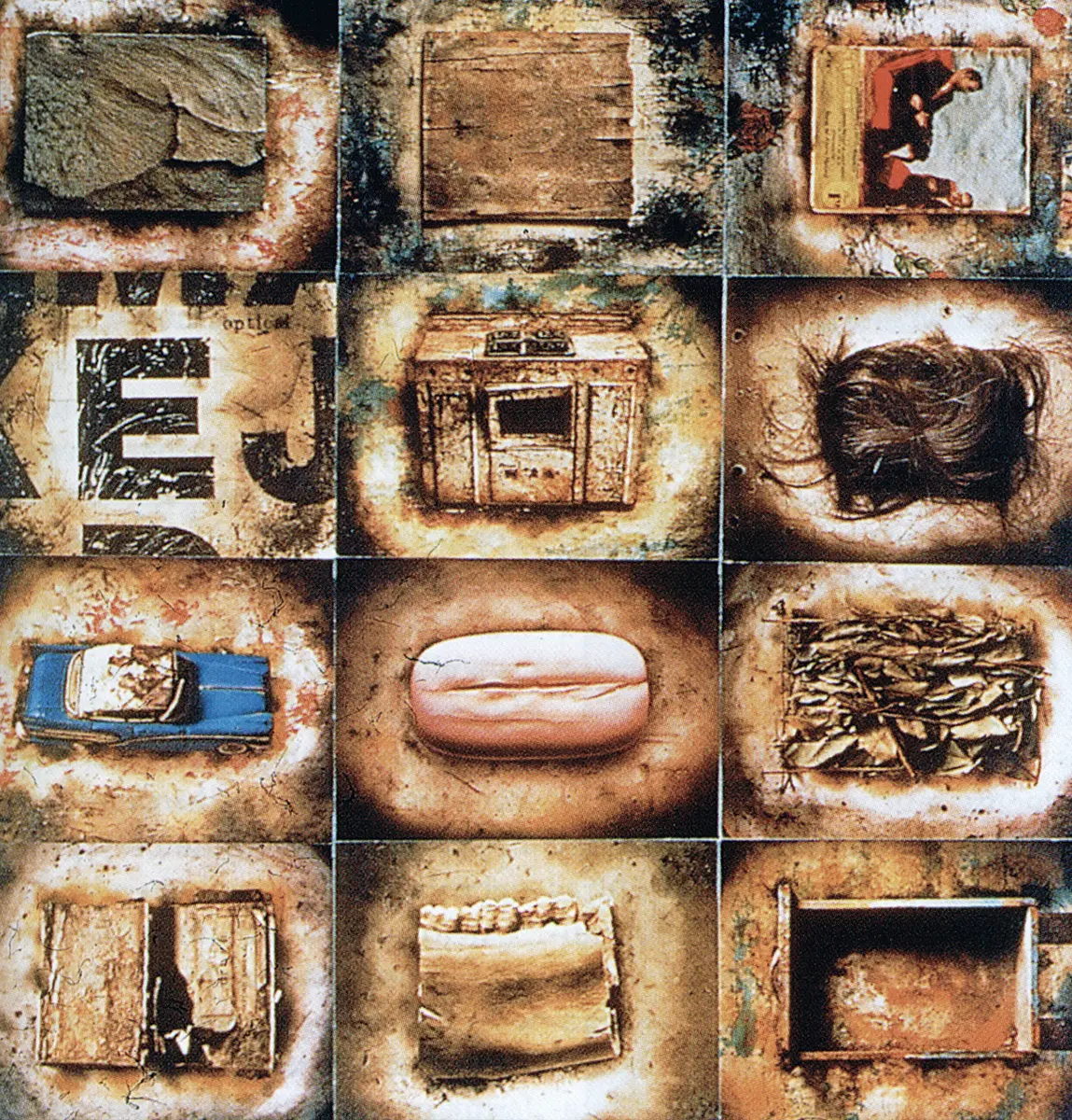
Arguably, two shows escaped the lure of postmodern pictorialism: Alien Objects, an exhibit of the work by Mexican photographer, Mauricio Alejo, shown at the Vine Street Studios; and Faces of the Rainforest, an exhibit by Valdir Cruz shown at the Houston Center for Photography.
The catalog for Cruz’s exhibit includes a preemptive apologia by one of the most respected North American photography critics, A.D. Coleman. Why the defensive tone of the essay? It is certainly not an issue of merit; Cruz obtained a Guggenheim fellowship a couple of years ago. One can only surmise that Cruz’s work has landed in the web of moral issues meshed into the documentary mode of photography; especially, those having to do with photographing ethnic groups whose cultural evolution is not tributary to the mainstream world of industry, technology, and urbanization (a wording that avoids issues of progress). Coleman’s main argument in defense of Cruz’s work is pragmatic, he asks, “Are these peoples (...) better or worse off because Valdir Cruz has produced this long-term study of their present-day way of life?” It is clear that for Coleman the answer is “better” and he gives three discernable and independent reasons in support of his main argument. One is that Cruz does not come to the indigenous peoples who are his subjects empty-handed, but brings them medications and a team of health workers to deal with problems such as malaria and parasitism. This is an argument about the moral character of Cruz. Secondly, “There’s no directorial tendency in Cruz, no staging of past events.” This last argument is aimed at putting some distance between Cruz’s work and Edward Curtis’ imagery of Native- Americans in the southwest of the United States. It also affirms the veracity of Cruz’s images. Finally, Coleman argues, “Those who in the future—including the descendants of the disrupted indigenous peoples—may find invaluable for many purposes the accounts of their forced adaptation to post-modern life provided by their presumptuous invaders.” In other words, Cruz’s work is an important document for future generations.
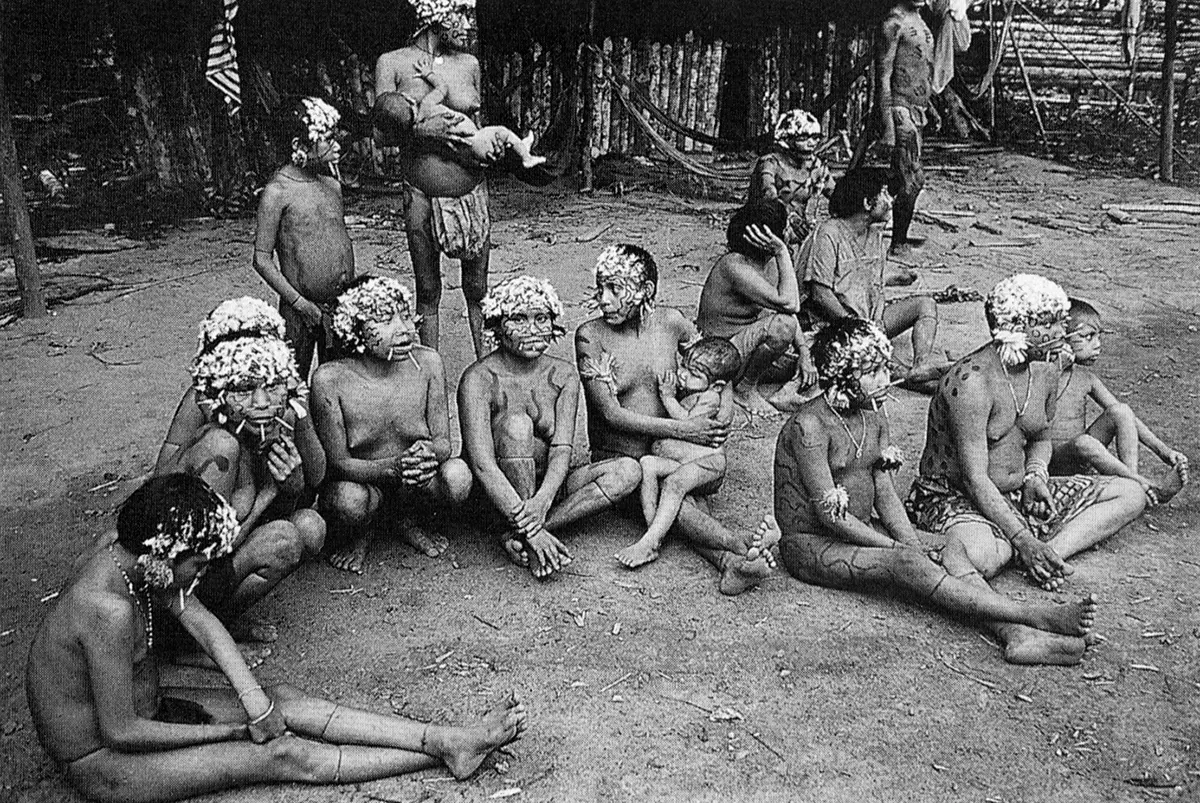
The Yanomamo and Yanomami are certainly better off with medications than without them and future generations are certainly better off with photographic records than without them. But it is still an open question whether this generation of Amazonian natives is better off being depicted by an outsider and their images being consumed not by them, but by viewers most of whom will never establish a direct relationship with them. In sum, Coleman’s arguments only address the photographic act insofar as they give us reasons to believe the images are reliable. But the images themselves do not offer reassurance as to their effects.
If we contrast Cruz’s project with those which many ethnic groups across the Americas are carrying on maybe some relevant differences will become apparent. Indigenous peoples across the Americas are empowering themselves with video and photography so that are not only the subjects, but also the image-makers and the viewers. In Peru, TAFOS (Talleres de Fotografia Social) has been empowering different groups in peasant communities, mining centers, and shanty towns with the knowledge to depict and show themselves to themselves and to others like them. When in the photographic act the subjects become also the consumers, it matters less who the image-maker is. When it does not, it matters even more. It is thus that photography delivers cohesion, cooperation, awareness of common problems, preservation of unwritten traditions, and ultimately, political action. As meritorious as the works of Cruz are as aesthetic and even informative images, they will always raise objections when they do not include the subjects as viewers.
Mauricio Alejo’s exhibit Alien Objects provides a sort of archaeological find for the future. What is encouraging about Alejo’s work is that it steps away from the temptation to create exotic imagery—a temptation that has lured many a Latin American photographer. Alejo does not depict ritual but rather secular objects: utensils, tools, toys, and consumable products. At times, Alejo’s seems to be an indiscriminate celebration of used-up objects (empty bottles, empty cases); at other times, it is a nostalgic look at long lost objects (toys, cards); or at familiar tools (the nutcracker, the forks). One of the most forceful images of Alejo is the pink half-used bar of soap. It has the softness and hue of lips of both types: verbal and sexual. Its state of intermediacy provides a psychological reading of Alejo’s entire opus bordering on optimism and pessimism. Alejo’s photographic meditation is about the culture of modern urban living, its thirst for objects, its disposal, and its waste of them. These are the kinds of objects most appreciated by archaeologists, but in addition to a record, Alejo leaves in his images an imprint of his own disenchantment with them.
An irony of the change of numeral in the Christian calendar’s thousands place (a wording which carefully avoids disputes about the end or beginning of a new millennium) is while it is surely the case that it is not the only calendar and not all calendars begin at the same point of Christian interest—it is equally true that most calendars are now counted with the Arabic numerical system and that even if they were not, sooner or later they must have come to their own year two thousand (Y2K = 11111010000, in binary notation) or some other year of interesting variation. So in a time of ethnic diversity and political correctness, maybe what is important is not so much to be sensitive to the fact that for many people the year is not changing, but that for every calendaric (excuse the neologism) persuasion, there is a moment when the ineluctable cabalism of numbers strikes its followers, if only psychologically, as the end or the beginning of something.
For those of us who are fond of the Gregorian calendar its numeral change could have been an occasion to reflect upon the twentieth century or that interval of time roughly between the two last visits of Halley’s comet. But alas, some branch of radical chicness decided it would be unhip to reflect upon calendaric signposts. If their numerical place is conventional, why not use them anyway to reflect upon what is not exact? Exactitude is not important, what is important is that roughly in that century modern life became the preferred mode of life in the twentieth century, that we lived to see tangible consequences of theoretical physics and molecular biology, that the arrogance of some socalled nations to hold other peoples as possessions was crucially challenged—and to a large extent terminated—that thinkers came to revisit some of the basic premises of modernity in a multitude of cultural endeavors, that history started to be written from more inclusive perspectives that include the side of the vanquished, that genocides have continued unabated throughout the world, that terrorism came to be part of daily life, that governments of all kinds refuse to take responsiblity for the future of the environment, that “www” is becoming a via franca with unimaginable consequences, that most of the six billion people living on earth live in poverty, that many ethnic human groups vanished while others became the agents of their own sur vival, etc. FotoFest could have directly addressed some of these unsettled issues instead of having some of them surface unexpectedly.
NOTE
1. See Luis Camnitzer’s review of Liliana Porter’s work in the #35, January/March 2000 issue of ArtNexus.
FERNANDO CASTRO
Art Critic.