The Espacios Union recently presented Nineteen from XX. Venezuelan Photographers from the Twentieth Century, curated by Tomás Rodríguez Soto. The exhibition continued the panoramic revision process initiated in 1999 with a show entitled The Century which is ending. The new exhibition was an attempt to draw up a balance sheet of the Venezuelan contribution to photography in the twentieth century.
As with any selection, the curator was subject to criticism and examination of his texts, concepts, and choices. All these “challenges” were successfully overcome by Rodríguez Soto—who rightly began with what he called the “initiation of contemporary artistic photography”, establishing a dividing line between a “before” and “after”— that continues to be valid. The show was organized into three sections: "The gaining of awareness," during the 1940s and 1950s; "The maturity and consolidation of languages," in the 1960s and 1970s; and "Expansion and experimentation," in the 1980s and 1990s.
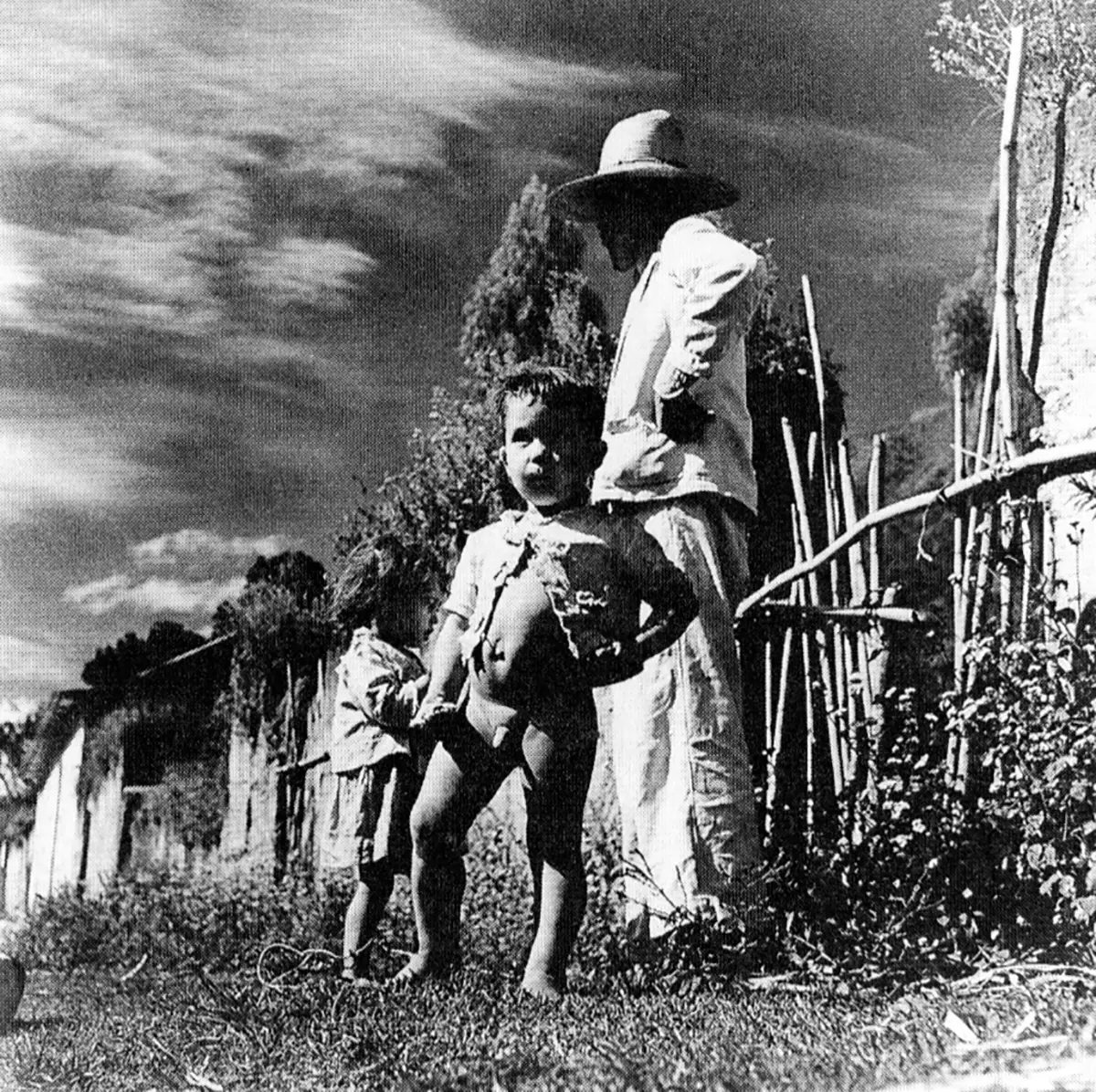
The show began with Alfred Bouton, one of the most attractive personalities of his period was a friend of writers, poets, and artists. The author of the first history of painting in Venezuela, Boulton distinguished himself as a photographer who in the 1930s viewed his medium on the basis of plastic rather than documentary criteria. Many of the most emblematic views of Caracas were captured almost in unison by such painters as Manuel Cabré and photographed by Boulton. But he did not only study landscape: he was also inspired by Venezuelan characters throughout the country who he portrayed in their everyday activities. This exhibition included a landscape picture and a view of a rural scene. The first section also contained works by Fina Gómez, Ricardo Razzeti, and Carlos Herrera, all of whom thoroughly explored the possibilities offered by their medium. Significant changes occurred both in the way of looking and thinking, which gradually led to the emergence of modernity.
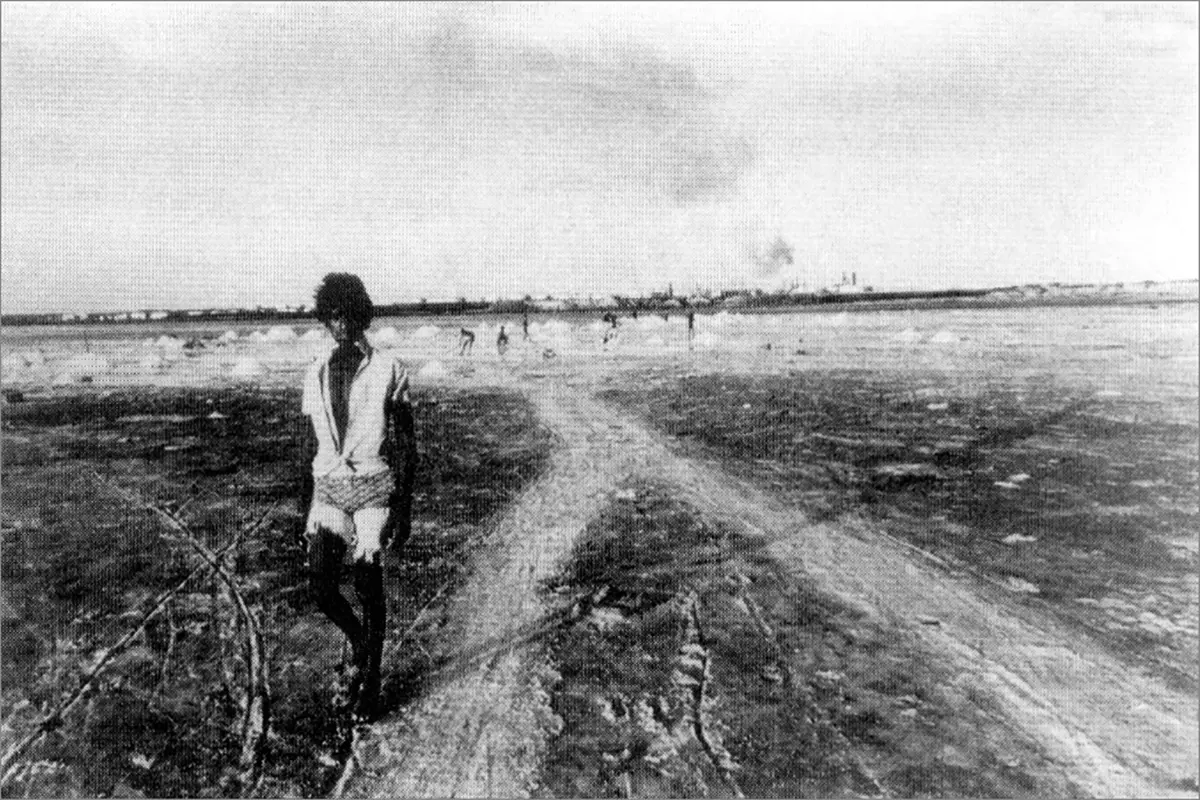
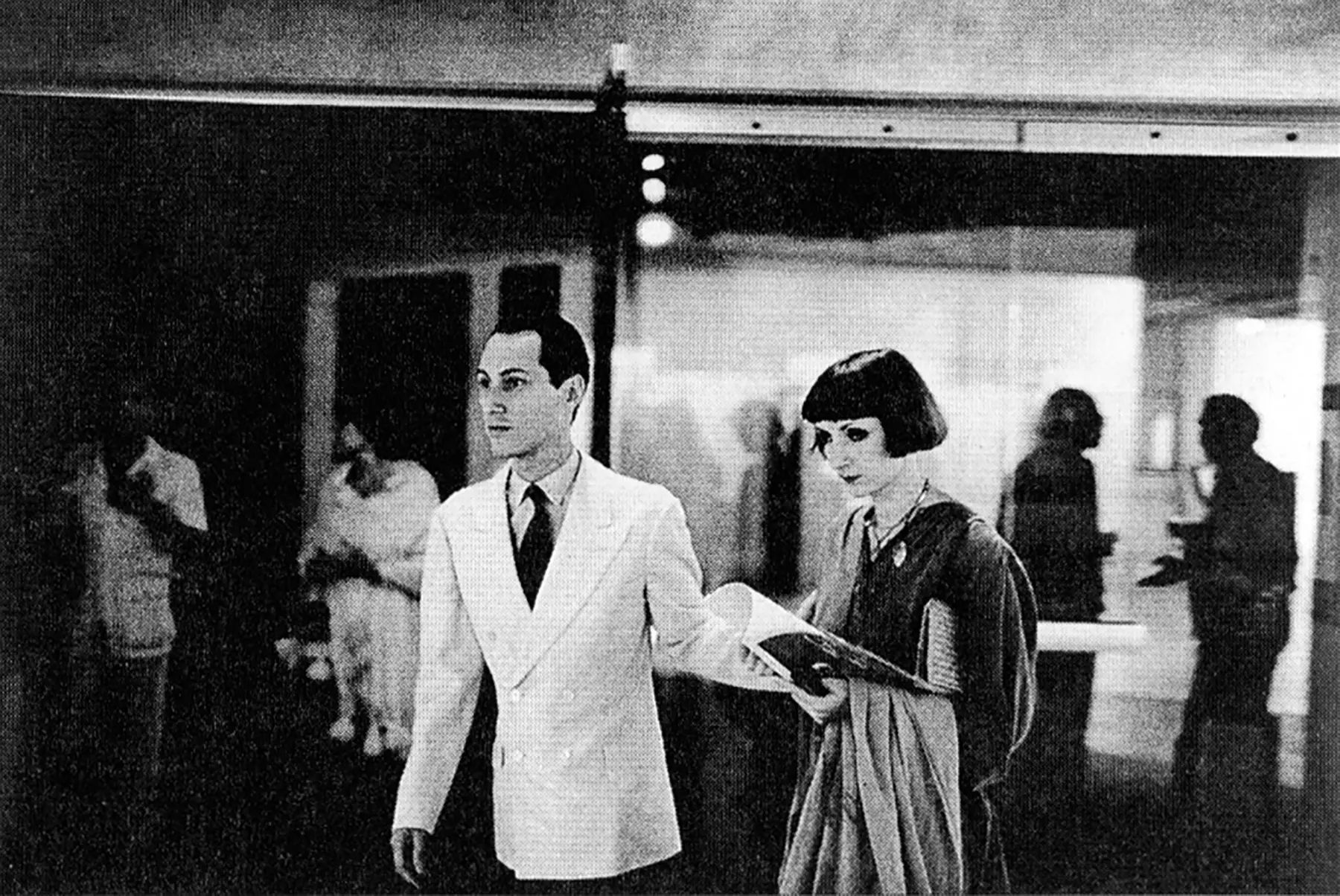
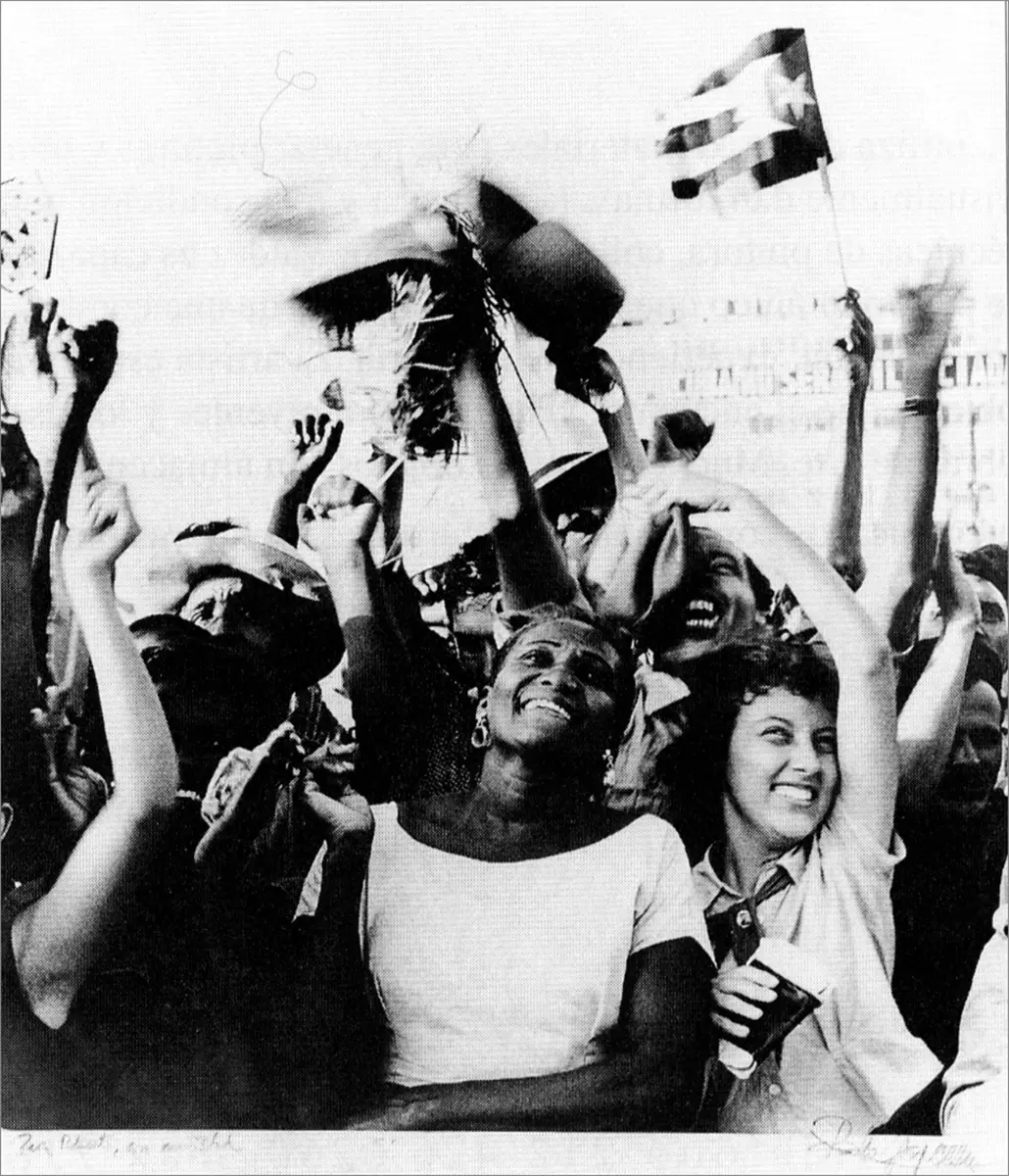
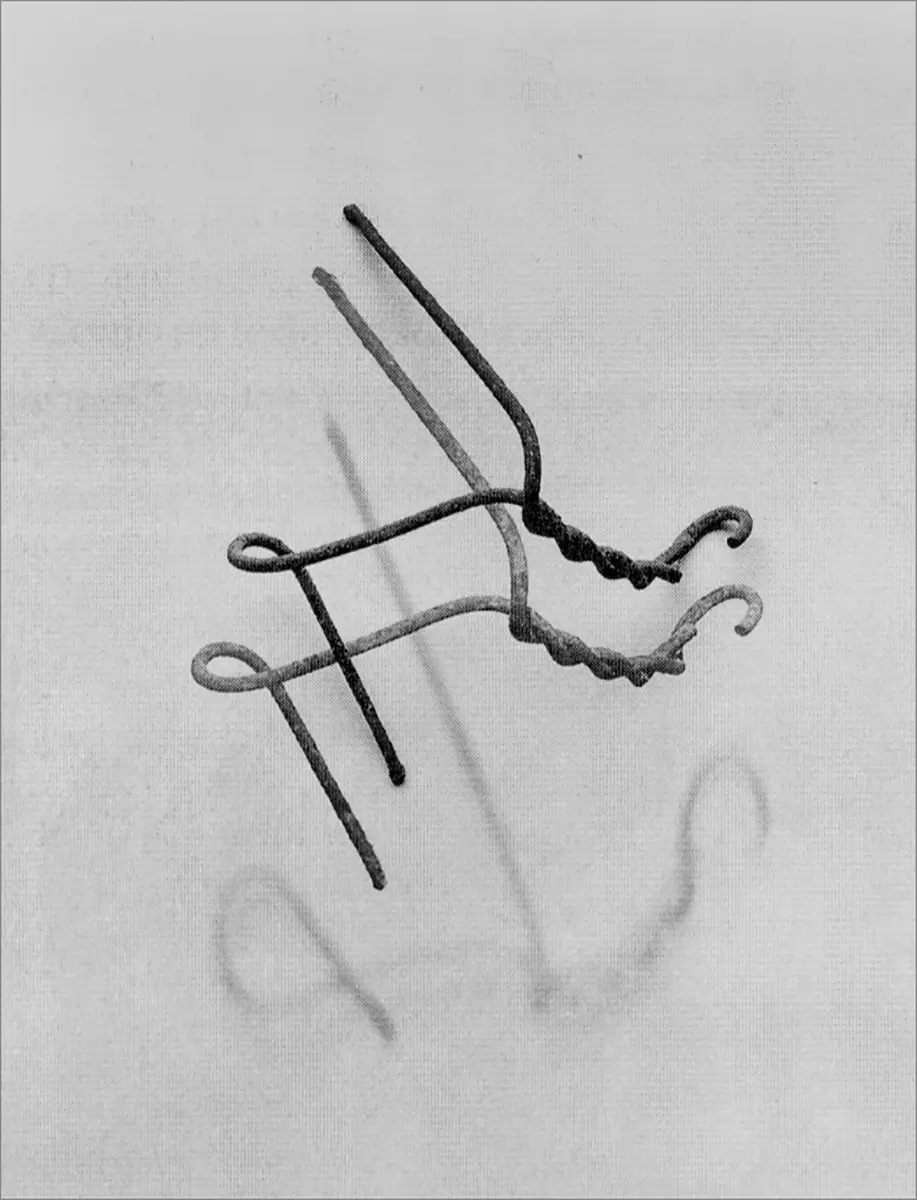
The second group turned its gaze to other realities. These were years of political effervescence, with wars and struggles for human rights. In Venezuela, following the fall of the dictatorship of Marcos Pérez Jiménez in 1958, the country was plunged into a clandestine struggle led by the guerrillas. The Cuban revolution provided a source of inspiration to leftist groups throughout Latin America, and the vision of man became more realistic and crude. Paolo Gasparini headed this second section with an image about the revolutionary process launched by Cuba which captured the enthusiasm and expectations associated with change. The other artists included in the section explored different aspects of society, in ways that contrasted with the aesthetics cultivated by their predecessors. This is the case with the series entitled Inaugurations, by Federico Fernández, a record of images of the openings of exhibitions and the behavior of the assiduous visitors to such events. The inauguration is seen as a pretext for promoting alliances and exchanging ideas, all of which occurs behind the back, as it were, of the objects in view. Gorka Dorronsoro also deals with social themes in his series entitled Paraguaná, which explores the reality of this ignored and forgotten population. Carlos Puche stands out from the rest of the group through the experimental nature of his works, which are called “Object-graphies” because of the interplay he establishes between the real object and the photographed object. The results of these investigations, as Rodríguez Soto points out in his text, were assimilated by the artistic movement of the period. The works by Claudio Perna, entitled Self Copies and Collages of Photographs, can be set within a conceptual framework, where the proposals made differ from those of other contemporary artists. Perna tries to raise photography from its status as a minor art—a goal which he achieves thanks to the brilliant content of his proposals.
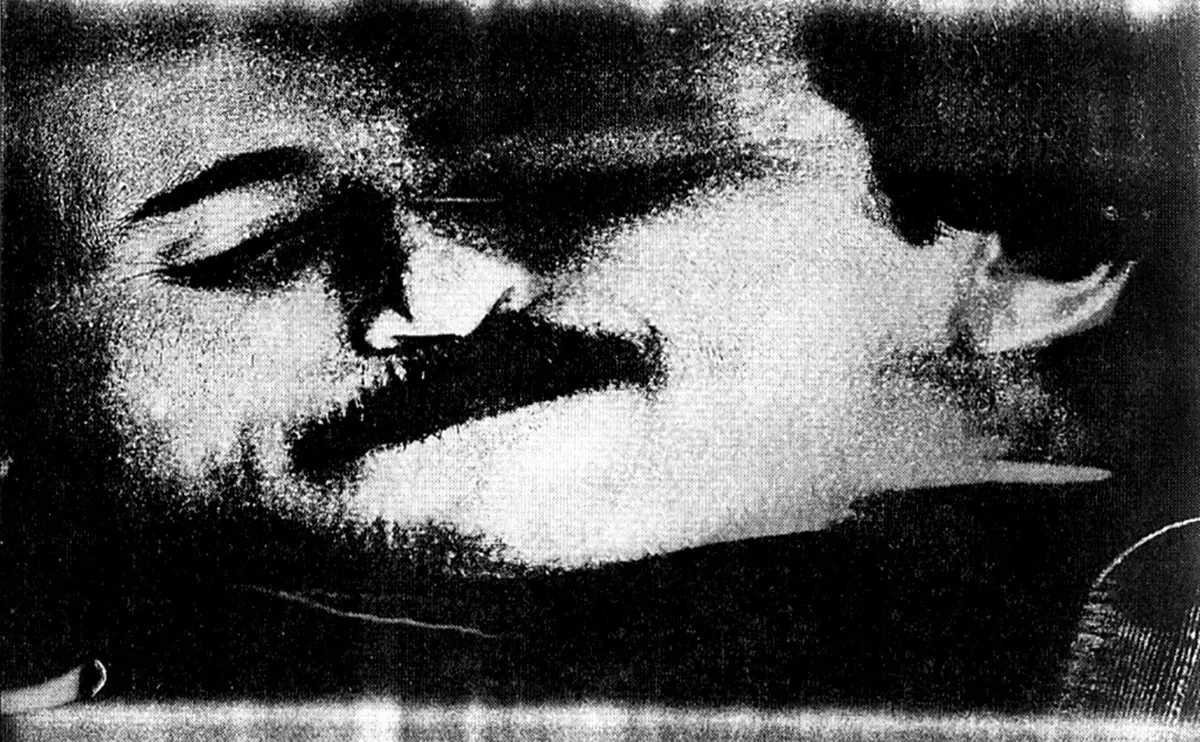
Jose Sigala is from the reporting milieu and it is precisely in this field that his best production can be found. The portraits of personalities from the world of culture and entertainment make up an unrepeatable gallery of images, in which the artist captures the characteristic gestures and expressions of his subjects. Also well-known, but perhaps less frequently seen, is the series entitled Philadelphia, from which two pictures in this show came.
Ricardo Armas completed this group. His intimate and sensitive work offers images of the country, interior scenes, and activities carried out within a given community. Cruz Maria Salmaron presents a serene and nostalgic view of the dwelling place of this Venezuelan poet.
The third section was undoubtedly the most heterogeneous. It covered the last two decades of the twentieth century, a period that saw a number of widely different expressions, not only in terms of content but also in the use of new technologies.
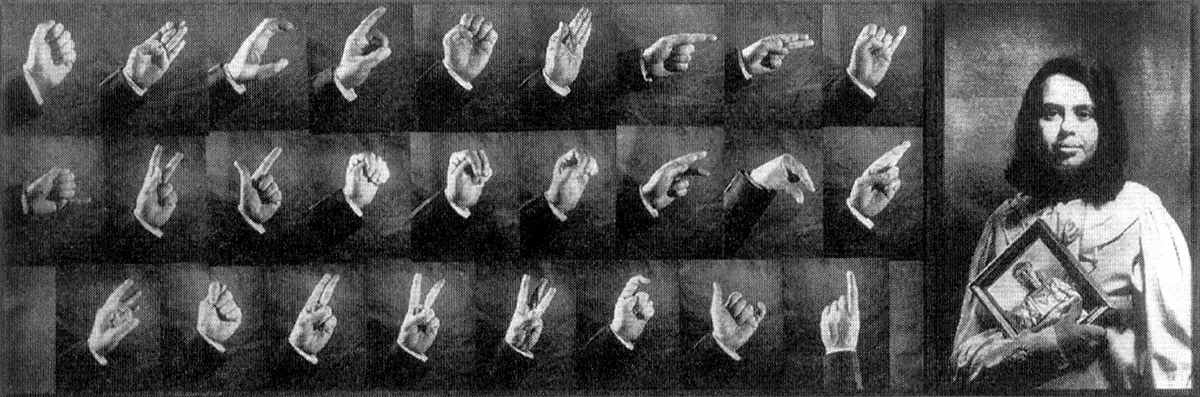
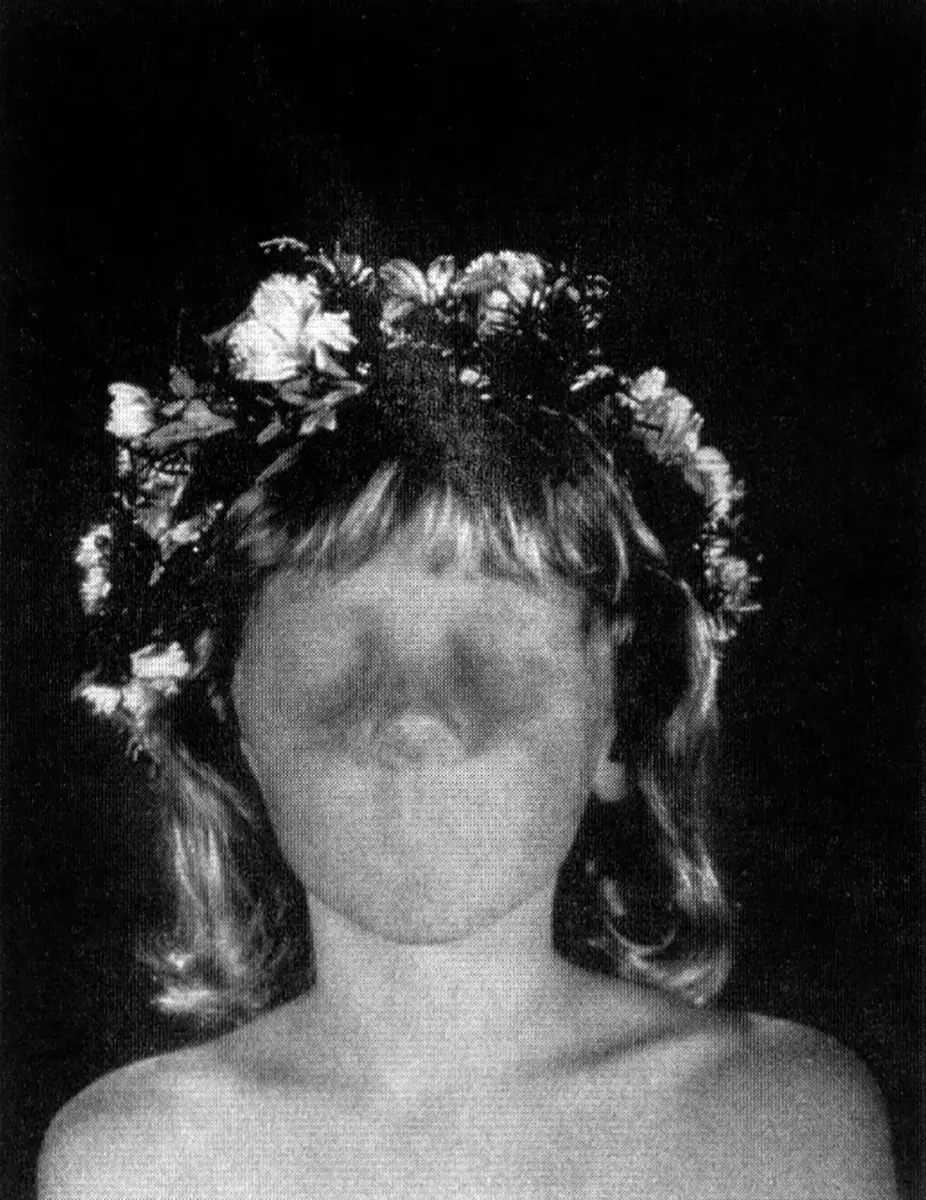
It began with the work of Carlos German Rojas, who focuses on the most everyday subjects. Images of La Ceibita is a series undertaken in the Caracas district where the artist grew up. Many of the figures photographed are from Rojas’ own life. There is a clear sense of familiarity and confidence here in the spontaneous and relaxed expressions of the inhabitants. Luis Brito makes of the concept of simultaneous reading in his works. In his series entitled Parallel Relations, he combines two situations with the same support, encouraging dialogue and reflection on the part of the spectator. Antolin Sánchez reworks the technique of photomontage in Photosequences. Édgar Moreno for his part can be seen as a nomad in the world of photography. His constant journeys to distant parts of the world have resulted in a broad range of images, the most impressive of which include his India series, a set of images narrating the everyday lives of its inhabitants. The charm of these works is strengthened by the use of tones, which makes them look like old prints, even though they refer to contemporary events. Fran Beaufrand approaches her work from an aestheticist point of view. Her series, In memoriam, evokes the scenes taken by studio photographers at the end of the nineteenth century, and who used all kinds of elements to highlight the personality of the subjects. It is a series characterized by a decadent and mannered atmosphere. While Beaufrand recreates intimate situations, Nelson Garrido trivializes the Christian repertoire through the staging of grotesque situations, recreated within baroque settings. The series entitled All the Saints are Dead is a compendium of images that are extremely kitsch and burlesque. Alexander Apóstol for his part focuses on intimate and everyday situations. Many of his pictures are autobiographical and unfold in a narrative way, combining photographic formats and techniques with elements taken from drawings or collage. Our Mother is a good example of what Apóstol has achieved in this respect. Aziz+Cucher also uses photography as a pretext for undertaking new experiments, such as the digital treatment of images. The series entitled Dystopia refers to the reality of contemporary man, caught within his own social, political, and economic structures which prevent him from recognizing his own individuality.
The curatorial approach by Tomás Rodríguez Soto met the challenge of bringing together the work of very different generations, encouraging dialogue and the adoption of a point of view regarding the state of the discipline within the context of the Venezuelan art scene. It also managed to highlight the formal aspects that, over a period of almost seventy years, have helped consolidate and enrich this medium.
Rodríguez Soto’s endeavor was facilitated by the museographical work of Domingo Álvarez and Camilo Betancourt. The invitation made by the curator to engage in a dialogue was made possible thanks to the montage of each of the show’s three sections.
In conclusion, we would like to refer to the text that accompanied the exhibition—a short essay in which the curator illustrates clearly and informatively “the various languages and genres through which artistic photography expressed itself in Venezuela in the twentieth century.” In the same way, it suggestively proposes a chronological sequence that allows us to recognize how one artist or period differs from another in particular. This is perhaps one of the most important achievements of the curator: to understand, on the basis of a heterogeneous group of artists, the importance that photography as a plastic language acquired in the twentieth century.
ANITA TAPIAS
Venezuelan Art Critic.