
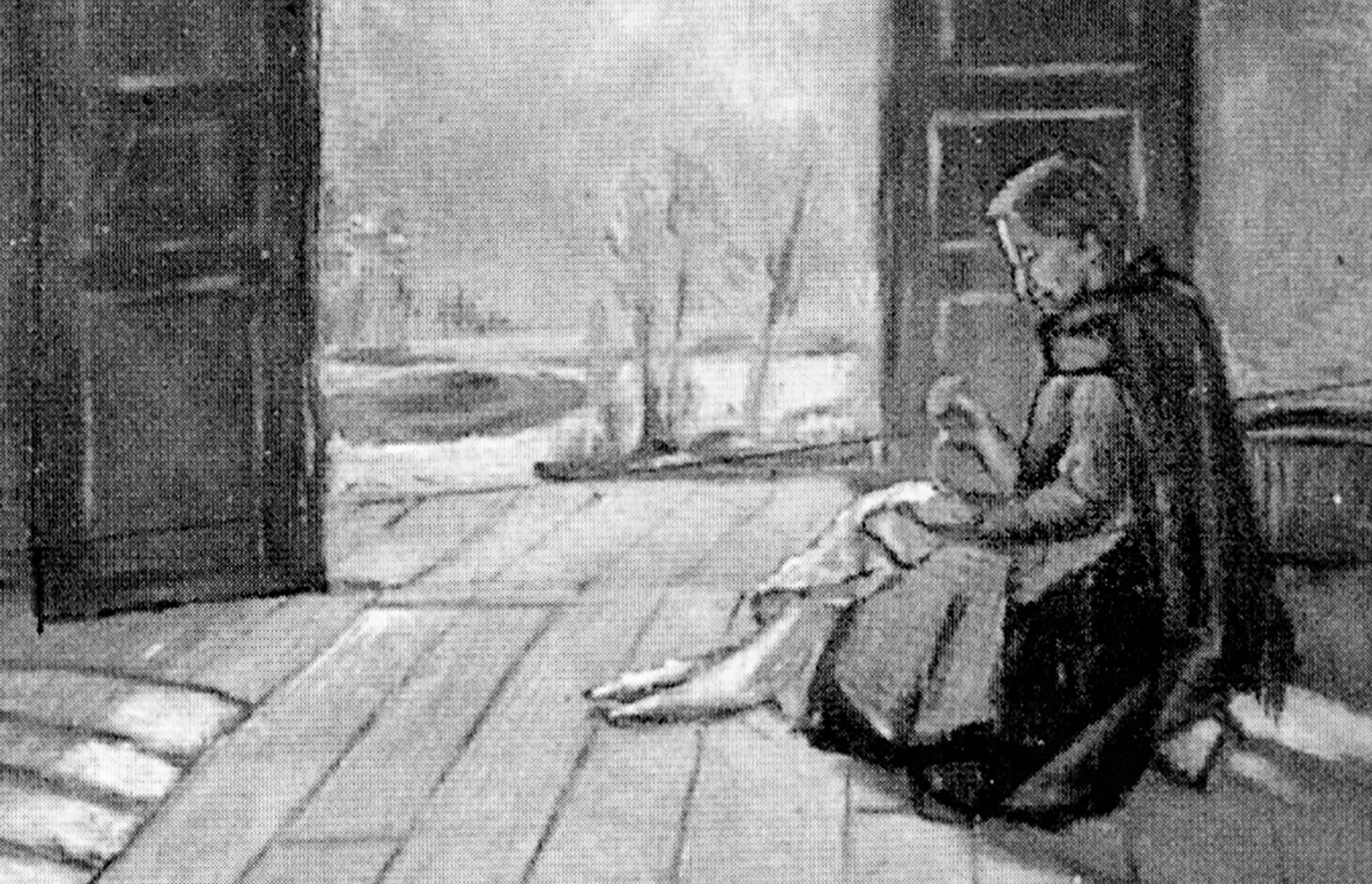
The more we rediscover the work of Eladio Vélez, the more we understand the clarity of his argument regarding his artistic position frente a la desmedida retórica de los americanismos with which he was confronted. While such Americanisms seem to be grandiloquent and demagogic, Vélez remained faithful to painting, creating a work of unusual internal harmony, constructed slowly through its references to Cézanne, a plastic image behind which there is an academic rigor and a serene sense of adaptation of the French painter's rationality, above all in Vélez's watercolors.
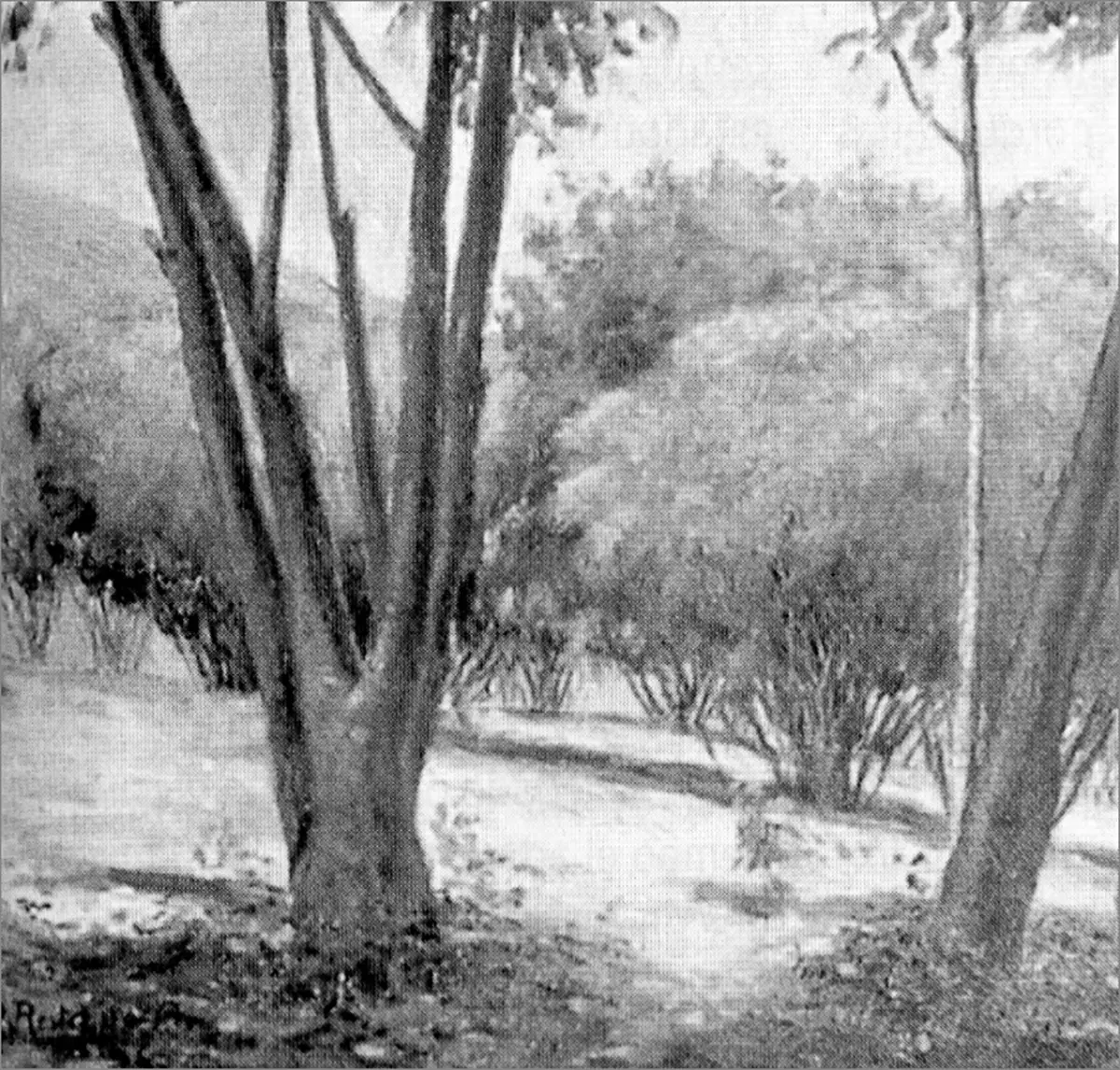
This is the painter with his truth, the creator with his painting, and nothing more. Vélez understood that this was his task, as a silent creator. We are grateful for his understanding. Rather than pursuing anthropological identities that only lead us to harmful political demagogy, I believe that our only necessary reference in time is to be found in the process of creating these images of the city and its suburban landscapes that is, spaces which are constructed as much by geometry as by the specific color of the place. The small panels in which Carvajal displays his rare plastic knowledge and which link him, especially in his vision of a park, with the best of the fauves, raise a question, or rather an enigma in the historical context of Colombian art, since Carvajal had above all an extraordinary imagination, in the best Spanish tradition of the eighteenth century.
This is color, not as plein air, but as a rigorous search for a new chromatic structure, atmosphere seen as a means of going beyond what might dangerously remain just a picture of regional customs. What was happening at the time —I date these panels from around 1915— to Colombian painting, relentlessly subjected as it was to the standards of the Julien and San Fernando academies?
It is here that we come up against a void in the history of Colombian art: the non-existence of any real research, without which it is impossible to understand its real process and the meaning of personal proposals made in the most absolute solitude and, above all, outside the straight jackets and pigeonholes which criticism has established for its own convenience. At the end of the eighteenth century, Sonsón, which is a little town now practically abandoned, was a flourishing city with a much more solid economy than that of Bogotá.
Carvajal's modern vision as illustrated in these marvelous panels stops there and returns to the task imposed by the community in which he lived: the creation of a religious iconography. What is important to recall here is the fact that a plastic element such as light becomes transformed, in the work of a real creator, into something that gives rise to aesthetic speculation that in turn leads to a silent and profound transformation, the true scope of which we fail to grasp because of the torpor of criticism and the absence of any real kind of research.
To bring these fundamental experiences to the present means to recall that in history without any logical continuity, such as that of Colombia, which has always been confronted with the abysm of barbarity, and once the straightjacket imposed by the "avant-garde" movements had been eliminated, dialogues must be opened up between the present which we are living and these images which reappear to tell us not that we are History, but that we have, thanks to these images, a necessary past.
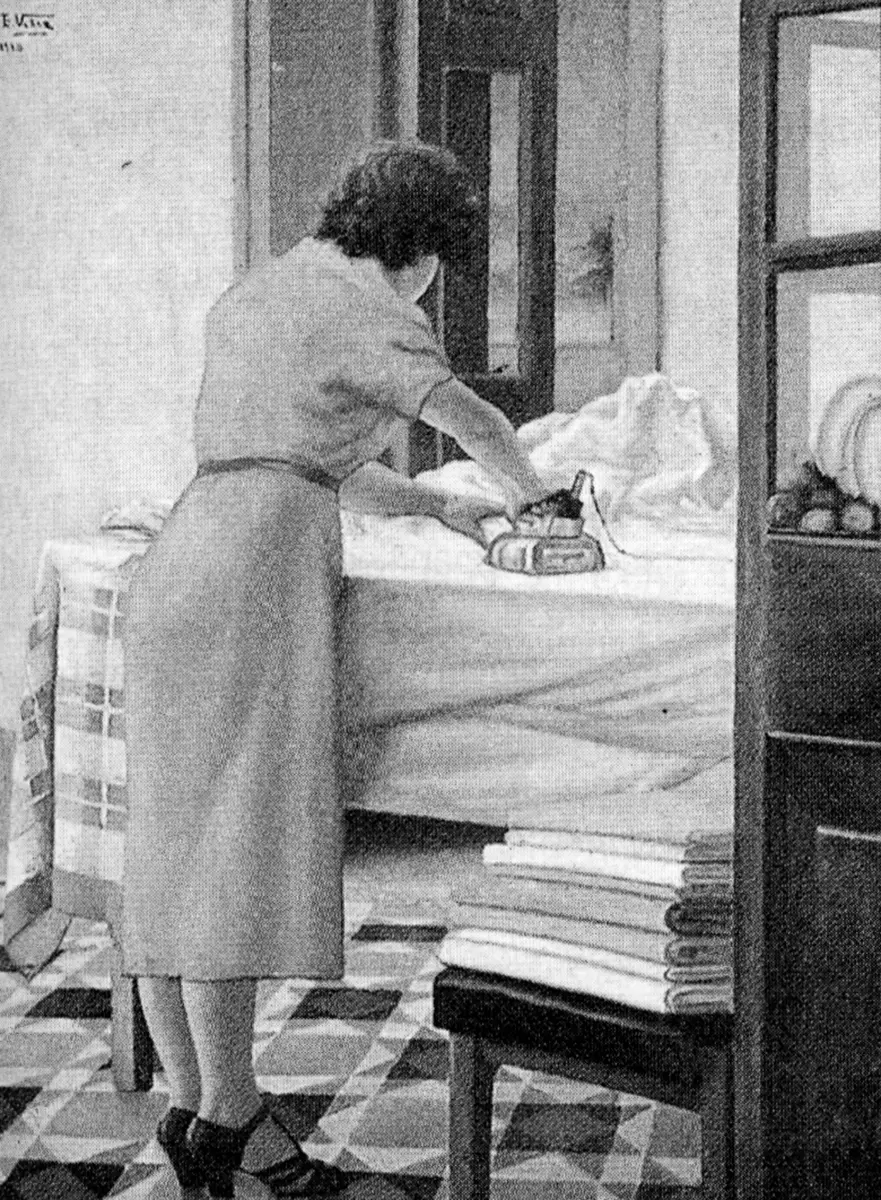
What remains today of these cities, these places constructed by color under the imperative reasons of light and an atmosphere overcome with sentimentality? Apolinar Restrepo died in 1972 and his artistic experience is linked to that of the various stages through which the search for a concept of modernity passed at the regional level.
Restrepo plunged deep into the aesthetics of liberated color which was pioneered by such artists as Rembrandt and Corint, and adopted by such lesser artists amongst the fauves, such as Friesz and Marquet: the image becomes profound with color under the pressure of memory, a sentimental memory which wants the moment to survive both fleetingness and contingency.
The minor tone is like the gaze of someone who is saying farewell to a world with which they have established a sense of solidarity. The experience of personal feeling thus gives legitimacy to the artistic quest which is, as we know, one of the important contributions of this minor kind of fauvism to modern sensibility. The gaze is not fixed on mimesis, but on the construction of surfaces and structures of color; the landscape is no longer a theme but an objective plastic experience. This truth inherited from Cézanne is what Eladio Vélez corroborates above all in his watercolors—painting as a system of contrasts. This exhibition was sponsored by Suramericana and curated by Miguel Escobar and Gustavo Vives.
DARÍO RUIZ GÓMEZ