In a tribute to Rufino Tamayo (Oaxaca, 1899, Mexico City, 1991) on the centenary of his birth, the Mexican embassy in Venezuela and the Sofia Ímber Museum of Contemporary Art of Caracas organized Tamayo: An Almost Mineral Silence. The exhibition contained 23 works by the great Mexican artist, along with pieces by Venezuelan artists who, in one way or another, were influenced in their development and language by the art of Tamayo.
It is important to mention the support provided for this show by the Museum of Fine Arts of Caracas, an institution that lent 20 works from its collections of Latin American art and prints. These pieces included The Fountain (1951) and Emerging Man (1976) and collographies from 1980.
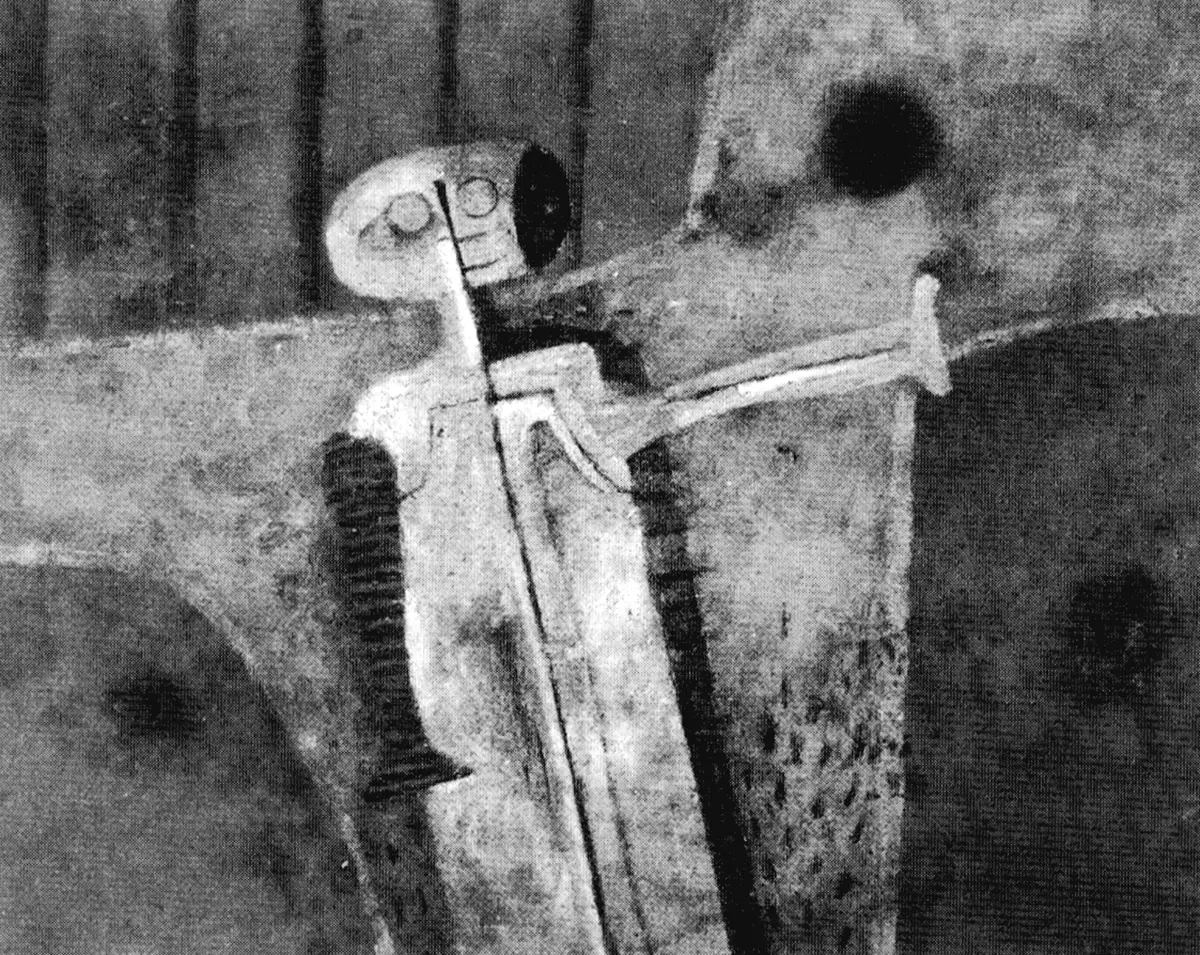
Tamayo is one of the seminal creators of Latin American art in the twentieth century. From the beginning, he chose to follow a path that led him firmly away from the triumphant muralist current, towards an emphatic emphasis on easel painting and themes distant from social realism or denunciation. Although he painted some murals, such as Mexico Today and Duality, Tamayo shunned the marked narrative tendency of Mexican painting in the first half of the twentieth century and managed to subvert what was purely picturesque or folkloric within a profound vision that linked him to the pre-Hispanic past in an almost cosmic manner. This penetration of Tamayo's themes into the magical substratum of the Mexican cultures prior to the arrival of the Spaniards was to have a decisive influence on Mexican and Latin American culture as a whole.
But perhaps the most important aspect of Tamayo's legacy was his decision to see the picture as a plastic universe. Tamayo moved through figuration towards abstraction, an approach in which Octavio Paz detected a 'critique of the object'. "In this sense, Paz writes, we can indeed speak of speculative painting. Painting subjects the object to an inquisition about its plastic properties which is an investigation of the relationship between colors, lines, and volumes—a critical painting—the reduction of the object to its essential plastic elements."
One of Tamayo's contributions to contemporary art is what Paz called "transfiguration", i.e. pictorial asceticism, the restriction of color, the rigor of the lines and volumes, as an aesthetic means of establishing a link with the substratum of pre-Columbian art. Another of Tamayo's major technical contributions is the result of these same investigations: mixtography, a printing technique based on the use of several plates for the same work, which allowed him to achieve new textures, enlarge his formats, and create collages, by modifying the plate until he obtained the desired result without having to make new plates for each proof. This tribute included seven works by Venezuelan artists who have been influenced by Tamayo at some point during their careers. On view were Oswaldo Vigas (Women Water Bearers) and Manuel Quintana Castillo (Woman Selling Balloons), works whose iconography and pictorial resolution reflect an undeniable admiration for the Mexican master; Pedro León Zapata (A Rufino Tamayo), Abilio Padrón (Sino Tamaruyo, mano Rufino Tamayo) and the young artists José Gotopo (Prelude to Tamayo), Luis Rocca Brito (In Detail) and Eduardo Azuaje (A Shaman and a Rose). The latter work is a handsome painting with typical elements of Tamayo's poetics, such as the allusion to the rites of ancestral cultures and the creation of misty pictorial qualities. Although one would have liked to have seen a more comprehensive selection of work, this exhibition offered a good opportunity to go back and look at works by an artist who was called the "most universal of Mexicans".
KATHERINE CHACÓN