
If one of the most interesting purposes of art is to reveal to us things that would normally go unnoticed, then this group show curated by Rosa Olivares in the Casa de America highlighted precisely the way in which art can make us see more. In this case, the enigma of everyday things is the enigma that lies mainly in objects used in everyday life. However, the discursive proposal of the show was to reveal to what extent ritual gives meaning to the uses and functions of such objects.
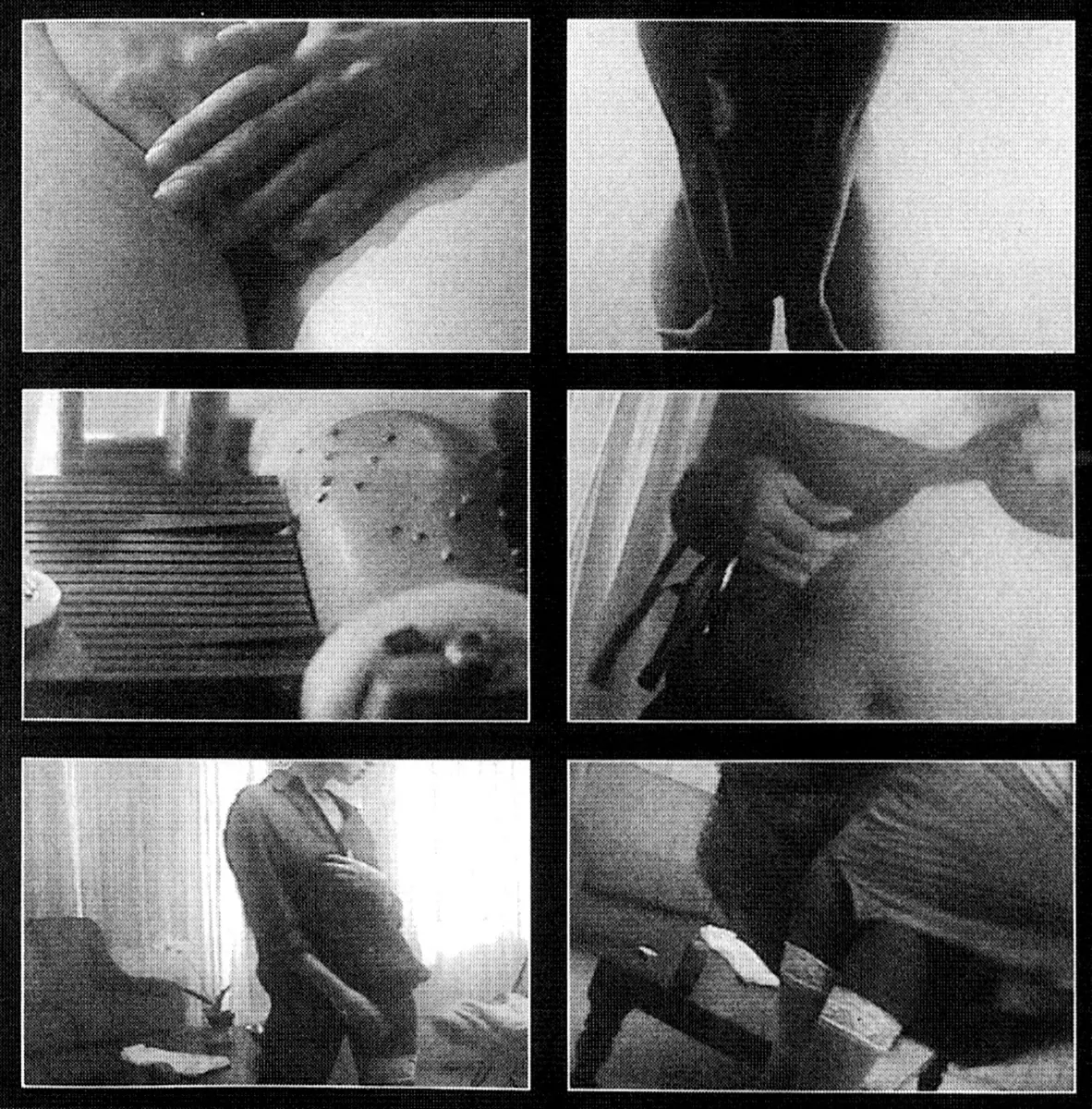
One of the lessons of the show was that these rituals do not necessarily have to be grandiloquent, as in the case of the two videos presented by Priscilla Monge. In Makeup Lesson (1998), the everyday act of putting on make-up—of putting on the “mask”—becomes even more sinister in that it serves to cover up the marks of a beating. Perhaps it is more eloquent and sublime in the video How to Get Dressed (2000), in which a strip tease is reversed to show us the intimate and unusual kind of sensuality hidden in the everyday act of covering the body with clothes—a sensuality which disconcerts the spectator, who is by definition a voyeur.
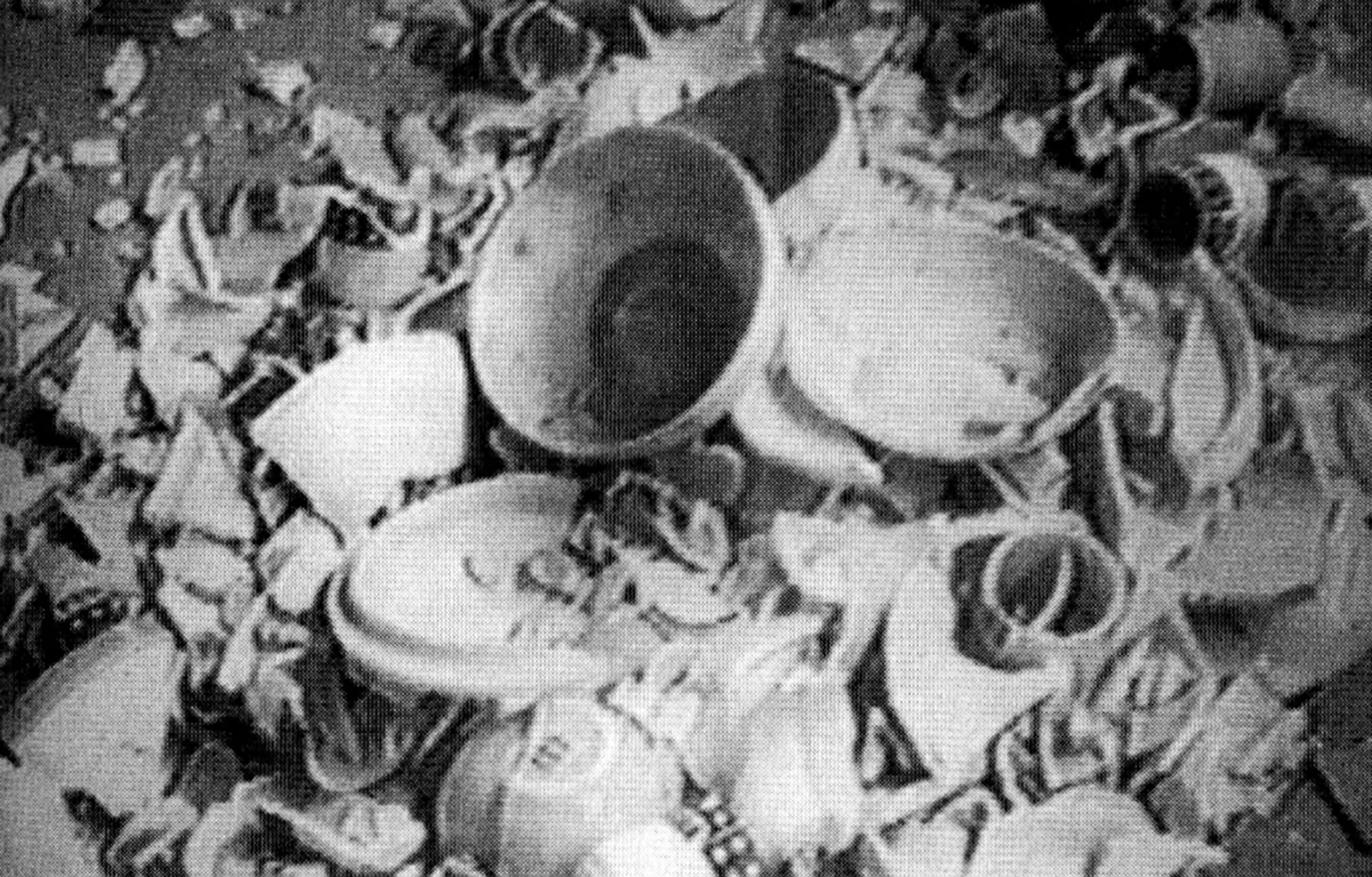
As regards the imminent presence of objects in these re-significations of ordinary things, the photographic works of Silvia Gruner and Milagros de Ia Torre were a study in contrasts. Gruner’s series, Cutlery (1996), made up of 20 large format color photographs (140 x 100 cm) paid particular attention to the handles of the different pieces of cutlery. This emphasis on ornament—which was furthermore superfluous—in the case of a basically practical object brings into play a series of references to matters of usage, taste, class, and heritage, insofar as it is impossible to avoid the social implications cutlery has as a status symbol sanctioned by tradition. Who does not remember their grandmother’s cutlery or the knives and forks used on special occasions? As if wanting to rebel against this symbolic aspect, Gruner presented a video entitled Truce (1999) in which an infinite number of pieces of crockery (plates, cups, jugs, etc.) are implacably smashed one by one on the ground, and the fragments of which pile up like the traces of something that has been lost forever.
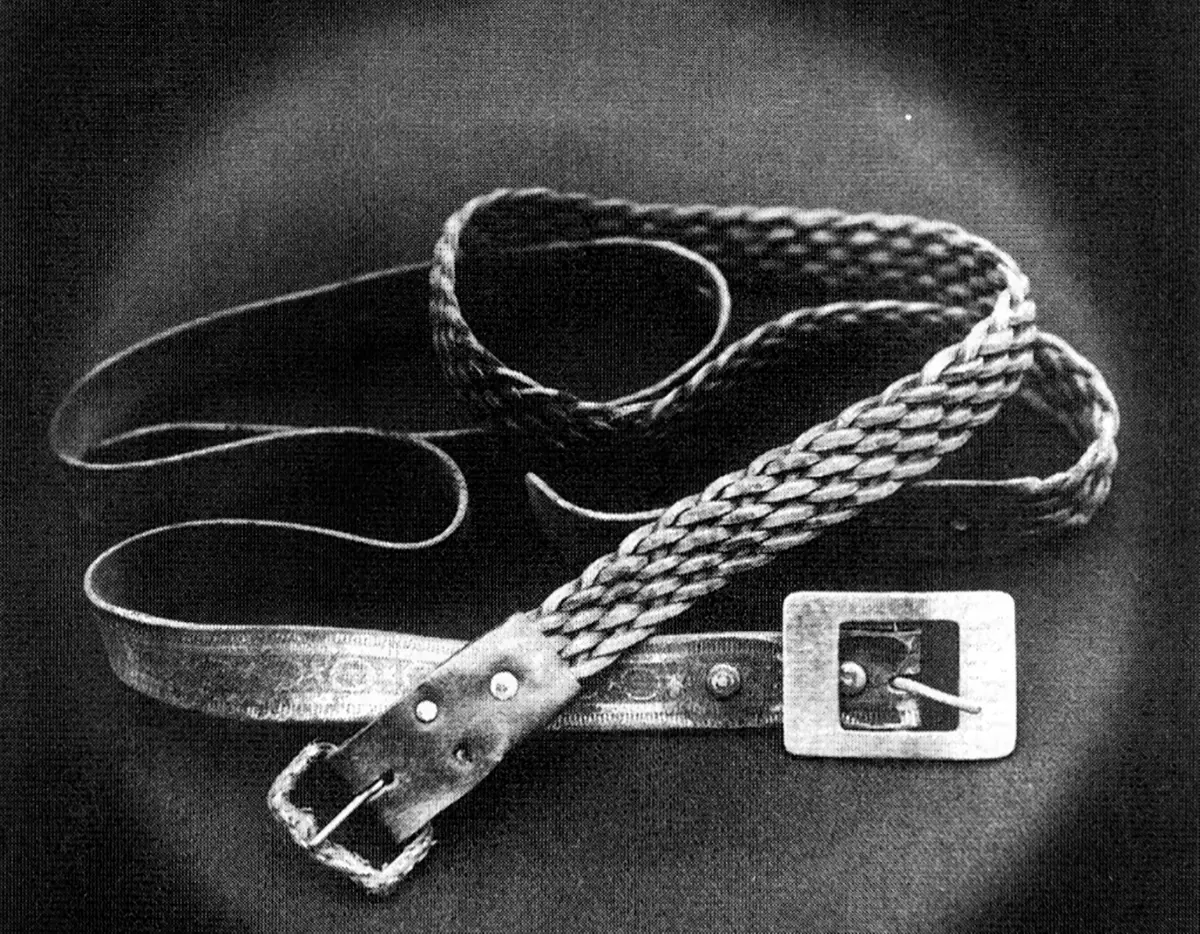
In her series entitled The Lost Steps (1996), Milagros de Ia Torre photographed a group of objects that in any other situation would be perfectly anodyne, but which in this case are pieces of expert evidence of various offenses. They have thus become objects with a history—and a rather terrifying one at that—which gives them an aura impossible to avoid, one emphasized by the circles of light in which the artist places each object.
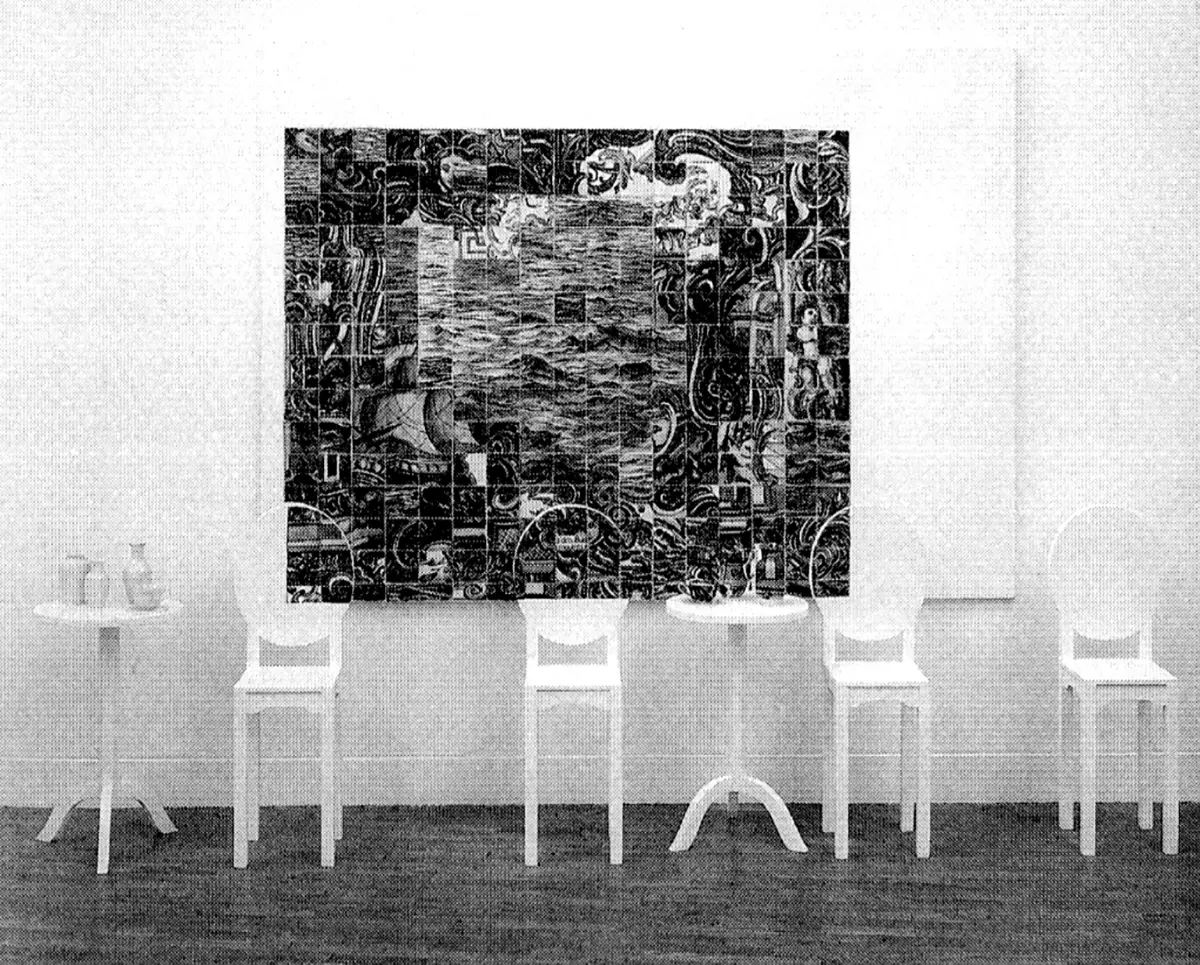
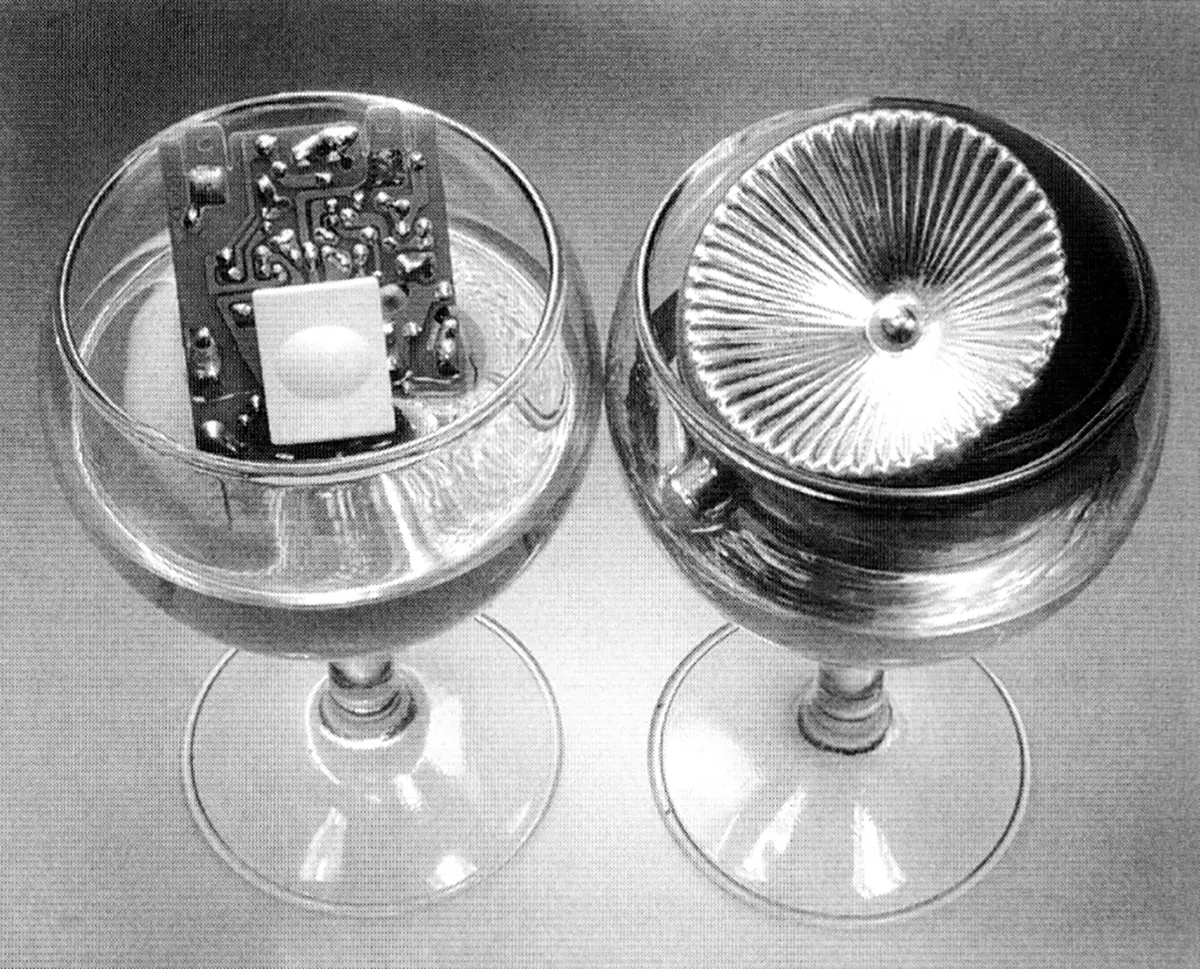
In addition to pieces by Adriana Varejão, entitled Tea and Tiles II (1997) and Meat a Ia Tunay (1999), which gave a public appearance to objects that are traditionally part of a private world (the Brazilian tiles inherited from the Portuguese are transformed into a record of a conflictive history of colonization or painting “served up raw” on a collection of plates arranged on the wall), there was a particularly interesting work by Eugenia Balcells at the end of the exhibition. In this multimedia installation, entitled Toast (1999-2000), Balcells proposes a collection of objects, projections, texts, and sounds that have been recuperated through her fantasy. At one end of the room, the eternal flow of a river was projected inside a bottle of water—the plastic mineral water bottles used by sportsmen—which made the walls shake and placed the spectator in the confines of everyday experience. In the center, some 400 glasses were supported by a similar number of bottles, all filled with colored water and forming an enormous liquid rainbow. In each cup a small object was submerged, so that the whole work appeared to be a kind of treasure cave in which everything was glistening and suggestive of games, dreams, and tales of exotic landscapes, paradises almost recovered, and memories trying to return.
The enigma of everyday things is never resolved, but this is precisely because objects are always something more, much more, than what their appearance or function seems to be. It may be that our everyday lives are more marked than we think—or want—by our material affections, by our loyalty to certain objects, and by our capacity (which is to a large extent aesthetic) to recover the taste and beauty to be found in the things of everyday life.
ISSA MARÍA BENÍTEZ DUEÑAS