
Making its way through the precarious interstices that stem from the economic recession and the political transitoriness that Venezuela endures, the ninth edition of the Ibero-American Art Fair of Caracas (FIA) took place. The important thing is that the results of the efforts realized were translated into achievements that exceeded the expectations: the presence of an important number of galleries was maintained; the sales were positive as well as the public attendance and the enthusiasm. The resonance of the concurrent activities organized by the museums and galleries was expansive. It does not seem exaggerated to assert that, in light of such indicators, Caracas’s FIA remains one of the most important art fairs in Latin America.
On this occasion, thirty-six galleries participated: twenty were foreign, and sixteen were Venezuelan. The total number of countries represented was twelve: Argentina, Germany, Brazil, Colombia, Spain, Peru, Mexico, Austria, Dominican Republic, Uruguay, United States, and Venezuela.
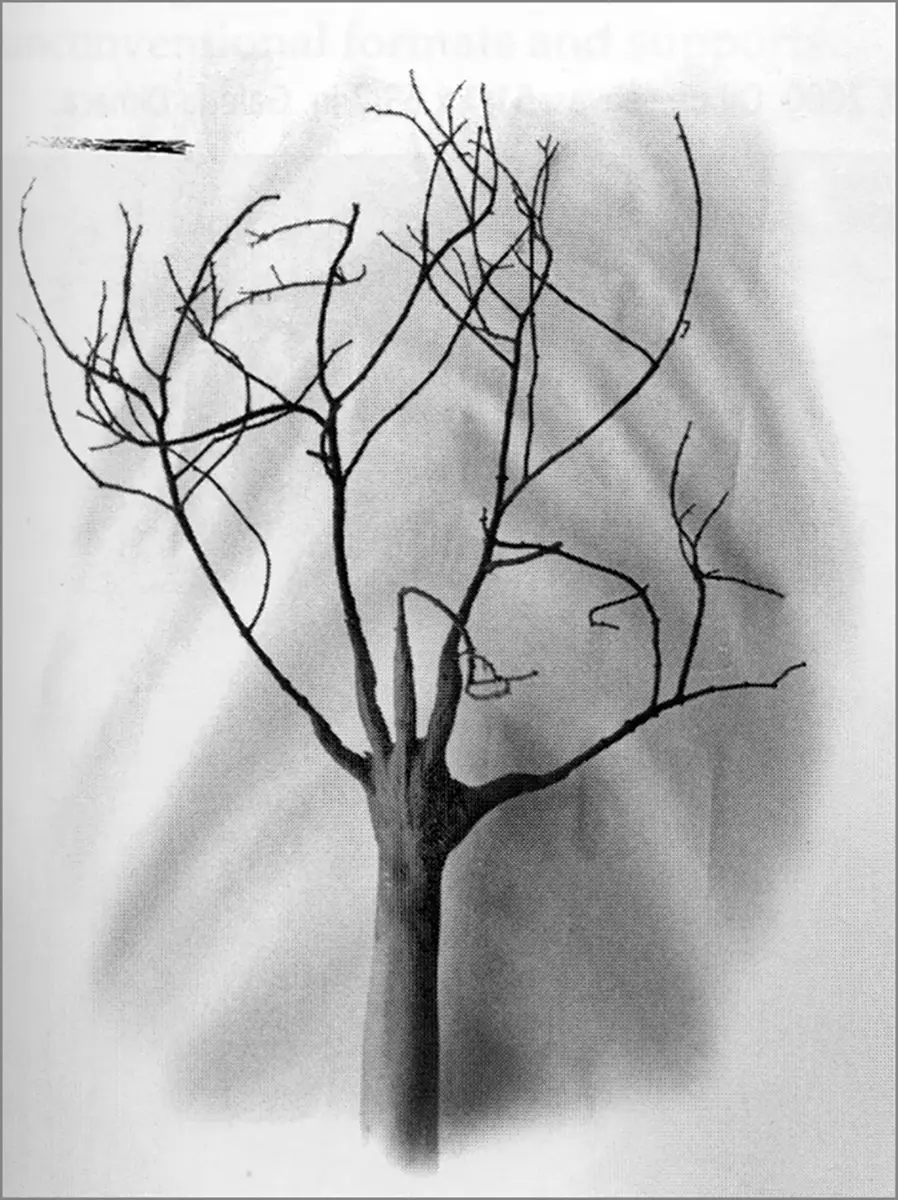
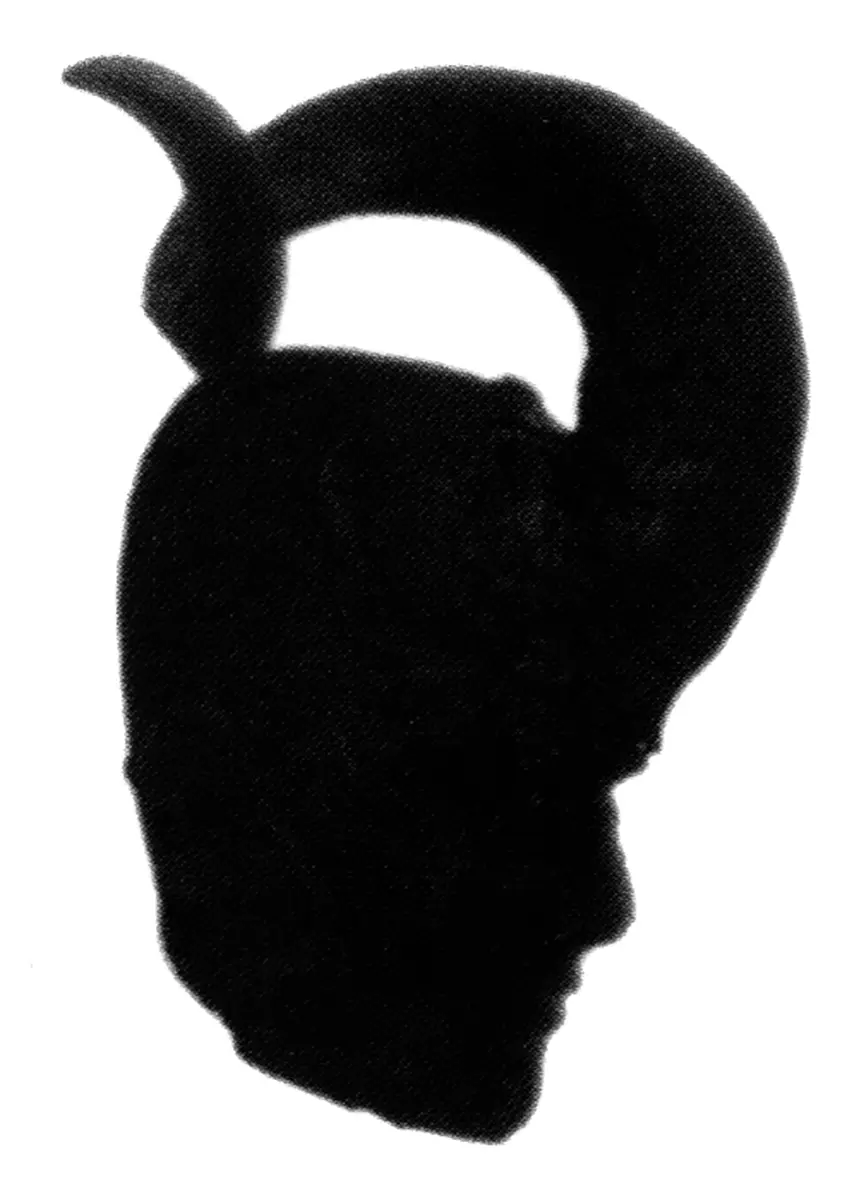
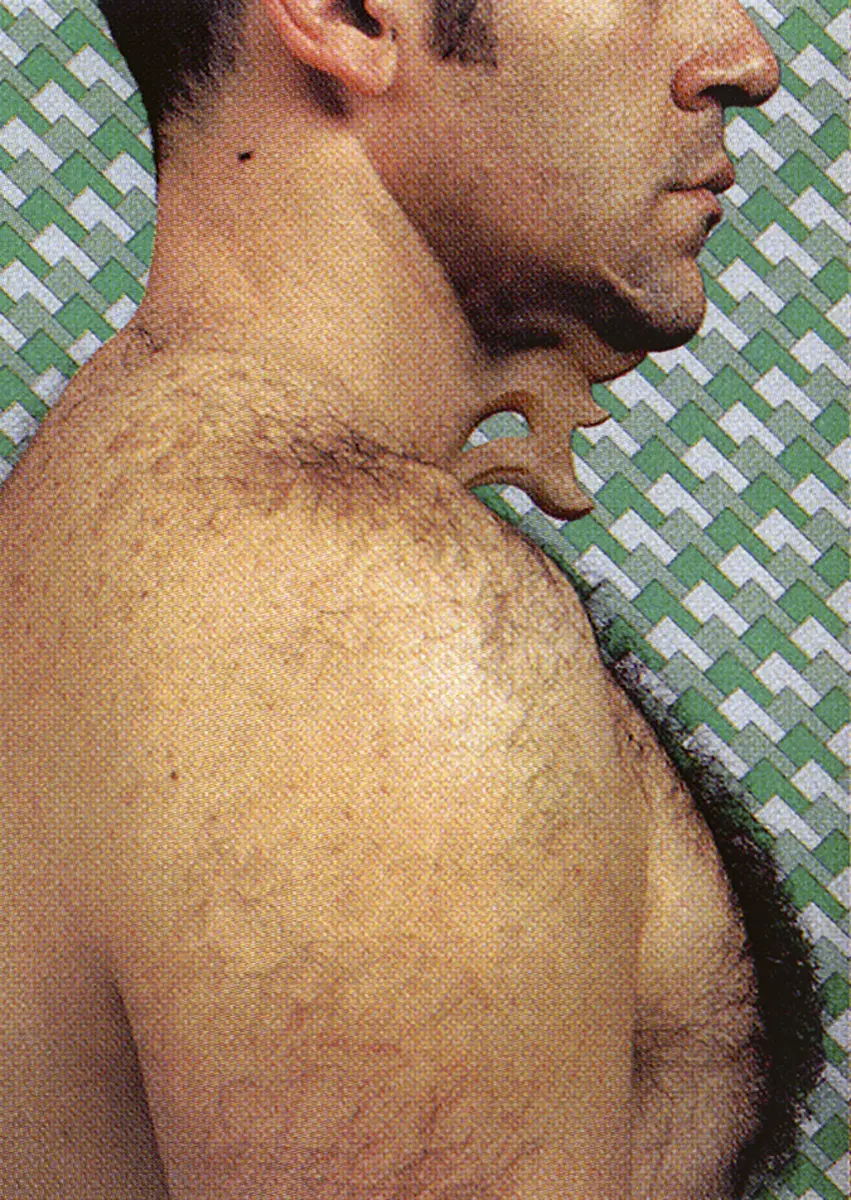
Three activities associated with FIA were successfully carried out. The first was the 3rd CANTV Exhibition of Young Artists with FIA, which included the curatorial work of Adolfo Wilson. Eighteen artists participated, of which half were Venezuelan. The first prize of this show went to the work Tumores Domésticos (Domestic tumors) by Alexánder Apóstol. This piece was made up of three photographs on paper, which were supported by metaphors charged with temperament. Honorable mentions went to Leonor Mendoza (Piedra, Papel y Tijera [Stone, paper, and scissors]) and Yucef Merhi (Micrologos). Another activity associated with FIA was the 1st Ibero-American Photography Concourse: Ibero-American Aesthetics and Proposals for the Next Millennium, which included the curatorship of María Luz Cárdenas and Manuel García. This show occupied rooms 11 and 12 of the Sofía Ímber Museum of Contemporary Art of Caracas and was comprised of fifty works of artists belonging to ten different countries.
Some academic activities were added to the two shows described above, especially noteworthy among which were the conferences by Manuel García on “Metaphors of the Body,” by Nelson Garrido on “The Aesthetics of Violence,” and by Fernando Castro Florez on “The Photography of Oblivion.” We should also underscore Fernando Castro Florez’s conference on the theme of “Making Way for Punches” in the framework of a performance about boxing realized by Domingo Sánchez Bravo.
The other novelty is the space adapted by Venezuela’s AGFA, in which prized photographs from international catalogs were presented.
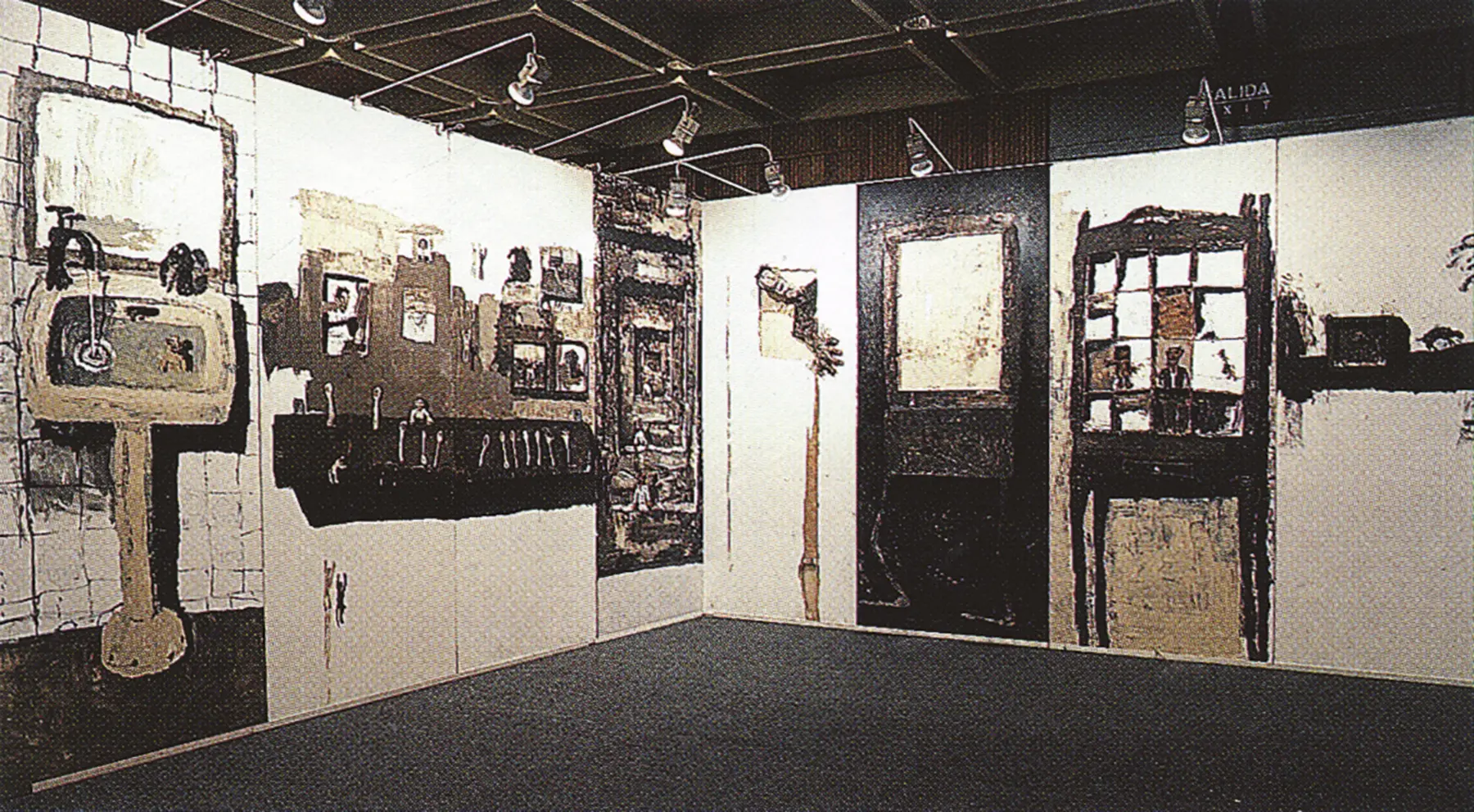
The following artists were the special guests of this edition: Ignacio Iturria, from Uruguay; Alirio Palacios, from Venezuela; and Marta María Pérez Bravo, from Cuba. Instead of bringing pictures that were prepared in advance, Iturria decided to give shape to his work in situ. He thus took some of the panels with which the fair space is structured and used them to promote this combination in the style of an atmosphere. The result was extraordinary, for that determination reinforced the unfolding of expressive impulses charged with temperament and grounded in an expansive resonance that filled the atmosphere and affected the spaces. At the same time, Iturria’s pictures, of a conventional format, could be seen in the spaces of Argentina’s Galería Praxis Arte Internacional. Marta María Pérez Bravo was the other invited foreigner. This artist is renowned in Venezuela due to the numerous exhibitions of her works in the country’s museums and galleries. The theme of the religious syncretism and multicultural amalgam of Cuba in particular, and of the Caribbean countries in general, acquires a moving and enigmatic dimension in her photographs.
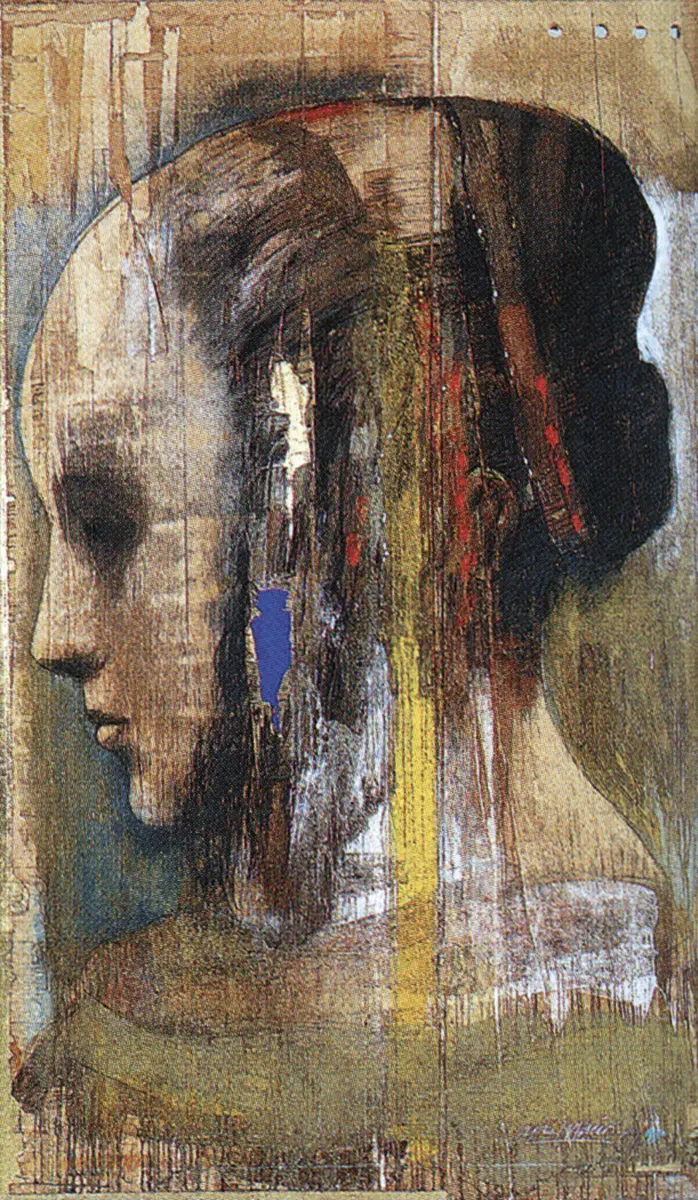
For his part, Alirio Palacios took advantage of the homage to gather a group of recent pieces in the spaces of the Galería ASCASO (Valencia-Venezuela). Here, the artist ratifies his deeply rooted life-experiences. Memories and roots are grounded in each one of the hidden gazes of his characters.
The itinerary first puts us in contact with the Dominican Republic’s Galería Francisco Nader. Among a large number of pictures, full of strident colors and commercial inclinations, two pieces stood out there: one by Édgar Sánchez, from 1991, titled Visión, and the other, an excellent painting from 1972, Untitled, by Wifredo Lam. Like an antithesis, we immediately find the harmonic spaces, defined with aesthetic criteria, of the Galería Sextante. Here, the metaphoric sculptures of Hugo Zapata congregate with the enigmatic pieces by Luis Fernando Peláez, which exude the atmosphere generated by the pictures of Ricardo Benaim. As on previous occasions, beautiful editions of books could be appreciated, as well as etchings from the Dos Gráfico studio.
Stand 3 was occupied by the Galería D’Museo with a long list of signatures. A Soto of wood and wire from 1959 produced a special attraction and some surprising assemblies by María Teresa Torras, aroused an animated curiosity in the visitors. We also observed a crucifix by Miguel Von Dangel from 1996 and paintings by Eugenio Espinoza and José Mohamed. Added to these pieces were editions of multiple works by Jaume Plensa and Antoni Tàpies. In front of this stand was the exhibition of Caracas’s Graphic CB2, which was comprised of works by Oswaldo Subero, Carlos Manrique, Augusto Barreda, David Gerstein, and Nanin. Next came Bogota’s Galería Diners, which displayed robust, attractive pieces by Ramírez Villamizar, as well as models of the Argentine sculptor Marie Orensanz and paintings by Guillermo Londoño Luis Luna, and Ana Patricia Palacios.
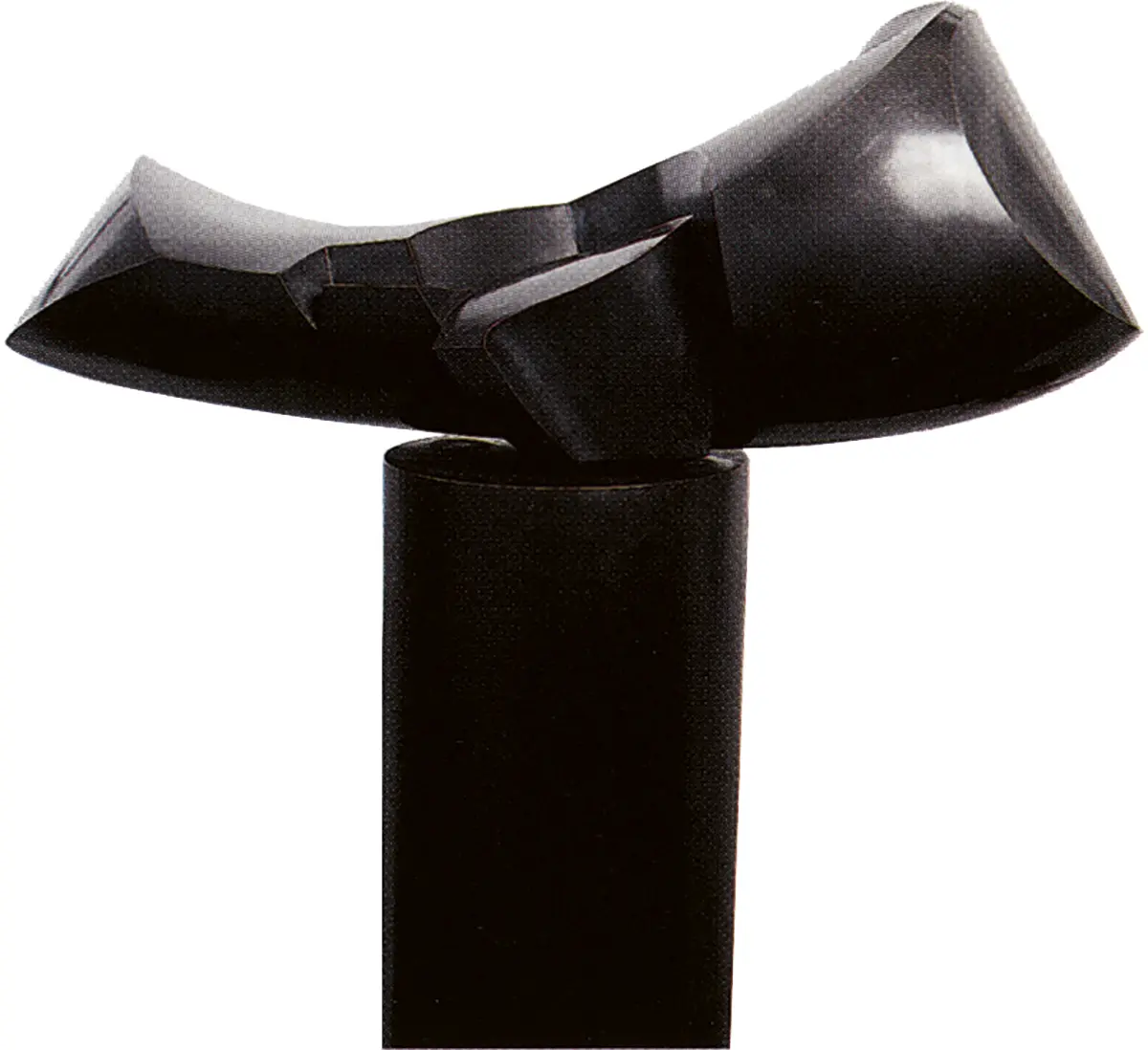
Germany’s Adriana Schmit Gallery offered one attraction of particular quality. Combined in these spaces were photographs by Antonio Briceño Linares and Joan Foncuberta, as well as paintings by Pedro Castrortega and a sort of installation by Tucho Molina, which was created out of rubber and fiberglass clothing that alluded to space flights and were inspired by bucolic metaphors. In addition, the sculptures of Faustino Aizkorbe, a Spanish artist who was present, stirred great interest. These pieces revealed abstract volumes that assumed random and organic, as well as imaginative and burning, forms.
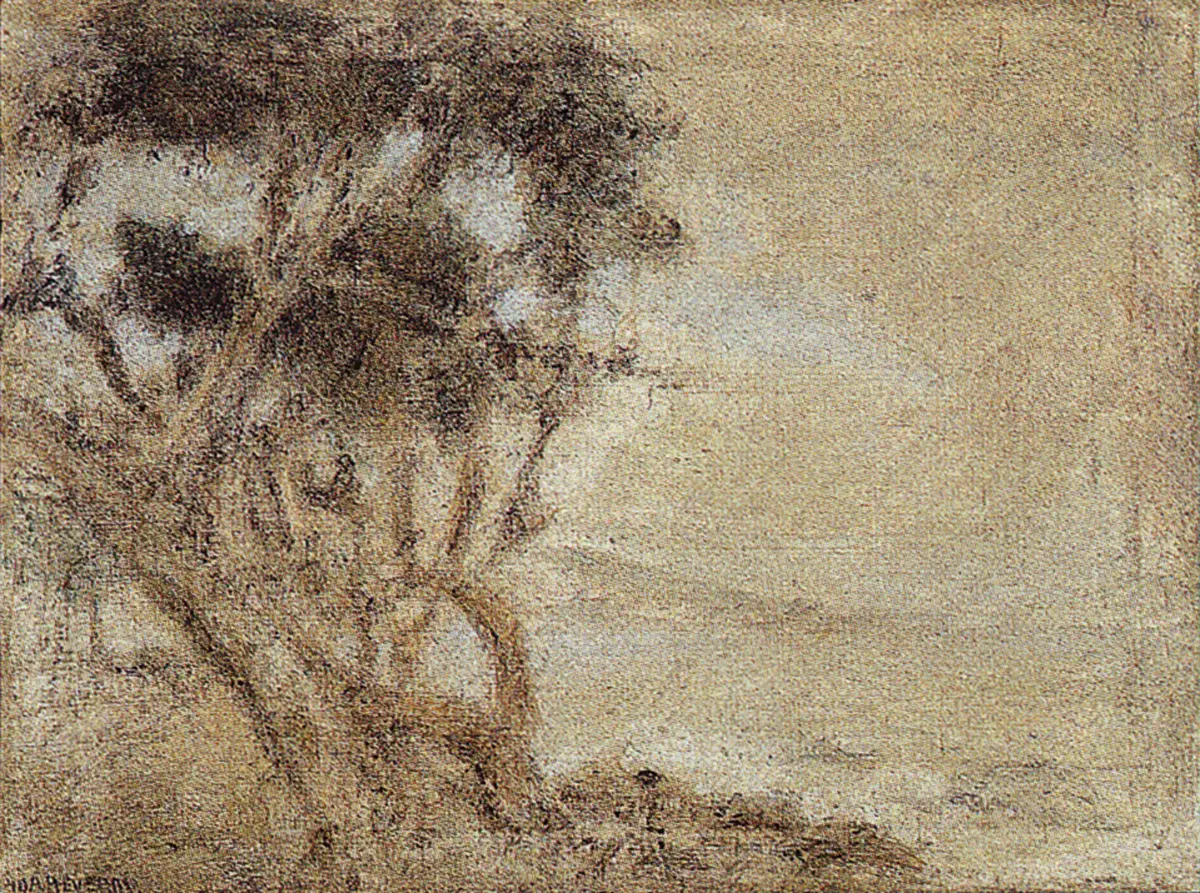
As in previous years, the Galería Durban exhibited pieces by its artists Jesús Soto, Agustín Cárdenas, and Fernando de Syszlo. Similarly, the Galería Muci reaffirmed the coherence of an outline and the persevering sense of an aesthetic concept. Amid extraordinary pieces by Manuel Quintana Castillo, Bárbaro Rivas, Carlos Hernández Guerra, Carlos Prada, and Carlos Mendoza, among others, three pieces by Armando Reveron stood out which, as always, summoned the curiosity and analysis of the experts and the general public. Special mention should be made to the painting Uveros en Playón (Seagrapes in Playon), created in 1932 but signed in 1940. In this piece, the artist’s temperament can be felt in all of the planes of execution and in all of the nuances of the atmosphere. And it cannot go unsaid that in the year 2003, New York’s MoMA will present a retrospective of the work of this artist.
The variety displayed by the Galería Luis Adelantado of Valencia (Spain) also attracted a large and informed audience. Added to Marta María Pérez’s photographs and the ever-appreciated pieces by Carmen Calvo, were Santiago Ybáñez’s expressive works, Emilia Azcárate’s sensible surfaces, and the bold images of Sergio Barrera and Carles Congost. The attraction of this group of resolutions was complemented by an initiative assumed by Luis Adelantado himself, who insisted on gathering photographs of the most frequent and representative individuals of the fair. These photos were shown and offered in a symbolic sale on the last day of the fair.
The Peruvian galleries Cecilia González and Forum joined their spaces. Aside from the pieces by Silvia Westphalen, María Gracía de Losada, and Fito Espinoza, we should especially underscore the group of pieces by Maricruz Arribas comprised of out-of-scale tools that act through agglomeration or singularization, but which always alter the sensations and animate ambivalent perceptions.
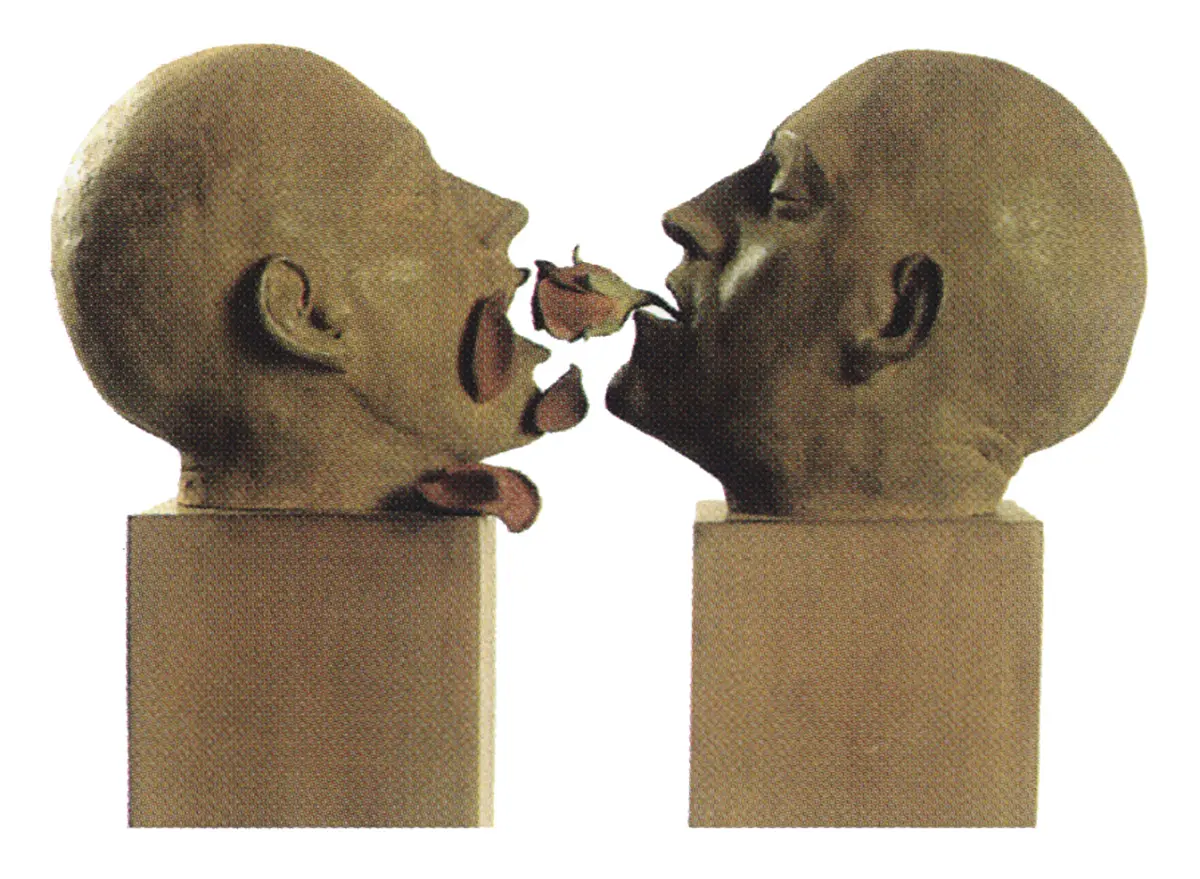
Spain’s Joan Guaita Art Gallery was present once more with an interesting representation of artists, prominent among which was an important group of works by Bernardi Roig, who was already well known in Venezuela and who also had a large exhibition opened at the Museo Jacobo Borges. Also exhibited in these spaces were executions by Kcho, Manuel Mendive, Peter Phillips, and René Peña. In the adjoining stand was the show presented by Caracas’s Galería Minotauro. Cecilia Ayala, Director of the Gallery, decided to evoke the activities of the artists with whom she worked twenty or thirty years ago. Under these criteria, we were able to appreciate interesting works by Corina Briceño, Luis Caballero, José Gamarra, Wifredo Lam, Felipe Márquez, Roberto Matta, Alicia Penalba, Pancho Quilici, Carlos Zerpa, and Gaudi Esté, among others. This last artist was represented by two suggestive sculptures that stirred the memory of how forceful his work has been since those times. Special mention must go to El Perro (The Dog, 1985).
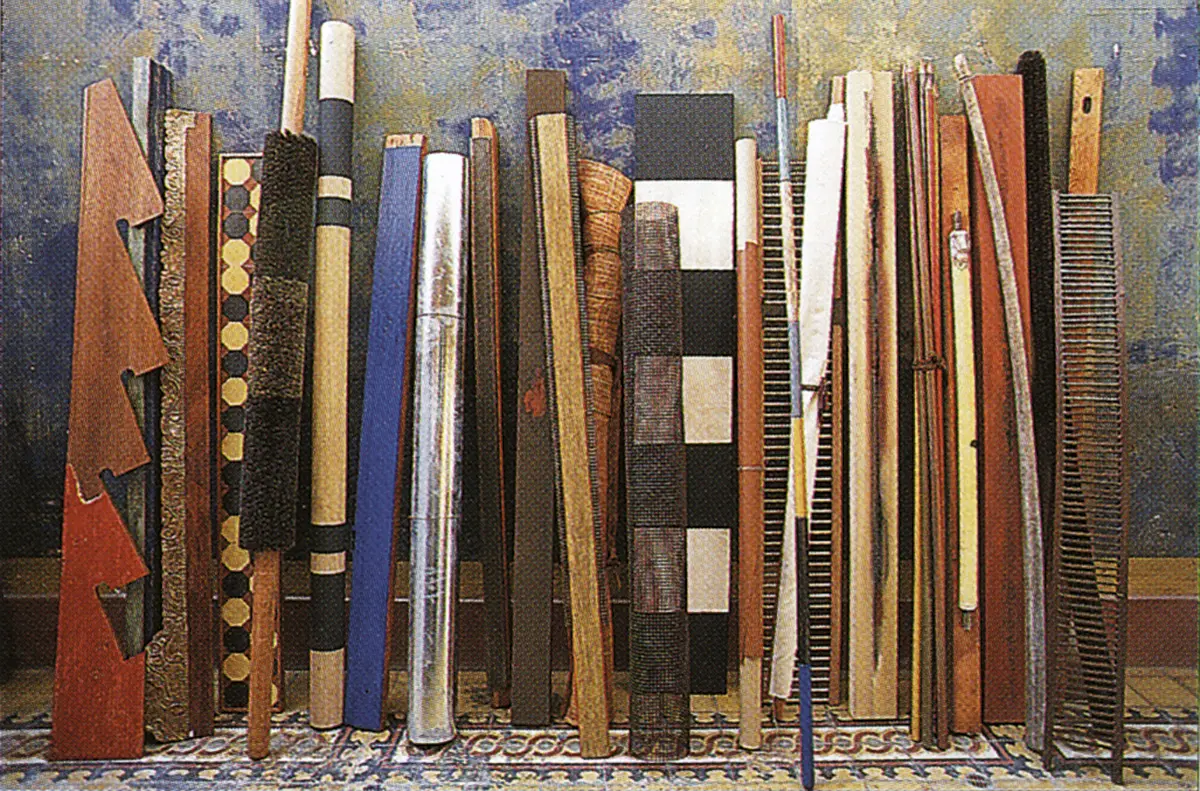
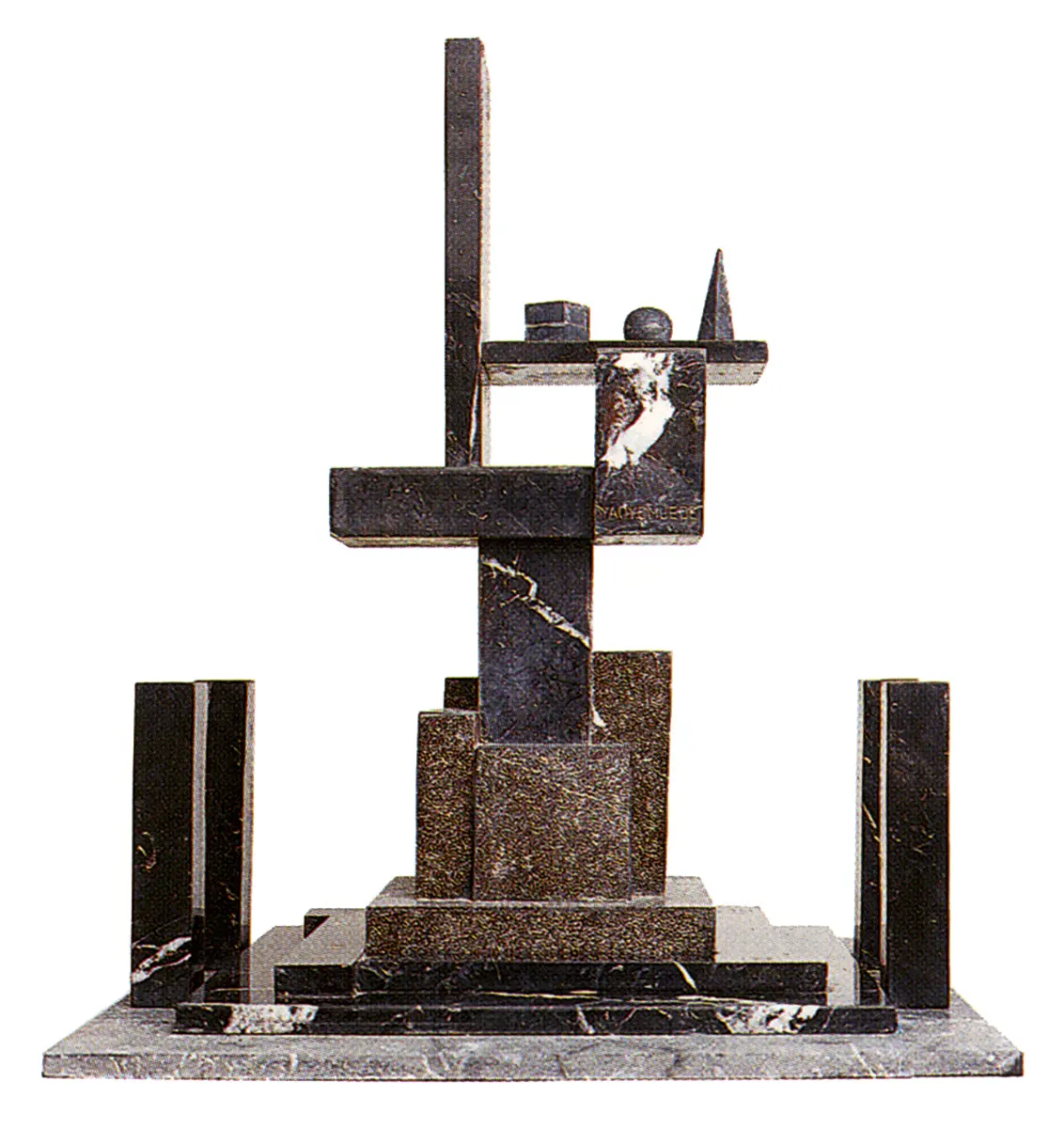
For the first time, Uruguay’s Galería Tejerfa Loppacher attended the FIA engagement and established its presence with various artists of the so-called Escuela del Sur (Southern School), whose center of inspiration continues to be the master Torres-García. Here, the reliefs, woods, assemblies, and colors are brought together through the orientations of sensible geometry. The works of Angel Foong, Héctor Goitiño, Alcen Ribeiro, and Adolfo Maslach could be appreciated. This last artist surprised the audience with some volumetric pieces with strong architectural inspirations and accentuated constructive codifications.
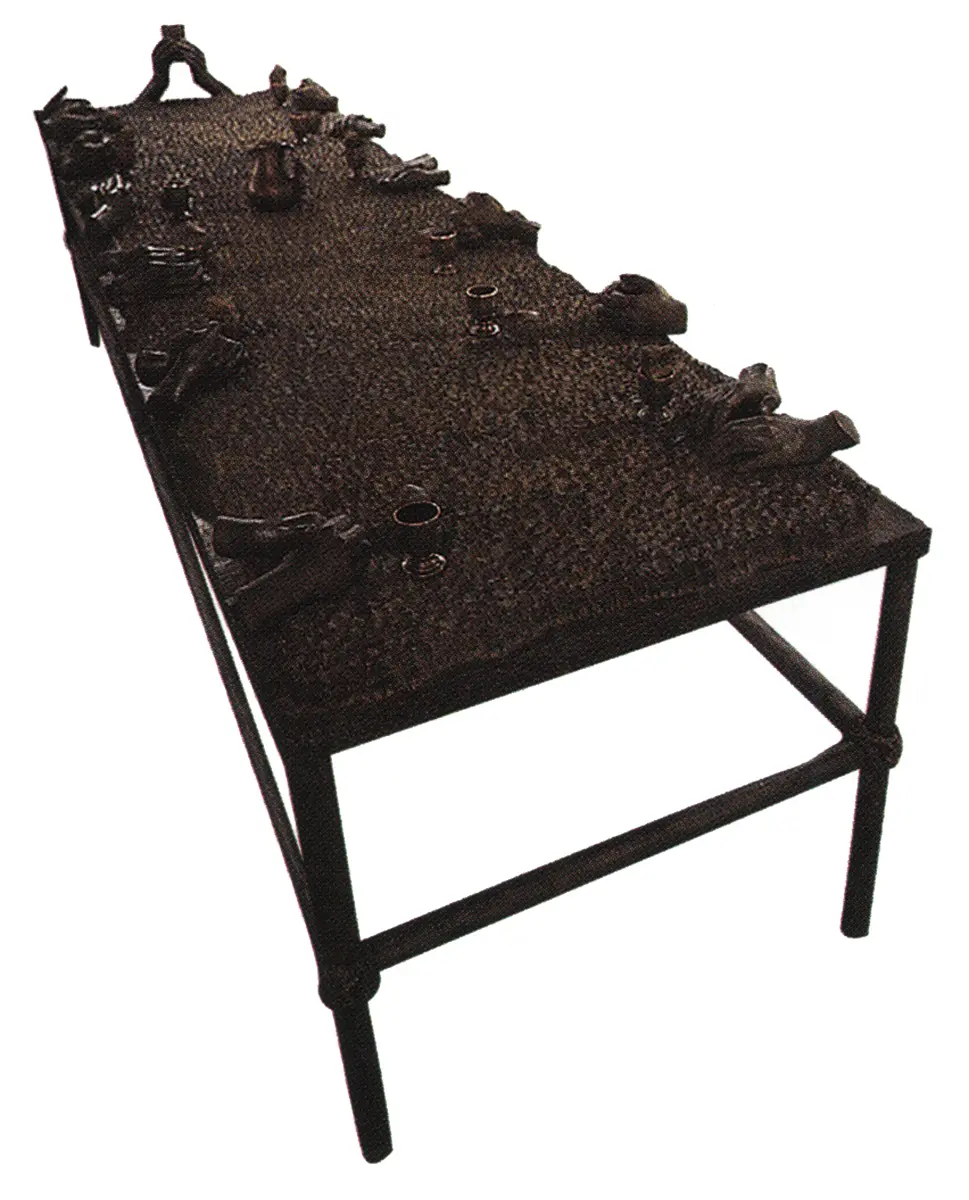
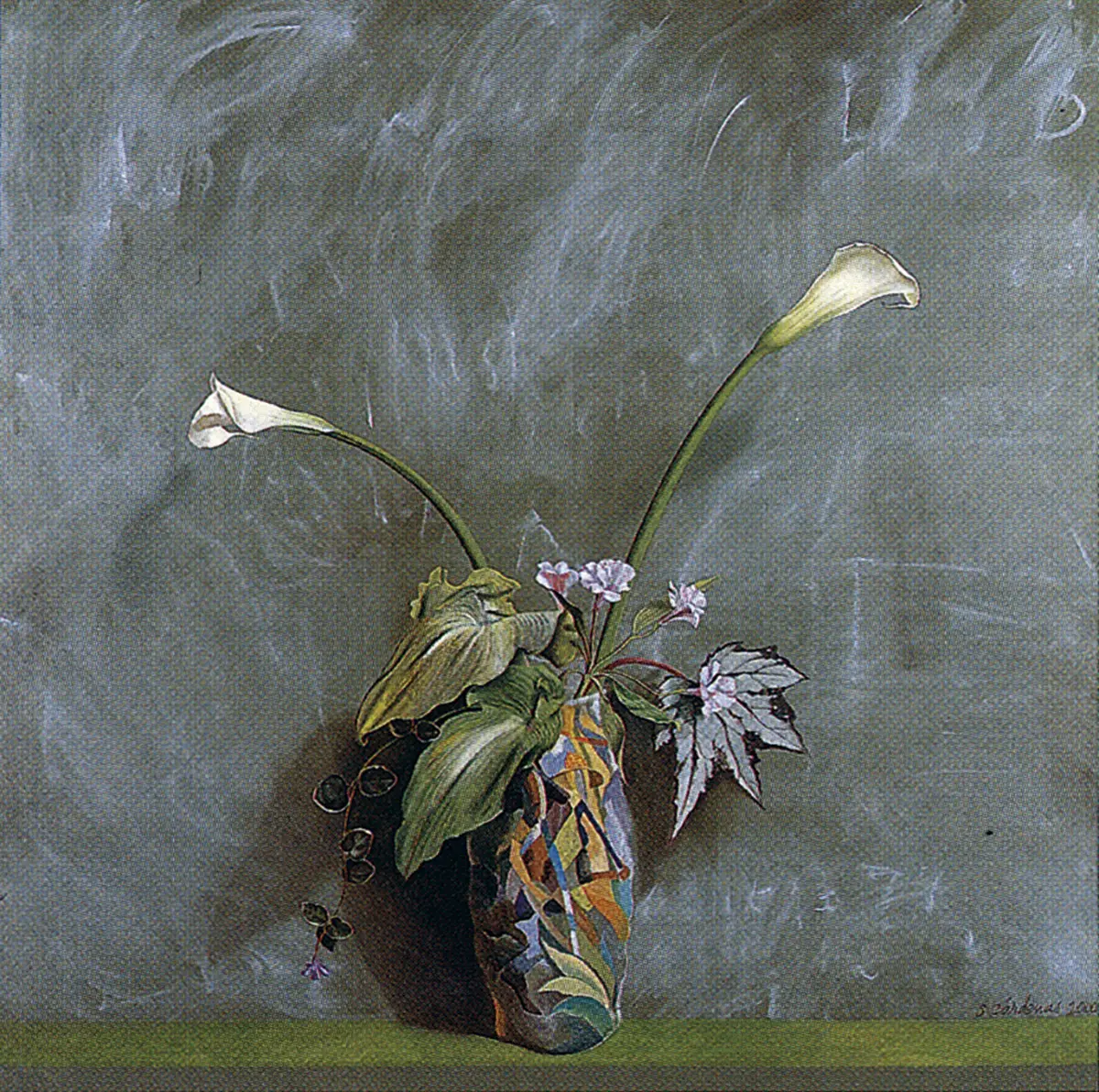
José Luis Fajardo and Santiago Cárdenas occupied the spaces of Stand 22 of the Galería Freites. Cárdenas’s series of pieces generated a special resonance since the allusions to blackboards were presented as palimpsests charged with memory and full of an expressive sensibility. Over those backdrops appeared flowers and objects that stressed an intriguing reality.
Chicago’s Aldo Castillo Gallery presented a list of important Latin American artists, such as José Luis Cuevas, Siqueiros, Cándido Portinari, Rufino Tamayo, Francisco Toledo, Oswaldo Vigas, and Luis González Palma. Its spaces also housed a large-scale sculpture by Alberto Cabalieri.
As in previous years, the Kreisler Galería de Arte established its presence with an exhibition of works by María Luisa Campoy, Juan Díaz, Antoni Tàpies, Urban, and Carlos Evangelista. With a similar sense of presence, the space occupied by the Grupo Li, Centro de Arte was admired. It exhibited several pieces, including those of Félix Perdomo, James Mathison, Julio Pacheco Rivas, Carlos Cruz-Diez, Carlos Zerpa, Oswaldo Vigas, and Rafael Barrios. Also commendable in that stand were the combined works of Harry Shuster and Gustavo Zajac, which joined sensuality and mythology, as well as classicism and spirituality, based on unconventional formats and supports.
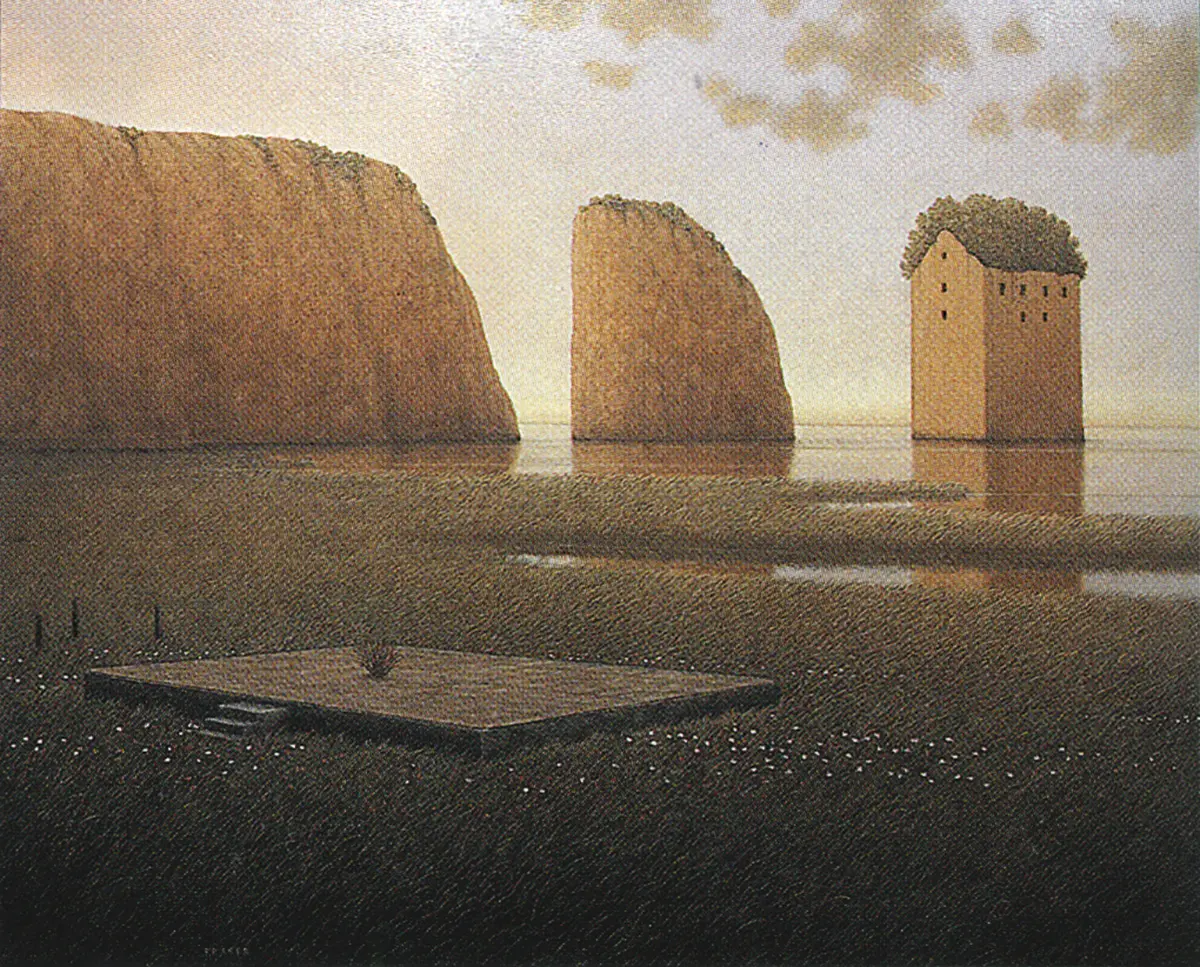
The Galería Ocre participated for the first time in FIA with artists geared toward speculations, fictions, and fantasies. This was the case with the paintings of Henry Bermúdez and Pájaro. The Galería Dimaca also participated for the first time with works by Pedro León Zapata, Alirio Rodríguez, Mateo Manaure, Rafael Barrios, and Virgilio Trompiz. Also occupying these spaces were two paintings by John Fraser, who is a master renowned for his long career, and who is well remembered in Venezuela for being the creator of the metallic door of the foyer of the Teatro Teresa Carreño.
Three galleries from Argentina formed part of FIA: Gradiva Galería de Arte, Roberto Martin-Arte Contemporáneo, and Praxis Arte Internacional. Austria was also present in the show with the Art Trend Fine Art Gallery, which exhibited a solo show of the Brazilian artist Romero Brito. Added to the group of this artist’s pieces was a small, beautiful piece by Andy Warhol from 1964. Also shown with an individual character were the works by Pedro Sandoval in the spaces of the Galería Díaz Mancini, and the creations by Eduardo Arévalo in stand 38, occupied by the Galería Altamira Fine Art.
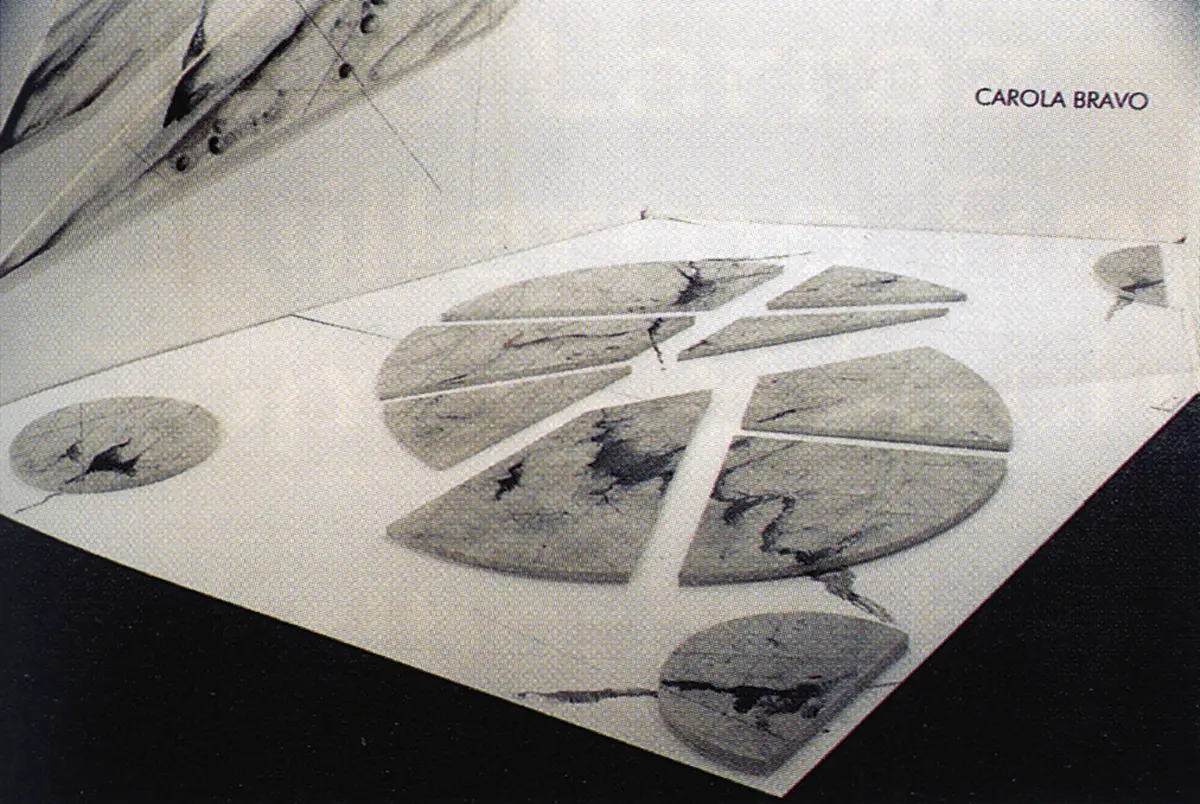
A significant impact was associated with the first participation of Venezuela’s Galería 39. Here, montage and ambiance are added to the pieces by Patricia Van Dalen, Milton Becerra, and Carola Bravo. This last artist exhibited a series of executions belonging to the series Pedazos de Luna (Pieces of the Moon), which were integrated into an area that became an attractive installation.
With proof of conviction in its artists, the Galería Juan Ruiz insisted on concentrating on the exhibition of works by Miguel Meza, Elvis Rosendo, David Lambert, and Zaléz. With a similar attitude, the Galería Praxis International Art, from Mexico presented recent executions by Roberto Cortázar, Santiago Carbonell, Roger Mantegani, and Bruno Widmann.
The stand of the Galería El Museo of Bogota was once again filled with a large list of works. We saw the signatures of Luis Amaral, Ana Mercedes Hoyos, Óscar Muñoz, Paloma Navares, Nadín Ospina, Hugo Zapata, Aurora Cañero, and five pieces (three paintings and two sculptures) by Fernando Botero. On this occasion, some recent works of Aurora Cañero attracted attention, especially the characters of her series Soñando Estrellas (Dreaming Stars), which were full of a strange mysticism that, at times, did not conceal its sarcastic sense or its intimidating content.
With the same criterion of diversity, the Galería Acquavella showed the creations of eight artists: Pablo Benavides, Nurit Birnbaum, Felipe Herrera, Darfo Morales, Edgar Soberon, Cristóbal Toral, Rodrigo Benavides, and Luis Montoya-Leslie Ortiz. In addition, a good part of these spaces was occupied with the latest sculptural pieces by Manuel De La Fuente, who surprised the public with a work of considerable size and great monumentality titled La Ultima Cena (The Last Supper). This sculpture became one of the greatest attractions at FIA.
Spain’s Galería Cuatro Diecisiete, as on previous opportunities, accentuated the show of sculptural works of diverse formats and techniques. On this occasion, we were able to appreciate the works of Josep Bofill, José María Casanova, María Escalona, Gaudi Esté, Mariano Matarranz, and Carmen Spinola. Added to this group were several pieces by Cristobal Toral, noteworthy among which was a sculpture with a very intimate format, but of an extraordinary monumentality, titled La llegada (The Arrival).
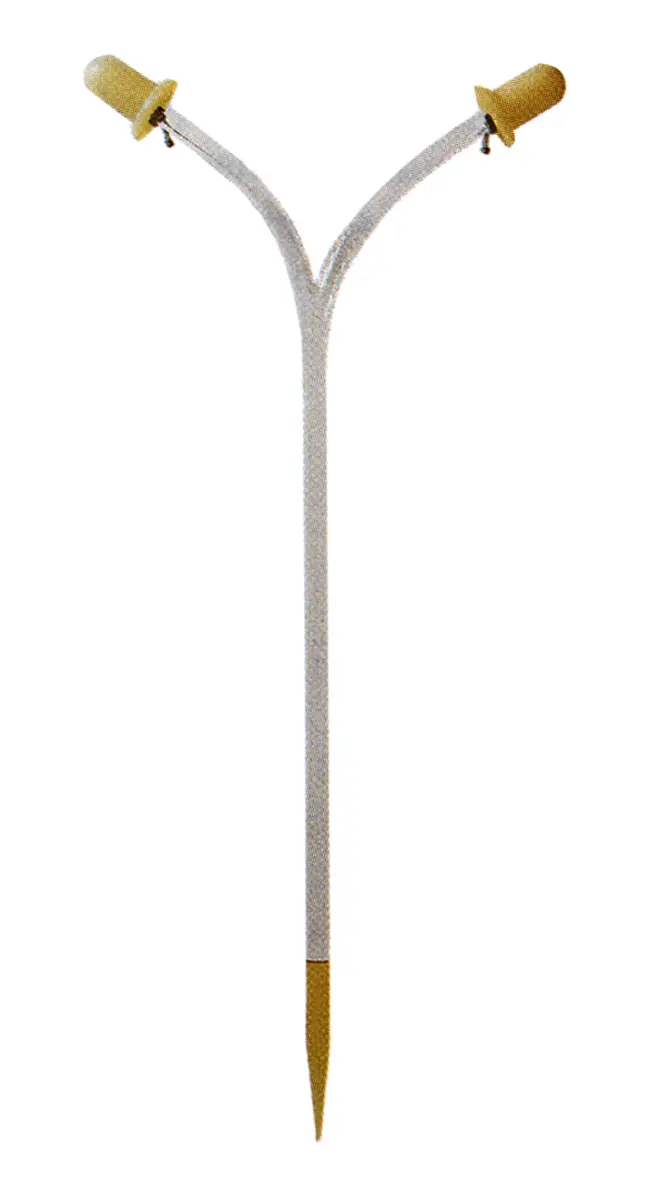
One of the galleries that always evokes curiosity is Brazil’s Camarco Villaca. From among the long list of works, an account should be given of the forms of José Antonio Hernández-Diez, Leda Catunda, Efrafn Almeida, Jac Leirner, Vik Muñiz, José Resende, and Miguel Rfo Branco, among others. We should dedicate a line to Valesca Soares, who presented a subtle, and at the same time powerful, piece elaborated with glass, metal, and perfume. Formally, the creation was associated with the female reproductive apparatus, but it was really a binary cylinder that worked like a dropper. The magic symbolism of these allusions promoted a very challenging intrigue.
We cannot overlook the Galería San Francisco, which was able to gather a series of pieces by classic Venezuelan authors. Exhibited in these spaces were works by Mario Abreu, Armando Barrios, Federico Brandt, Manuel Cabré, Pedro Ángel González, Tomás Golding, Luis Alfredo López Méndez, Héctor Poleo, Barbaro Rivas, and Cornelis Zitman. Also added to this group were two young artists, Mariana Bunimov and Enrico Armas.
The visit could lead us to a quick appreciation of synthesis: certainly this year the number of participating galleries was down, the list of signatures was reduced, and the formats of the works were more modest. However, the risk assumed was greater due to the circumstances of the country. It generally happens that, when a greater risk is assumed, the profits can increase. This is precisely what happened. Thus, we can confirm that FIA continues to be more powerful than the sporadic new shows that the country sees each year.
VÍCTOR GUÉDEZ
Art critic and member of the Board of Directors of the Galería de Arte Nacional, Caracas.