
My admiration for the attitude of Puerto Rican artists, critics, and curators is boundless. They are fully aware of their difficult geo-political situation coupled with the aggravation that the United States is not currently a member of UNESCO. We have witnessed their persistence and ability to overcome similar obstacles in the past. Then, in 1999, Puerto Rico, which up until then had been unable to form a National School of Artists, achieved that goal and joined the AIAP, the ONG, and UNESCO.
The efficient organization representative of plastic artists worldwide allowed for the orchestration, together with international personalities and the Puerto Rican organization, of a retrospective exhibition of Puerto Rican painting, graphics, and sculpture. The undertaking was a success: from September 21st through October 13th, 41 Puerto Rican artists, anxious to show several generations’ worth of creative richness and continuity, exhibited their work in Paris.
The opening gathered together an impressive group of visitors, and many of the exhibiting artists also attended the event. In this regard, I would like to salute the esprit de corps of this group of artists and the sensitivity of the show’s sponsors who contributed generously to initiatives of the scope of this one in Paris.
A simple installation, carried out by a UNESCO specialist, arranged the works—one per artist—on walls, panels, and floors. The placement was determined by the coherence of styles, with three-dimensional pieces standing out, whereas in the catalog—with good texts and essays—a generational order was preferred, from oldest to youngest.
The level of quality is admirable, considering it was organized by a national artists’ association that usually favors solidarity over qualitative criteria. The Puerto Rican association, headed by María Elena Perales, a talented and demanding sculptor, and Tatiana Villegas, an experienced curator, took a selective approach. This is important because a group show, as conceived by a guild of artists, can never attain a commitment to contemporaneity without an outside curator.
A particular abundance of styles reflected the intent to demonstrate the diversity of Puerto Rican visual arts and to show how it differs from both the intuitive art still attributed to the Caribbean or to an outdated realism, like a copy of North American modernism. Here we see a “cross-breeding” of techniques and aesthetics that rejects uniform tendencies, and balances the sources-Columbian, Afro-West Indian, European, and North American—and maintains the individual idea.
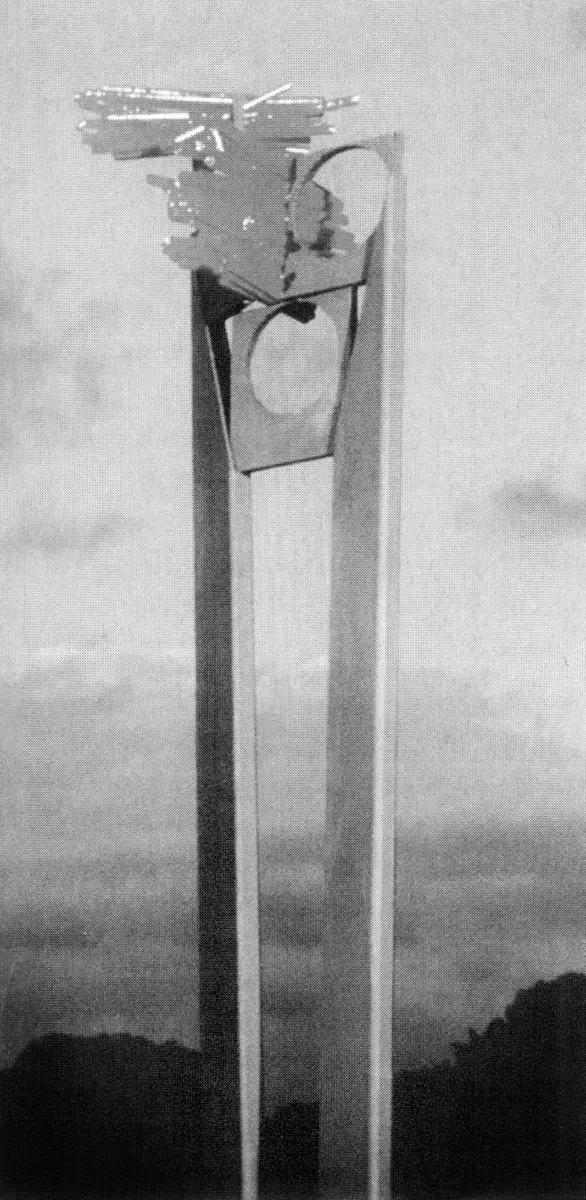
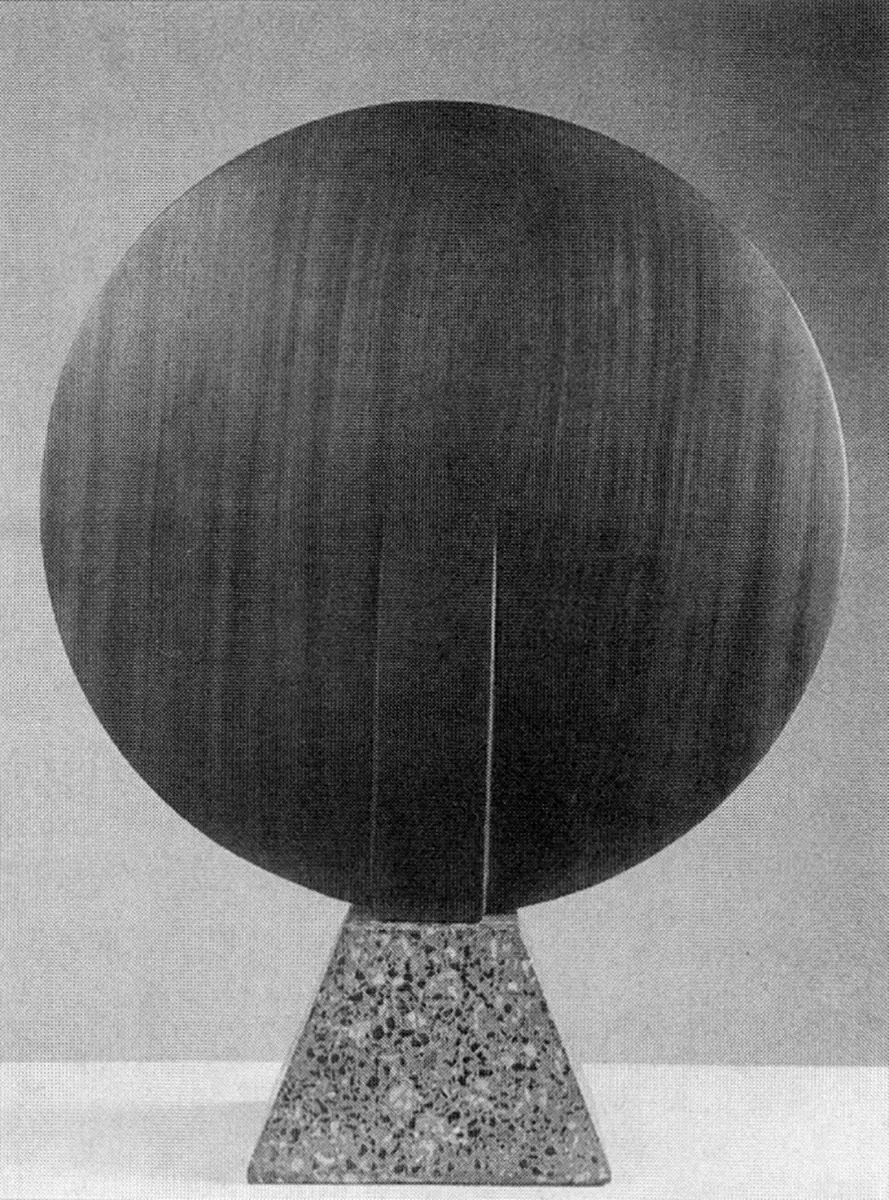
Today, the Puerto Rican visual artist is distinguished by his or her university education, academic training, and ability to conceptualize. The UNESCO exhibition reaffirms an intellectual solidity, mastery of the media, and the artists’ search for a national identity that intentionally preserves traditional elements. Paintings executed on different dates were also chosen, primarily in the case of veteran artists. On the threshold of the third millennium, there was a clear intent to give the exhibition a global meaning beyond the “made in Puerto Rico” stamp. In any case, showing only one work per artist implies significant limitations of representation. The sculptures in the show made for a stimulating visit, constituting an exceptional feature of this happy group exhibition. Except for the homage to Dirube, they are all very recent works. They project the country’s sculptural personality: writing in space, “sensitive” geometry, a preference for metals, tonal harmonies through variation of the materials, working of the surface, and touches of color. Pablo Rubio, Carmen Inés Blondet, María Elena Perales, Carlos Guzmán, and Víctor Vázquez, by combining photography and three-dimensionality, contributed particularly interesting pieces. Ceramics, underrepresented and with obvious omissions, were best represented here by Susan Espinosa.
In terms of sheer numbers, paintings dominated the exhibition. “Reference Works” representative of their careers were chosen for the major figures of Puerto Rican visual arts of the second half of the 20th Century. The option is irrefutable when the stylistic forms remain the same throughout a career, as in the case of Torres Martino’s expressionism, Myrna Báez’s poetics, and Noemí Ruiz’s chromatic rhythms, but seems biased at best in the case of Luis Hernández and his delicious abstraction. Alfonso Arana, now living in Paris, deserves a special mention because of the residency grants he has been awarding young Puerto Ricans.
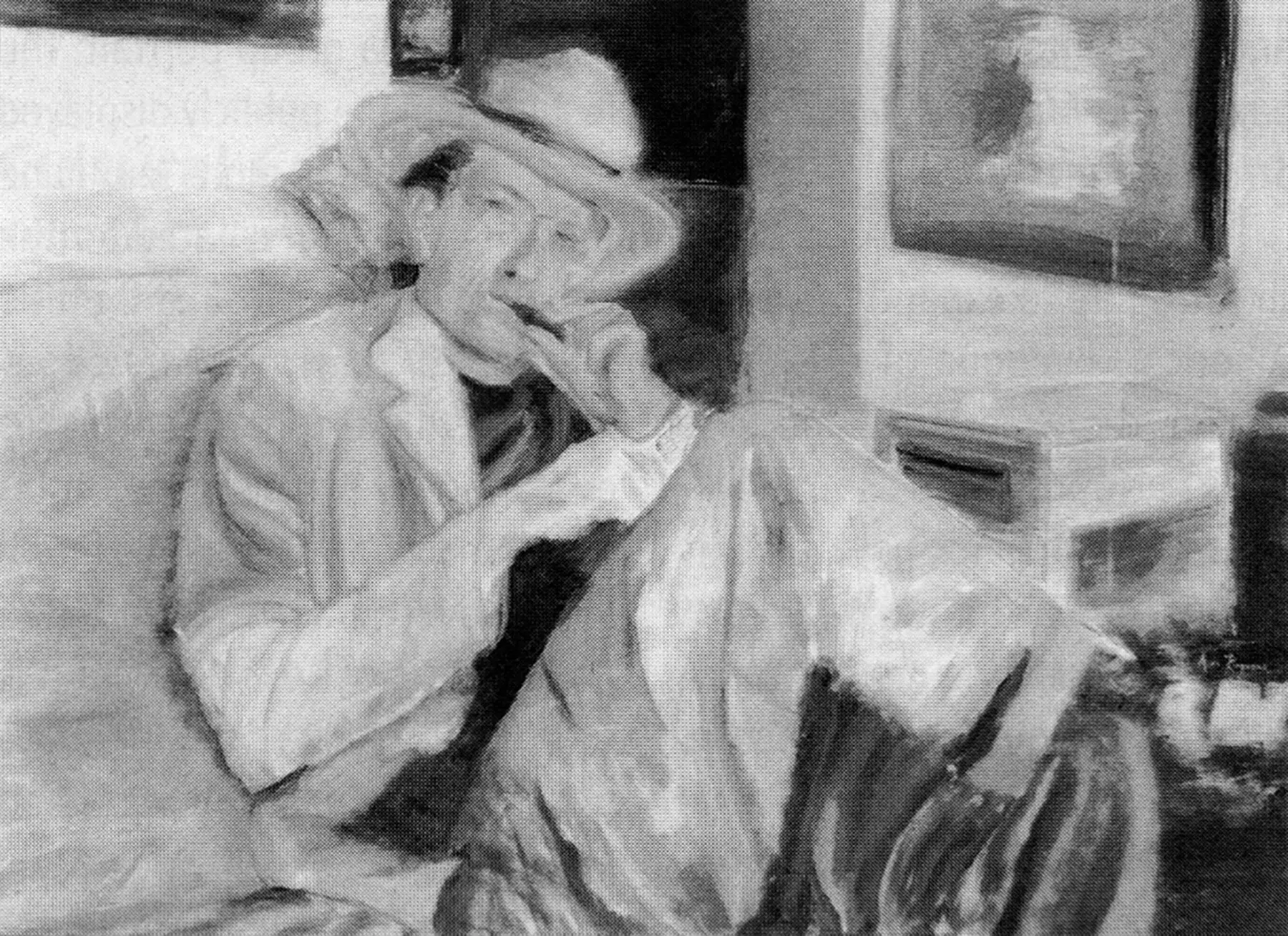
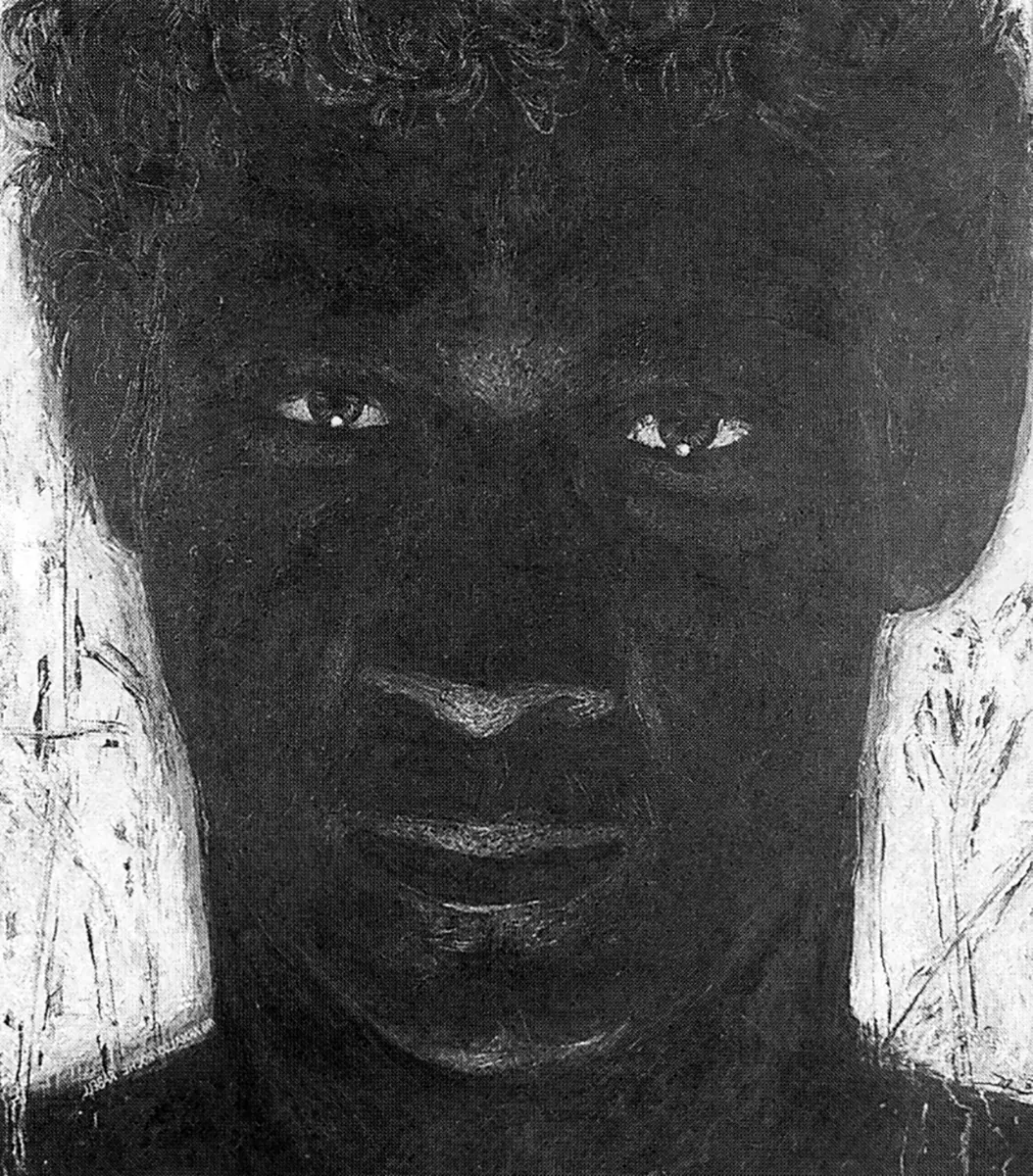
A “classic” self-portrait by Arnaldo Roche is appropriately prominent in the installation and appears to welcome the visitor. Nora Rodríguez (more conformist nowadays), Aixa Requen, and Miguel Trelles (offering works with a critical realism), Susan Herrero (and her magnificent drawing), the expressionists Martín García and Ricardo Ramírez—these artists demonstrate the currency of figurative work among the young and middle generations.
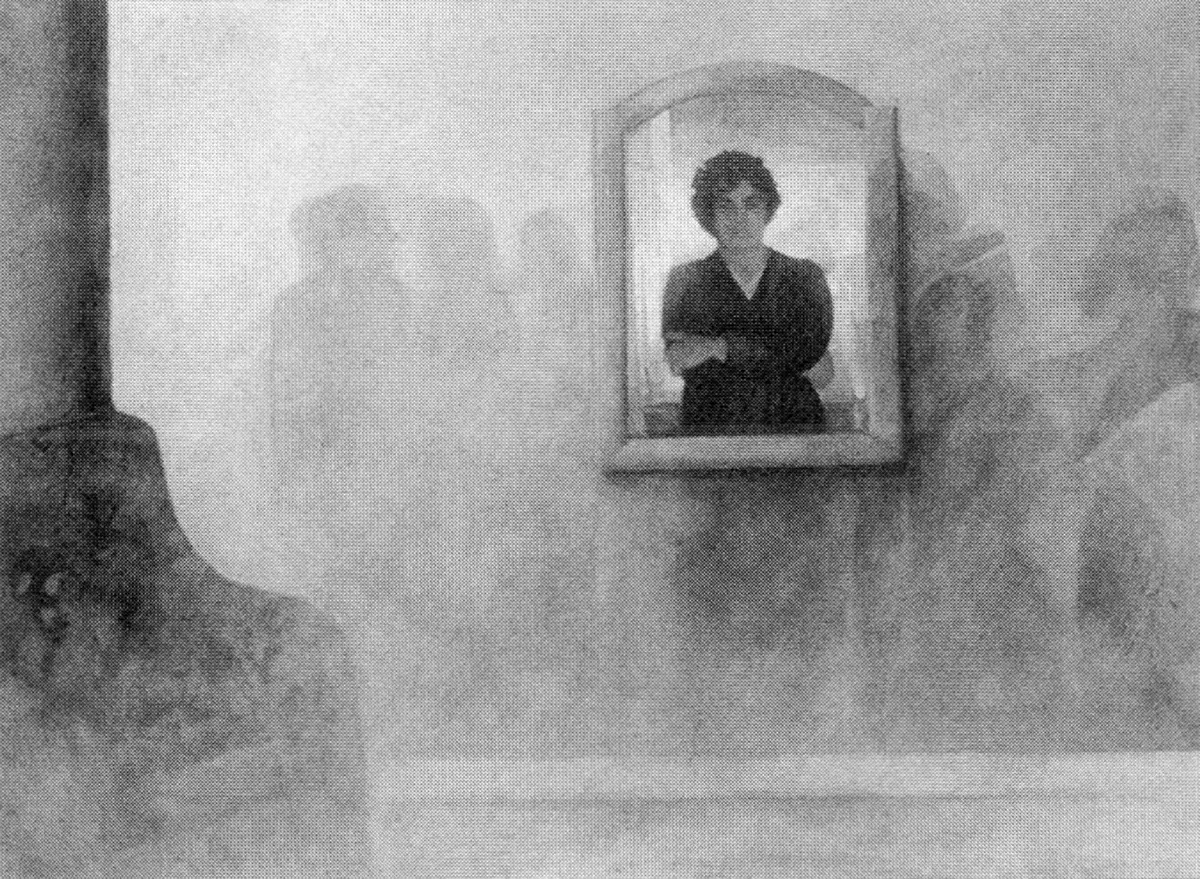
Now, it cannot be surprising, given the history of modern art in Puerto Rico, that abstraction and its hybridization with representational elements merit the label of the national aesthetic in the UNESCO show. The strong topicality of Alberty (who died in 1985), Carlos Raquel Rivera’s luminously watchful nocturnalness, and Olga Albizu’s informalism led this well-represented movement. José Morales’ lyricism, Mercedes Quiñones’ dramatic expressionism, Ralph de Romero’s writing, the young Edna Soto’s “tachismo”, and of course, Jaime Romano’s wide open space all illustrate a tendency to conserve one’s own energy as well as a capacity for Caribbean affirmation able to transmute worlds.
There was an unfortunate absence of excellent photography and of the justly recognized Puerto Rican engraving and practically no drawing, but one cannot ask for more of an overview conceived as a collection
of painting and sculpture. Artists’ associations, creators, critics, and exhibition sponsors worked together to offer a collective view in a venue not known for extending Puerto Rico’s renown.
MARIANNE DE TOLENTINO