
If in the 1980’s the growth of contemporary art fairs in Europe kept pace with an art market in full expansion, the 90s have witnessed a redefining of the function of the fairs. There is a move toward consolidation of the markets and an attempt to create (in the artistic field as well) a single, internal European market that is increasingly integrated and open. The greatest challenge of the past few years was to combine a revitalization of collecting with rigorous international information. There is no doubt that things have advanced since the 80s.

During this time, new fairs with alternative goals have cropped up, while the more prestigious fairs have tended to strengthen their predominance. Each fair has endeavored to offer a different and specific flavor, introducing activities or special sessions as incentives. Market logic, however, has set the pace for a very gradual process of change in national collecting in a decidedly international collecting scene, which, despite generational changes, particularly in private collecting, galleries, and corporate collecting, has not managed to take hold effectively on the continent.
In search of its own personality and specificity, FIAC 2000 is considered the most difficult and controversial contemporary art fair of recent years, in that each participating gallery shows only a single artist. We have here a structure that deviates from the predictable fair model.
Generally, fairs are expected to offer variety: each gallery organizes a synthesis of the year’s activity and shows a more or less articulated group that represents the gallery’s line of work and shows a selection of its most important artists.
To an extent, an art fair reconstructs the miscellaneous character of a bazaar, in which the collector feels like he’s discovering unique, unknown pieces among a profusion of images. You need a good eye to know how to look and find, and that is both flattering and comforting.
FIAC 2000 presents a different set of challenges for galleries, collectors, artists, and the general public. The methods of showing the work of a single artist at this fair (which is of an unmistakable commercial nature) are much more varied than the statement “solo exhibitions” that the show’s subtitle, suggests. Depending on individual artist’s qualities, there were retrospectives, thematic exhibitions, specific projects, installations, or small exhibitions of little known or rare aspects of individual careers.
FIAC 2000’s novelty is precisely its proposed way of looking, different from that usually adopted at art fairs. The look at plurality has been substituted by a more profound gaze which tends to explain the ideational and aesthetic contexts of the works. In this way, the fair becomes a stroll through the galleries of the world, gathered in one city, Paris, and under a single roof, FIAC. Each gallery offers a solo show from its repertoire, specially chosen for the occasion. The specificity of the choice is risky indeed, not only for the artists but especially for the galleries. This method supports and emphasizes the most purely aesthetic and creative aspects within a commercial context. Other fairs, such as ARCO in Madrid, have successfully tried this method, albeit in a limited section of Project Rooms, which were selected by a committee, funded, and featured young artists and work that is commercially challenging to private collecting but attractive to institutional or corporate collecting.
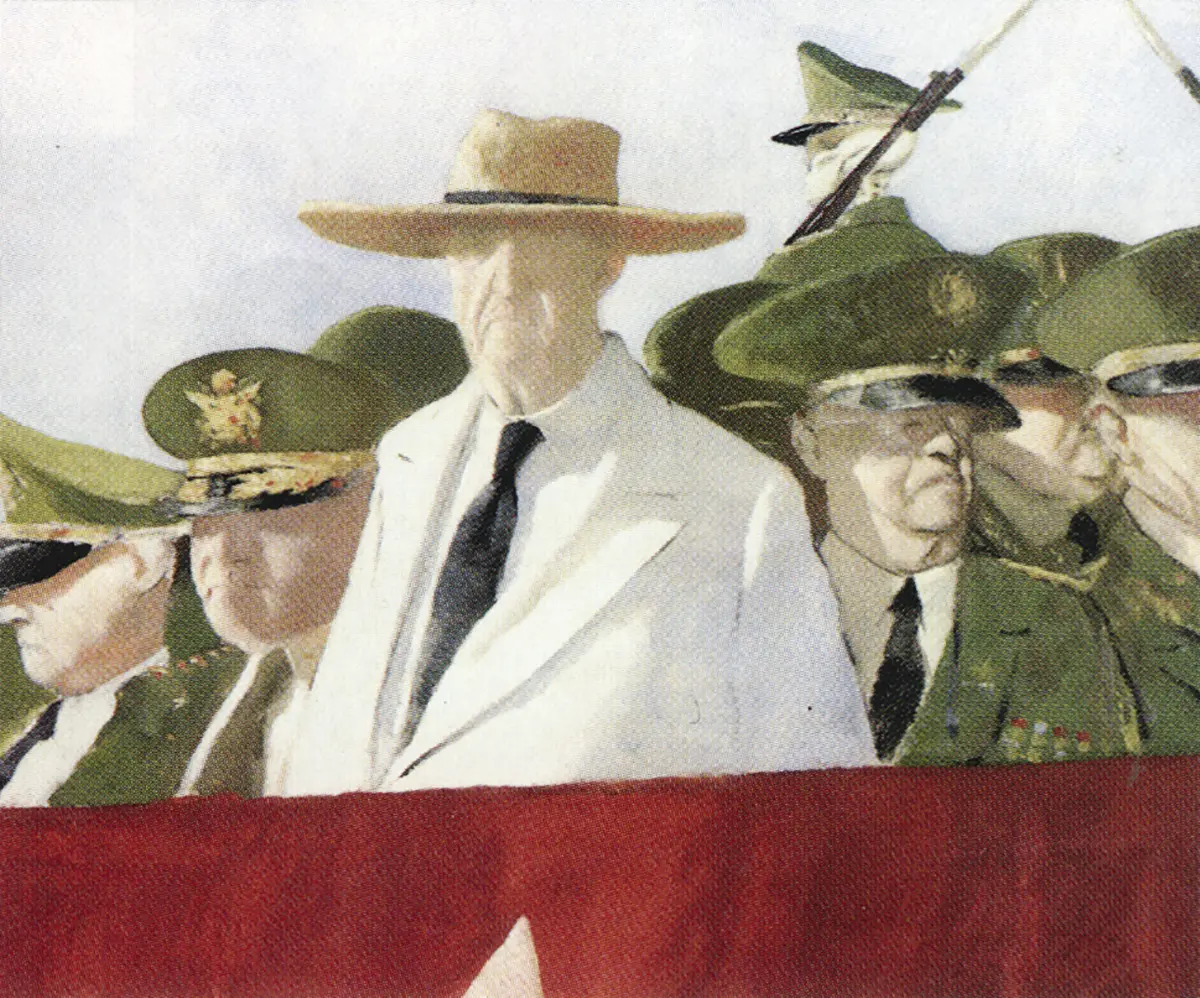
The criticism of and reluctance towards a fair structured around solo exhibitions are basically founded in the argument that fairs allow galleries to explore new markets and diversity and the strength of singular works are the commercial strategies pursued. All things considered, galleries are interested in fairs to the extent that they can show the art they deal in and what they have in the back room in one mini-group show. Making a profit depends on the ability to place individual pieces and generate interest in as many of the gallery’s artists as possible. This approach is aimed at professionals already familiar with the artists’ work and seeks to arouse a healthy curiosity about the novelties.
Probably FIAC 2000’s best quality was the break the habits of the specialists and the presentation of an image of willingness to take risks. The resulting, truly exciting fair shows galleries at their best and betting on a single runner.
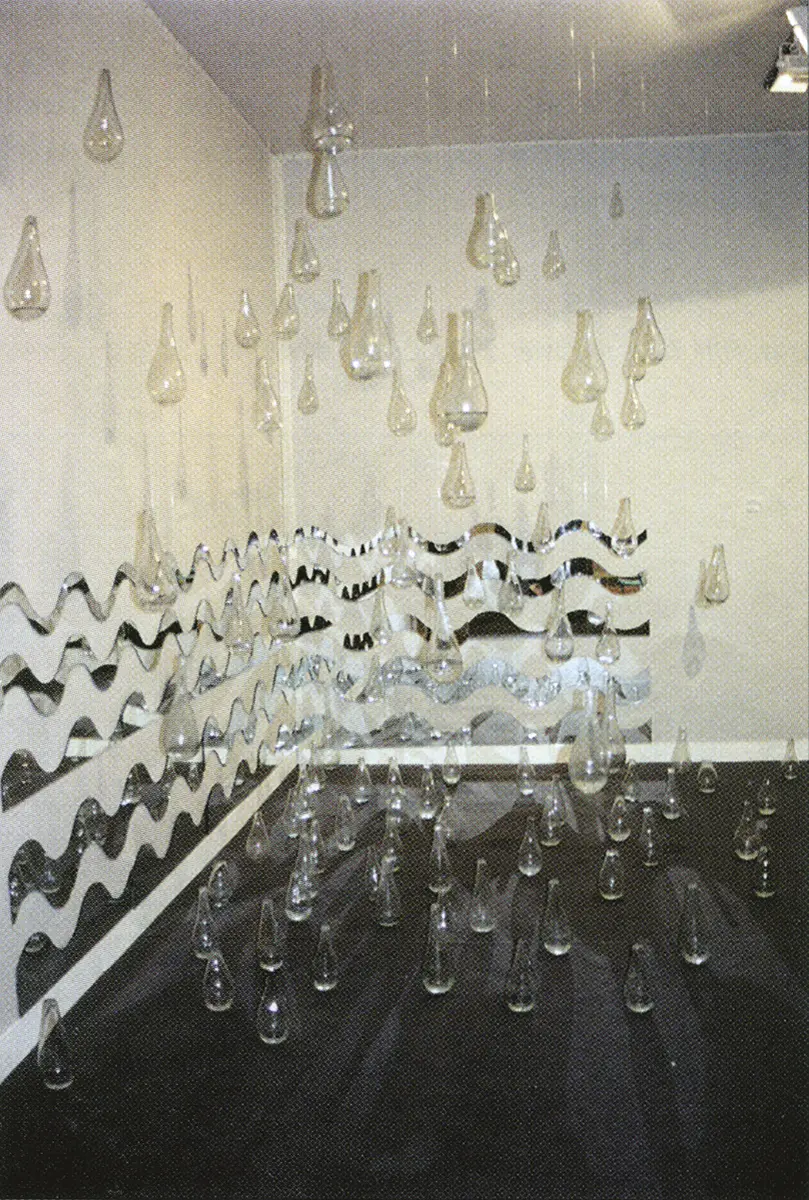
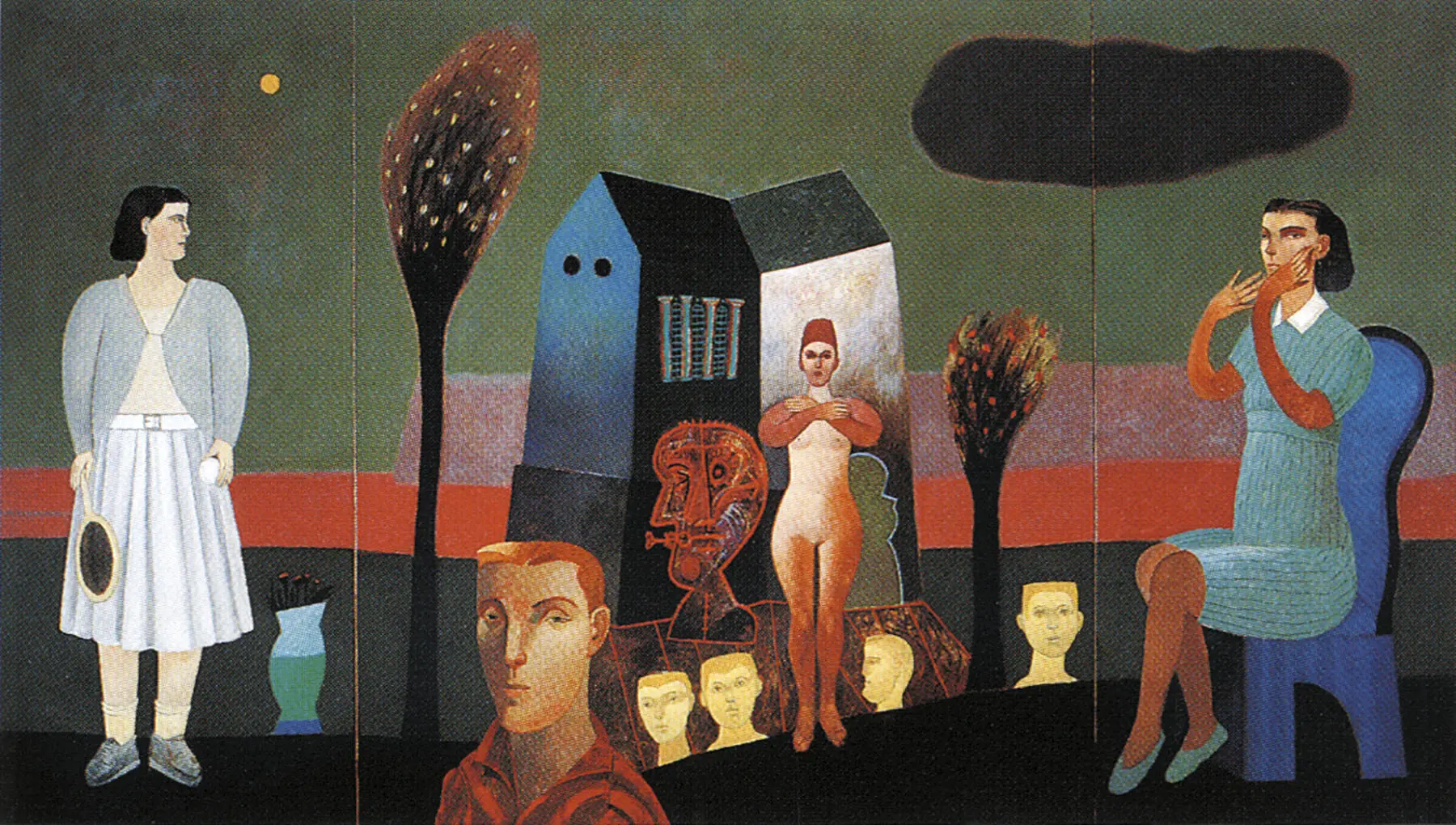
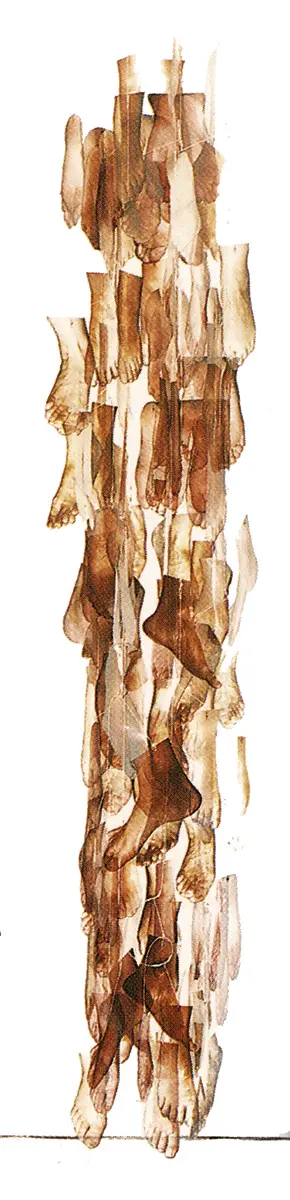
Close scrutiny reveals that it is possible to talk of a true internationalization (globalization) of the market, in that galleries have gone for artists and works, more than for choices based on national identities. In this spirit, Galería El Museo de Bogotá presented the recent work of the Spanish artist, Paloma Navares, whose work deals with the manipulation and transformation of one’s own image as a basis for reflection on the body and its representation; The Madrid gallery, Guillermo de Osma showed a careful selection of work by Torres García; the French gallery Michel Rein showed work by the Italian artist, Grazia Toderi; the Swiss Alice Pauli presented Spaniard, Jaume Plensa’s unsettling space; Gian Enzo Sperone of Italy offered work by Julian Schnabel, while the Belgian galleries, De Pauw and Veranneman showed a selection of works by Carla Arocha and Fernando Botero, respectively. These examples of international inter-relatedness and interconnectedness are the art market version of the stereotype of the Frenchman inclined to favor everything French.
There were exceptions to the solo show rule, and a gallery could show more than one artist over the course of the fair. The Spanish gallery, María Martín showed the work of the Polish artist who lives in Mexico, Xavery Wolski, and work by Daniel Blaufuks; another Spanish gallery, Luis Adelantado showed work by Carmen Calvo, Marta María Pérez Bravo, and Santiago Ydañez; Galería Punto showed Maribel Domenech and Francisca Mompó; Xippas of France alternated a selection of works by Vik Muniz and Valerie Belin; the Mexican gallery Nina Menocal showed Arturo Cuenca, Sandra Ramos, and Agustín Bejarano; OMR showed Maruch Santiz Gómez, Yishai Jusidman and Cisco Jiménez.
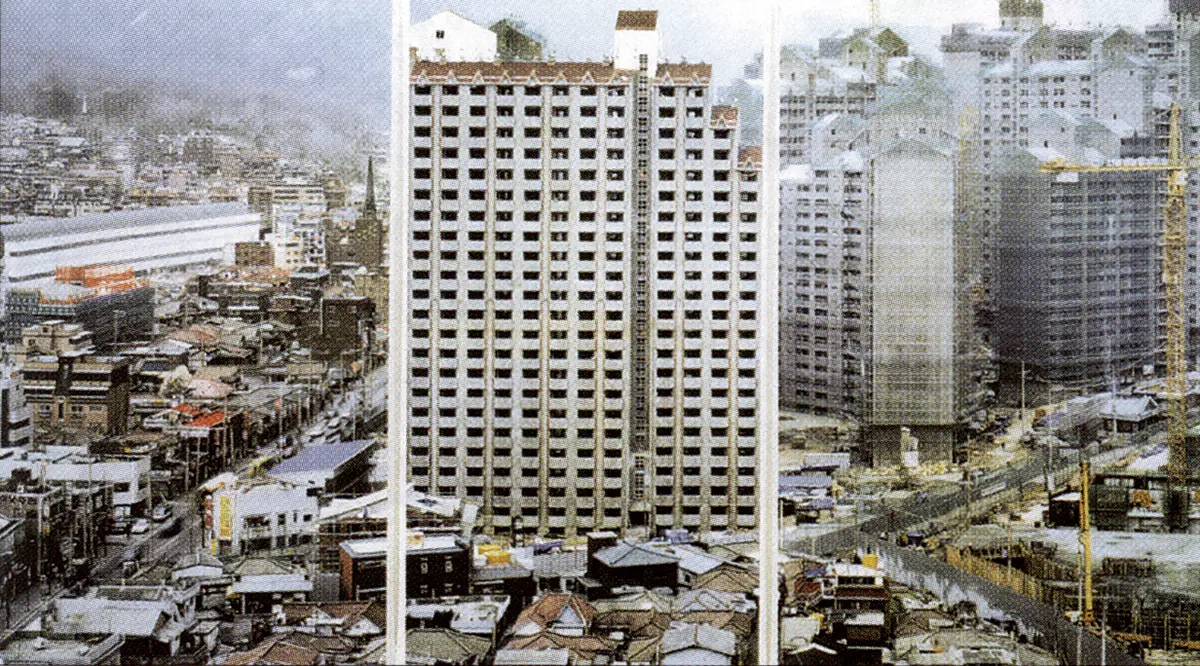
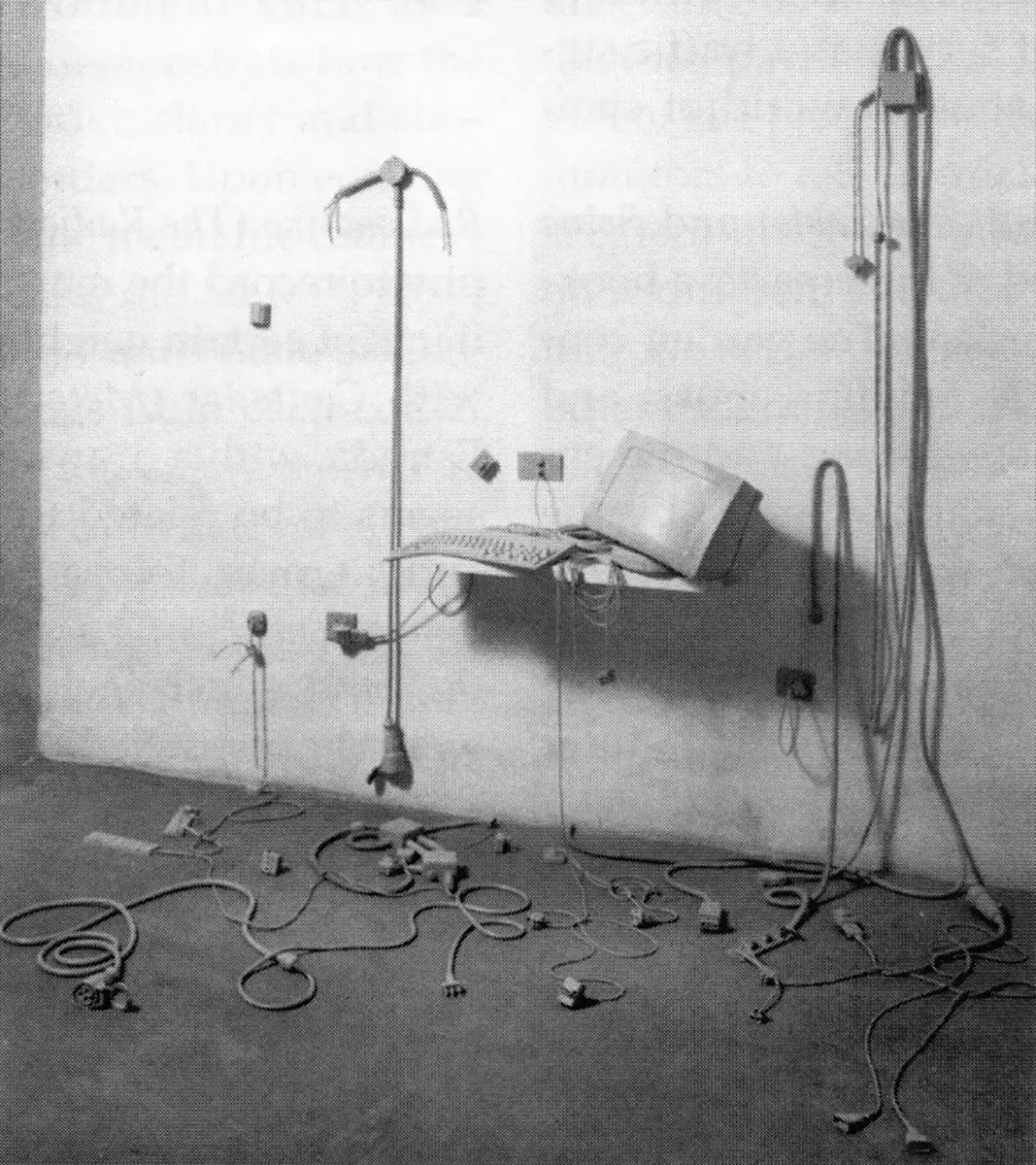
Freedom of action for the artists converted some of the stands into pavilions where the gaze is re-evaluated to take on a different meaning. Fabrice Hybert’s transformation-installation did just that by converting the space above the Erna Hécey Gallery’s stand into a terrace/rooftop from which the whole fair could be seen from above, like a bazaar without roofs, fully exposed. The Mexican gallery, BF-15’s stand was also transformed into an unusual space with Résidence, by the group Los Lichis: Manuel Mathar, Gerardo Monsivais, and José Luis Rojas set themselves up at the fair like an idea factory, occupying the physical space and generating music and action, daily. Their rock performances enlivened the experience of a fair which sometimes felt like an international biennial conceived from the point of view of the gallery.
The parallel between a commercial fair and an international biennial is neither irritating nor mistaken. We are inside a map of galleries, and the fair keeps its commercial space coordinates while allowing the visitor to plunge into a different way of seeing. The gaze itself is the star of this fair, allowing unhurried, selective, calm perception, and the intensity is heightened whenever the interest is sparked. The gaze selects images without losing the thread; it avoids confusion and bewilderment, keeps the concentration, and sets room aside for reflection, deeper thought, and appropriation.
The spaces devoted to modernist masters like Man Ray were especially interesting. Paintings and objects could be seen at Marion Meyer and Zabriskie, respectively; Francis Picabia at Vivita y Zwirner y Wirth; René Magritte at Gam; Pablo Gargallo at Marwan Hoss; Georg Grosz at Tendances; Victor Brauner at Samy Kinge; Rodchenko at Gmurzynska; Lucio Fontana at Tornabuoni Arte; Jean Dubuffet at Bernard Cats and Henri Michaux’s last works at Chobot.
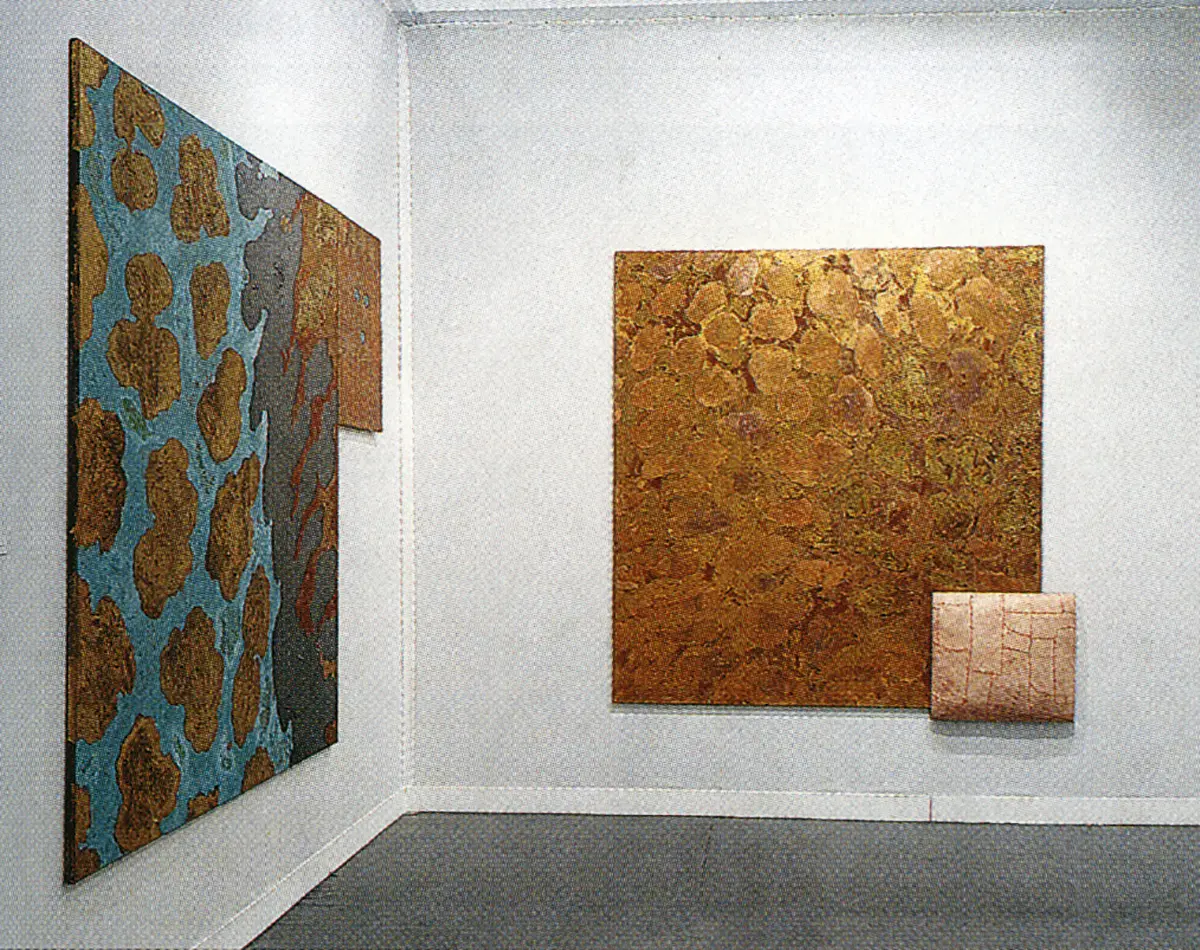
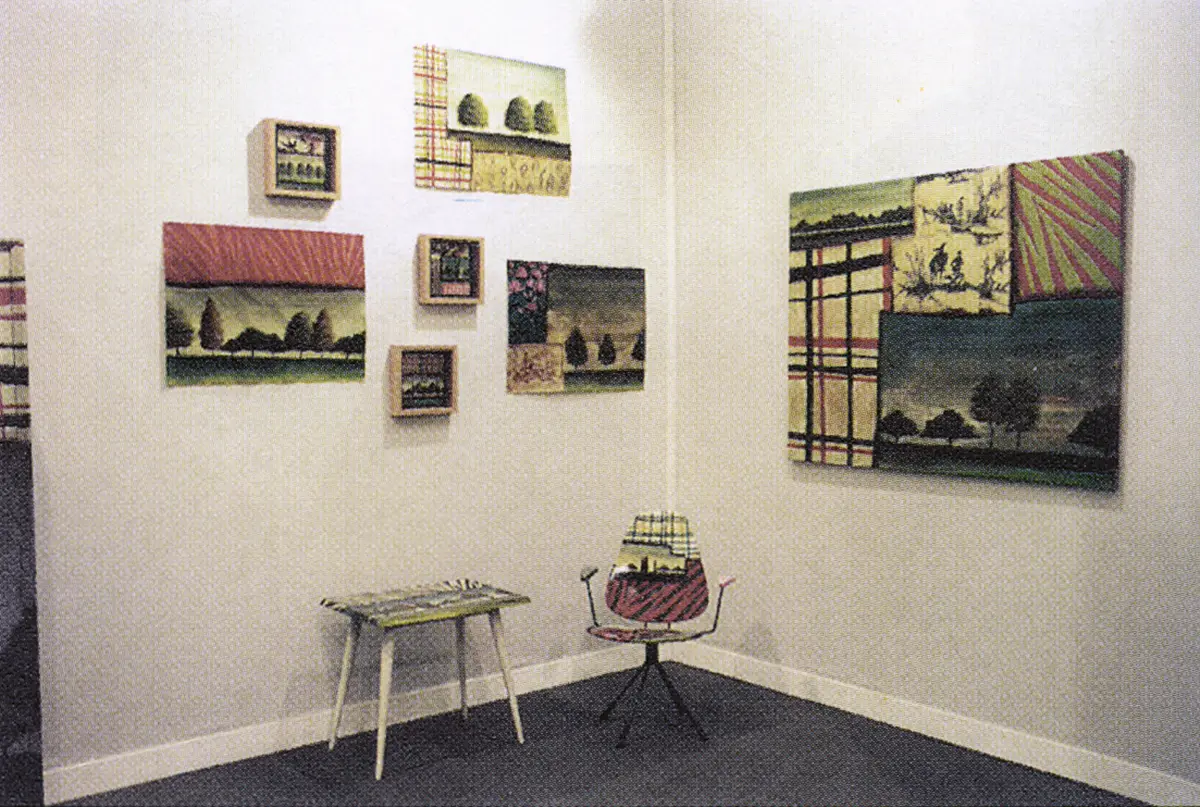
The artistic presence of Latin America at the fair underscored the currency of a critical vein of painting, from José Bedia at Ramis Barquet to Antonio Días at Boghici, along with representatives of realist tendencies like Julio Larraz at Tega and Armando Morales at Claude Bernard. Objects, installations, and sculpture have renewed clout in handling increasingly complex perception, from Soto at Denise René to Tunga at Luhring Augustine. Latin American references were also present in Orlan’s work at Yvonamor Palix Gallery. Two series of photographic self-portraits had been manipulated using African and pre-Columbian references. The North American gallery, Diana Lowenstein Fine Arts, showed work by the Argentine, Eduardo Hoffmann, while Thomas Andreu Gallery offered a selection by the Chilean, Gonzalo Cienfuegos. Among the young international standouts, Loris Cecchini’s objectual and photographic pieces at Galleria Continua and Tracey Moffatt at Victoria Miro deserve special mention. Stéphane Coutourier at Polaris showed a powerful series of photos on urban themes. The presence of Richard Tuttle at Sperone Westwater and Sophia Vari at Pièce Unique, respectively, was particularly stimulating. Holly Solomon (USA) and Kettelman (Belgium) shared a stand to show Nam June Paik’s work; the French gallery, Woolworth, showed work by the North American William McKendree, and another French gallery, Clot Gramsen & Georges, showed a collection of works by the Spaniard, Antonio Saura, who died recently. Alongside names unfamiliar to the international public, like Pep Guerrero and Ferran Cano (who furnished the stand as if it were a domestic interior, painting landscape and ornamental motifs onto the furniture as well as canvases), appeared big names in the plastic arts like Domenico Bianchi at Ugo Ferranti, Bertrand Lavier at Yvon Lambert, Ettore Spalletti at Minini, Daniel Buren at Marian Goodman, and Donald Judd at Anthony Meier.
The list of names is endless, numbering over two hundred, and each one is interesting in its own right, but strangely, the result is not the usual art fair weariness and exhaustion. Instead, what remains is the feeling of having gained a little more insight into the creative process and also into the mechanisms of the market.
SANTIAGO B. OLMO
Art critic and independent exhibition curator. Based in Spain