
In post-revolutionary Mexico, artists were called upon to be a vanguard for social change by creating new and visually recognizable images of national solidarity. Ironically, these images of modern Mexico were largely based on a romantic notion of a harmonious indigenous past. Artists whose visions tended toward modernist themes and experimental abstraction were perceived, more often than not, as internationalists and therefore as anti-national in sentiment and approach.
Until recently, Mexican experimental photography between the two world wars is an important sphere of production that has been neglected by art historians and critics alike. Abstract photograms and various forms of multiple exposure photographs, negative prints, serial imagery, and unconventional views by photographers such as Emilio Amero, Agustín Jiménez, and Rosa Covarrubias are only beginning to receive attention. Otras Cosas: Mexican Modern Abstractions, at the Mexican Cultural Center in New York, brings together a selection of 27 photographic images that highlight the alternative artistic practices that were part of the Mexican cultural landscape of the 1920s and 30s.
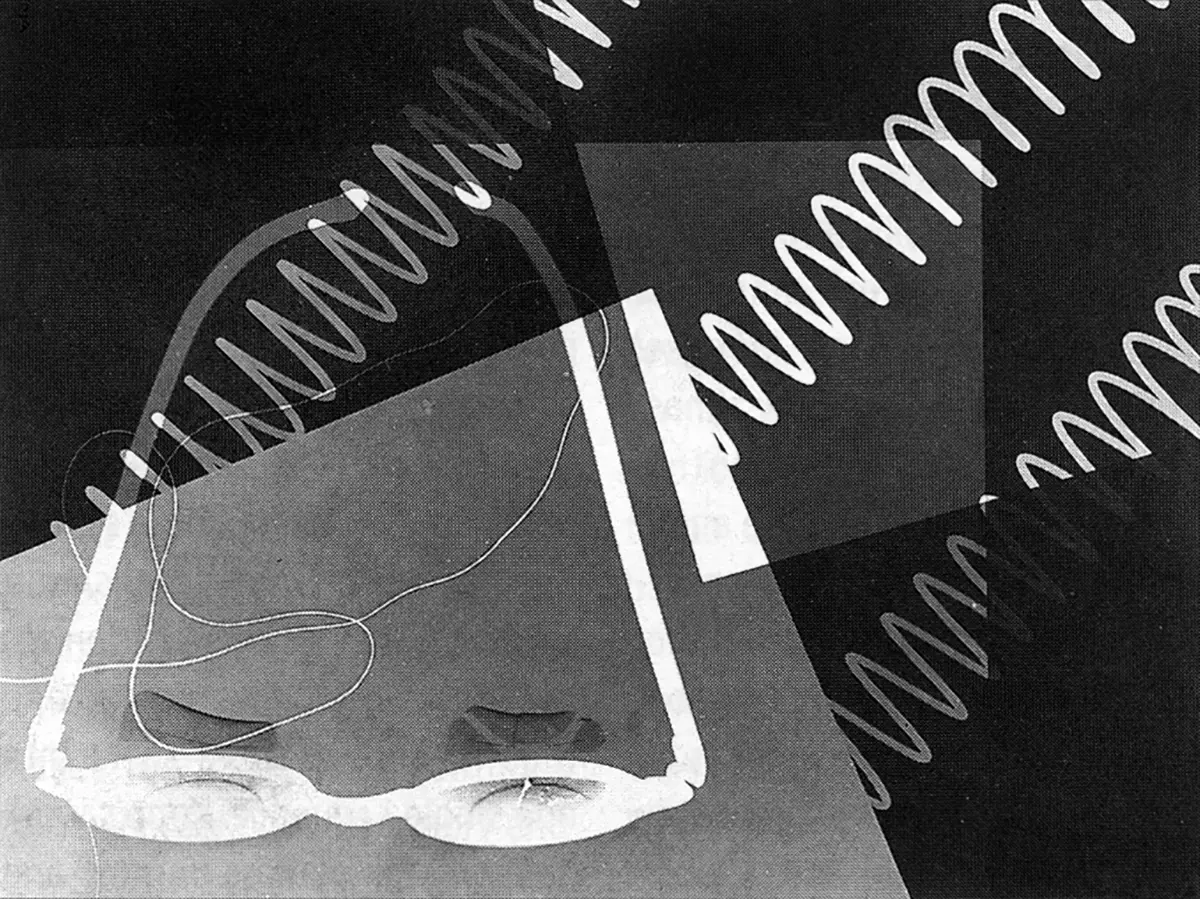
A rare selection of photograms by Emilio Amero and Rosa Covarrubias links avant-garde forms with an emerging interest in technological culture. Photographer, cinematographer, and graphic artist Emilio Amero was clearly interested in investigating the possibilities of modern reproductive technologies, exploring these media over many years in ways that merged art, design, and commerce. Amero’s meticulously assembled compositions bring together metal coils, gears, and manufactured items such as plastic-rimmed glasses in dynamic images representing science, precision, and modernity. Rosa Covarrubias’ photograms range from poetic and dreamy to abstract and formal. In Untitled (Self-portrait with objects) from the late 1920s, Covarrubias gathers together items such as shells, butterflies, goblets, ceramic animals, and a self-portrait drawing, in an image that appears whimsical and lighthearted. In other efforts of the same period, Covarrubias presents alienating views of goblets, cropped and magnified in such a way as to abstract their function and to highlight their form.
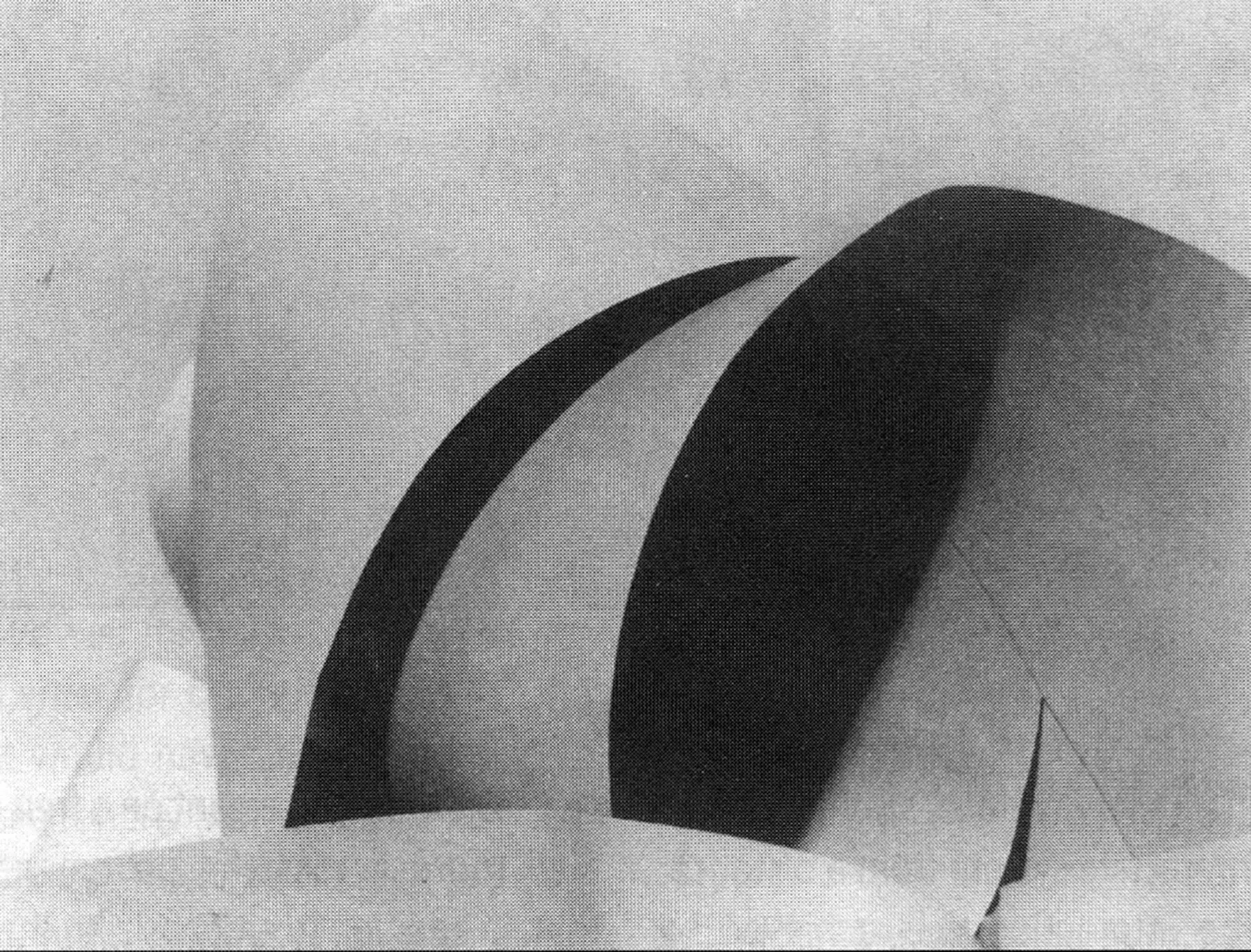
An interesting selection of photographs by Manuel Álvarez Bravo eschews his more widely known street photography in favor of visual explorations of light, shadow, and simplified geometric forms. In a series entitled, Paper Games, 1926-1927, Álvarez Bravo transforms an uncoiled spool of adding machine tape into a rhythmic composition of cascading volumes and planes. His La Tolteca of 1932, a formalist exploration that dramatically renders the diagonal thrust of a cement wall, earned him first prize in a corporate competition hosted by Cementos Tolteca and was later used by the company in its advertising campaigns.
The photographs by Agustín Jiménez show a clear influence of Russian Constructivist aesthetics. Jiménez’s insistence on geometry, repetition, and simultaneity was probably reinforced by the arrival of Sergei Eisenstein in Mexico in December of 1930. Rather than photographing modern manufactured objects like many of his contemporaries, Jiménez photographed serial images of popular handicrafts and Mexican foodstuffs arranged in abstracted, simplified, and repetitive patterns. Jiménez imagery is all the more interesting for its ability to merge abstract formal expression with recognizable Mexican imagery and a distinct cultural sensibility.
Lola Álvarez Bravo is represented by a series of disorienting landscape views. Better known for her portraiture and photomontage work, these images eliminate the human figure from the scene, exploring the effects of light and shadow upon irregular and unfamiliar terrain. By tilting the camera and closely cropping the views, Álvarez Bravo infused her landscapes with an eerie and otherworldly presence.
During the late 1920s and throughout the 1930s the production of experimental photography was eclipsed by a tendency toward social realist and documentary artwork. Although somewhat marginalized, vanguard photography did maintain a notable and active place within the varied cultural and intellectual matrix of Mexico City. Exhibitions were hosted, competitions were held, and works were distributed in literary journals and newspaper supplements. The abstract photography of this era captures an important moment of artistic production formally and thematically representing the nascent modernism of post-revolutionary Mexico. It should be seen as an expression of faith in an urban and modern future for the Mexican nation, with all its utopian implications.
CHARMAINE PICARD