
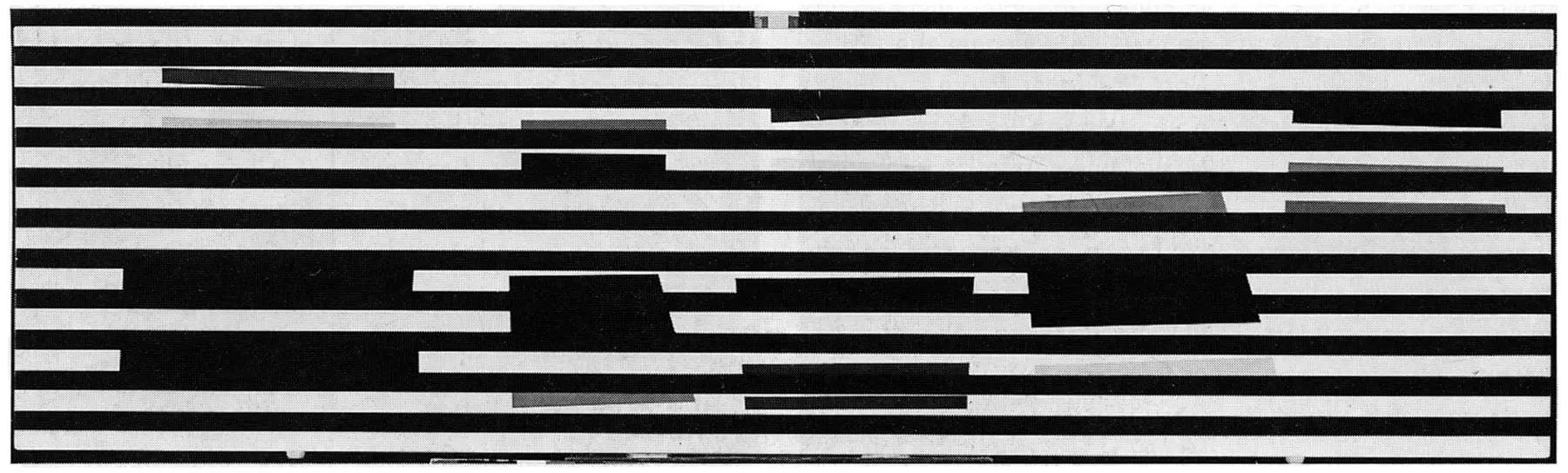
The Galería de Arte Nacional de Caracas, fulfilling its objective of studying and making known the different periods of Venezuelan art, has for some time been designing exhibitions that investigate specific periods and movements through the works in the Museum’s collection.
One of these was Geometric Abstraction, a small but significant show of signature works representative of Venezuela’s first geometric avant-garde, a decisive period in the subsequent development of the plastic arts in our country, the most important executions of which took place around the 1950s.
The process leading up to this renewal began towards the end of the 1940’s. An artistic movement was brewing that sought a radical departure from the traditional representation that had prevailed until then in national art.
Several Venezuelan artists, based in Paris at the time, joined the main movement of the French capital: geometric abstraction. They formed the group Los Disidentes (The Dissidents) and founded the magazine by the same name in which they virulently expounded their viewpoints on the new art and the need to abandon the figurative tradition.
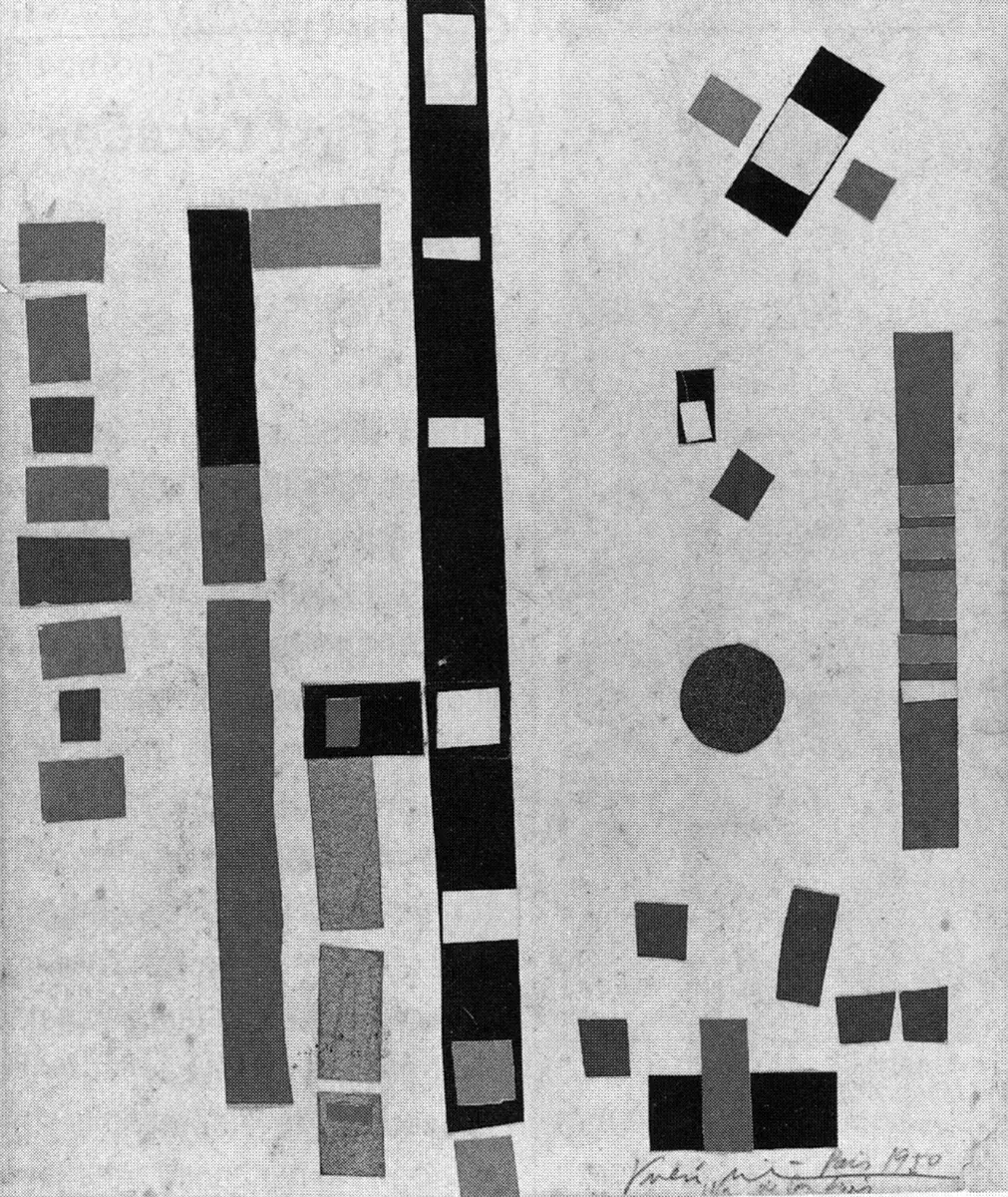
The Dissidents not only saw a method for reviving the plastic arts in Venezuela in the refined language of abstraction; they glimpsed a way of introducing these proposals, and Venezuelan culture with them, into the international plastic discourse.
Among these dissidents were figures who are still relevant today like Jesús Soto, Alejandro Otero, and Carlos Cruz-Diez. Other members of the Parisian group subsequently took different routes, continuing to develop geometric work, abandoning this language in favor of other kinds of plastic searches, or devoting themselves to art criticism or other disciplines within the humanities.
Aside from those already mentioned, Mateo Manaure, Pascual Navarro, Perán Ermiy, Narciso Debourg, Carlos González Bogen, Armando Barrios, Luis Guevara Moreno, Rubén Núñez, Alirio Oramas, Oswaldo Vigas, Miguel Arroyo, and Omar Carreño comprised this group, the artistic program of which was the rejection of all that is anecdotal or narrative in favor of the search for an expressiveness inherent in the plastic elements, that is, the need to make the work a coherent, discrete world with its own language. These quests led them to create works that were pivotal in the radical transformation of the national plastic panorama.
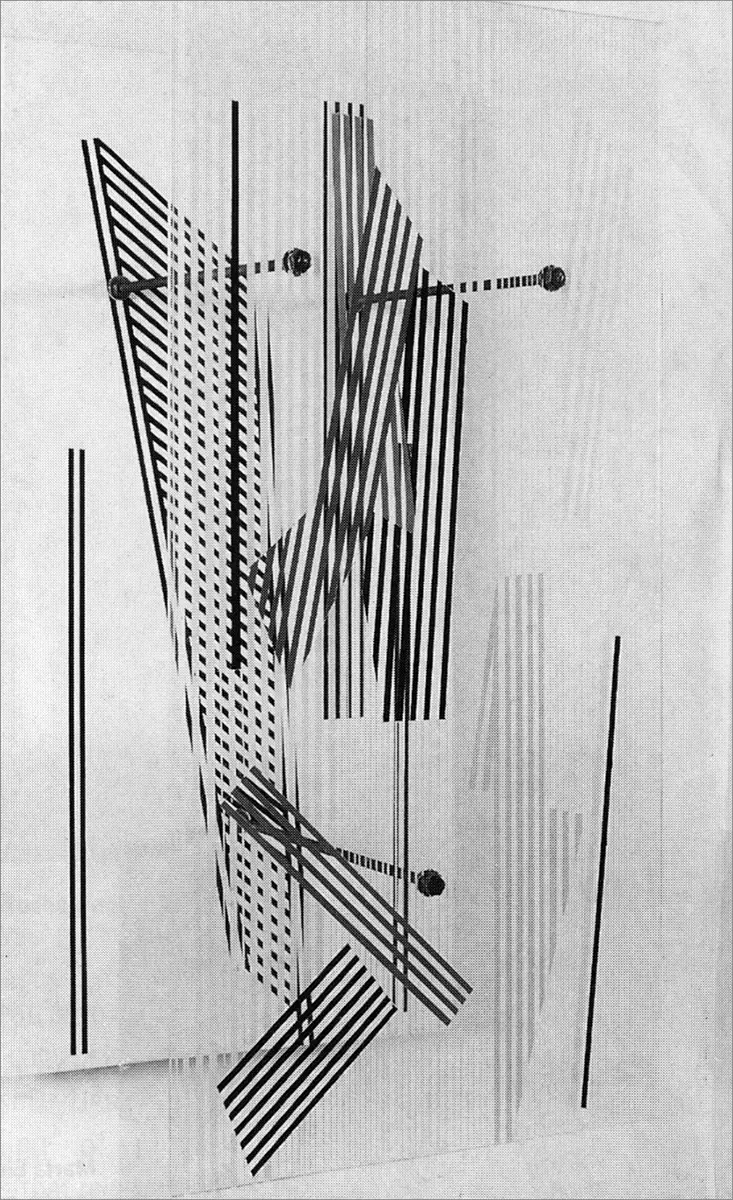
Ernesto Guevara, whose refined selection demonstrates the different tendencies through which abstraction manifested itself, curated the exhibition at the Galería de Arte Nacional. Thanks to this, we can see significant works like Sin título (Untitled) by Carlos González Bogen and Cuadro No. 1 (Painting #1) by Dora Hersen, both from 1953 and characterized by an extreme synthesis that links them to suprematism; Composition by Luis Guevara Moreno (1952), which exemplifies the attempts by these artists to disrupt the traditional picture- window notion; Composition by Jesús Soto, which sets up a dynamic visual play with lines superimposed on two planes, one of Plexiglas and one of wood and which somehow prefigures his research in kinetics; the extraordinarily beautiful Coloritmo 19 (1957) by Alejandro Otero, among others. In addition to offering an excellent opportunity to see these somewhat “forgotten” works by Rubén Núñez, Omar Carreño, Carlos Cruz-Diez, Ramón Vásquez Brito, Víctor Valera, and many other masters of Venezuelan art again, the exhibition also invites us to reflect on this unique period in our art and history. It was, in retrospect, crucial in overcoming what could be called a pre-modern plastic phase, and to the introduction of the basic issues of modernity into the national plastic discourse.
KATHERINE CHACÓN