
Since its inception in 1992, the young and ambitious international art exhibition known as inSITE, has commissioned and presented artworks in the binational metropolis of two abutting cities, San Diego located in southern California, and Tijuana situated in northern Mexico. Presenting without apology art charged with contemporary social consciousness, the triennial profiles an array of artist projects that strategically address the complex realities of the hybrid, globalized culture that is emerging here. Situated in an arid desert topography, with the Pacific to the west and mountains to the east and conjoined by twined interests in trade, commerce, and material prosperity, the two cities are at times beneficent, at times threatening, inspiring on one hand dreams of a better tomorrow and on the other hand obliterating them without remorse.
inSITE 2000 is the fourth incarnation of an arts extravaganza that began in 1992 and has grown into a triennial event. Backed by a consortium of 27 cultural institutions in the United States and Mexico, and funded by a bevy of private, government, and corporate sponsors, the realization of each event fosters cross-cultural communications in a multitude of ways. Sponsoring 30 commissioned projects by artists selected from throughout the Americas, this season’s edition was spearheaded by the curatorial team of Susan Buck-Morss, Ivo Mesquita, Osvaldo Sánchez, and Sally Yard. The projects are accompanied by an impressive array of scheduled artist talks, panel discussions, and public symposia that are slated to feature such intellectuals as Serge Guilbaut, Mary Jane Jacob, Melson Brissac Peixoto, Cuauhtemoc Medina, Catherine David, Michael Taussig, and George Yudice.
The opening weekend in mid-October featured roughly half of the exhibition’s projects, with the remaining works scheduled to be unveiled in the upcoming months. Strewn, as in years past, across a labyrinth of spaces, the projects appear along highways, footpaths, fields, and canyons, as well as in schools, public markets, and museums. While a number of artists accentuated the border as a physical and conceptual axis mundi, others variously explored the nature of community in postindustrial society, notions of public and private space, stymied international relations, and even ecological themes. Interested in engaging the general public, as well as the art world cognoscenti, the exhibit as a whole seeks to underscore the relevance of art to life. Pushing and pulling at entrenched concepts of what art is, of who can be an artist, and where art can be found, a number of works encourage a liberal and skeptical regard for extant social systems that govern art and life in these cities.
Following in the conceptual footsteps of Documenta X, presented in Germany in 1997, this year’s inSITE accentuates the ongoing precariousness of the art object. Focusing attention on artistic processes and postindustrial information dissemination systems, many of the exhibiting artists are presenting ephemeral, one-time-only performances, participatory works, or project exhibitions comprised of documentary remains of an action or event. While more immaterial than in past seasons, this array of works continues to champion the contemporary artist as a cultural critic, extending presuppositions concerning the role of art in contemporary life that were rekindled in the ‘60s and ’70s by such conceptually based artists as Hélio Oiticica, Lygia Clark, Lygia Pape, Joseph Beuys, Marcel Broodthaers, Ana Mendieta, and others.
Evolving from residencies in the region, the presented projects emerge from encounters with the spatial, material, and socio-political contexts of the Tijuana-San Diego area. For many artists the demarcation of the border is paramount. Presenting multiple interpretations of that corrugated, rusted steel reality, the artists in this year’s extravaganza variously identified the border as a metaphor of dreams and desires, as a manifestation of international dispute, and as a threatening phenomenon associated with surveillance, psychological fear, and even death.
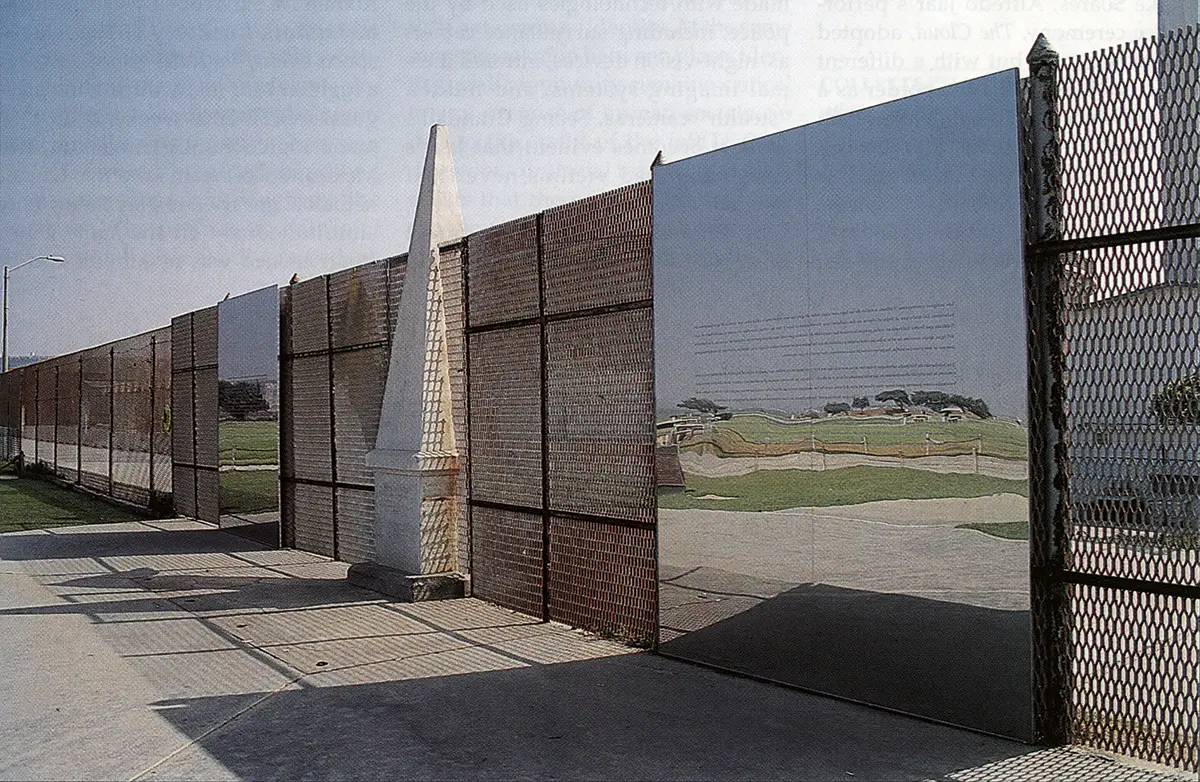
At one end of the spectrum is Soares’ Picturing Paradise which profiles large mirrored stainless steel plates mounted to both sides of the border fence. One of the most poetic works unveiled during the inaugural weekend, this installation from selected angles creates the illusion of portal passageways through the fence, replacing its unaesthetic essence with reflected images of earth and sky. Of course, approaching the alleged passageways, the mirages give way to the material reality of physical substances, brutally dissolving apparitions of space beyond. On the face of the mirrors, Soares has inscribed text from Italo Calvino’s fictional work Invisible Cities that speaks of two cities bound together in a quarrelsome and tumultuous relationship. For each, the other is both an object of desire and contention, where dreams of a more tranquil existence perennially seduce and allude tourists and émigrés alike.
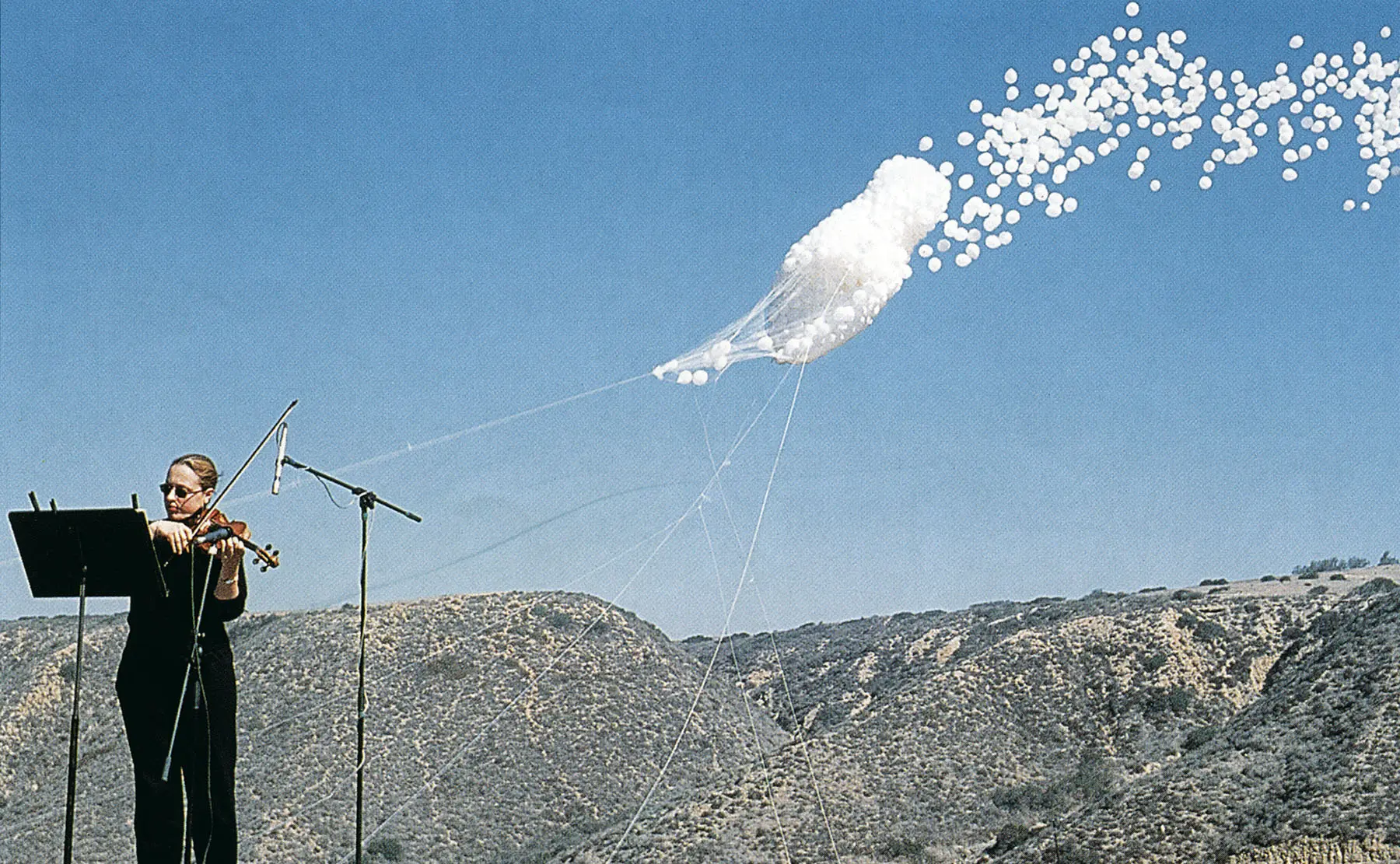
Like Soares, Alfredo Jaar’s performance ceremony, The Cloud, adopted a romantic tone, but with a different emphasis interpreting the border as a site of violence and death. Rather than focusing on the fence, Jaar’s work shifts attention to the human body as the contested site of border disputes. Commemorating the thousands of Mexicans who have died in the last decade trying to illegally cross the border into the United States, Jaar staged a multi-sensory event in which a cloud constructed of over a thousand white balloons, was temporarily suspended above the border. With refrains of Bach and Albinoni wafting through the air, the balloons were released into the sky, commemorating those whose lives met with a violent and inhumane end.
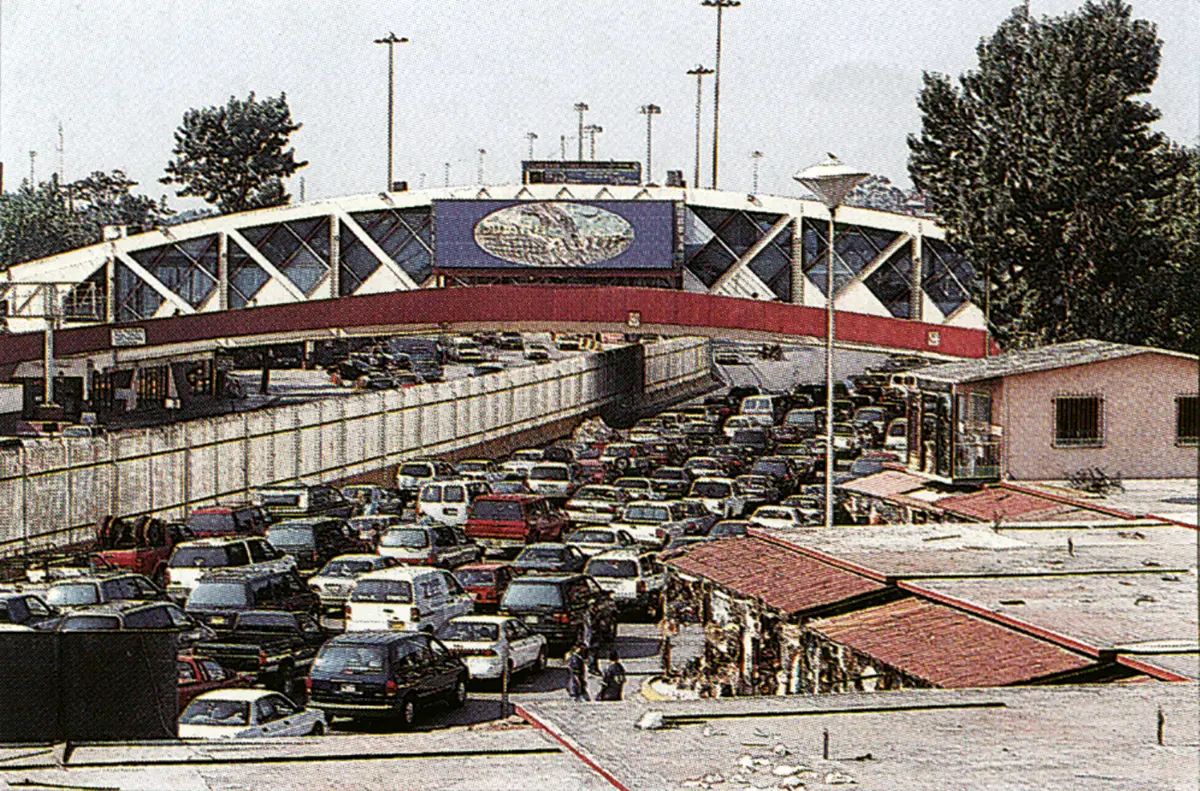
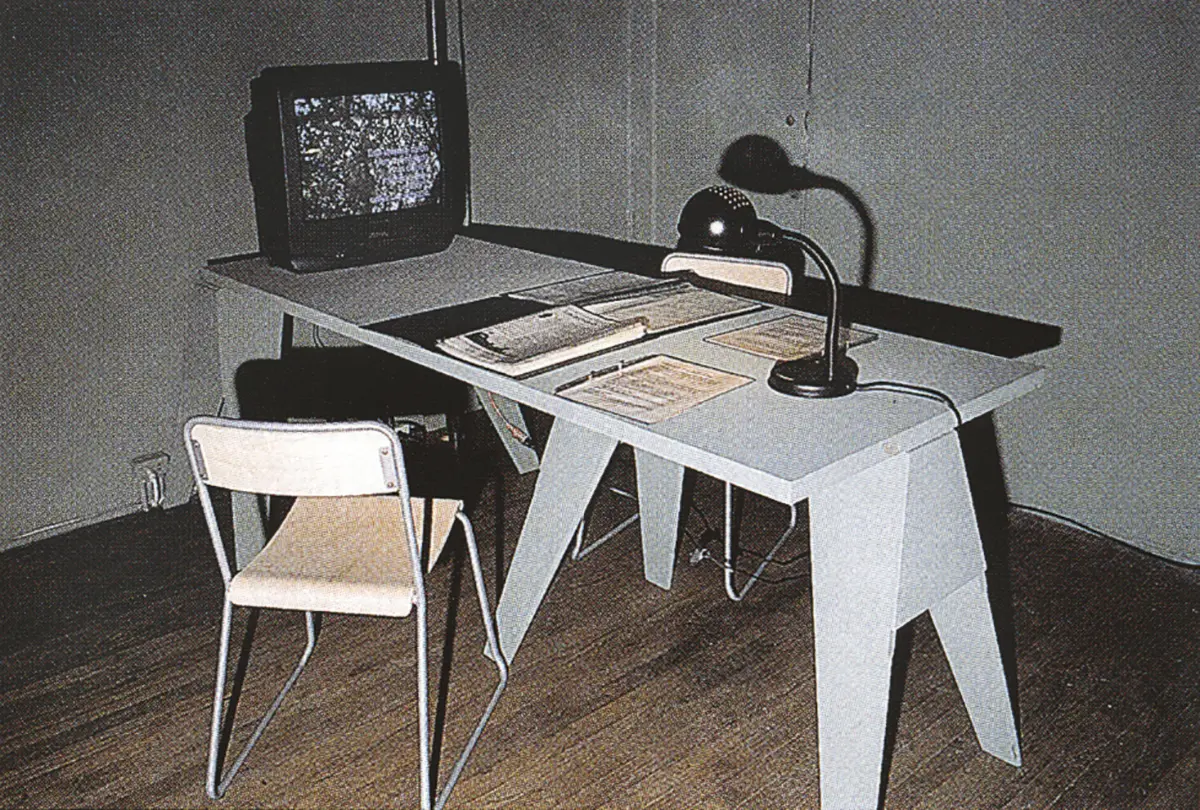
The theme of the human body as the actual contested site of border disputes was explored from other angles by Arturo Cuenca, Jordan Crandall, Mark Dion, and Sylvia Gruner whose projects focus attention on the heavy surveillance of the region. Cuenca’s highway billboard, You are Aquí, which collages English and Spanish texts with satellite imagery of the region announces to the public headed north in their vehicles at the San Ysidro border crossing, that they are under satellite surveillance. Crandall’s film work, Heat Seeking, takes such observations further, revealing the predatory practices of border surveillance that are usually concealed from the public.
Edgy and informative, his work is made with technologies used by the police, including surveillance cameras, night-vision devices, infrared thermal imaging systems, and hidden “stealth” cameras. Seeing Crandall’s work it becomes evident that Jaar’s commemorated victims never had much of a chance.
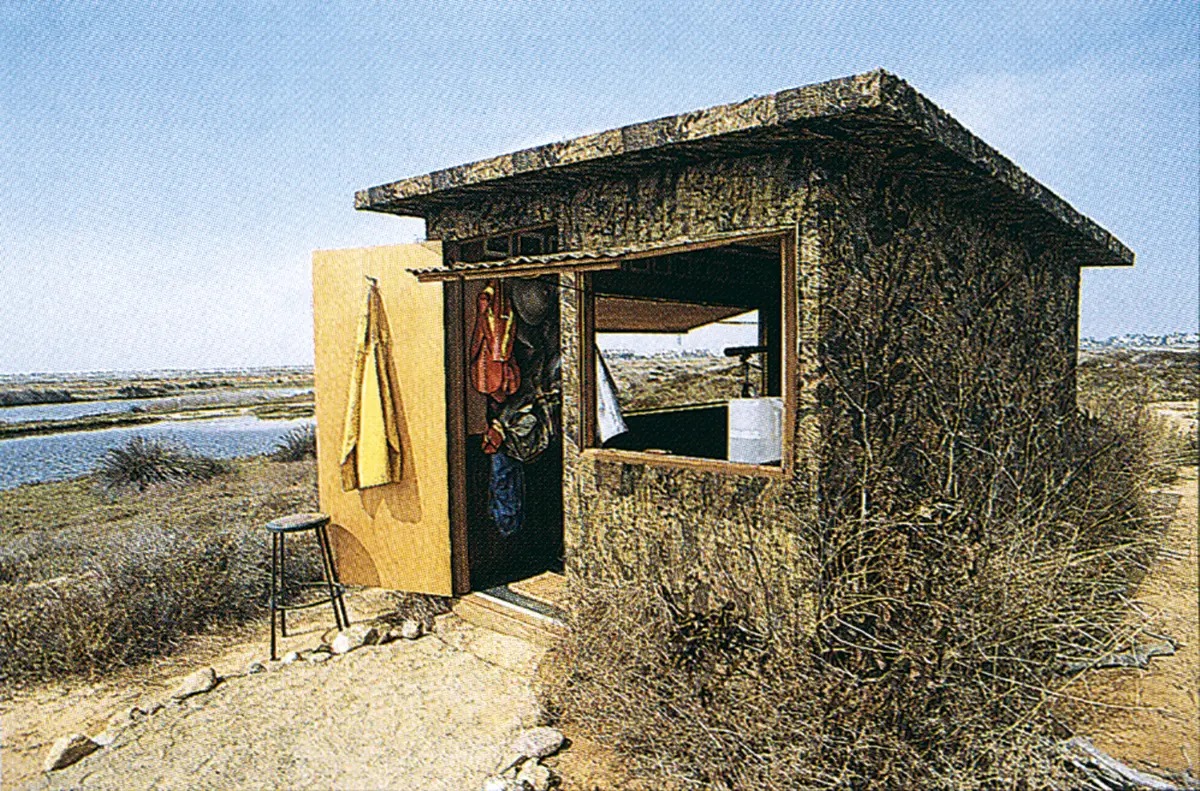
By comparison, Mark Dion’s project Blind/Hide, wryly parodies the surveillance practices of police. Strategically situated on the US side of the border in a wildlife reserve, Dion’s bird blind functions on one level as an ecological station, while subliminally alluding on another to the parallels between science and surveillance that both observe, categorize, and entrap the subjects of their respective studies.
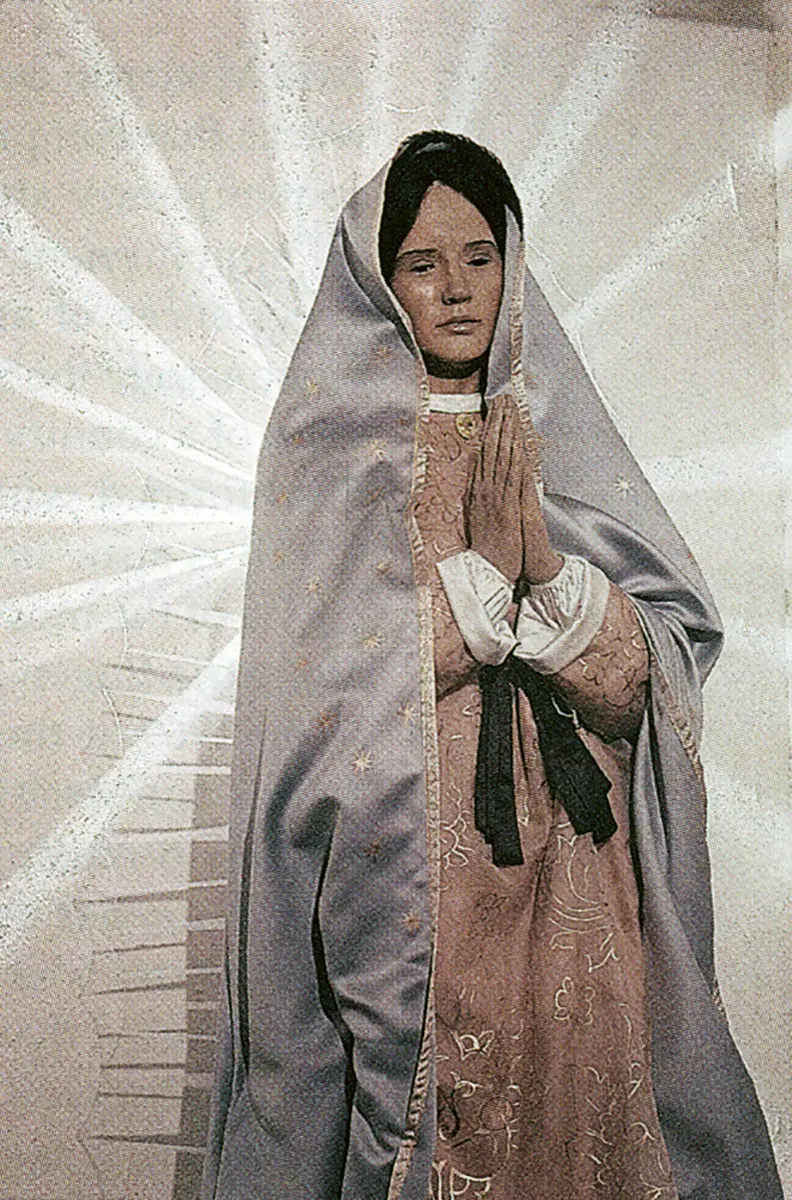
Questioning established paradigms of cultural procedures and knowledge is also central to the work of Jeffrey Vallance, who created three wax sculptures (of Dante, Richard Nixon, and the Virgin of Guadalupe) and interspersed them amongst the Tijuana Wax Museum’s effigies of pop stars and politicians. Accentuating the razor’s edge that exists between trompe l’oeil illusion and reality, his works examine distinctions between the dubious and the credible, the fictive and the factual. Toying with culturally inscribed certainties regarding the knowledge of spiritual, political, and cultural things, his works are simultaneously incredulous and engaging.
While Vallance creates mind games, the projects of Gustavo Artigas and Roman De Salvo openly use games as metaphors for life. Artigas’ staged sports event, The Rules of the Game, was a highlight for many during the inaugural inSITE 2000 weekend. In a Tijuana high school gymnasium, two Mexican soccer teams and two US basketball teams tried to play their games simultaneously on the same court. What ensued was by all accounts an engaging and powerful metaphor for the logistical wranglings and anathemas that plague cross-cultural dialogues.
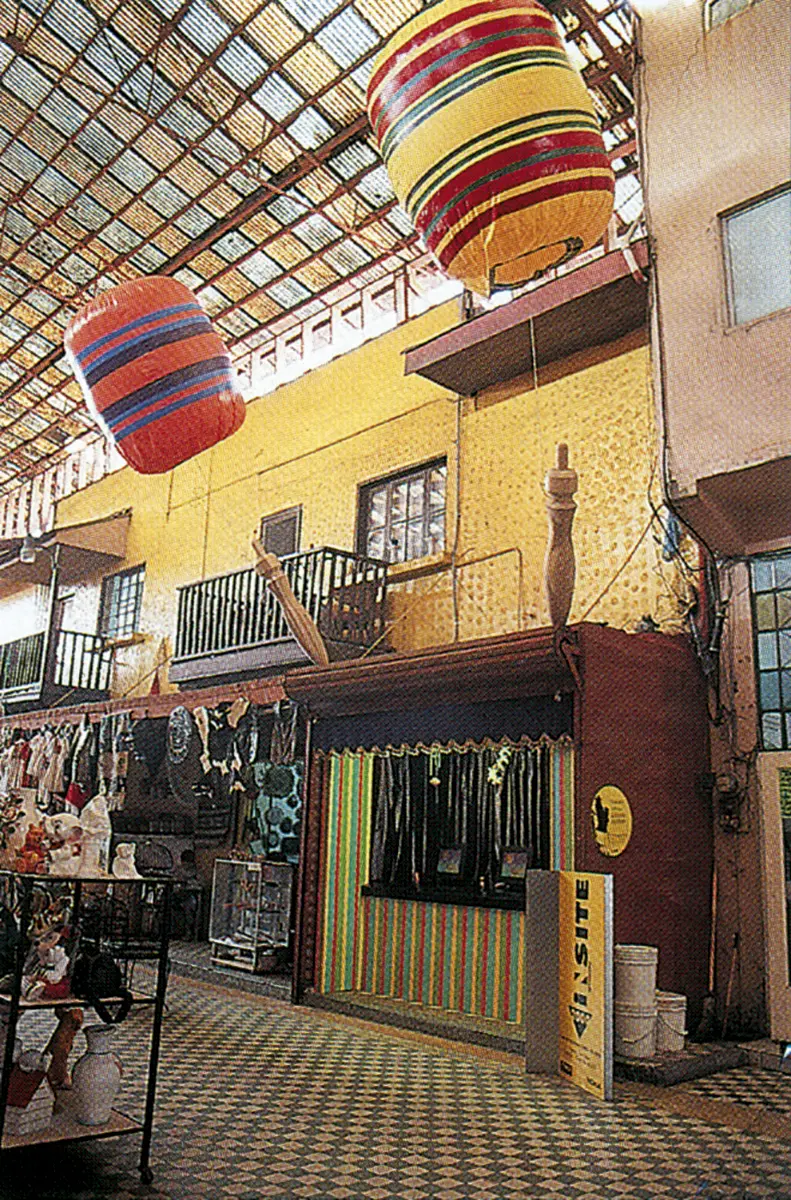
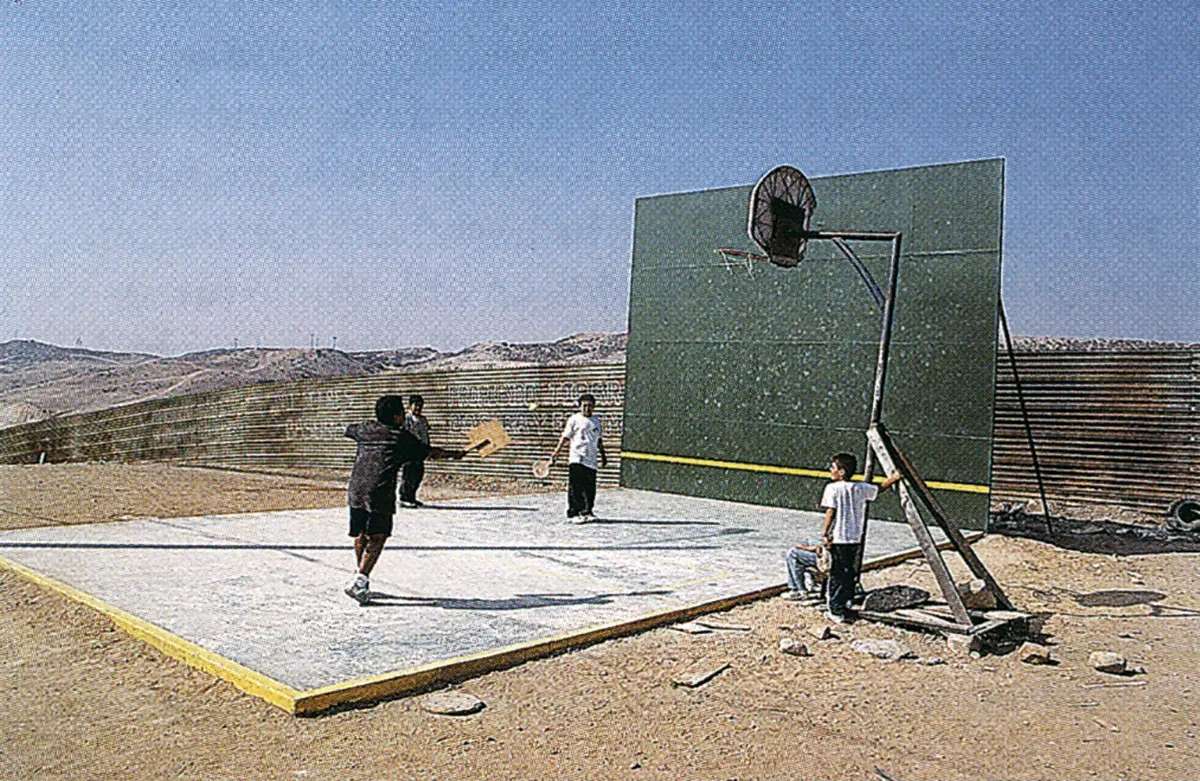
While many of the artist projects solicit varying forms of viewer participation, the works of Diego Gutiérrez, Mónica Nador, and Alberto Caro Limón were interactive in ways that engendered a sense of community. Emphasizing innovation and experimentation as keys to the resolution of social and political impasses, these projects crossed a different kind of border, infusing life with the energy of art. Whether orchestrating the building of a community park in Tijuana as Caro Limón did, or organizing the decoration of architectural walls in the Tijuana community of Maclovio Rojas as Nador did, the community-based projects tapped into art’s stunningly powerful potential to transform the ordinary into the extraordinary, and to ennoble the disenfranchised.
While building upon the legacies of past artistic precedents, this season’s inSITE certainly captures the complexities of the emerging Pan-American artistic scene. Given a specific geographic context as the sole working premise, the extravaganza is engaging for the parallels and dialogues that unwittingly emerge between projects created by artists heralding from cities strewn throughout the Americas. The peripatetic nature of this triennial, from its diversified artistic base to its multiple location sites and complexity of interpretations and viewpoints, embraces an exploration of art and culture that steps beyond inherited affirmations of the centrality of nationalistic identity. At the same time, the relationship between place, identity, and community remains critical to any premise of human society. So it is to the credit of the inSITE 2000 directors, curatorial team, and project artists that these issues are explored with humor, passion, and poignancy in projects that capture the fragile but flourishing spirit of an increasingly globalized world.
* Photo: Alan Decker.
COLLETTE CHATTOPADHYAY
Writer and lecturer living in the Los Angeles basin. She is a member of the International Association of Art Critics (United States division) and contributes regularly to Artweek, ArtNexus, Art Asia Pacific,
and Sculpture magazines.