
ARCO celebrated its first twenty years of existence with the expansion of its contents beyond the walls of the exhibition pavilion. In addition to the over 250 galleries and the presence of publications and institutions that participated in the event, as they do every year, the organizers of ARCO launched their first online service ( www.arcoonlinew.ua.es ) and the first edition of Open Spaces, a series of sculptures and installations that was presented in the central patio of IFEMA, right in front of the now traditional pavilions 5 and 7 in which the fair takes place. What was generally lacking in the fair was conviction.
In other years, one very important aspect of ARCO had been its ability to gather and show, in a very clear way, a rich and propositional international artistic survey that even manifested itself in the programs that ran parallel to the galleries, passing through the presence of the invited country, and finally winding up at the debate tables. However, on this occasion, it seems that the planning was excessive and complex: the “Cutting Edge” section had included six different programs that seemed to be conceived more for the showing off of the star curators who presented them than for the diffusion of emerging art in the regions involved. These were “Asian Party, Global Game” by Hou Hanru, “LA/NY” by Dan Cameron, “Caribe/Caribe” by Kevin Power, “Flanders, Belgium & Benelux” by Bart de Baere, “I don’t just drink the wine, I also let it bite me (!),” a selection of five Austrian galleries selected by Sabine Schaschl, and "Crossroads," a selection made by Rafael Doctor Roncero of the most current (sic) applications for international participation. This division into groups and curators was only evident on paper, for in the fair’s magnitude it was practically impossible to perceive these selections as curatorial proposals.
Although the selection of “Project Rooms” could be found more clearly due to its distribution and placement in the exhibition space, the selection cannot be considered less than unequal, in spite of also having depended on the work of professional curators (Yuko Hasegawa, Rosa Martínez, and Octavio Zaya). It is difficult to find the right words for this critical review, and that seems due to the recurring debate on the confusion between the cultural and commercial roles of ARCO. That is, this combination works like a double-edged sword that, when carried out conscientiously and profoundly, can give exceptional results (Italy’s presence last year, coordinated by Achille Bonito Oliva, was proof of that). But when it fails, it does so categorically. This is because it is not a matter of the presentation of a selective curatorial discourse that has been previously theorized in a profound manner, nor of a place in which great economic transactions are carried out which delineate the dynamics of the international art market. On this occasion, which seems to me was wasted, we can just barely speak of a timid peek at international art and of the reinforcement of the local market, mainly supported by the institutions (ironically, several foreign galleries brought a considerable amount of Spanish art).
Similarly, the presence of the United Kingdom, the invited country this year, also lacked conviction. One attentive observer was able to verify the important theoretical production that is being carried out in that country: the presence of British publications and publishing houses of the highest quality of presentation and contents was notorious, and they all were in the same space as the galleries. However, what remained nearly invisible were the works: Anish Kapoor in Lisson, Candida Höfer in Magnani, and Stephan Balkenhol in Stephen Friedman were some of the more noteworthy pieces. Within the British selection there were, according to my calculations, eight publications, 19 galleries, and 18 organizations of artists or similar organizations. That is, what the curators in charge of the selection -- Charles Esche, Matthew Higgs, and Kim Sweet—made very clear was the British Council’s fine operation (the presence was imminent in one important part of the projects presented both inside and outside of ARCO), and the positive side which, for the development of art, may have its financing and organization carried out in those terms. However, regarding collecting and the market, the English panorama was not very clear, as it did not stave off the absence of the internationally advertised YBAs which are in great demand. Nonetheless, this was something to be grateful for in an artistic medium so prone to a certain morbid curiosity toward the sensational and the apocalyptic.
The decrease in Latin American presence at the fair was also noteworthy, with the exception of Brazil which, as always, is completely separate, for it maintains a practically irreproachable level of quality. In this sense, the improvement of the selection by Mexican galleries stands out on one hand, and on the other, the almost heroic task of diffusion that two or three Spanish galleries carried out with a clear policy of exhibiting Latin American artists.
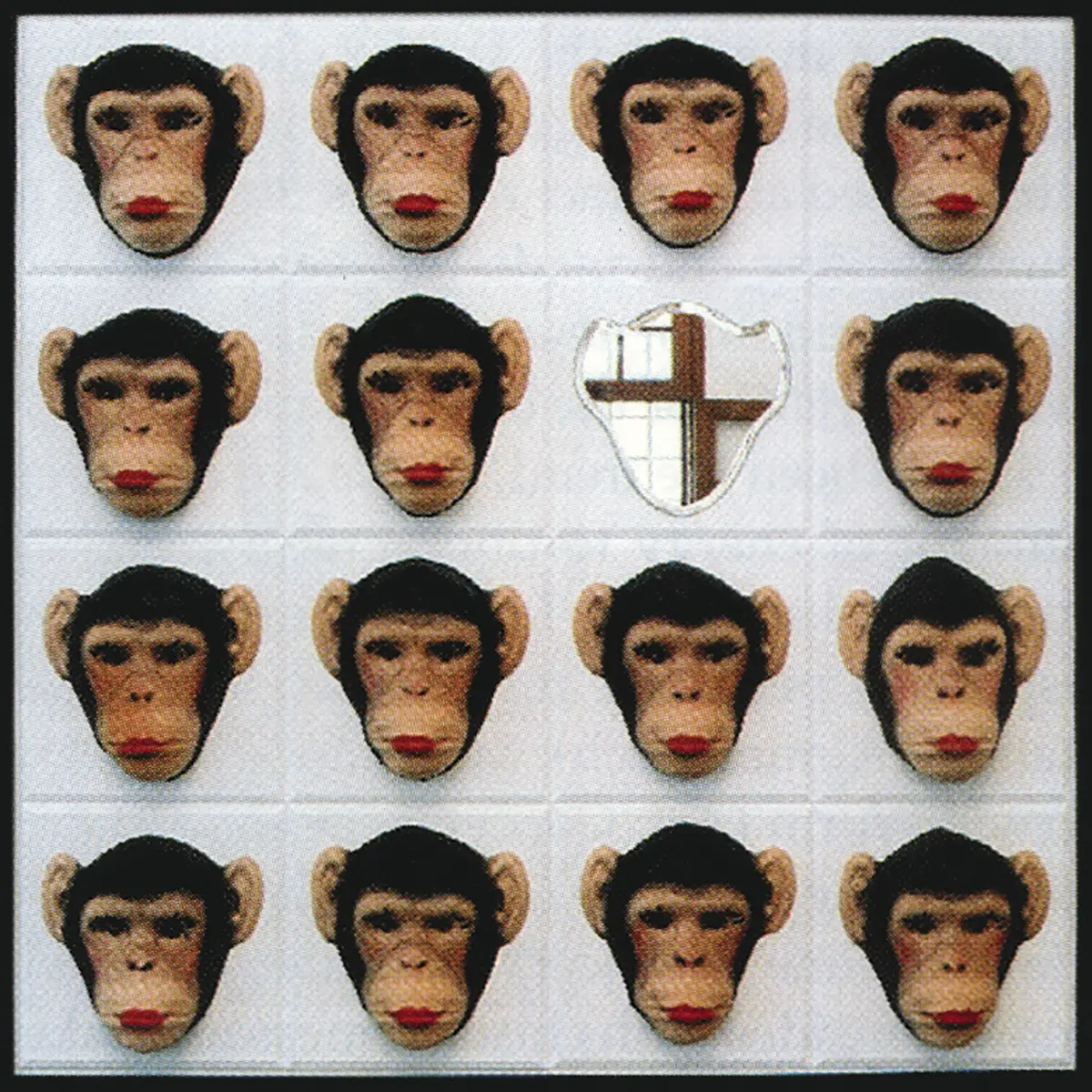
The Brito Cimino Gallery showed, among other pieces, a wall mural by Nelson Leirner in which, next to a collection of monkey masks, we find a mirror that continues the silhouette of the masks in which we may contemplate ourselves. For its part, the Luisa Strina Gallery brought a list of top-notch artists: Muntadas, Meireles, and Tunga. Probably one of the most curious pieces was Marco Paolo Rolla’s broken porcelain that revealed a skeleton that could be seen in the stand of Casa Triângulo.
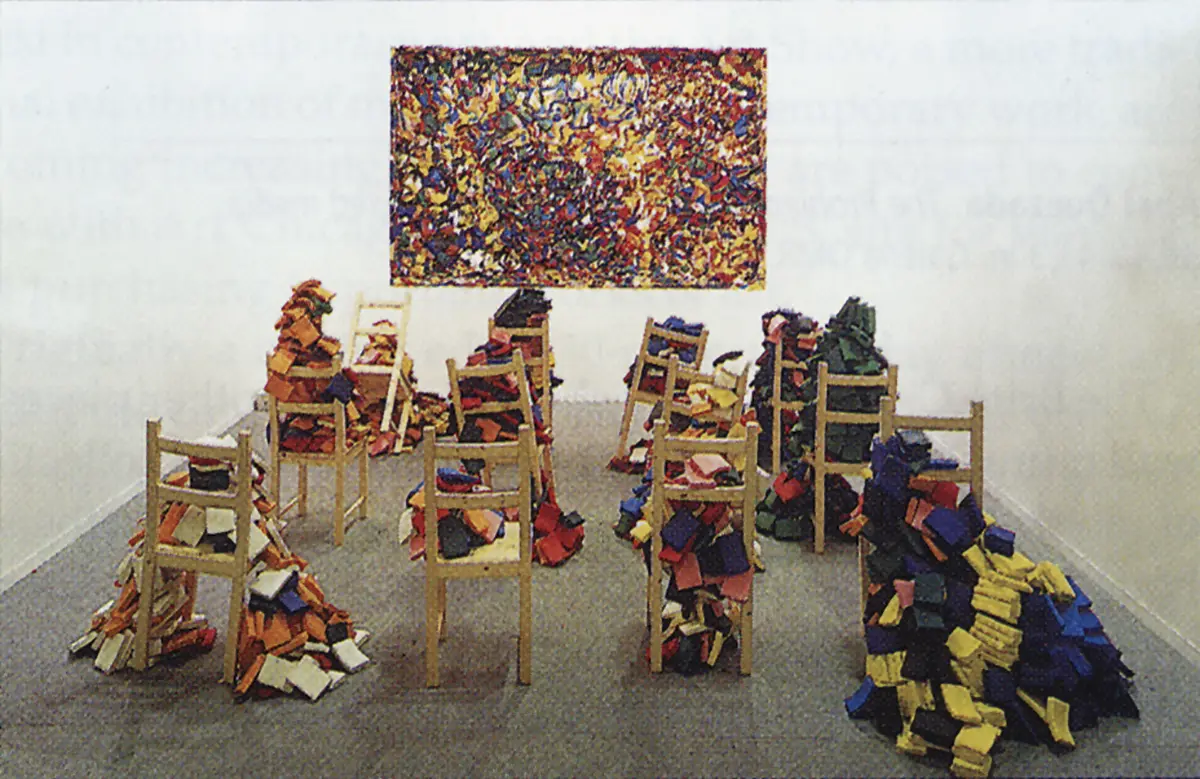
In addition to their leading artists—Adriana Varejão, Valeska Soares, Rosângela Rennó, and Jac Leirner—the Camargo Vilaça Gallery brought one of the most memorable pieces to the fair: José Damasceno’s “Project Room” which, titled Mass media para modelar (You are such stuff as images are made on), presented a series of chairs “seated” upon which were piles of colored bars of Play-Doh. On the back wall, there appeared a hole like a picture or a window, above which could be seen pieces of the same Play-Doh that seemed to have been thrown from the chairs.
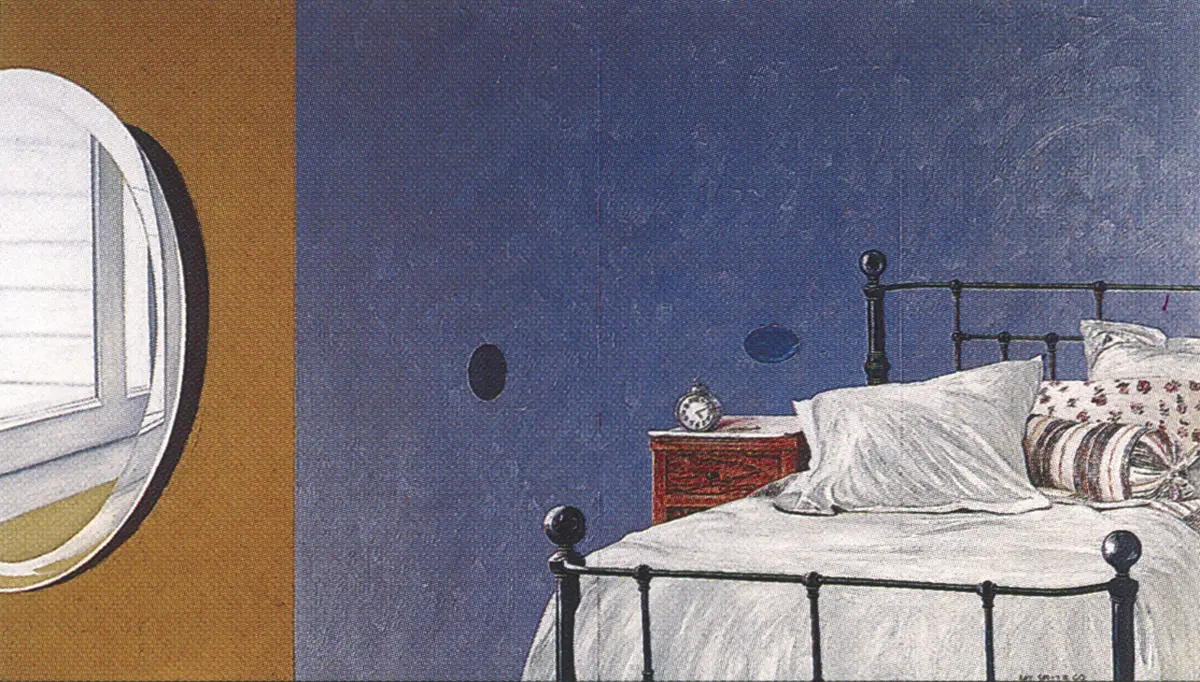
The Ruth Benzacar Gallery, in addition to bringing the work of Fabián Marcaccio, Marcelo Pombo, Pablo Reinosos, Pablo Siquier, Víctor Grippo, and a “Project Room” by Nicola Constantino, speculated once again on Jorge Macchi who, observed closely, is proposing some of the most interesting works that are currently being created. Outstanding in the Diana Lowenstein Gallery were the photographs of installations by Laura Lamiel, and the Ramis Barquet Gallery presented a “Project Room” with several pieces of the series To dissolve / To collect by Marco Arce, in addition to a group of paintings by Ray Smith in which the artist, settled in Mexico, gives a new twist, insisting on a certain metaphysical aspect. The four pieces shown—Dogs (políptico) (Dogs [polyptych]), Ripple, Victoria (Victory), and Alba (Dawn)—were gathered under the title Casa de espejos (House of mirrors).
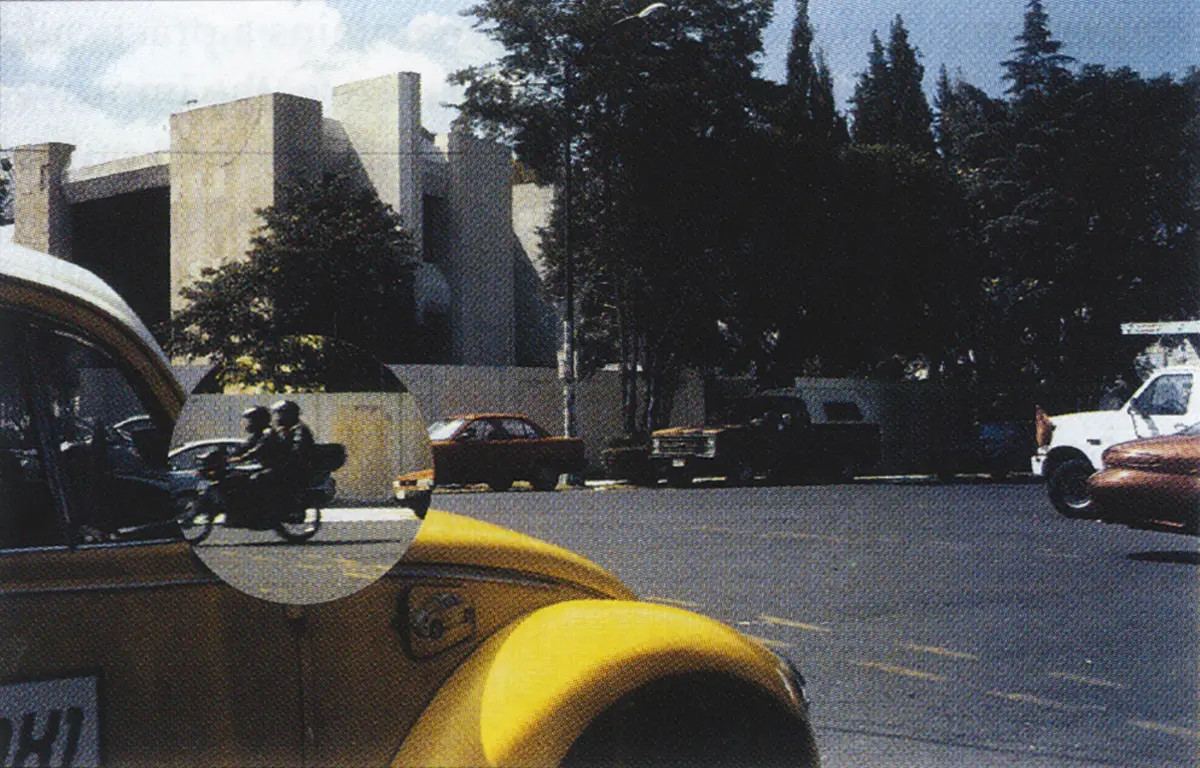
Within its more or less habitual selection, the OMR Gallery opted this year for bringing Félix Curto, a Spanish artist who currently lives in Mexico City, and the four pieces that he showed—Landscape, Road Movies, Cow Boy, and Country—gave a freshness to the gallery that had lacked in recent editions. The simple yet caustic humor of Abel Quezada’s pieces also stood out. For its part, the Enrique Guerrero Gallery also took a chance with a video by Yoshua Okón and a selection of excellent photographs of the series Fotos (re)construidas de las primeras a segundas (Photos reconstructed from the first to the second) by Alejandra Echeverría. Also, we saw documentation of the almost mythic performances of the employer Santiago Sierra and his remunerated characters, as well as the work of Olga Adelantado and Fabián Ugalde.
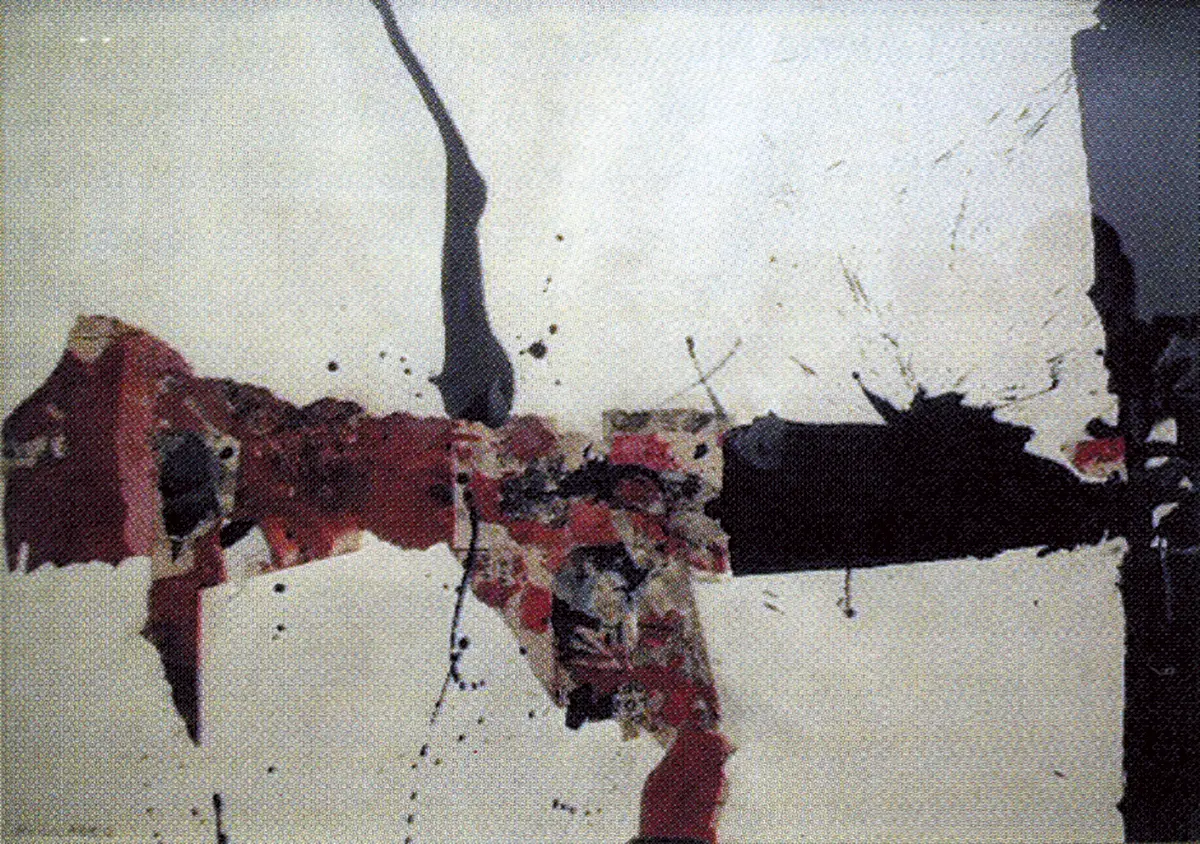
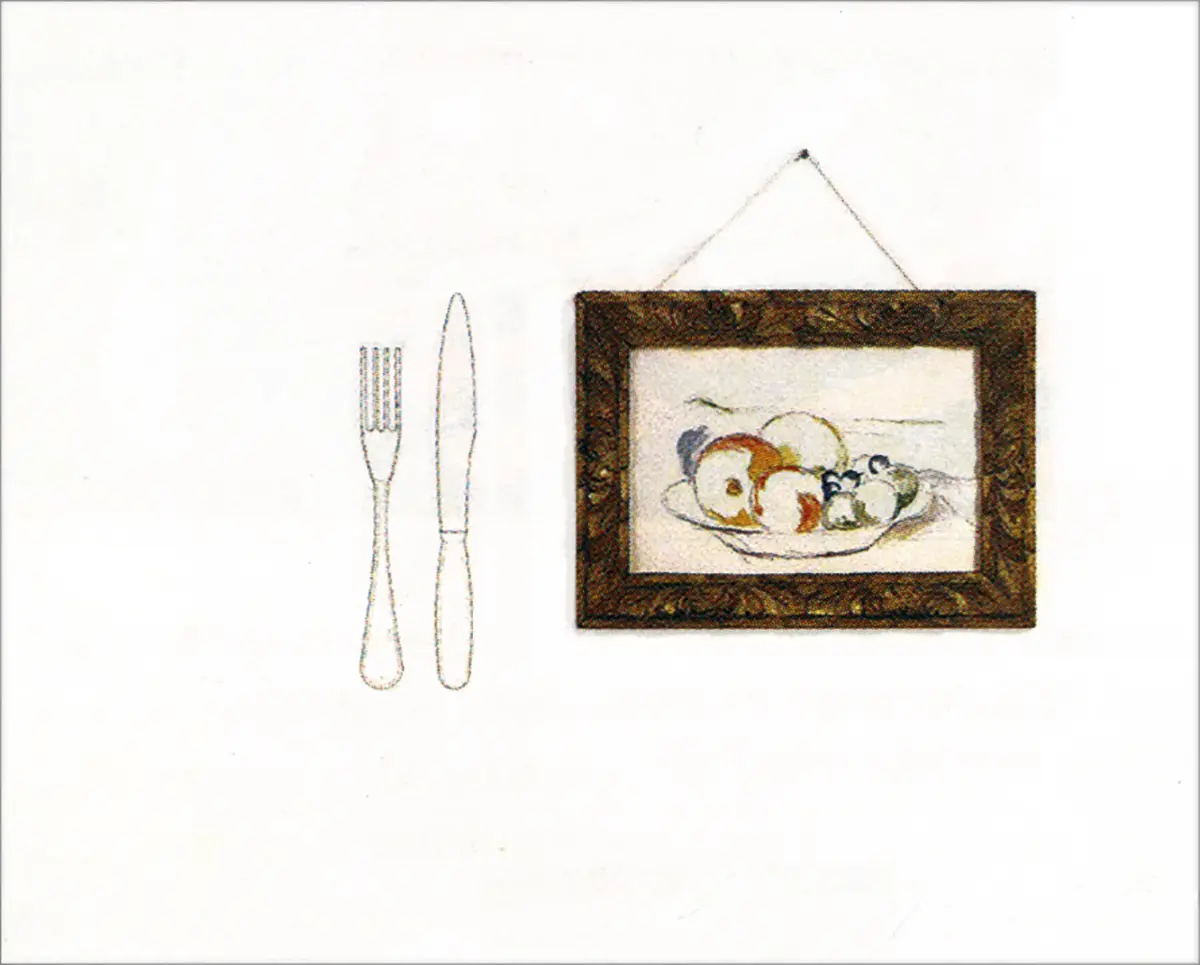
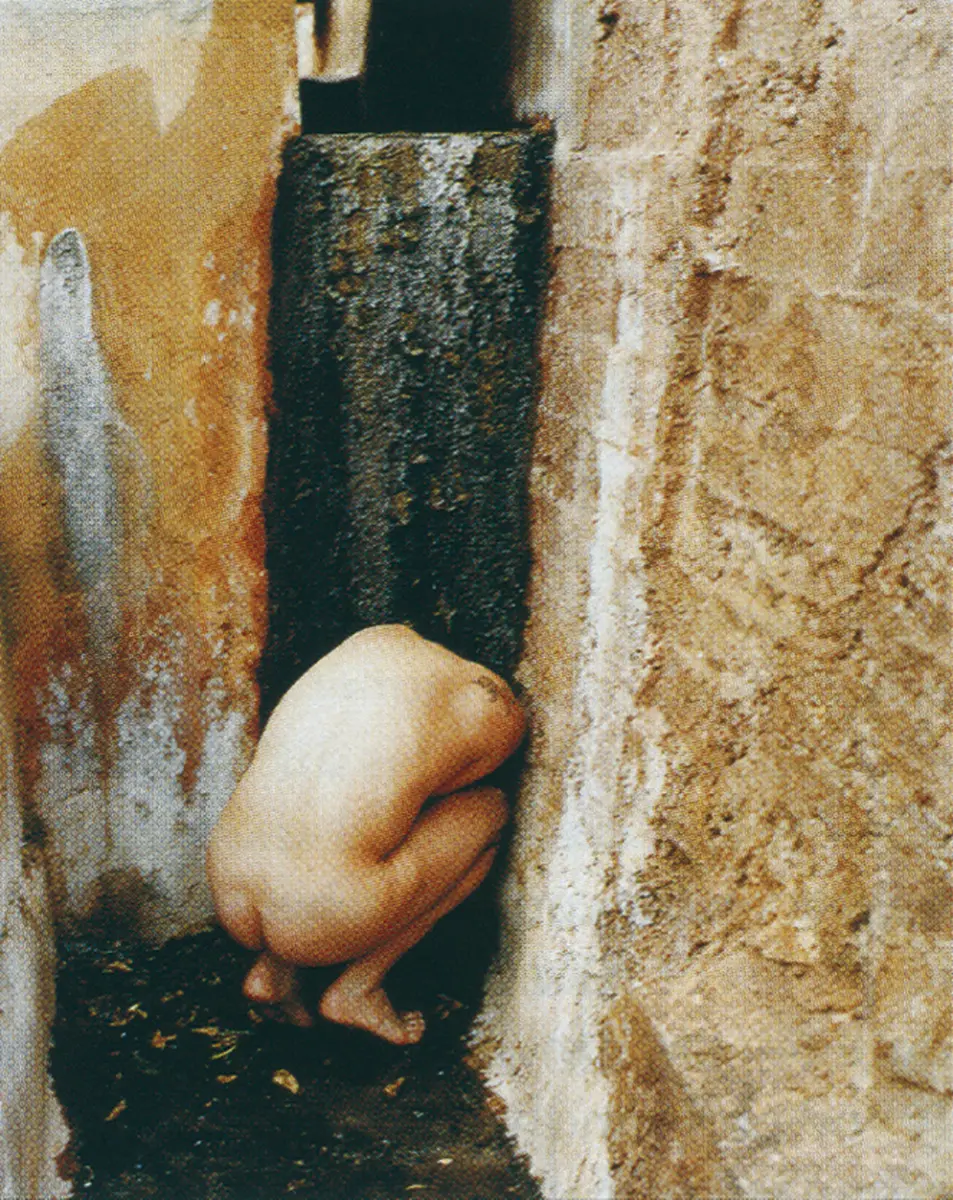
While the Venezuelan Acquavella Gallery featured an interesting selection of classic artists from Spain—among them, Manuel Millares—, as I mentioned above, the insistence on Latin American artists by the Spanish galleries Elba Benítez, Ángel Romero, and Luis Adelantado was remarkable. This is an endeavor we should recognize in a practically deaf context in the face of proposals that come from other countries where the “ñ” is also pronounced. Elba Benítez, with a greater inclination toward non-traditional supports, presented work by José Antonio Hernández Díez and Ernesto Neto, as well as photographs by Vik Muniz. Ángel Romero was fundamentally devoted to the diffusion of artists more closely tied to painting, although not exclusively, such as Alonso Mateo, Carlos Capelán, and José Bedia. Luis Adelantado, loyal to photography, showed the work of Priscilla Monge, Milagros de la Torre, Alex Frances —who will be present at the upcoming Venice Biennial— and Carlos Congost —whose work will be on view at the Reina Sofia this year—as well as a “Project Room” by Marta María Pérez Bravo.
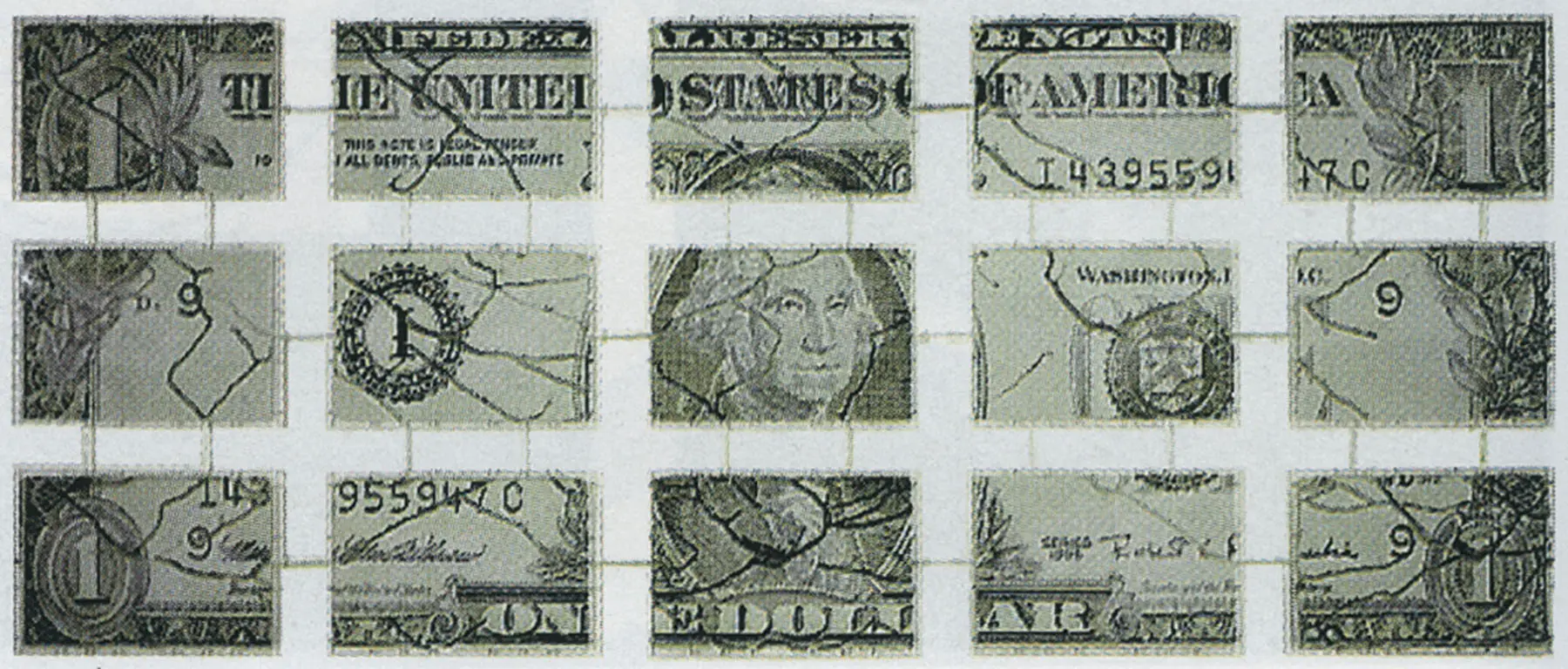
This brief review can barely report the variety of works and quality that a fair as large as ARCO presents. There was surely more than one piece that merited the visit. This is the case of Yukinori Yanagi’s work, One dollar, at Cotthem Gallery. Not only did local painting proliferate, which was of highly questionable quality for this level of fair, but so did the sensation of a flea market: several artists were represented by more than two or three galleries, and it is superfluous to mention the disparate works and prices. Very few dared to put into practice the slogan “less is more”: La Caja Negra, with the work of Richard Serra, Bernardí Roig, and Curro Ulzurrun; the Kurimanzutto Gallery showed only five or six discreet pieces by the artists that it represents; Habana, with work by Belkis Ayón, Ibrahim Miranda, and Sandra Ramos; the publishing house Línea, with graphic work by Barceló, Hernández Pijuan, Susana Solano, and Francesc Torres, and not many more.
Twenty years is a long time, and ARCO’s work throughout its existence must not be taken for granted. For the moment, next year we will have Australia.
ISSA MARÍA BENITEZ DUEÑAS
Art historian, specialist in contemporary art and art theory. She is currently a doctoral student at the Universidad Carlos III of Madrid.