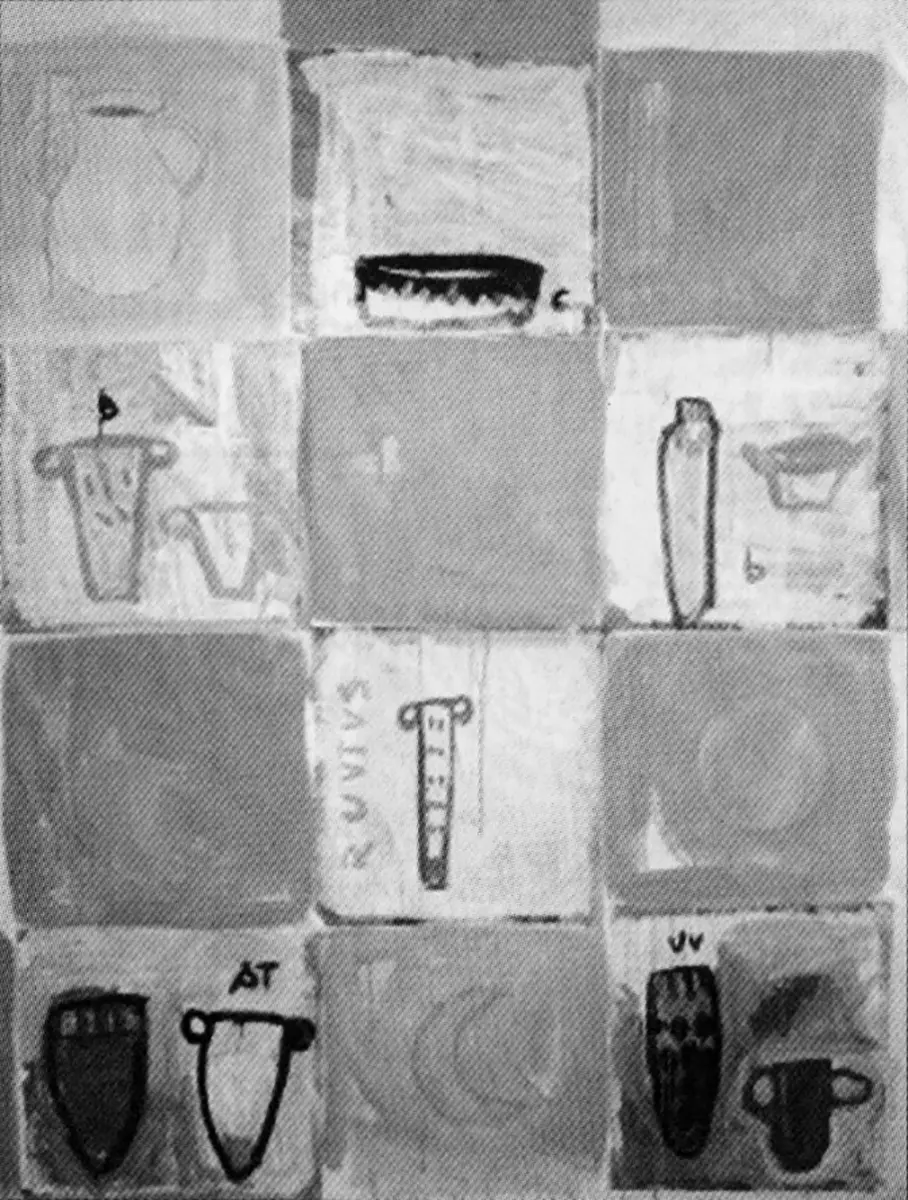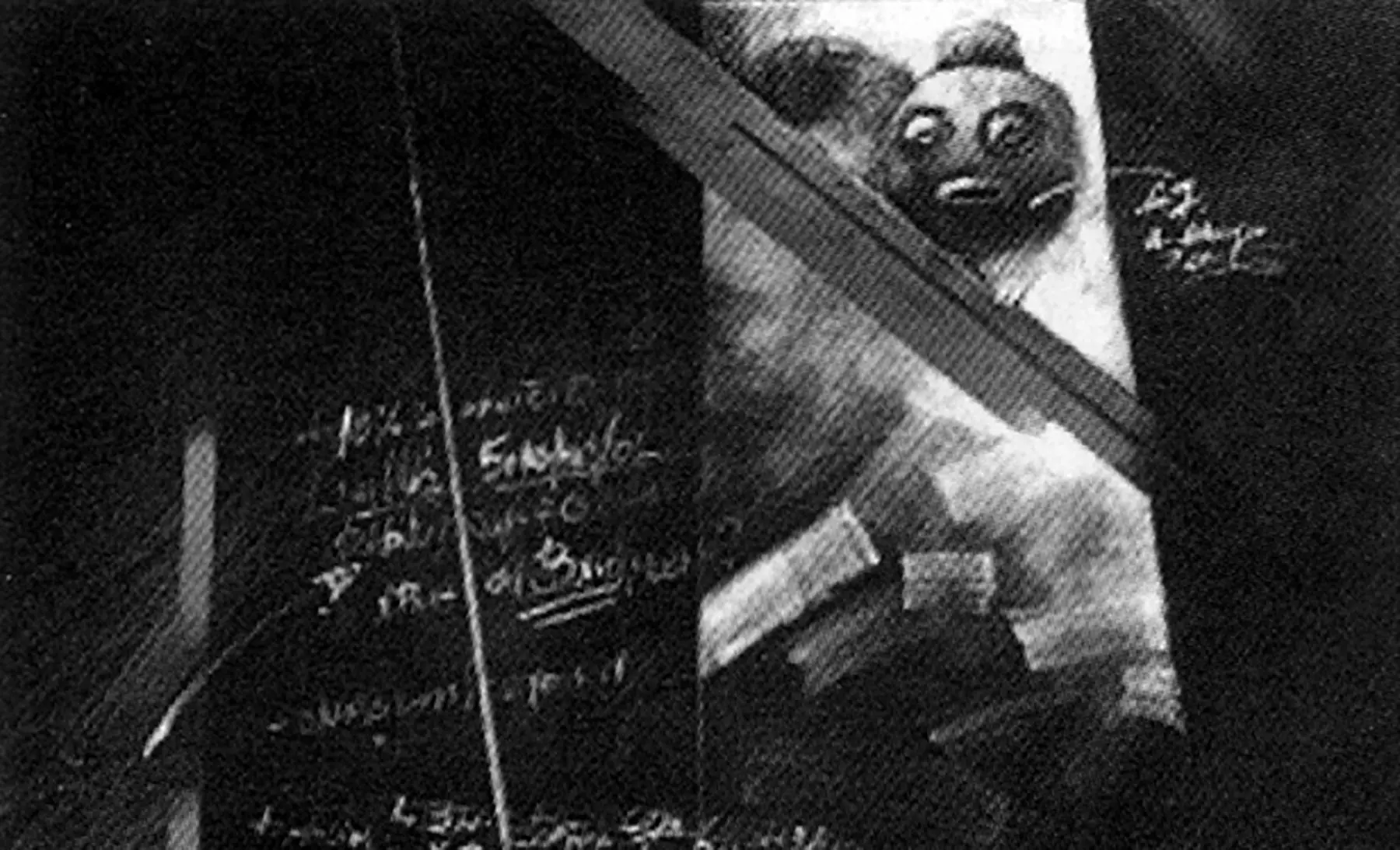
Implementing its policy of six exhibits per year, Casa de Francia presents Art from Guadeloupe, Creole Spaces. The event was organized by the Franco-Caribbean Cooperation, a departmental cultural organism located in Pointe-à-Pître and directed by Patricia Terrière, who has programming autonomy. The show is presented in the galleries of the French diplomatic mission. It is definitely one of the best exhibit halls in Santo Domingo, combining a secular historic setting and optimum museographic conditions. The exhibit presents four to six pieces from four contemporary Guadeloupans who live and work in Pointe-à-Pître, including the young artists Marielle Plaisir, Richard-Viktor Sainsily, and Sanmyel, and the veteran Marie-José Limouza.
Each artist presents paintings on canvas or paper, and each work has different experimental tendencies. The artists emphasize their African legacy and the re-vindication of the ancestral patrimony, though they utilize synthetic materials and the most sophisticated technology. The conviction of having an identity that has been persecuted or rejected becomes a clear motivation for the majority of the creators from the Frenc West Indies, generating common denominators in the visual arts. These four artists belong to that current that yields the best artistic results.
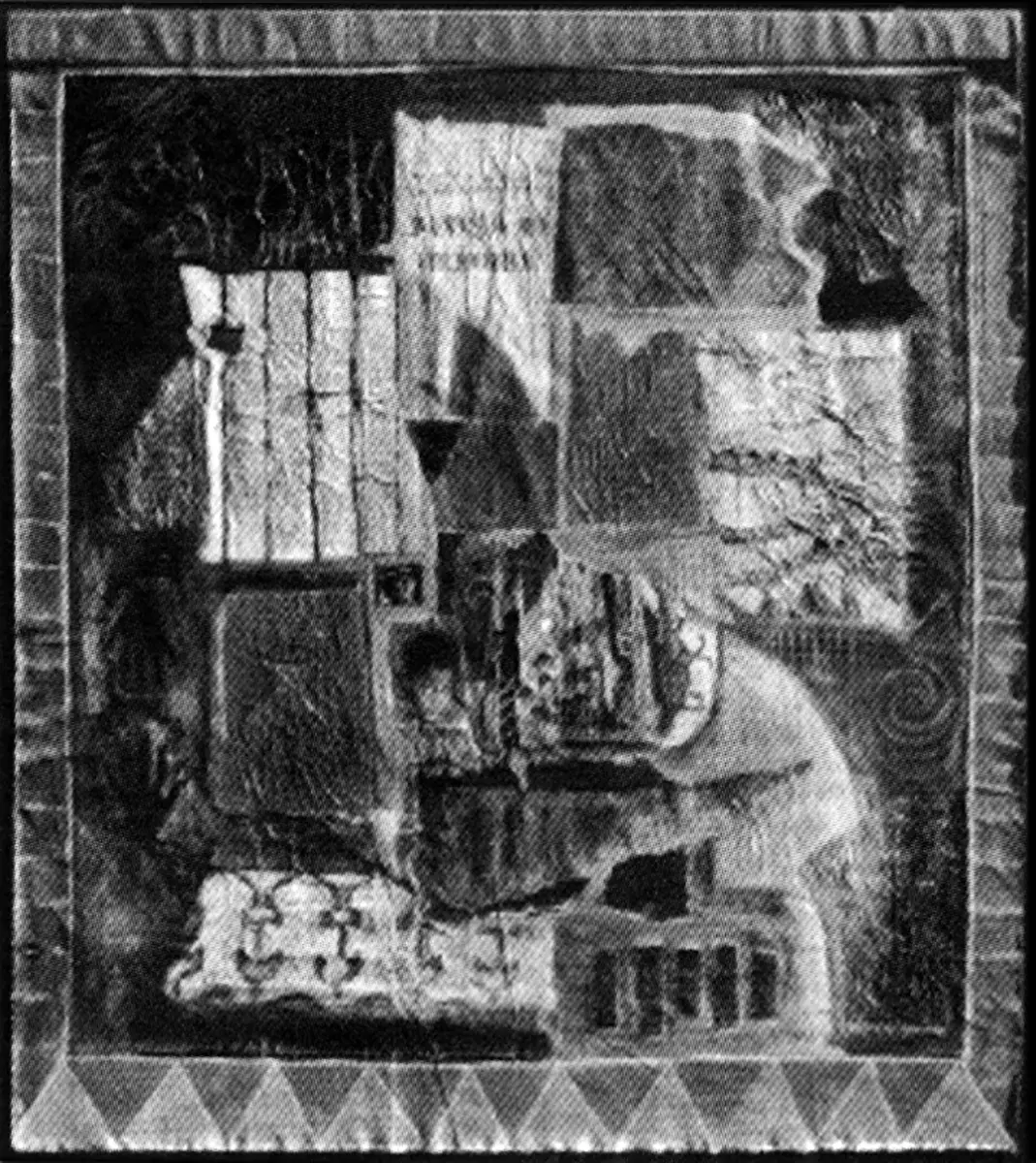
With more than four decades of experience in art, Marie-José Limouza has said that her time to rest has come. We don’t want to believe her: The canvases she exhibited invigorate the constructions of the pictorial space and its versions of collective memory we’d seen in 1992. It’s as if she had reassembled the past in different pieces, inviting us to a double reading, beginning with the global structure and moving on to the smaller pieces.
The mask is a recurrent and motivating element that hides and shows itself similarly to the spirit it “means.” Rhythms transcend in sound, and in Marie-José’s paintings, they’re heard as percussive and grave. The tonalities—deaf, mixed, nocturnal—evoke the origins, the ancestors, and the nostalgia for motherland Africa, the giver of everything.
Memory is alternately cosmic and ceremonial in the paintings of Marielle Plaisir, a woman artist belonging to the 1990s generation. Inscribed in the new image and having an expression that’s easy, the first reading suggests an international style, more European than Caribbean.
When you take a closer look messages and signs become regional. The “sensitive geometry” of the grids and schematic figures take us to magical beliefs in the celestial bodies, perhaps to unforgotten slavery. The tam-tam, so predominant in Antillean scenarios such as the mask, alternates with astral allusions, though the drums prevail signographically in the checkerboard of events. The series’ title, Le chien fou (The Crazy Dog), is synonymous with the human condition—a frequent association used in Caribbean painting.
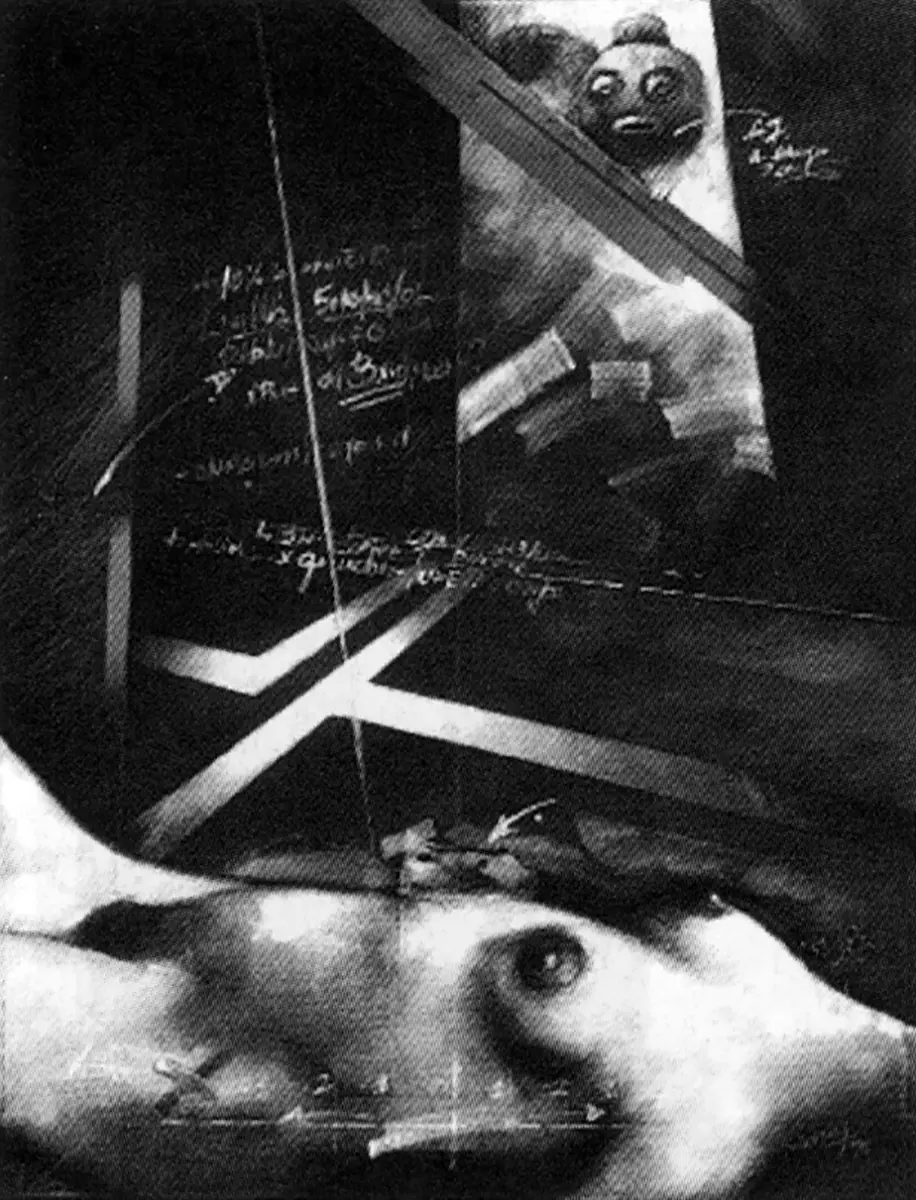
The mixed media used by Richard Viktor Sainsily needs to be handled more carefully. Frequent humidity could cause the disappearance of the graphic impression. And that’s exactly what happened in our inter-Caribbean show. At first, it was interpreted as being a show of magic.
As a graphic artist and painter, Sainsily researches measures and contents simultaneously. He is fascinated with crossing three-dimensional perspectives of space, leaving behind traces of writings—reminiscent of Amerindian pictograms?—while face fetishes preside over the offering of female nudes. The Afro-Antillean sources of inspiration fit perfectly in that advanced, impeccably instrumented language. Here, the search for the roots is compatible with numerical technology.
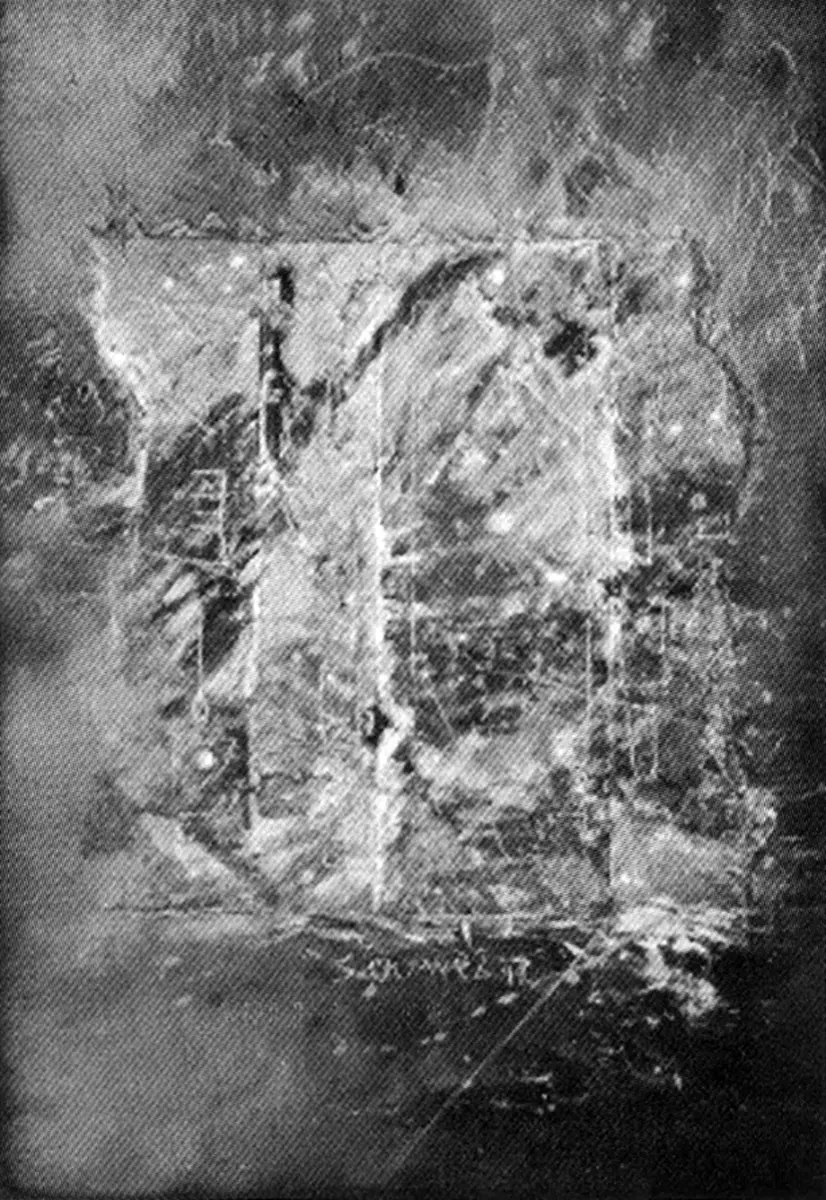
Coincidentally, the fourth participant, Sanmyel, is also a professional in the field of electronics, though he disassociates from it in his art. Two strands become evident in the pieces shown: a series of figures arranged in geometrical compositions, and an informality in working with color and matter. Both modalities are expressed around a search for ethnicity, geological and mythical, exalting the strength of negritude, the symbols of the mask, the disturbances of the hurricane zones, the energies from the earth, wind, water, and fire, and primary elements.
Sanmyel—he only declares his artistic name—transcends the two-dimensional plane. Always interested in the turbulence of relief and found materials, he applies faces molded in resin. He also presented an installation that converts world evolution into syncretic terms.
As the critic Jocelyn Valton has said before, Art from Guadeloupe shows that in Antilles one can maintain his or her faith and values, continuing the spirit of openness.
MARIANNE DE TOLENTINO