
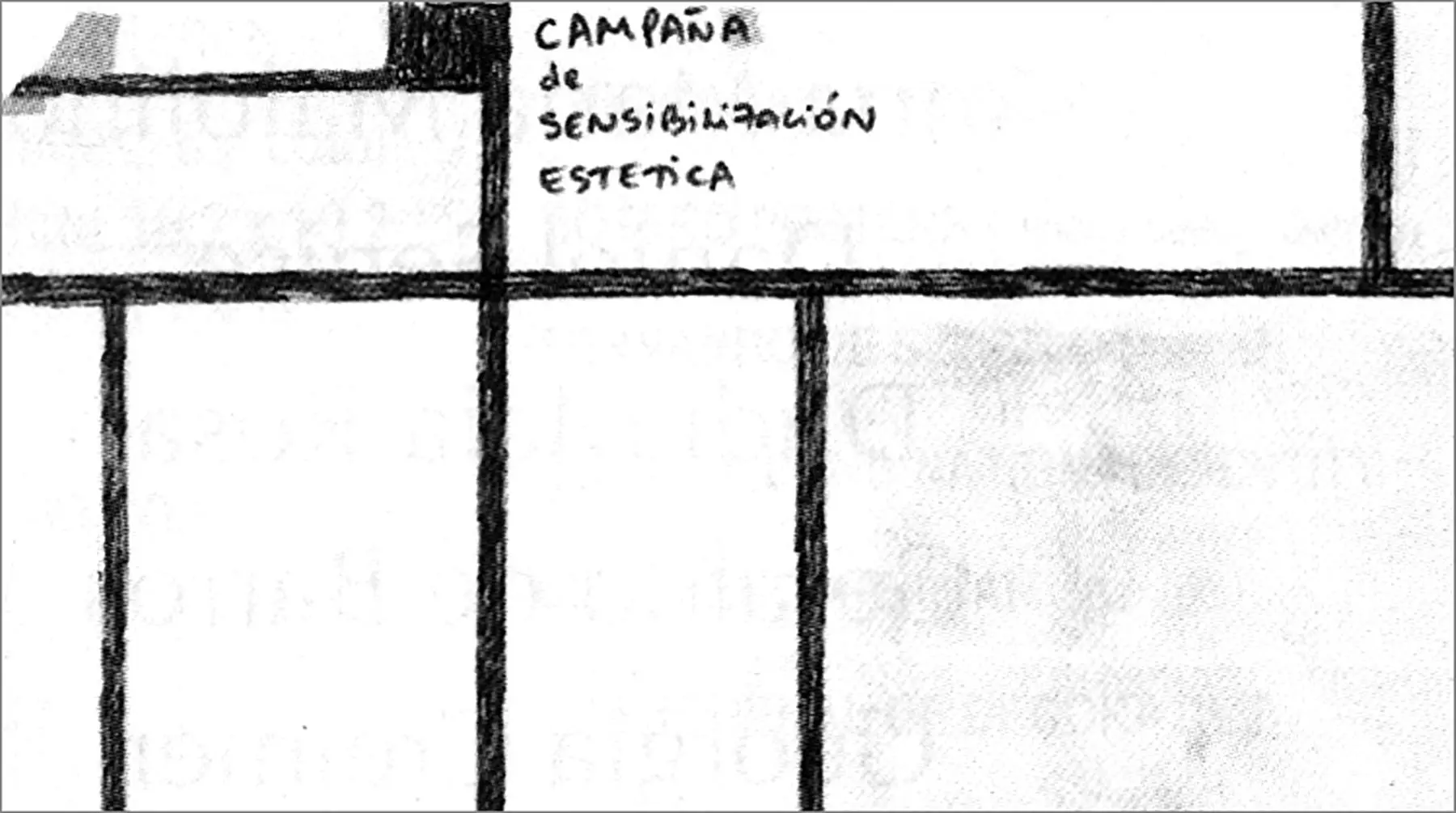
The 1970s at MAC-USP By Galeria Sesi São Paulo, Brazil More than three decades have elapsed since it first appeared. Today, conceptual art can be understood from a historical perspective, and from a contemporary position that takes into account the multiple transformations and elaborations surrounding contemporary art. Recently, this situation has generated a movement of revisionism, and an understanding of conceptual art through several exhibitions and publications on the subject. This trend includes such shows such as Global Conceptualism: Points of Origin, 1950-1980 (Queens Museum of Art, New York, 1999), Reconsidering the Object of Art: 1965-1975 (MOCA, Los Angeles, 1995), and the book Conceptual Art: A Critical Anthology (Alberro and Stimson, editors, MIT Press, 1999). Mari Carmen Ramírez, one of the curators of Global Conceptualism, establishes some fundamental differences between Latin American conceptual art and that of the Europe-United States axis, with the intent of recognizing the autonomy of the former in regard to the latter. One of the differences would be that Anglo-American production was based on the criticism of art as an institution, while Latin American production departed from the praxis of sociopolitical action, motivated by a context of authoritarian regimes ruling most of these countries during the 1960s and 1970s.
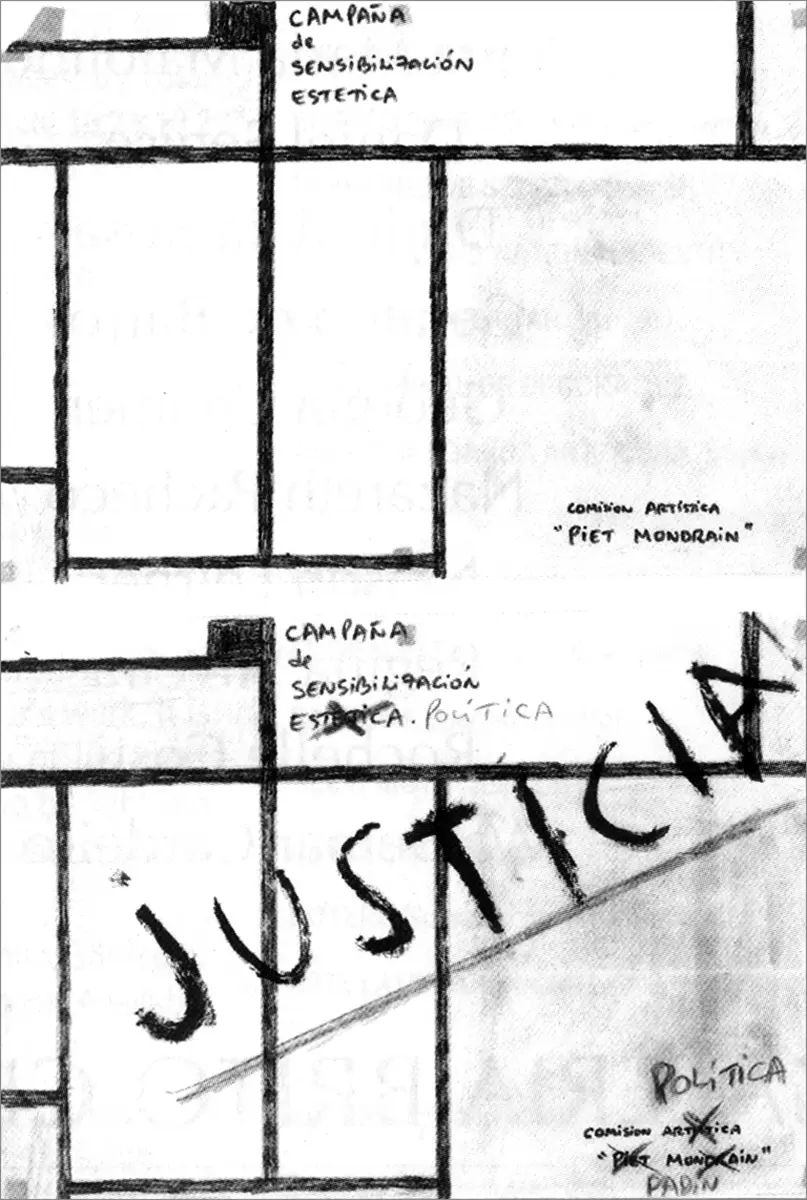
This was the case with a large portion of Brazil’s artistic production, which was made under a military dictatorship (1964-1978). In an environment of censorship and repression, with the radicalization of the dictatorship in 1968, the Museo de Arte Contemporáneo de la Universidad de São Paulo (Museum of Contemporary Art at the University of São Paulo) or MACUSP, under the direction of Walter Zanini, played a fundamental role in the concentration of the period’s artistic production and manifestations. The 1970s at MAC-USP were marked by a continuous exchange of conceptual art practices from other countries. Zanini welcomed installation, photography, and postal art projects from different parts of Brazil and the world, and he organized shows and debates around the acquired material.
From two important shows curated by Zanini at MAC-USP [Prospectiva 74 (Prospective 74) and Poéticas Visuais (Visual Poetics, 1977)], curator Cristina Freire organized Conceptual Art and Conceptualism: The 1970’s at MAC-USP. The show exhibited the work of approximately 120 artists, among them Brazilians (such as Artur Barrio, Augusto de Campos, Julio Plaza, Mira Schendel, Regina Silveira), Latin Americans (Clemente Padin, León Ferrari, Luis Canmitzer, Ulises Carrión), Europeans (Antoni Muntadas, Ben Vautier, Endre Tót, Jaroslaw Kozlowski, Josef Jankovic, Krystof Wodiczco, Luigi Ontani), and a few North Americans (Anna Banana and William Vazan). The displayed works show that the intense contact among artists from different countries and MAC-USP made possible a collective project that attacked the tradition of art and the frontiers imposed by the Cold War, in order to build an alternative art circuit. In this sense, it’s possible to consider that Zanini, by means of a global network, opened a “worldwide” context of conceptual art as a strategy for political action.
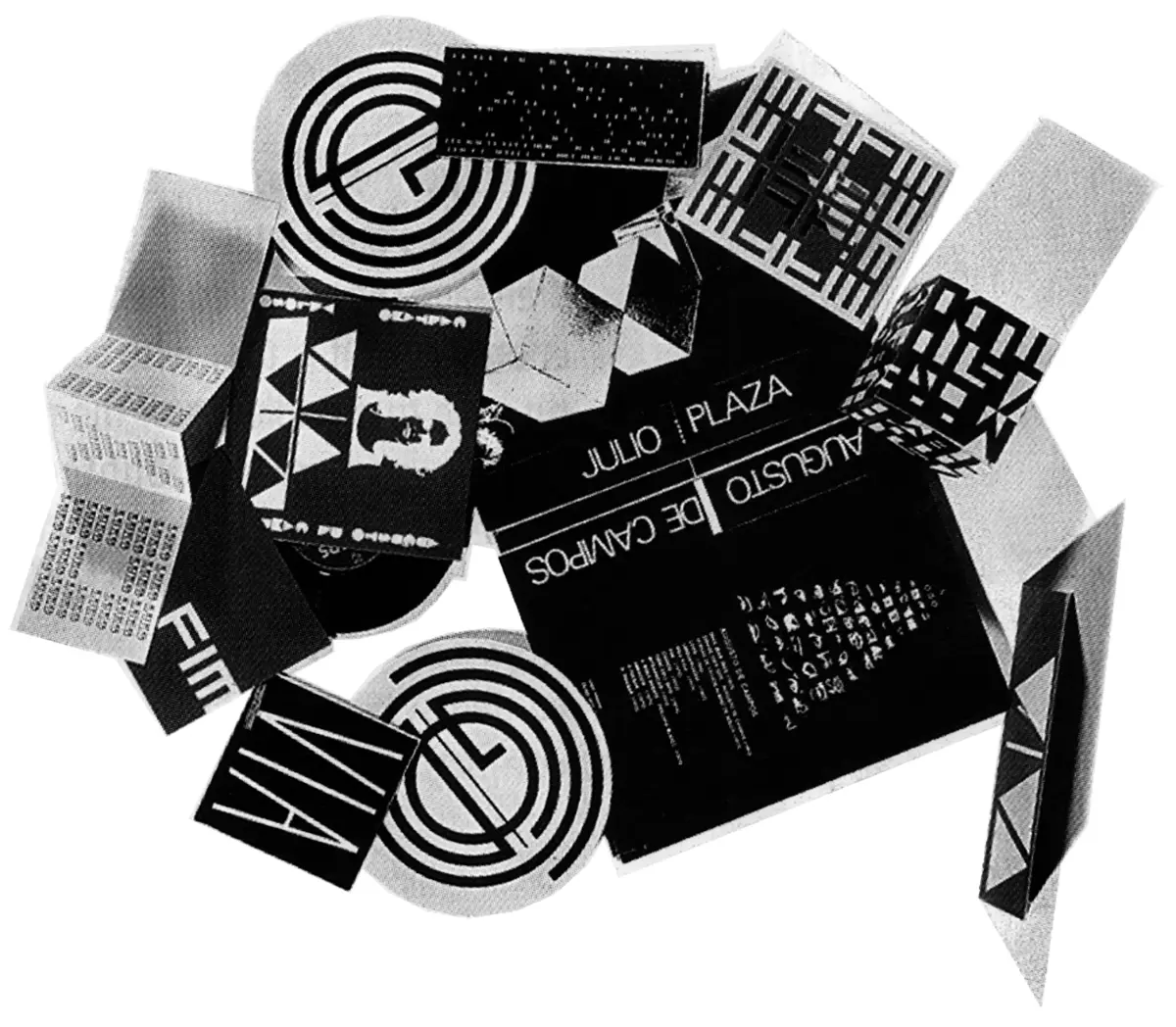
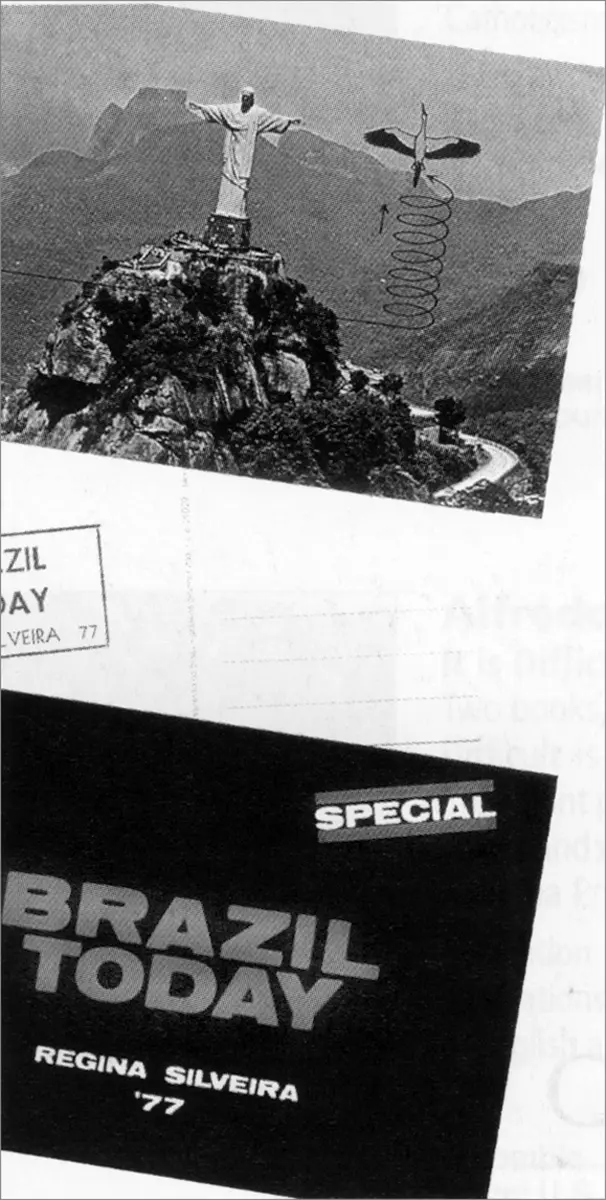
The show was divided into eight modules, based on the different strategies utilized by the artists: 1. “Fotografías de performances” (Performance Photographs) 2. “Memoria fotográfica y espacio” (Photographic Memory and Space) 3. “Arte postal: comunicación marginal” (Postal Art: Marginal Communication) 4. “Libros de artista y publicaciones asociadas” (Artist Books and Related Publications) 5. “Poesía concreta y otras poéticas visuales” (Concrete Poetryand Other Visual Poetics) 6. “Instalaciones: del proyecto a la recreación” (Installations: From the Project to the Recreation) 7. “Arte y crítica social” (Art and Social Criticism), and 8. “Arte sociológico: de la práctica a la teoría” (Sociological Art: From Practice to Theory). The module “Postal Art,” for example, documents a network of communication through the postal system available at the time. According to Zanini, “...the dialogue among artists turned into a form of social communication throughout the world, capable of reaching the most confined territories, such as those behind the Berlin Wall.” In this part of the show we have access to letters works by artists such as Regina Silveira (Brazil) and Julio Plaza (Spain/Brazil), Regina Vater (Brazil), Ben Vautier (Italy/France), Jaroslaw Kozlowski (Poland), Paulo Bruski (Brasil), Clemente Padin (Uruguay), among others, all addressed to MAC. The module “Artist Books” shows another popular medium during the authoritarian regimes. In Brazil, there were several publications made by artist groups, such as On-Off, formed by Regina Silveira and Julio Plaza, and Trama, published by Gabriel Borba and Mauricio Fridman. Also shown were copies of publications by Dick Higgins (England), of the Fluxus group, and Ulises Carrión (Mexico).
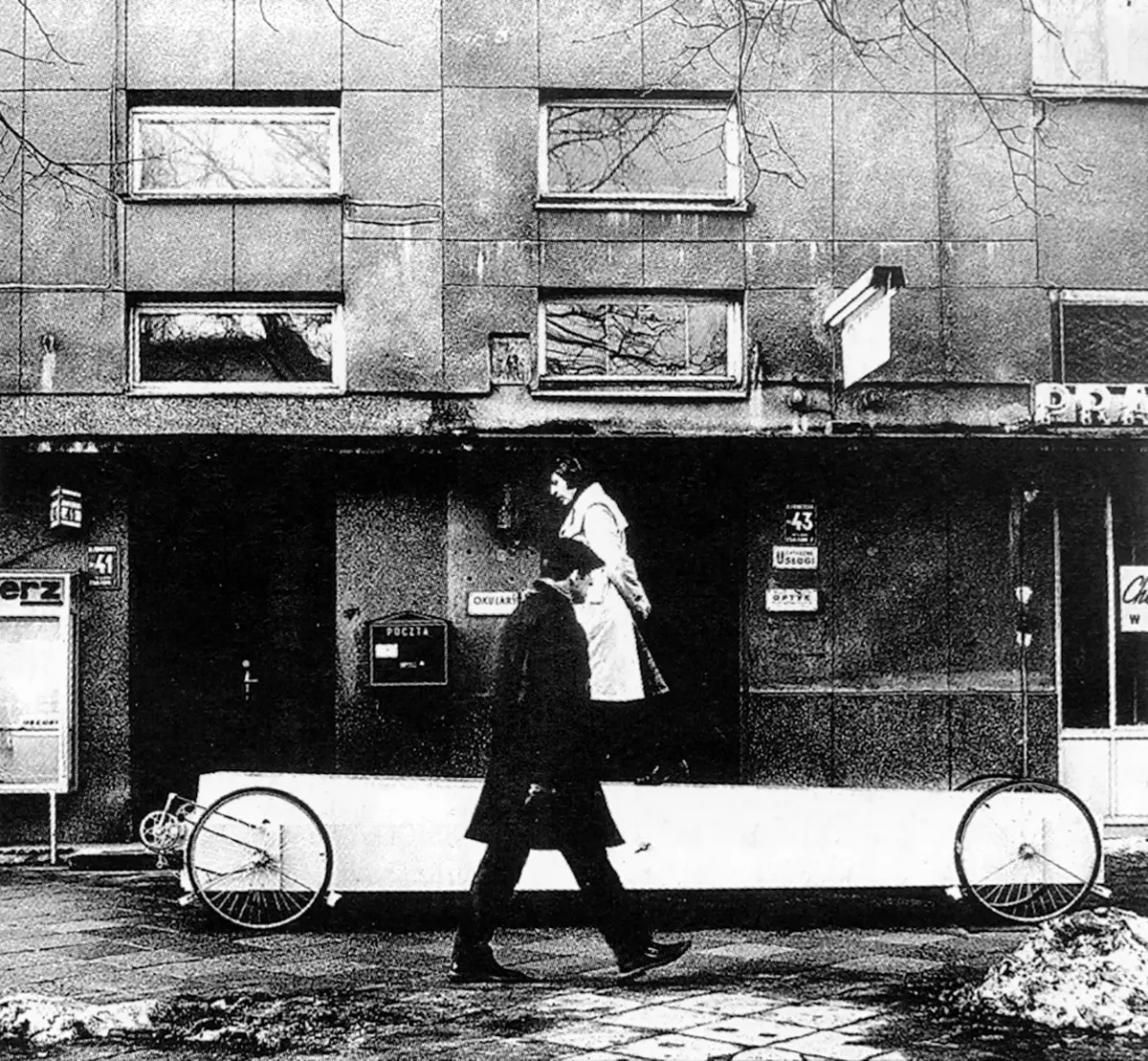
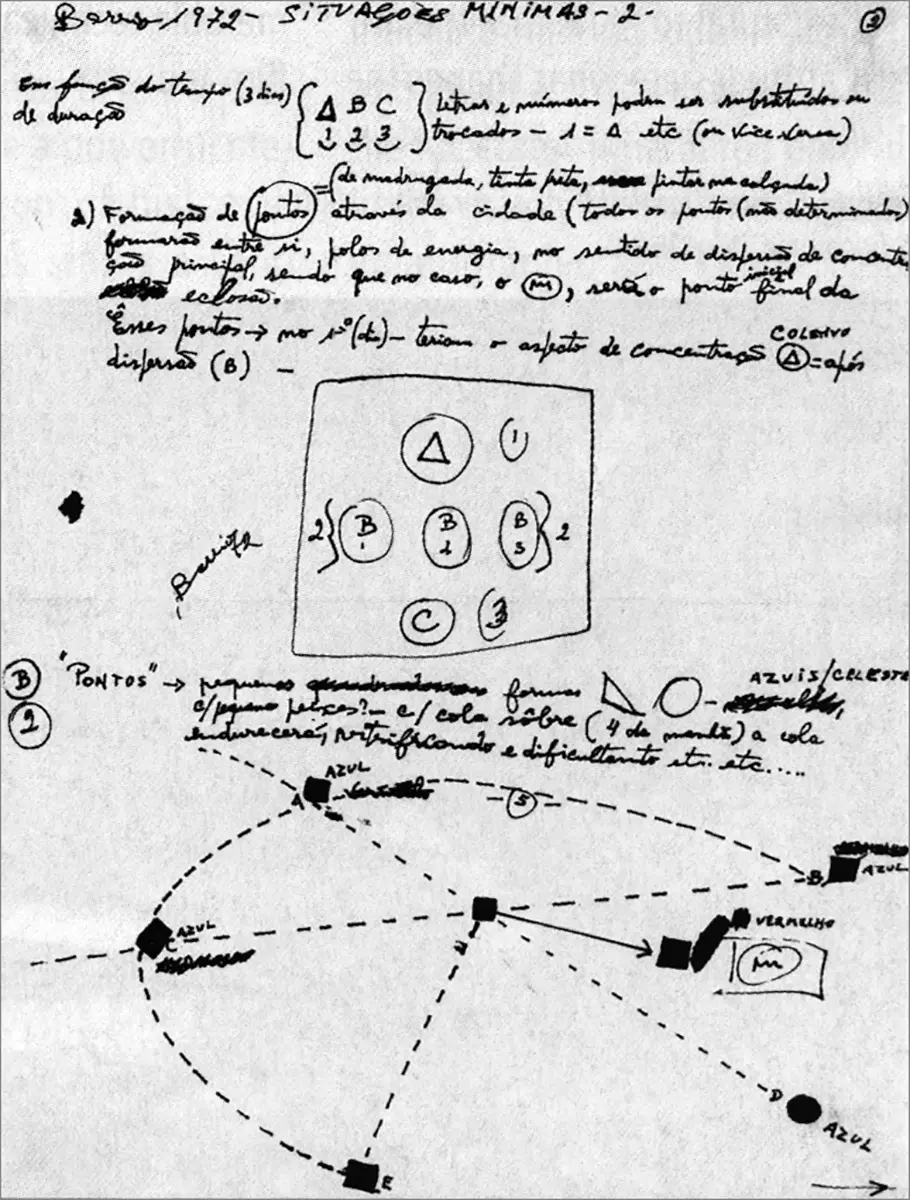
At all moments the show emphasizes the tenuous limit between the work of art and the document, present in works as well as the show’s form itself— letters not received by mail, books that can’t be paginated, photos of performances never seen by spectators, installation projects, etc.—as preoccupations expressed in texts and legends written on the wall. For instance, the texts in the photo modules question the photographic register exposed as the final product. Artur Barrio’s installation Situaciones mínimas (Minimal Situations) (1972) is recalled in the “Installations [...]” module, whereas it was only a project at MAC. Among the texts on the wall outside the hall, we read:” Is it legitimate to remount an installation in a different place than the one proposed initially? Would it still be the same work? This installation’s transference to another moment and another place, wouldn’t always be a reinterpretation, at the very limit, a total recreation of itself [...]” The issue raised by the limit of the work of art and the document, present throughout the show, takes us to the main focus, which is the questioning of curatorship— the paradoxical relationship between conceptual art and the museum. The emphasis that conceptual art places on the anti-institutional aspect generates a critical questioning that remains the current set of rules and points toward museology’s inherent problems while utilizing its own methods. It seems like a good curatorial strategy to use conceptual art to denounce before the public the museum’s own precariousness when faced with the questions posed by contemporary art.
Seen from the perspective of an alternative artistic context such as São Paulo, the show, aside from giving access to a production whose ephemeral and precarious character made registration and preservation difficult, provokes the resurgence of part of the international network from the 70s. The fact that these manifestations were catalyzed by a museum, shows the existence of a singular and daring curatorial project, with no equivalent in Brazil today. The contemporary Brazilian scene doesn’t have a single museum with such an active program capable of generating debate, reflection, and stimulus to local artistic manifestations, in close dialogue with the international art circuit. Conceptual Art and Conceptualisms remind us that it’s possible to develop an inciting and active project within an art institution that’s not in the great centers and has limited resources.
ANA PAULA COHEN