
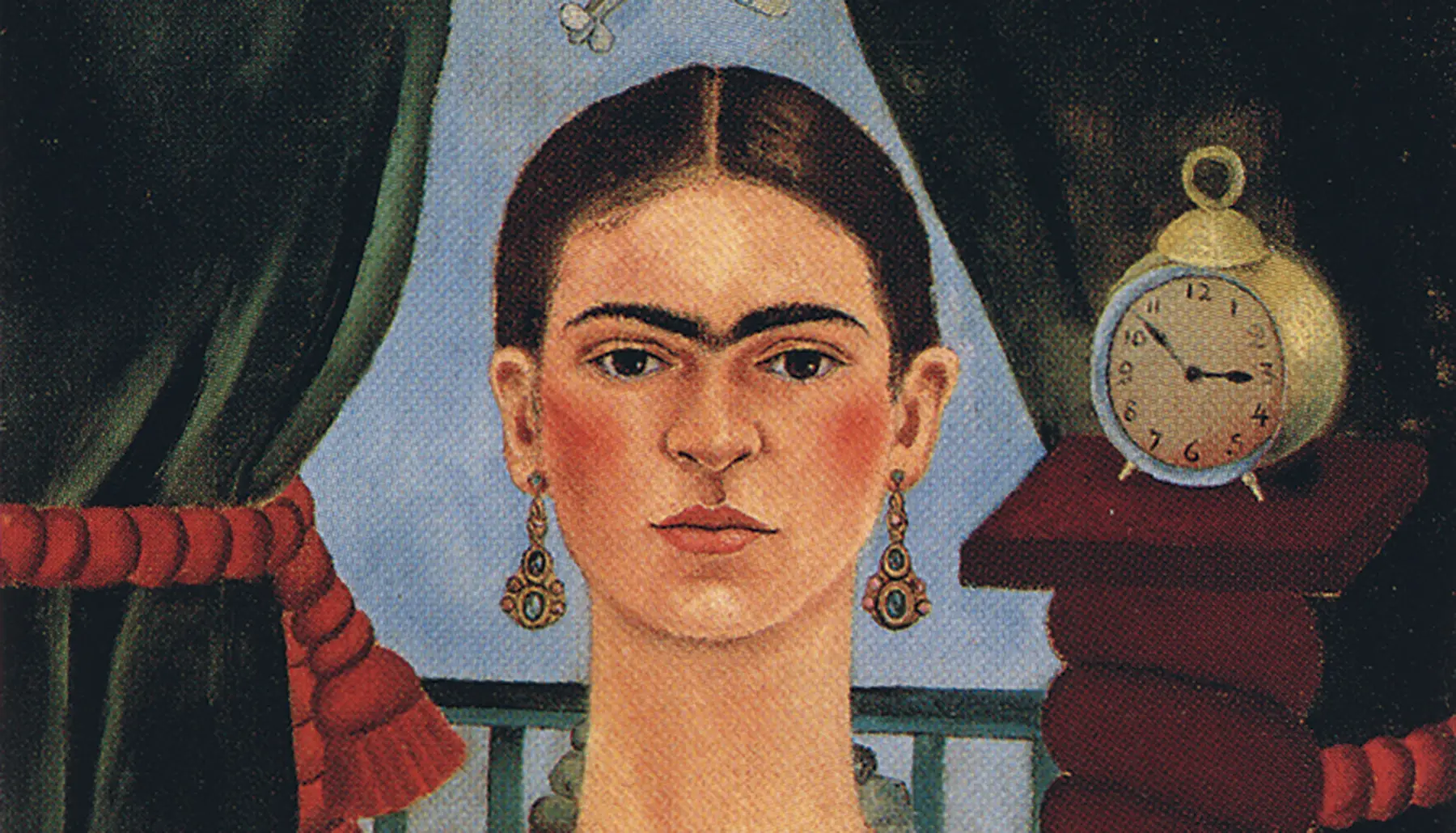
The Latin American sales this past spring season were an interesting surprise. While the top-quality paintings sold at the estimated prices, or soared above the estimates, most of the medium-price works offered in the evening sales had a hard time selling or remained unsold. The problematic situation of the market can be attributed to a variety of factors, but the fact that a few days after the sales both Mexico and Venezuela were holding presidential elections did not help the buyers from these countries feel enthusiastic about the auctions.
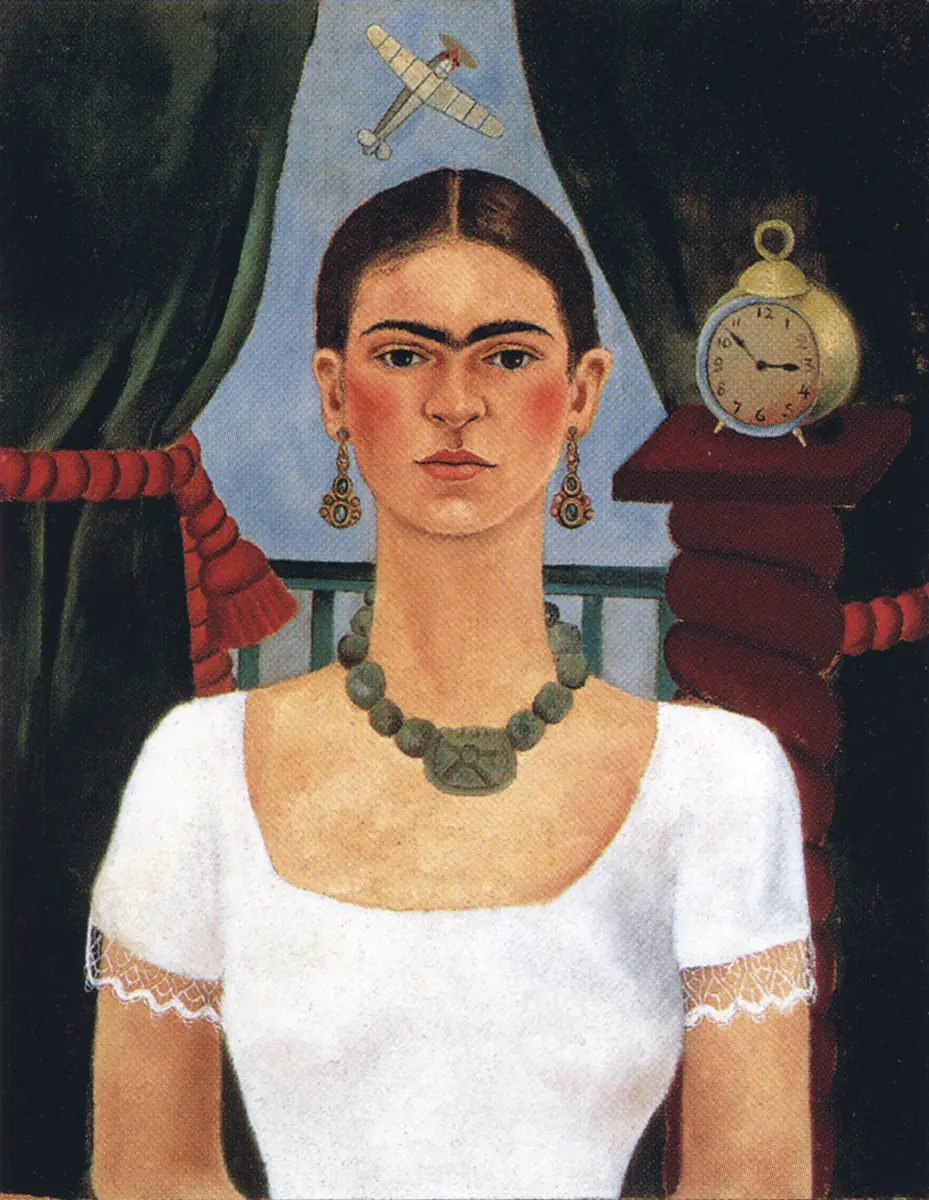
Whatever political factors may have affected the season, it still remains very memorable, due to the new world record achieved for Latin American art, when Sotheby’s sold an early 1929 self-portrait by Frida Kahlo for US$ 4,6 million. This is not only a new record for Latin American painting but for a work in any category for a woman artist. This is a new milestone for Latin American art indeed. Sotheby’s experts had pondered over the high estimate printed, yet as soon as the exhibition opened, the amount of interest justified it. The picture offered has never been considered part of the Frida canon of typical self-portraits; yet all the materials are already present: the frontal hypnotic gaze at the viewer through the uniquely interwoven eyebrows, the typical Mexican dress, the Precolumbian accessories, and a strange arrangements of objects that would later become her surrealist signature: in this case the odd juxtaposition of a plane and a table clock. Aside from these components the picture is much larger than the average Frida self-portrait, was fresh to the market, and last but not least, the picture did not have any of the bloody wounds or disturbing creatures that are so unforgettable in other pictures. This was a Frida self-portrait with all the attributes making it an ideal acquisition for the collector who wants a signature piece but does not necessarily sit well with the more disturbing aspects of her pictorical language.

Both the buyer and the underbidder for the picture are rumored to be American. It was certainly an American dealer who bought the Frida, along with some of the most important pictures in the evening sale. The question remains: if there is such a crossover, if the purchaser of this type of picture is not from Latin America, then what is the real financial picture in this market? Doubtlessly there has been some crossover of Latin American art into the mainstream in the past few years. Even now museum exhibitions like Making Choices at MoMA, which survey the art of the last century, have included a selection of Latin American artists. This is no small fact, for as recently as five years ago, this would have certainly not been the case. As a matter of fact, back then even major figures like Diego Rivera, Matta, or Lam were regularly excluded from the exhibitions that dealt with the art of their artistic counterparts when they sojourned in Europe and where an integral part of the avant-garde movements. There have been large efforts of curatorial integration since, and it is no longer necessary to see the works of these masters strictly attached to Latin American art surveys. The fact remains, however, that this particular market is still very much a reflection of the currents of both the politics and the economies of the region. In other words, it is not the extraordinary picture that the experts need to worry about when presenting their sales at the evening auctions. The problem is rather within the average yet expensive evening sale material. It is these pictures that are particularly sensitive to the fluctuations of the market or the political situation because, at the time of the sale, it is precisely those pictures, which are either purchased by Latin clients or remain unsold.
Another new record, this time for a living artist, was established at Christie’s when Tomás Sanchez’s beautiful Nubes sobre la laguna was hammered at US$ 280,000. This is an indication that large important paintings by Tomás Sánchez are quickly approaching the price ranges of Botero and Armando Morales and that he may soon become part of the classical canon of Latin American artists.
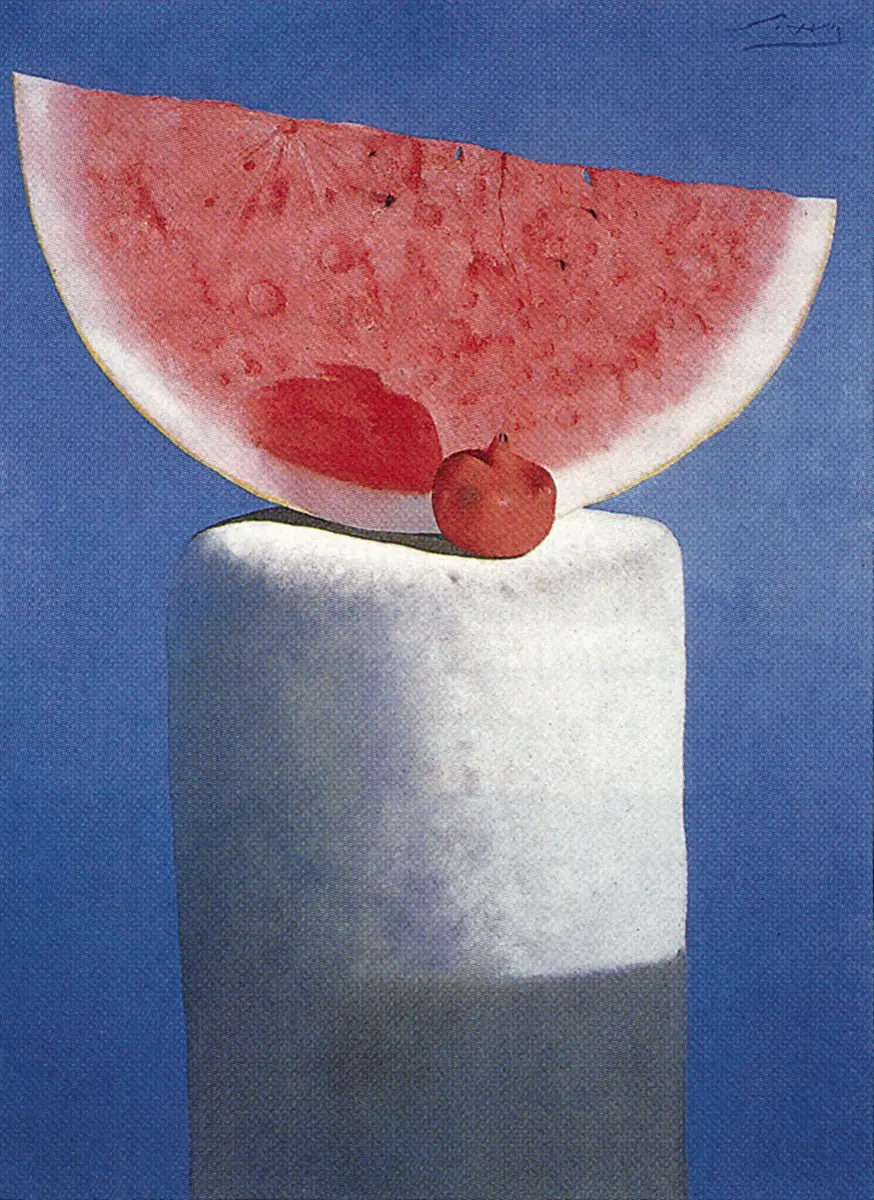
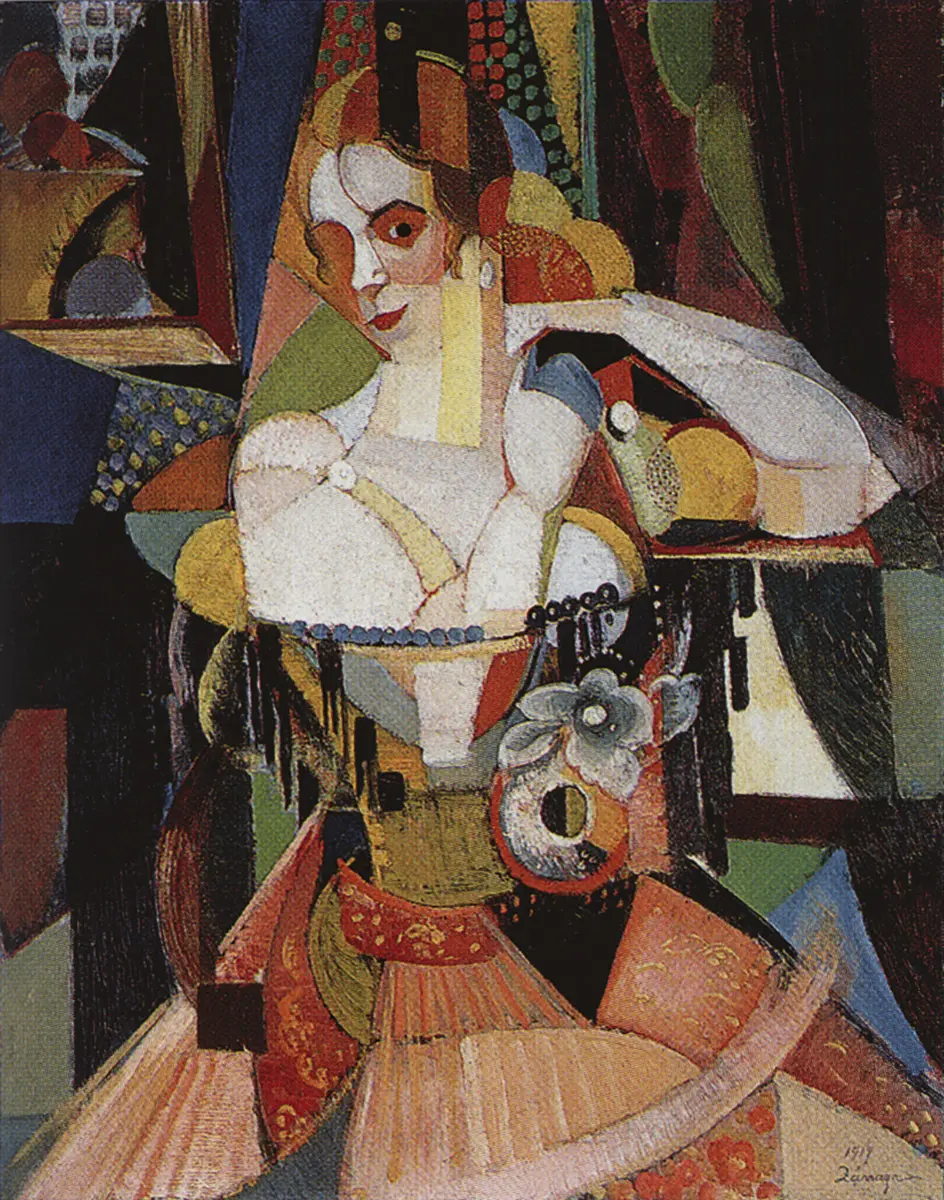
Mexican artists encountered difficulties at the sales. With the large exception of the Frida, there were many Tamayos that went unsold at both houses; inexplicably this included the beautiful Sandías as offered at Sotheby’s. Diego Rivera’s famous Paisaje de Toledo also failed to find a buyer at Christie’s. It was however encouraging to see the excitement generated by almost every single painting by Ángel Zárraga that came to the block. The beautiful Femme à sa toilette was a colorful Cubist work from 1917. It had all the charm of a classical portrait yet with enough of the modernist twist to attract anyone interested in this great artistic period of the past century. It soared past its estimated price of US$ 300,000/400,000 to nottle at US$ 510,000. Christie’s also offered a beautiful Zarraga, this time from the earlier Symbolist period of his career. The elegant gathering of Mexican beauties titled La novia, sold above its estimated price of US$ 180,000/200,000 for a total of US$ 260,000. Even less important works such as La couture au jardin sold well above the estimate.
It was great vindication to see an important painting by Berni, La fogata de San Juan sold to a non-Argentinean collector. Christie’s experts were reassuring that it has entered one of the greatest Latin American art collections. This had always been the ambition of his dealer and promoter in Buenos Aires, Ruth Benzacar. Unfortunately, she did not live to see this triumph, as she had unexpectedly died a few weeks before the auctions. It was also very positive to note the success of both Botero and Matta at these sales. The witty scene from his Corridas period, Cuatro mujeres, sold beautifully at Sotheby’s for US$ 460,000 (estimated at US$ 400,000/500,000) and his Reclining Venus at Christie’s made well at US$ 420,000 (estimated at US$ 300,000/500,000). Also at Sotheby’s Matta’s La femme offamee soared above the estimated US$200,000/250,000 selling at US$ 290,000; in the same sale, Matta obtained a new record for his works on paper with a beautiful 1930’s drawing sold at US$250,000. At Christie’s, a large-scale painting by the artist, from the 1960s, sold at US$220,000, an excellent price considering the difficulty of judging the latter market of the artist, particularly of works of this format.
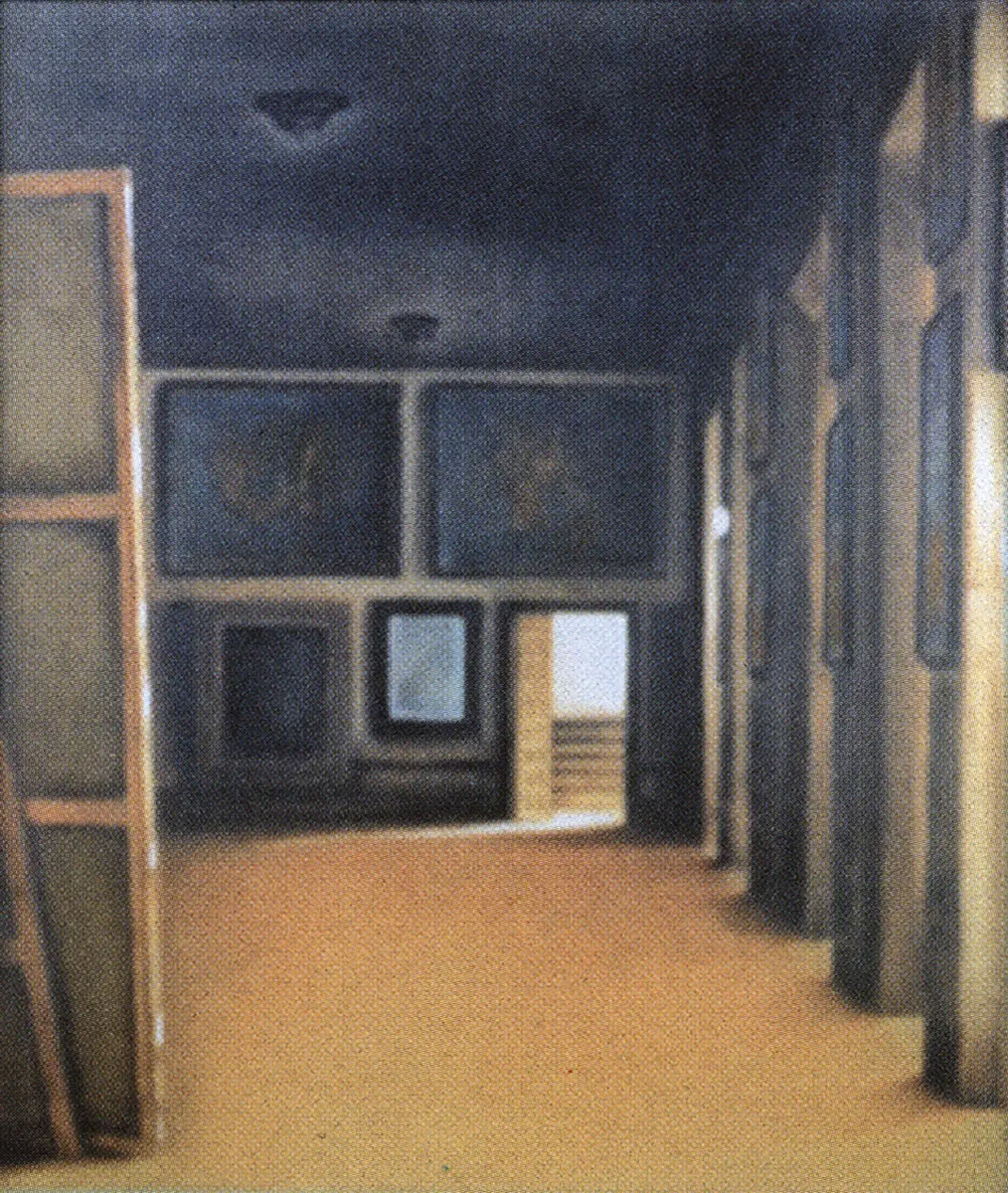
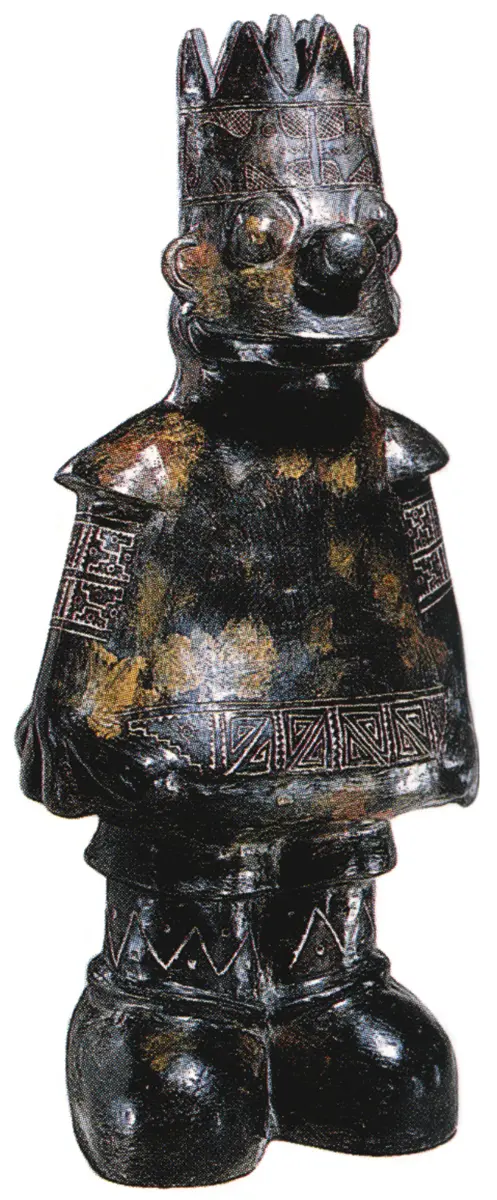
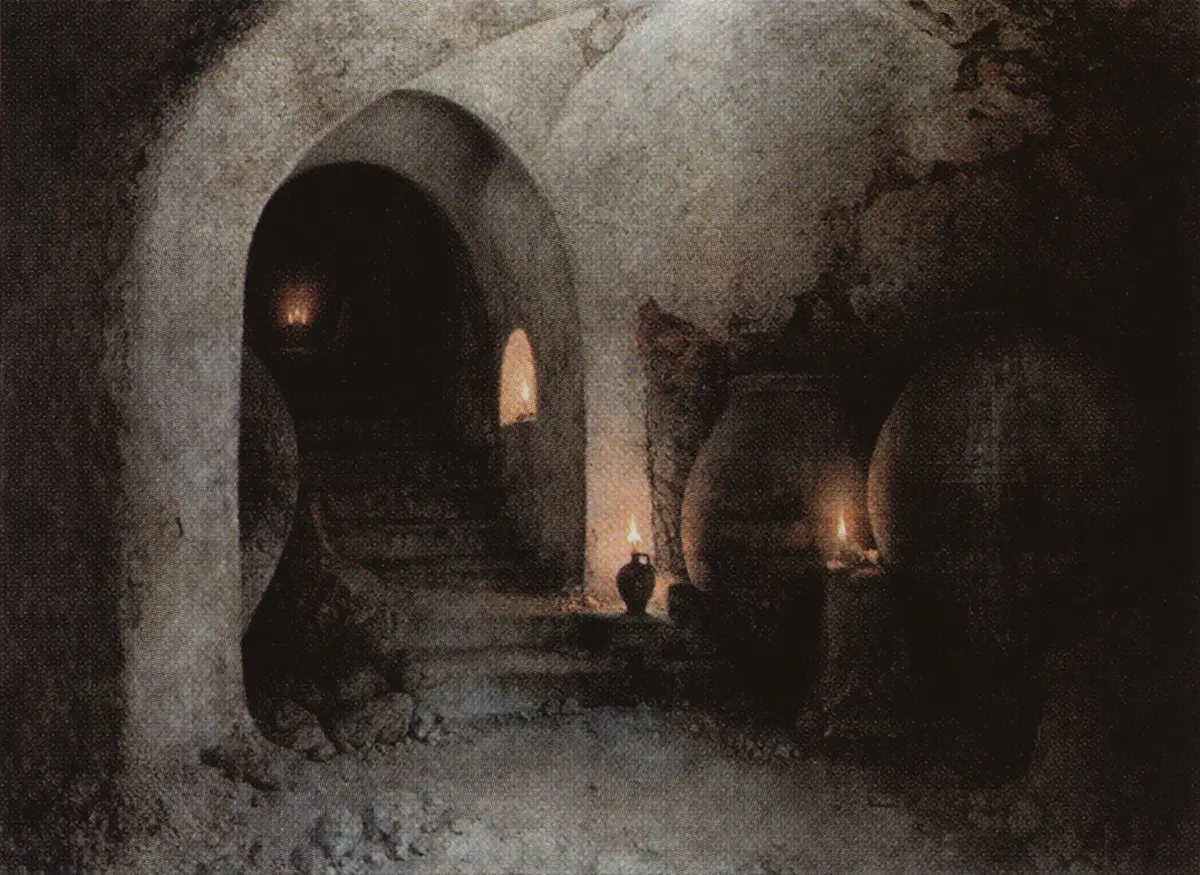
On a final note of optimism, the contemporary works sold well at both houses. Muñoz Vera’s diptych, Interior With Earthen Jars, sold for more than double its estimate at US$ 190,000, a sure proof that the market always has interesting surprises for new talent. The minimalists did very well also. Antonio Dias sold his Abstract in Yellow for US$ 35,000 (estimated US$ 25,000/30,000); Waltercio Caldas did also very well with his interpretation of the classical Velázquez’ Las Meninas, re-titled Los Velázquez. It concentrates on depicting the pictorial space devoid of the personae. It was estimated at US$ 50,000/ 70,000 and sold at US$ 55,000. Alfredo Jaar had a beautiful piece, Coyote, a poignant depiction of border crossing by emigrants, which sold beautifully above the estimate at US$ 22,000 (estimated at US$ 14,000/16,000). Both Tunga sculptures sold, and the golden Peine went for its high estimate at US$ 22,000 (estimate US$ 18,000/22,000). Paula Santiago made her auction debut with an interesting piece titled Guerreros, her construction resembles the delicate clothing of the colonial sculptures of the Christ Child, but in a contemporary-on-the-edge context; she fabricates the clothes with her own blood and hair. It sold for US$ 6,500 (estimated at US$ 5,000/7,000). At Sotheby’s another triumph was scored for Lygia Clark with her elegant and slick Bicho (Em Si) sold for US$ 37,500 (estimate at US$ 25,000/30,000). An important work by José Bedia, San Lázaro, brought US$ 35,000, almost double the price for which it had sold in 1995. Julio Larraz also had a new record when his Partial Eclipse was sold at US$ 181,750. Nadín Ospina closed the evening sale on a good note when his humorous Centinela fetched the high estimate at US$ 15,000.
ALBERTO BARRAL
Private New York dealer. Specialized in the Latin American market.