
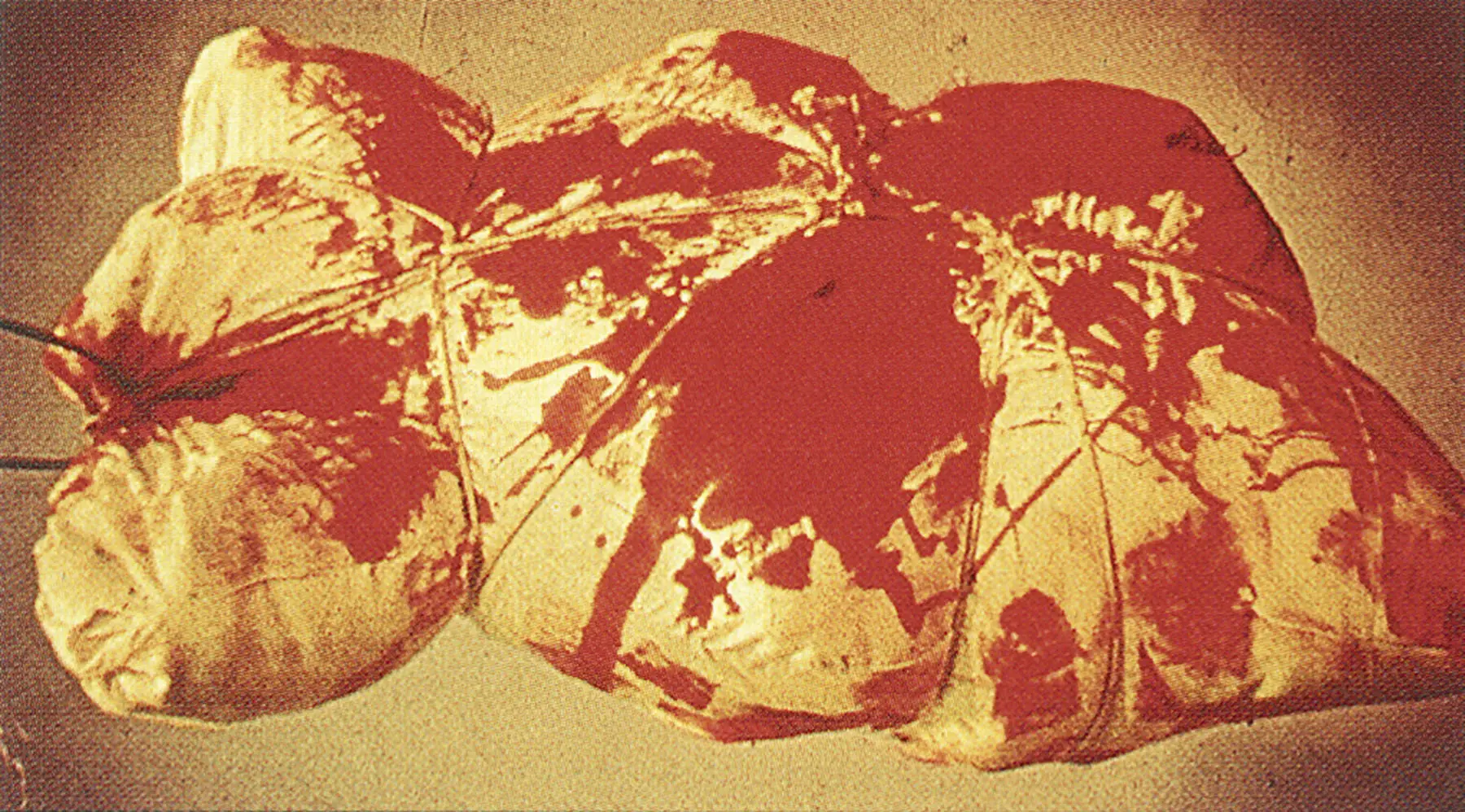
Given the enormous size of this combined endeavor, I will limit myself to considering only the Heterotopias exhibit, noting in advance that all five undertook creative projects that challenged accepted curatorial conventions for modern and contemporary art. These challenges included: a) the notion that European utopic vanguards set the standard for Latin American artists for fifty years and learned nothing from them in return; b) that the completely formalist notions of minimalist art must prevail as an international standard of excellence; c) that Latin American photography is always ruled by documentary regulations; and d) that the introduction of literary themes and concepts into the visual arts is a detrimental practice that gives rise to the constant and nagging accusation that it is too “literary”, and devoid of aesthetic quality as a result. The curators set themselves the task of challenging these stereotypes and, in the opinion of this observer, established a new level of debate for art history, art criticism, and the role of curatorship.
Said to be the largest exhibition the Reina Sofia ever dedicated to the subject of modern and contemporary Latin American art —in fact, the largest of any subject to date (which may be questionable)— Versions of the South opened up the possibility of new parameters for the treatment of, and expectations for, exhibitions of modern Latin American art. From the 1980s on, when modern Latin American art became a primary concern of museums, galleries, and collectors in the “First World”, only one major blockbuster —mounted by New York’s Bronx Museum in 1989 and known as The Latin American Spirit: Art and Artists in the United States, 1920-1970—was conceptualized and controlled by a Latin American director and curators. As a result, both the exhibit and its catalog were outstanding in their presentation of the problematic and aesthetic solutions offered to the world by 167 modern and contemporary artists of Latin America.2 The Spirit show, however, was limited to Latin American artists who lived in or had visited the United States. Versions of the South confirms the fact that opening the curatorial field to organizers trained in the complexities of Latin American history and art history produces exhibitions based not only on superior knowledge but are, thankfully, devoid of primitivisms, exoticisms, and plain ordinary ignorance. It must be said, of course, that such curators are not necessarily Latin Americans, but that they have acquired their knowledge as a result of more time and study than is yielded by a one or two-year whirlwind journey throughout the Americas that is followed by the production of half-baked theories and art histories.
One interesting question that arises is why Spain at this moment in time, in its most prestigious modern art museum, established after the demise of the forty-year Franco dictatorship by the constitutional monarchy, made such a momentous decision to present this exhibition? Could it be related to the incredible challenge projected by Spain’s Supreme Court several years ago against the crimes committed by Chile’s Pinochet dictatorship? Or the extension of that daring legal venture to the torturers and murderers of Argentina’s “dirty war”? Or the recollection of the grim visible reasons? Perhaps what really needs to be considered is the creation in 1999 of the 3000 million pesetas of public and private monies for cultural activities during the years 2000 and 2001, including Versions of the South. Even larger sums of 10,000 million pesetas per year were invested during 1999 and 2000 to restore the buildings of the Prado and the Reina Sofia.
Reading the finer print opens up the possibility of an updated diplomatic policy articulating Spain’s position as a member of the European Union, and its relation to its former colonies in the Americas and Far East. The suspicion arises of a cultural policy with perhaps three objectives: a) a reinforcement of nationalism in a “free and democratic country”; b) an increase in tourists attracted by the arts which have become a worldwide industry; and c) the promotion of alliances on behalf of market resources, especially in “Ibero-America” and the growing “Hispanic” population in the United States.3 These concepts cast a light on the willingness of the Bilbao city government to expend over 200 million dollars to build a franchised Guggenheim Museum. No mistake should be made: the shadowy term “globalization” has never meant the abandonment of economic (and political) domination by the world’s major capitalist powers, and their attempt to re-colonize their own former possessions displacing, if possible, those of subsequent colonizers.
Thus Spain over the last decade, has made mutual pacts with the upper echelons of Mexican multinationals—challenging those of the United States and its tool, the 1993 North American Free Trade Agreement/Tratado de Libre Comercio (NAFTA/TCL). The United States has also been looking hungrily at Mercosur’s South American contingent and the yet unaffiliated states of Chile and Venezuela while penetrating Bolivia and Colombia under the false pretenses of anti-drug policy. Spain is fully aware of these projects, their symbolism through the use of cultural artifacts, and their economic power. It comes as no surprise, for example, that paralleling the Versions of the South project was a small two-room exhibit at the Reina Sofia, featuring a four-hour video of costumed artists’ street protests in La Paz, Bolivia, and huge handwritten wall slogans of the self-proclaimed utopian feminist group, Mujeres Creando. No connection was made between the two projects, one dedicated to “high-art”, and the other to populism. However, the point was made by their co-existence, since both opened on December 12th. If Spain’s attempt to reconcile itself with Latin America during the 1992 Quincentenary celebrations failed among artists, intellectuals, and indigenous peoples of the Americas [if not with governments],4 the turn of the millennium has now offered another opportunity.
Utopias and Heterotopias
According to the Oxford Dictionary, “Utopia” is an imaginary place or state considered ideal, or perfect, especially for social endeavors. Heterotopias are defined by Foucault as counter-sites within which existing concepts are simultaneously contested or inverted. Heterotopic can thus be conceived as the opposition to an ideal. By conflictually absorbing its tangents, or opposites (“heteros”), the original utopian idea is changed by encasing it in its own variations. It becomes dialectically multivalent. The curators of this exhibition argue that while utopias as ideals might have been possible objectives in the 20th century—and indeed many artists believed such—they were inverted, made non-possible, and non-existent since the 1970s when globalization began its first maneuvers.
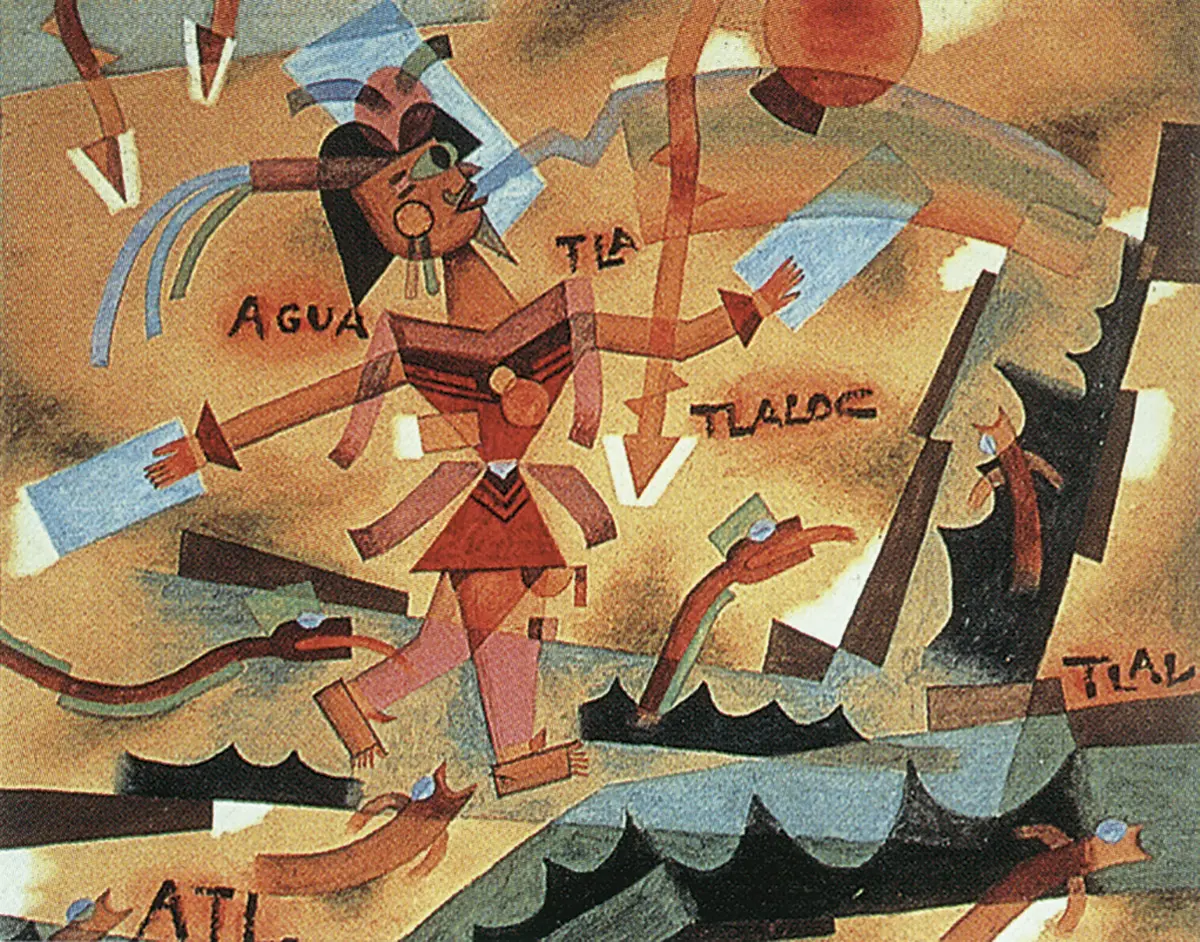
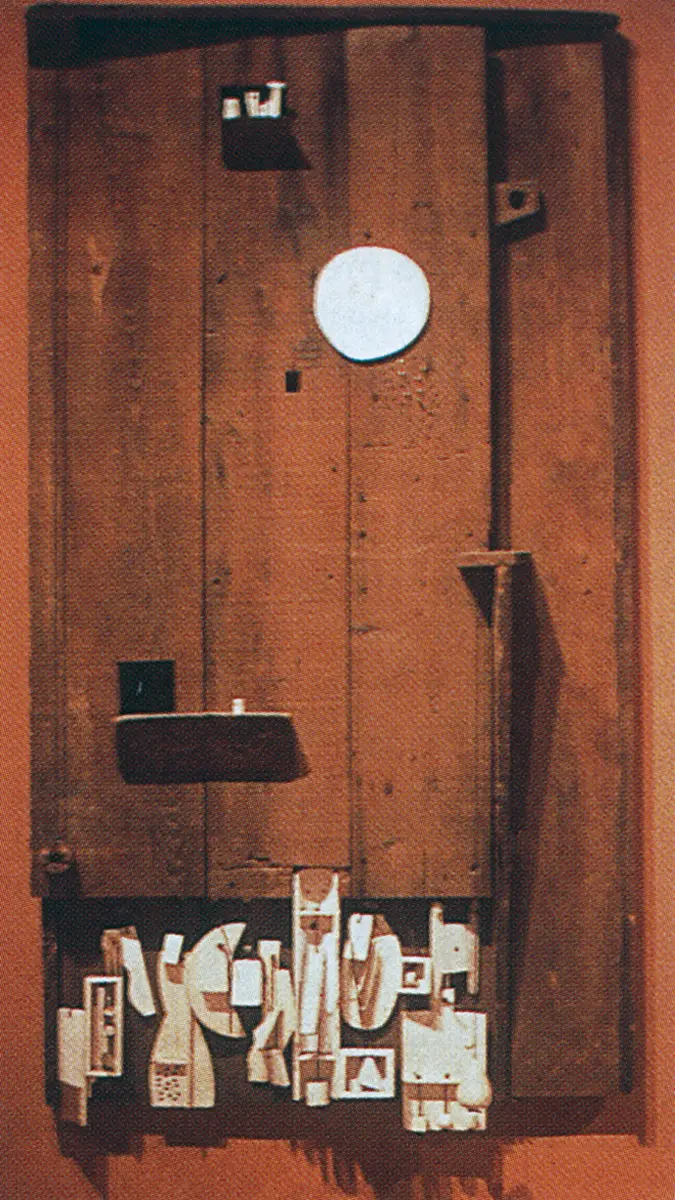
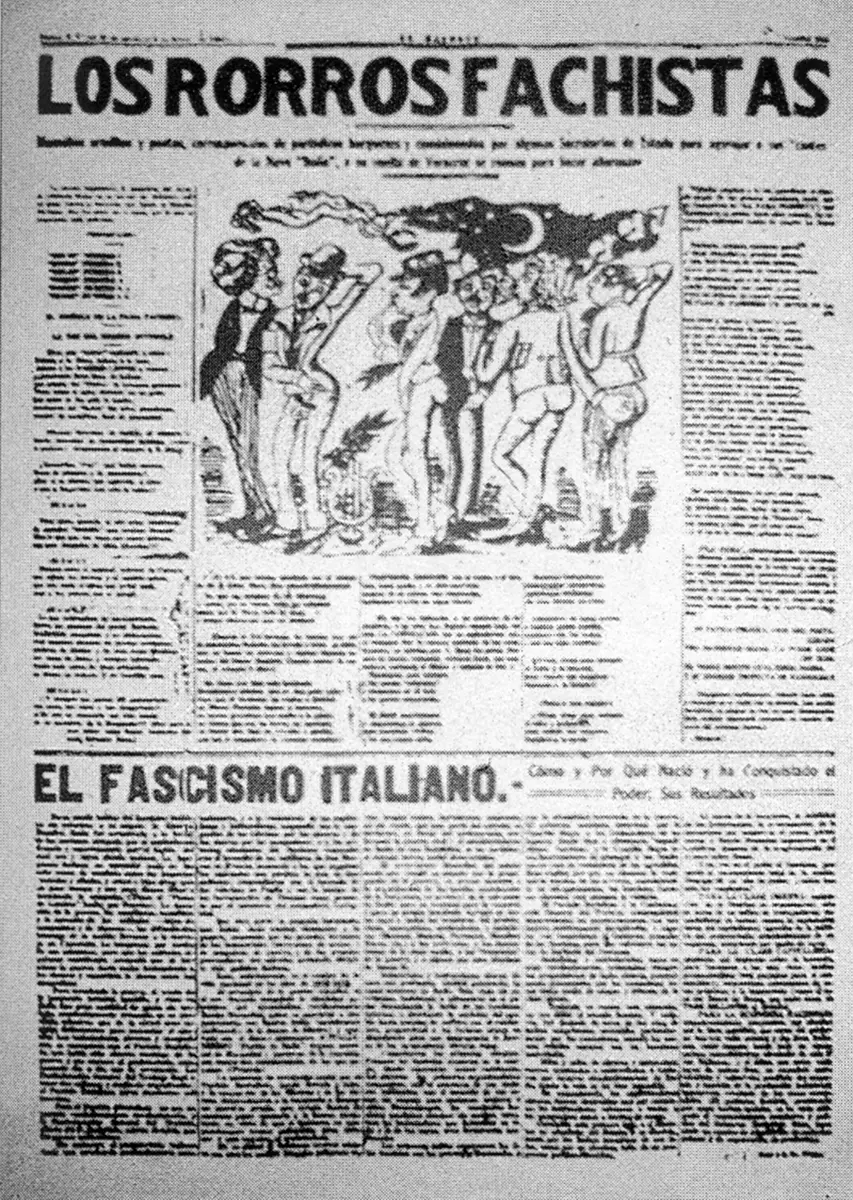
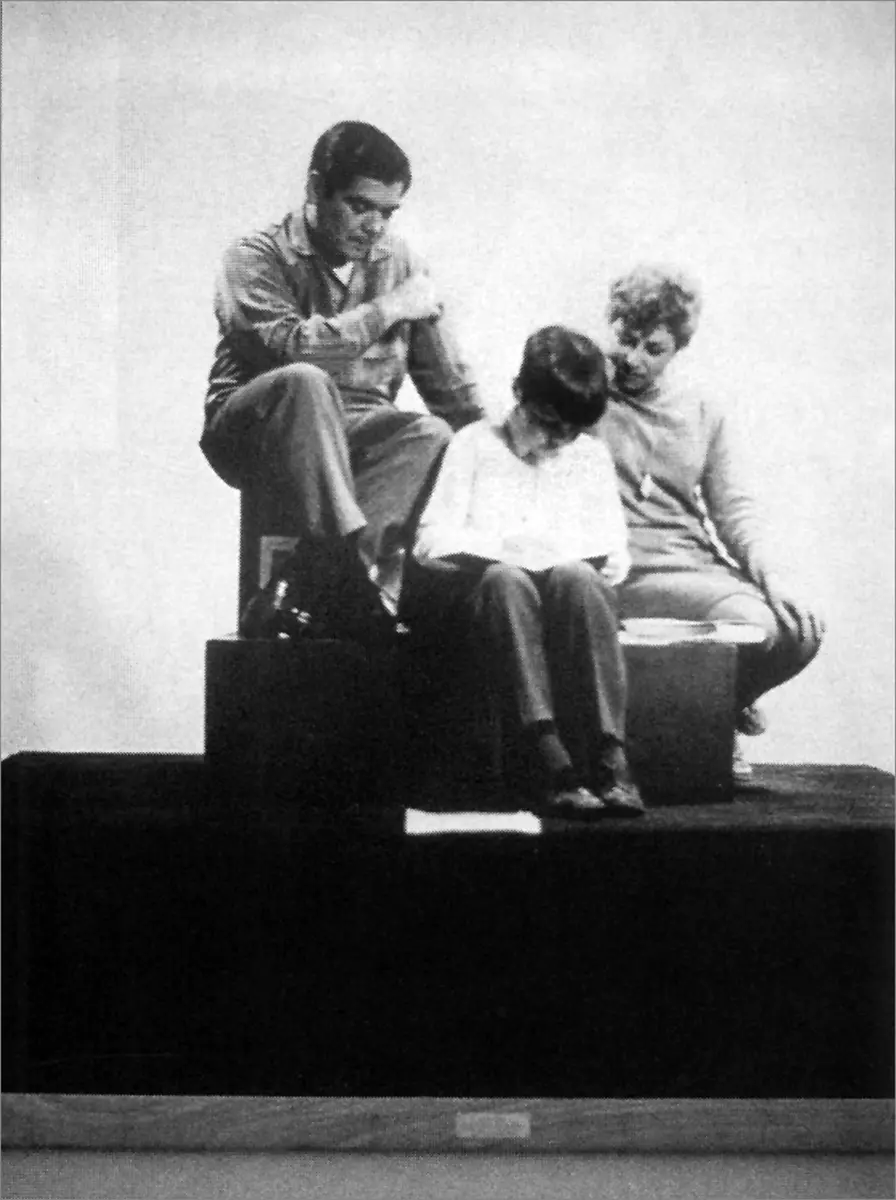
Of the four exhibits opened on December 12th, Heterotopias was the most challenging and thought-provoking project. Accompanied by a large and complex catalog (organized and edited with exhaustive care by co-curator Héctor Olea and containing not only a “constellation” of new concepts but a wealth of documentary material), the exhibition itself covered a panorama of avant-garde movements in Latin America during a period of fifty years. Nine countries—Argentina, Brazil, Chile, Colombia, Cuba, Mexico, Puerto Rico, Venezuela, and Uruguay are represented from the over twenty nations comprising Latin America. Also on display, it should be noted, were the seldom-considered vanguards of Cuba and Puerto Rico. Sixty-three artists were chosen, including many women, as were the groups Arte de los Medios (Argentina, 1960s), Group Madí (Argentina, 1940s), Grupo Minorista (Cuba, 1920s), Grupo Neoconcreto (Brazil,1950s), Taller Torres-García (Uruguay, 1940s-1960s), El Techo de la Ballena (Venezuela, 1960s), Tucumán Arde (Argentina, 1960s), and the Mexican mural syndicate of the 1920s. Presenting the work of groups automatically increased the number of artists considered. According to the curators, the choice of artists was based on their intellectual and artistic vanguardism, not on their current fame or market value. Thus many relatively unknown artists and theoreticians were included, while many big names did not appear.
Bracketed by the two dates —1918, which celebrates an important initiative toward democratizing the university structure of Argentina,5 eventually extending throughout the continent with estimable importance for intellectual freedom, and 1968, a date marked by utopian revolts also led by students and youth throughout the world and especially marked by deaths at Kent State University in Ohio, and Tlateloco, Mexico—, the exhibition sets up its historical parameters. However, the curators pointedly disclaimed the kind of linear historicism long used by Europeans and North Americans to bolster exclusive claims of vanguardism. Instead, they proposed a series of axes, of interchanges marking new concepts in the visual arts reciprocally exchanged at key moments between Europe and the Americas and between Latin American artists and their own art movements.
Europe and the United States have always projected (and unfortunately still do) a one-directional movement of artistic ideas, ignoring, in their colonial manner, their heavy borrowings across centuries, from Asia, the Middle East, Oceania, Latin America, and Africa. Nevertheless, history records that exchanges have been reciprocal, never unilateral. In the same manner that colonizers claimed lands they considered “empty” for their own nations, so they claimed the field of idea. Heterotopias reverses this notion by establishing axes of influence between Europe, the United States, and Latin America, but even more importantly, it underlines the generally unmentioned idea that a vast amount of exchange took place between artists and intellectuals within the Latin American countries themselves over a period of fifty years.
Latin America, as Brazilian poet Oswald de Andrade explained in his manifestos of the 1920s (particularly that of antropofagia, or “cannibalism”), has its own vanguard ideas, and it could “eat” or could reject at will, elements that Europe offered. In the course of internal exchange, whose chronology and artistic vocabulary varied considerably from those of Europe and Euro-America, Latin American artists developed their own aesthetics and concepts which they articulated in a vast literature of manifestos, essays, proclamations, and publications as well as with the artworks themselves. The heterotopic agenda included the printed materials on the walls of their exhibit spaces—thus rejecting the formalist notion of self-contained aesthetics devoid of all content, philosophy, or literary reference—the “white-wall” theory of artistic display.
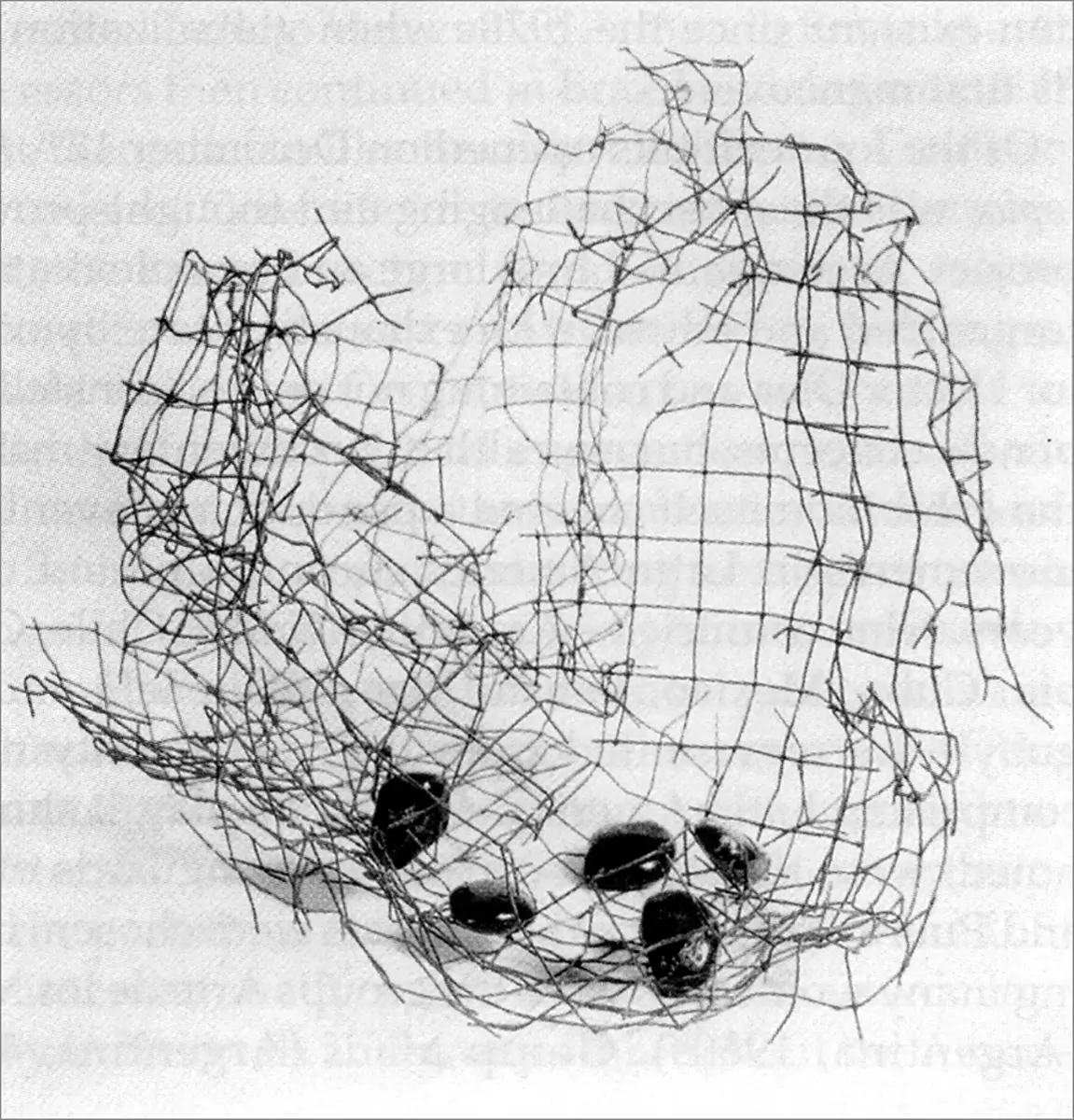
In order to detach Latin America from the dominant European/American model, the curators of Heterotopias established a sequence of seven “constellations”: interchanges that could be viewed as a continuum, as a counterpoint, as a melding of ideas across boundaries and time frames, or as a revival of ideas in new time frames. The curators’ idea was to organize a structure that was not historicist, and certainly not linear; that could be viewed as a continuum, but also as seven independent exhibits, each blossoming around a particular set of concepts. The seven constellations, and their axes, were organized as follows: "Constellation I: Promotional," with a Barcelona-Paris-Mexico City axis, starting roughly in 1918. "Constellation II: Universalist-Autochthonous," with Mexico, Peru, and Brazil as an axis, beginning in the 1920s and 1930s; "Constellation III: Challenge," Buenos Aires-Caracas axis, in the 1950s and 1960s; "Constellation IV: Cinematic," Mexico-Los Angeles-Buenos Aires-São Paulo, from the 1930s to the 1960s; "Constellation V: Concrete-Constructivist," Argentina-Uruguay-Brazil, continuing from the 1930s into the Concrete and Neo-Concrete movements in the 1950s; "Constellation VI: Sight and Touch," employing textures, light, movement and even water, from the 1930s to the 1960s; and finally, "Conceptual Constellation VII" which extends forward from the 1960s, a time of world-wide protests, and political reconfigurations.
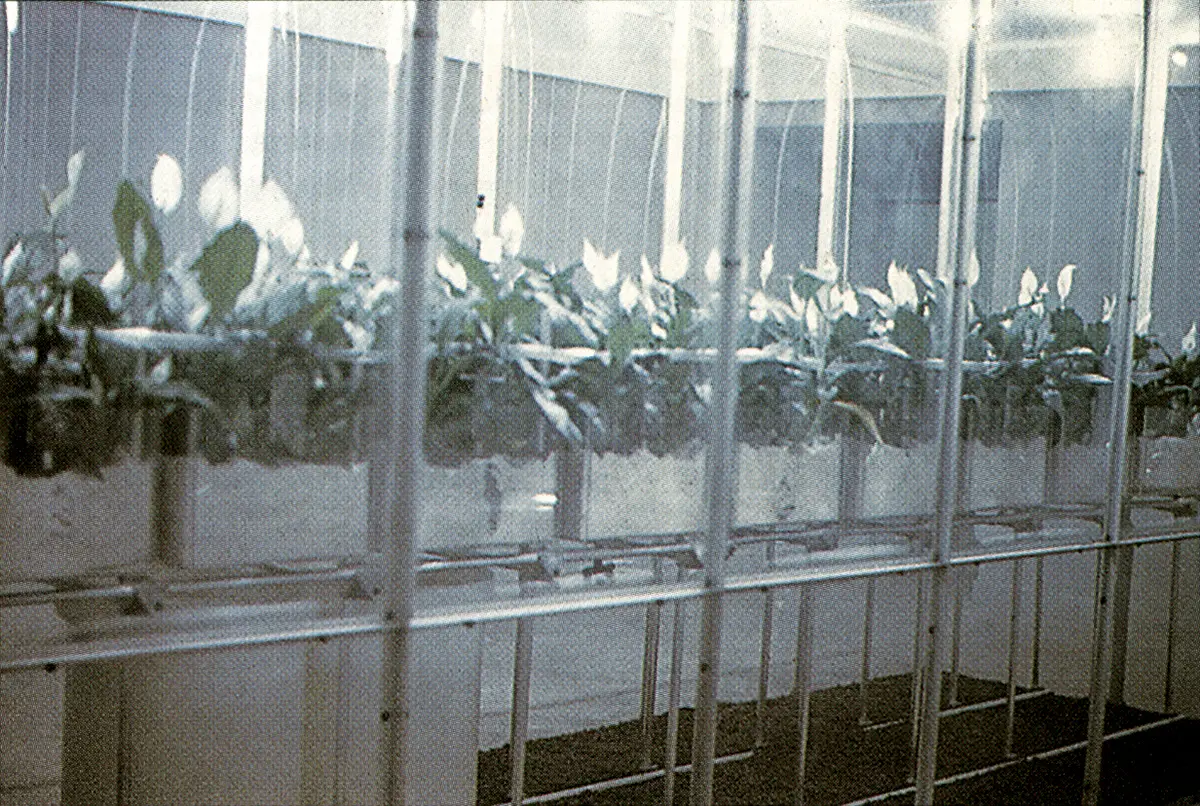
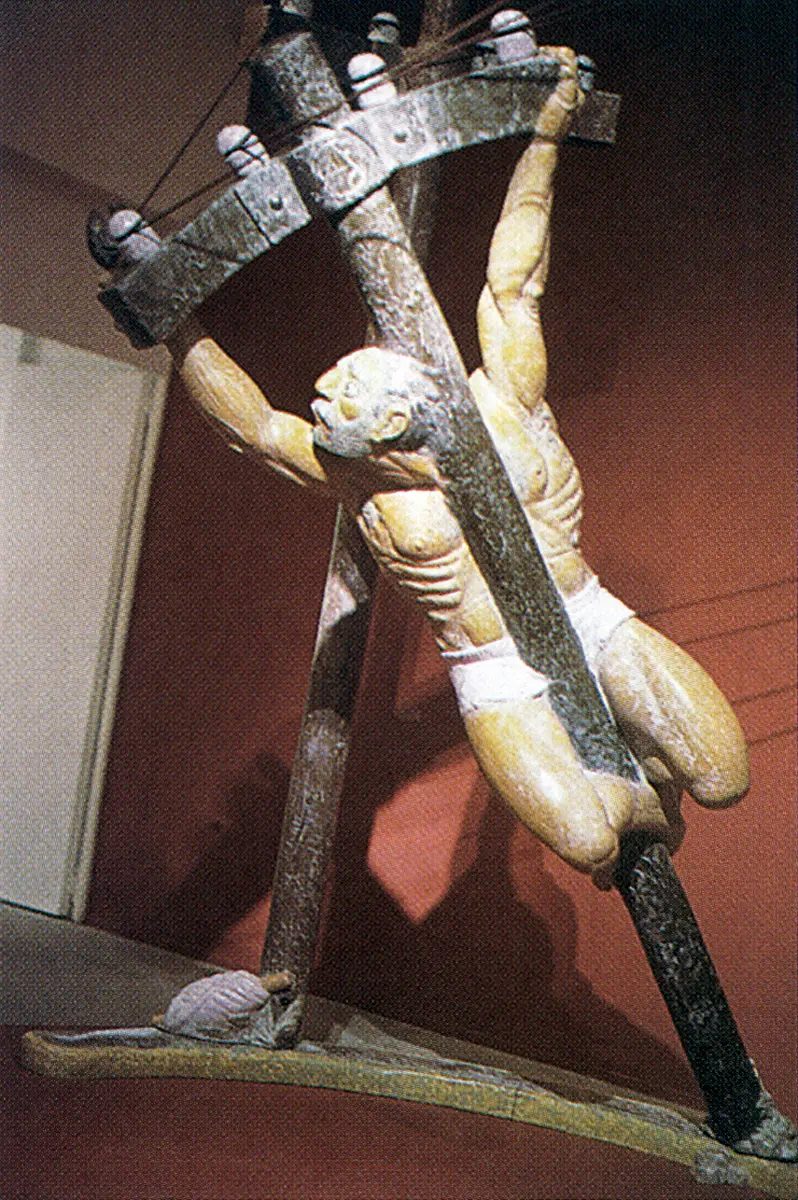
Many of these groupings are so interlinked that, for example, the influence of the Torres-García Workshop, which began in 1934, can be tracked throughout South America for generations. The Social Realist movement of Mexican muralism impacted all the Americas (including the United States) from the 1920s on, reviving in the U.S. in the 1960s with the national street mural movement. The cinematic explorations of Siqueiros from the 1930s are configured abstractly in Venezuela by the kinetic movement of the 1950s and 1960s, overlapping that of the Concrete and Neo-Concrete activities in Brazil and other locations. The Sight and Touch movement can be traced back to Venezuelan Armando Reverón and his successors then continued in Brazil and Argentina. If an artist-theoretician like Brazilian Waldemar Cordeiro can first project Concrete ideas and then proceed to Conceptual art, the same direction could be taken by others throughout South America and by the 1970s, in Mexico. One might also view Conceptual art as a successor to Social Realism in its political engagement but with an entirely new set of circumstances and new artistic languages. Scientific conceptions deriving from space travel, new physical and biological investigations, new sociological configurations, and the discovery of new materials characterized the period. The reversal of the utopian dream in Latin America by a succession of brutal dictatorships linked to the CIA and U.S. covert support in the period marked by the ascendancy of the U.S. empire internationally provoked a critical artistic language by individuals and groups throughout the Americas. Simultaneously, Brazilian artists like Oiticica and Lygia Clark, in their post-Concrete period, proposed new humanizing forms to bring people together, physically and psychologically.
With such limited space to discuss an exhibit of the magnitude and complexity of Heterotopias—to say nothing of the additional four exhibitions which not only shared some of the same artists but also the controversial posture and reinvention of existing art history—only the most minimal review is possible. The catalogs of these five exhibits, therefore, should appear in the stacks of every serious art library so the new arguments can be assimilated into present considerations about modern and contemporary Latin American art. The blending of literary, philosophical, and political sources, as well as manifestos, artists’ publications, and declarations are of inestimable value in offsetting the stripped-down formalist concepts that have dominated modernism since the beginning of the 20th century. The moment of amalgamating Latin American art in its own terms into global art history seems to have begun and, by so doing, opens the door to the art of the entire “Third World.” The tired arguments about the “third-rate” quality of such art, about how it has “lagged behind” Western modernism, are still being propagated. There is no reason why non-European countries must abide by the chronologies and styles of the very colonizing Europeans who nourished their own modernisms from African, Asian, and American sources.6
NOTES
1. Octavio Zaya is a New York-based Spanish critic, curator, and editor who, with his brother Antonio, has been active in publications and exhibits in the Canary Islands for a number of years. Both brothers served with ARCO, the Madrid-based art fair in 1997 and 1998. Zaya is listed as General Coordinator for the Versions project, and doubtless as supervisor of the Amor and Basualdo projects—the New York-based young couple just emerging on the international scene.
2. Others not so well conceived would include Hispanic Art of the United States: Thirty Contemporary Painters and Sculptors, (Houston, 1987); Art of the Fantastic: Latin America, 1920-1987, (Indianapolis, 1987); Images of Mexico, (Dallas, 1988); Latin American Art of the Twentieth Century, (Seville, Paris, Cologne, New York, 1992); Mexico: Splendors of Thirty Centuries, (New York, 1990), and even the catalog of the ambitious exhibit Art in Latin America: the Modern Era, 1820-1980, (London, Stockholm, Madrid, 1989). The latest is Ultra-Baroque: Aspects of Post Latin American Art, (San Diego, Calif., 2000).
3. Press packet, España: Nuevo Milenio, issued by the Reina Sofia Museum, 1999. It should be recalled that Spain entered the “art fair” market early on, including an ambitious scheme to publish information about Latin American art and Chicano artists of the United States (the latter researched by the author) under the title Arcodata Latinaomericano which never appeared.
4. See Shifra M. Goldman and Luis Camnitzer (eds.) “The Columbus Quincentenary and Latin American Art: A Critical Evaluation”, Art Journal, 51, no.4 (Winter 1992).
5. Luis Camnitzer, New Art of Cuba, Austin: University of Texas Press, 1994, pp. 142-144.
6. See Thomas McEvilley on African art, “Toward a Creative Reversal”, Art in America, 89, No. 1 (January 2001): 41-45, 124.
SHIFRA M. GOLDMAN
Art historian and researcher for the Latin American Center and the Art History Department at the University of California, Los Angeles.