
New York City’s two annual art fairs opened simultaneously in February, attracting the international art world for five days of endless art openings, parties, lectures, and spectacles. Together the Armory Show 2001, a venue for the latest in contemporary art, and the Art Show, a more traditional exhibition of modernist and contemporary work, are becoming increasingly influential, and are poised to compete with Art Chicago as the annual U.S. site for viewing and purchasing important works of art.
Originally a cutting-edge, 30-gallery display of new art held at the Gramercy Park Hotel in 1994, the Armory Show has evolved into a global affair involving nearly 170 of the world’s leading contemporary art galleries. By 1999 the fair had outgrown the hotel-as-gallery format and moved its location to the 69th Regiment Armory (from where the show derives its current name, as well as an obvious reference to the celebrated 1913 Armory Show). This was followed in 102 ArtNexus 2000 by a move to the Jacob J. Javits Center. Though the scale of the fair has grown exponentially, quality has not diminished and in fact remains unusually high. What was most striking and made this year’s show such a success was the amount of new work exhibited by living artists—a welcome relief for the biennial and art fair weary.
As has been the trend, artists are devoting an increasing amount of energy to photography, photography-related media, and sculpture. Large-format color photography was especially pervasive and represented by such artists as Miwa Yanagi (Almine Rech), Massimo Viitali (Arndt & Partner), Erwin Wurm (Art: Concept), Doug Aitkens (303 Gallery), and Charlie White (Andrea Rosen). Wim Delvoye’s (Galerie Micheline Szwajcer) computer-manipulated images of mountainsides with chiseled messages taken from personal classified ads were highly entertaining while also presenting a more serious critique of individualism and capitalism.
Of interest at Galeria Nina Menocal was a video/photography piece, En el aire, by Gustavo Artigas. The series documents an intervention that took place in front of the Fototeca de Cuba during the Seventh Havana Biennial. Participants were asked to play with a toy airplane while wearing headphones tuned to Artigas’ Pirate Radio Station, which broadcast original black-box recordings of airplane crashes. The work functions on several conceptual levels and suggests a commentary on uncertainty, chance, and loss of control.
Also at Galeria Nina Menocal were new works by Carlos Amorales. His photographic series, Kramer vs. Kramer, takes an imaginary look at the network of memories and emotions experienced by his father during his parent’s divorce. Oblique angles, unusual cropping, and in some images saturated all-over color suggest the fragmentary aspects of memory, conceived with an edgy and contemporary photographic sensibility.
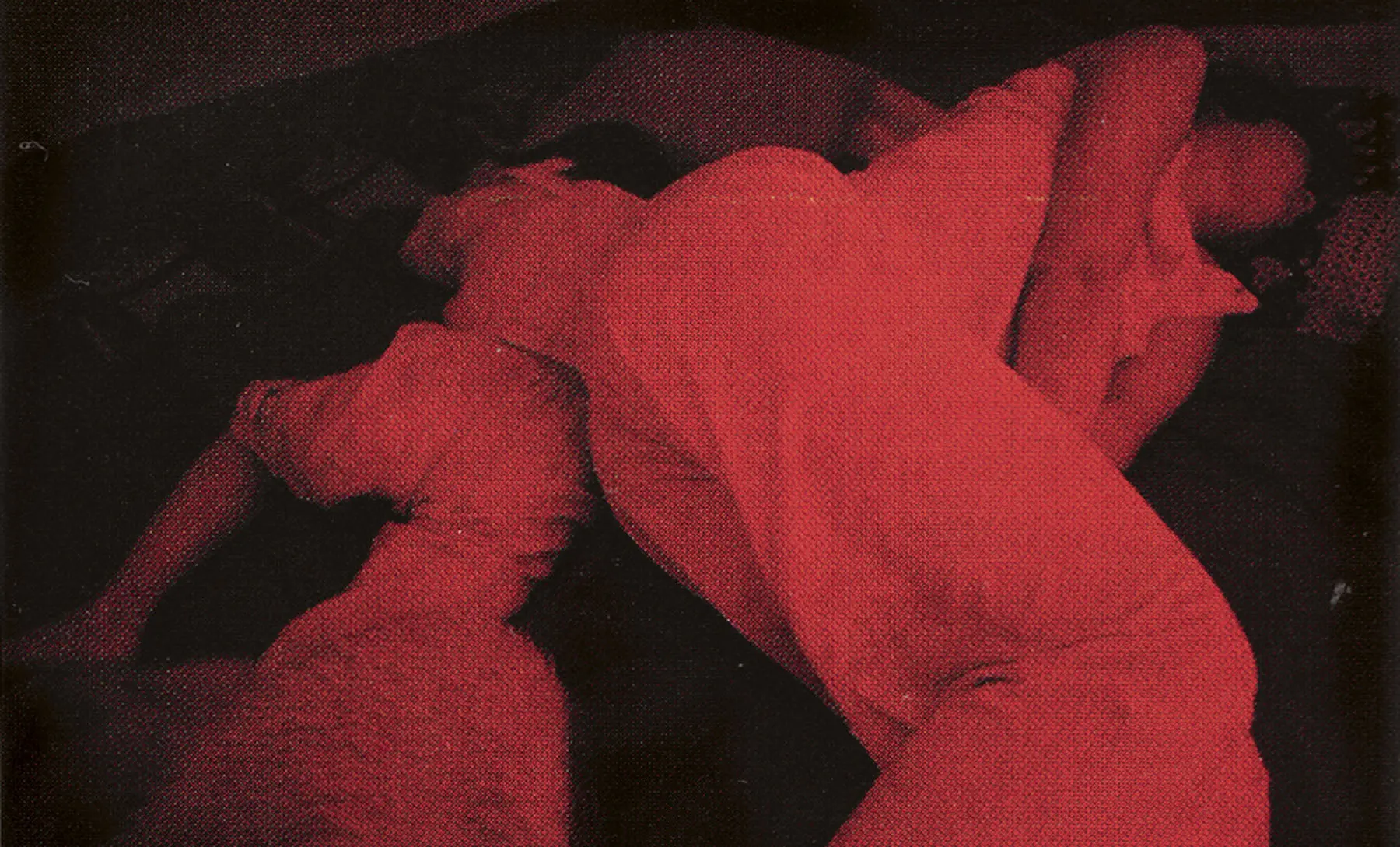
New sculptures by José Damasceno and Valeska Soares were on view at Galeria Camargo Vilaça. Damasceno’s, Hammer Blow, a cluster of readymade hammers attached directly to the wall, has a Duchampian feel that is both irreverent and whimsical. Soares’ piece, Beijo—a beautifully constructed glass sculpture filled with honey-colored perfume oil—is a thoughtful meditation on human relationships, interdependence, and desire. Large-format, computer-manipulated photographs by Rosângela Rennó from her Red Series, incorporate early twentieth-century found images of adults and children in military regalia digitally transformed into ghostly, red monochromatic portraits.
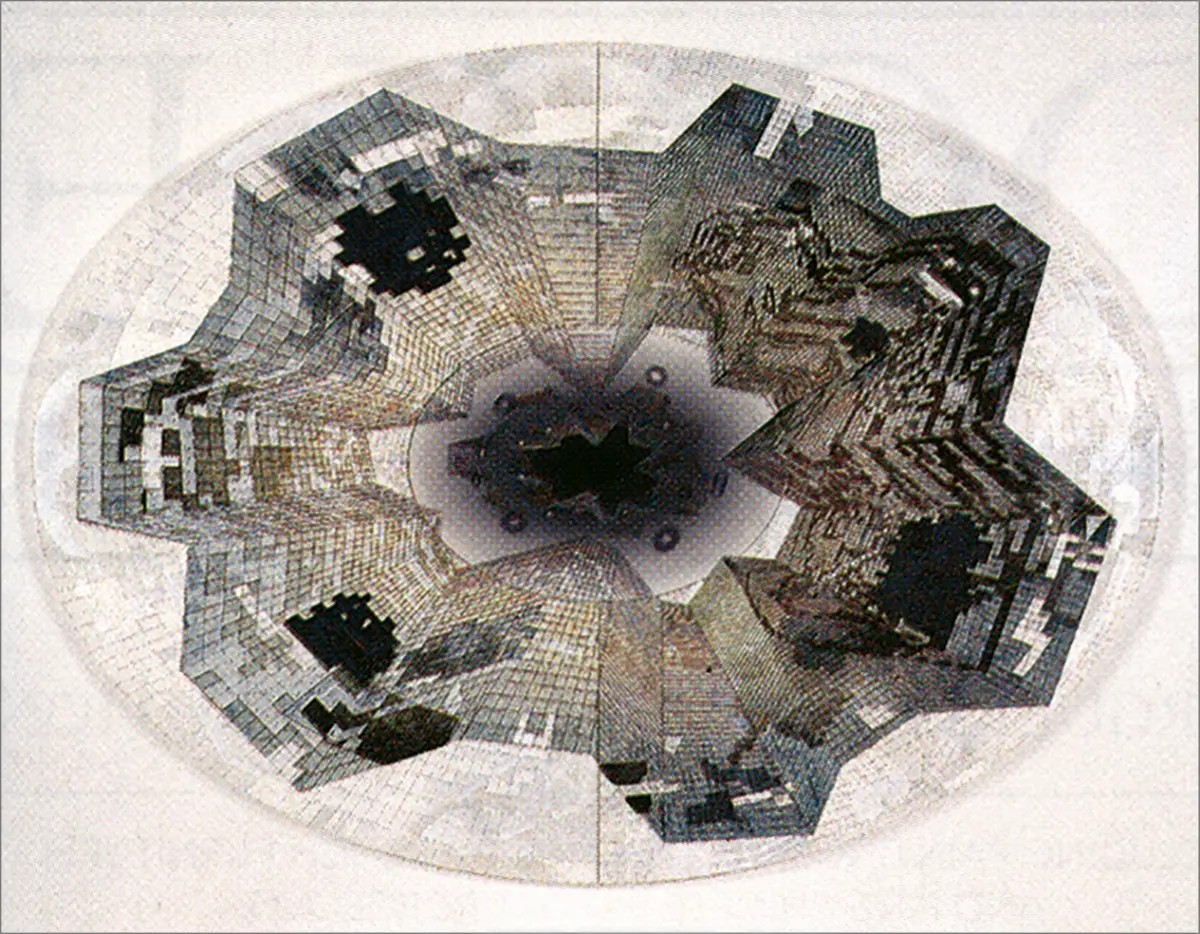
Operating in the intersection between art and science, Pedro Barbeito (Lehmann Maupin) represents phenomena such as stellar births, black holes, and chemical interactions in pixilated paintings of gem-like quality. Barbeito uses a variety of technological sources and media, producing a rare and unusual tension between his wholly rational content and the sensuous quality of his painting. His oval canvas, Spaceland, both advances and recedes tricking the eye through technical, virtuosity while making visible that which is normally imperceptible to human vision.
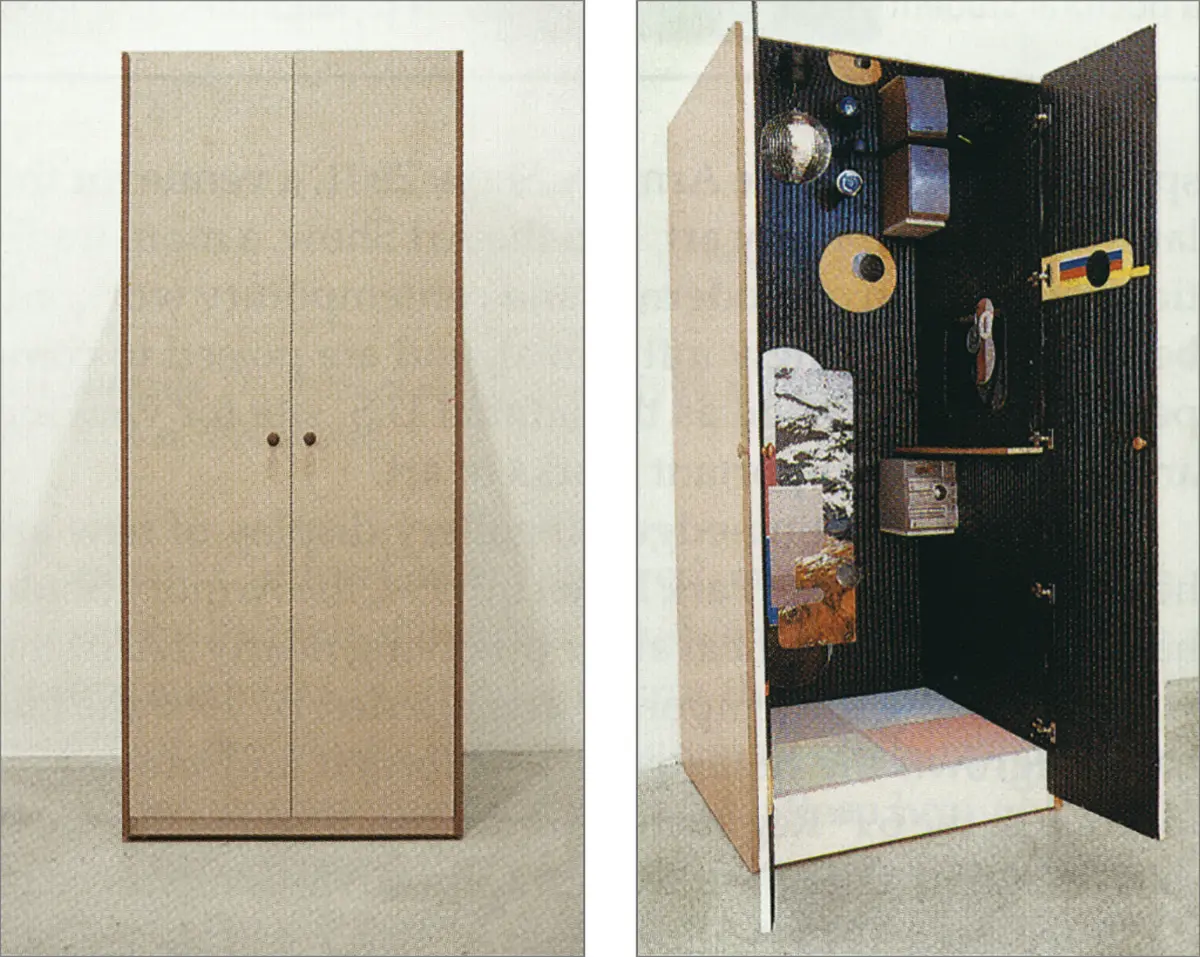
A clever and entertaining installation by Bernhard Martin, Single Disco (Whisper Club), at Spencer Brownstone Gallery turns public spaces into private experiences. Concealed within a closet-like structure is an artificial world of music, flashing lights, a disco globe, and mirrors. Standing alone in this chamber is both strange and yet somehow exhilarating. Other works by Martin include an exotic dance club, and a private beach—spaces where voyeurism and eroticism are carnally linked.
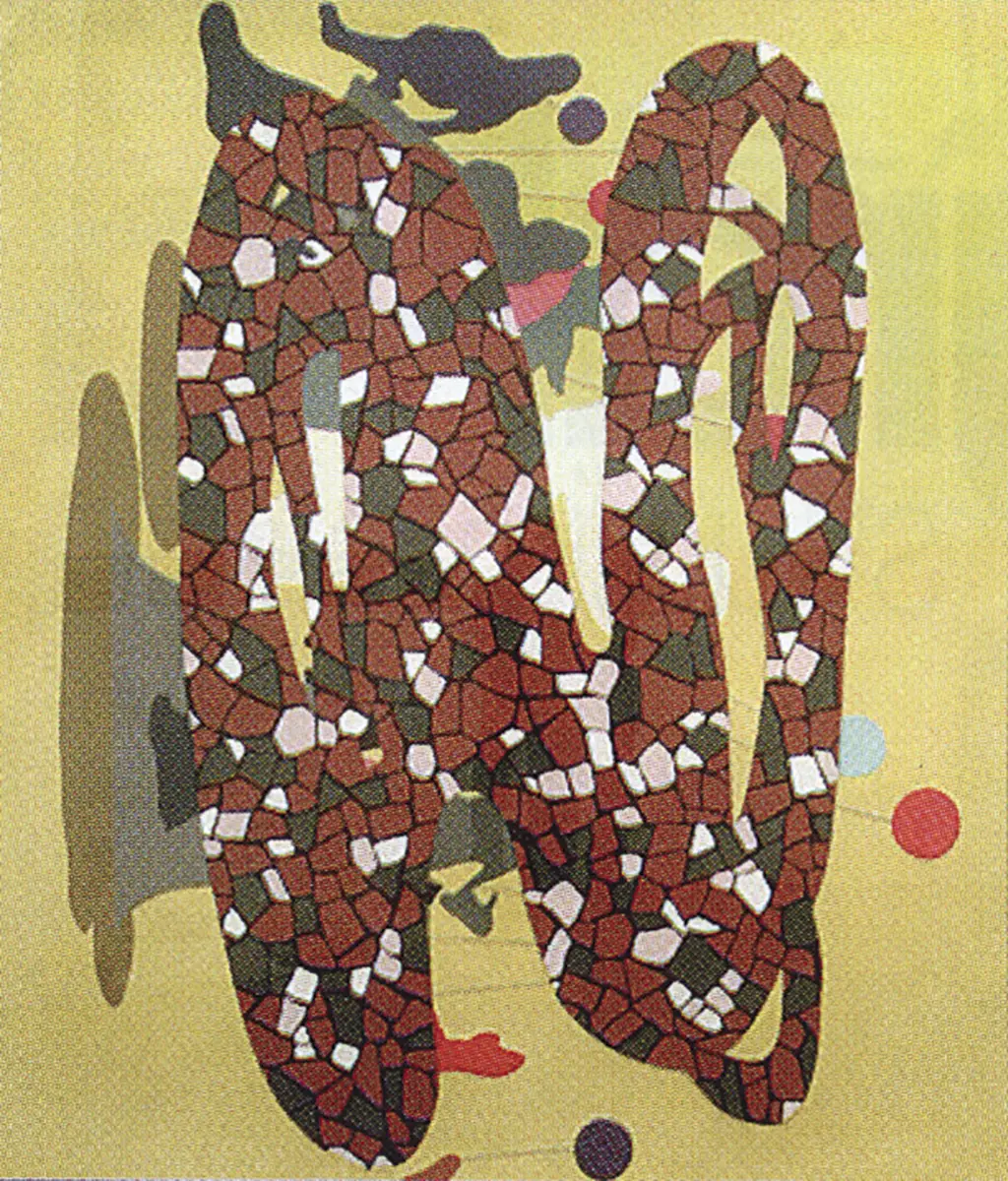
It is important to note that of the enormous number of galleries participating in this year’s Armory Show, there were only two Latin American galleries represented. Interestingly many artists have transcended the epithet “Latin American” and have become more mainstream. Artists such as Ernesto Neto (Bonakur Jancou), Vik Muniz (Brent Sikkema), Arturo Herrera (Brent Sikkema), Guillermo Kuitca (Sperone Westwater), and Gabriel Orozco (Marian Goodman), are part of a group of artists whose international status defies easy geographical classification. Time will tell, however, if the lack of Latin American galleries at the Armory Show was a result of disinterest on the part of the galleries themselves or a more serious exclusion on the part of the fair’s Jury Committee.
The 13th Annual Art Show, in contrast, was a more sedate and manageable affair that focused largely on modernist artwork from the secondary market. A total of 70 dealers were represented with a surprising number of galleries actually participating in both fairs as a way of maximizing exposure. Unlike its younger and hipper counterpart, the Armory Show, which focused on more technologically oriented media, the Art Show was replete with historical drawings, paintings, and sculptures. Important modernist works by Max Ernst (James Goodman), Willem de Kooning (Allan Stone), Lucio Fontana (Vivian Horan Fine Art), and Ellsworth Kelly (Matthew Marks) are indicative of the fair’s highbrow tastes.
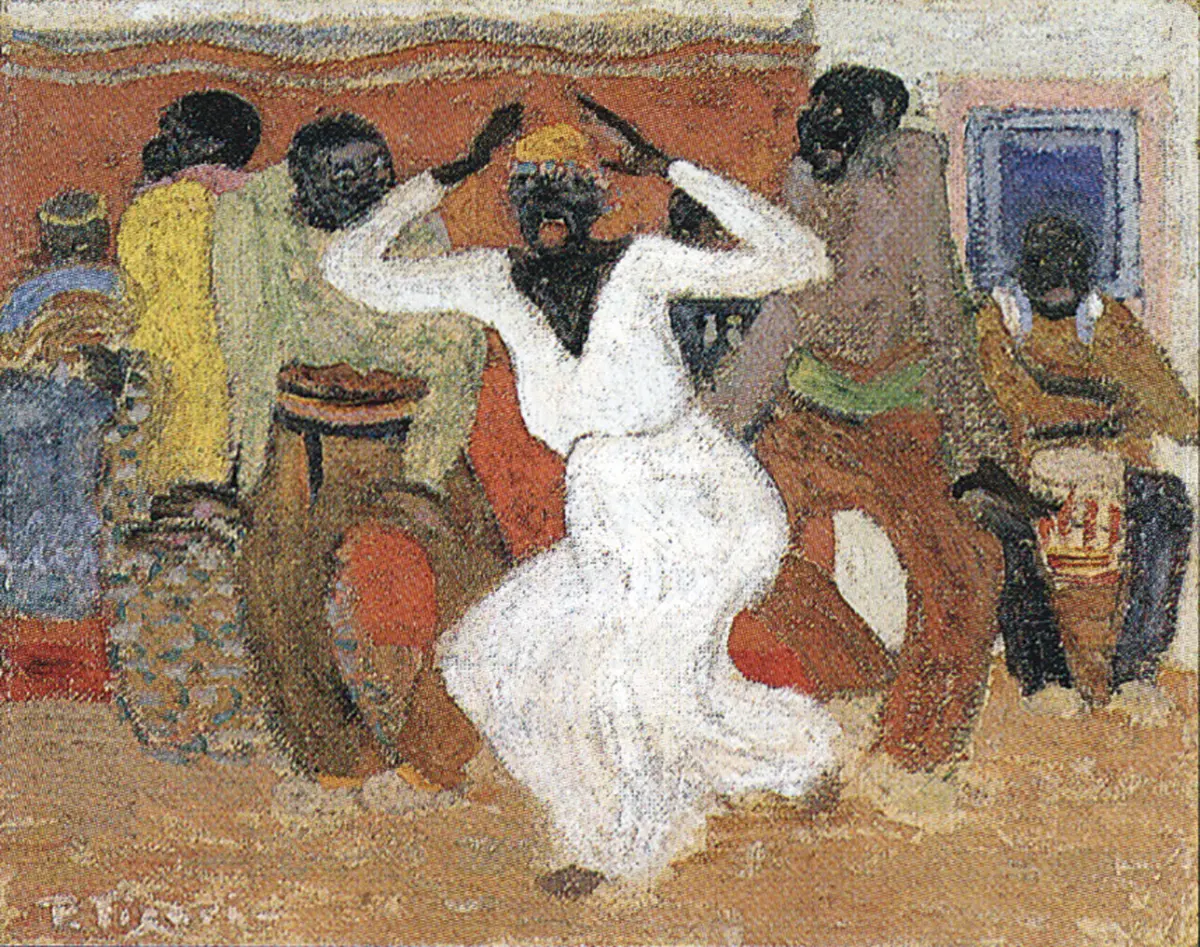
CDS Gallery showed a number of museum-quality works by Latin American artists, including an exquisite painting by Pedro Figari depicting a Condomblé ceremony with an orisha-possessed Baiana. Also noteworthy was a beautiful gouache by Wifredo Lam, Le Baiser from 1939, and a small colored-pencil sketch by Joaquin Torres-García, Drawing, of 1940. Other exceptional works include Diego Rivera’s, Portrait of Guadalupe, (Mary-Anne Martin Fine Art), a powerful image of Rivera’s second wife Guadalupe Marin, and Rivera’s La Gran Reconstrucción a small-scale cubist piece painted during his years abroad.
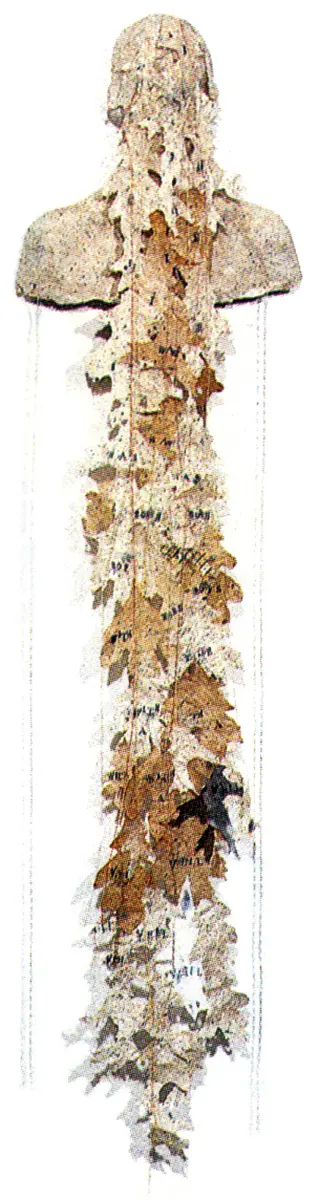
As for more contemporary work, Lesley Dill’s delicate and psychologically charged hanging sculptures at George Adams Fine Art, Richard Pettibone’s paintings celebrating Marcel Duchamp at Curt Marcus, and Robert Gober’s conceptual sculpture, Two Doors, at Zwirner & Wirth, were notable standouts. Tunga’s wood and copper column, Exogenous Axis (Bete Jobim), at Luhring Augustine, employs the sensuous contours of the female body to create strong and powerful sculptural forms.
For all of the talk about the collapse of the dot-com market, and the uncertain plight of today’s economy, spirits remained high throughout the weekend. We can only hope that the art market’s recent success continues, fueling the sustained support of museums, the production of new and interesting works of art, and ultimately the support of the artists themselves.
CHARMAINE PICARD
Art critic and candidate for the Ph.D in Art History at the University of Chicago.