
I shall say it without sounding very provocative or boastful (for there is nothing more ridiculous than the boastfulness of victims): I have always hated official, institutional, and statutory things. Judging by the warm signs of reciprocity that I have always received from such instances, I believe that I can also speak of a mutual sentiment, of a harmonious and prolonged incompatibility. Their environments, attitudes, language, and philosophy make me sick. I imagine that it is something that happens to a lot of people, without having to be a criminal or a delinquent.
And the thing is that, in any of their multiple manifestations, official things remind me too much of the judicial, the military, the police, which are its most highly representative embodiments.
I have the conviction—I do not doubt that it is perhaps a bit too exaggerated—that the official worlds, whichever they may be, are more engaged with prohibition and exclusion than with freedom, for they deal with worlds full of norms, of limits, of conventions largely imposed by the same social, political, moral, and aesthetic obligations and “missions” that they try to fulfill, and they always leave very little margin for spontaneity and the participation of others. The rigidity that characterizes this authoritarian vocation of service also comes to turn them into hand-tied worlds, slaves of themselves, and perhaps worthy of pity.
Unfortunately, I have never had the naivety nor the patience (nor the mercy) needed to wait, like that character from Kafka, for the Law to open its doors one day and to allow me to enter: I know beforehand that it is not going to open them. Or not enough. Or it will do so only to show me what is stipulated, what is pertinent, what is historically opportune, what is politically correct, and what at each moment is good for the nation. Thus, whenever my curiosity wishes to know if there is anything more on the other side, I simply push the door. When the door has behaved like a wall or it has made me suspect that I shall waste my time, I go around back, I snoop around the backyard, I search the surroundings, the periphery, the suburbs, the spaces that the Law neither organizes nor protects. It is in those small gardens where I generally feel most at home, most comfortable, most at ease. Perhaps because that is where I have the greatest probability of finding some of those few natural, wild shoots that have still not been touched by the hand of the gardener or by the sharpened knife of the pruner.
And that is precisely what I did during the 7th Havana Biennial. Snoop around, prowl about, and wander through some sites far from the two castles, far from the central tent. The official section of the event, with its possible virtues and defects, will thus remain beyond the frame of these comments. I could make an attempt, but the idea of criticizing something that seemed worth criticizing does not even seduce me. I would find myself obliged to rehearse false gestures and to feign an interest that I really do not have. I vaguely recall having entered many obscure cubicles, having drawn many curtains in order to discover, with great difficulty, very puny mysteries, the majority of them electronic. I recall my vain attempts to deduce what country the artists belonged to or at least to understand whether the curators had considered all additional information to be superfluous. Things like that. Logically, this type of recollection does not make for a serious chronicle. I prefer to use my space for commenting on that which gave me great pleasure.
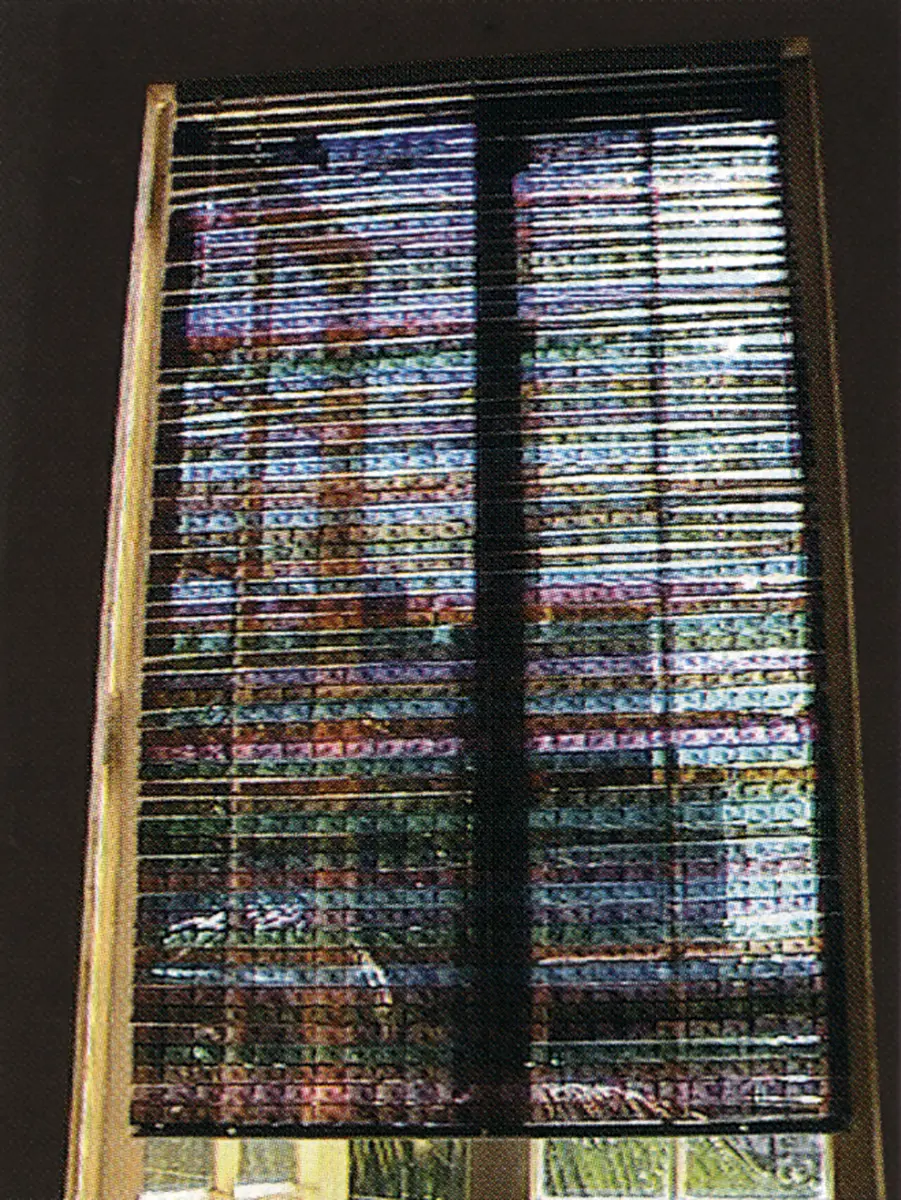
The four most attractive points of the exhibition area that I included on my own tour were: 1) the now traditional Espacio Aglutinador, an undisputed pioneer in these extra-official attempts, this time with the group show Permanecer (Remaining) and Coco Fusco’s performance piece El evento suspendido (The suspended event); 2) the welcoming house-studio-gallery of artist Sandra Ramos, inaugurated during the days of the Biennial with the show, Vidas paralelas (Parallel lives); 3) the uncommon and comforting show, Esta es tu casa, Vicenta (This is your house, Vicenta), organized and produced by Pamela Ruiz; and 4) the show created by the popular artist Bernardo Sarría in the food stand where he works.
In Aglutinador, the small and apparently nostalgic group show Permanecer went beyond gathering “fetishes” and “souvenirs” of Cuban art from 20 years ago. With a decidedly archeological passion, it was able to reconstruct and even resurrect fragments of a time that hopefully will never become classic. The act of activating and inoculating “old” yet still efficient uproars in the awareness of contemporaneity, or of recovering forgotten or even marginalized or censored artists (as was the case with Chago Armada), has been one of the most applauded feats of this space for over five years. The current exhibition, which gathers a group of letters, gifts, invitations, photos, sketches, and objects created by artists like José Bedia, Flavio Garciandía, Gustavo Pérez Monzón, Glexis Novoa, and Enrique Silvestre, among many others, also served to show something that, unfortunately, always remains outside of the public eye, something that the artificiality of art itself always ends up concealing, confusing, and destroying: the real, true, and private contents of the sensitivity of the artists, who are also able to make things without importance, “for the sake of it,” without pretensions, without the control of external demands and inducements. This last message, perhaps not fully explicit, seemed very pertinent to me in these times of bothersome externalisms and managerial and commercial planning. The praise of “things without importance,” of intimacy, of individuality, of the private world (which, in this case, included the conservative and even sentimental gesture of the very collectors or possessors of the prizes), is always a stimulating message for those who feel hurt by not only the exaggerated weight of state-run things in all corners of life, but also the weight of intellectual demands to which artistic activity is habitually subjected.
The Vidas paralelas show had nothing to do with Plutarch’s old book, but rather seemed to be inspired by the title of a catalog that has become a decisive influence for a good number of Cuban artists in recent years: Visiones paralelas: artistas modernos y arte marginal (Parallel lives: modern artists and marginal art), corresponding to a show organized by the County Museum of Los Angeles and later shown at the Reina Sofía in Madrid. The catalog tackles the complex relationships between modern and contemporary art of the so-called marginal artists or “outsiders.” Although the approach of many Cuban creators to this type of source not involved in the cultural orthodoxy has referred, in the majority of cases, to popular artistic productions more than to creations with a properly psychotic, penal origin (which is what the terms point to preferentially), it seems to me that the gesture reveals a growing and worthwhile distrust toward the conventional mechanisms of “cultured,” professional artistic mentality, and a discovery of the creative energy and the powerful imagination developed by the popular classes. This marginal culture, misunderstood and manipulated by the official culture, has always been presented as an ethical and aesthetic alternative for all of the vanguards. The show focused on this relationship from a more operative angle that was better adjusted to local realities: "During the ‘90s, many artists directed their work toward the difficulties on the island, which were often tragic. In the early twenty-first century, with minimal evidence of a change, many artists have developed within their works new survival strategies. Attitudes of resistance and challenge have been developed which do not directly tackle the problems of daily life, but rather create inner worlds. Individuality is seen from the perspective of professional artists as a means of reflection or a shutting in within the intimate or within nature. On the other side, art created by self-taught artists in the project allows many of them to escape from their social or personal problems as a therapeutic means of self-confirmation."
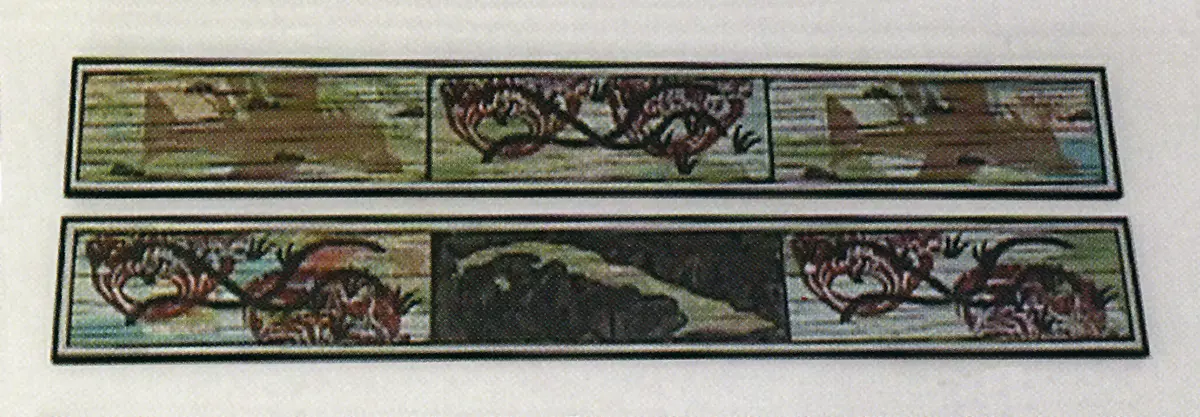
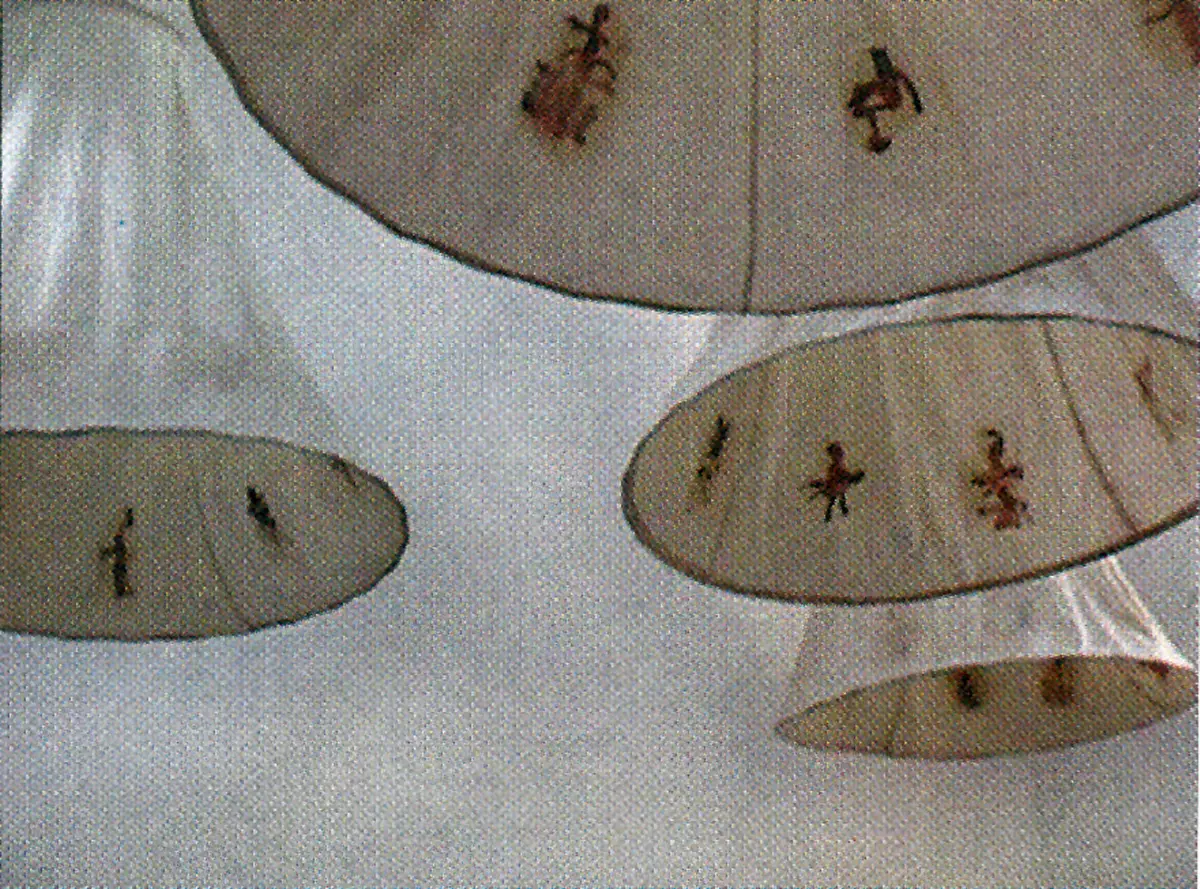
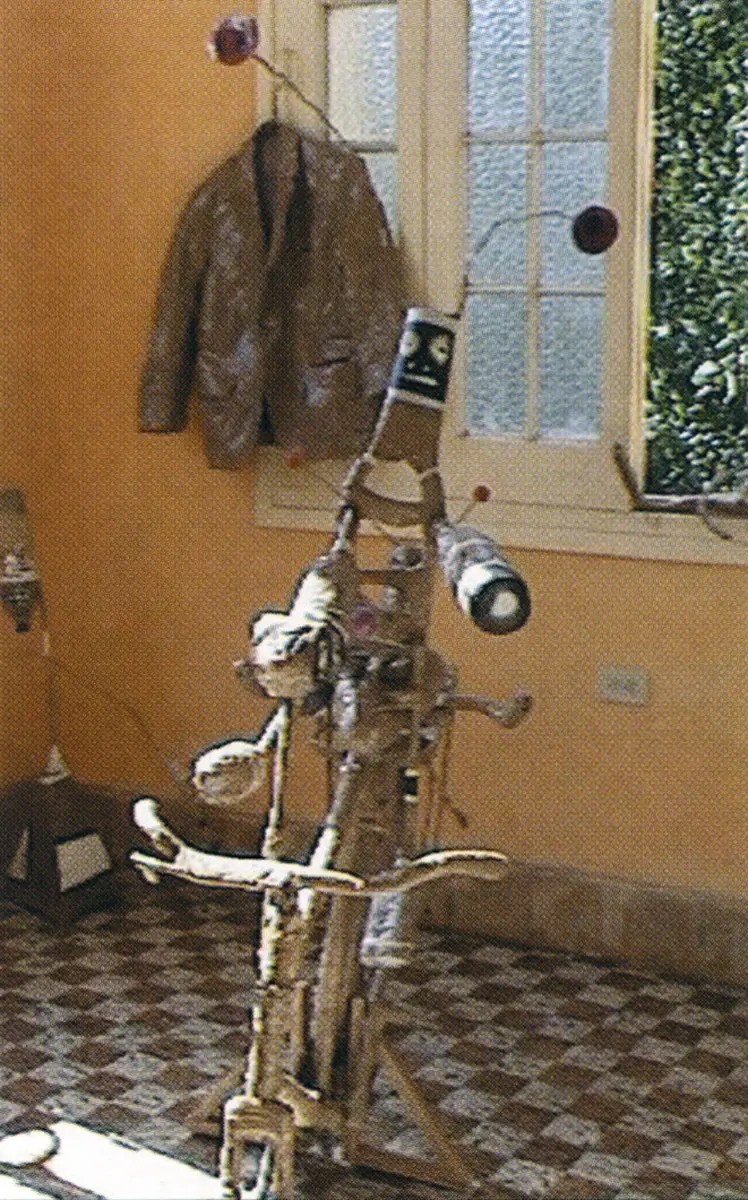
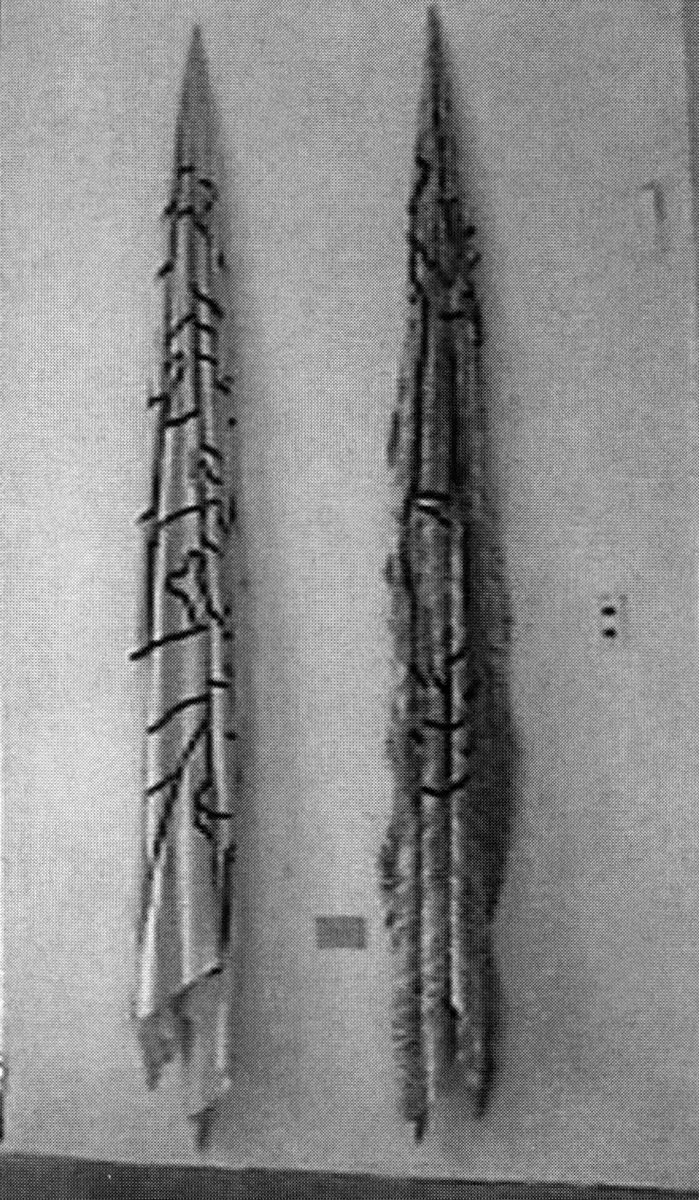
Operating under these assumptions, a group of artists belonging to the vanguard of professional art, outstanding among whom are the now renowned Sandra Ramos and Ibrahim Miranda, as well as Alfredo Ramos, Antonio Núñez, Ricardo Elías, and Australian Richard Thomas, shared the space with two interesting and unknown self-taught artists, Hortensia Gotario and Ricardo Orta. Along with the interesting proposals of the rest of the artists (I especially recall the “maternal” bell-shaped skirts of Antonio Nuñez’s hanging installation, their delicate irony regarding authority—and repression which adults practice in the education of their children), these works by Hortensia Gotario and Ricardo Orta constituted—at least for me—a true main course. Gotario’s El Tunel (The tunnel), of a “permutable” profession, occupied the stairwell with a large sample of drawings where she seems to have poured out each and every one of her intimacies, her desires, her memories, and her fears, through an insistent and obsessive drawing. La familia feliz (The Happy Family) by Orta, a known seller of artistic materials, is an installation formed out of fragments of his old bicycle, anthropomorphized and covered with tape, next to which the artist himself had been strolling that afternoon dressed in an extravagant suit also made of tape, and with his usual straw hat.
But, in my opinion, it was not necessary to justify those new strategies of spiritual survival using as an argument the eventual therapeutic use of art among representatives of the popular sectors, or their unforeseeable and fantastic character, since the art of these sectors also frequently reflects and denounces its difficulties and problems quite sharply, as the art of the professionals did and continues to do. Nor much less was it able to take precautions against possible accusations concerning the lack of commitment or escapism in order to delve into “inner worlds.” Recovering or safeguarding the inner worlds, fantasies, desires, and dreams has always been a totally legitimate mission in art, especially when the artist feels that those worlds are threatened. Actually, I do not believe that a more honest and useful commitment than this exists. Therefore, it would be a worthwhile reaction in the face of the abusive, rhetorical, and non-critical thematization and banalization of our problems carried out by some of our artists, apparently due more to stylistic inertia than to opportunism. I think that, in this case, the fact of having shared the desire to explore those inner spaces on equal terms with the popular artists was sufficient, especially before the unusual and lamentable fact that this Biennial, demonstrating the same apparently supra-classist elitism that affects many cultural institutions (overly concerned with integrating into “postmodernity”), did not include any popular artist in its selection. This omission is shocking if we keep in mind that the National Prize of Plastic Arts 2000 has just been awarded in all fairness to the master Ruperto Jay Matamoros. Apparently, the motto uno más cerca del otro (nearer each other) which the Biennial posited came to confirm an accurate observation stemming from popular wisdom: mientras más cerca... más lejos (the closer… the further away).
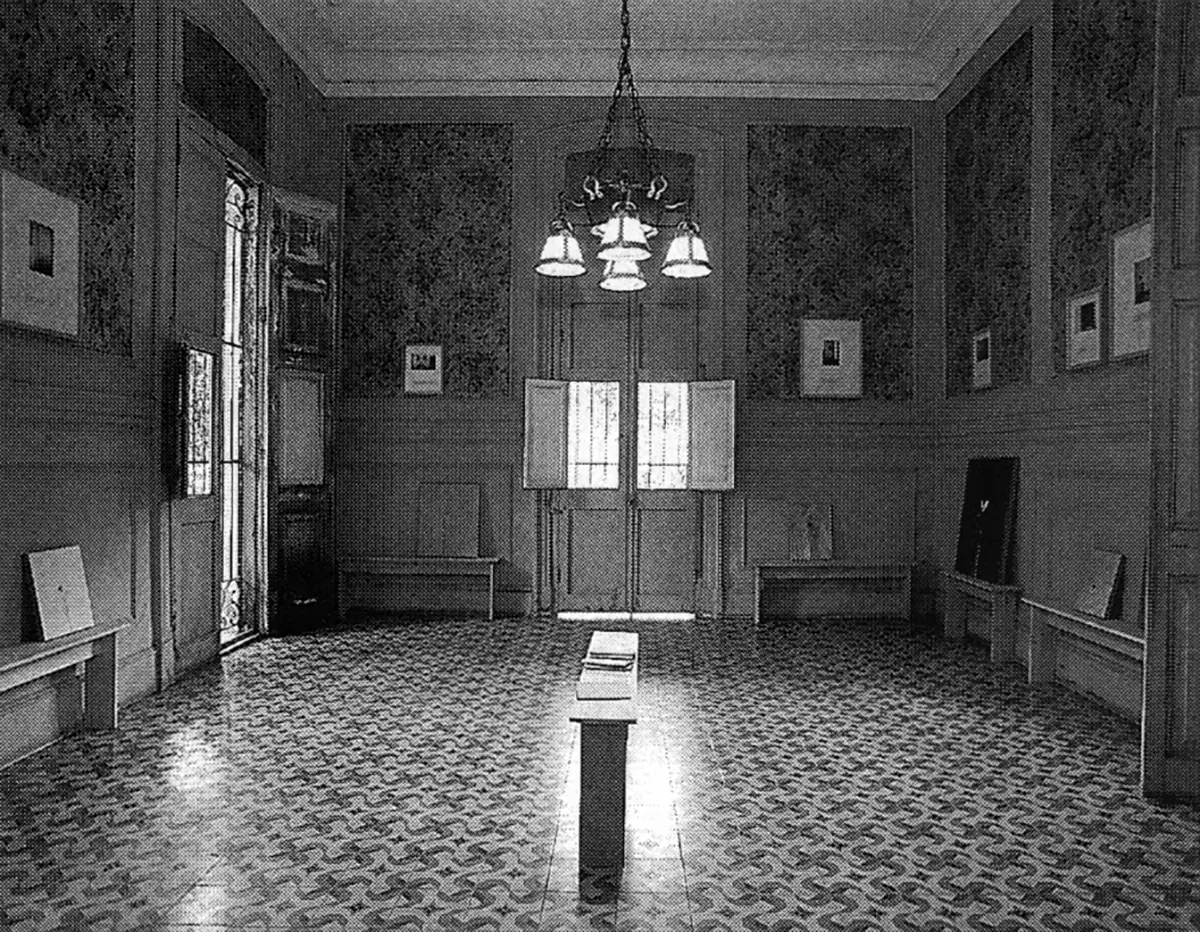
Esta es tu casa, Vicenta (This is your House, Vicenta) was the show that I found most attractive of all those that I saw during the Biennial. And I have no reason to conceal this opinion. It was the freshest and clearest and the one that chose for its location an ideal, privileged site: a beautiful caserón that lay in near ruins, with all of the mysteries typical of a haunted house, although this was a totally real house, with its frying pans in the kitchen and its shoes next to the bed. Its owner, Vicenta Aguila Borges, who has lived in it for over half a century, not only generously offered her home, but was also an essential part of everything that took place there. Her house worked like an enormous sound box that was able to maintain and mix, in a stable and uninterrupted fashion, the strange vibration that emanated from the works, from the conversations, and from the gazes, making the space seem to extend pleasantly in all directions, like a sort of visual music or something like that.
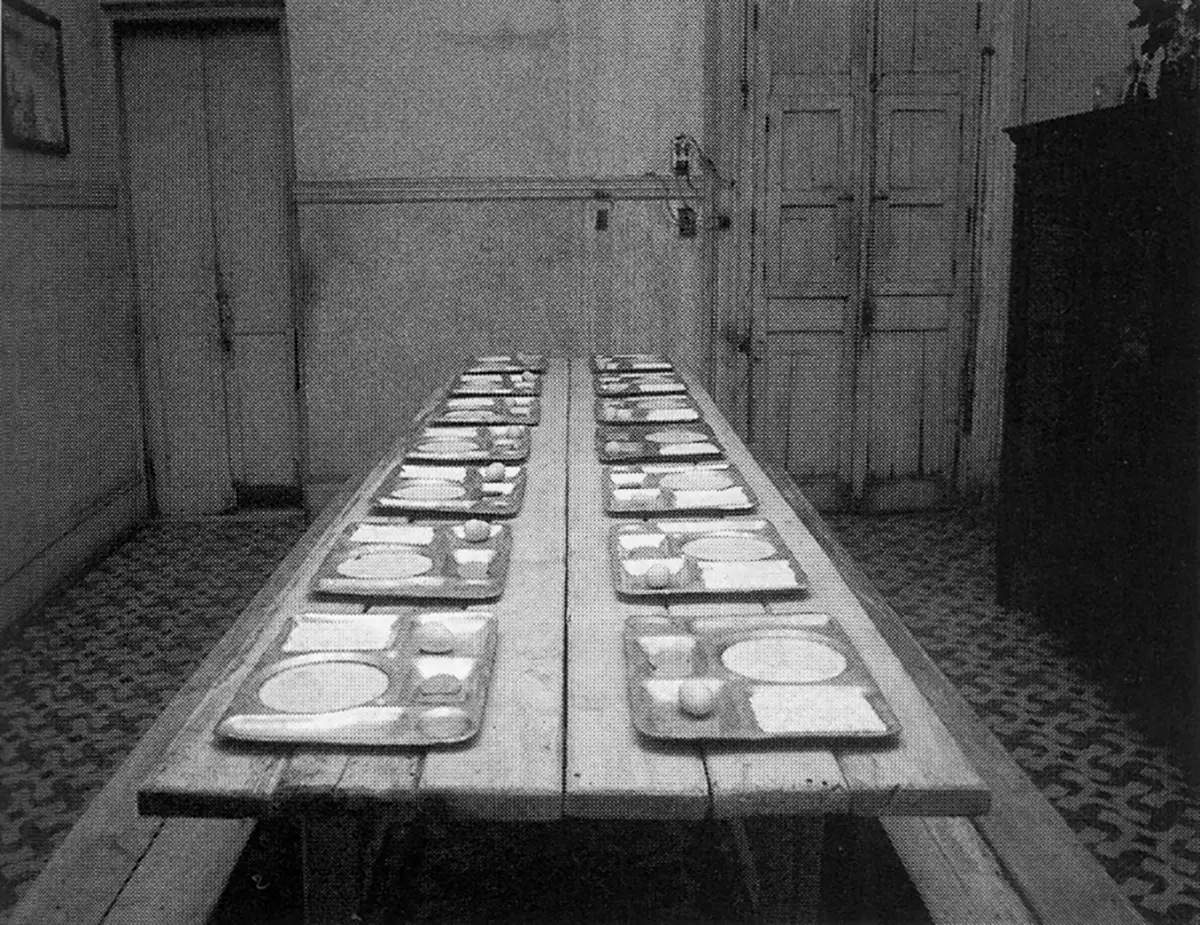
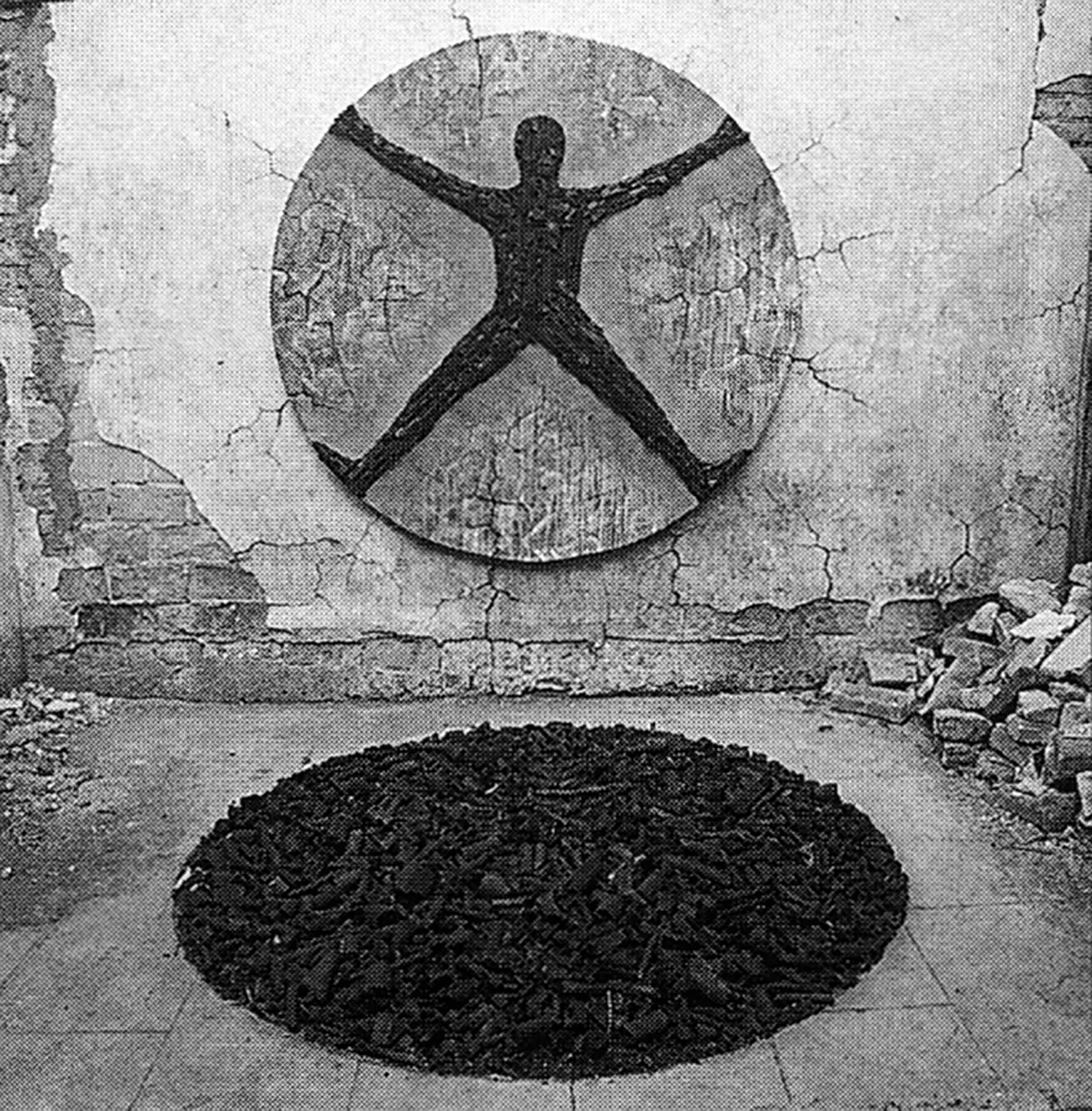
I have rarely enjoyed anything as much as this. Its success did not depend on a previous conceptual, curatorial, or museographical elaboration. The spontaneous and unplanned nature of it seems to have been its secret weapon, its trump card. It was the show that had the fewest preconceptions, and the fewest compromises, which seemed like a great advantage to me. Organized with the boldness typical of the parvenus, but with sufficient experience in similar events, Pamela Ruiz (who has been a producer in the fashion world) gathered seven artists with no other goal than that of offering them an opportunity to show their works. No big deal, right? But usually, nothing else is necessary. Regarding the museographic organization, the works themselves were deciding and occupying their precise spot on their own. The only thing that Damián Aquiles, Alberto Casado, Ángel Delgado, Ernesto Leal, John Morton, Ezequiel Suárez, and Kerstin Zurbrigg had in common was the fact that they were all artists, and each one exerted that right freely. Aquiles with his “glowing” coals, Casado with his brightly colored papers, Delgado with his “succulent” soap trays, Morton with his beheaded saints and his strange photos, Zurbrigg with her meticulous museological fantasies, Leal with his synthetic messages, and Suárez with his enjoyable and popular video Egis (Aegisthus). No additional theme or concern united them. The catalog contained postcards of the works of each artist and an illuminated and incomprehensible text by Suarez. A selection of fragments follows: "3) Ah, yes, Art, a thing most rich, sir. And the world, what is happening in the world? Each time that I look over there, toward the WORLD, I see daggers in the air. 5) The Concept of Art: there is always one leg that advances more than the other, which walks and makes the other advance; there is always one unimportant leg, an add-on. 20) The symbol? What symbol? The No-symbol-Art-present here? Go suck symbols, go rub the concept against the concept." Anyway, the majority of the shows have reflexive, conceptual, stylistic, thematic, commercial, ethical, political, and critical proposals. Esta es tu casa, Vicenta was the only one—at least during this period that ran the risk of being organized under the authentically poetic principle, which always goes beyond any proposal. It was the only show that was able to channel—without forcing it, without announcing it beforehand—what we still call Mystery. I think that, in addition to the works, to the artists, and to the house itself, that is a merit that doubtless belongs to its organizer. And it matters little who that may be. Or where she may come from. Or if she continues or squanders that talent. Because it seems to be a question of talent.
Finally, the show of the popular artist Bernardo Sarria in his food stands made up, in spite of its extremely modest and remote presence, an event that was little less than transcendental. His decision to do a show in his place of work, Storage Unit 737 in Lawton, with his back turned to the activities of the Biennial, near those who share their hard work day and near those who come daily with their jabita to pick their share of potatoes or plantains, represents a true ethical taking of a position, not only in the face of the negligent and demagogic official apparatus in which he has only found indifference but also in the face of the professional art circuit which once welcomed his work and into which he has also been unable to integrate himself. It is a question of profound disillusion before the ideological, aesthetic, and commercial assumptions that make up both worlds and an act of cultural and class reaffirmation that I do not recall having witnessed in Cuba in many years. Bernardo’s powerful work, complete with his religious experiences, reflections, and messages characteristic of his daily environment, with his aggressions and delicacies, has little to do with the naiveties and primitivisms that have globally, and unjustly, characterized popular painting, assigning to it a second-place seat of honor in the face of the conventional art of the educated. His self-teaching has not hindered his development of a highly complex universe and a language that is astutely enriched from all the sources of contemporaneity. His show was, if you will, doubly alternative, and precisely for this reason it was solitary and exemplary. A true rarity in this world that seems to have forgotten its proclamations for an art “made by the people and for the people.”
ORLANDO HERNÁNDEZ
Researcher and Cuban art critic.