
After remaining in Europe for many years, Joaquín Torres-García returned to Montevideo in 1934. He brought from Europe a deep knowledge of Western art history, the experiences he shared with figures such as Van Doesburg and Mondrian, and a desire to put into practice his theory of art, in which the guiding principle was a basic structure. In his judgment, this structure was present in all cultures, from the most primitive to the most advanced.
The space for reflection he was thinking of was not limited to the European and North American models he had learned. He was not only returning to a country that had very different conditions from his own references but also to a continent in which, even before the conquest, there were cultural traditions that had been lost and now it was possible and necessary to rescue them. Torres did not want to promote indigenist postures; he was interested more in rescuing geometrical art that was already present in pre-Columbian gold works, architecture, and ceramics. There resided his proposal of not looking elsewhere for what was close at hand.
It was in this context that he stated his preoccupation with creating a workshop that could be used as a vehicle for promoting and discussing his ideas on art. As he stated in 1935, in one of his many writings: “A great school of art should be erected in our country [...] I have said Escuela del Sur because, in reality, our north is the South.”
Conceptually, his rationale was based on constructive universalism, integrating the universal into what was American, into Constructivism and Neo-Plasticism, relating the universal with the ancestral world. The theories and lessons shared turned the workshop into the center of Uruguayan art during that period. Through his work, writings, and classes, Torres-García’s became a teacher and indefatigable preacher. He had numerous artistic descendants, not limited only to Montevideo, among which we can find Julio Alpuy, Gonzalo Fonseca, Jorge Gurvich, and Francisco Matto.
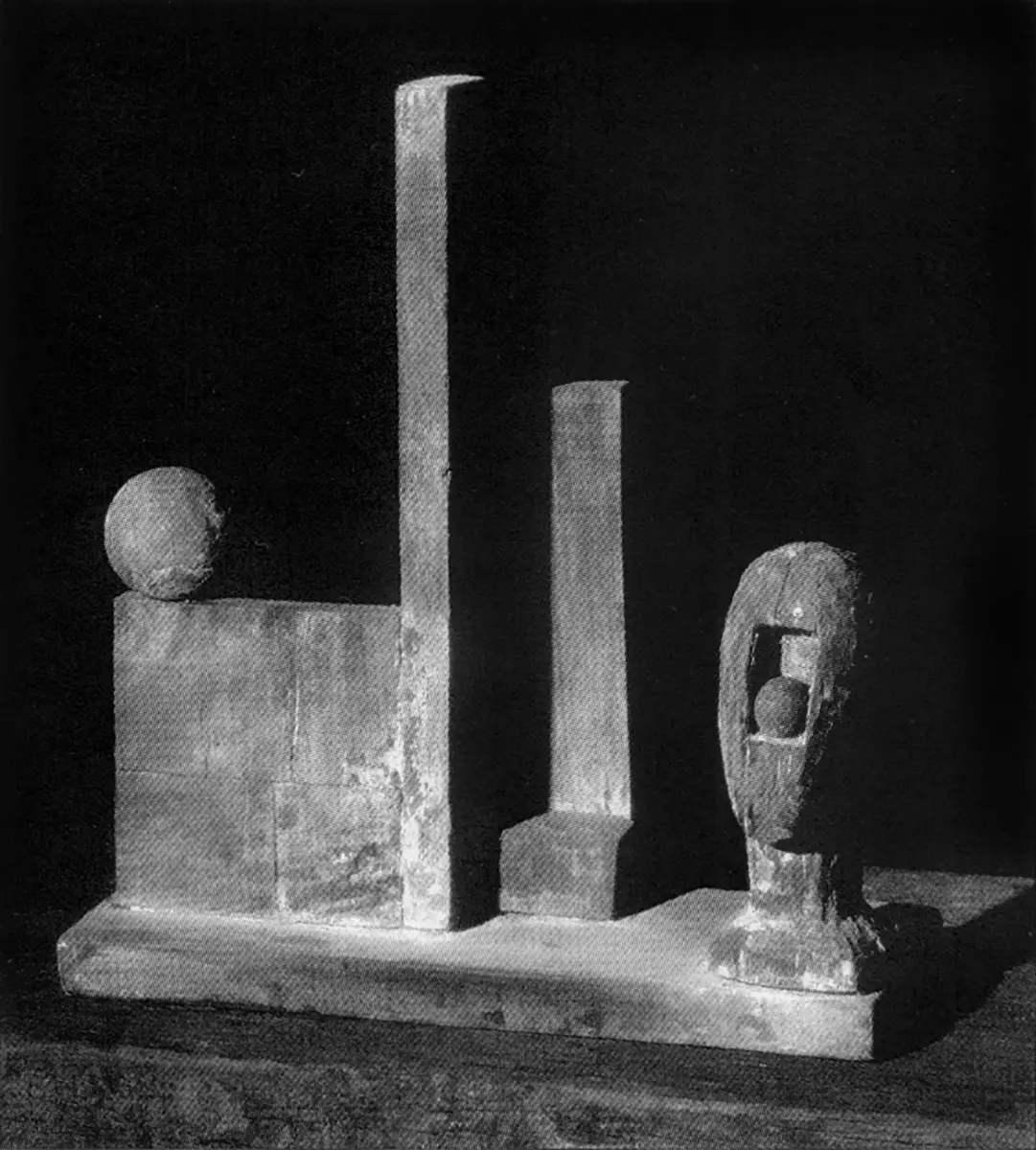
Torres-García’s legacy continues to stir debate more than five decades after his death. Precisely as a result of such reflections we can place the show on Balbuena, Batalla, Coelho, Larrosa, Méndez, and Serra. Along with Larrosa and Méndez, Balbuena founded the Taller La Piedra in 1997. Centered around pieces of wood, his sculptoric work seeks a harmonious relationship between the geometrical shapes he creates and the organic possibilities of the material used.
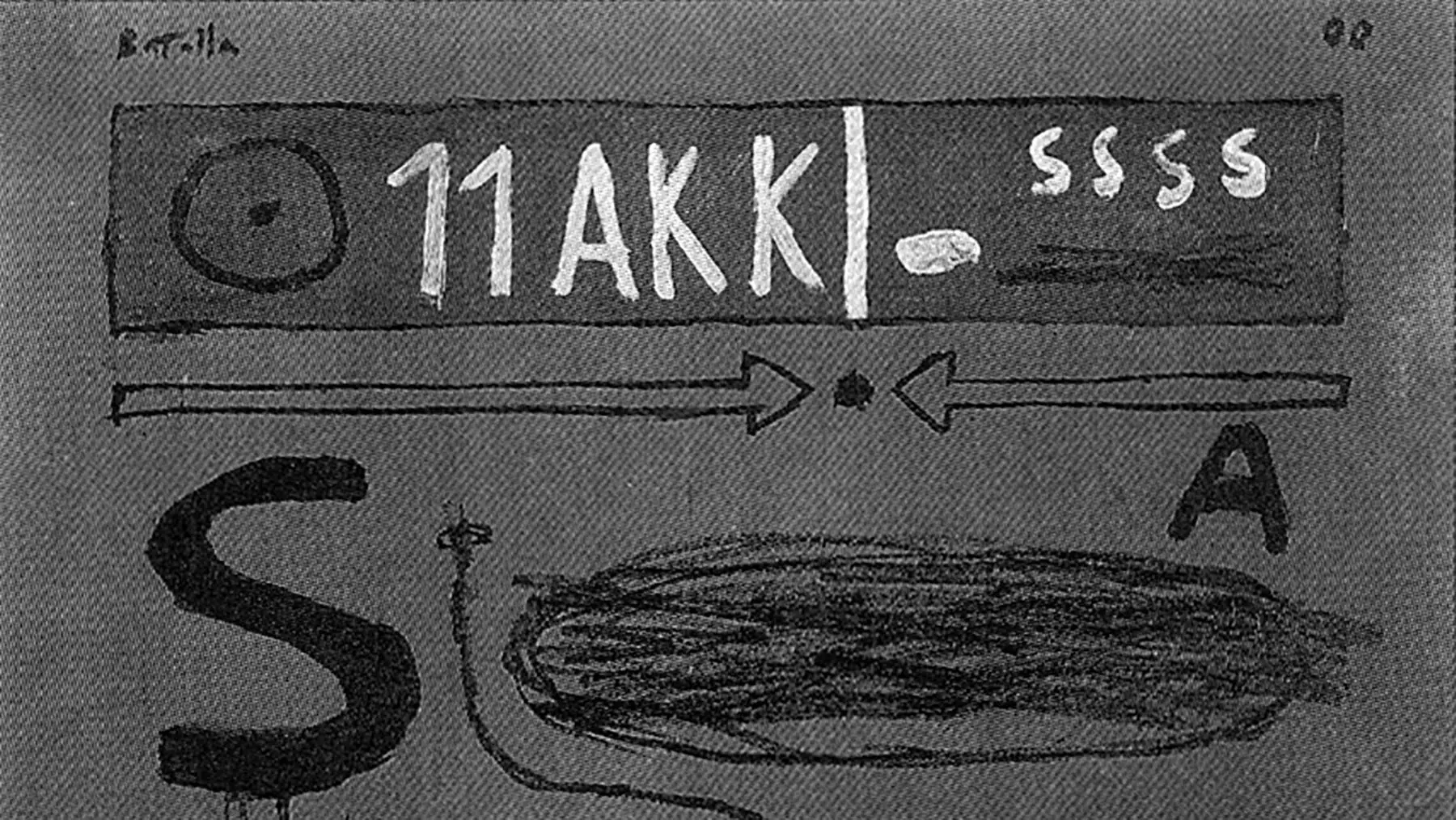
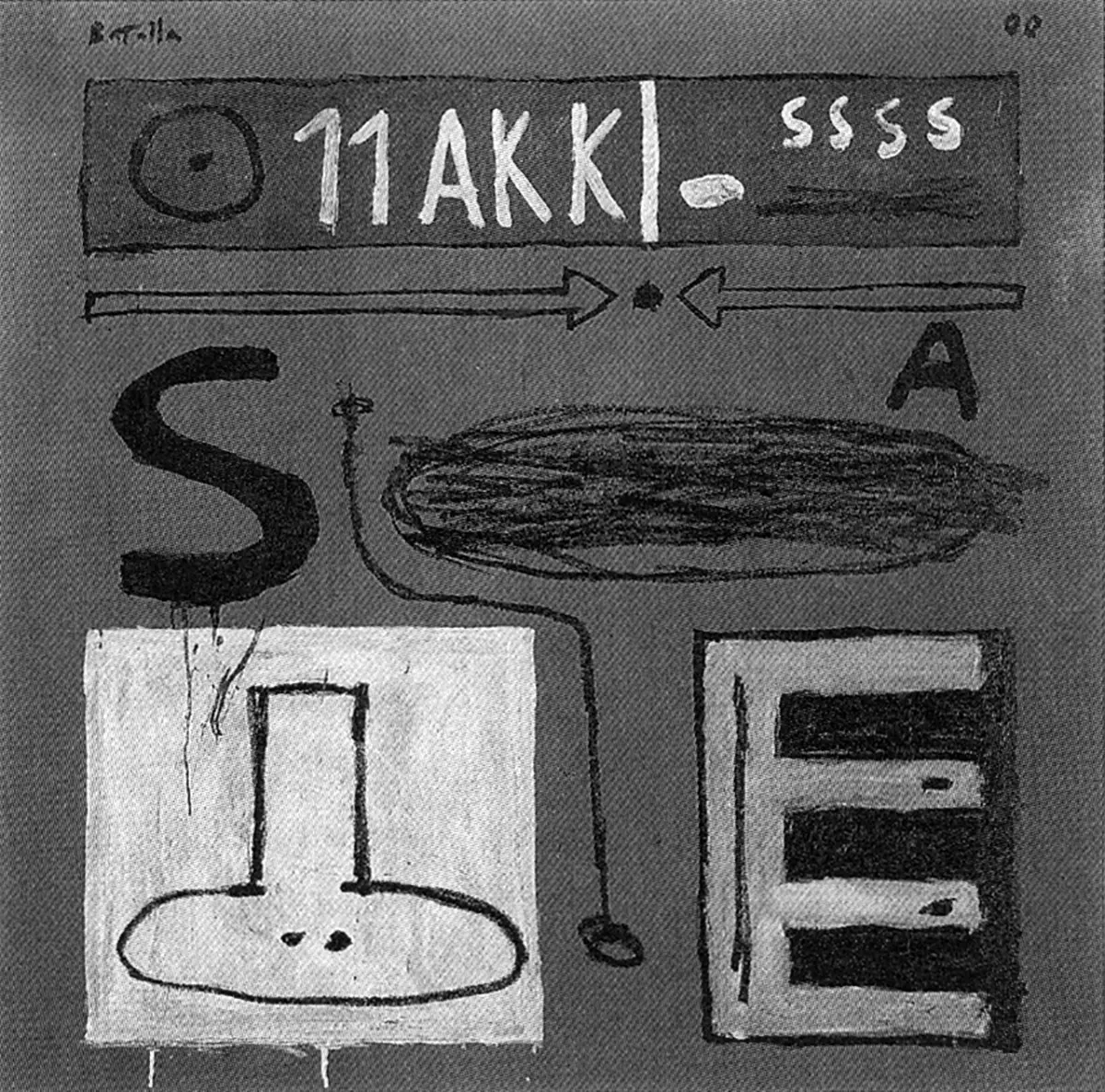
Batalla studied with Torres’ disciples such as Day Man Antúnez and Augusto Torres, and was a frequent visitor in Julio Alpuy’s studio in New York. His oil paintings reflect an interest in symbolic themes in which references to ancestral forms intermix with words and letters related to the idea of origin.
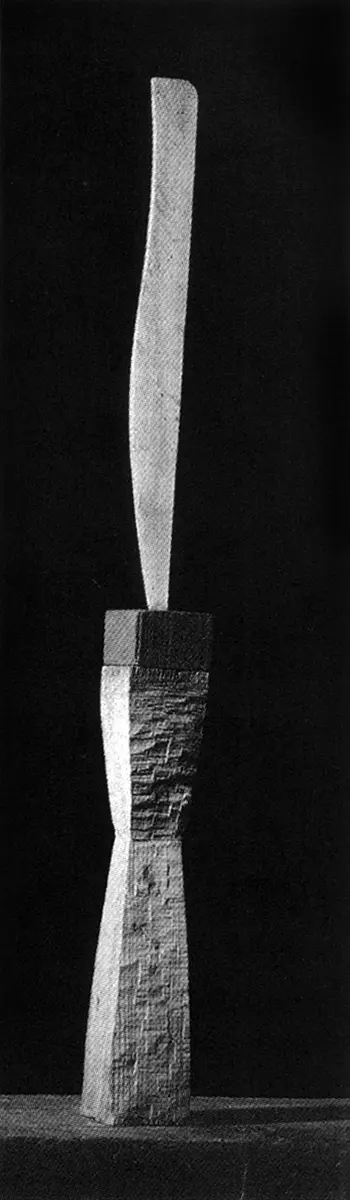
Coelho began to study art in Toronto, Canada. He first became in contact with Torres’ teachings when he continued his studies in Montevideo in 1996. He prefers to make sculptures in which he uses materials as diverse as clay and wood. In them, he shows an interest in exploring organic forms and referents from the pre-Columbian world.
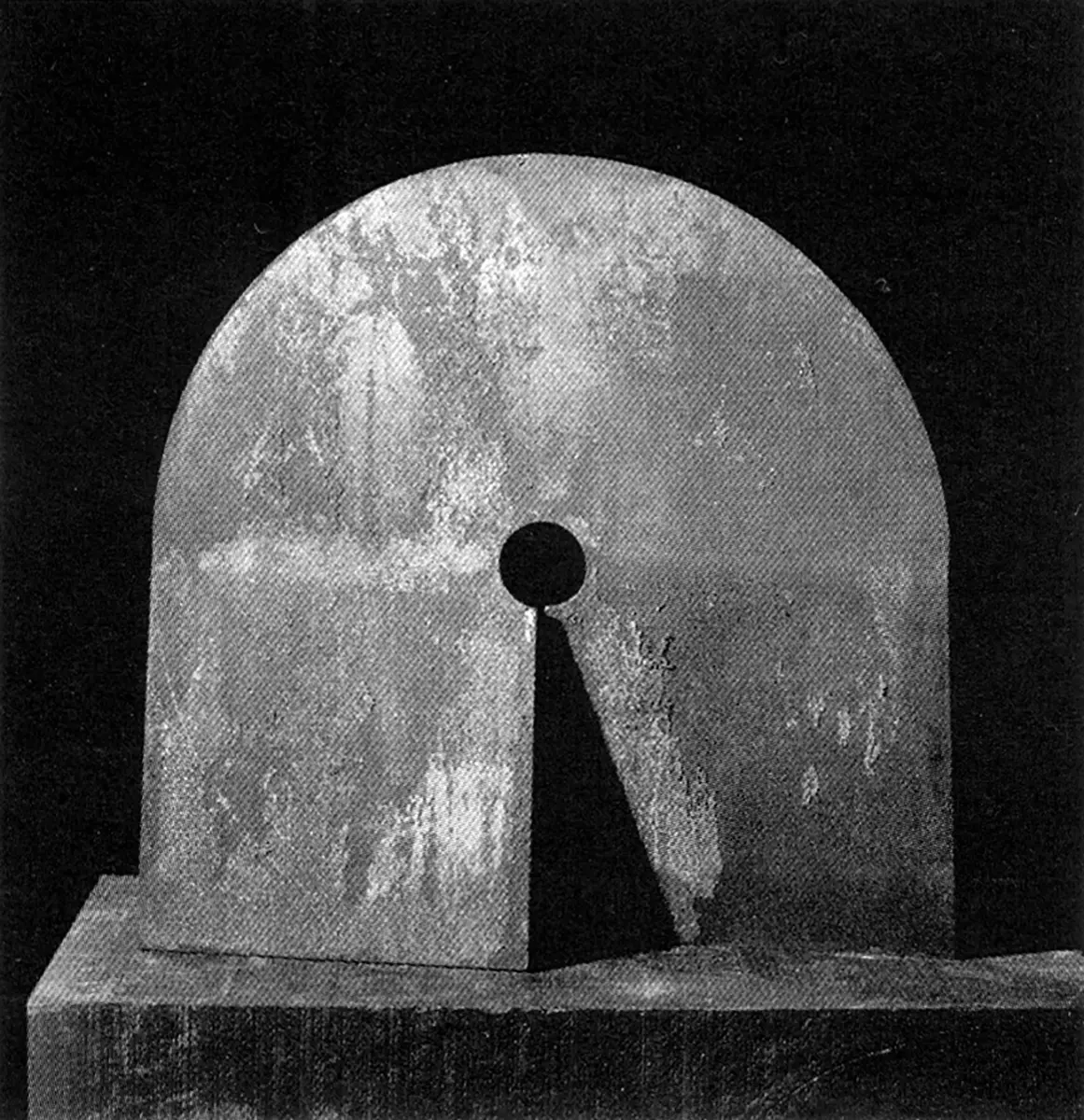
After studying in Montevideo, Larrosa worked in Venezuela, in sculptor Carlos Medina’s workshop. His irons use reliefs and fretworks, evidencing the artist’s interest in a geometry that discovers spaces and plays with light.
Méndez showed constructions in wood and ceramic, where he engages in dialogues between definitely organic shapes and rigid geometric structures. Serra is another member of the group who studied under Torres-García’s disciples. He collaborated with Gonzalo Fonseca in his New York workshop. His paintings have an elaborate chromatic range, over which he paints thick lines that become suggestive geometric traces.
The show is a clear example that it isn’t a simple mimetic imitation of Torres-García’s precepts. It is about retaking that seminal heritage to find a language of their own, evidencing that for the artists shown, Escuela del Sur’s projection continues to be present in contemporary debate.
IVONNE PINI