
The Museo Sacro de Caracas is located at the Plaza Bolívar, a few steps from the Cathedral. Its reconstruction began in 1981 as part of a restoration project after the building was declared a national historic monument. The plots where the museum currently operates were initially the old Cathedral Cemetery. Several skeletons were found during the excavations, and it is assumed that several bishops from colonial times were buried there. Attesting to it, there’s the common grave, or ossuary, located at one of the sites open to the public. Also rescued was what had been the Ecclesiastic Prison, a building dating back to 1713 used to incarcerate members of the Church who were found guilty of a crime. Originally, the building was much larger; it was built towards the end of the 19th century by the archbishop of Caracas, Monsignor Críspulo Uzcátegui, and it was to be utilized as the Episcopal School. After many years of deterioration and the use of the building for other purposes, the space was restored and the museum opened its doors in 1993.
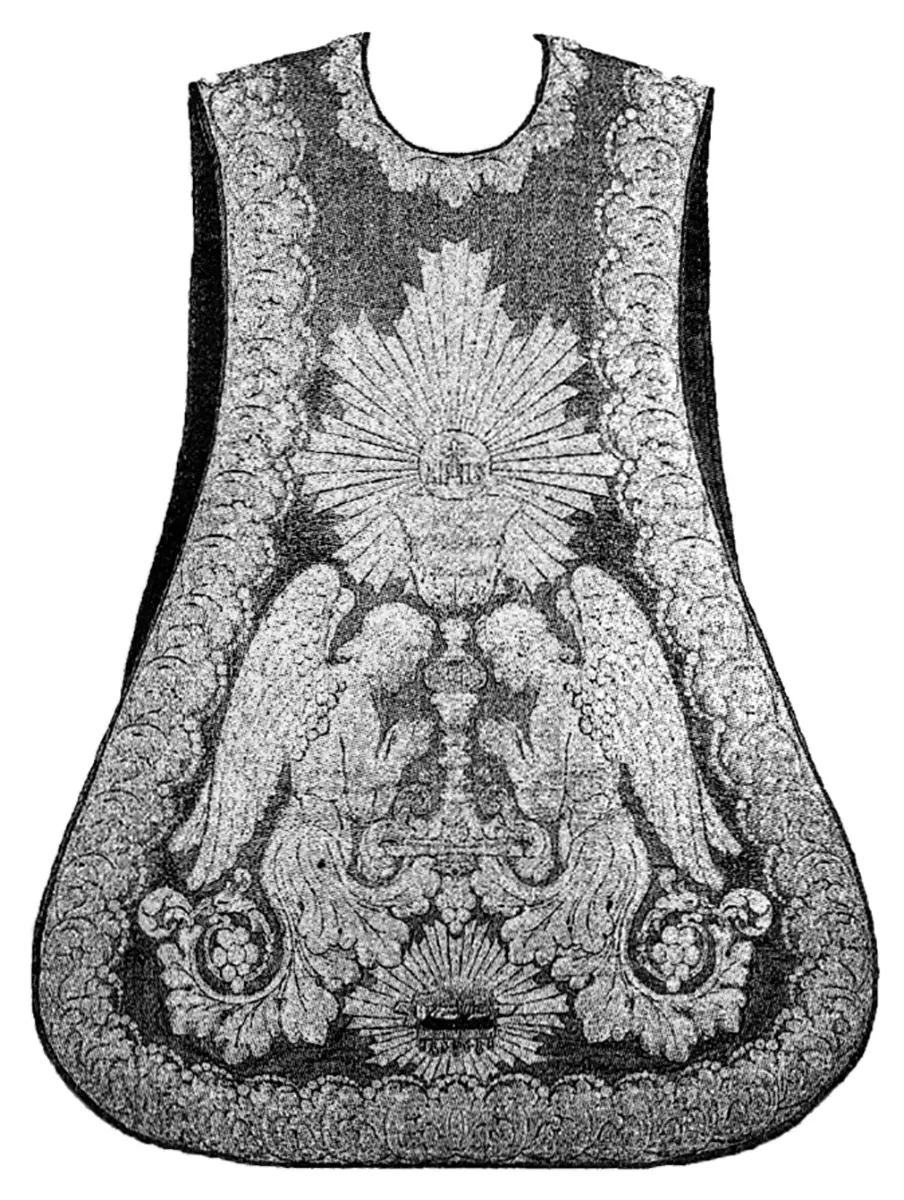
The permanent collection includes various pieces of colonial art, such as paintings, gold works, garments, and anonymous images of saints and the Virgin Mary. It also has several works of religious art made during the 19th and 20th centuries. As part of the Great Jubilee 2000 celebrations, the Museo Sacro de Caracas held the show Treasures of Art and Faith, which included works from the collection of the Caracas Cathedral. The exhibition, undoubtedly the most important in the institution’s program, had great importance not only for shown pieces’ value, but also because many of them were displayed for the very first time.
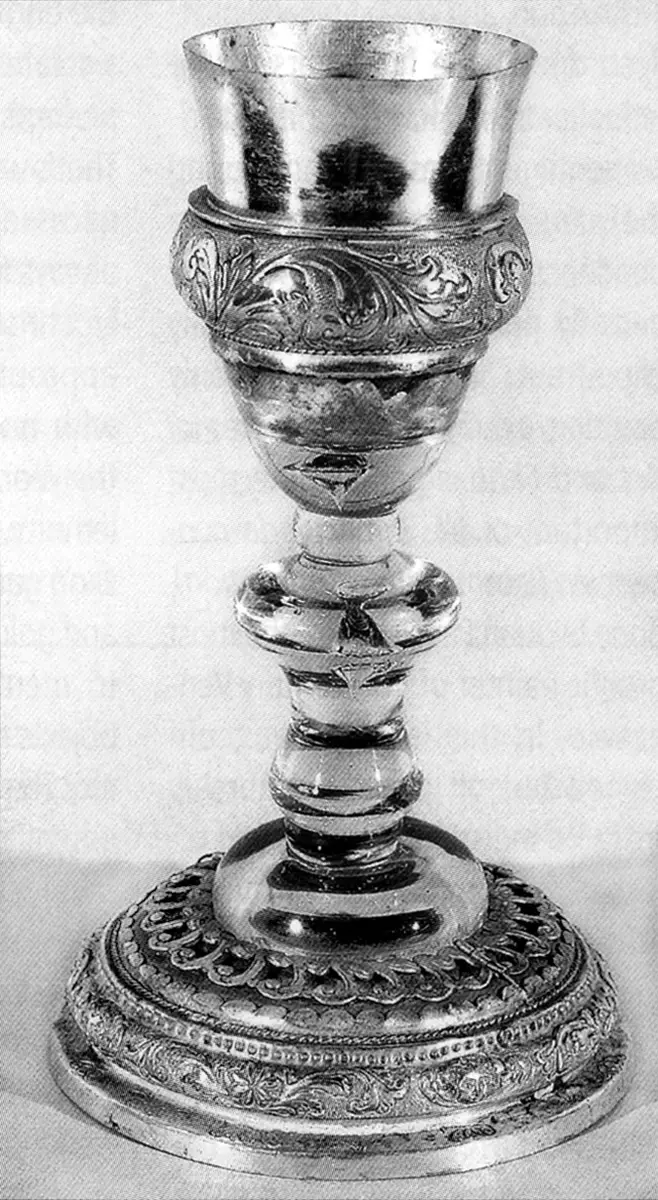
The reciprocity between art and religion is made evident in this exhibit. The museography, in accordance with the museum’s spirit, achieves this objective in the hands of Diego Iván Correa. The study included in the catalog written by Gabino Matos, its curator, also demonstrates a great sense of pedagogy. The policies followed for the classification of ritual objects are described in the work, as well as their artistic, symbolic, and esthetic understanding. Two interrelated topics are itemized for the commemoration of the Jubilee 2000: the Eucharist (or Communion), and the Incarnation. The first is the sacramental act in which Christian followers commune with God, and there are objects directly or indirectly used for this sole purpose: among others, sacracria, eucharistic vases such as chalices; cups, custodies, cruets, candelabra, jars, trays, etc. On the other hand, Incarnation —the mystery of God-made man— is represented through images of the Virgin Mary, the mediator between God and man, the two poles. The sense of distinction and authority in Christian liturgical rituals was evinced through the sacred garments used by the ministers of the Church. Also distinguishable was how the liturgic ornaments and insignia varied according to their hierarchy and function. Chasubles, officiating copes, and humeral veils were exhibited throughout the hall.
With the exhibition of all these objects, the curator wanted to prove how four aspects essential to art and religion are indissolubly conjugated in sacred art: material, form, beauty, and nobility. In other words, the objects used exclusively for divine office can be appreciated culturally and ritually through these values.
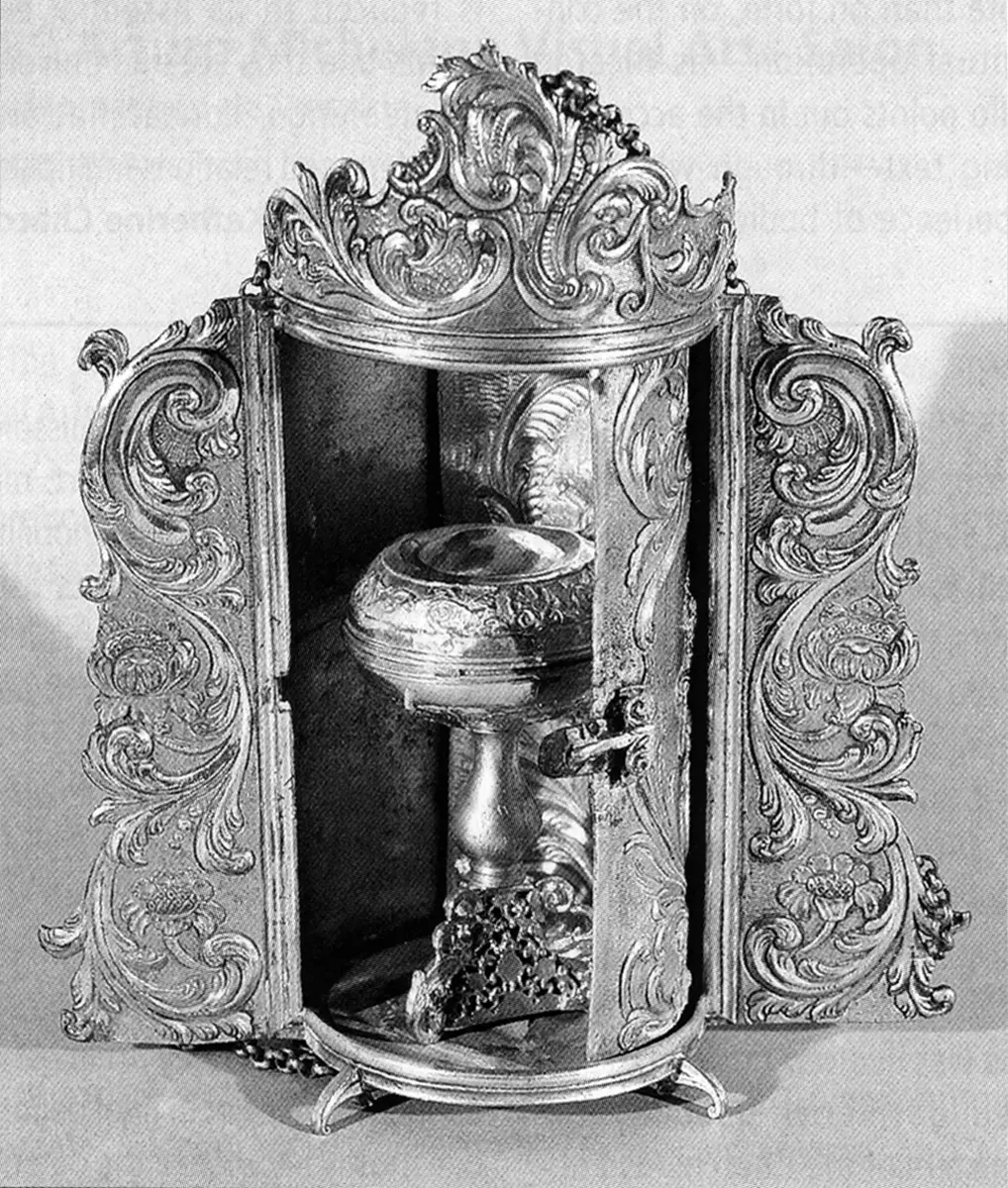
Sacred garments and gold works were the most welcomed and appreciated in Treasures of Art and Faith. The first ones are probably because they were made during the 20th century since there are almost no existing samples from prior periods, due mostly because of the deterioration they have suffered during the passing of time and also because of bad conservation conditions. The appreciation for gold works is due in part to Caracas being an artisan center in which gold and silver craftsmanship was greatly developed. The demand for sacred objects was important for the Cathedral as well as for convents and confraternities. On the other hand, they’re susceptible objects needing conservation. In the hands of the Church, they were zealously guarded, and many of these objects could be saved from the barbaric destruction, arson, and pillage practiced during the first years of the republican era. In effect, anticlerical sentiment was rampant during the years of the struggle for independence. The colonial legacy, especially painting, was practically wiped out. Nevertheless, the only painting exhibited in Treasures of Art and Faith is perhaps the most important of all, Inmaculada concepción (Inmmaculate Conception), done by Juan Pedro López, the most prolific painter of 18th-century Venezuela. In this large canvas, unsigned but of proven authorship from its indisputable style and related documentation, the Virgin Mary appears as she’s usually depicted: standing atop the half moon, twelve stars surrounding her head, and dressed in white with a blue tunic. The arrangement of cherubs and angels give away the baroquism so characteristic of Juan Pedro López’s style.
There’s no doubt that throughout the centuries liturgical objects and images have been essential for the Christian cult. They are so because they serve as support to grasp the ungraspable, and they help assimilate the mystery of the Incarnation, perhaps even the existence of God. That’s why the images were and are necessary, although they weren’t always humble. Even if during early Christianity ritual objects were appropriated from everyday life with no special style, throughout the years they acquired greater solemnity. The end result is the dazzling garments made with fine silks and gold and silver embroidery, not to mention the custodies, those objects refulgent with gold and jewelry. The truth is that humility—that essential value professed by Christianity leaps to sublime beauty, expressed with the highest level of representation through preciosity of style and the materials with which they were made, perhaps a way of being by God’s side.
SUSANA BENKO