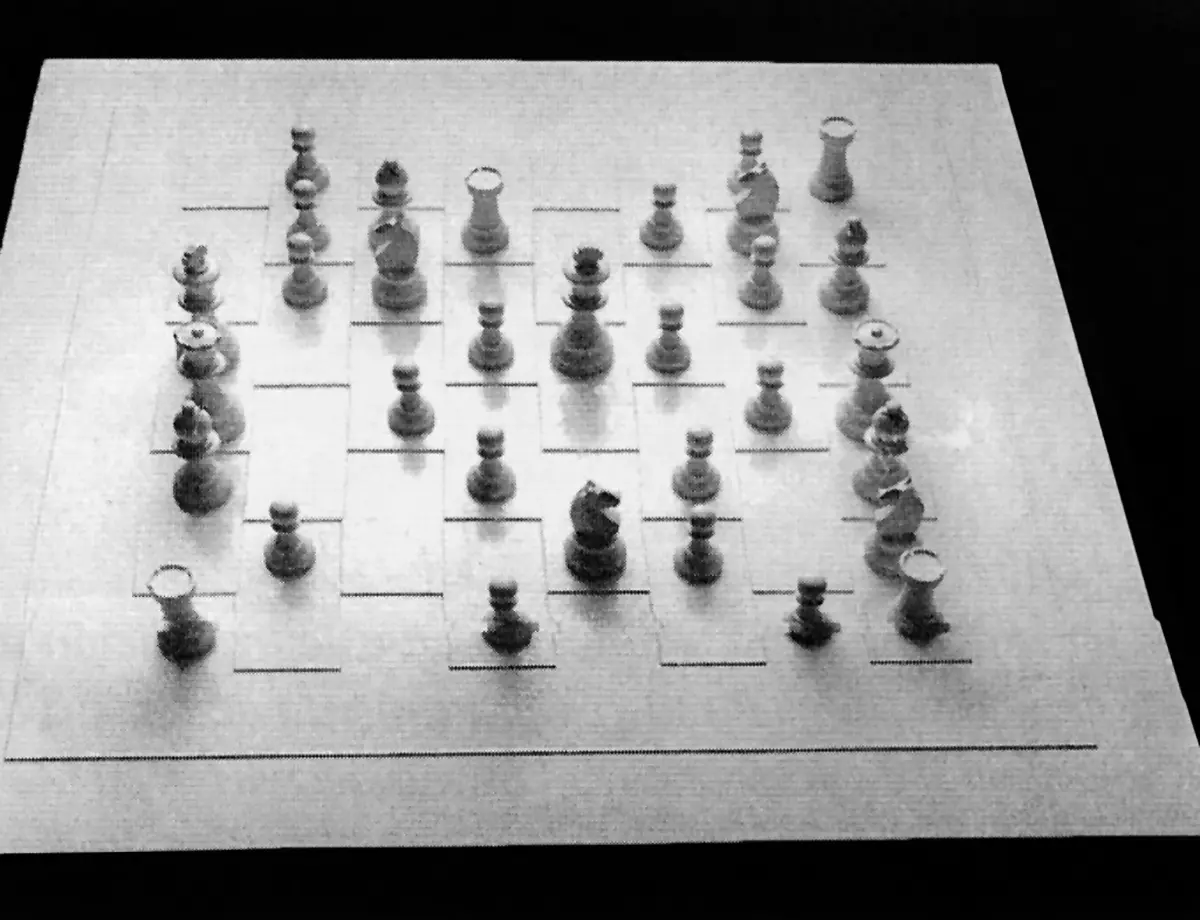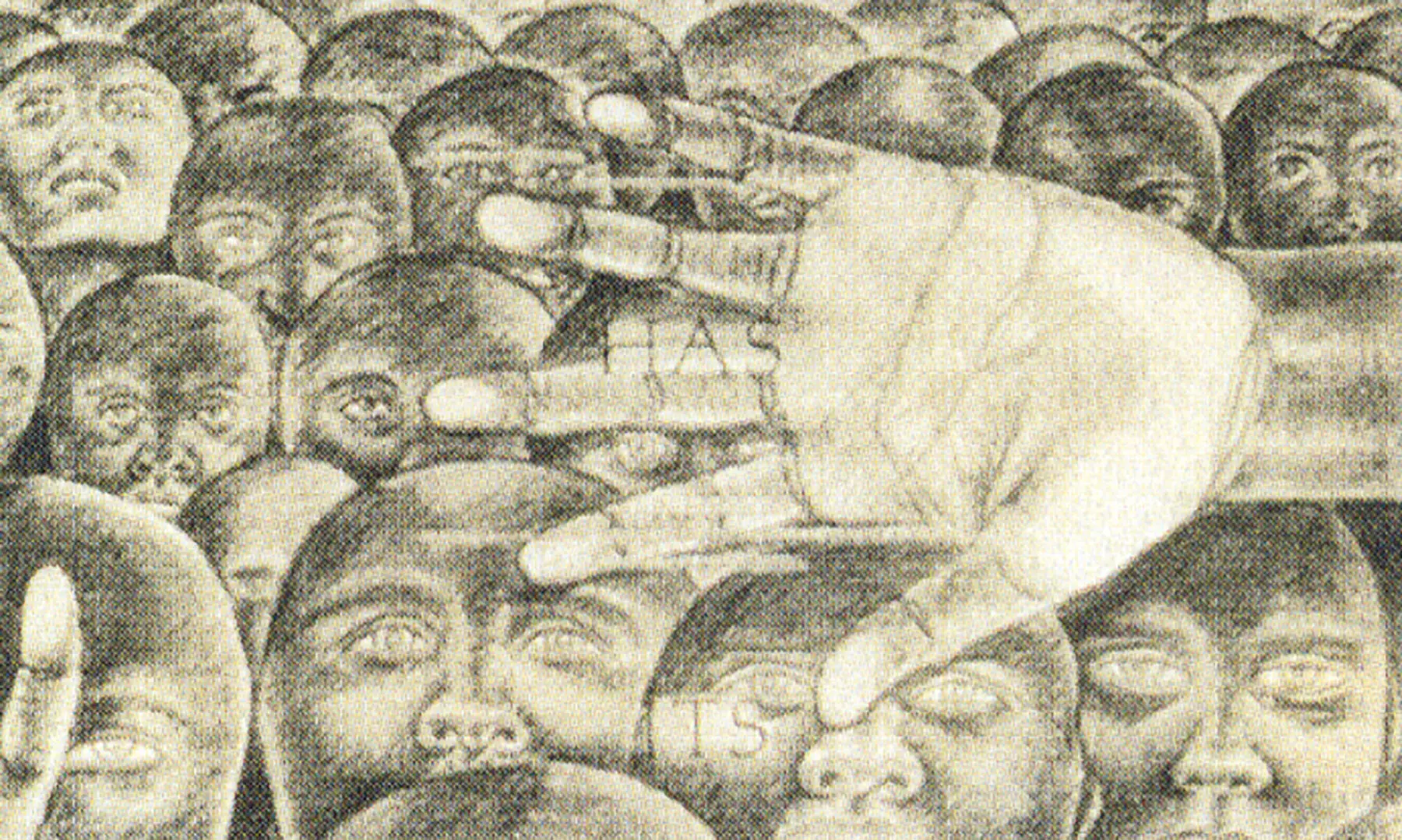
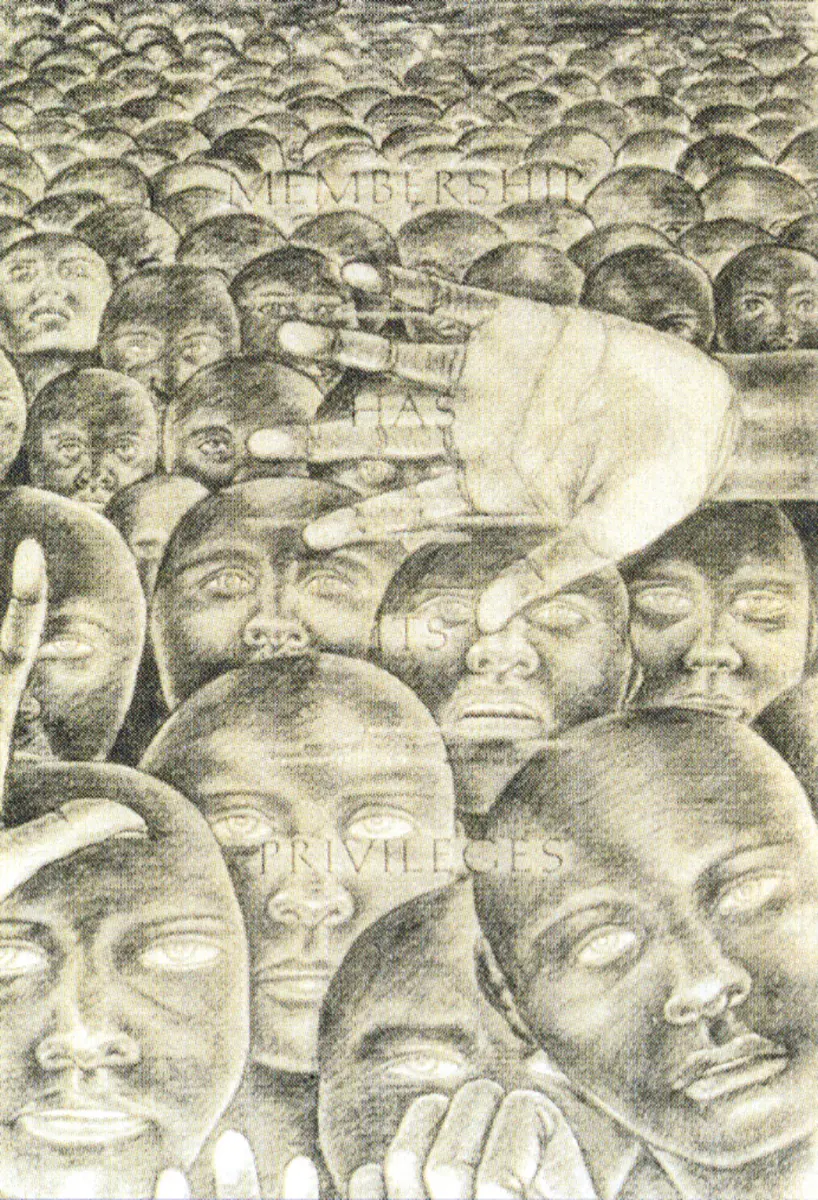
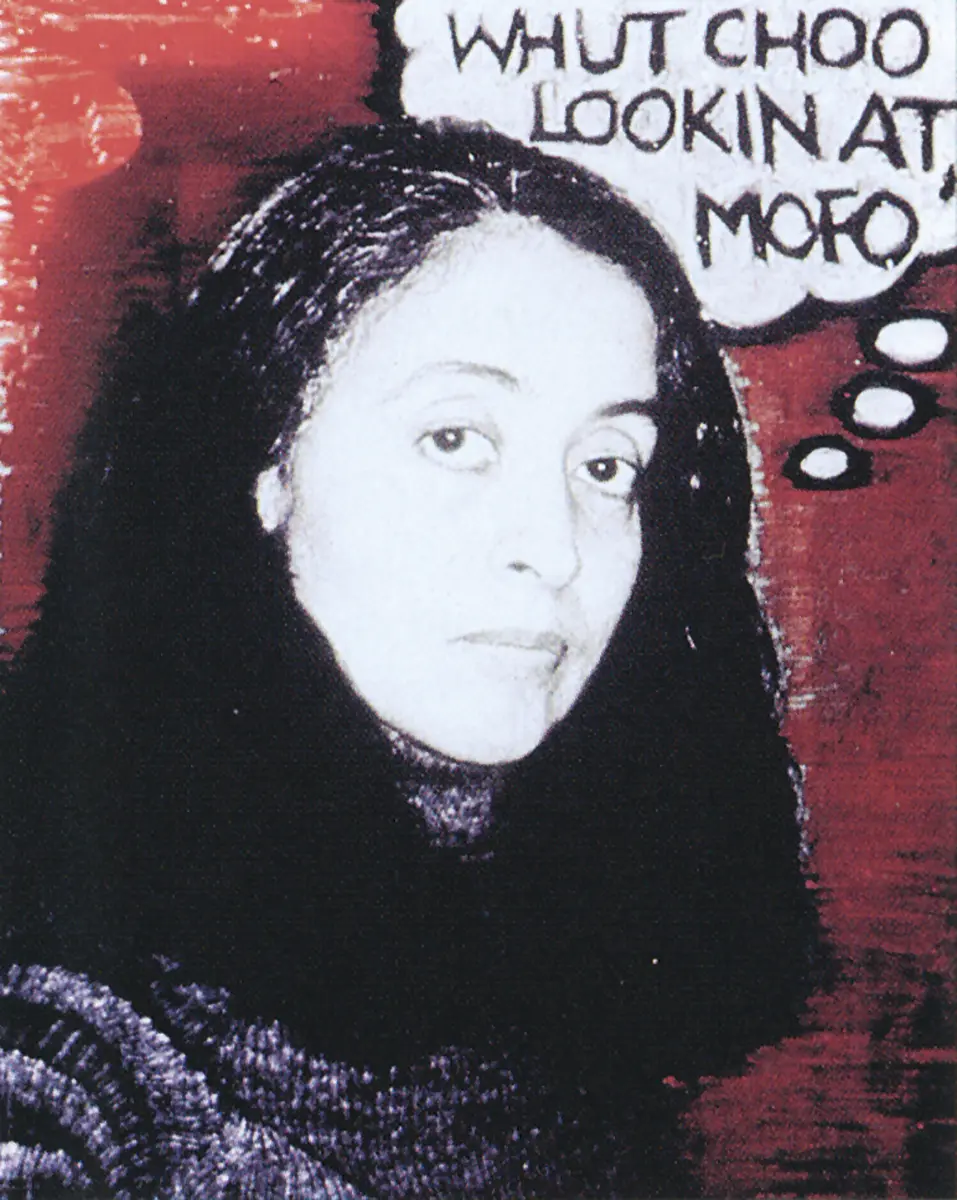
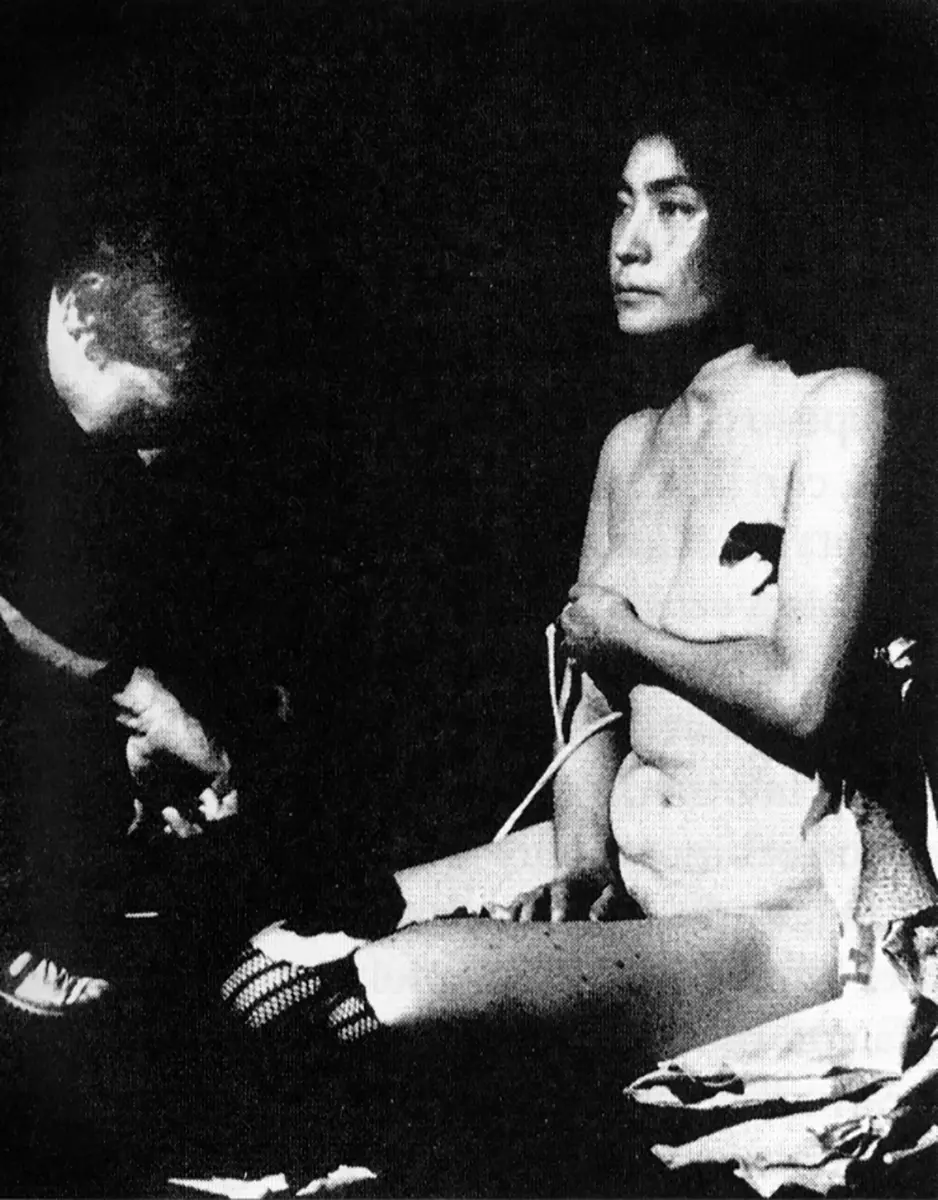
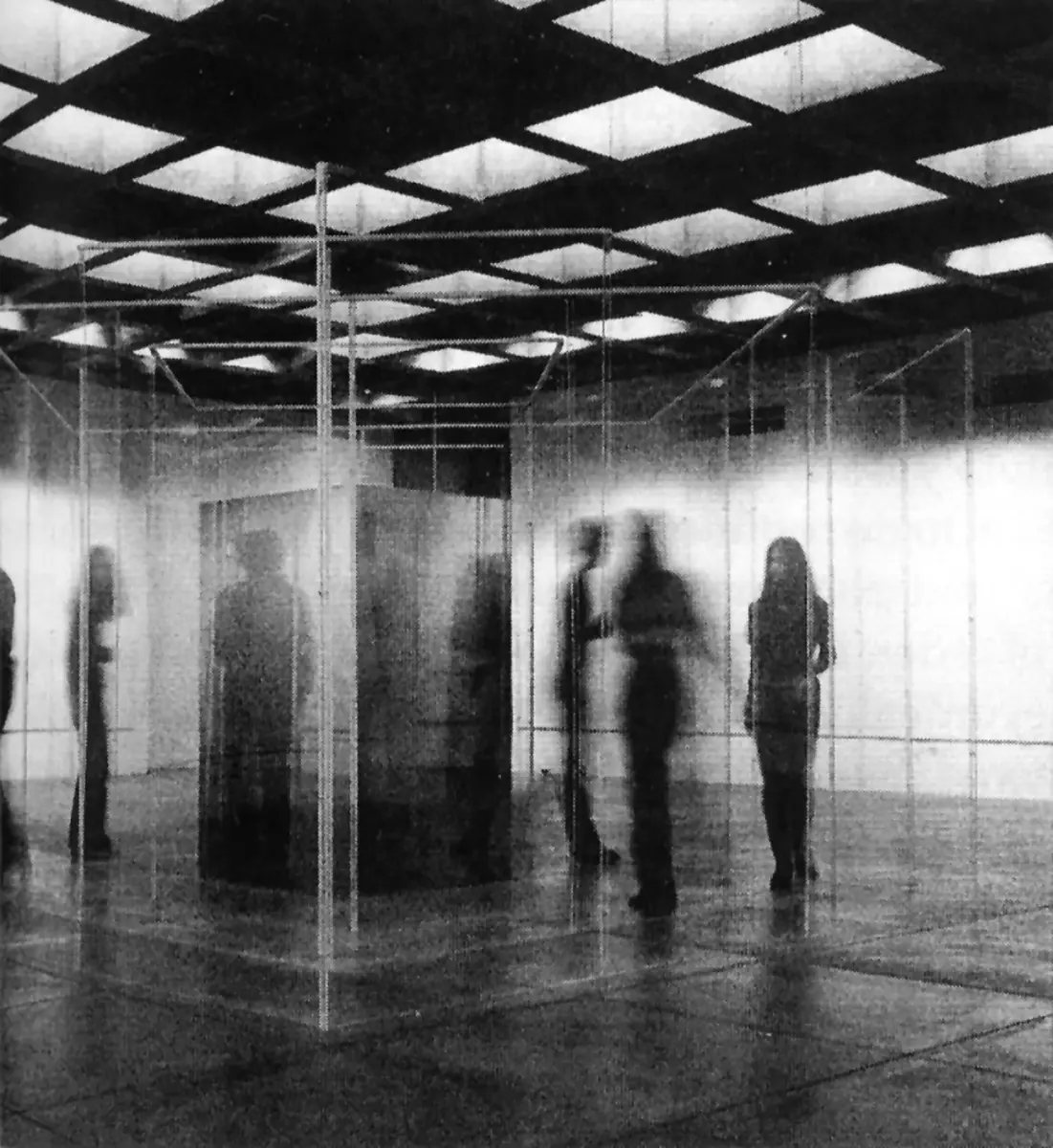
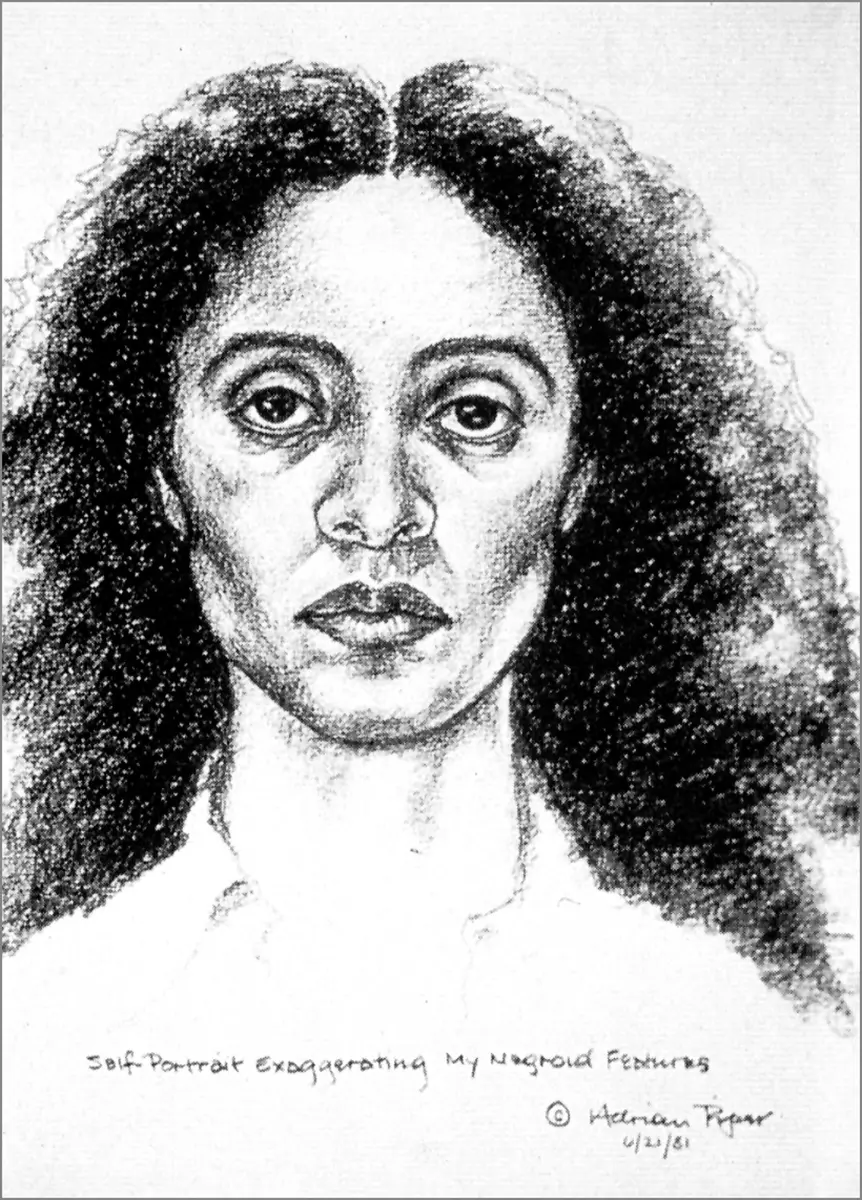
The stylistic distortion under which we study the history of art leads us to see things in an excessively simplistic fashion. If there are broken planes, it is cubism; with some movement, it is futurism; with some incongruence, we have surrealism. In this schematic approach, conceptualism always appeared as a movement that produced and still produces formally minimal pieces with an emphasis on text. While it is true that these formal qualities are common (particularly in the North American variants) they do not exhaust the repertoire. But even worse, due to this form of approaching the subject, conceptualism has the reputation of unemotional ascetic dryness and lack of subjectivism. This stylistic perception is the consequence of a consumerist attitude towards art. The reception of the product exhausts itself in the work and precludes art from being understood as a process of communication between artist and viewer. Thus the fact is ignored that the artist moves among strategies of communication within which the formal appearance is only one of the ingredients and the result of a great quantity of decisions of greater importance. It is in this context that the coincidence of two exhibitions in New York: Adrian Piper in the New Museum of Contemporary Art1 and Yoko Ono in the Japan Society Gallery,2 are highly welcome. Piper is one of the few North American conceptual artists with a political edge. Ono, on the other hand, is one of the most poetic conceptual artists within the international conceptual ambiance. While it is true that poetry does not have to be at odds with politics, in the case of these two artists their attitudes point to radical differences that signal very different purposes in communication. The works of Piper and Ono are the result of two completely different biographies that put them apart at a distance as great as the one that could be found between Siqueiros and Magritte. The attitude and perspective that both artists have confronted with their own biography may explain part of their differences. In her catalog, Piper presents an annotated chronology that, with unnerving frequency, emphasizes her physical and mental collapses over the years, the books and music she enjoyed, her cats, her collections of comics invariably undersold, her late encounter with the white branch of her family. Piper’s tragedy is to be cataloged as Black while she looks White, a situation that, in the U.S. is not only highly significant but also conflictive. What at the beginning of the reading seems to be a self-indulgent narration, slowly becomes impregnated with a self-mocking irony that, without ever reaching it, comes close to humor. Yoko Ono does not speak directly about herself, she does it through Alice Munroe, the exhibition’s curator. There is much insistence on the aristocratic experience -Ono’s tragedy seems to be that of being rich- (to belong to a rich family of samurai-bankers, to be a classmate of princes, to enjoy economic affluence, to share the cosmopolitanism of the ruling class) and one is left with the slight suspicion that all of this is more impressive for the curator than for the subject of the biography. Besides the differences, both artists develop their art systems from their biographies. Piper tries to generalize her personal experience through a strategy of consciousness-raising. She fights racism, injustice, and disparities starting from her own self and trying to reach a level of objectivity. Since in her work, there is a high level of performance (even in those works that don’t include her person), what might end as a propaganda pamphlet is softened by individualization. Piper, who apparently has often been accused of making autobiographical art, defends herself by explaining that: “Through the work, I try to construct a concrete, immediate, and personal relationship between me and the viewer that locates us within the network of political cause and effect."3 In the case of Ono the project is not one of fighting with society, but to achieve a separation from her family’s history to find a personal affirmation, although this is to happen within the same general historical context and tradition where the family had placed her initially. Though she proposes more formal innovations than Piper, Ono tries to connect with traditional Buddhist philosophical values. In 1962 she declared that: "I wanted the truth. I want to feel the truth by any possible means[... ]I can[not] trust the… manipulation of my consciousness. I know no other way but to present the structure of a drama that assumes fiction as fiction, that is, as fabricated truth."4 in a posture, she seems to maintain until the present. It is as a consequence of the fights stemming from and against biography that both artists produce a version of conceptualism that one could call “romantic.” This quality, combined with the fact that Ono’s work precedes by half a decade what normally is accepted as “conceptual art,” presents us with two artists who force us to understand conceptualism in different ways from those we are used to. One cannot anymore exhaust international conceptualism within a style, particularly as one defined between 1965 and 1975 by a few North American artists. Conceptualism is really a complex strategy that already started to be defined in the late nineteenth century -well before Duchamp- and continues active today as an effective and economical way of artistically answering local problems. While the U.S. “style” was reductive and minimalist, this was not the case for many of the international forms it took. As proven by works that precede and follow North American conceptualism, conceptualist strategy is programmatic and flexible, geared to answer problems of the moment and absorbing a multitude of stylistic possibilities. It was the hegemonic impact of North American conceptualism that led to ignoring the work of many artists whose work preceded it or was generated independently. Yoko Ono was one of the victims of this ignorance (as were Manzoni, Erdely, or Ferrari) and it is only in these last years that her importance as a precursor is being acknowledged. It is also the first time that U.S. critics refer to her as a “conceptual artist” rather than keep her in the “proto-conceptualism” of the Fluxus group. Piper, who appeared in the art scene about a decade after Ono, has more local importance established not so much by formal breakthroughs but by deviations from what was understood to be conceptual orthodoxy in the U.S. Her first works, made in 1968, merge with the pieces of her colleagues at the time. Still, a student-she was twenty years old- her production that year focused on the same language problems shared by other artists and the results could be signed by anyone. It is the raising of her consciousness in 1970, particularly produced by the Kent State killings, that started to define her and lead her to transgress and transcend the formal limits given by Kosuth, Weiner, and others. Her “color” problems start to take over from this moment onward. She makes works that derive from the real or perceived physicality of her skin. These first works, essentially theatrical performances, are the most direct, economical, and efficacious. In Catalysis III (1970), the artist walked the streets wearing a freshly painted shirt and the sign “Wet Paint” to warn the public of the dangers of contact. In Untitled Performance at Max’s Kansas City, NYC of the same year, with all her senses canceled (blindfolded, plugged nose, wrapped fingers, etc.) she circulated among the tables of what was the fashionable gathering place among the artists of that period. These are the only pieces that intersect with Ono’s work. In Cut Piece (1966) Ono subjected herself to the goodwill of the audience when she allowed volunteers, one by one, to cut off parts of her dress with scissors to complete bareness. The attitude of both artists is equally ambivalent between trust and accusation. Piper denounces social reclusion within the color of the skin. Ono denounces the violation of both spiritual and physical dignity. Both invoke the protection and care of the witnesses. Ono trusts that the cuts are made gently and carefully in spite of the implicit aggression. Piper lets the audience avoid any catastrophe inherent to a total lack of sensitivity at the same time she proclaims the sensitivity of all those present. Over the years Piper’s work has evolved toward the installation format with varied results. Overwhelmingly they suffer from an imbalance of scale, the formal resolution weighs more than the idea that generates the work. In others, a video takes the place of the protagonical presence of the artist with a consequent loss of strength. One is left with the feeling of seeing a document or the reconstruction of a piece. In one of the more successful artifices, Piper builds parallel cabins, one white and one black (Black Box, White Box, 1992). Inside the cabins, the same images and sounds are to be seen, with a change of meaning according to the white or black “skin” with which one perceives the event. The exhibition is sprinkled with cabins that in museographic terms nicely manage to articulate the space of the museum, a notoriously difficult space that usually defeats any show’s good intentions. It is however one of the most crudely autobiographical and least visually ambitious pieces that remains in one’s memory. Ashes to Ashes (1995) narrates the death of her parents with detail and a notable mixture of love and resentment. Both died as a consequence of being inveterate smokers, the father consumed by a pharynx and mouth cancer, and the mother through emphysema. When Piper found out that an exhibition including her work was sponsored by Philip Morris, she withdrew her piece and tried, unsuccessfully, to replace it with this one.5 The act of confrontation completes the piece, places it in the “net of political causes and effects,” and tries to change the order of things. The work of Ono doesn’t attempt any change of the order of things but, as she says, only tries to change the way we perceive that order. When there is a confrontation it is involuntary (as happened when in England her movie N.4, known as Bottoms, was censored in 1966 because it showed 365 different examples of them). Ono insists that the unfinished state is a state of grace, and believes that with it she can avoid shock. But what Ono really does is to move the confrontation into the field of the observer. The lack of termination does not lead to indetermination. The work, particularly that done between 1960 and 1970, is amazingly precise and strict. Sometimes the pieces are unexpectedly aggressive like Sun Piece, 1962, a written suggestion to “Look into the sun until it becomes a square.” Or Amaze, (1971) where the visitor walks a labyrinth of transparent plastic walls. In walking, the perception of walls and openings disappears and one is forced to extend one’s arms to find the way without hurting oneself. It is an invisible labyrinth that makes one feel like a blind person, in the paradoxical situation of having an unimpaired sight. Ono’s work functions best when there is a minimum of mediation. Simple and elegant ideas are distracted by luxurious presentations (plastic bases that have more visual weight than the work placed on them or, even worse, older pieces badly translated into bronze during the eighties). But when her “instructions” are presented in their most minimal version, even when just reproduced in her classic Grapefruit (originally published in 1964), the written works explode in the reader’s mind like Nicanor Parra’s anti-poemas (1954).6 In 1965, Ono submitted a project to the Leo Castelli Gallery, at the time the most prestigious exhibition place in New York. Ivan Karp, then director of the gallery, wrote a negative letter that, by the opposition, describes Ono’s work: "the kind of show you have in mind fails to suit our temperament which is essentially restless, driven, aggressive, fiercely Western, and concrete. Max Ernst is tired and does not want to travel. Most of the others despise each other and do not want to contribute."7 During 1969 Ono married John Lennon. The mutual influences will fuel interminable discussions in future histories, especially when she is accused of disintegrating The Beatles ensemble. Seeing this exhibition it seems more probable that Ono enriched Lennon while she herself was becoming weaker, at least in her visual pieces. The good works dated after her marriage, like the already mentioned labyrinth and also her movie Fly (1970) (co-produced with Lennon), are based on older ideas. The use of Ono’s voice on the soundtrack of Fly is amazing, but not attributable to Lennon.8 Ono had a strong musical education since she was a child, and many of her Fluxus projects were concerts. Lennon’s projects against the Vietnam War are weak in artistic terms, such as the advertising campaign with “War is Over (If You Want It)” in 1969. In 1966 Ono already had made a much stronger anti-war statement: a chess board where both players moved white pieces. The competitive instinct only functions as long memory works, adding to some trust and honesty of players. In its original version, the title was All White Chess Set. Remade several times after 1987, the title became Play by Trust, transmuting mystery into didactics and explaining the obvious. Piper is more effective in the use of the obvious than Ono. Her works last less in one’s memory, but her anger gives them a vitality that, in the moment of being seen, generates more interest than the more recent works by Ono. Ono’s Weight Objects (1990) a scale that has a pistol on one of the plates balanced by a photograph of an anonymous family on the other- is an example of this flatness, even remembering the biographical anecdote of Lennon’s death. But it is in the non-obvious works, those distilled essences of the first ten years, where the figure of Ono earns an unexpected predominance and scale within the history of the last decades.
*Courtesy of the New Museum of Contemporary Art, NY.
NOTES
1. Upcoming exhibitions of Adrian Piper: June 23 – August 19, The Contemporary Arts Center, Cincinnati. September 23 – December 3, The Weatherspoon Art Gallery, University of North Carolina, Greensboro.
2. Adrian Piper, A Retrospective, October 4, 2000-January 13, 2001; Yes Yoko Ono, October 18, 2000-January 14, 2001.
3. Maurice Berger, Adrian Piper, A Retrospective, University of Maryland, Baltimore, 1999, p.61
4. Quoted in Alexandra Munroe, Jon Hendricks, Yes Yoko Ono, Harry N. Abrams, New York, 2000, p.25
5. The exhibition was 1965-1975: Reconsidering the Object of Art, in the Los Angeles Museum of Contemporary Art, 1995
6. Parra’s work continues this way in Versos sueltos (1957) and Artefactos (1967).
7. The project was invited artists like Max Ernst, Marcel Duchamp, Isamu Noguchi, Robert Rauschenberg, and Jasper Jones to draw a circle during the opening of the exhibition of those works. Yes Yoko Ono, p.287
8. The film shows the naked and immobile body of a woman where flies walk around and explore every square inch of her surface.
LUIS CAMNITZER