Aprendiendo menos (Learning Less) is a traveling video and photography show that, according to curator Patricia Martín, was born out of an attempt to identify the common thread between three photographers, explorers of their surroundings, who wandered throughout the city looking for objects that might be found accidentally. The curator highlights Baudelaire’s importance when she confirms that the modern person is subjected to a great deal of stimuli and that he/she wanders about the streets both to see and be seen.
The show corroborates that art is an exercise in perception, that it changes habits while demanding, in terms of everyday life, a different attitude on the part of the spectator. An attitude that consists in being alert to the large quantity of events happening around us and for an instant fix our attention on them before they die off. And it’s there—from the conscience that life is made up of minuscule perceptions that last just a few seconds—that the attitude of these explorers of the 20th-century city becomes particular.
Gabriel Orozco’s (Jalapa, 1962) video, for example, linked all sorts of urban situations, such as the maneuverings of a huge garbage truck on a street, trash being washed away by water, a woman’s face inside a bus, smoke trails left by planes, bicycles. The camera followed two passersby, each carrying a rolled-up rug, two curious spirals walking away. The aim is not just to capture whatever calls our attention, but also to accept that we live in a simple world, filled with small events related to water, wind, colors, the sun, and body language and that publicity is a sort of text with fragments of people, signs, and attitudes. Not live in the city and walk its streets thinking of a world made up of meta-stories and intellectual preoccupations, but capture it in those small events that can’t be had because they’re ephemeral —such as beauty, which is falling in love with something unattainable. Then, the contemporary attitude in Orozco’s work is the acceptance of an internal void that holds all the small things and widens perception. As the writer Paul Auster puts it: “What’s left is the void, a space, no matter how small, in which anything that must happen indeed can happen.”
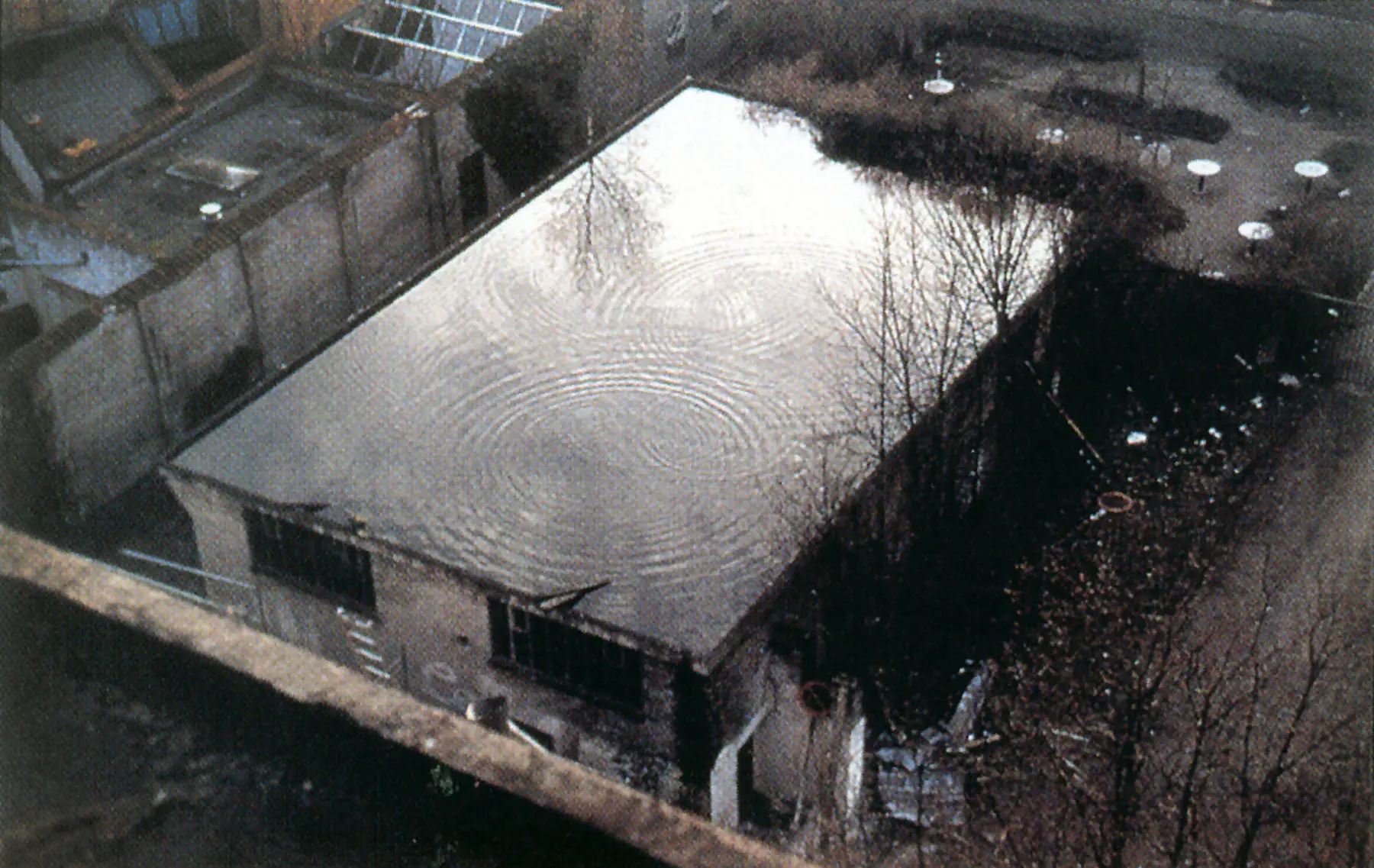
Orozco’s photographs, such as the flat ball with water, or the bad tourist, which are the remains of whatever happened at a market plaza, or the humid clock or sand on the table that capture the crepuscule colors with greater intensity, are photographs of what stays behind after a natural event, or after man has left. But they don’t highlight what is absent; they deal with what remains—the real. A rooftop that’s reflected on another rooftop filled with water is subjected to sun rays or air movement. The artist shoots the photo because he is there, always ready to capture the ephemeral quality of things.
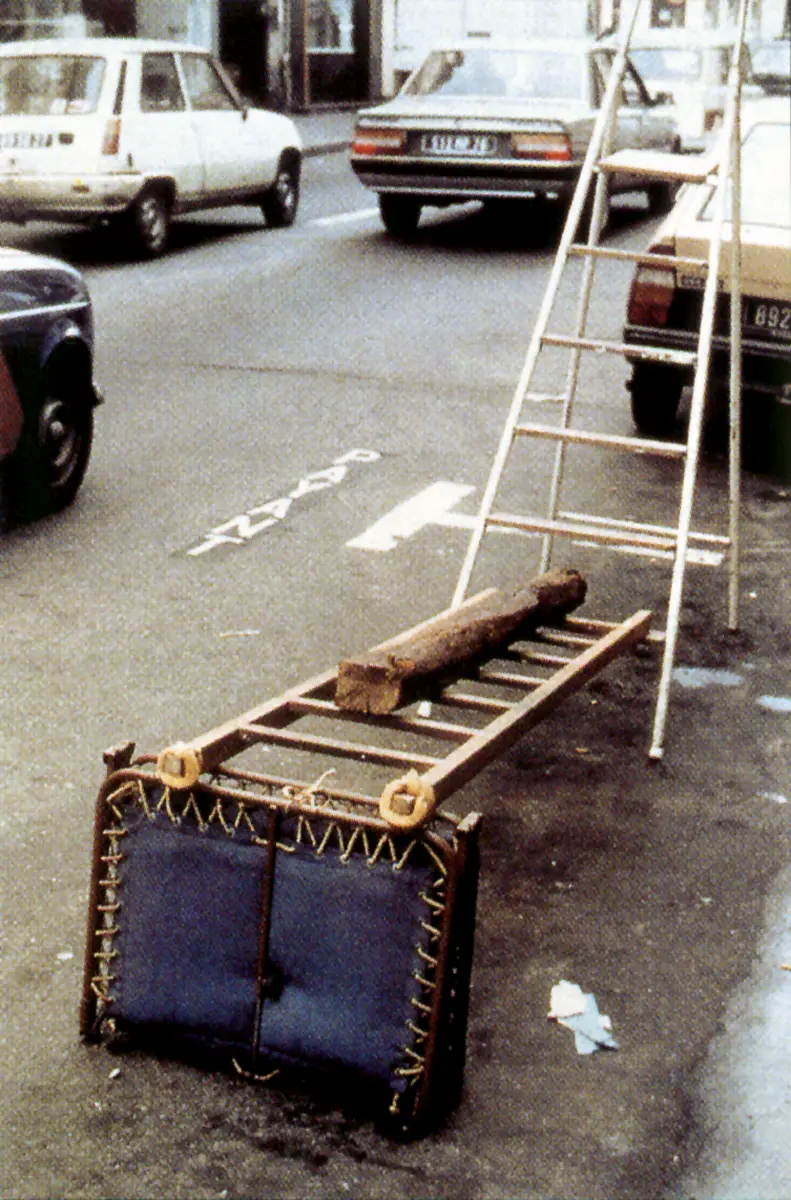
Richard Wentworth’s (Samoa, 1947) photos also capture everyday events but do so by turning them into a modern atlas of world images. A rubber boot stuck on a doorway, a pile of boxes, three chairs and a stone thrown on the street, or some soda cans covering a broken glass—events happening in London, Lisbon, or Madrid. The important thing is that the world’s panoramic landscape has become one of small, unimportant things left behind as tracks by human actions. This new atlas leads us to think that the idea of identifying with the place believed to be ours has been substituted with the notion of solidarity. Contemporary man can connect with multiple events, including sensations so far removed in time and space that sometimes they remind us of human nature’s persevering traits.
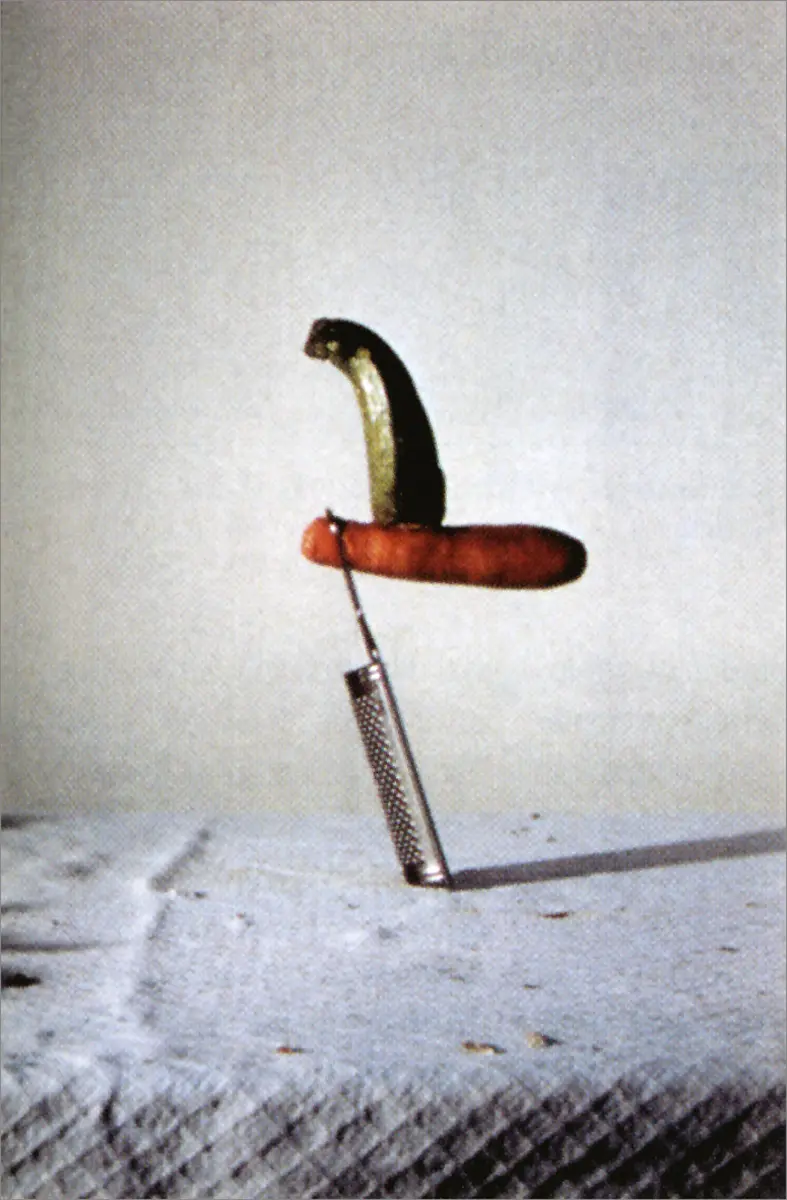
Peter Fischli (Zürich, 1952) and David Weiss (Zürich, 1946) have worked as a team since 1979. In their video The Way Things Go, the artists unchain a series of events involving refuse, floods, smoke, falling objects, and balancing acts. In their two photo series, Tarde tranquila equilibrios (Easy Afternoon balances) and Salchichonerías (Sausage Shops), the artists recover the world that has been lost to mass society. They recover the everyday world, the one close to their perception. They are able to recover intense metaphors about love or waiting with the food they have in the icebox or with shoes, chairs, and kitchen utensils. A Fischli & Weiss easy afternoon reminds us once more of Auster: “We’re what has made us less than what we really are. And art must teach us to perceive just that.”
NATALIA GUTIÉRREZ