
The Latin American sales this past season were an indication of the recovery that had been expected for quite some time. The top-quality paintings sold at the estimated prices, and some above the estimates, most of the medium-price works offered in the evening sales fared well. The problematic situation of Christie's evening sale was that it included important pictures that could not leave México, which failed to sell, including a beautiful Frida Kahlo, Naturaleza muerta con perico y bandera. This explains clearly that, though much recovered from the season before last, Mexican buyers are still cautious when buying important works that cannot leave the nation. These works, no matter what the quality are much more difficult to sell and have at least 20% less value than the ones that can be exported.

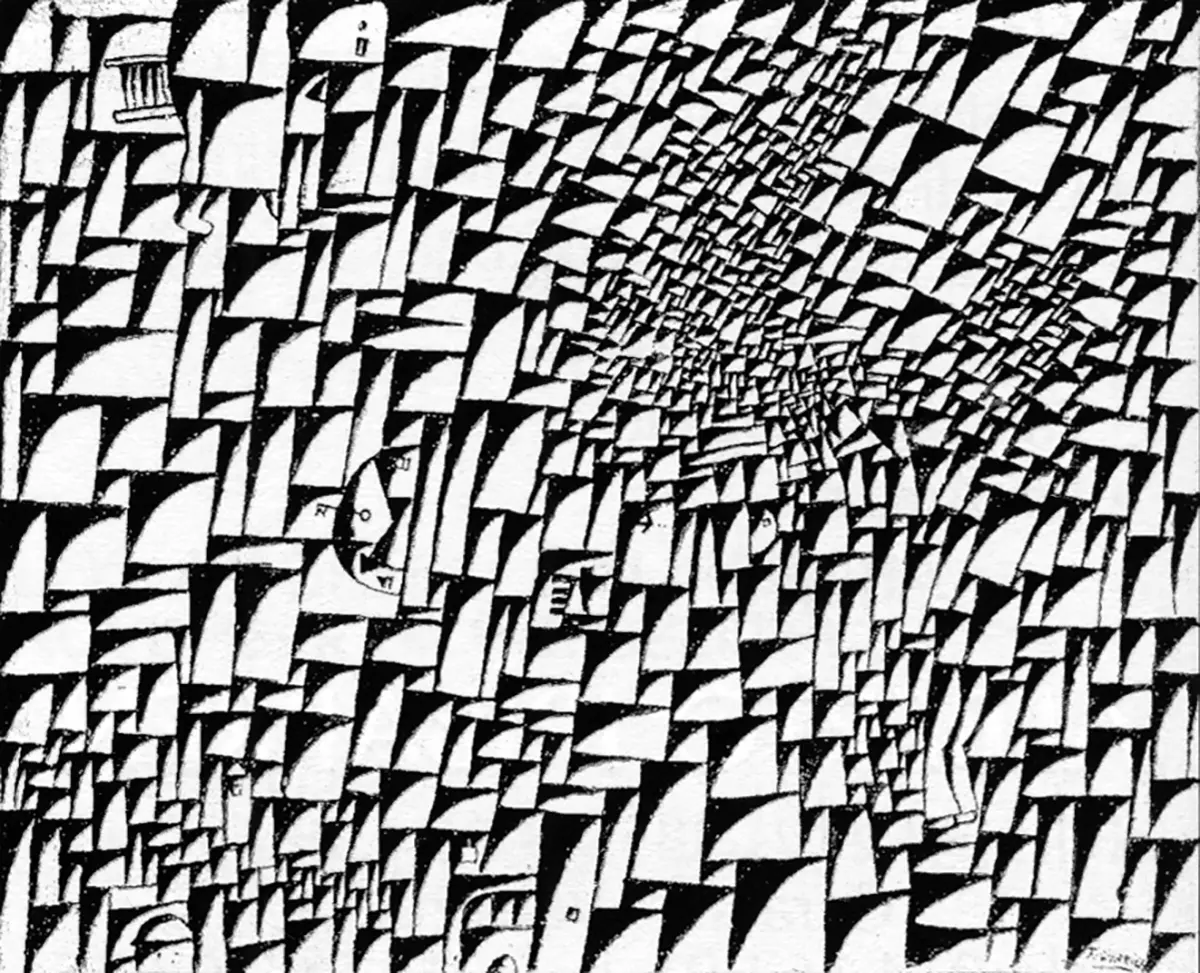
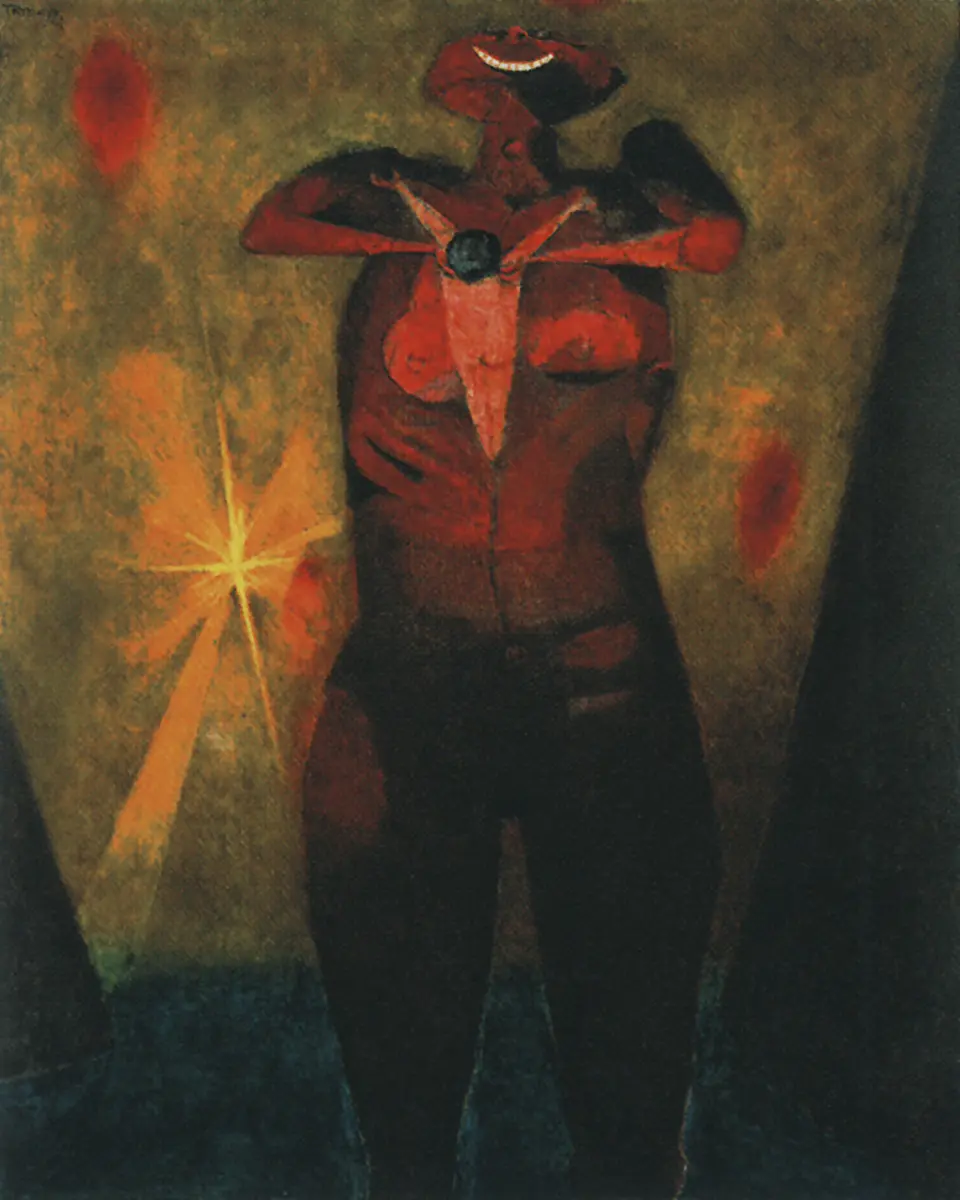
The Mexican market is definitely on the road to recovery, as it was proven by the good prices fetched by works by Tamayo and Toledo. At Christie's, the vibrant Madre feliz was very sought after and brought US$ 500,000. Also, the gigantic Proyecto para el mural sur de la Ciudad Universitaria by Siqueiros, a work that could not leave México due to patrimony laws proved the exception to this rule of bidding restrain when it fetched US$ 240,000 and Sotheby's important Tamayo, Serenata a la luna, from 1946, was snapped up for US$ 540,000. The Tamayo's Vendedor de Sandías did not stop this beautiful work from obtaining a big price at US$ 75,000, way above the high estimate (est. US$ 35,000 / US$ 45,000). Even difficult works by Tamayo, like Hombre rodeado de pájaros sold well at Sotheby's for US$ 230,000 and his sculpture Sandías went for US$ 60,000. Toledo also fared well at the sales, his Camarones brought US$ 110,000 at Christie's. Christie's did sell its cover lot, a colorful Torres-García, Construcción for US$ 400,000. The buyer was not Argentinian, which indicates that important pictures by major artists are still capturing the interest of international collectors. Sotheby's cover, Frida Kahlo's portrait of Cristina, my sister sold at US$ 850,000, below the published estimate of US$ 900,000 / US$ 1,200,000, but still a very high price for a painting that is not a self-portrait of the artist. Interest remains high for Ángel Zárraga, the Mexican modernist painter who has steadily reached higher prices in recent auctions, even defying the downturn of the market last season. At Sotheby's, his L'orange coupée, clearly a work strongly influenced by Cezanne, sold at US$ 62,500, above the estimate of US$ 20,000 / US$ 30,000. The most surprising success of the season was undoubtedly Sotheby's Jorge de la Vega's Prueba de Nuevo which soared at US$ 300,000, no doubt this strong expressionist early work is coveted by Argentinian collectors, but such a strong price at a time of such difficulty for the Argentine economy is unprecedented, and clear proof that the Latin American market has always had a larger margin for unpredictability than other painting categories sold at auction.
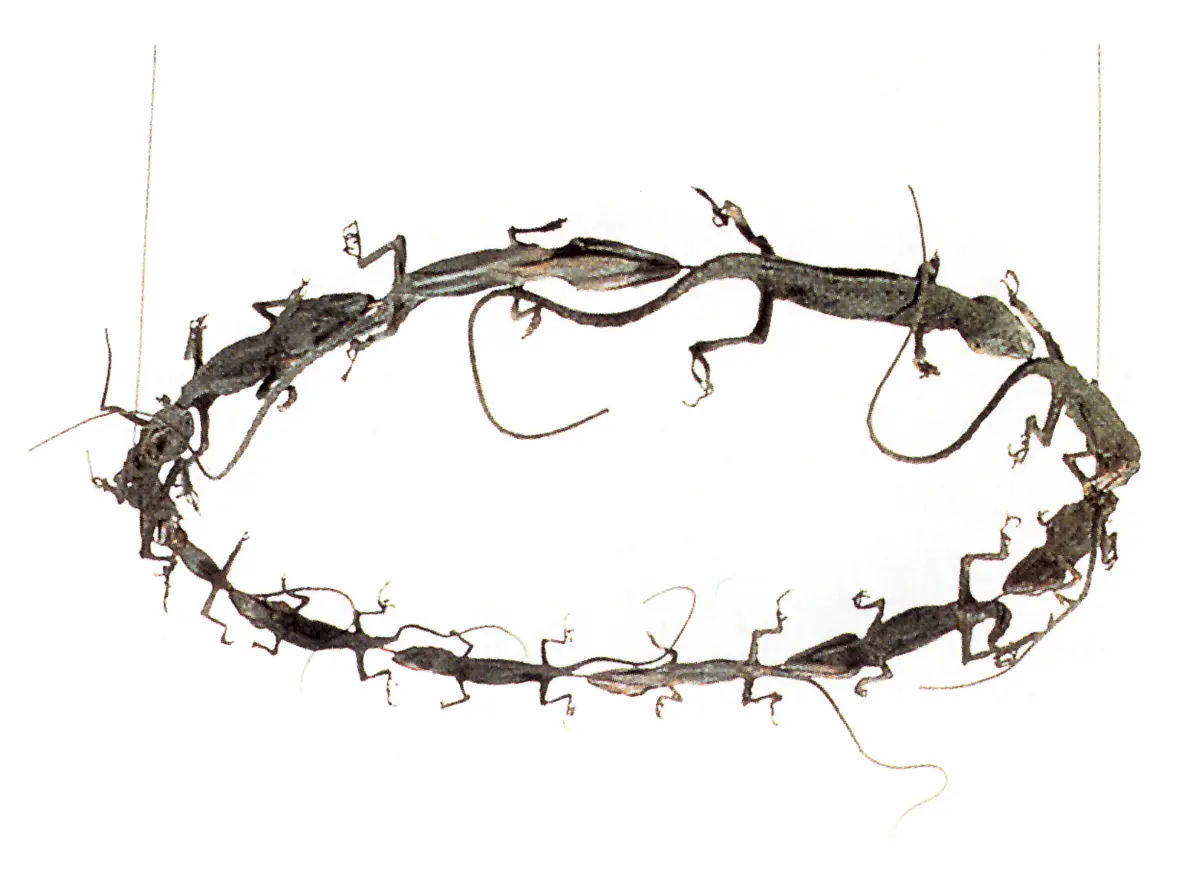
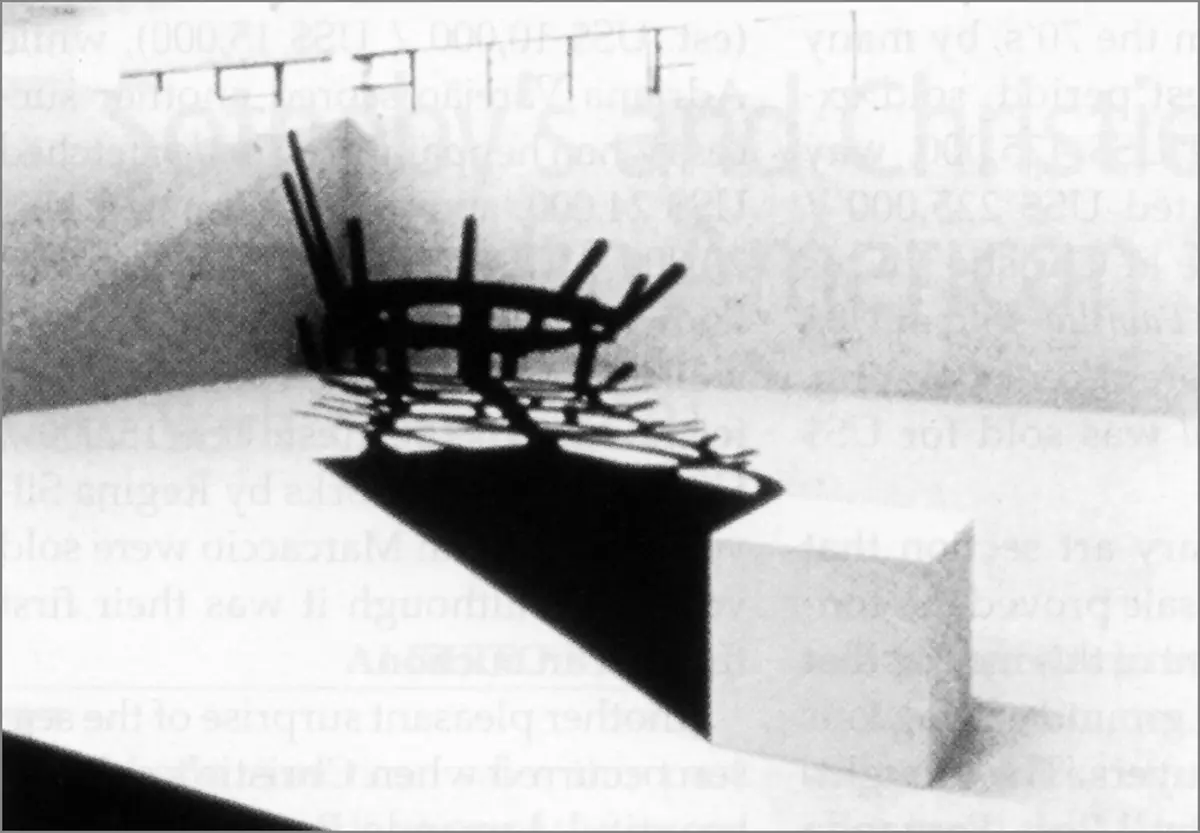
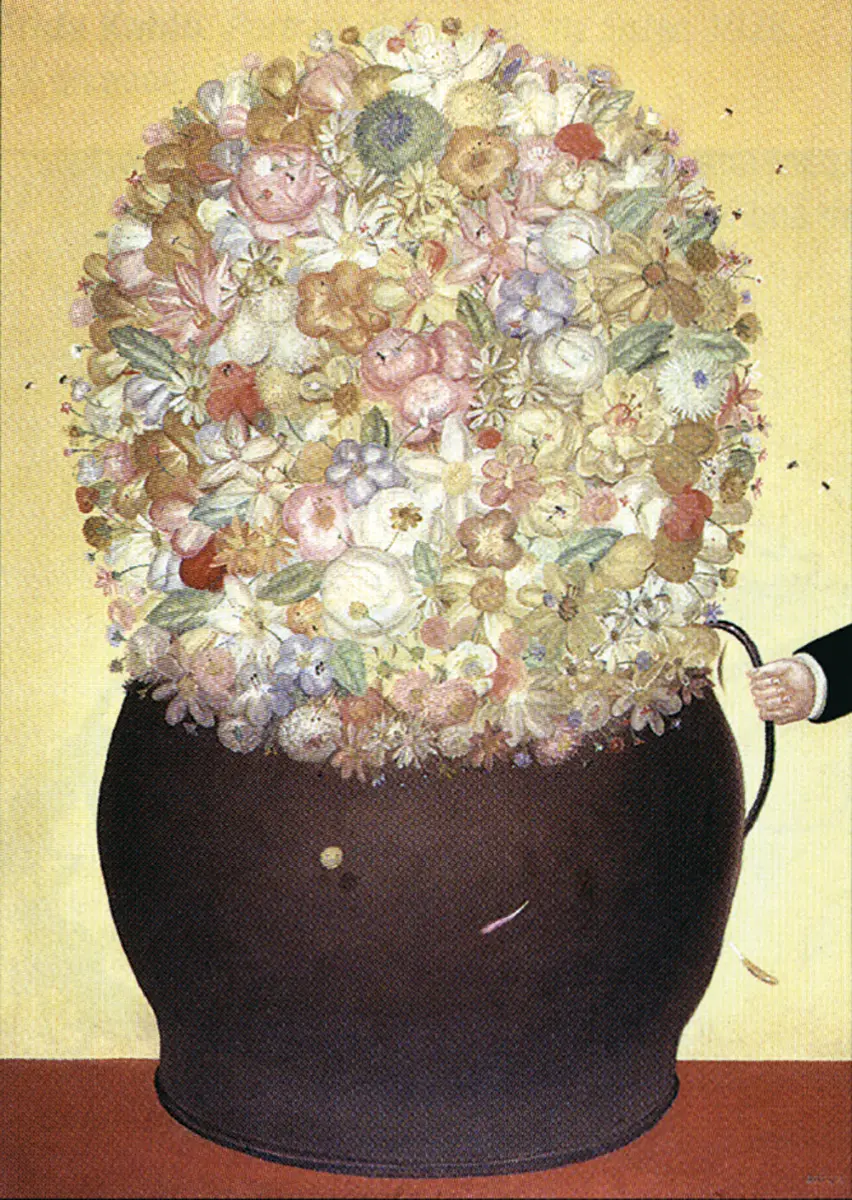
Another example of the capriciousness of this market was the important painting by Guillermo Kuitca that followed Jorge de la Vega a few lots later. Vaga idea de una pasión, in all respects a good example from one of his most coveted periods, went unsold, although it had been reasonably estimated at US$ 125,000 / US$ 175,000. A welcome trend in sales was the success of Botero pieces, selling well again, which had not been the case for the past few seasons. His comfortably rotund bronze sculpture. Reclining Woman sold at Sotheby's for US$ 190,000 while the colorful Florero, a painting from the '70s, by many considered his best period, sold exceedingly well at US$ 425,000, way above the estimated US$ 225,000 / US$ 275,000 while at Christie's his humorous bronze Familia sold at US$ 140,000, and a more recent painting. Frente a la catedral was sold for US$ 140,000. The contemporary art section that opened Christie's sale proved the continued development of this market that is steadily gaining ground among Latin American art buyers. The thought-provoking work by Maria Fernanda Cardoso, Corona para una princesa Chibcha, a roundel of preserved lizards, sold at the high estimate for US$ 15,000 (est. US$ 10,000 / US$ 15,000), while Adriana Varejão scored another success when her painting, Cirklen fetched US$ 24,000, above the estimated US$ 20,000 / US$ 22,000. The more well-known work of Doris Salcedo also sold well. Her provocative. Camisas blancas fetched US$ 19,000 (est. US$ 15,000 / US$ 20,000). The works by Regina Silveira and Fabián Marcaccio were sold very well, although it was their first time on an auction. Another pleasant surprise of the season occurred when Christie's sold the beautiful Armando Reverón, Quebrada de Morrocotudo at US$ 85,000 (est. US$ 70,000 / US$ 90,000). This work, rumored to be the last of the blue period in private hands, had lots of bidders going after it, a strong indication that despite the present uncertainty in the Venezuelan economy, the Venezuelan collectors will respond to good quality at reasonable estimates, a fact that was also confirmed at Sotheby's the next evening when the beautiful work, Vista del Valle de Caracas desde el Calvario by Manuel Cabré sold for US$ 130,000, a very high price for an artist that is really only for the Venezuelan market.
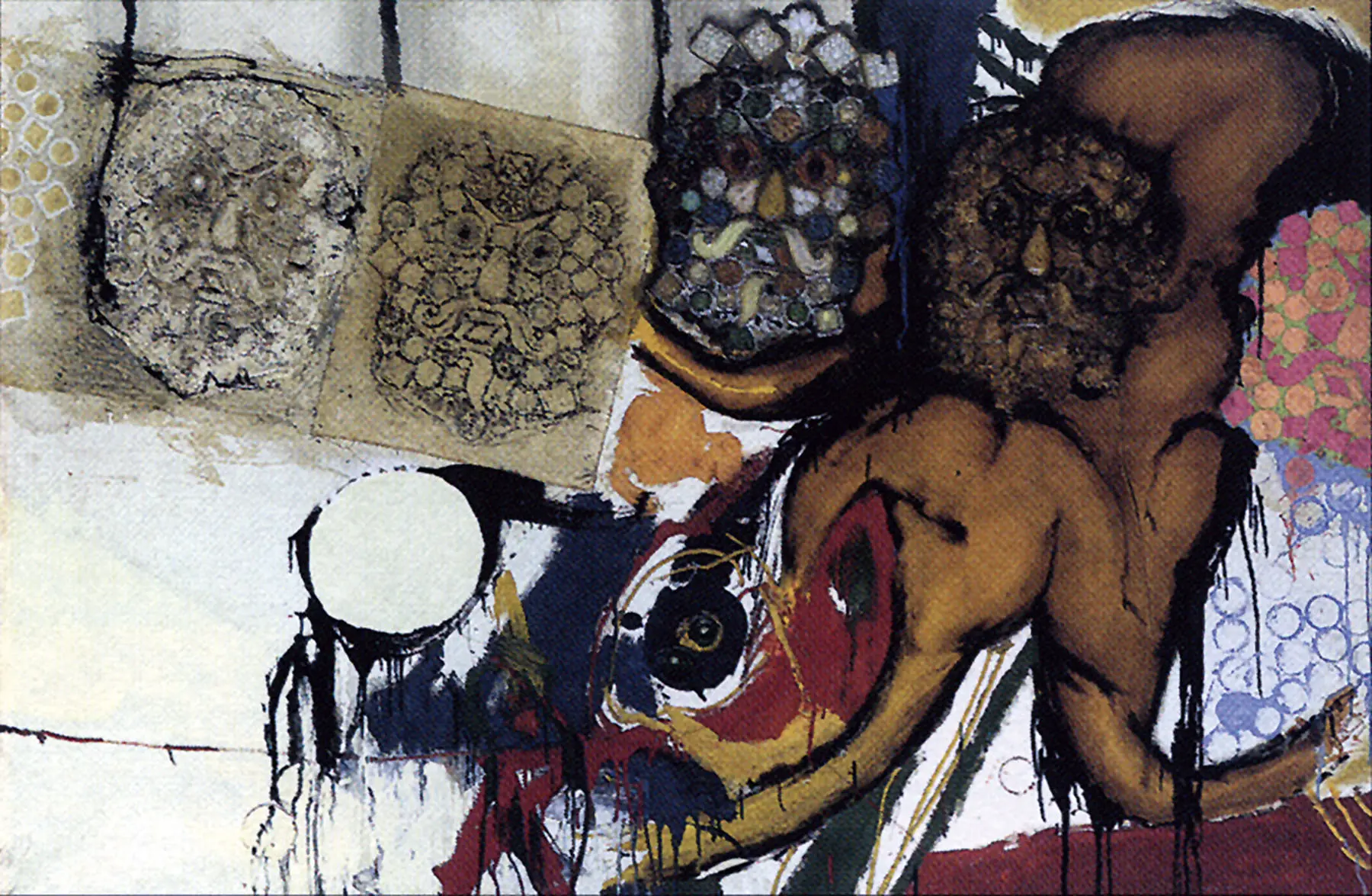
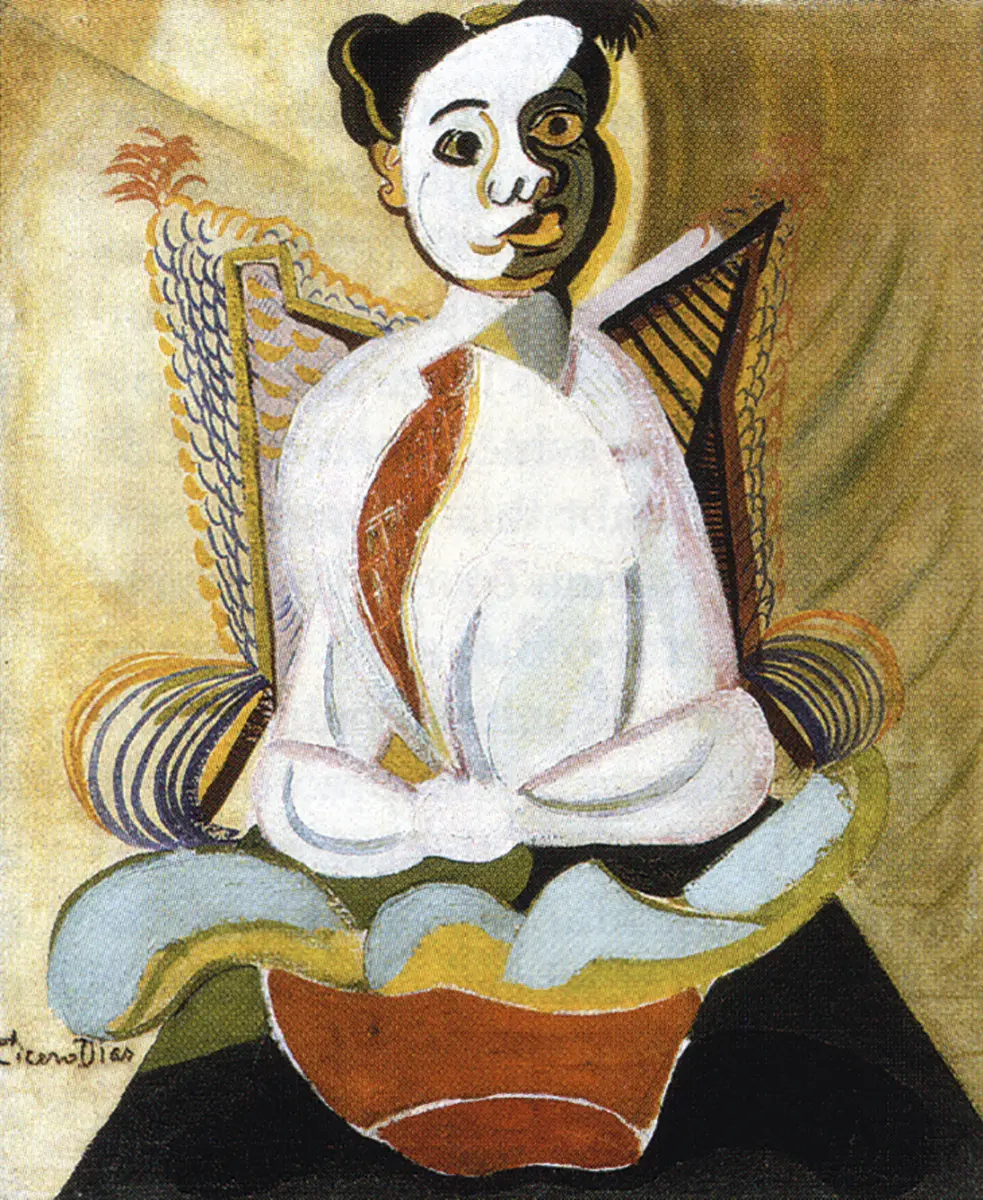
Christie's had a new record for Brazilian painting when Cícero Dias' La pensée rêveuse sold well above the estimate at US$ 80,000 (est. US$ 40,000 / US$ 60,000), a well-known artist from the Brazilian avant-garde this expressionist work is surely an acquired taste. This success was actually very much the same situation as the Jorge de la Vega at Sotheby's. In both cases, the work is very strong and the artists are not well known outside of their countries of origin, yet the results prove that collectors are willing to stretch their dollars for quality works when these rare artists come up at auction.
Also noted: The sale of Transdimensional (1959), a small painting of an early period of the artist Hélio Oiticia, sold at Sotheby's above the estimate. The continued success of recently arrived in the auction world, Chilean artist Muñoz Vera sold his beautiful Alacena con libros, calabazas y candelabro for US$ 55,000. José Gurvich reached the high estimate of his Construcción en blanco y Negro at US$ 45,000. Armando Morales is starting to also recover from the downturn of past seasons, his Torero sold at Christie's for US$ 110,000. Both Lam and Matta resumed steady gains selling well in both houses. Lam's elegant La rose zombie fetched US$ 200,000 at Sotheby's where two other works on paper, L'offrande and Femme assise sold for US$ 70,000 and US$ 50,000 respectively. El embrujo also went well at US$ 80,000 at Christie's. Matta had an important work at Sotheby's, Morphology of Desire which brought US$ 525,000, and a beautiful drawing from the same period that sold for US$ 230,000. While at Christie's the only two works offered in the evening sale both sold, the drawing from the '30s, Espíritu del sol went for US$ 50,000 and the oil Prose État, from a much later date for US $90,000. There is renewed optimism about the Latin American market after this successful season that will hopefully translate into an even more complete recovery in the Fall of 2001.
ALBERTO BARRAL
Art Advisor, New York.