This year the Ibero-American Art Fair of Caracas reached its tenth edition, unfurling within the framework of its execution a program that comprised a true takeover of the city spaces: the 1st Conference on Urban Art; FIA Caracas Pública 2001; the 4th Exhibition of Youth CANTV with FIA; and the 2nd Conference on Ibero-American Photography. These are events that, on account of their peculiarity, opened a crossroads and confrontation among young artists who come from the most diverse areas.
The recount of these ten years of activity has left, both on the public and on the organizers and participants of the fair, and even on the official art stratum, the awareness of the tremendous importance that FIA has achieved as a mobilizing event of Caracas’s artistic atmosphere. Within the current economic and cultural context, this has opened a door that allows the outlining of strategies related to the international diffusion of art and the country’s exhibitory activity, as well as its insertion into global circuits.
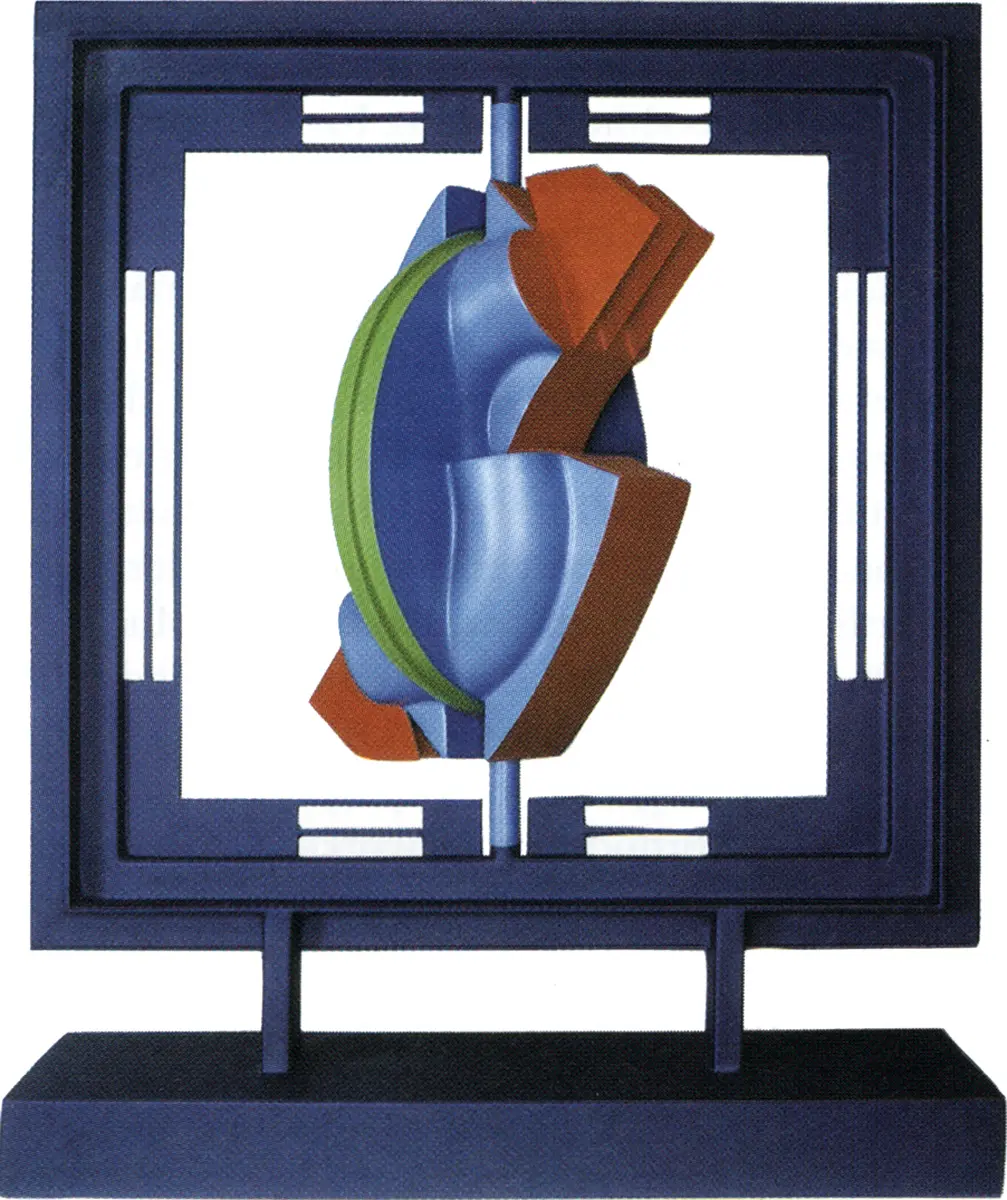
On this occasion, FIA paid homage to the career of Venezuelan artist Víctor Valera, an unavoidable reference to the contemporary sculpture of the country. A large group of his recent works was presented by the Galería Durban. In attendance as special guests of the event were Spain’s Joan Fontcuberta and Colombia’s Nadín Ospina.
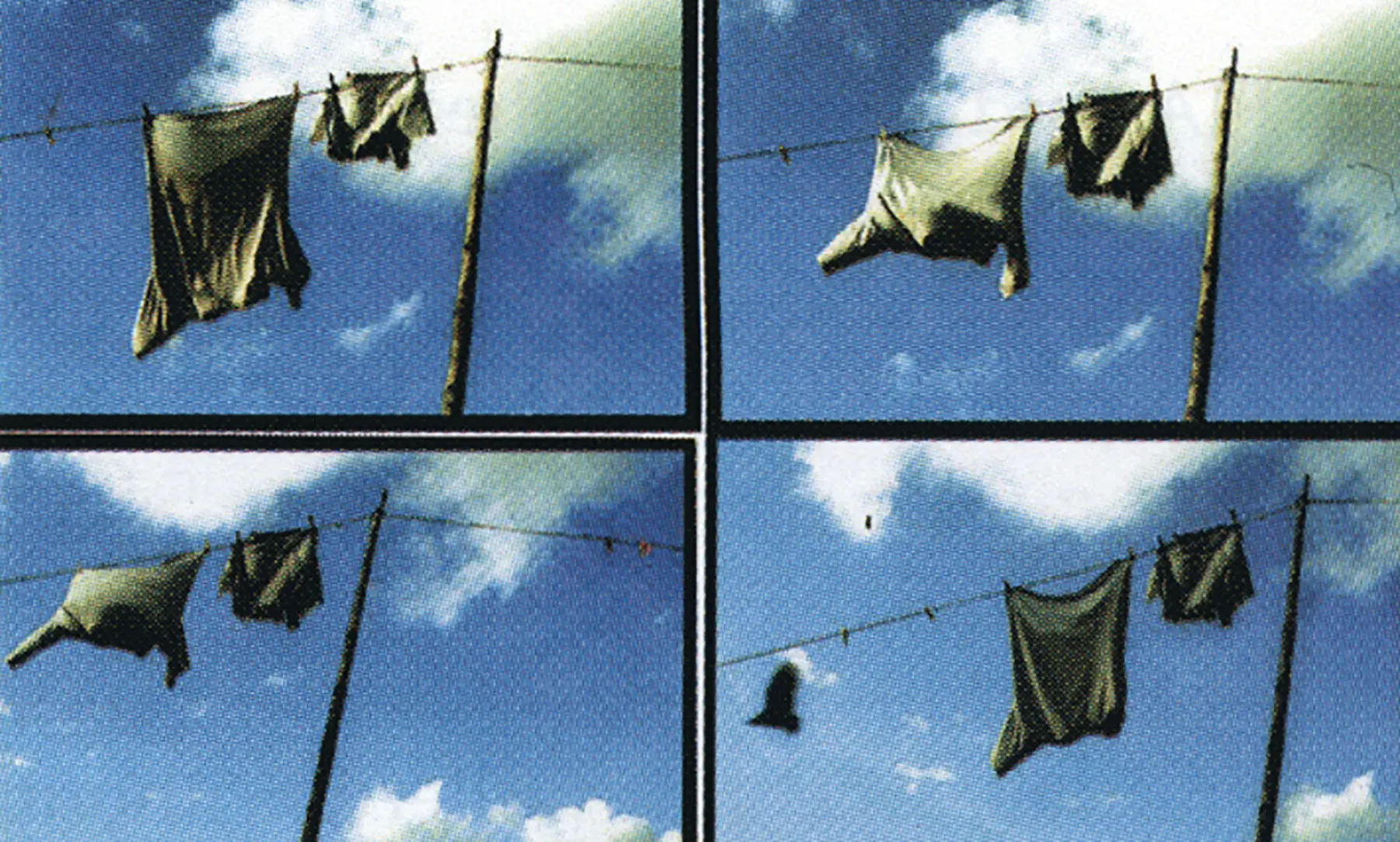
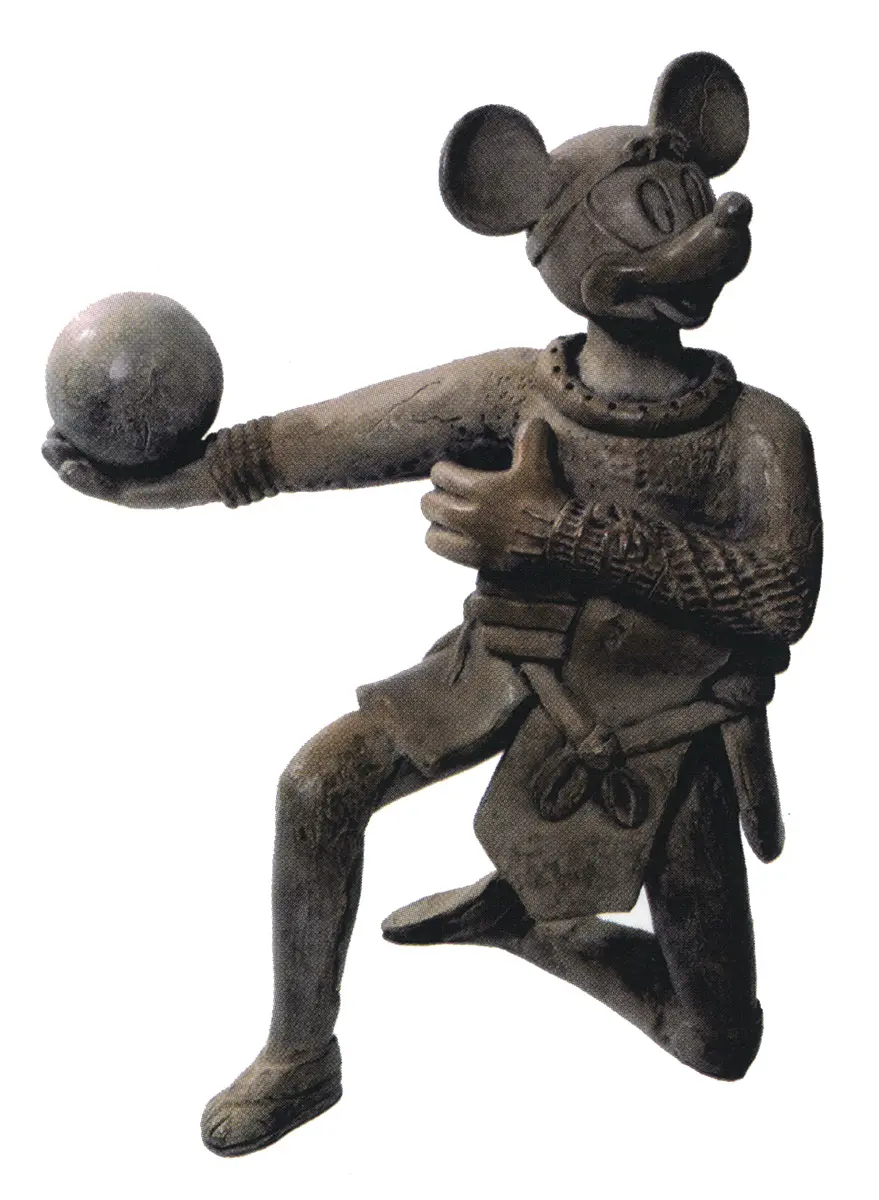
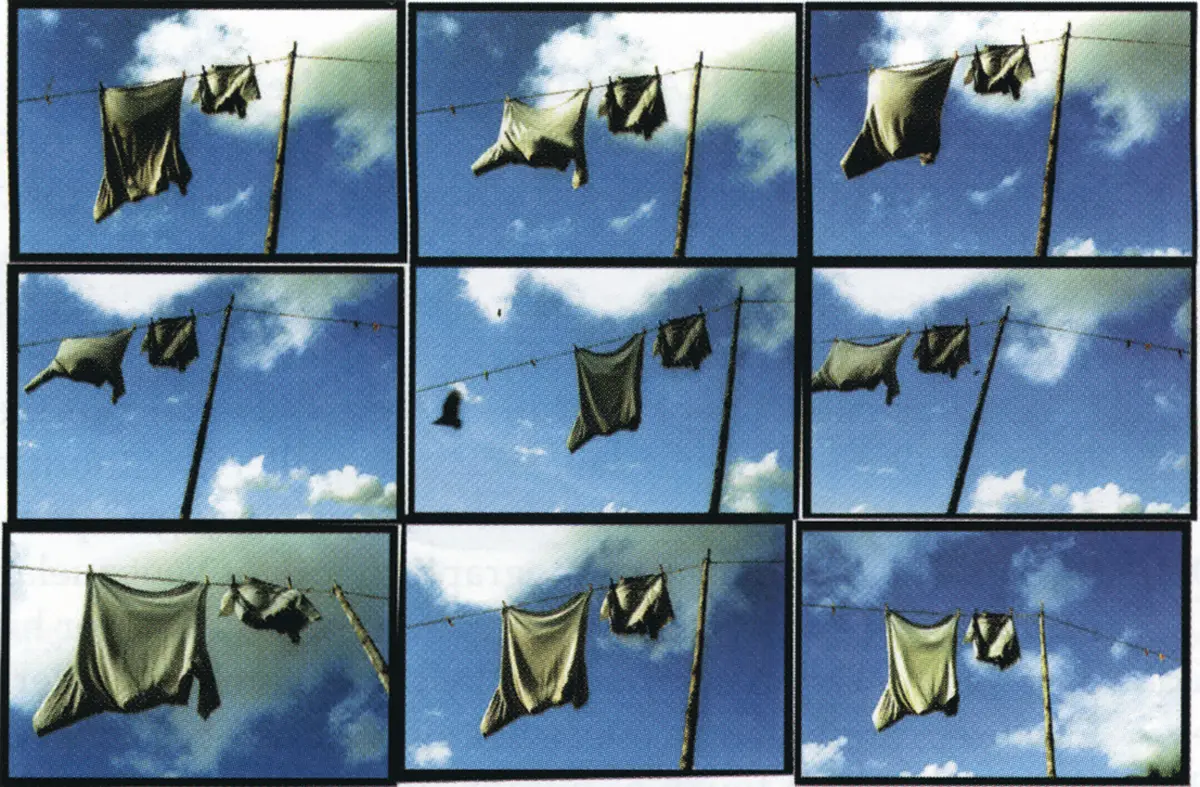
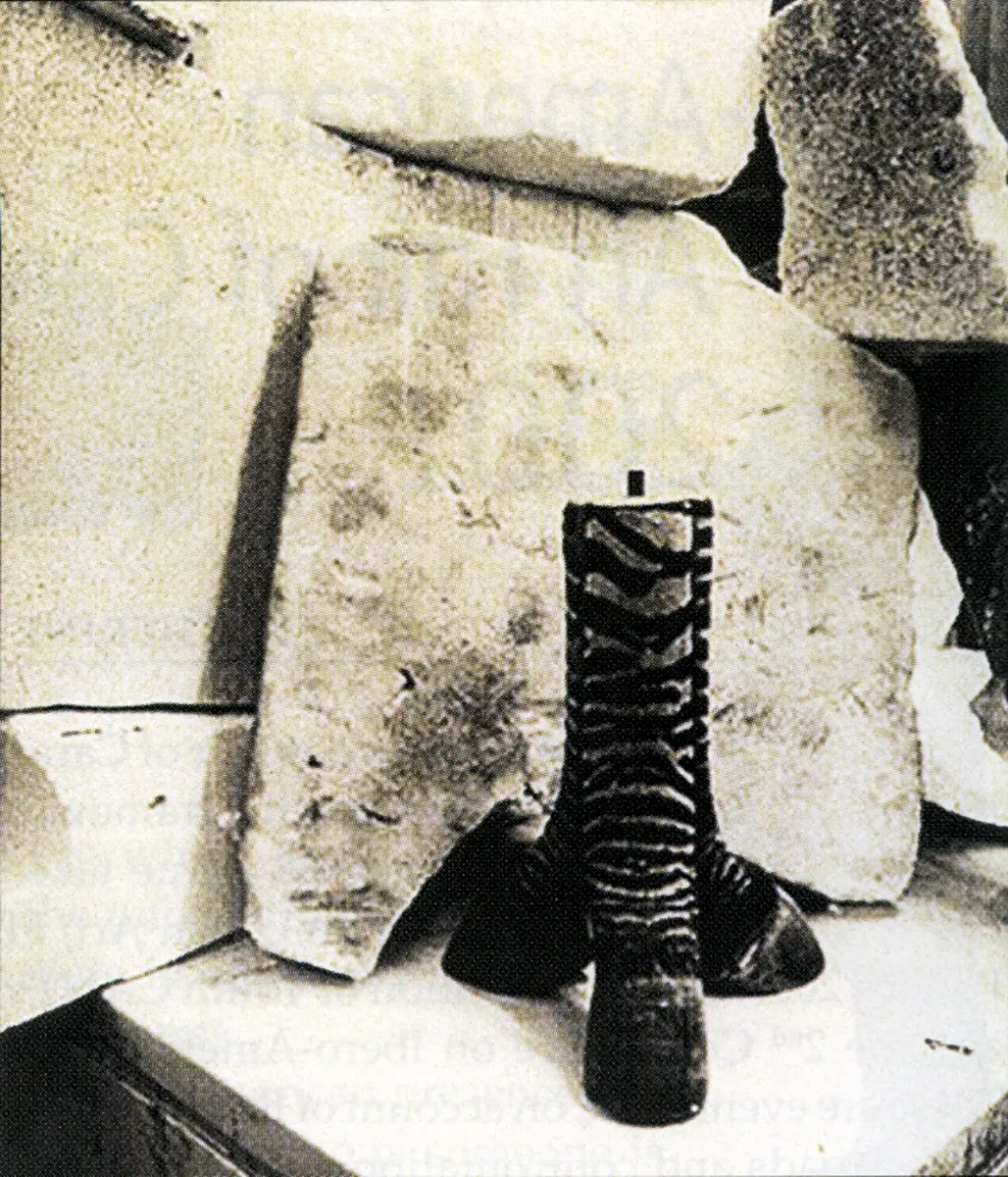
Joan Fontcuberta’s exceptional work was shown in the stand of Germany’s Adriana Schmidt Gallery, without a doubt one of the most outstanding exhibitory groups of the fair. The most recent photographic work of Venezuelan Antonio Briceño was also prominent in this stand. For his part, Nadín Ospina, supported by the Colombian gallery El Museo, presented an overwhelming group of clay pieces in which, with a touch of humor, he approaches the serious pre-Columbian traditions, demystifying them as he constructs a formal and technical imitation with new icons stemming from the world of comics. The group of El Museo, which was extremely resolute, included Paloma Navares, Jim Amaral, Lucas Ospina, Ana Mercedes Hoyos, and Herminio Álvarez, among others.
Also from Colombia, the Sextante and Luis Pérez galleries likewise showed works. The former exhibited a coherent group of works by artists with similar poetics and inquiries within the experimentation with natural materials, such as Ricardo Benaim, Luis Fernando Peláez, Lorenza Panero, and Hugo Zapata. Luis Pérez showed multiple works by Édgar Negret and paintings by Mauro Mejías.
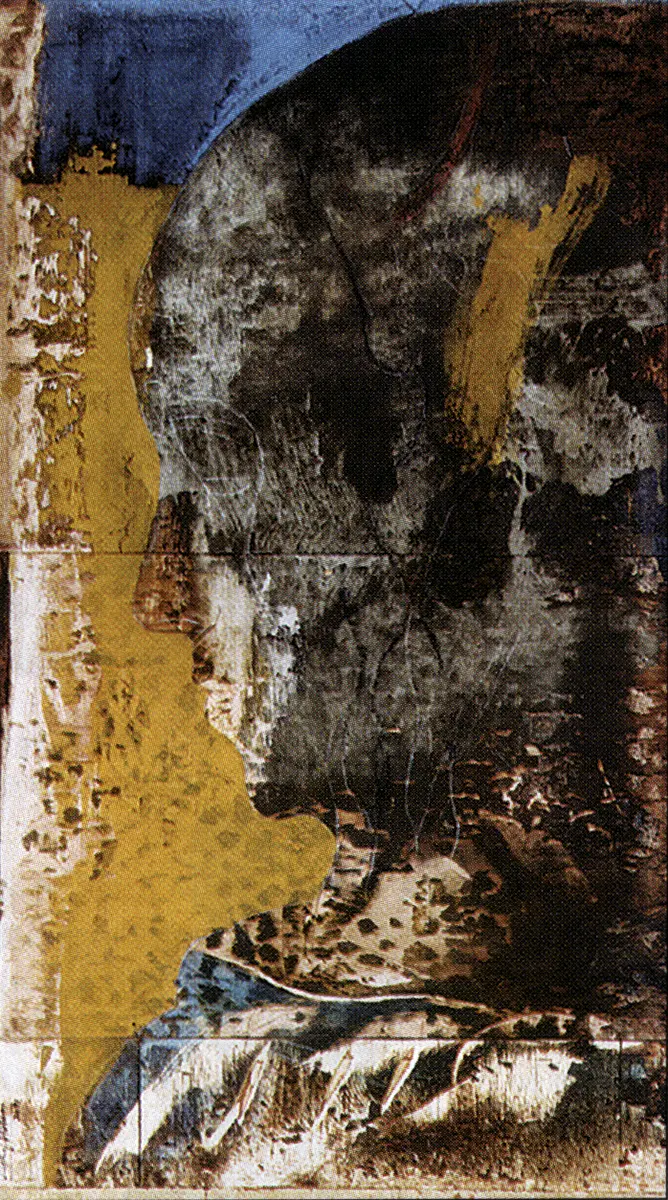
From Perú Forum and Cecilia González, were able to gather an interesting selection of contemporary artists, notable among which were Eduardo Tokeshi, Maricruz Arribas, Alejandra Bedoya, and Cristina Colichón (Forum), and Nelly García, Lourdes Correa, Marisol Malatesta, and Michelle Prazak (Cecilia González). The Jacob Karpio Gallery of Costa Rica, continuing its line of interest in contemporary proposals, exhibited an excellent group of experimental pieces by artists like Carlos Garaicoa, Gustavo Araujo, Priscilla Monge, Fernando Canovas, and Karla Solano.
Praxis Arte Internacional from Argentina made up a relevant case with an interesting group of figurative painters—Andrés Labaké, Carlos Araujo, Ana Fabry, Martín La Rosa, Mario Segundo Pérez—who deal with the figure, the objects, and the space in lines that recall (although developed in personal languages) Ignacio Iturria, who was also present at the stand. The absence of Brazilian galleries was lamentable; especially missed was Camargo Vilaça. From the United States participated Aldo Castillo.
The Spanish galleries provided a very good counterbalance to the stands from the continent. Joan Guaita Art presented an overwhelming group that gathered large-format drawings by the Cuban artist Kcho, the very expressive drawings of Bernadí Roig, photographs by René Peña, and sculptures and paintings by Manuel Mendive. Kreisler surprised us with the refreshing painting by Anoro, a colorful figuration that contrasted with the hermetic geometry of Carlos Evangelista. The Galería Cuatro Diecisiete amazed us with the delicate lyricism of Luis Manuel Fernández’s landscaping work.
A great many local galleries were also present. They offered an ample panorama of Venezuelan art that encompassed everything from the masters of the early twentieth century to the young artists with promising talent. The Centro de Arte San Francisco and the Galería Muci preferred the “classic” line, exhibiting landscapes and other themes by very renowned painters. Manuel Cabré, Tomás Golding, and Pedro Ángel González, were among those seen. Especially noteworthy were the works of Mario Abreu exhibited by San Francisco, a space that concurrently promotes the contemporary artist Peter von Artens.
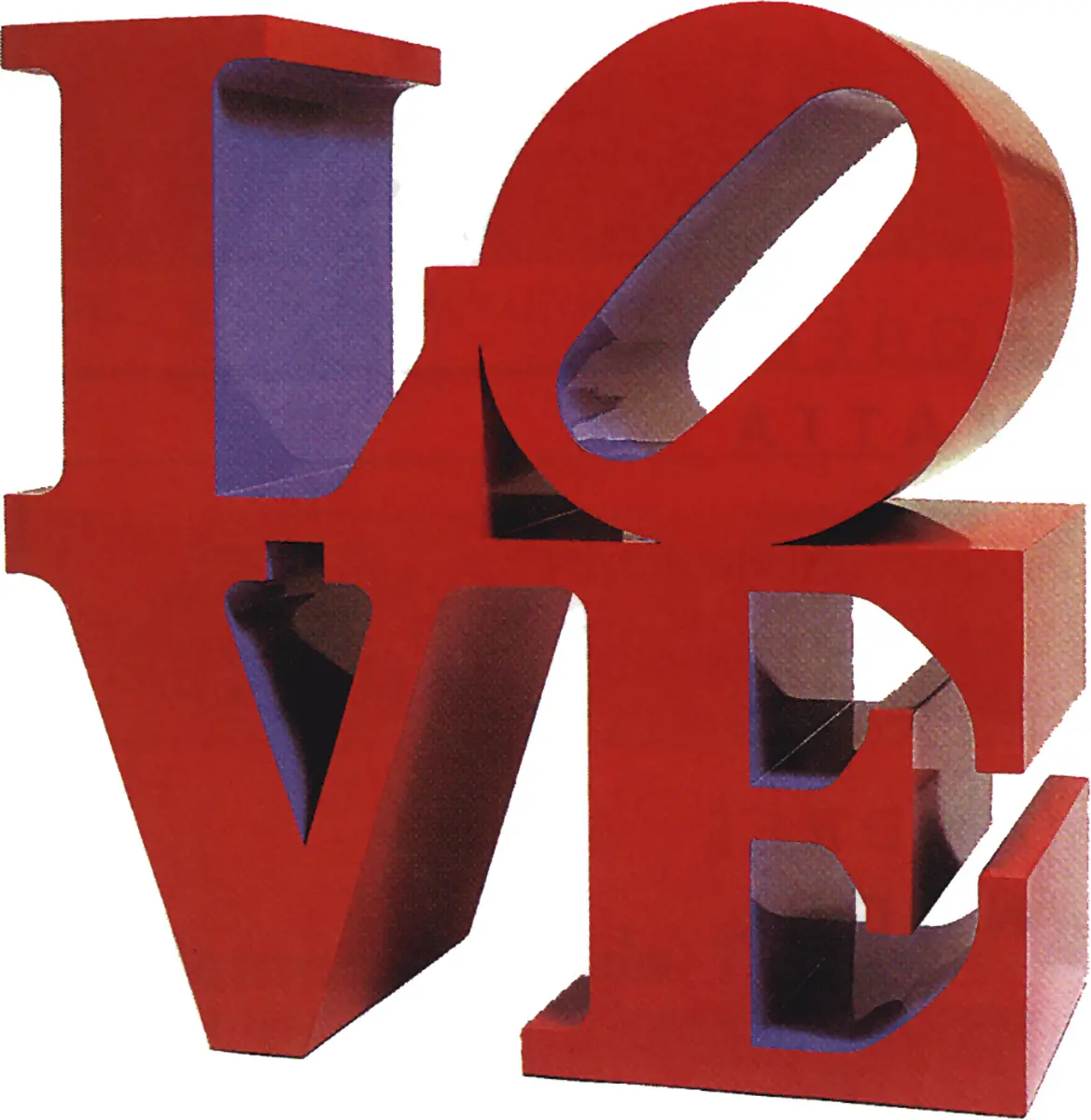
The masters of the second half of the century were very well represented by galleries like Arte Ascaso, which exhibited a splendid group of works by Jesús Soto and large formats by Alirio Palacios, Dimaca, and Freites, with recent work of Jacobo Borges, along with Santiago Cárdenas and sculptures by Robert Indiana.
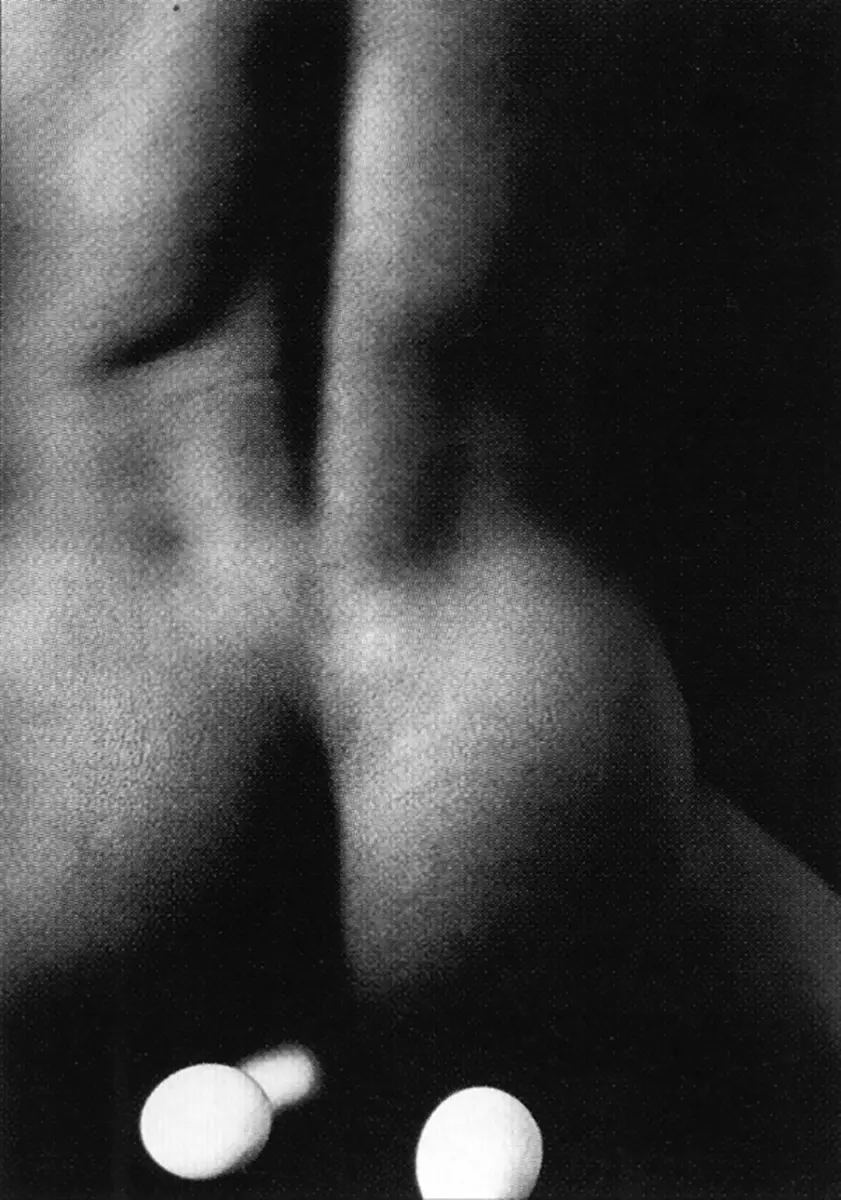
The Galería Minotauro, continuing its figurative line and backing new talents, exhibited Fernando Adam and Felipe Márquez, along with canvases by Jorge Gamarra. Acquavella presented hyperrealist sculptures created by Luis Montoya and Leslie Ortiz. Outstanding in the Graphic Gallery were works by Carlos Cruz-Díez and the delicate pieces by Nanín García.
D'Museo gathered Pedro Tagliafico, Juan Iribarren, Jaime Castro, and Alí González, who work on highly novel proposals. An exceptional group on account of their coherence and excellent selection of contemporary artists was shown at the stand of Galería 39, which surprised us with the recent work by Milton Becerra, in addition to the works by Carola Bravo, José Antonio Fernández, and Patricia van Dalen in a collection that was certainly revealing.
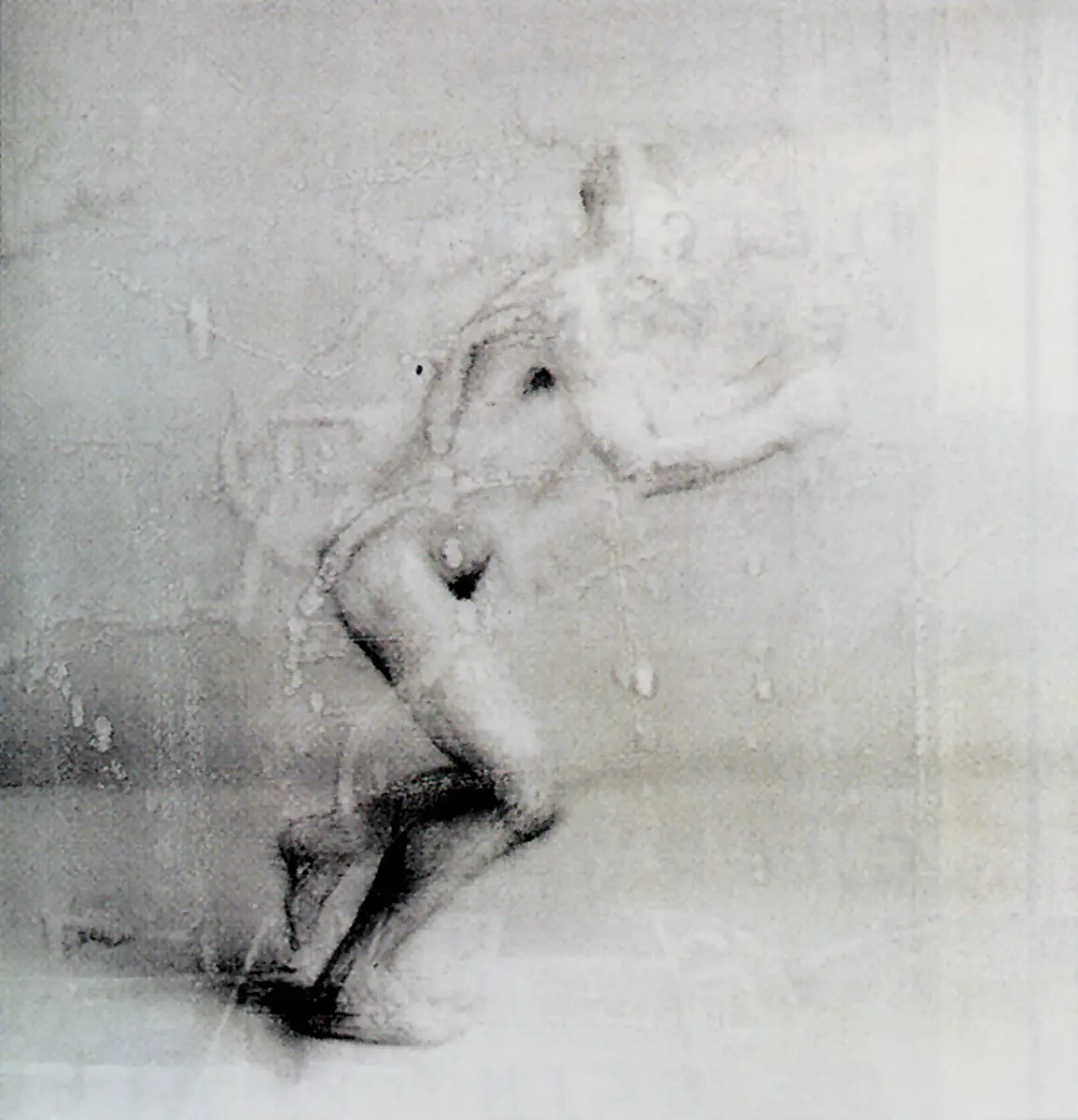
It is important to point out the presence of the Art Nouveau and Juan Ruíz galleries, from Maracaibo, which promoted various artists from the region. In addition to the gallery exhibits, the explanatory contributions carried out by three cultural foundations of the country’s banking entities were remarkable: the Fundación Banco Provincial, the Arturo Michelena Center for the Arts of the Fundación Banco Industrial de Venezuela, and the Fundación Banco Mercantil. These three institutions publicized part of their collections in spaces that stood out thanks to the success of their selections and museographical decisions. The Fundación Provincial exhibited a beautiful selection of landscapes by painters from the Circle of Fine Arts and the Escuela de Caracas: Antonio Alcántara, Manuel Cabré, Alberto Egea López, and Luis López Méndez, among others. The Fundación Banco Industrial unfurled the best of its collection of Arturo Michelena in a montage that included nineteenth-century furniture. The Fundación Mercantil, in a space that excelled through its museographical and conceptual cleanness, exhibited works by contemporary artists José Gabriel Fernández, José Antonio Hernández Díez, and Alí González.
The International Art Fair of Caracas has emerged as a product of numerous efforts. We must not forget that it was born and it grew up in a decade marked by economic, political, and social crises. In reaching this tenth edition, it is fair to welcome without prejudices, and in the full dimension of its contributions, this initiative that year after year turns Caracas into a seething stage of confrontation and exchange.
KATHERINE CHACÓN
Graduate in Art, Criticism, and Art Research.