
The exhibit, Shifting Tides: Cuban Photography After the Revolution, permits glimpses of Cuba, its people, their dreams, and their struggles in ways formerly unseen in the United States. The exhibit, which opened in Los Angeles in April and will travel to New York in late August and then onto Chicago in November, profiles works by sixteen Cuban photographers. Spanning a period of nearly 40 years, the show identifies four thematic approaches to photography that are loosely correlated to the unfolding decades of time. Despite political, social, and economic differences between the United States and Cuba, these contemporary photographs from the island construct engaging and synergetic dialogues with works created elsewhere on the international art scene.
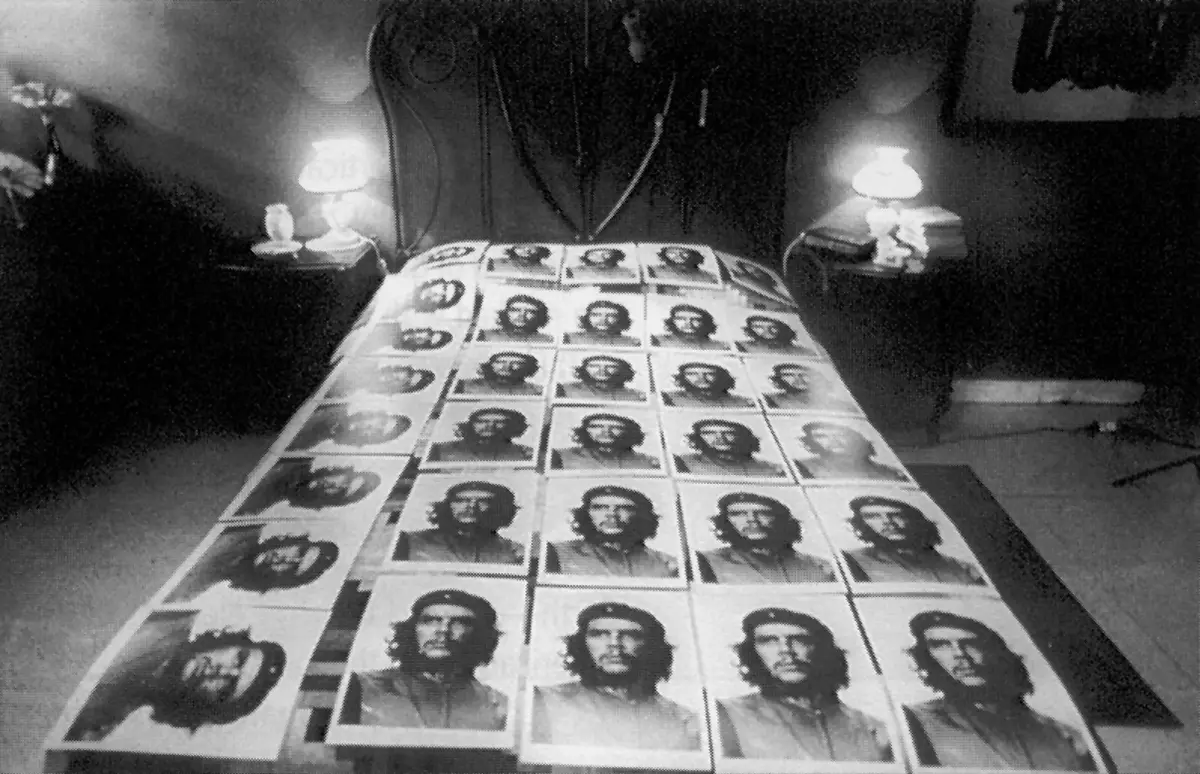
The opening hallway features a handful of early and seminal images by Alberto Díaz Gutiérrez (Korda) and Osvaldo Salas, photographers who created some of the most renowned images of Cuba’s revolutionary heroes. Conveying the initial utopic idealism of the revolution, their iconic images of Castro, Guevara, and others form a conceptual substratum, as the show’s curator Tim Wride argues, for subsequent photographic developments.
In response to that idealization a subsequent group of photographers, who became active in the mid-60s through the mid-70s, began to shift the camera’s focus from the faces of the famous to those of the unknown. The photos of Iván Canas, María Eugenia Haya (Marucha), Enrique de la Uz, Jose Figueroa, and Rigoberto Romero, capture the daily life and activities of the common man and woman of post-revolutionary Cuban society. Included are Canas’ unforgettable images of a grain reaper, and Figueroa’s engaging Sierra Road series that links shifting perceptions captured in sequential stills to changing interpretations of people, Objects, and images.
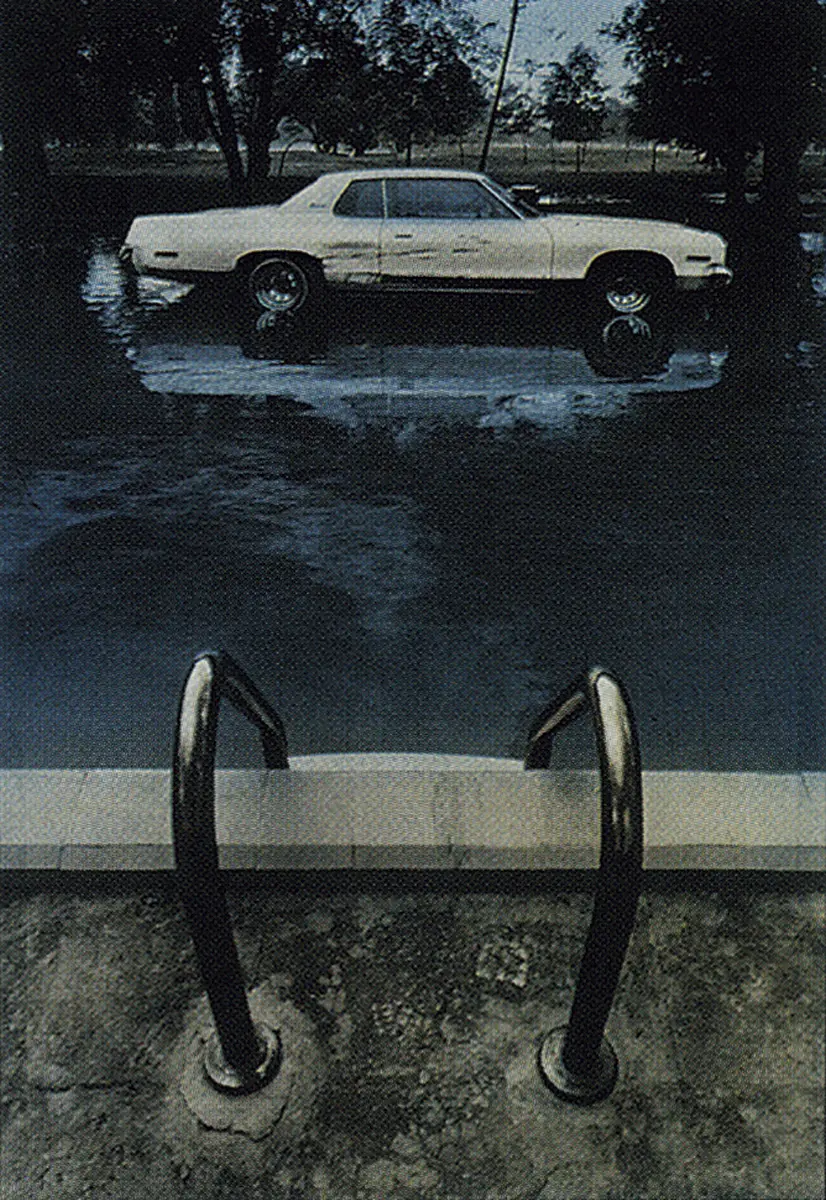
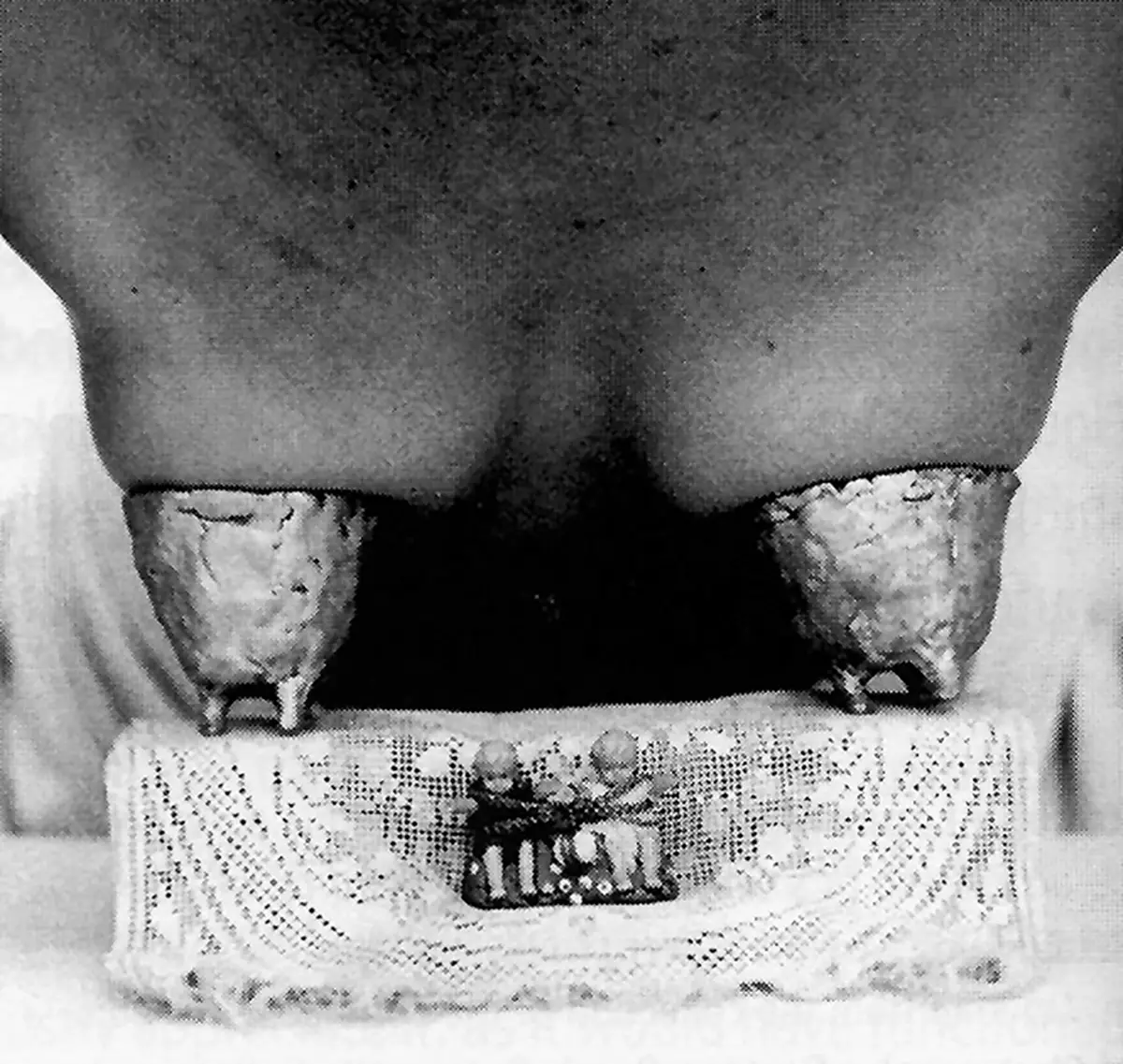
Figueroa’s complex works explore not simply what is photographed but how shifting perspectives can shade meaning. This work provides a conceptual bridge to the next two rooms which exhibit the manipulated photographs of Rogelio López Marín (Gory), Jose Manuel Fors, Marta María Pérez Bravo, and Juan Carlos Alom. Dating predominately from the 1980s and conversing with international art developments, these works explore the tensions between the individual and the State using allegory, juxtaposition, and irony to critique Cuban society. Gory’s dreamlike series of nine photos entitled It’s Only Water in the Teardrop of a Stranger presents shots each featuring the same swimming pool juxtaposed with different visions of longing and hatred. Subverting the certainty of truth associated with straight photography, these images present altered visions of the same vista that construct narratives of both hope and despondency. Equally poignant are Fors’ images structured around a grid that studies and parodies the processes of collecting and classification. Probing the alleged ordering systems of society and history, his works suggest that despite claims to reason and order, such social structures fail to address questions of individual significance and mortality.
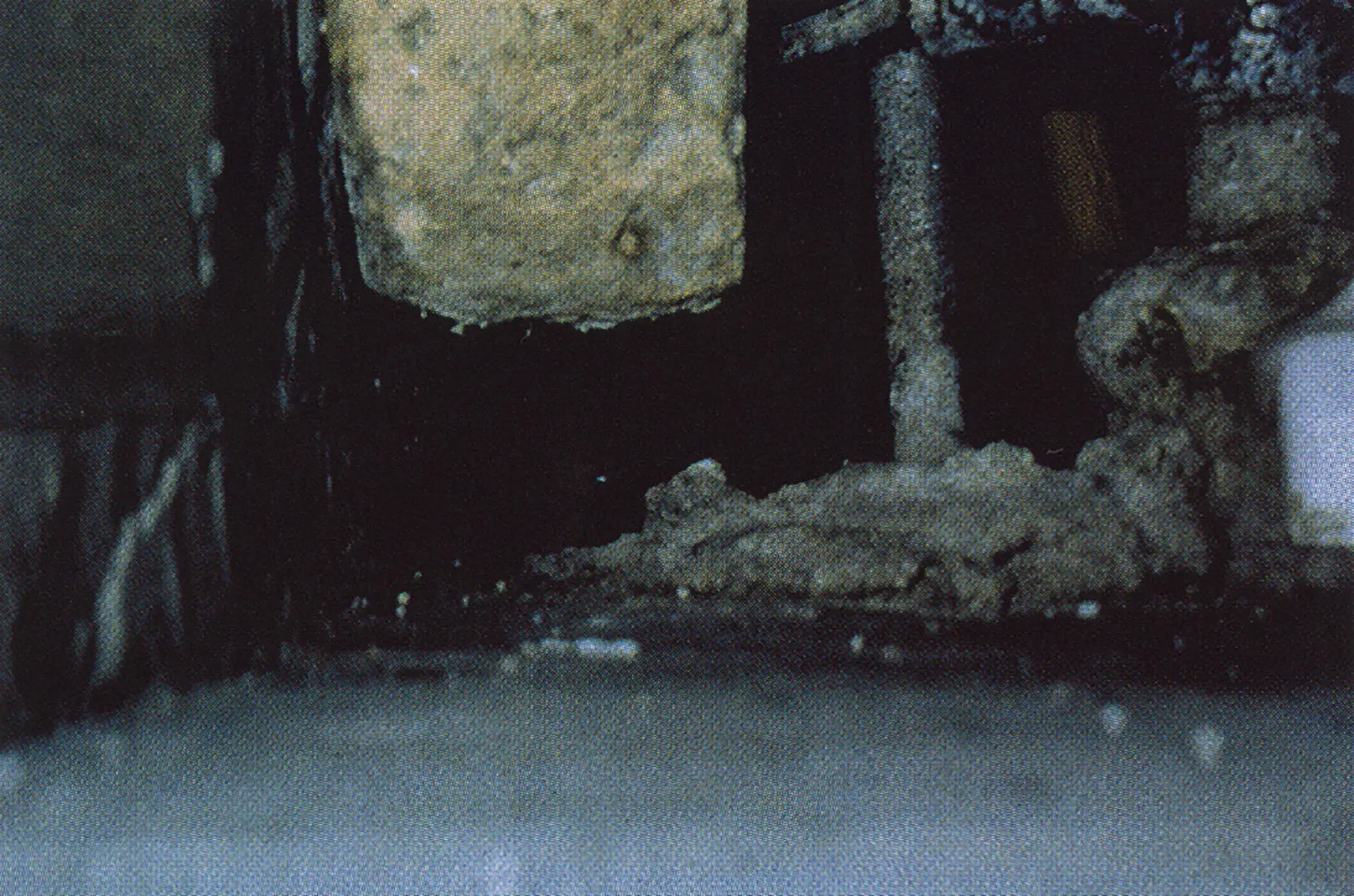
The two closing rooms of the exhibit present the work of photographers who emerged in the nineties including Pedro Abascal, Manuel Piña, Carlos Garaicoa, Abigail González, and Ernesto Leal. Leal’s colorful over-life-sized images of dead-end spaces featuring such paraphernalia as a forlorn tennis shoe, a broken floorboard, and a dusty corner, propose the significance of the abject, conversing in ironic ways with the more poetic black and white photos by Piña. Featured in the final gallery are Piña’s wall-sized images: Aguas Baldías captures Havana’s Malecón sea wall at different times during the season, showing it flooded with water or standing like an immense obstacle to the sea. Conflating nature and culture, abundance and deprivation, freedom, and confinement, the series suggests the social conditions of artists who work on the island but make a living in the national arena. Simultaneously connected and disconnected from the world at large, the images form a compelling metaphor for the shifting tides endemic to contemporary Cuban photography.
COLLETTE CHATTOPADHYAY